

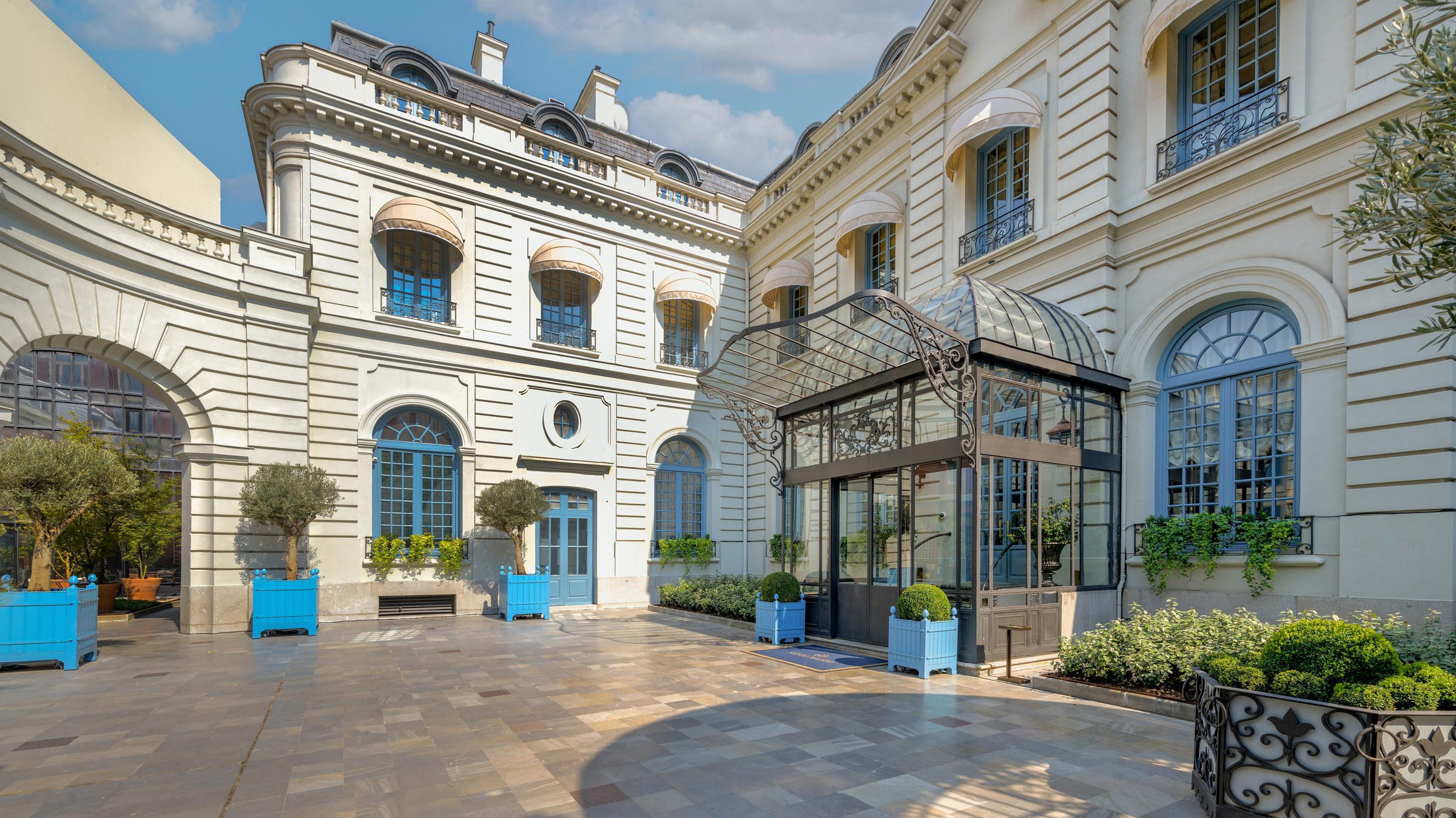
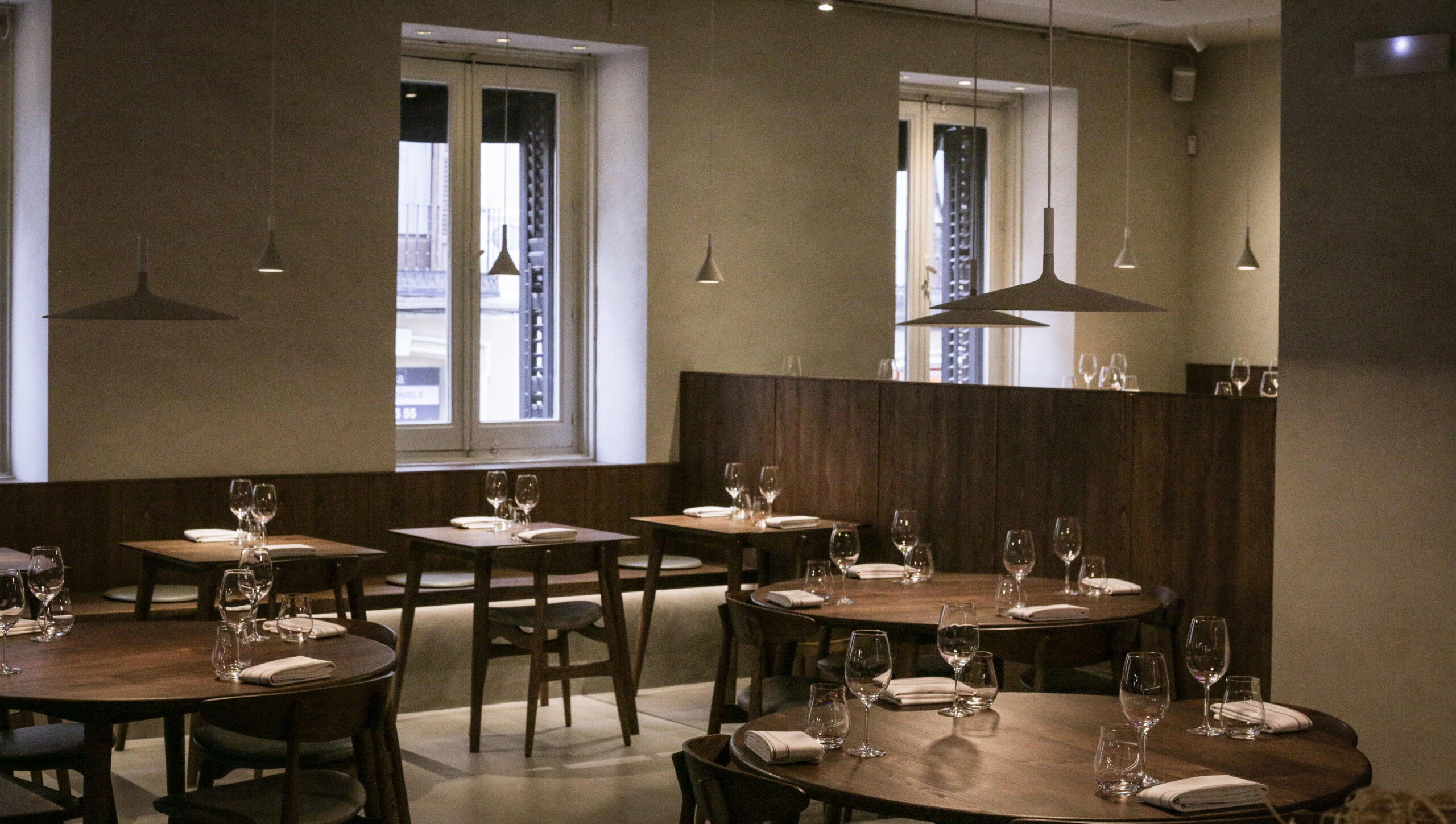
On Calle de Hermosilla in the Salamanca district, TÓTEM Madrid occupies a position between heritage and contemporary design. Parquet floors and wooden panelling carry a sense of accumulated history, while the room programme and public spaces read as firmly modern. For travellers who want a design-led base inside one of Madrid's most composed residential and retail neighbourhoods, TÓTEM is a considered option.
Pearl is the En Primeur Club membership app — saves, bookings, and concierge access live there. Same editors, same standards.
- Address
- C. de Hermosilla, 23, Salamanca, 28001 Madrid
- Phone
- +34 914 26 00 35
- Website
- totem-madrid.com
- Directions
- Get directions
 Saves & bookings on Pearl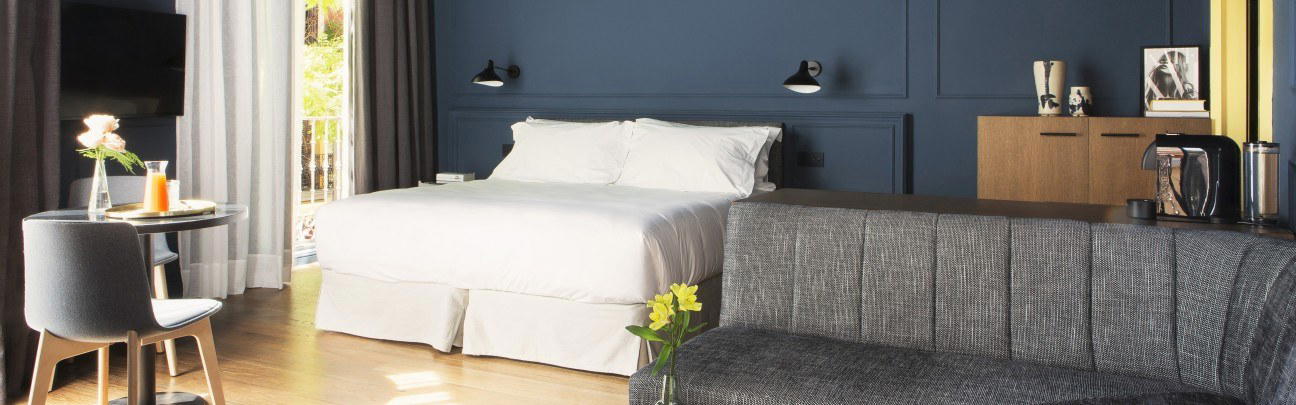
Salamanca's Particular Logic
Madrid's Salamanca district operates by its own rules. The neighbourhood that runs north from Retiro along the grid of streets named for Spanish provinces and literary figures has long been the city's most composed quarter: broad pavements, ordered facades, and a retail density that runs from international houses on Serrano to quieter independents on Lagasca and Hermosilla. Hotels here are placed within a specific social register. The choice to stay in Salamanca, rather than in the Gran Vía corridor or the historic centre, is itself an editorial decision about how to experience Madrid.
TÓTEM sits on Calle de Hermosilla at number 23, which puts it inside the mid-section of the district, within walking distance of the Museo Sorolla and the Mercado de la Paz, and close enough to Serrano to access the neighbourhood's commercial spine without being absorbed by it. For comparison, the Rosewood Villa Magna occupies a more prominent position on Paseo de la Castellana, and the Hotel Unico Madrid works a quieter, more residential register nearby.TÓTEM positions itself between those poles: present in the neighbourhood without commanding it.
The Physical Argument: Heritage Surfaces, Contemporary Interiors
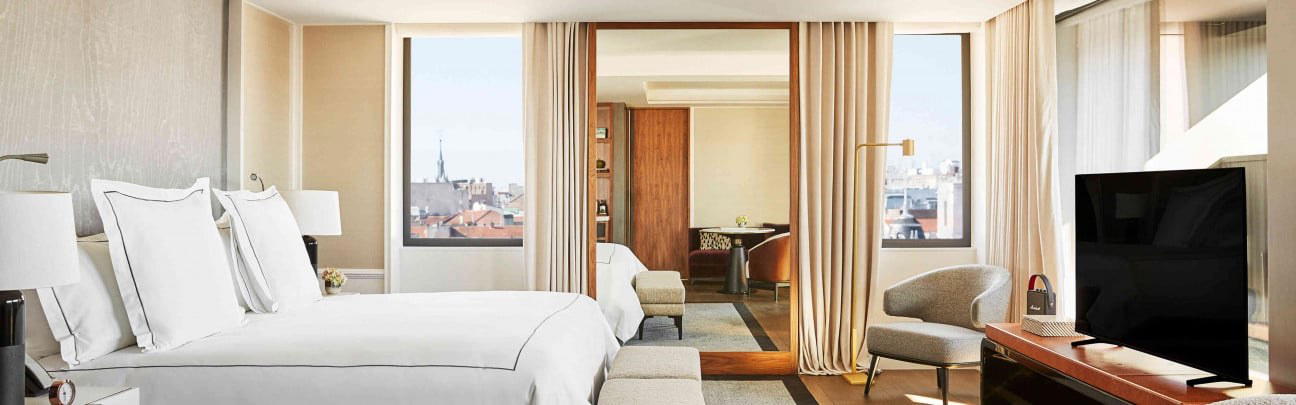
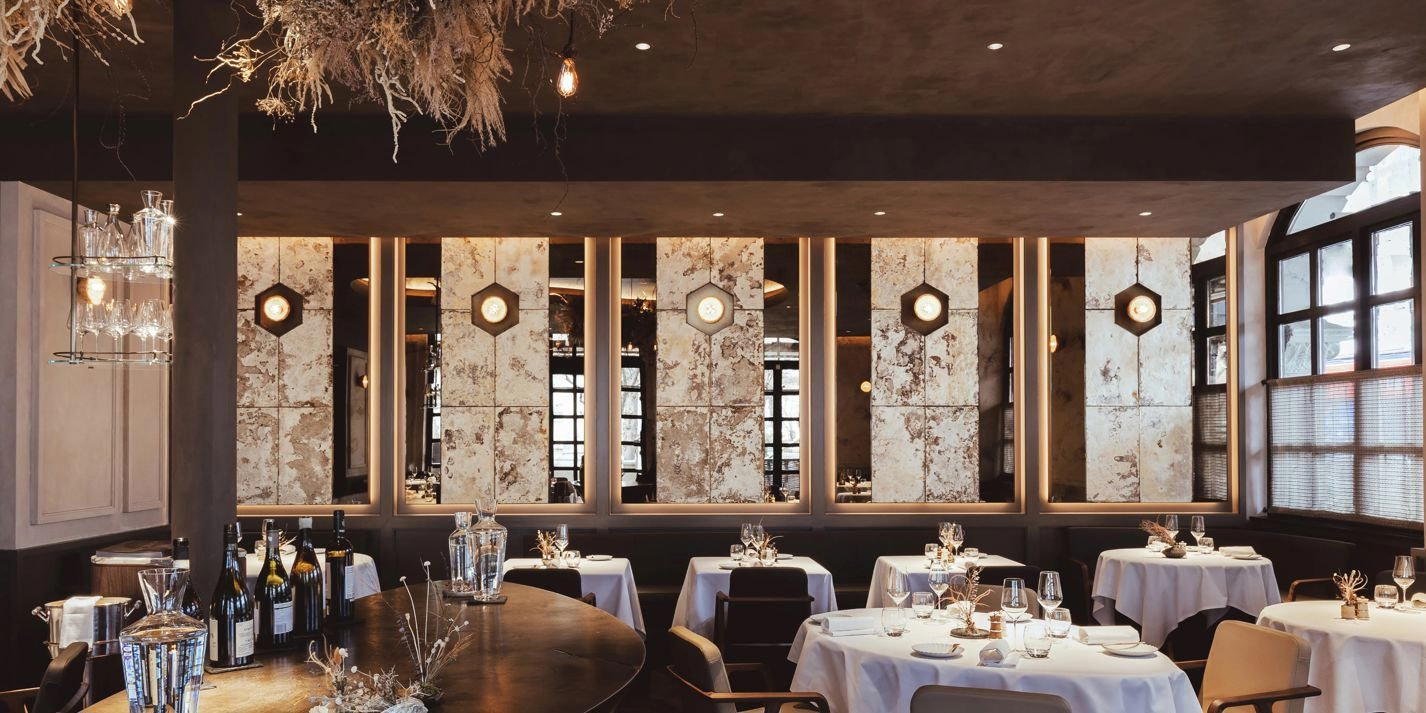
The design language at TÓTEM makes a specific argument about Madrid's relationship with its own architectural past. Parquet floors and wooden panelling appear in the rooms and communal areas, materials that in other hands might read as conservative restoration. Here, they are set against contemporary furnishings and a programme of modern works that pull the property firmly into the present. The result is a hotel that acknowledges accumulated history as texture rather than theme.
This is a model that has grown more common across European city hotels over the past decade, particularly in capitals where the building stock carries weight that developers are reluctant to erase. Madrid has its own version of this tendency, visible across properties from the Gran Hotel Inglés to the CoolRooms Palacio de Atocha. What distinguishes the TÓTEM approach is the private-members'-club atmosphere: the sense that you are somewhere with considered admissions rather than open-access hospitality. That is a tone, not a formal policy, but it shapes the experience of arriving and moving through the building.
Design-Led Hotels and the Salamanca Competitive Set
The Madrid luxury hotel market has split along identifiable lines. At one end sit the grande-dame properties: the Mandarin Oriental Ritz, Madrid and the Four Seasons Hotel Madrid operate with the full apparatus of international brand luxury, high room counts, multiple dining outlets, extensive meeting infrastructure. At the other end, smaller design-led properties have found a market among travellers who want precision over scale.TÓTEM belongs to the latter category, where the emphasis falls on atmosphere, placement, and the quality of individual spaces rather than the breadth of the offer.
Within Salamanca specifically, this means competing with properties that understand the neighbourhood's character: the Hotel Unico Madrid, which occupies a nineteenth-century palace and runs one of the district's more serious restaurant programmes, and the Gran Meliá Palacio de los Duques slightly further west. Each makes a different bet about what Salamanca guests want.TÓTEM's bet is on atmosphere as primary currency: the feeling of a curated private space inside a well-ordered neighbourhood.
Local Grounding, Contemporary Execution
The editorial angle that describes TÓTEM as infused with the spirit of new Madrid is worth examining. Madrid's hotel and hospitality scene over the past fifteen years has moved toward properties that carry local specificity, materials, art programmes, neighbourhood anchoring, while running operations to international standards. This is the same impulse that drives the interest in places like the Abadía Retuerta LeDomaine in Teruel or the Atrio Restaurante Hotel in Cáceres at the national level: the argument that Spanish hospitality is most interesting when it works from specific local conditions rather than imitating a globalised template.
At TÓTEM, that argument is made through material choices and art rather than through gastronomy or landscape. The wooden panelling and parquet reference a Madrid domestic tradition; the contemporary works assert that the property is not a museum of that tradition but an active participant in the city's present tense. Whether that argument lands depends partly on what the room programme delivers at the level of individual stays, but the design framework is clear enough to place the hotel within a recognisable Spanish hospitality tendency.
How TÓTEM Fits Into a Madrid Stay
For travellers building a longer Spain itinerary, Salamanca-based hotels function as a particular kind of base. The district gives easy access to the Retiro, the Prado, and the Reina Sofía, while keeping some distance from the tourist density of the historic centre. Gastronomy in Salamanca runs toward neighbourhood restaurants and upmarket tapas bars rather than the chef-driven destination dining more concentrated around Chueca or in the newer Chamberí addresses. Travellers interested in Madrid's serious restaurant scene will likely need to move across the city for its major moments, but the daily infrastructure of neighbourhood eating, market stalls, vermouth bars, lunch menus, is well-served from Hermosilla.
Further afield, the EP Club covers properties across Europe including Mandarin Oriental Barcelona, La Residencia, A Belmond Hotel, in Mallorca, Aman Venice, and Mas de Torrent Hotel and Spa in Torrent. For North American comparisons, Aman New York and The Fifth Avenue Hotel illustrate how the design-led private-club register translates in a different market.
Planning a Stay
TÓTEM Madrid is located at Calle de Hermosilla 23 in the Salamanca district, postcode 28001. The address is accessible by metro via the Velázquez or Serrano stations on Line 4. Travellers considering the broader Salamanca hotel set should also look at Hotel Unico Madrid and, for a different scale and programme, the Rosewood Villa Magna.
Credentials Lens
Comparable venues nearby, for context on price, style, and recognition.
| Venue | Cuisine | Price | Awards | Notes |
|---|---|---|---|---|
| TÓTEM MadridThis venue — the venue you are viewing | Modern boutique in restored heritage building | $$$$ | 4-Star | Not listed |
| Pestana CR7 Gran Via Madrid | Sport-inspired lifestyle hotel in a historic refurbished building | $$$ | 4-Star | Sol |
| VP Plaza España Design | Contemporary high-rise with bold architecture and flexible event spaces overlooking Plaza de España. | $$$$ | 5-Star | Palacio |
| Metrópolis Madrid | Contemporary luxury design hotel | $$$$ | 5-Star | Gran Vía |
| NH Collection Madrid Gran Vía | Contemporary luxury boutique hotel blending modern elegance with historic architecture on Madrid's most well-known avenue. | $$$ | 4-Star | Sol |
| Bulgari Hotel Madrid | Ultra‑luxury city palace hotel positioned within Madrid’s new ‘milla de oro’ of five‑star grand luxe properties. | $$$$ | 5-Star | Sevilla / Plaza de Canalejas area |
Recognition history
Dated appearances from independent guides and award organizations, with the underlying list record or original source where available.
Mr & Mrs Smith Smith Seal of Approval
Mr & Mrs Smith
Michelin Selected
Michelin
Small Luxury Hotels of the World Member
Small Luxury Hotels of the World
Continue exploring
More in Madrid
Hotels in Madrid
Browse all →
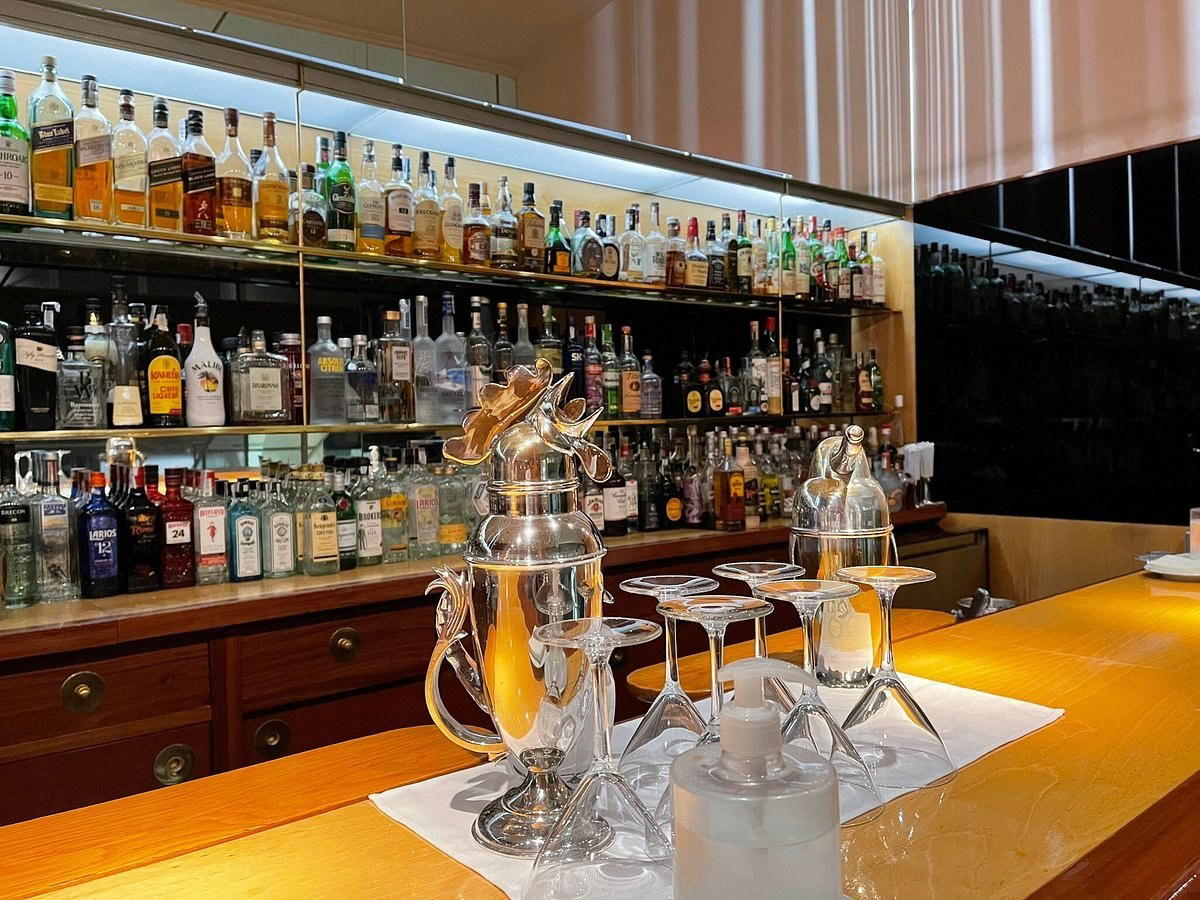
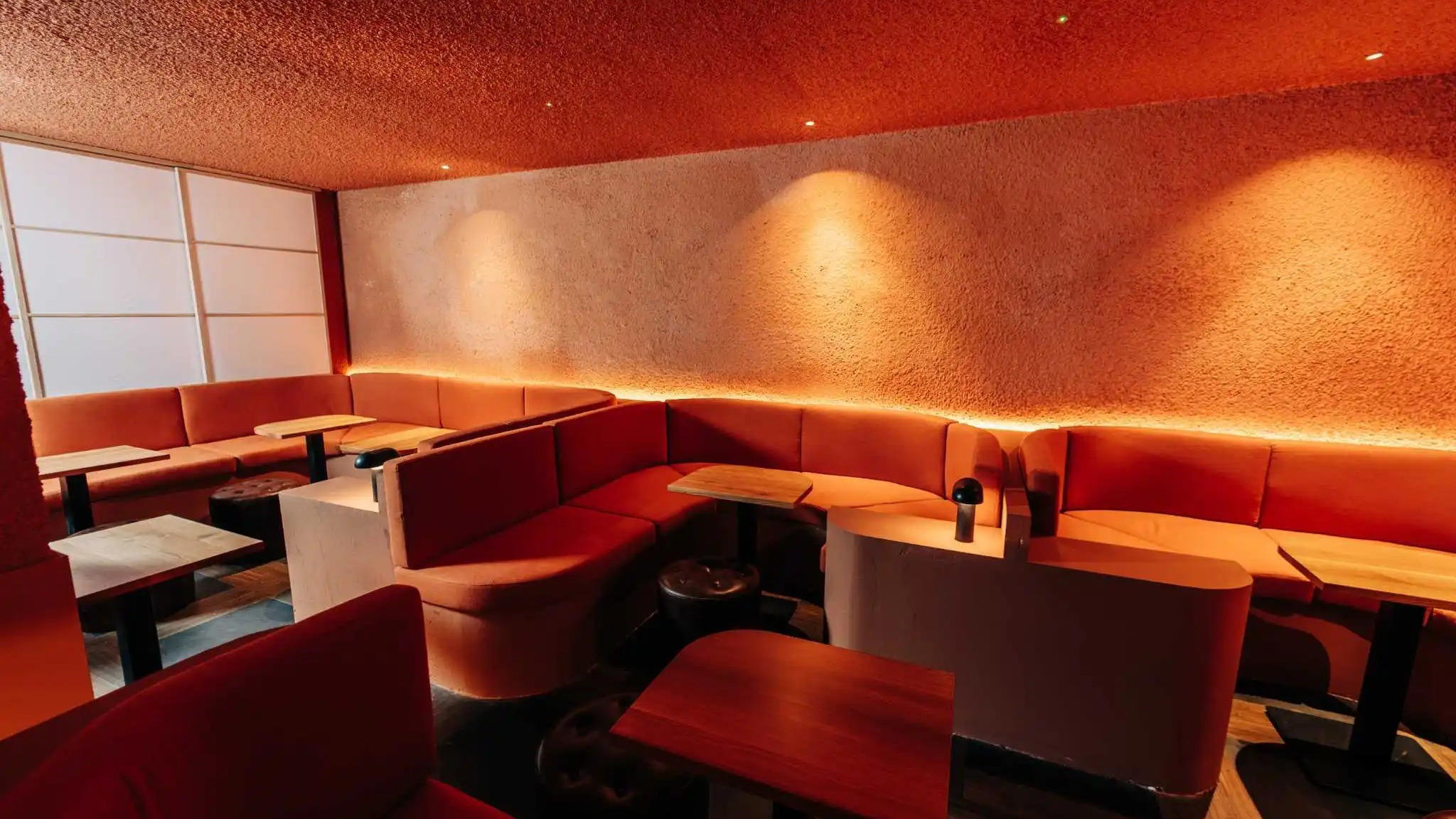
Bars in Madrid
Browse all →
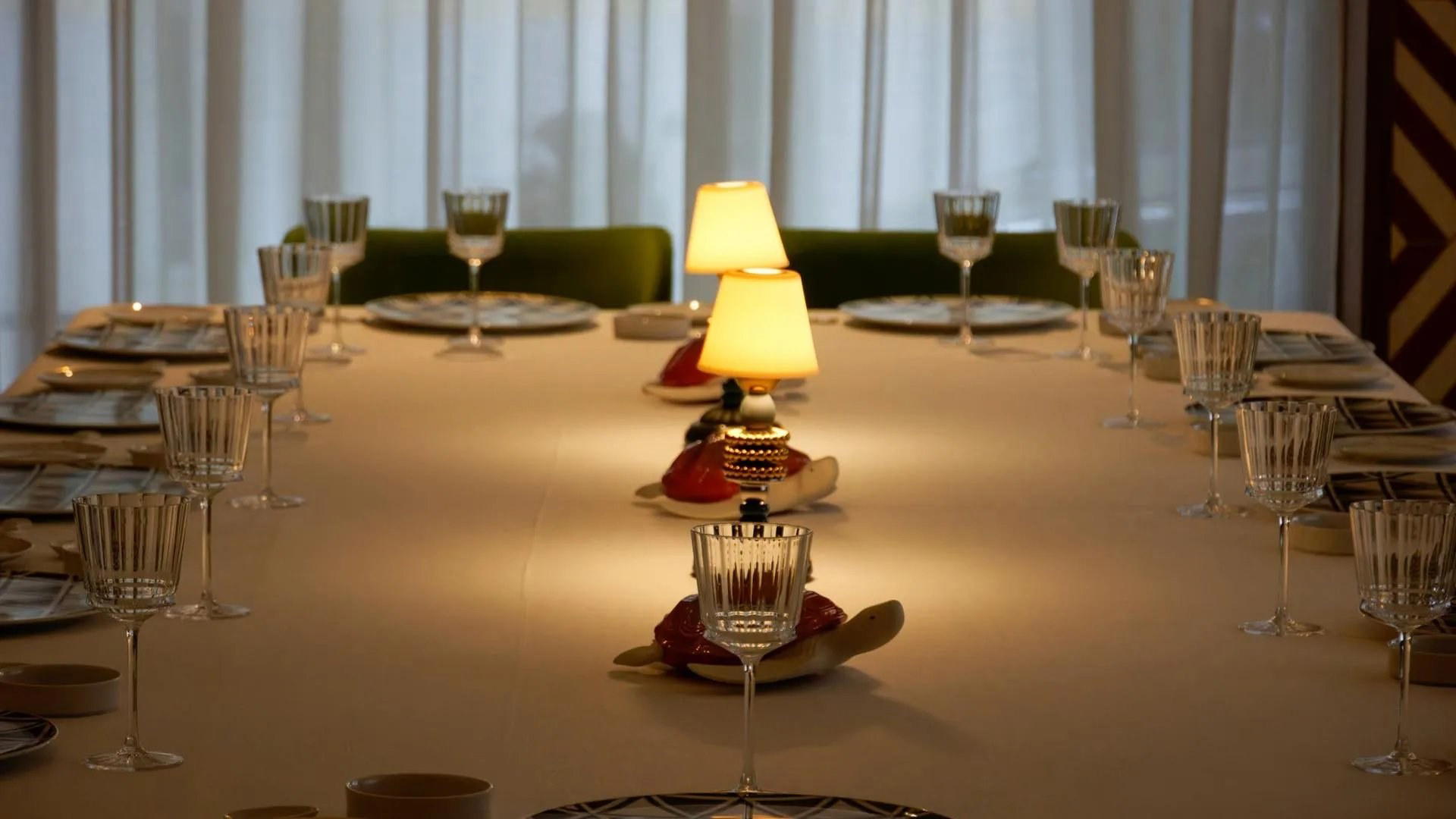
Restaurants in Madrid
Browse all →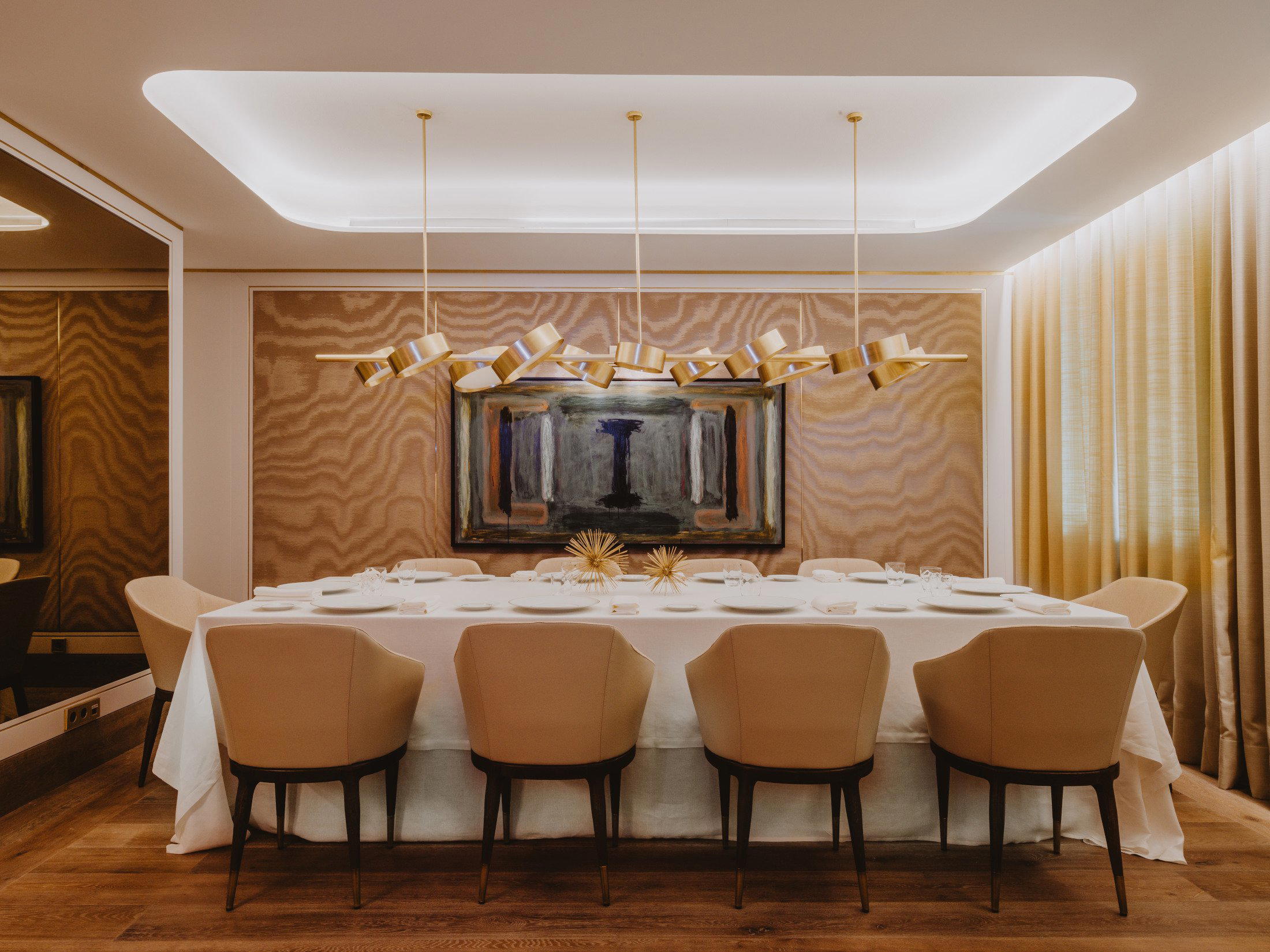
At a Glance
- Modern
- Elegant
- Sophisticated
- Trendy
- Minimalist
- Romantic Getaway
- Business Trip
- Weekend Escape
- Historic Building
- Design Destination
- Terrace
- Wi Fi
- Fitness Center
- Room Service
- Concierge
- Restaurant
- Bar
- Laundry Service
- Street Scene
- Wi Fi
- Fitness Center
- Room Service
- Concierge
- Restaurant
- Bar
- Laundry Service
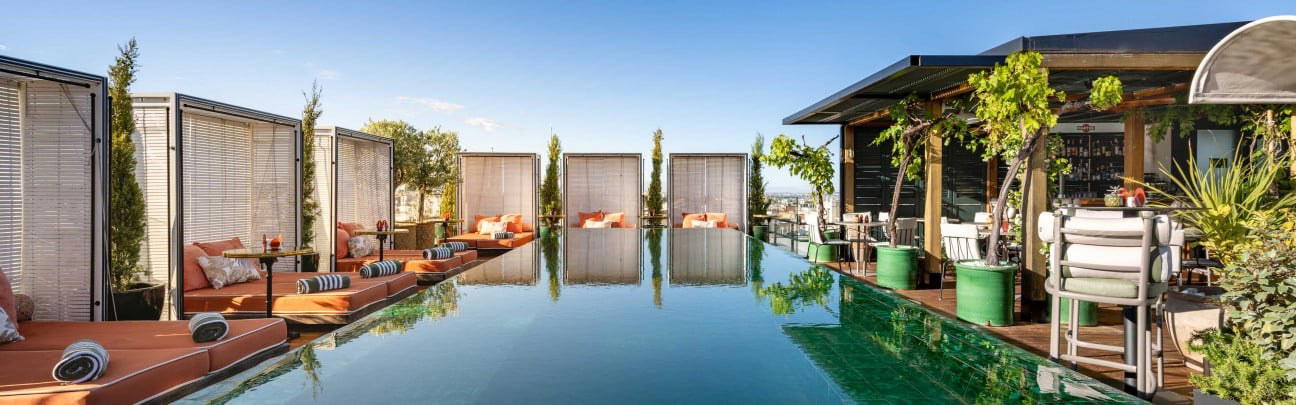
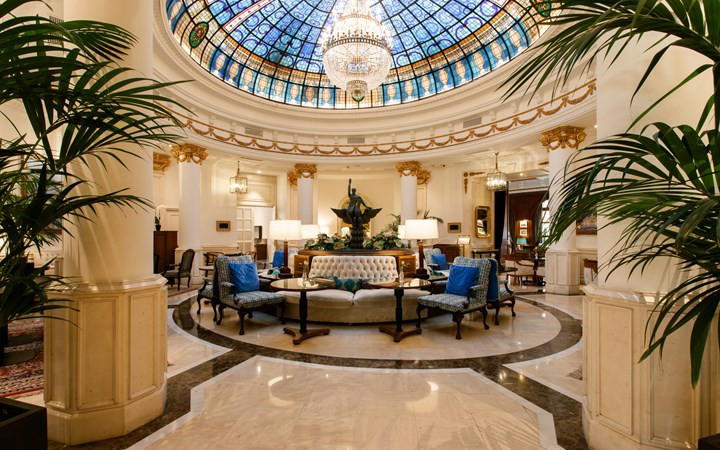
Cozy lobby bar with dark, edgy color palette, wooden paneling, and contemporary art; bright public areas with elegant, modern atmosphere.