



1 Michelin Star · Macarfi 8.4 Food Rating · Guía Repsol 2 Soles
Our verdict
Few restaurants in Madrid have done more to reframe vegetables as a serious fine-dining proposition than El Invernadero. Rodrigo de la Calle, ranked No. 1 in the We're Smart Global TOP100 and holder of a Michelin star, runs a fully seasonal kitchen on Calle Ponzano where plant matter is the architecture of every dish, not a supporting act. Four tasting menu formats allow entry at different levels of commitment.

Pearl is the En Primeur Club membership app — saves, bookings, and concierge access live there. Same editors, same standards.
- Address
- C/ de Ponzano, 85, Chamberí, 28003 Madrid, Spain
- Phone
- +34 628 93 93 67
- Hours
- Mon ClosedTue–Fri 7–11:30 PMSat 2–4 PM, 7–11 PMSun Closed
- Website
- elinvernaderorestaurante.com
- Directions
- Get directions
- Booking
- Book on CoverManager
The menu
What to order
- Steamed artichokes
- Roasted onions
- Purple sweet potatoes
Plant-Forward Fine Dining and the Chamberí Address That Changed the Conversation
Madrid's high-end restaurant scene is heavily weighted toward proteins. The city's €€€€ tier is occupied by kitchens where Iberian pork, Galician beef, and Atlantic seafood define the main event, from the theatrical excess of DiverXO to the classical Spanish architecture of Coque. Against that backdrop, El Invernadero on Calle Ponzano occupies a genuinely distinct position: a kitchen where vegetables are not an accommodation or a trend signal, but the structural premise of the entire menu. That position is now validated at the highest formal level, with a Michelin star awarded in 2024 and a No. 1 ranking in the We're Smart Global TOP100, an international assessment dedicated specifically to vegetable-driven kitchens.
The address matters. Ponzano, a street in the Chamberí district that spent most of the last decade establishing itself as a destination for mid-range pintxos and natural wine bars, provides an unpretentious residential frame for a restaurant operating at tasting-menu prices. The contrast is part of the experience: a neighbourhood built around casual eating and a kitchen that asks for the same degree of attention you would bring to DSTAgE or Deessa.
The Open Kitchen as Editorial Statement
The physical layout of El Invernadero places the kitchen behind a bar counter in full view of every seat. This is not unusual in Madrid's contemporary fine-dining rooms, but the configuration carries particular weight here. Watching the preparation of a vegetable-centred tasting menu in real time dismantles any lingering assumption that plant-based cooking is simpler, faster, or less technically demanding than protein-focused work. The fermentation program, which produces the restaurant's house kombuchas, kefirs, and custom vegetable-based wines, including a celery cava, is visible evidence of a kitchen operating with the same depth of mise en place as any multi-starred Spanish kitchen.
Open counter also allows direct interaction with the kitchen team, which functions as an informal explanation of sourcing and technique without requiring a formal presentation. In a segment where several Madrid kitchens at this price point communicate their methods through scripted tableside theatre, the more direct format at El Invernadero reads as deliberate restraint.
Green Haute Cuisine and Its Spanish Roots
Phrase "green haute cuisine" has a specific history in Spain. Rodrigo de la Calle, who now leads El Invernadero, is credited as one of the original architects of the concept, working to establish that vegetables could carry the same technical and sensory ambition as any other ingredient category in a fine-dining context. That ambition puts El Invernadero in a lineage that runs through Spain's broader creative cooking movement, which includes restaurants like El Celler de Can Roca in Girona, Azurmendi in Larrabetzu, and Quique Dacosta in Dénia, all kitchens where technique and concept have historically been inseparable from ingredient sourcing.
What separates El Invernadero from vegetarian fine dining in other contexts is the absence of substitution logic. The kitchen does not build dishes by replacing meat with a plant analogue; it builds dishes in which the vegetable is architecturally primary. That approach is also present at a small number of restaurants globally, including Fu He Hui in Shanghai and Lamdre in Beijing, both of which operate in Buddhist vegetarian traditions with entirely different cultural roots. El Invernadero occupies its own position: secular, Spanish, and rooted in the country's Mediterranean agricultural heritage rather than any dietary ideology.
Spain's vegetable culture is strong enough to support this ambition. The country's market gardens, from the huerta traditions of Valencia and Murcia to the mountain produce of Navarra, have always produced ingredients with enough complexity to anchor serious cooking. The 100% seasonal rotation at El Invernadero, where it is unusual to find the same recipe repeated across sittings, reflects a kitchen that treats Spanish seasonal produce as a creative constraint rather than a limitation.
Four Menus, One Kitchen Logic
El Invernadero runs four tasting menu formats. The Vegetalia menu covers vegan and vegetarian options; the Vegetalia Experience adds wine pairing, cheeses, and infusions. The Gastrobotánica menu introduces meat, fish, and seafood elements, while the Gastrobotánica Experience extends that format with more courses and a dedicated wine-pairing option. The structure is more flexible than most kitchens at this price point in Madrid, where the standard format is a single chef's menu with limited deviation. The four-menu structure allows El Invernadero to function as a destination for both plant-exclusive diners and those who want a menu that foregrounds vegetables while retaining animal proteins as supporting elements.
The in-house fermentation program intersects with all four formats. The house-produced kombuchas, kefirs, and vegetable-based wines represent a pairing philosophy that diverges from conventional sommelier-driven wine service. A celery cava is the most frequently cited example, but the broader program reflects a kitchen that considers fermentation part of the cuisine rather than a beverage department operation.
Dishes that have appeared across menus include steamed artichokes, roasted onions, and purple sweet potatoes baked in salt and finished tableside. The tableside flambéing of the sweet potatoes is one of the few moments of dining room theatre in a kitchen that otherwise communicates through the plate rather than the presentation. It is worth noting that given the seasonal rotation, no specific dish is guaranteed on any given visit.
Where It Sits in Madrid's €€€€ Tier
At the €€€€ price point, El Invernadero occupies a different competitive space than any other Madrid kitchen at equivalent cost. DiverXO, Deessa, Coque, and DSTAgE all operate in overlapping creative-Spanish or fusion territories where protein and seafood remain central. El Invernadero's closest conceptual peer within the city might be Mudrá, which also operates in the plant-forward space, though at a different price tier and format.
The We're Smart No. 1 global ranking and the 2024 Michelin star together position El Invernadero as the reference point for vegetable fine dining in Madrid and, by that specific measure, internationally. That is a narrow but defensible category claim, and it matters for readers assessing whether the price point is justified relative to peers.
For broader Madrid dining context, our full Madrid restaurants guide maps the city's entire restaurant scene by neighbourhood and price tier. The city's bar culture is covered in our Madrid bars guide, accommodation options in our Madrid hotels guide, and supplementary options in our Madrid wineries guide and our Madrid experiences guide.
If El Invernadero sits within a wider Spain trip itinerary, comparable creative ambition at the Michelin level is available at Aponiente in El Puerto de Santa María, Arzak in San Sebastián, and Disfrutar in Barcelona, each operating in different ingredient and technique registers.
Planning a Visit
El Invernadero is located at Calle de Ponzano, 85, in the Chamberí district, a neighbourhood well served by Madrid's metro network. The restaurant operates at the €€€€ price tier, consistent with single tasting-menu formats at starred Madrid kitchens. Diners deciding between the four menu formats should note that the Vegetalia and Vegetalia Experience options are fully plant-based, while the Gastrobotánica menus introduce animal proteins for those who want a more conventional range alongside the vegetable-first philosophy.
What Do Regulars Order at El Invernadero?
Given the kitchen's strict seasonal rotation, there is no fixed menu from visit to visit, but the dishes that appear most frequently in public record include the steamed artichokes, roasted onions, and the purple sweet potatoes baked in salt and flambéed at the table. Beyond the food, the house fermentation program is the element that receives the most consistent attention from returning diners: the in-house kombuchas, kefirs, and vegetable-based wines, particularly the celery cava, represent the most direct expression of how El Invernadero treats fermentation as cuisine rather than as a beverage add-on. For those working through the menu format decision, regulars with dietary flexibility tend to use the Gastrobotánica Experience to access the widest range of the kitchen's output, while those committed to plant-only eating treat the Vegetalia Experience as the complete version of what the kitchen was built to do.
Just the Basics
| Venue | Cuisine | Price | Awards | Notes |
|---|---|---|---|---|
| El InvernaderoThis venue — the venue you are viewing | Modern Vegetable-Focused Spanish Fine Dining | $150–200 | 1 Michelin Star · Macarfi 8.4 Food Rating | Not listed |
| DiverXO | Avant-Garde Spanish Tasting Menu | $300–500 | 3 Michelin Stars · World's 50 Best #4 | Progressive - Asian, Creative |
| Deessa | Modern Valencian Fine Dining | $150–200 | 2 Michelin Stars · La Liste Top Restaurants | Modern Spanish, Creative |
| Smoked Room | Modern Japanese Fire Omakase | $200–300 | 2 Michelin Stars · La Liste Top Restaurants | Progressive Asador, Contemporary |
| Coque | Modern Spanish Fine Dining | $300–500 | 2 Michelin Stars · La Liste Top Restaurants | Spanish, Creative |
| Paco Roncero | Avant-Garde Spanish Fine Dining | $150–200 | 2 Michelin Stars · La Liste Top Restaurants | Creative |
Recognition history
Dated appearances from independent guides and award organizations, with the underlying list record or original source where available.
Michelin 1 Star
Michelin
Guía Repsol 2 Soles
Guía Repsol
Macarfi 8.4 Food Rating
Macarfi
We're Smart World 5 Radishes
We're Smart World
Full recognition history (7 entries)
Michelin 1 Star
Michelin
We're Smart World Top 100 #1
We're Smart World
Michelin 1 Star
Michelin
Continue exploring
More in Madrid
Restaurants in Madrid
Browse all →
Bars in Madrid
Browse all →
Hotels in Madrid
Browse all →




Details
- Elegant
- Intimate
- Modern
- Sophisticated
- Special Occasion
- Date Night
- Open Kitchen
- Chefs Counter
- Extensive Wine List
- Tasting Menu
- Vegetarian Friendly
- Vegan Options
- Gluten Free Options
Current opening hours
- Monday
- Closed
- Tuesday
- 7–11:30 PM
- Wednesday
- 7–11:30 PM
- Thursday
- 7–11:30 PM
- Friday
- 7–11:30 PM
- Saturday
- 2–4 PM, 7–11 PM
- Sunday
- Closed
Hours can change for holidays and private events. Last verified .
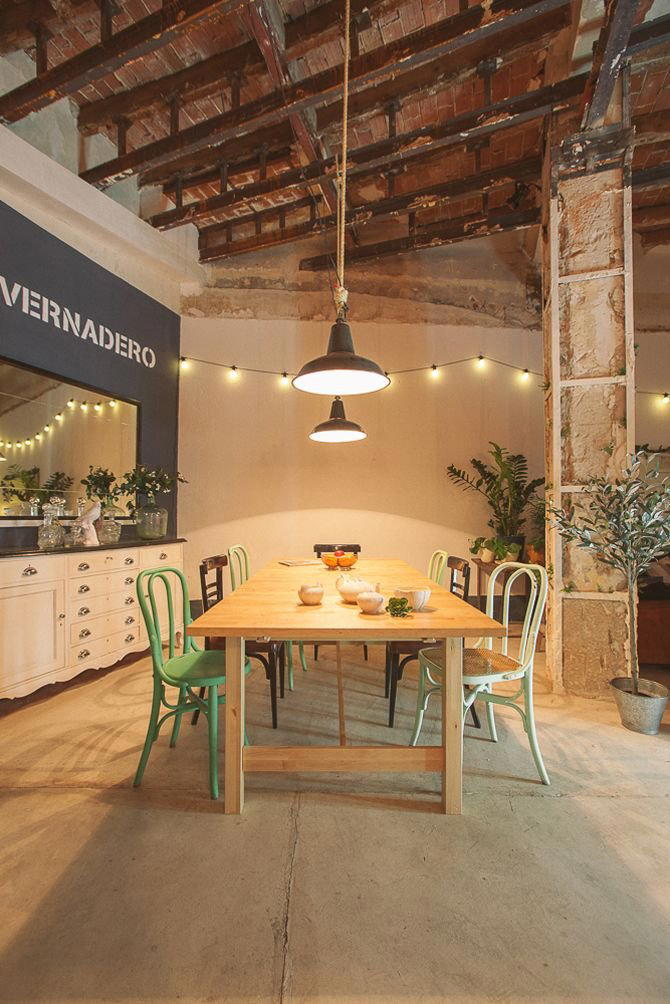
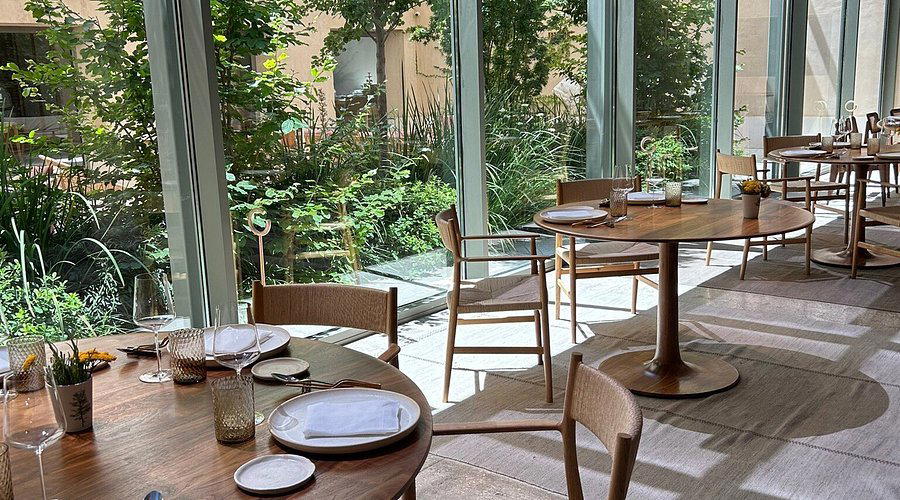
Intimate greenhouse-like space with open-view kitchen, calm harmonious atmosphere, and artfully presented seasonal dishes.