Michelin Plate · Tabelog 100 #33
Our verdict
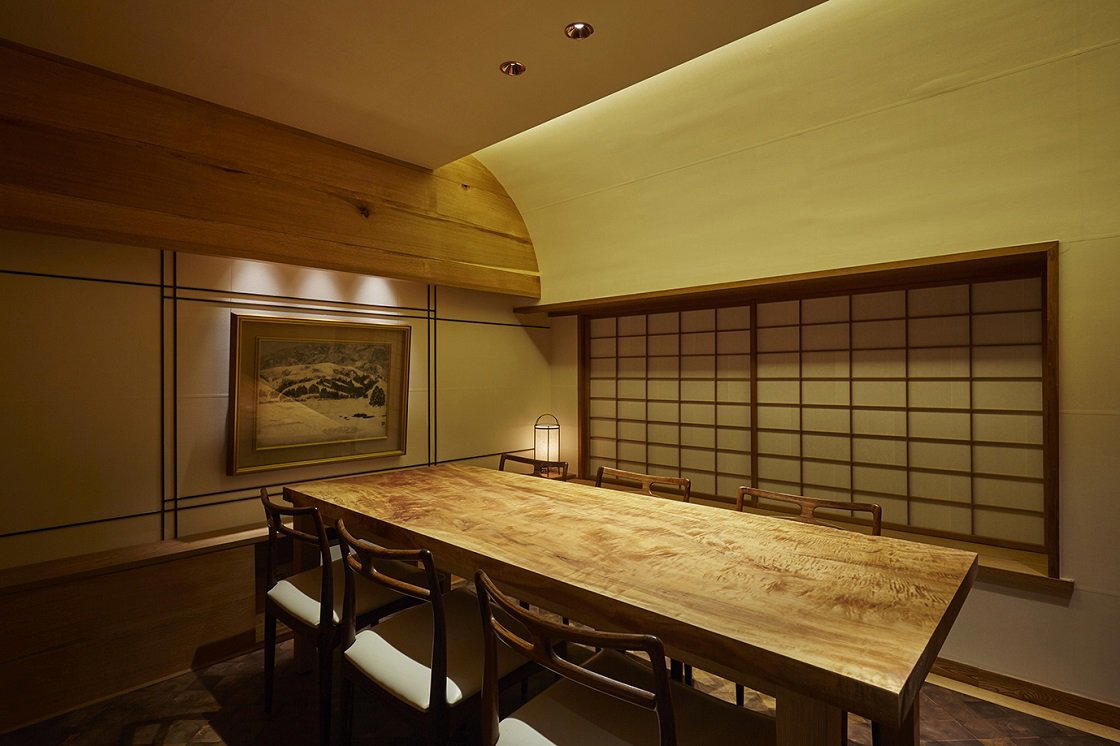
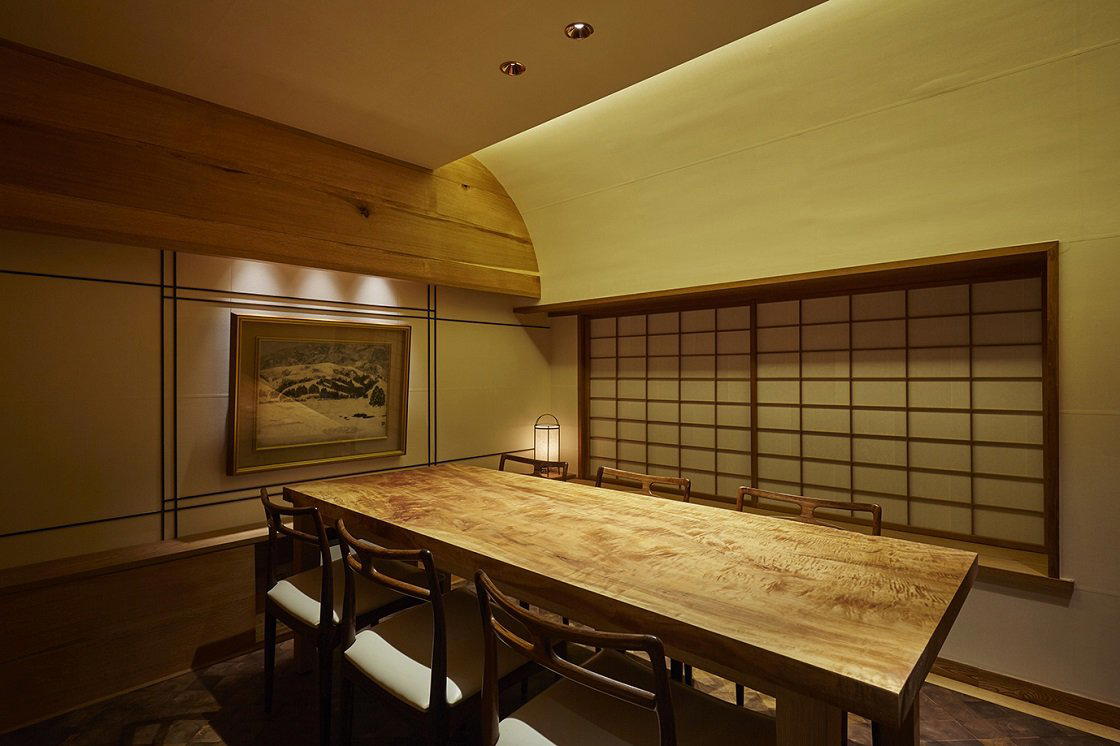
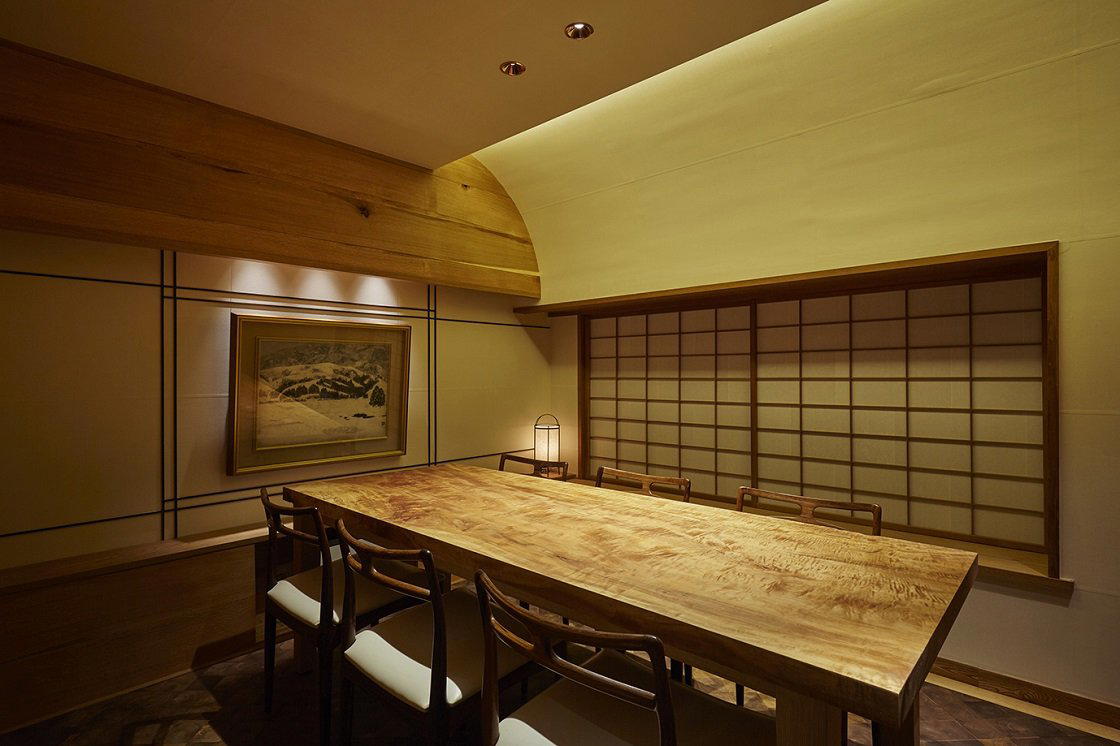
At LACERBA in Osaka's Umeda district, chef Masaaki Fujita works a narrow seam between Japanese and Italian culinary traditions, finding structural parallels in rice cultures and river fish rather than simply grafting one cuisine onto the other. Awarded a Michelin Plate in both 2024 and 2025, it occupies the mid-premium tier of Osaka's Italian dining scene with cooking that rewards close attention.

Pearl is the En Primeur Club membership app, where members save venues, book tables and use the concierge.
Where Two Rice Cultures Meet
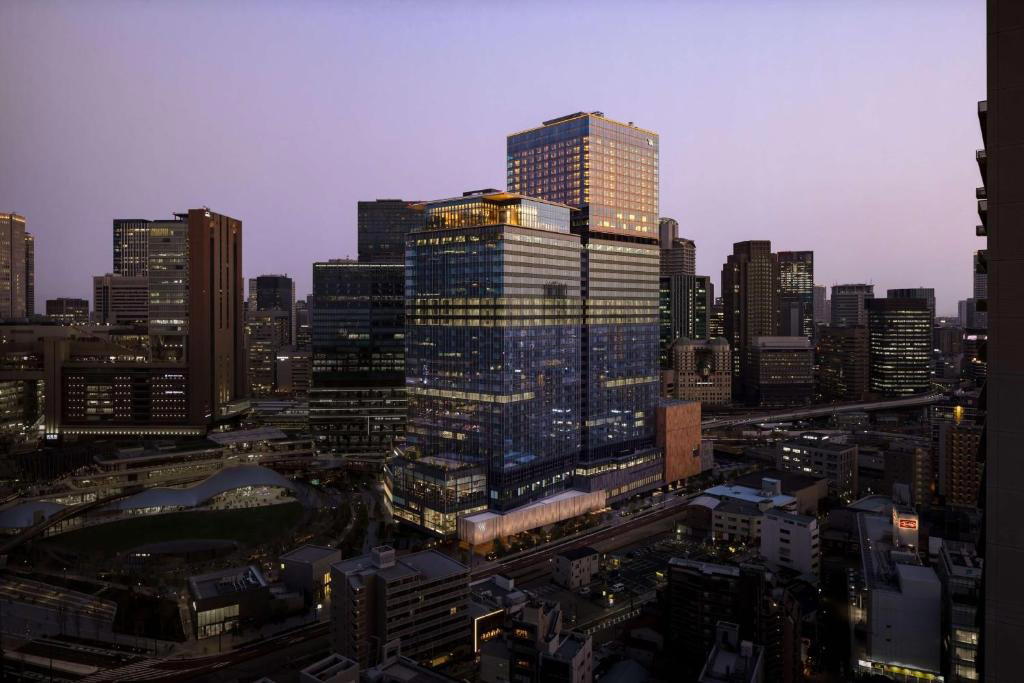
Umeda sits at the commercial and transit heart of Osaka's Kita Ward, a district where department store restaurants and international hotel dining rooms set the dominant register. Within that context, a small Italian restaurant pursuing deep cross-cultural synthesis is a genuinely distinct proposition. LACERBA operates in this environment not by softening its concept for a broad audience, but by pressing further into the structural logic of why Japanese and Italian cooking share more than geography would suggest.
The premise is not fusion in the decorative sense. It is comparative: both traditions are rooted in rice as a staple and river fish as a primary protein source. That parallel is what gives a plate of eel, Chinese yam, and red rice its coherence. The dish does not ask you to accept that Italy and Japan are alike. It shows you the specific places where they overlap, and builds from there. This is the kind of editorial restraint that separates a serious cross-cultural kitchen from an experimental novelty act.
Osaka already carries a well-documented reputation as Japan's most food-focused city, a place where the cultural premium placed on eating well runs deeper than in the more aesthetics-driven dining culture of Tokyo. That context matters here. A restaurant working the Italy-Japan seam in Osaka has access to a public with real expectations about ingredient quality and technique precision. LACERBA's Michelin Plate recognition in 2025 and 2024 signals it is meeting those expectations at a recognised level, even if it sits in the tier below starred recognition.
The Italian-Japanese Intersection in Japanese Fine Dining
Japan has absorbed Italian cooking more seriously than almost any other non-Asian cuisine. The country has more certified pizzaioli than Italy by some industry counts, and the density of serious Italian restaurants in Osaka, Tokyo, and Kyoto is comparable to major European cities. But most of that absorption has been faithful reproduction: Neapolitan pizza executed with technical discipline, pasta made with imported durum, classical sauces applied without significant local modification.
What LACERBA represents is a different and less common position: using the Italian framework as a lens for re-examining Japanese ingredients, rather than importing Italian ingredients into a Japanese context. The combination of Japanese pepper zest with red wine reduction is an example of this. The pepper belongs to the sansho family, with a citrus-forward bite quite different from black pepper. Pairing it with the bittersweet depth of a wine-based sauce creates a flavour memory that chef Masaaki Fujita describes as nostalgic, which is a precise claim. Nostalgia requires that something already exist in the memory. The dish works because both elements have deep roots in their respective traditions, and the convergence feels earned rather than imposed.
For context on how this approach compares within the Osaka Italian scene, consider the range available across the city. il Centrino, La Lucciola, and P greco each occupy different positions within local Italian dining. La casa TOM Curiosa and YUNiCO represent further reference points for readers mapping the city's non-Japanese restaurant tier. LACERBA's explicit conceptual framework sets it apart from straight Italian execution, though whether that appeals depends entirely on what the reader is looking for.
Fujita's Framework: Depth Over Range
The guiding principle attributed to chef Masaaki Fujita, that mastery of one domain is mastery of all, is not an original aphorism, but it describes a real discipline. The cooking at LACERBA is apparently built on extended study of a single culinary tradition before extending outward. That process, deep immersion followed by selective innovation, is the same one that produces the leading kaiseki kitchens in Japan, the leading classical French houses in Europe, and the leading regional Italian restaurants in Italy. The method is more interesting than the nationality of the cuisine it produces.
This places LACERBA in useful comparative company across Japan. Gion Sasaki in Kyoto and Harutaka in Tokyo each represent the rigour of a single tradition taken to a high level. akordu in Nara is another example of European technique applied in a Japanese context with genuine depth. Further afield, Goh in Fukuoka and 6 in Okinawa show how regional Japanese ingredients feed into contemporary fine dining outside the major centres. For Italian cooking executed in Asia with Michelin recognition, 8 1/2 Otto e Mezzo Bombana in Hong Kong and cenci in Kyoto are the relevant reference points, with cenci pursuing a Japan-Italy synthesis that shares conceptual territory with what LACERBA is doing. 1000 in Yokohama adds another data point for readers tracking Japanese chefs working European frameworks.
Price Tier and What It Signals
At the ¥¥¥ level, LACERBA prices below Osaka's leading French and innovative houses. HAJIME and La Cime both operate at ¥¥¥¥, as does Fujiya 1935. Kashiwaya Osaka Senriyama and Taian hold the ¥¥¥ position in kaiseki. This means LACERBA's pricing sits alongside serious Japanese dining rather than against the city's premium French category, which is a meaningful calibration. It is not cheap, but it is accessible relative to the highest tier, and the Michelin Plate recognition in consecutive years confirms that the quality is being assessed seriously by the same organisation that awards stars to its more expensive neighbours.
Know Before You Go
- Address: 1 Chome-13-13 Umeda, Kita Ward, Osaka, 530-8224, Japan
- Cuisine: Italian with Japanese ingredient integration
- Price range: ¥¥¥
- Recognition: Michelin Plate 2024 and 2025
- Getting there: Umeda Station serves multiple lines including the Osaka Metro Midosuji, Tanimachi, and Yotsubashi lines, as well as JR Osaka Station. The address is within the Umeda commercial district, walkable from multiple exits.
- Booking: Specific booking method not confirmed; contact the restaurant directly or check current reservation platforms operating in Japan.
- Hours: Not confirmed publicly; verify before visiting.
For further reading on dining in the city, see our full Osaka restaurants guide. For accommodation, our full Osaka hotels guide covers the current options. Broader city coverage is available through our Osaka bars guide, our Osaka wineries guide, and our Osaka experiences guide.
Frequently asked questions
Does LACERBA have a Michelin star or similar recognition?
LACERBA has received recognition including: Masaaki Fujita reaches deep into the character and history of Japan and Italy to conjure his cuisine. Eel, Chinese yam and red rice on a single plate fuse the gustatory senses of the two countries, both rooted deeply in cultures of river fi….
How would you describe the cuisine at LACERBA?
What should I eat at LACERBA?
The kitchen's signature approach pairs ingredients that expose structural parallels between Japanese and Italian traditions: eel, Chinese yam, and red rice on a single plate reference both countries' deep roots in river fish and rice culture. A recurring motif is Japanese pepper zest alongside red wine reduction, a pairing chef Masaaki Fujita describes as somehow nostalgic. The menu is built on depth rather than range, so expect a focused set of plates rather than an extensive à la carte spread.
What should I budget for a meal at LACERBA?
Pricing at LACERBA is listed as ¥¥¥.
Where is LACERBA in Osaka?
LACERBA is located at 1 Chome-13-13 Umeda, Kita Ward, Osaka, 530-8224, Japan, Osaka.
How hard is it to get a table at LACERBA?
LACERBA holds a Michelin Plate for 2024 and 2025, which places it in Osaka's recognised dining tier and means reservations attract competition from both local and visiting diners. At the ¥¥¥ price level it sits below Osaka's ¥¥¥¥ houses such as HAJIME and La Cime, making it accessible relative to the city's top Michelin-starred counters, but that accessibility drives demand. Booking in advance is advisable; contact details are best confirmed through current reservation platforms or the venue directly.
Just the Basics
| Venue | Cuisine | Price | Awards | Notes |
|---|---|---|---|---|
| LACERBAThis venue (the venue you are viewing) | Modern Japanese-Italian Fine Dining | $100–150 | Michelin Plate · Tabelog 100 #33 | Not listed |
| HAJIME | Avant-Garde Japanese Fine Dining | $300–500 | 3 Michelin Stars · World's 50 Best #83 | French, Innovative |
| La Cime | Modern French with Japanese Ingredients | $150–200 | 2 Michelin Stars · World's 50 Best #13 | French |
| Kashiwaya Osaka Senriyama | Seasonal Kaiseki Omakase | $200–300 | 3 Michelin Stars · La Liste Top Restaurants | Japanese |
| Taian | Traditional Japanese Kaiseki Omakase | $150–200 | 3 Michelin Stars · La Liste Top Restaurants | Kaiseki, Japanese |
| Fujiya 1935 | Modern Japanese with European influences | $100–150 | 2 Michelin Stars · La Liste Top Restaurants | Innovative |
Recognition history
Dated appearances from independent guides and award organizations, with the underlying list record or original source where available.
Michelin Plate
Michelin
Tabelog 100 #33 · No. 33
Tabelog · Tabelog 100 - Curry - WEST - 2024
Full recognition history (4 entries)
Michelin Plate
Michelin
Michelin Plate
Michelin