
A Michelin-starred Italian counter in Nishitenma where Japanese precision meets Italian regional cooking. The kitchen draws on coastal produce traditions rooted in Okinoshima, with dishes like anago carpaccio with tomato and bagna càuda translating Italian technique into Osaka's seafood idiom. Rated 4.4 on Google from early reviews, P greco sits at ¥¥¥ in a city where Italian fine dining is still earning its own distinct vocabulary.
Pearl is the En Primeur Club membership app — saves, bookings, and concierge access live there. Same editors, same standards.
- Address
- リープラザ 1F, 4 Chome-1-20 Nishitenma, Kita Ward, Osaka, 530-0047, Japan
- Phone
- +81 6-6809-1800
- Website
- pgreco.jp
- Directions
- Get directions
 Saves & bookings on Pearl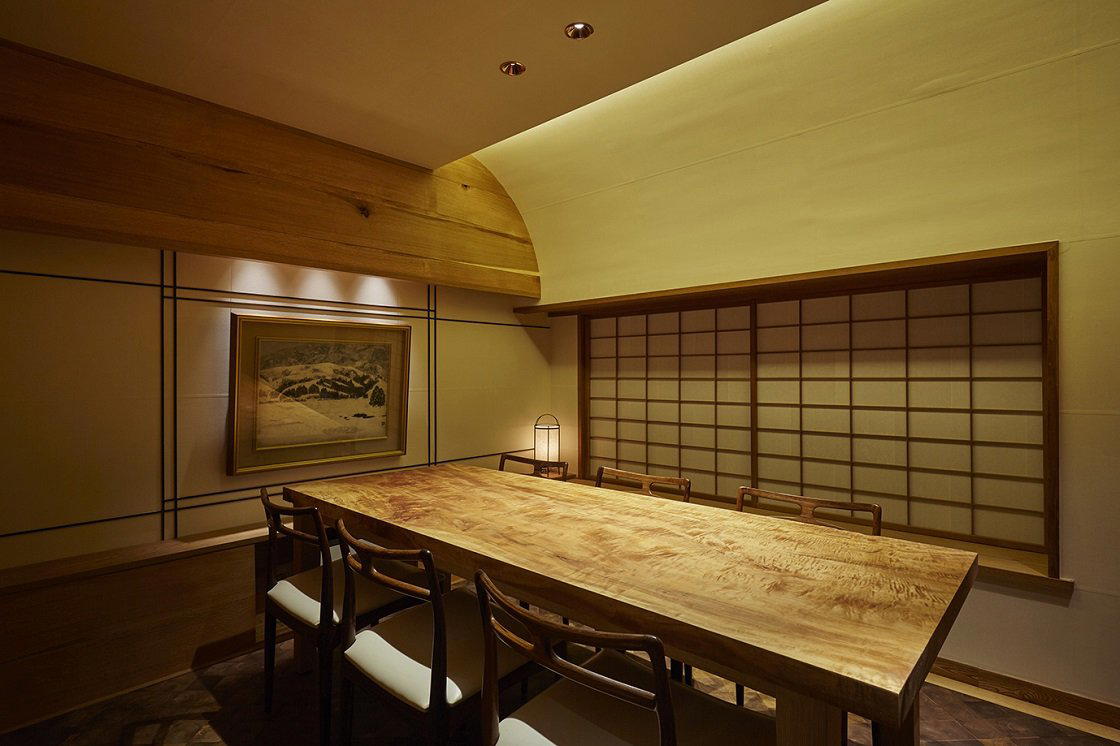
The Room Before the Meal
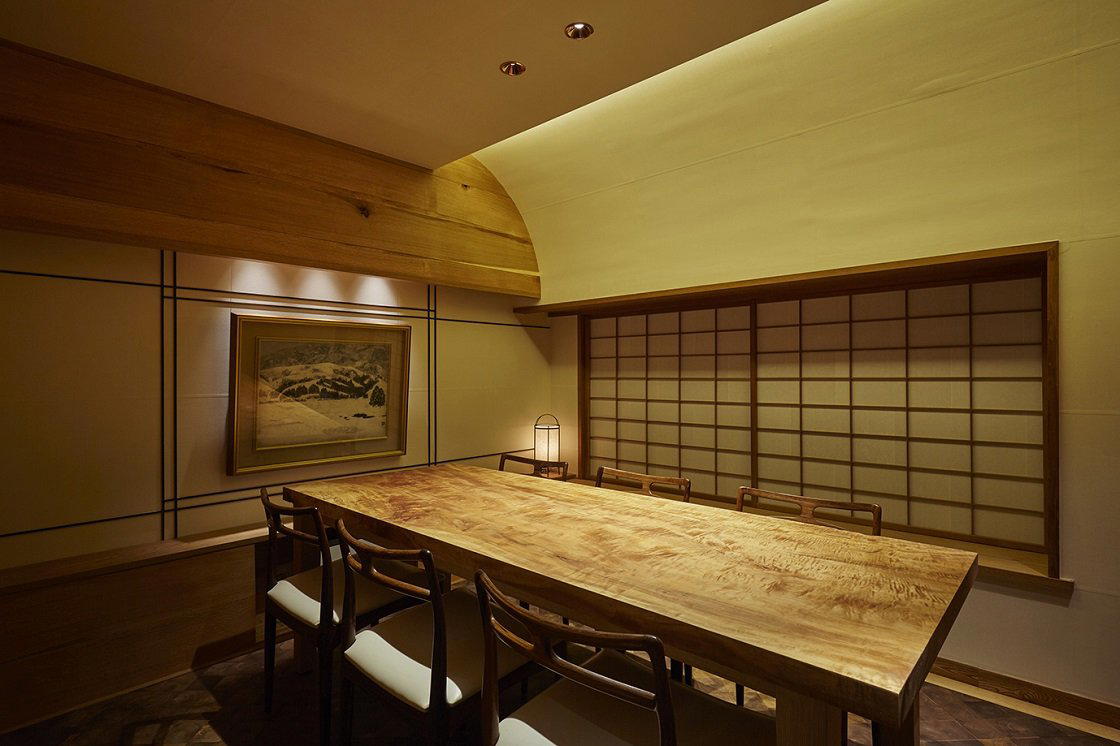
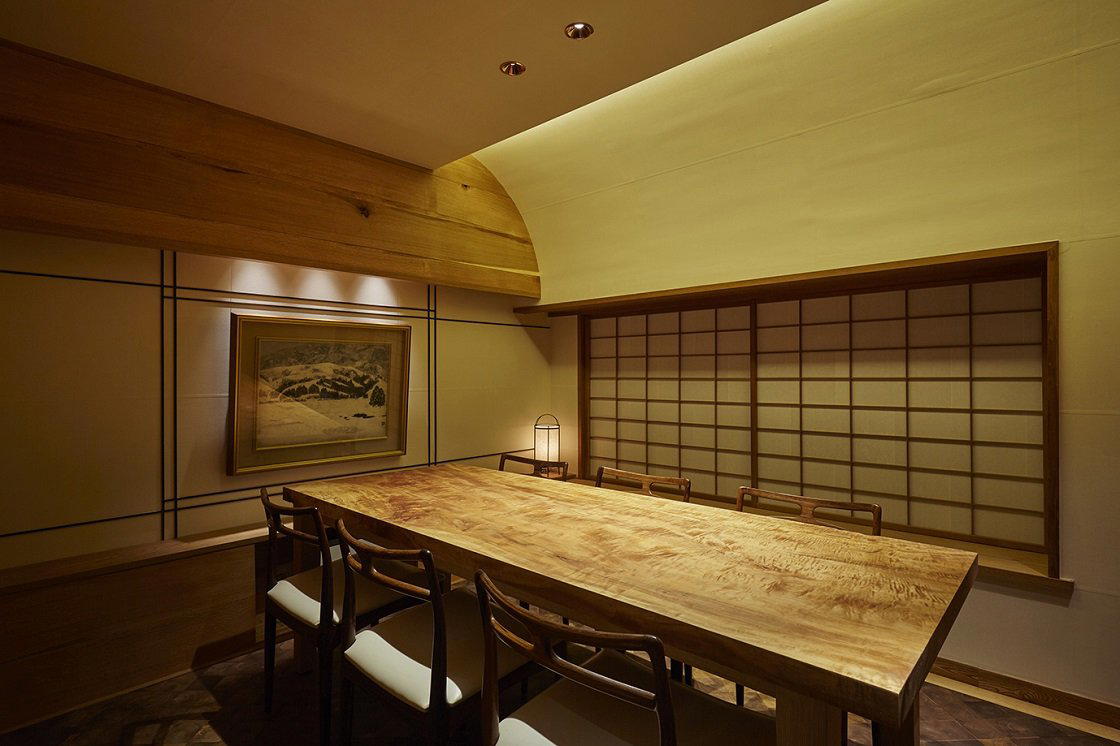
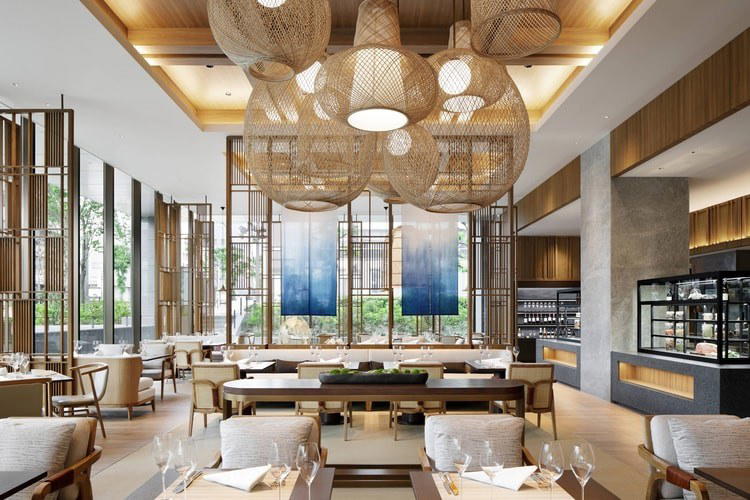
Nishitenma is not the neighbourhood most visitors reach first. It sits north of Osaka's busier entertainment corridors, and the dining rooms here tend toward a quieter register: less theatre, more intention. The ground floor of the Reeplaza building on Nishitenma's main block doesn't announce itself loudly. P greco, a one-Michelin-star restaurant in Osaka's Nishitenma district, occupies the kind of space that asks you to slow down before you've ordered anything. That deceleration is part of the format. In Japan's Italian fine dining rooms, the pacing of the meal does significant editorial work: the pauses between courses are not accidents but calibration.
Where This Fits in Osaka's Italian Scene
Osaka has a more developed Italian fine dining circuit than most international visitors expect. Across the city, restaurants like il Centrino, La Lucciola, and La Casa TOM Curiosa represent different approaches to translating Italian cooking through a Japanese kitchen's sensibility. YUNiCO and a canto round out a peer group where the conversation is less about authenticity to an Italian original and more about what the synthesis produces on the plate. P greco at ¥¥¥ sits in the mid-to-upper tier of this set, priced below the city's ¥¥¥¥ French and innovative counters, HAJIME, La Cime, and Fujiya 1935 occupy that bracket, but positioned clearly as a serious tasting-menu operation rather than a casual trattoria.
That Michelin recognition in 2024 matters in context. The Michelin inspectors have been active in Osaka for years, and a first star at this level of Italian cooking signals that the kitchen has achieved a consistency of execution that separates it from the many technically capable but unrecognised Italian rooms in the Kansai region. For reference, Italian fine dining in Japan is benchmarked nationally against operations like cenci in Kyoto, which has sustained Michelin recognition through a comparable philosophy of local-ingredient Italian structure. Internationally, the conversation extends to rooms like 8½ Otto e Mezzo Bombana in Hong Kong, where Italian fine dining across Asia has had to earn its credibility against the dominance of Japanese and French fine dining in the region.
The Ritual of the Meal
Italian dining in Japan has developed a set of rituals that diverge from both the Roman trattoria and the Milanese ristorante. The kaiseki influence on pacing is evident across the better rooms in Osaka and Kyoto: courses arrive in a sequence that treats time as an ingredient, and the transition between fish, meat, and starch courses carries a formality that Italian cooking in its home context rarely demands. At P greco, this rhythm is informed by a kitchen that has thought carefully about what Italian regional cooking means when translated through a Japanese producer relationship with the sea.
The culinary record for the kitchen indicates that time spent in Italy produced a specific preoccupation: the fierce regionality of Italian food culture, the way a producer in Liguria or Campania cooks from a geography so specific that the dish cannot travel without losing something. That observation, applied back to Japan, yields a kitchen logic that is not fusion in the casual sense but rather a structural parallel: cook from where you are, with the precision you have, toward a form the diner can follow. The anago carpaccio, deboned conger eel with tomato and bagna càuda, is the clearest public example of how this works. Bagna càuda is a Piedmontese dish, anchovy-and-garlic-heavy, built for dipping raw vegetables in cold weather. Applied to conger eel, a fish that runs through Osaka Bay and appears across Japanese coastal cooking, it creates a dish that is legible in both traditions without being reducible to either.
The focus on seafood is not incidental or trend-driven. It derives from a formative connection to Okinoshima, an island in the Sea of Japan off Shimane Prefecture, where the kitchen's sensibility around the sea was first developed. That geography is remote and its fishing culture is specific. Bringing that reference point into an Italian fine dining structure in central Osaka produces a menu with a clear internal logic: this is not Italian food with Japanese garnishes, nor Japanese food in Italian dress, but a kitchen that has internalized both traditions at source level and is constructing something from first principles.
How the Evening Unfolds
Etiquette at a room like P greco is closer to a Japanese kaiseki counter than to a European tasting menu in terms of the attention expected from the diner. The format rewards engagement with what arrives rather than conversation with a phone. In the better Italian fine dining rooms across Japan, this creates a particular social contract: the meal is long, deliberate, and sequenced, and the diner's role is to receive it at the pace the kitchen sets.3 from 35 reviews suggests the experience is landing consistently.
Nishitenma location places the restaurant within Kita Ward, which is one of Osaka's more concentrated fine dining zones. Reaching the restaurant from central Osaka is direct by train, with Nishitenma well-served by subway lines connecting to Umeda and the broader Kita district. The area is quieter at night than Namba or Shinsaibashi, which suits the tempo of a long tasting menu without the ambient pressure of the city's louder dining corridors.
P greco Against Its Osaka and Kansai Peers
| Venue | Cuisine | Price | Michelin | City |
|---|---|---|---|---|
| The restaurant | Italian | ¥¥¥ | 1 Star (2024) | Osaka |
| cenci | Italian | , | Recognised | Kyoto |
| akordu | Spanish-influenced | , | , | Nara |
| HAJIME | French, Innovative | ¥¥¥¥ | 3 Stars | Osaka |
| La Cime | French | ¥¥¥¥ | Starred | Osaka |
For broader Kansai context, Gion Sasaki in Kyoto and akordu in Nara represent adjacent fine dining traditions in the region. Nationally, Harutaka in Tokyo, Goh in Fukuoka, 1000 in Yokohama, and 6 in Okinawa each illustrate how Japan's fine dining circuit extends well beyond Tokyo's concentration. The restaurant participates in that wider national conversation while remaining grounded in Osaka's particular food culture.
Planning Your Visit
The restaurant is located at リープラザ 1F, 4 Chome-1-20 Nishitenma, Kita Ward, Osaka. The price range is ¥¥¥. Given the 2024 Michelin recognition, booking ahead is advisable; newly starred rooms in Osaka typically see increased demand in the months following the guide's release.
Budget Reality Check
Comparable venues nearby, for context on price, style, and recognition.
| Venue | Cuisine | Price | Awards | Notes |
|---|---|---|---|---|
| P grecoThis venue — the venue you are viewing | Italian | $$$$ | Michelin 1 Star | Not listed |
| a canto | Chūō, Modern Italian Tasting Menu | $$$$ | Michelin 1 Star | Not listed |
| Nishitemma Nakamura | Not listed | $$$$ | Michelin 1 Star | Kita, Seasonal Kaiseki with Western Influences |
| Oimatsu Kitagawa | Kita, Traditional Kaiseki Omakase | $$$$ | Michelin 1 Star | Not listed |
| LE PONT DE CIEL | Chūō, Modern French Fine Dining | $$$$ | Michelin 1 Star | Not listed |
| Sushidokoro Amano | Tennōji, Edomae Sushi Omakase | $$$$ | Michelin 1 Star | Not listed |
Recognition history
Dated appearances from independent guides and award organizations, with the underlying list record or original source where available.
Michelin 1 Star
Michelin
Michelin 1 Star
Michelin
Continue exploring
More in Osaka
Restaurants in Osaka
Browse all →
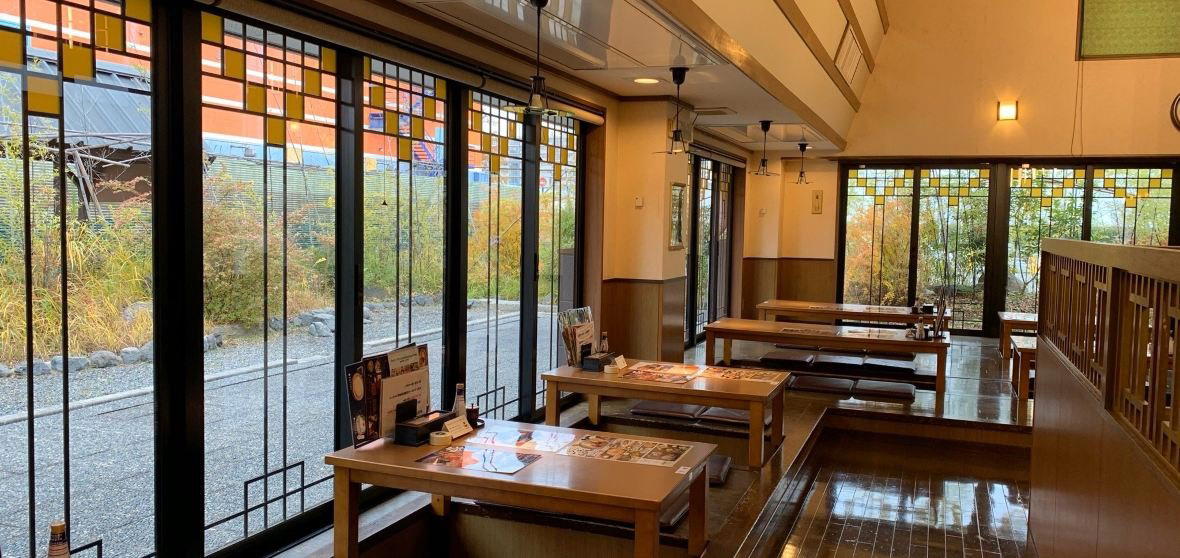
Bars in Osaka
Browse all →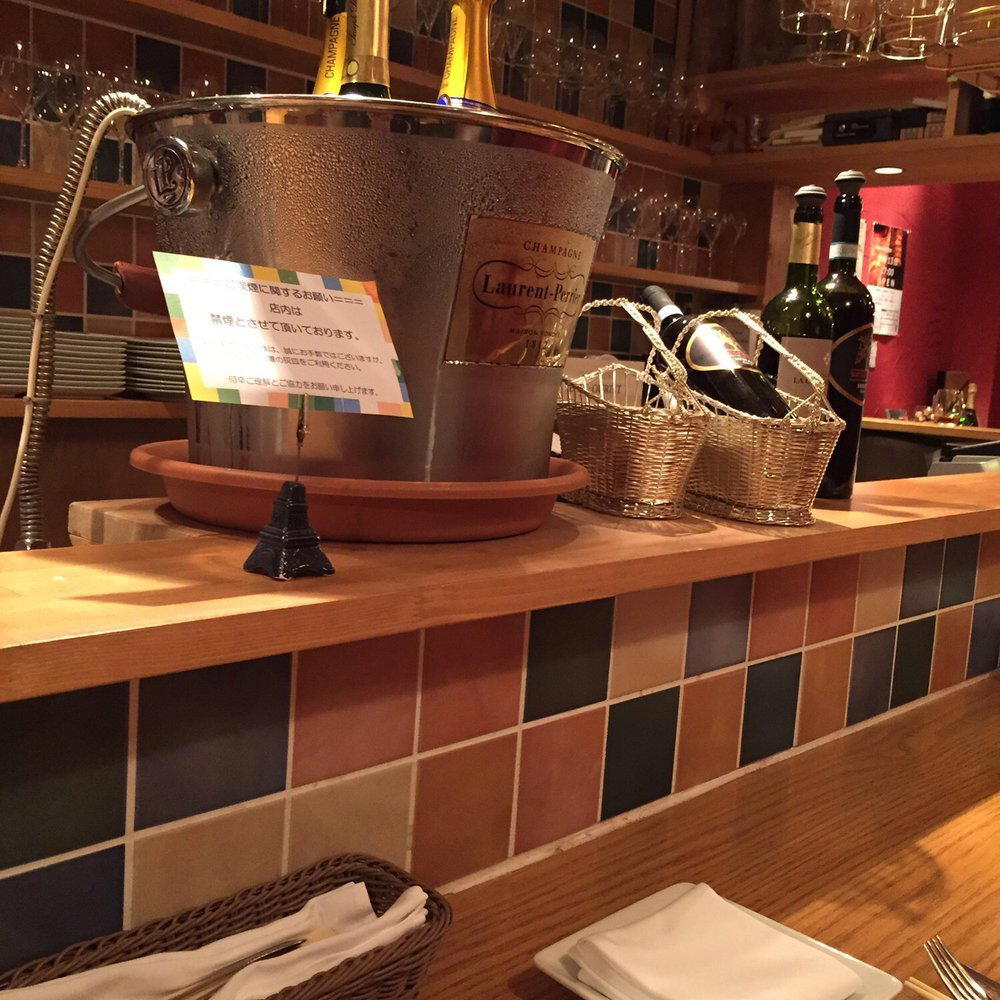
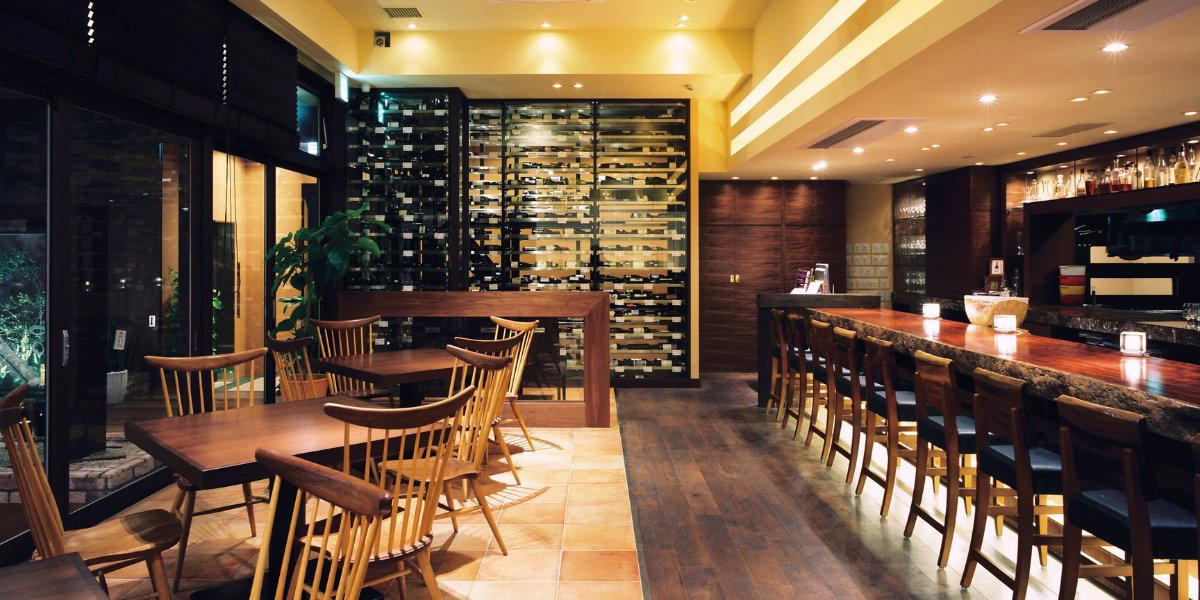
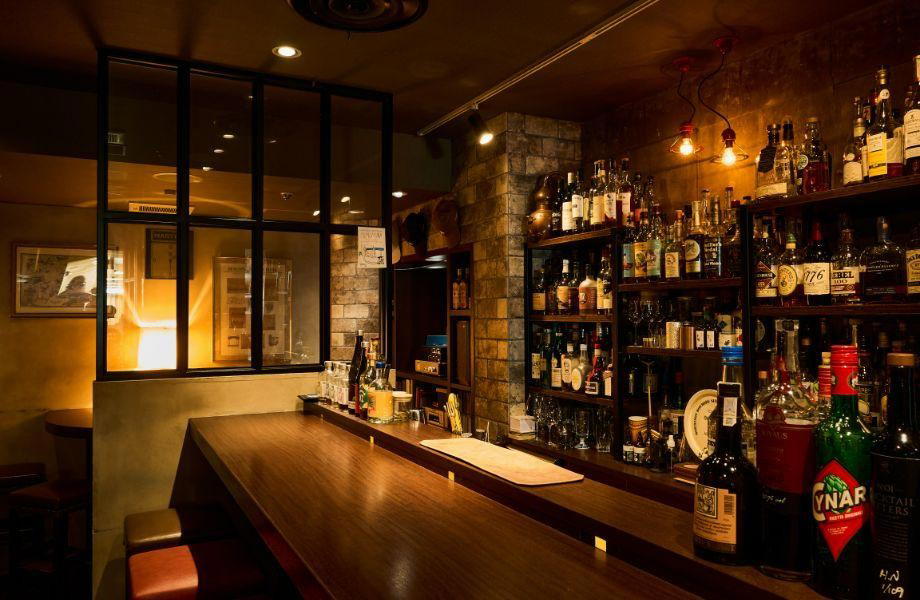
Hotels in Osaka
Browse all →


Wineries in Osaka
Browse all →
At a Glance
- Intimate
- Elegant
- Sophisticated
- Quiet
- Date Night
- Special Occasion
- Celebration
- Open Kitchen
- Private Dining
- Standalone
- Extensive Wine List
- Sommelier Led
- Farm To Table
- Local Sourcing
- Organic
Current opening hours
- Monday
- 12–2:30 PM, 5–9:30 PM
- Tuesday
- 12–2:30 PM, 5–9:30 PM
- Wednesday
- 12–2:30 PM, 5–9:30 PM
- Thursday
- 12–2:30 PM, 5–9:30 PM
- Friday
- 12–2:30 PM, 5–9:30 PM
- Saturday
- 4–9:30 PM
- Sunday
- Closed
Hours can change for holidays and private events. Last verified .
Intimate and refined dining space with attentive service, designed for a quiet, contemplative culinary experience that celebrates the connection between ingredients, technique, and guest enjoyment.