
A Michelin-starred Italian restaurant in Osaka's Sonezaki Shinchi district, YUNiCO earns its star through a disciplined focus on ingredient purity and Japanese-Italian synthesis. Fritters fried to order, pasta shaped around domestic produce, and sea bream baked in pastry crust signal a kitchen that treats creative latitude as a precise tool rather than decoration.
Pearl is the En Primeur Club membership app — saves, bookings, and concierge access live there. Same editors, same standards.
- Address
- Japan, 〒530-0002 Osaka, Kita Ward, 曽根崎新地1 Chome−5 17IMサウザンドビル 4階
- Phone
- +81 6-6225-8007
- Website
- y-unico.jp
- Directions
- Get directions
 Saves & bookings on Pearl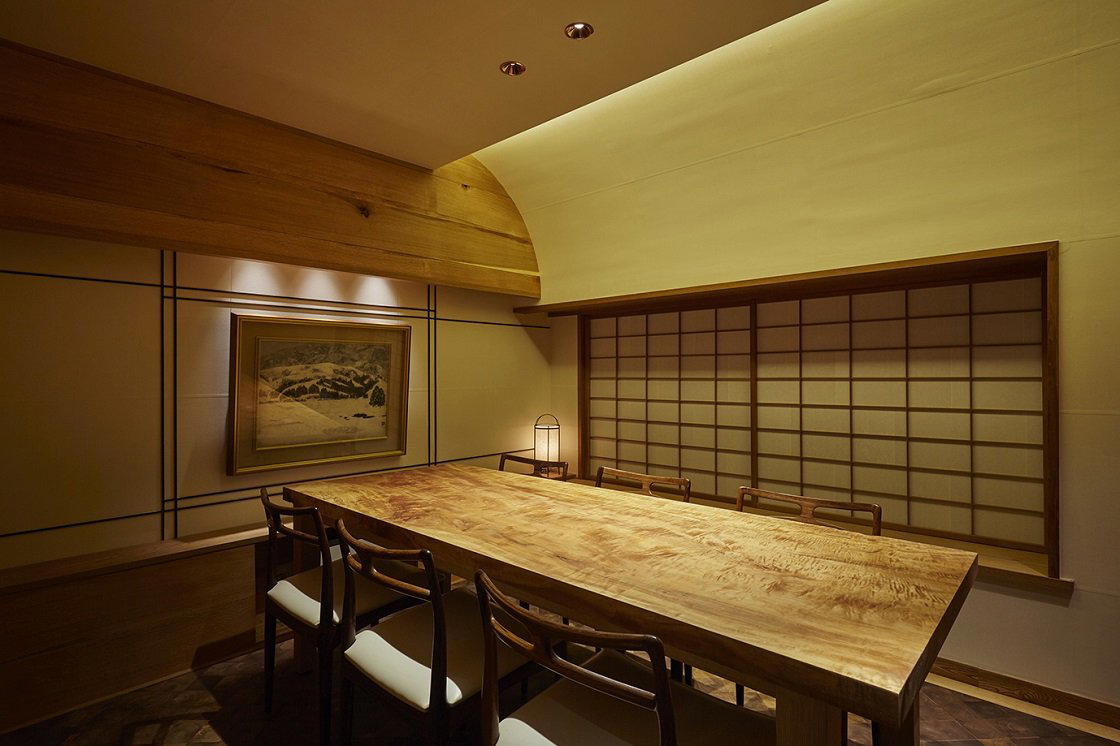
The Floor Above Sonezaki Shinchi
Osaka's Kita Ward entertainment district operates on several registers at once. At street level, Sonezaki Shinchi is izakayas and hostess bars and the low hum of a city that eats late and without much ceremony. One floor up, in the fourth-floor dining room of the IM Thousand Building, the register shifts. YUNiCO is a one-star restaurant in Osaka's Kita Ward, serving Japanese Italian Fusion at about ¥130 per person. It sits in that transition zone, physically inside one of Osaka's most freewheeling neighbourhoods while practising a cuisine that requires exactitude: Italian cooking rebuilt around Japanese ingredients and the logic of local provenance.
That address matters more than it might first appear. Osaka has developed a distinct tier of European-technique restaurants that draw on Kansai produce rather than importing a wholesale European pantry. In this sense YUNiCO belongs to a wider pattern visible across the Kansai region, where chefs trained in or inspired by European traditions have increasingly found that Osaka, Kyoto, and Nara offer ingredient stocks demanding to be treated on their own terms. cenci in Kyoto and akordu in Nara operate within the same broader orientation, each anchoring European culinary grammar to specifically Japanese raw material. YUNiCO is Osaka's version of that argument.
Provenance as the Central Discipline
The kitchen's stated objective is direct: simple fare that speaks to the flavour of each ingredient. That framing sounds easy until you trace what it demands technically. The fritters, deep-fried one by one rather than in batches, are an example of operational precision in service of ingredient quality. Batch frying introduces variables in oil temperature and crust timing that compound across individual pieces. Single-piece frying is slower and costlier in labour, but it means each fritter arrives at its optimal moment of crust formation and interior texture. The choice is a statement about priorities.
This orientation toward purity connects YUNiCO to broader developments in how Japanese kitchens have approached Western cooking forms over the past two decades. Rather than treating Italian cuisine as a fixed set of techniques applied to Italian ingredients, a cohort of restaurants across Japan has renegotiated the terms of that exchange. Pasta, in this reading, becomes a vehicle for Japanese seasonal produce rather than a vehicle for Italian tradition. At YUNiCO, that renegotiation is explicit: pasta is interpreted through Japanese ingredients, not alongside them.
The dish that crystallises this philosophy most cleanly is the Japanese sea bream baked in pastry crust. Sea bream (tai) carries significant cultural weight in Japanese cooking, associated with celebration and considered the representative fish of the Japanese table. Placing it inside a pastry envelope is a European technique. The resulting dish belongs fully to neither tradition, which appears to be the point. The Michelin Guide's 2024 single star for YUNiCO is consistent with this kind of precise, considered kitchen work: not a restaurant trying to impress through scale or extravagance, but one accumulating quiet credibility through disciplined execution.
Where YUNiCO Sits in Osaka's Italian Scene
Osaka's Italian restaurants span a considerable range. At the entry tier, neighbourhood trattorias and pasta bars operate largely on fixed Italian references. A middle tier has grown more interesting over the past decade, with kitchens that adapt northern or southern Italian forms to Kansai seasonal produce without making a manifesto of the process. At the leading, a small group of Michelin-recognised Italian addresses treat the Japanese-Italian exchange as their primary subject.
YUNiCO occupies that upper register at a price tier one bracket below the ¥¥¥¥ French-leaning restaurants like HAJIME, La Cime, and Fujiya 1935 that represent Osaka's highest-ticket European dining. At ¥¥¥, it prices alongside Kashiwaya Osaka Senriyama and Taian in Osaka's kaiseki tier, which places it in a peer group where the credential conversation is about ingredient sourcing, seasonal rigour, and kitchen precision rather than luxury signalling through format or room design. That positioning reflects something real about what the kitchen is attempting. Among Osaka's Italian addresses, il Centrino, La Lucciola, P greco, a canto, and La casa TOM Curiosa each occupy distinct positions in terms of approach and ambition; YUNiCO's Michelin recognition in 2024 places it among that group's more formally acknowledged members.
For comparison across Japan's Italian register, 8 1/2 Otto e Mezzo Bombana in Hong Kong represents the high-formality, high-capital end of Italian fine dining in Asia, while YUNiCO operates closer to what might be called the focused artisan end: smaller, more personal, with the kitchen's conceptual position embedded in everyday ingredient decisions rather than announced through room scale or imported produce.
The Name as Index of Intent
The restaurant's name encodes its logic. YUNiCO combines the first letter of the chef's surname, Yamamoto, with the Italian word unico, meaning one, singular, of a kind. The construction is neither purely Japanese nor purely Italian; it exists in the hyphen between the two. As naming decisions go, it is unusually accurate about what the kitchen actually does. The name is not a marketing choice; it is a description of method.
That synthesis, expressed in the fritters, in the Japanese-ingredient pasta, in the sea bream wrapped in pastry, positions YUNiCO within a broader conversation happening across Japan's most interesting kitchens. At Harutaka in Tokyo, the conversation is about sushi tradition and material quality. At Gion Sasaki in Kyoto, it concerns kaiseki's seasonal grammar. At Goh in Fukuoka, Japanese-French form is the territory. At YUNiCO, the question is what Italian cooking means when its ingredients and instincts are fundamentally Japanese. The 2024 Michelin star suggests the answer being given in this fourth-floor Osaka room has earned its audience.
Planning Your Visit
YUNiCO is located on the fourth floor of the IM Thousand Building in Sonezaki Shinchi, Kita Ward, Osaka. The price range sits at ¥¥¥, placing it in the mid-to-upper tier of Osaka dining. For a broader view of Japan's culinary circuit, 1000 in Yokohama and 6 in Okinawa round out a picture of how regional kitchens across the country are approaching their individual contexts.
Quick reference: YUNiCO, 4F, IM Thousand Building, Sonezaki Shinchi 1-5-17, Kita Ward, Osaka, Italian, ¥¥¥, Michelin 1 Star (2024).
Comparable Venues
Comparable venues nearby, for context on price, style, and recognition.
| Venue | Cuisine | Price | Awards | Notes |
|---|---|---|---|---|
| YUNiCOThis venue — the venue you are viewing | Japanese Italian Fusion | $$$$ | Michelin 1 Star | Not listed |
| Rooots Nakanoshima | Modern French-Italian Fusion | $$$$ | Michelin 1 Star | Kita |
| Hiraishi | Michelin-Starred Tempura Omakase | $$$$ | Michelin 1 Star | Kita |
| Shinchi Yamamoto | Modern Japanese Kaiseki Omakase | $$$$ | Michelin 1 Star | Kita |
| SINAE | Modern French with Japanese Influences | $$$$ | Michelin 1 Star | Chūō |
| La Bécasse | Modern French Omakase | $$$$ | Michelin 1 Star | Chūō |
Recognition history
Dated appearances from independent guides and award organizations, with the underlying list record or original source where available.
Michelin 1 Star
Michelin
Michelin 1 Star
Michelin
Continue exploring
More in Osaka
Restaurants in Osaka
Browse all →




Bars in Osaka
Browse all →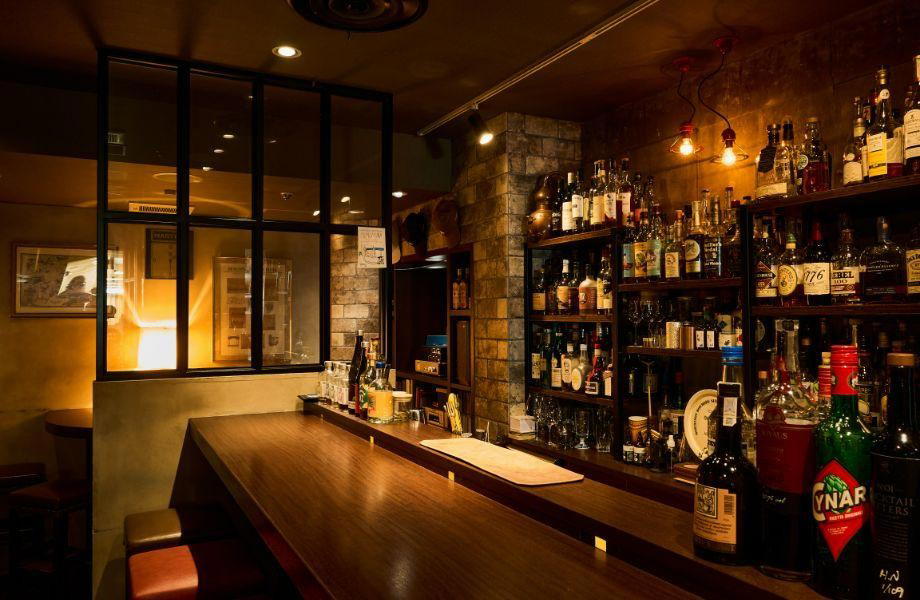
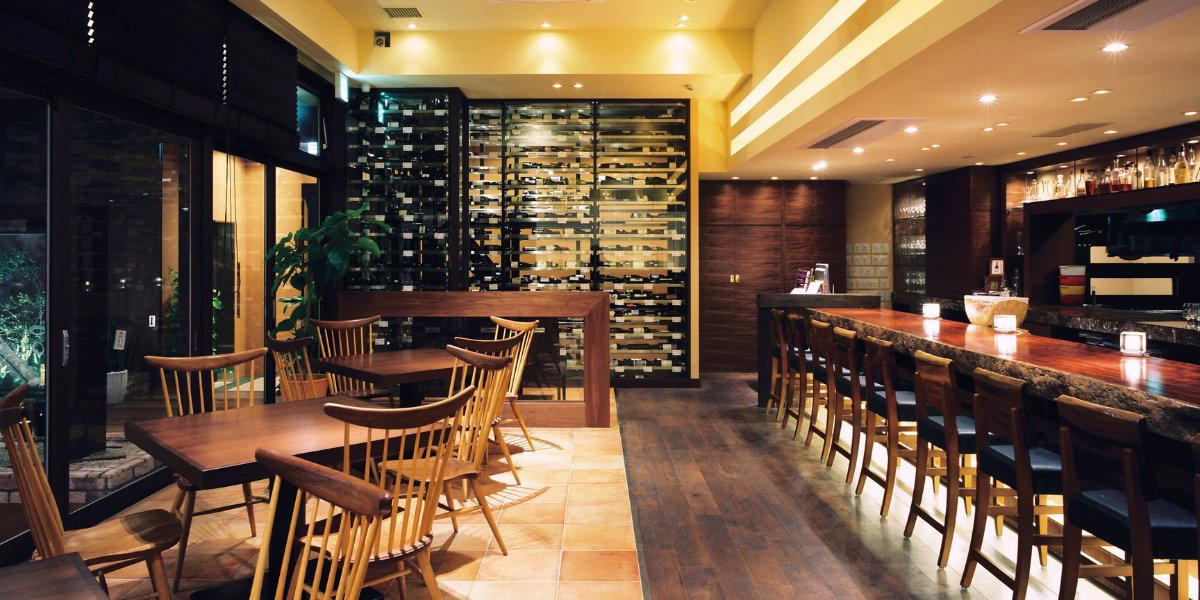
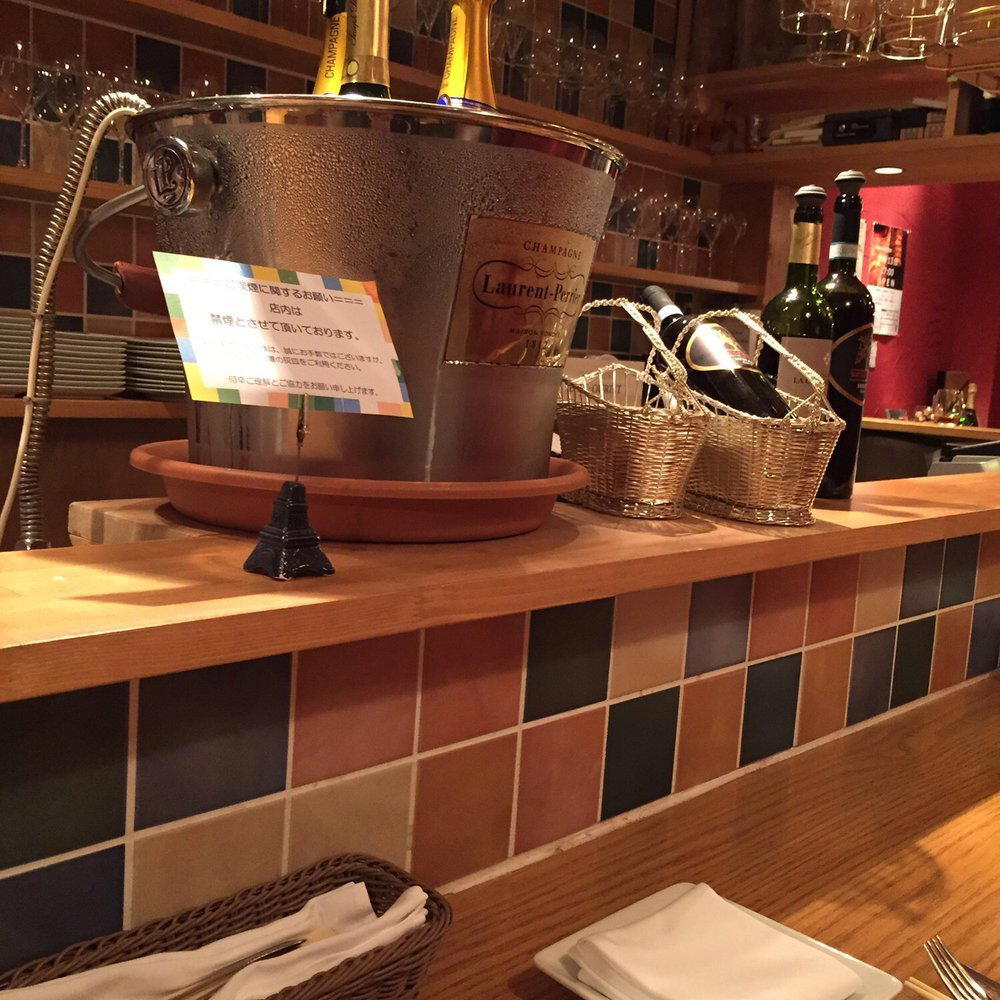

Hotels in Osaka
Browse all →



Wineries in Osaka
Browse all →
At a Glance
- Cozy
- Intimate
- Elegant
- Modern
- Sophisticated
- Date Night
- Special Occasion
- Chefs Counter
- Open Kitchen
- Extensive Wine List
- Local Sourcing
Current opening hours
- Monday
- 5:30–11 PM
- Tuesday
- 5:30–11 PM
- Wednesday
- 5:30–11 PM
- Thursday
- 5:30–11 PM
- Friday
- 5:30–11 PM
- Saturday
- 12–3 PM, 5:30–11 PM
- Sunday
- Closed
Hours can change for holidays and private events. Last verified .
Cozy, homey, and comfortable atmosphere with an intimate counter seating setup resembling a traditional Japanese kappo, fostering engaging conversation.