A neighbourhood tavern on Carrer d'Antoni Torrella in Terrassa's residential fabric, La Taverna del Ciri occupies the quieter end of Catalan dining: unpretentious in setting, grounded in local sourcing traditions, and a reliable fixture for the city's everyday dining circuit. For travellers moving beyond Barcelona's immediate orbit, it represents the kind of place that sustains a food culture without broadcasting it.
Pearl is the En Primeur Club membership app — saves, bookings, and concierge access live there. Same editors, same standards.
- Address
- Carrer ďAntoni Torrella, 66, 08224 Terrassa, Barcelona, Spain
- Phone
- +34938589122
- Website
- elcirirestaurant.com
- Directions
- Get directions
 Saves & bookings on Pearl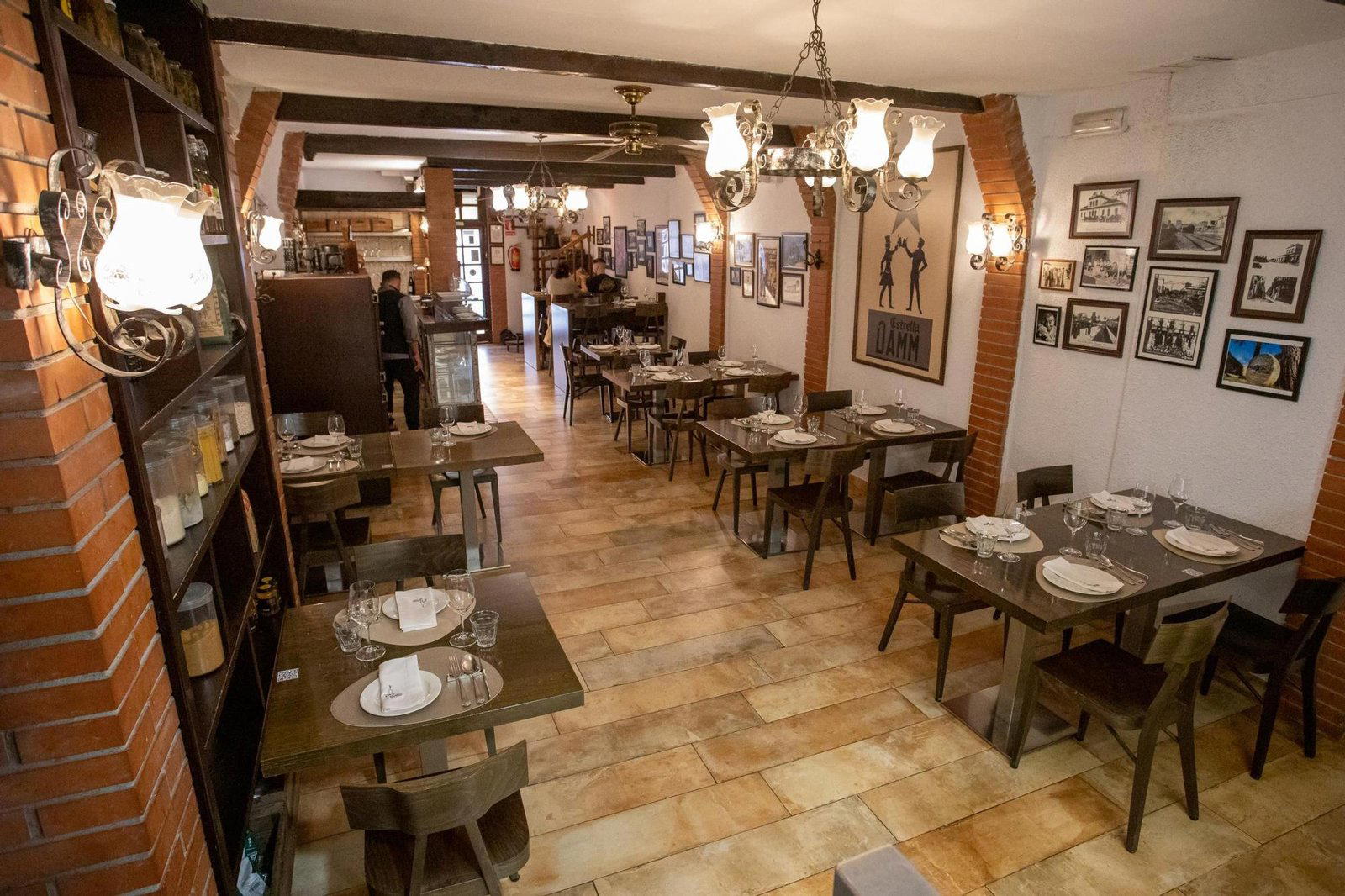
Where Terrassa Eats Without an Audience
The restaurants that define a city's food culture are rarely the ones that court attention. La Taverna del Ciri is a restaurant in Terrassa serving Traditional Catalan cooking. In Terrassa, a Catalan industrial city of roughly 220,000 people sitting some 28 kilometres northwest of Barcelona, the dining scene divides clearly between places designed for visitors and places designed for residents. La Taverna del Ciri on Carrer d'Antoni Torrella sits firmly in the second category. The street is residential, the scale is domestic, and the room signals nothing beyond the intention to feed people well. That modesty is the point. In a country where restaurants like El Celler de Can Roca in Girona and Arzak in San Sebastián have made Spanish cooking a global conversation, the neighbourhood tavern remains the format that feeds the actual population.
Terrassa's restaurant geography reflects this split. The city has a cluster of places working modern and regional registers, including Calmista Restaurant and Colmado 1917, which tilt toward contemporary Catalan cooking and curated product selections. At the more casual end, Brasayleña at CC Parc Vallès draws a different crowd entirely. La Taverna del Ciri occupies an older tradition within this mix: the tavern as neighbourhood institution, where consistency matters more than concept and sourcing is shaped by what local producers and markets can supply on a given week.
The Sourcing Logic Behind Tavern Cooking
Catalan tavern cooking has always been a procurement exercise before it is a culinary one. The Mercat Central de Terrassa and the broader network of weekly markets across the Vallès Occidental comarca supply the kitchens that work this way. Seasonal produce from the Llobregat agricultural belt, cured goods from inland Catalan producers, and fish arriving via the Maresme coast wholesale chain form the backbone of what ends up on tavern menus in any given month. The format is not about innovation; it is about the discipline of sourcing well and repeating it reliably.
This is a tradition shared across Catalonia's mid-sized cities, and it connects upward through the food chain to chefs like Ricard Camarena in València and Azurmendi in Larrabetzu, where ingredient provenance is central to the editorial identity of the restaurant. At tavern level, the same logic applies without the tasting menu architecture. The kitchen works with what is available, applies traditional technique, and prices to the local market rather than to culinary tourism. For comparison, Casa Nita in Terrassa has formalised the farm-to-table sourcing story into its identity more explicitly, which places it in a different comparable set than a traditional tavern even when the underlying ingredient philosophy overlaps.
Spain's broader conversation about local sourcing has become increasingly visible through the work of chefs at Aponiente in El Puerto de Santa María and Quique Dacosta in Dénia, both of whom have made coastal and regional product the explicit subject of their cooking. The tavern format carries the same sourcing ethic in compressed, unremarkable form. That compression is its value, not its limitation.
Terrassa's Dining Context
Terrassa is not a restaurant destination in the way that Barcelona, Girona, or San Sebastián function for food travellers. It is a working city with a strong industrial heritage, a significant textile history, and a local dining culture that rewards time spent rather than curated itineraries. The city's most interesting food experiences tend to be found by following where residents eat rather than where review platforms direct visitors. In that respect, Terrassa shares something with second-tier Spanish cities whose dining cultures are intact but not amplified for export.
For those already in the city, the neighbourhood around Carrer d'Antoni Torrella is worth approaching on foot. The street-level character of this part of Terrassa is more ordinary than the city's preserved modernista architecture further in, which makes the tavern format appropriate rather than incongruous. Practically speaking, Terrassa is served by FGC rail from Plaça Catalunya in central Barcelona, a journey of around 35 minutes, making a lunch visit viable within a broader day rather than requiring a dedicated trip.
Other options in the immediate Terrassa dining circuit include Chim Thai Restaurant for a complete tonal shift, and Vapor Gastronòmic for regional cooking with a slightly more formal register.
Placement in Spain's Broader Dining Map
For travellers calibrating Terrassa against Spain's headline dining addresses, the reference points are instructive rather than competitive. Martin Berasategui in Lasarte-Oria, Mugaritz in Errenteria, DiverXO in Madrid, and Cocina Hermanos Torres in Barcelona occupy the tasting-menu tier where cooking is a destination in itself. A neighbourhood tavern like La Taverna del Ciri operates in a completely different register, and is leading evaluated on its own terms: consistency of sourcing, reliability of execution, and the social function it serves in its immediate community. These are not lesser criteria; they are different ones.
The international frame for this kind of institution is the neighbourhood bistro or trattoria model. Le Bernardin in New York City or the contrast to technique-forward formats like Atomix in New York City. Across every serious food city, the venues that sustain daily eating culture are typically less discussed and more important than those that attract critical attention.
Planning a Visit
The restaurant is located at Carrer d'Antoni Torrella, 66, in the 08224 postcode of Terrassa. Dress code is smart casual. Pricing is about $40 per person.
Quick Comparison
Comparable venues nearby, for context on price, style, and recognition.
| Venue | Cuisine | Price | Notes |
|---|---|---|---|
| La Taverna del CiriThis venue — the venue you are viewing | Traditional Catalan | $$ | Not listed |
| Katán Restaurant | Mediterranean-Asian Fusion | $$ | centre |
| Chim Thai Restaurant | Thai | $$ | Terrassa |
| Calmista Restaurant | Modern Mediterranean Catalan | $$ | center |
| Colmado 1917 | Traditional Catalan Tapas | $$$ | center |
| Restaurant l'Indret | Modern Mediterranean Fine Dining | $$$ | Terrassa Center |
Continue exploring
More in Terrassa
Restaurants in Terrassa
Browse all →
Bars in Terrassa
Browse all →
Hotels in Terrassa
Browse all →


At a Glance
- Rustic
- Cozy
- Intimate
- Date Night
- Special Occasion
- Open Kitchen
- Extensive Wine List
- Local Sourcing
Current opening hours
- Monday
- Closed
- Tuesday
- Closed
- Wednesday
- Closed
- Thursday
- 1–3:30 PM, 8–10:30 PM
- Friday
- 1–3:30 PM, 8–10:30 PM
- Saturday
- 1–3:30 PM, 8–10:30 PM
- Sunday
- 1–3:30 PM
Hours can change for holidays and private events. Last verified .
Cozy rustic atmosphere with open kitchen providing a personal and attentive dining experience.