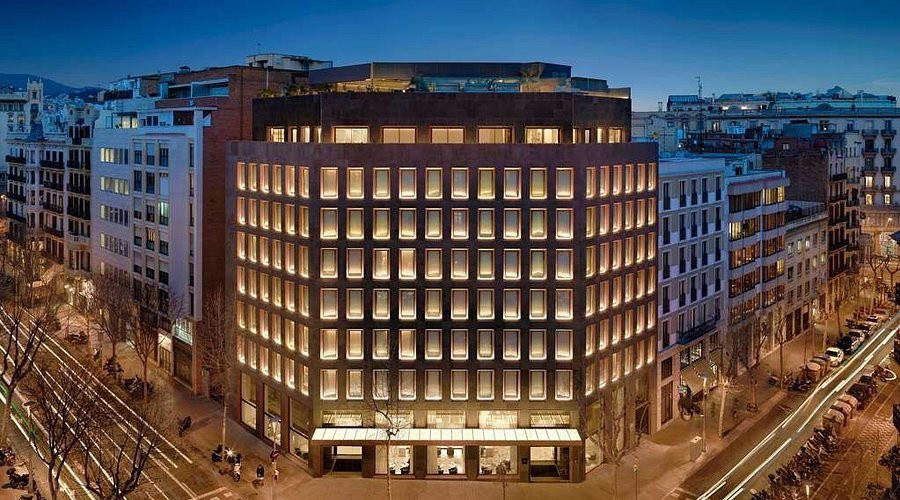
On Avinguda Diagonal in Barcelona's Les Corts district, Andreu occupies a stretch of the city where local residents eat rather than tourists pass through. The address places it inside a neighbourhood dining tradition that operates at a different register from the Eixample's more calculated restaurant scene. For visitors who prefer context over spectacle, that positioning is itself the editorial point.

Pearl is the En Primeur Club membership app — saves, bookings, and concierge access live there. Same editors, same standards.
- Address
- Av. Diagonal, 569, Les Corts, 08029 Barcelona, Spain
- Phone
- +34 934 44 01 97
- Hours
- Mon–Sat 9:30 AM–9 PMSun Closed
- Website
- andreu.shop
- Directions
- Get directions
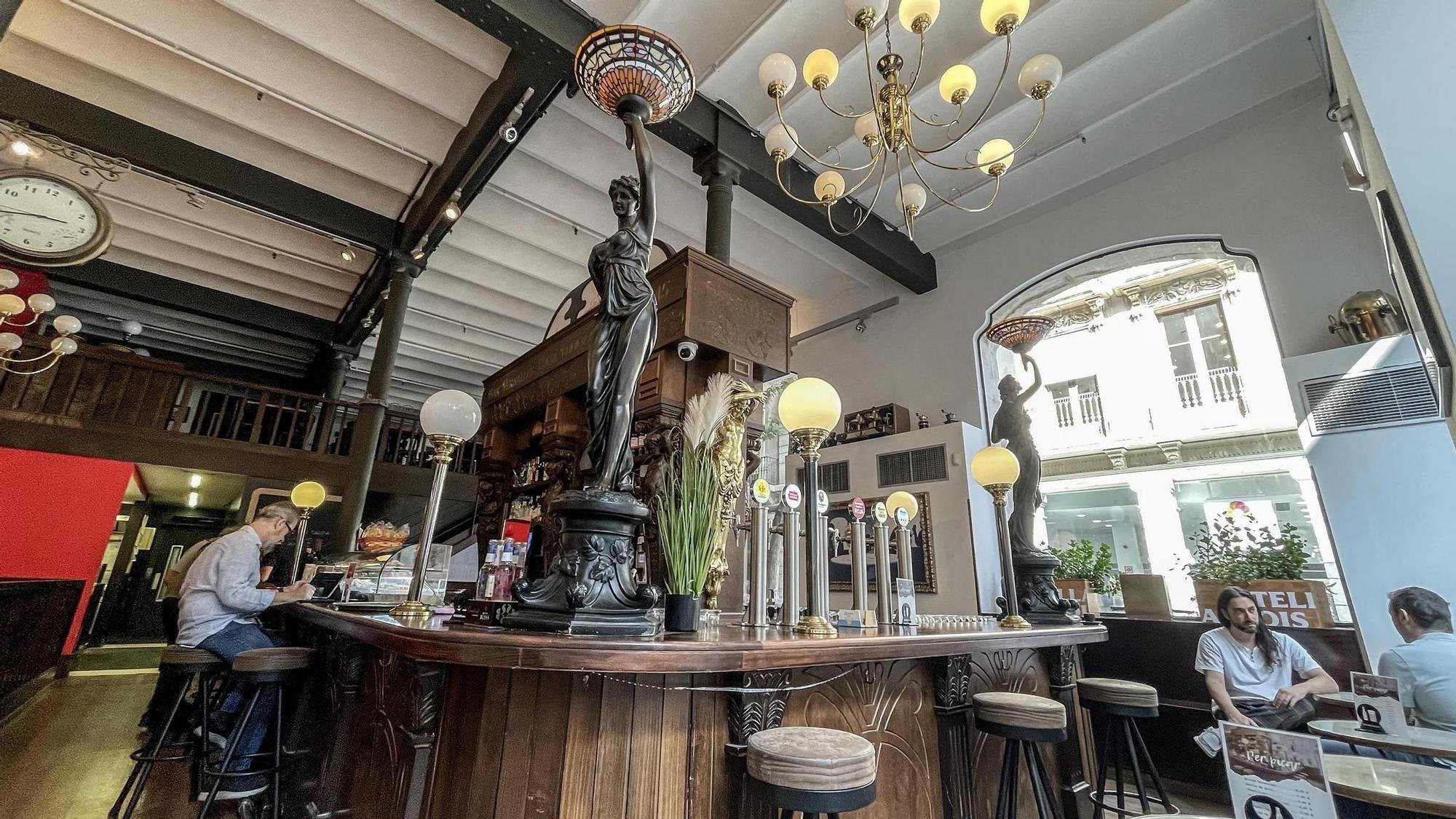
Where the City Eats Without an Audience
Avinguda Diagonal cuts through Barcelona at a diagonal that its name promises, threading together districts that rarely share the same travel itinerary. The stretch near number 569, in Les Corts, is not where visitors tend to arrive with a reservation already in hand. This is a part of the city where the dining room's primary audience is the neighbourhood itself: families from the residential blocks above, professionals from the offices along the boulevard, regulars who have been ordering the same table for years. That structural fact shapes everything about how a place like Andreu functions inside Barcelona's wider eating culture.
Les Corts sits between the commercial weight of l'Eixample and the university density of the upper Diagonal corridor. It is not a district that has been repositioned by a wave of destination restaurants or repackaged for the boutique hotel crowd. The result is a particular kind of atmospheric pressure inside the restaurants that have lasted here: the room does not perform for an outside audience, and neither do the people in it. You are eating inside a local tempo rather than against a curated backdrop.
The Diagonal's Dining Register
Understanding where Andreu sits in Barcelona's competitive geography requires a clear read of how the city's restaurant tiers are organised spatially. The Eixample, particularly around Carrer del Consell de Cent and the streets radiating from Passeig de Gràcia, concentrates the award-tracked, tasting-menu-driven operations that draw international food press. Barceloneta and the Born handle volume tourism with predictable results. Les Corts, by contrast, is not a neighbourhood built around restaurant tourism. Its dining culture trends toward the kind of mid-weight local restaurant that outlasts trends precisely because it is not dependent on them.
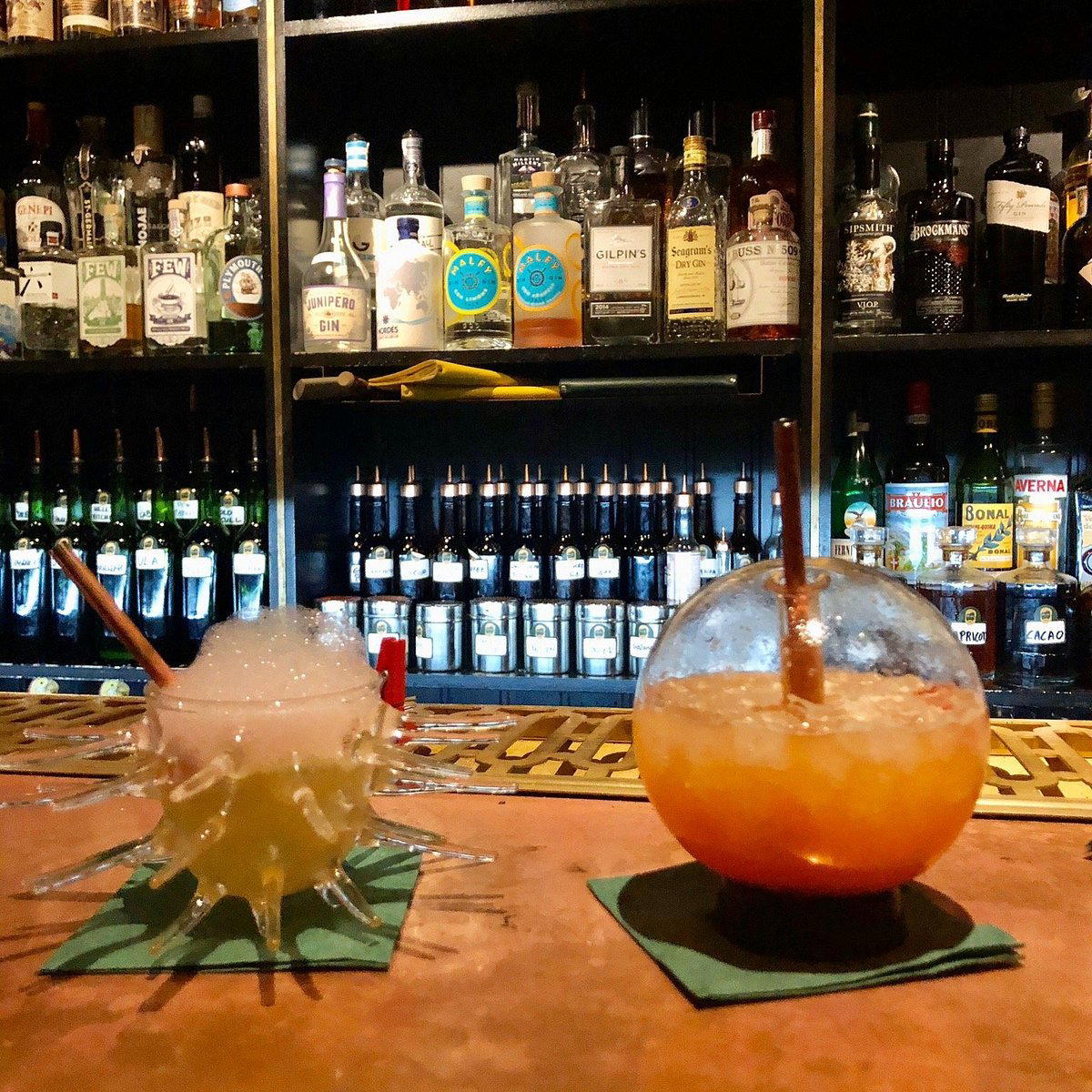
Barcelona's bar and restaurant scene has also fractured meaningfully in recent years between two poles. On one side sit technically ambitious cocktail programs and destination dining formats, the kind represented by operations like Dr. Stravinsky and Dry Martini, which operate at a register where the program itself is the draw. On the other side are neighbourhood anchors that earn loyalty through consistency rather than novelty. The Diagonal corridor, for the most part, belongs to the second category.
What the Room Feels Like
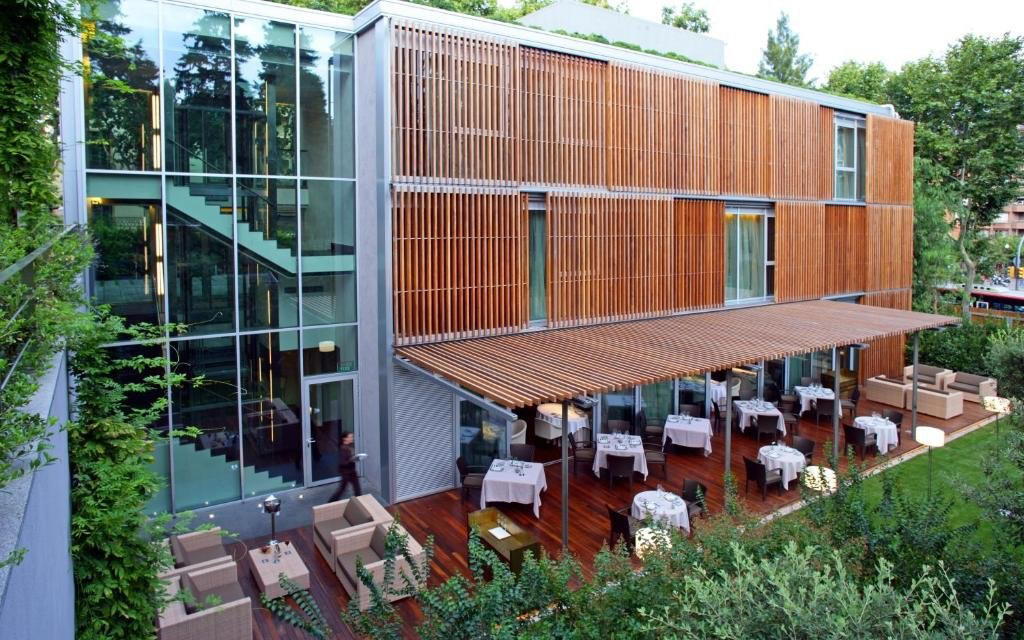
Andreu is a bar on Av. What can be said with editorial confidence is structural: a bar at this address, in this neighbourhood, is shaped by the pedestrian rhythm of the boulevard outside rather than by any designed theatricality within. The Diagonal's wide pavements and established residential character are not ambient accidents. They produce a particular kind of restaurant that feels proportional to its surroundings: rooms that are sized for conversation, service paced for people who are not in a rush to move on to the next stop.
That contrast with the more engineered atmospheres of the Eixample's destination restaurants is worth holding in mind. Barcelona has spent the better part of two decades producing dining environments calibrated for maximum photographic and editorial impact. The neighbourhood restaurant on the Diagonal is a counter-argument to that tendency, made in brick and tablecloth rather than in press releases.
Barcelona in a Wider Spanish Context
Spain's bar and dining culture operates with a geography that rewards neighbourhood specificity. In Madrid, places like Angelita demonstrate how a single address can anchor a local drinking and dining culture without requiring destination-restaurant mechanics to sustain it. In Seville, Bar Sal Gorda operates by similar principles. In Granada, Bar Gallardo holds a comparable neighbourhood position. The pattern repeats across the peninsula: Spanish cities maintain a tier of local establishments that function as social infrastructure rather than commercial spectacle, and Barcelona's Les Corts is where that tier is represented on the Diagonal.
The Balearic counterparts are equally instructive. La Margarete in Ciutadella and Garden Bar in Calvià both operate in the space between local institution and visitor draw, managing the tension between those two audiences with varying degrees of deliberateness. Barcelona's neighbourhood restaurants, particularly in districts like Les Corts, tend to resolve that tension by simply not leaning toward the visitor side at all.
Planning a Visit
The address at Av. Diagonal 569 is accessible by metro, with the Les Corts station a walkable distance along the boulevard. For travellers arriving from the city centre, the Diagonal metro line provides a direct route. Andreu is open Monday to Saturday from 9:30 AM to 9 PM and is closed on Sunday; it is walk-in friendly. That advice applies particularly if you are building a day around the meal, since the neighbourhood does not offer the density of backup options that a visit to the Eixample would.
Peers You’d Cross-Shop
| Venue | Cuisine | Price | Awards |
|---|---|---|---|
| AndreuThis venue — the venue you are viewing | Not listed | $20–30 | Not listed |
| Boadas | Not listed | $10–20 | World's 50 Best #36 · Falstaff Bar - 92 Falstaff Points |
| Dry Martini | Cocktail Bar | $30–50 | World's 50 Best #4 · Falstaff Bar - 95 Falstaff Points |
| Paradiso | Cocktail Bar | $30–50 | World's 50 Best #9 · Falstaff Bar - 94 Falstaff Points |
Continue exploring
More in Barcelona
Bars in Barcelona
Browse all →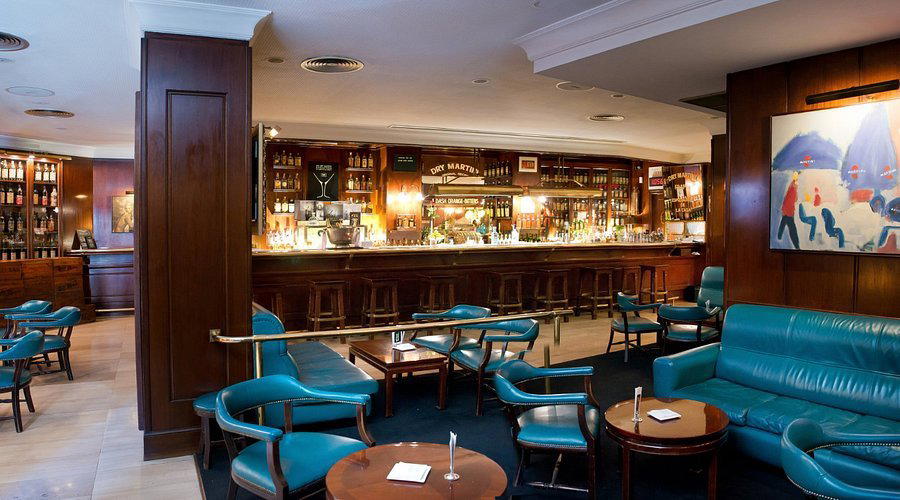
Restaurants in Barcelona
Browse all →
Hotels in Barcelona
Browse all →
Details
- Cozy
- Intimate
- Sophisticated
- Date Night
- Casual Hangout
- Live Music
- Seated Bar
- Lounge Seating
- Classic Cocktails
- Craft Cocktails
Current opening hours
- Monday
- 9:30 AM–9 PM
- Tuesday
- 9:30 AM–9 PM
- Wednesday
- 9:30 AM–9 PM
- Thursday
- 9:30 AM–9 PM
- Friday
- 9:30 AM–9 PM
- Saturday
- 9:30 AM–9 PM
- Sunday
- Closed
Hours can change for holidays and private events. Last verified .
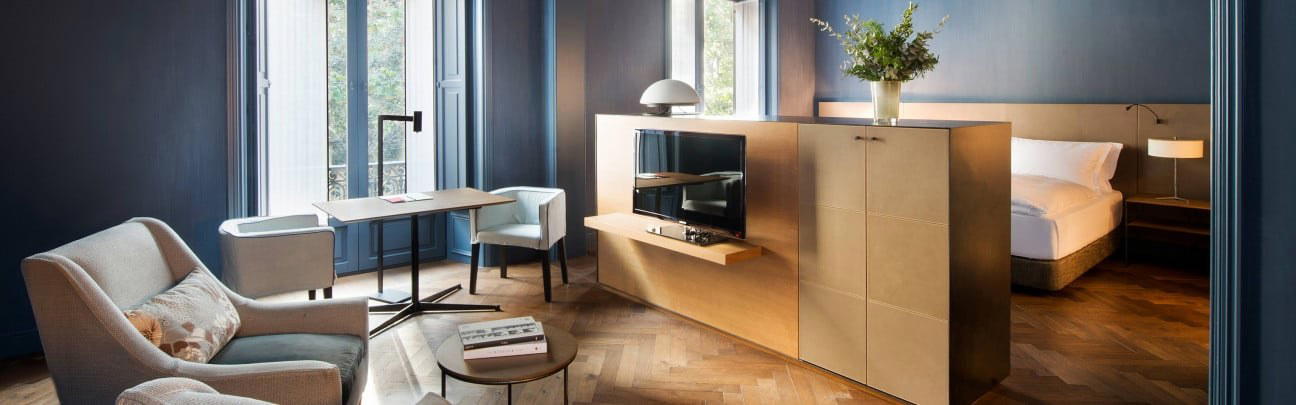
Warm and inviting space with elegant decor, cozy intimate vibe enhanced by soothing live piano melodies.