
A Michelin 1 Key hotel on a quiet Eixample street one block from Passeig de Gràcia, Alma Barcelona pairs minimalist interiors with inventive Mediterranean cooking and a rooftop terrace lounge. Seventy-two rooms priced from $587 per night sit within the district's largely residential character, while fingerprint-activated entry and midday checkout reflect a considered approach to modern comfort.
Pearl is the En Primeur Club membership app — saves, bookings, and concierge access live there. Same editors, same standards.
- Address
- Carrer de Mallorca, 269, Eixample, 08008 Barcelona
- Phone
- +34 932 16 44 90
- Website
- almahotels.com
- Directions
- Get directions
 Saves & bookings on Pearl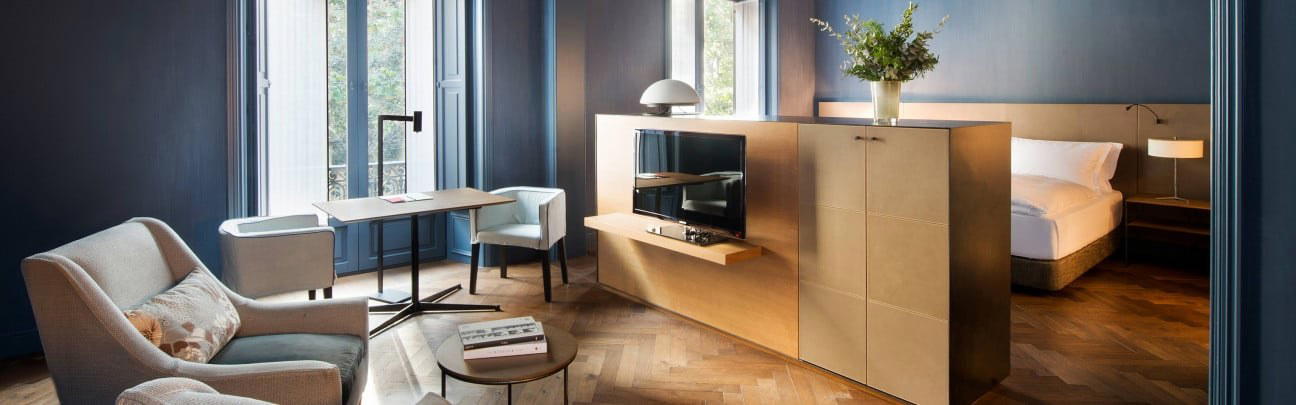
Quiet by Design: What the Eixample Asks of Its Hotels
Barcelona's hotel market splits, broadly, along two axes: the theatrically loud and the deliberately restrained. The first cohort clusters around the waterfront and the Gothic Quarter, where scale and spectacle drive the offer. The second is concentrated in the Eixample, the 19th-century grid district where the city's residential character and its architectural ambitions coexist at a more considered pace. Alma Barcelona operates in that second register, occupying a building on Carrer de Mallorca, one block from Passeig de Gràcia, at a price point (from $587 per night across 72 rooms) that places it in direct conversation with properties like the Mandarin Oriental Barcelona and the Almanac Barcelona, while maintaining a sensibility that is closer to a well-appointed private apartment than a grand hotel. Michelin awarded it one Key, confirming the property's position in the city's upper tier of design-led stays.
The Architecture of Restraint
Gaudí's shadow falls long across the Eixample. For hotels occupying the neighbourhood's buildings, that legacy creates a design problem: how do you assert a visual identity in a district where the streetscape is already doing something extraordinary? The answer, for a certain category of property, is to go in the opposite direction entirely. Alma's interiors work through minimalist subtlety rather than ornamental ambition. Rich hardwood and leather provide warmth without period pastiche; custom furniture sits alongside modernist classics without the kind of curatorial self-consciousness that can make design hotels feel like showrooms rather than places to sleep. The technology is present but discreet, the notable instance being fingerprint-activated room entry, which signals a property attentive to the small frictions of hotel life without making the technology the point of the stay.
This approach places Alma in a specific competitive position. Properties like Mercer Hotel Barcelona and Monument Hotel draw their identity from historical fabric, their Roman ruins and modernista facades doing narrative work that the interiors amplify. Alma takes a different position: the building is the container, not the story, and the interiors are calibrated for daily livability rather than architectural statement. It is the kind of hotel that improves on the second or third night, once the novelty question has been set aside and the quality of the experience can be felt on its own terms.
Rooms, Bathrooms, and the Logic of Dark and Light
Spanish hotel design has long understood that darkness is a luxury in the south. Alma's bedrooms follow that logic, with rooms kept as dark as the Catalan afternoon demands. The contrast with the bathrooms is deliberate: white stone and generous light, a reset space that operates on different sensory terms from the sleeping room. This split between dim and bright, rest and preparation, is a design decision that reveals something about how the property understands its guests. They are here to sleep well in a city that does not necessarily encourage early nights, and 24-hour room service and a mid-day checkout are practical acknowledgements of Barcelona's tendency to run late. The Antiga Casa Buenavista and Hotel Boutique Mirlo serve a similar neighbourhood audience, but neither sits quite as close to the Passeig de Gràcia corridor while maintaining the same degree of residential calm.
The Restaurant and the Rooftop: Where the Menu Architecture Speaks
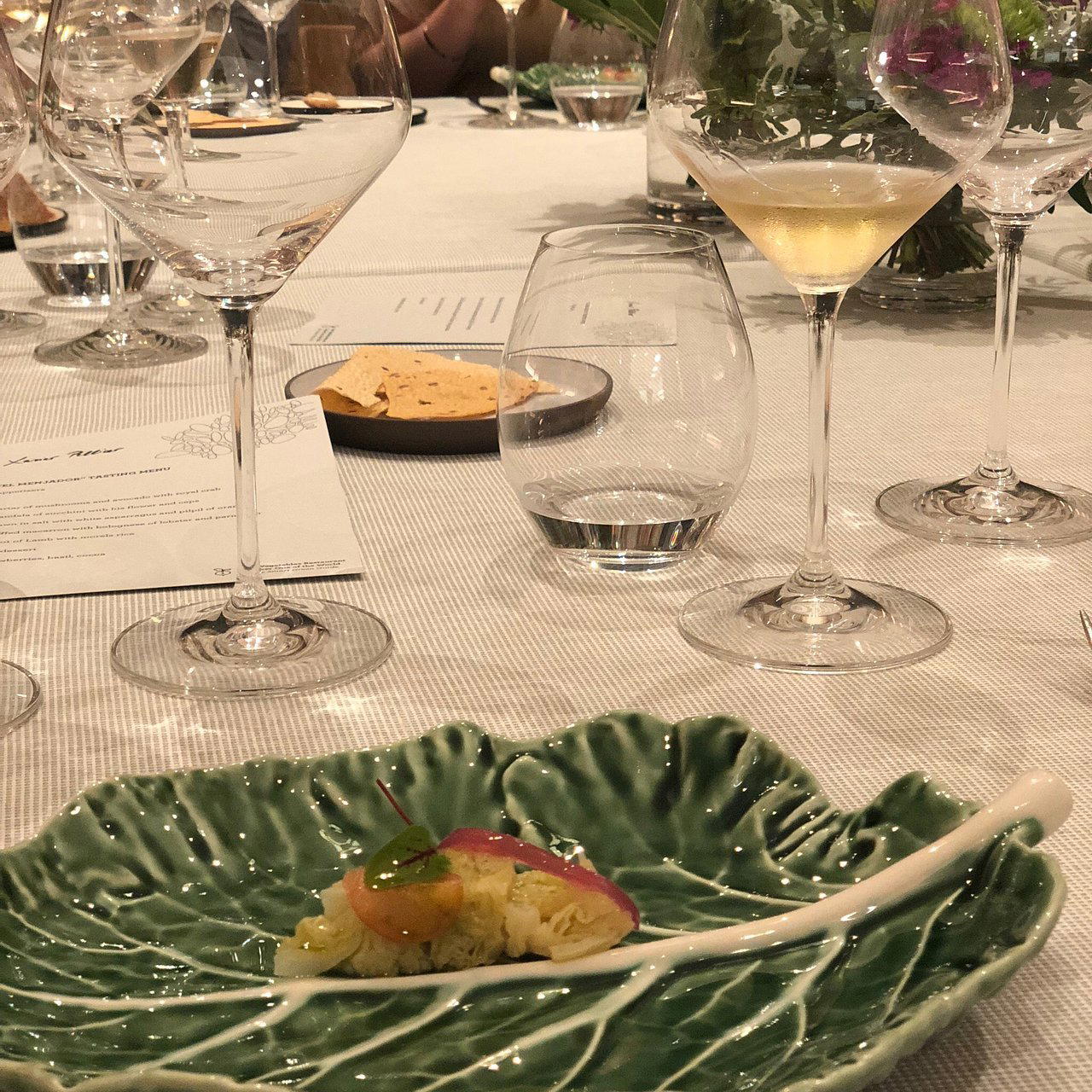
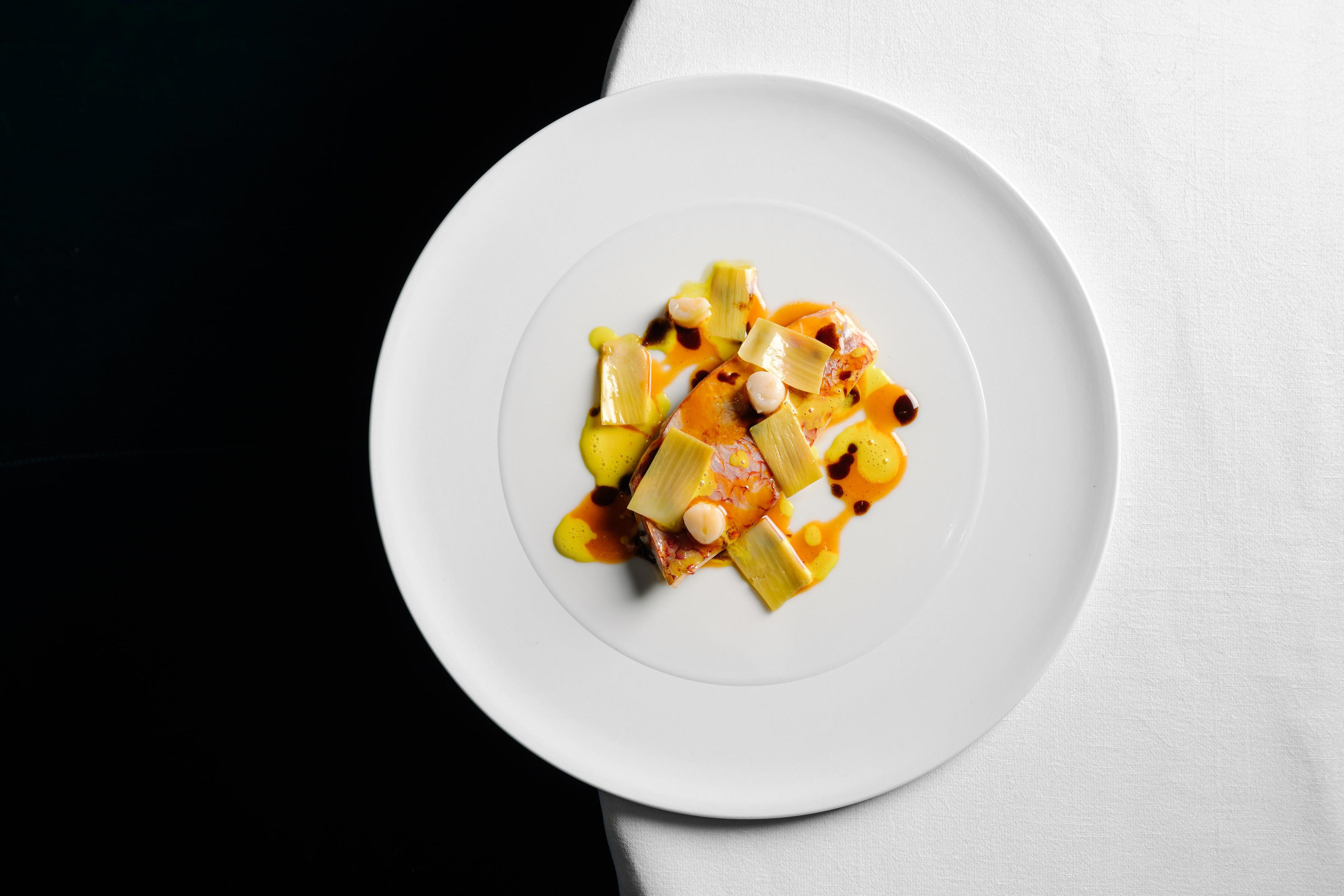
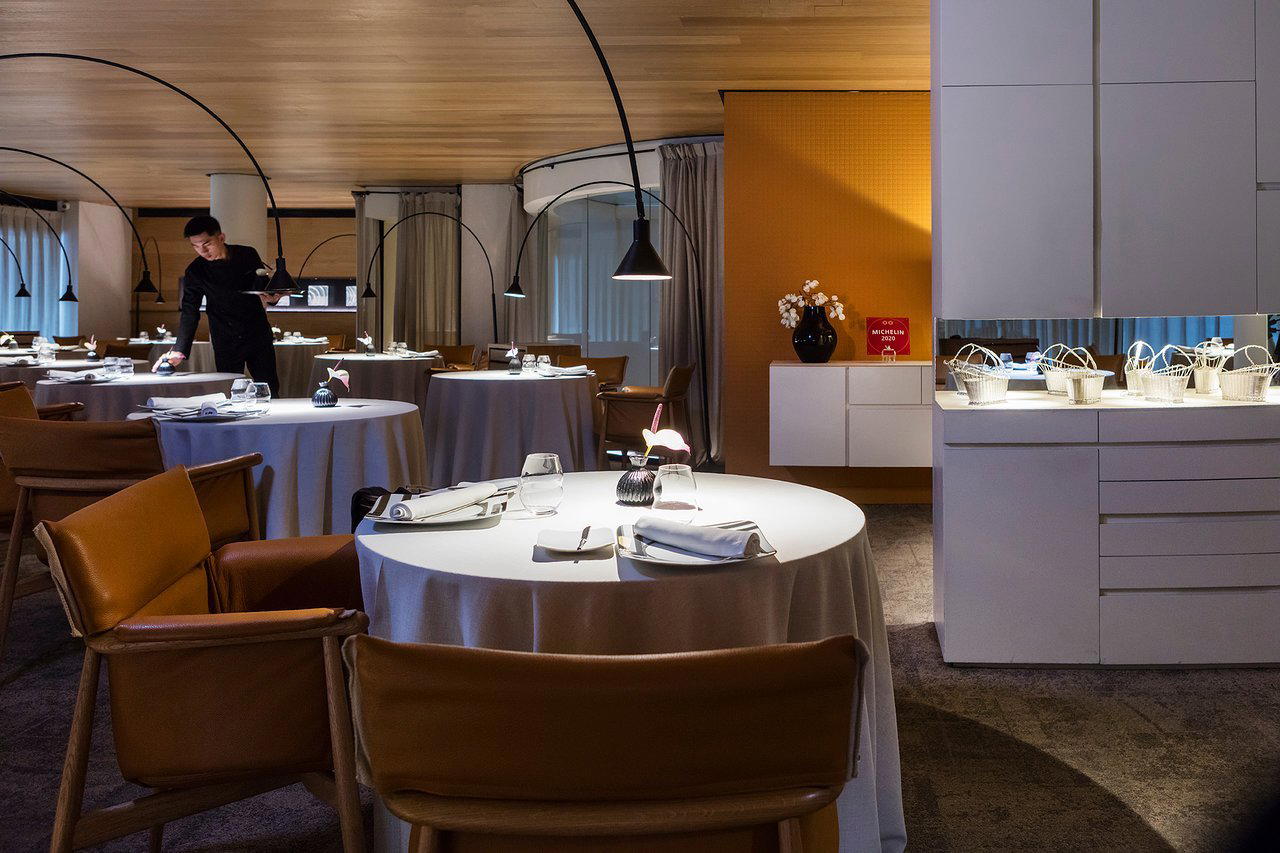
A hotel restaurant's menu structure usually tells you more about the property's self-understanding than any press release will. At Alma, the dining offer centres on inventive Mediterranean cuisine, a framing that in Barcelona's context means something specific: the city has one of Europe's most competitive restaurant ecosystems, and a hotel kitchen claiming that territory has to justify the claim through execution rather than geography. The Michelin Key recognition (2024) suggests the kitchen is operating at a level that holds up against the city's broader dining scene, though guests looking for the city's deepest cuts in Catalan cooking should also consult our full Barcelona restaurants guide for the wider context.
The rooftop terrace lounge completes the public offer. In Barcelona, the rooftop as social space is not incidental, it is where a hotel declares its relationship with the city's skyline and its evening culture. Alma's terrace operates as a converging point for the property's different registers: the contemporary interiors, the Mediterranean food approach, and the Eixample's particular light, which in the late afternoon cuts across the Gaudí rooftops in a way that no architect designing from scratch could replicate. Properties in other Spanish cities, from the Mandarin Oriental Ritz, Madrid to Akelarre in San Sebastián, have their own versions of this refined evening proposition, but Barcelona's density of architectural reference makes the rooftop category particularly charged here.
Positioning and comparable set
At $587 per night across 72 rooms, Alma sits in the upper-mid tier of Barcelona's premium hotel market. It is neither the largest property in the city nor especially architecturally dramatic, and it does not try to be. The 72-room count is large enough to offer professional service infrastructure but small enough to avoid the anonymity of full-scale luxury chains. The Hotel Arts Barcelona and the ABaC Restaurant & Hotel occupy different parts of the market: Arts with its waterfront scale and international brand logic, ABaC with its two Michelin-starred kitchen as the primary draw. Alma's proposition sits between those poles, using the Eixample address, the design coherence, and the Michelin Key as its primary trust signals without depending on any single element to carry the whole argument.
For travellers building a broader Spanish itinerary, the Eixample location connects easily to day trips along the Catalan coast or inland wine country, and properties like Terra Dominicata in Escaladei and Mas de Torrent Hotel & Spa in Torrent represent the rural Catalan alternative for those who want to split a trip between city and countryside. Further afield, Cap Rocat in Cala Blava and Hotel Can Cera in Palma offer the Balearic extension, while La Residencia, A Belmond Hotel, Mallorca represents the island's upper end. Those looking at Spain's broader hotel geography might also consider Atrio Restaurante Hotel in Cáceres, Abadía Retuerta LeDomaine in Teruel, Marbella Club Hotel, Torre del Marqués Hotel Spa & Winery in Sardoncillo, Pepe Vieira Restaurant & Hotel in Poio, and Casa Beatnik Hotel in A Coruña for a fuller picture of Spain's design-led and gastronomy-anchored stays. For international comparison, Aman Venice, Aman New York, and The Fifth Avenue Hotel in New York City occupy analogous positions in their respective cities: design-serious, food-attentive, and priced for guests who treat the hotel as an experience in its own right rather than a place to leave luggage.
Planning a Stay
Alma Barcelona sits on Carrer de Mallorca, 269, in the Eixample district. The mid-day checkout and 24-hour room service are worth factoring into any late-arriving or late-departing itinerary. Rates from $587 per night reflect the property's positioning at the upper end of the Eixample's design hotel cohort.
Side-by-Side Snapshot
Comparable venues nearby, for context on price, style, and recognition.
| Venue | Cuisine | Price | Awards | Notes |
|---|---|---|---|---|
| Alma BarcelonaThis venue — the venue you are viewing | Contemporary luxury design hotel housed in a restored early 20th-century Eixample building with classical and modernist room categories. | $$$$ | Michelin 1 Key | Not listed |
| Monument Hotel | Modern luxury in a pre-modernist mansion | $$$$ | Michelin 1 Key | la Dreta de l'Eixample |
| Hotel Arts Barcelona | Contemporary beachfront resort with artistic urban design | $$$$ | Michelin 1 Key | la Barceloneta |
| Almanac Barcelona | Boutique luxury hotel in a stylish traditional building with modern residential refinement. | $$$$ | Michelin 1 Key | la Dreta de l'Eixample |
| The One Barcelona | Contemporary luxury design hotel with Mediterranean influences, executed by prestigious designer Jaime Beriestain, positioned as an urban sanctuary near architectural landmarks. | $$$$ | Michelin 1 Key | la Dreta de l'Eixample |
| Mercer Hotel Barcelona | Historic boutique luxury hotel blending ancient Roman architecture with contemporary design. | $$$$ | Michelin 1 Key | Barri Gotic |
Recognition history
Dated appearances from independent guides and award organizations, with the underlying list record or original source where available.
Mr & Mrs Smith Smith Seal of Approval
Mr & Mrs Smith
Michelin 1 Key
Michelin
Michelin 1 Key
Michelin
Continue exploring
More in Barcelona
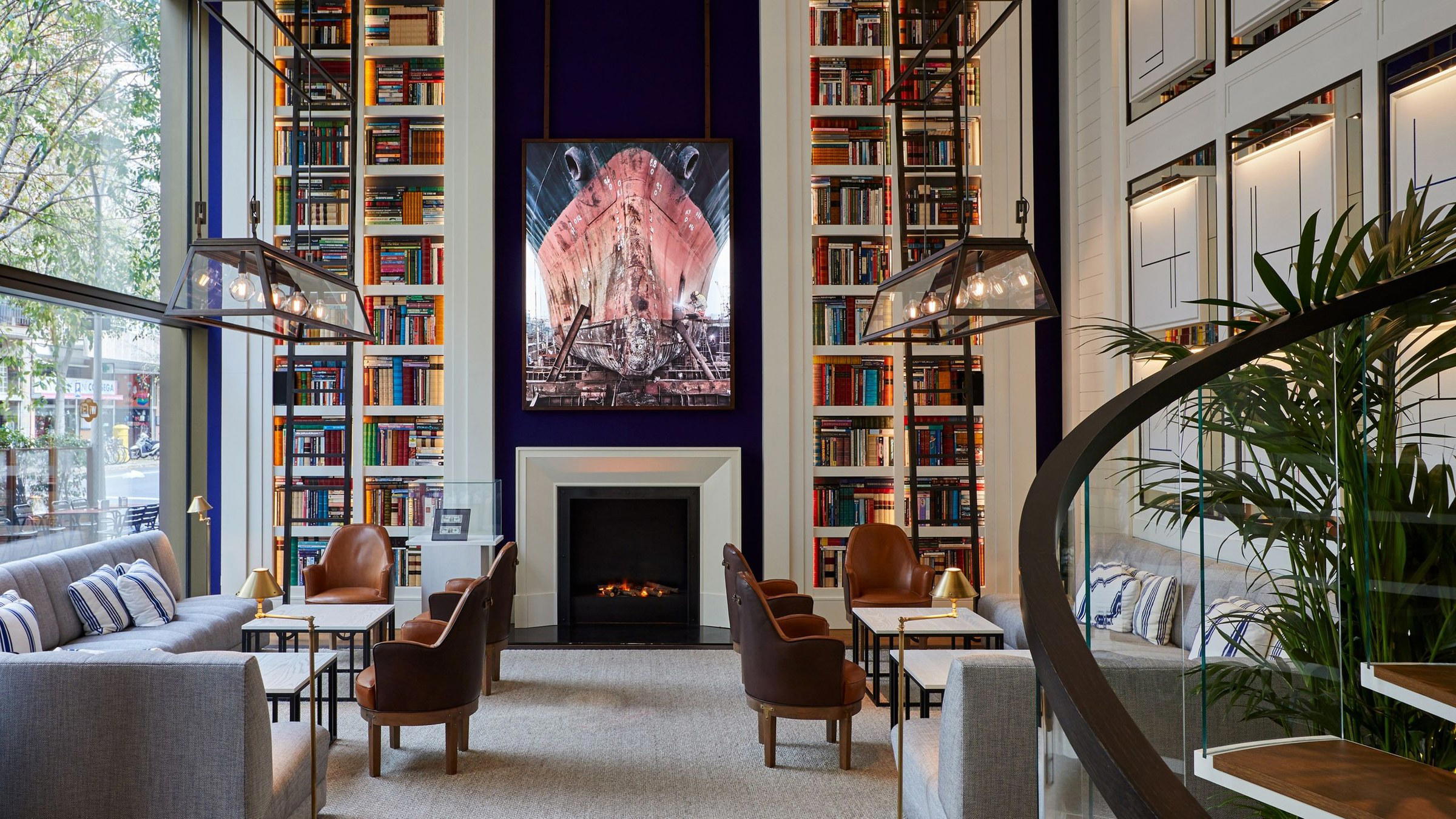
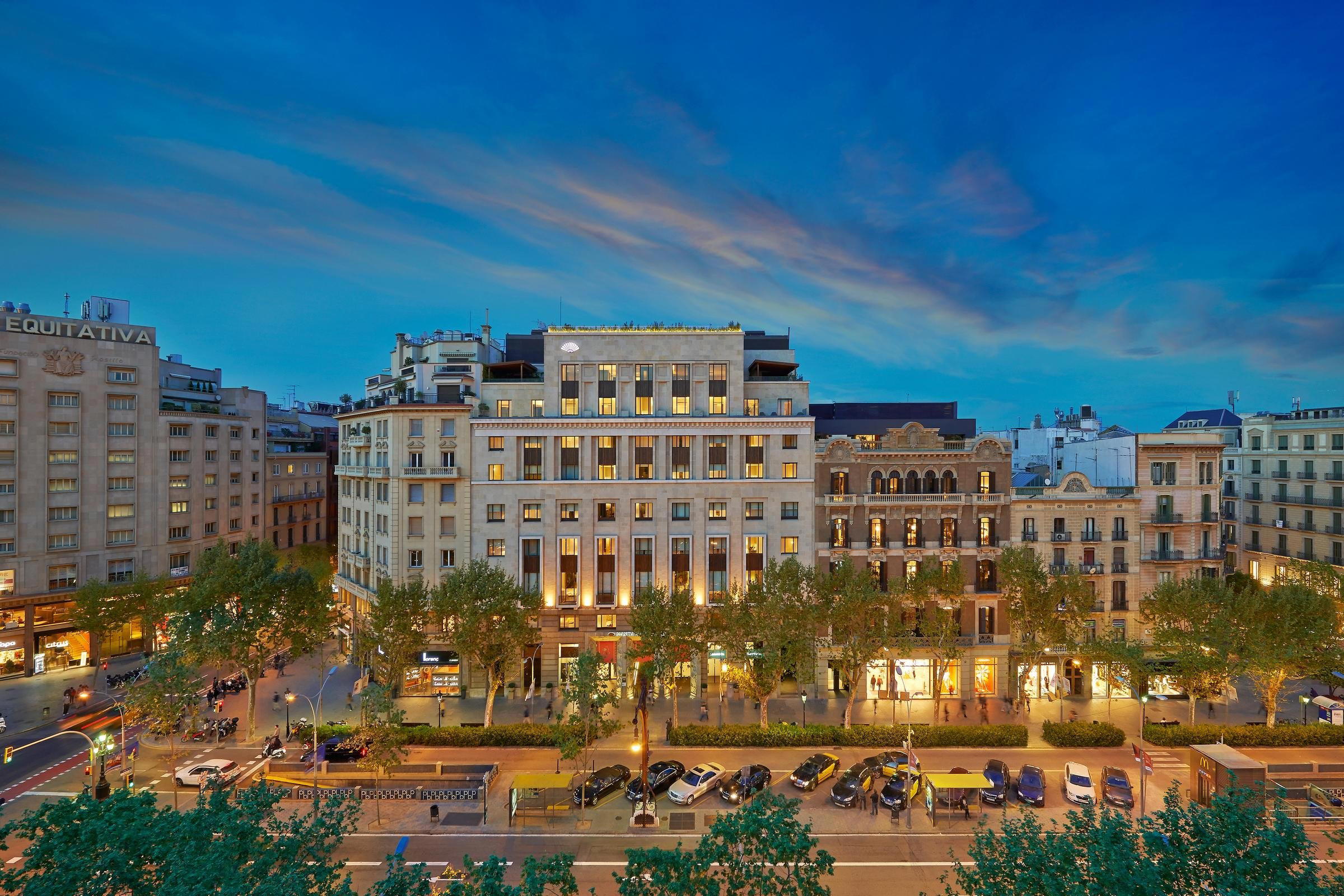
Hotels in Barcelona
Browse all →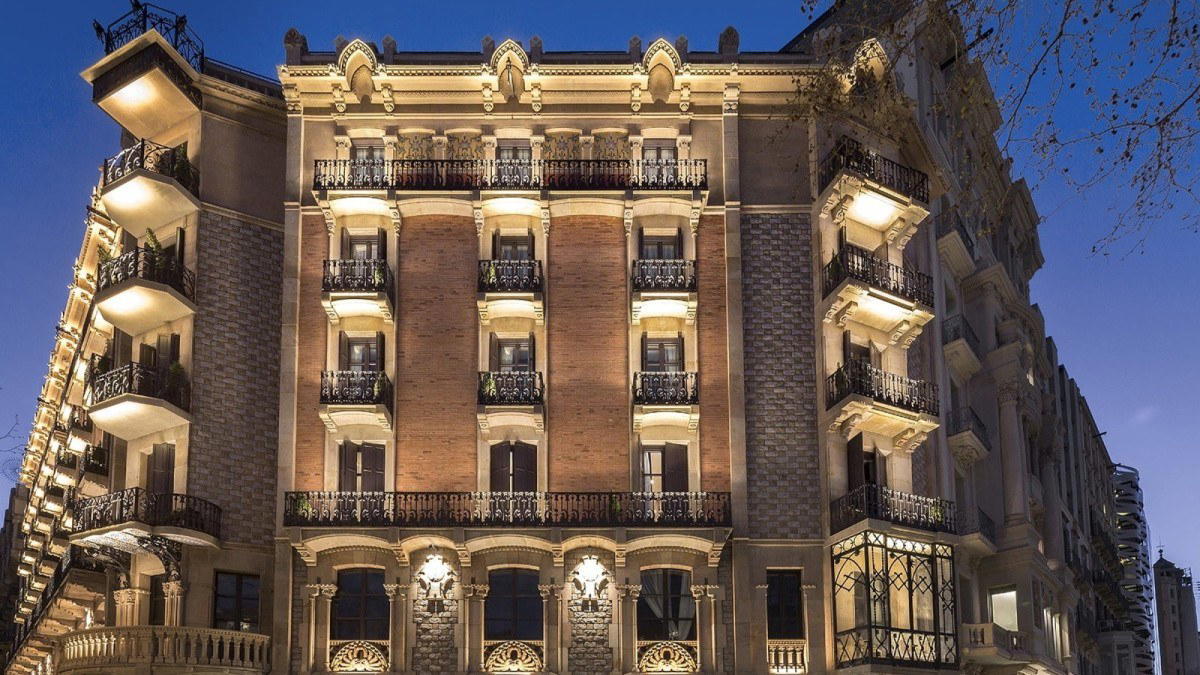
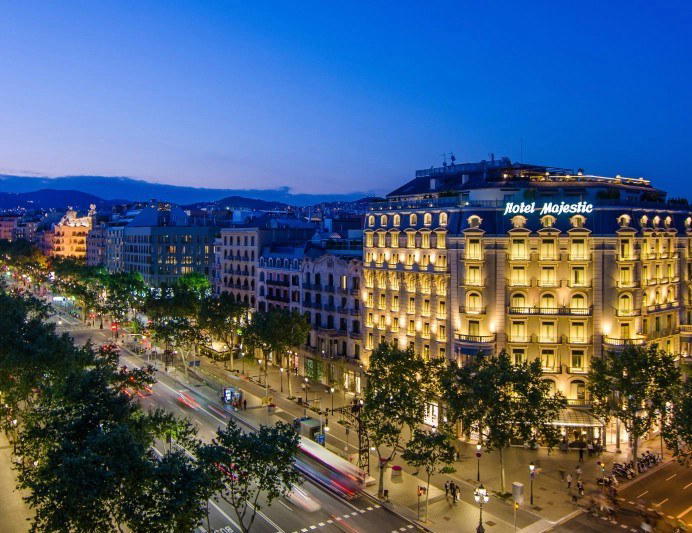
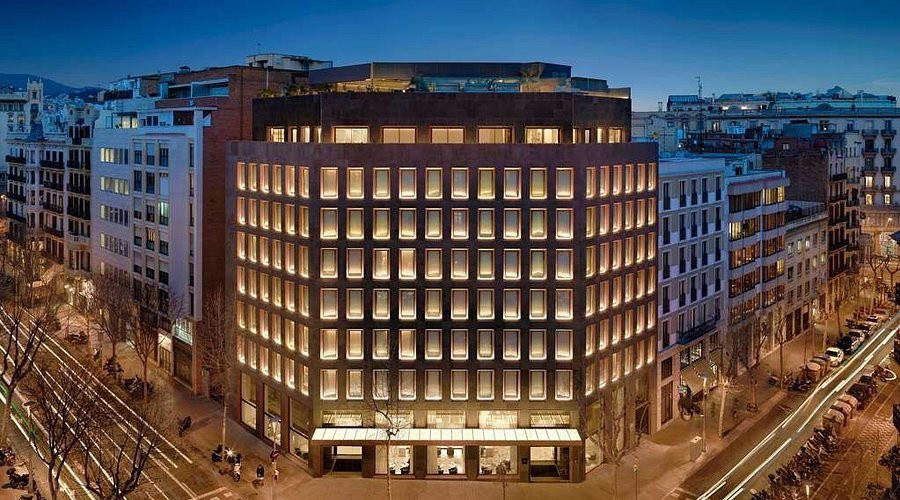
Bars in Barcelona
Browse all →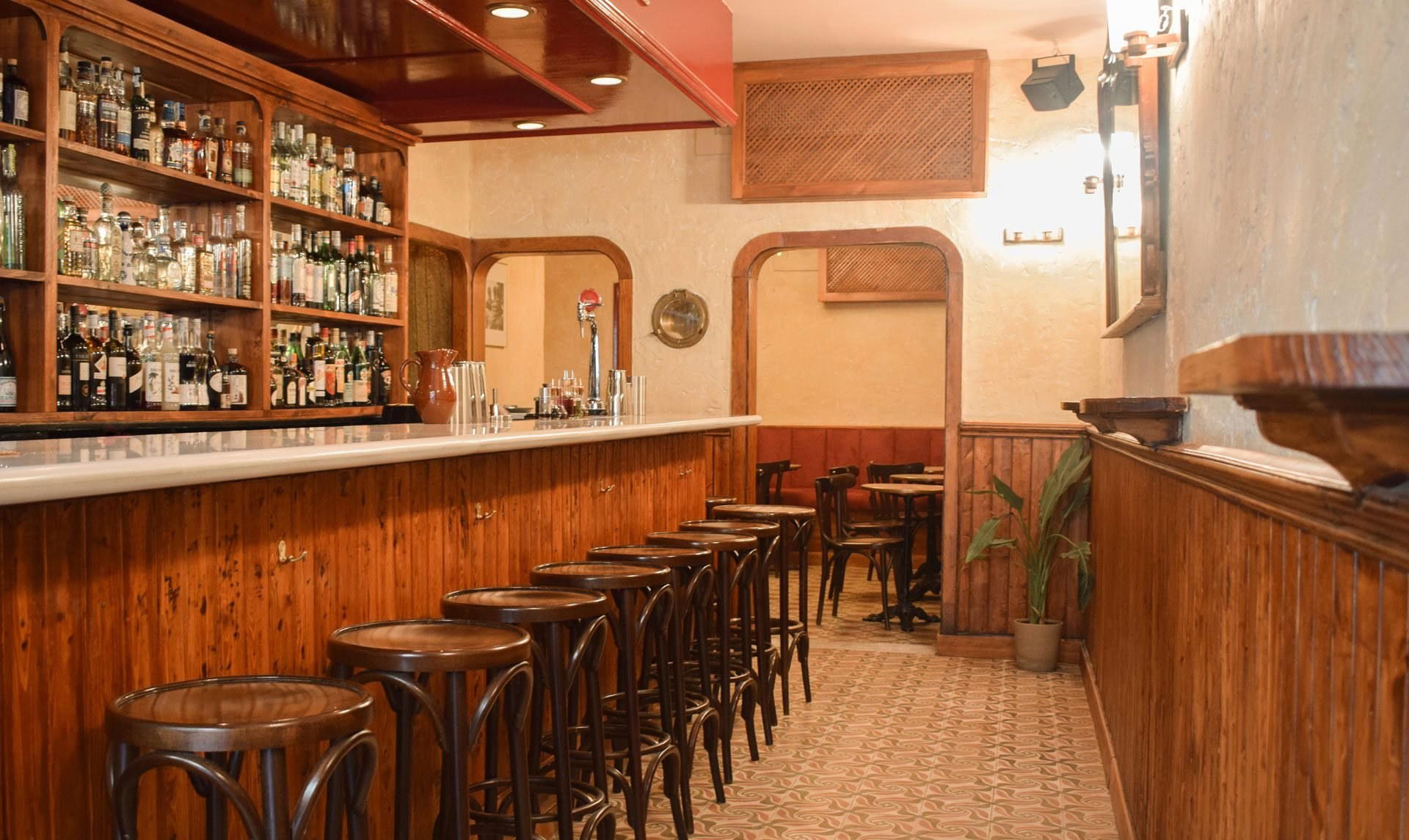
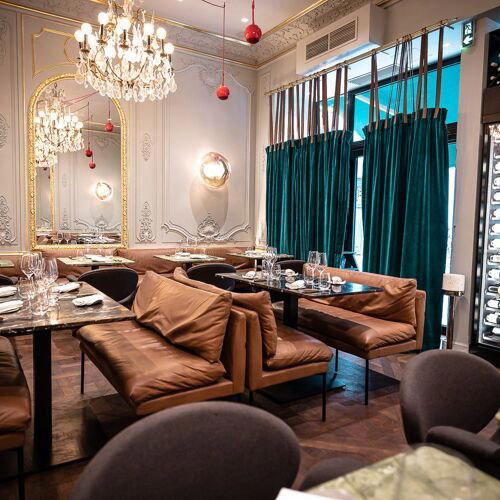
Restaurants in Barcelona
Browse all →
At a Glance
- Elegant
- Modern
- Sophisticated
- Quiet
- Romantic Getaway
- Wellness Retreat
- Business Trip
- Weekend Escape
- Garden
- Historic Building
- Design Destination
- Destination Spa
- Wi Fi
- Spa
- Pool
- Fitness Center
- Room Service
- Concierge
- Restaurant
- Bar
- Valet Parking
- Business Center
- Garden
- Wi Fi
- Spa
- Pool
- Fitness Center
- Room Service
- Concierge
- Restaurant
- Bar
- Valet Parking
- Business Center
Dark, moody, and trendy with stylish dining and lobby areas; rooms are described as quiet oases with minimalist modern décor and garden views creating a peaceful retreat in the city center.