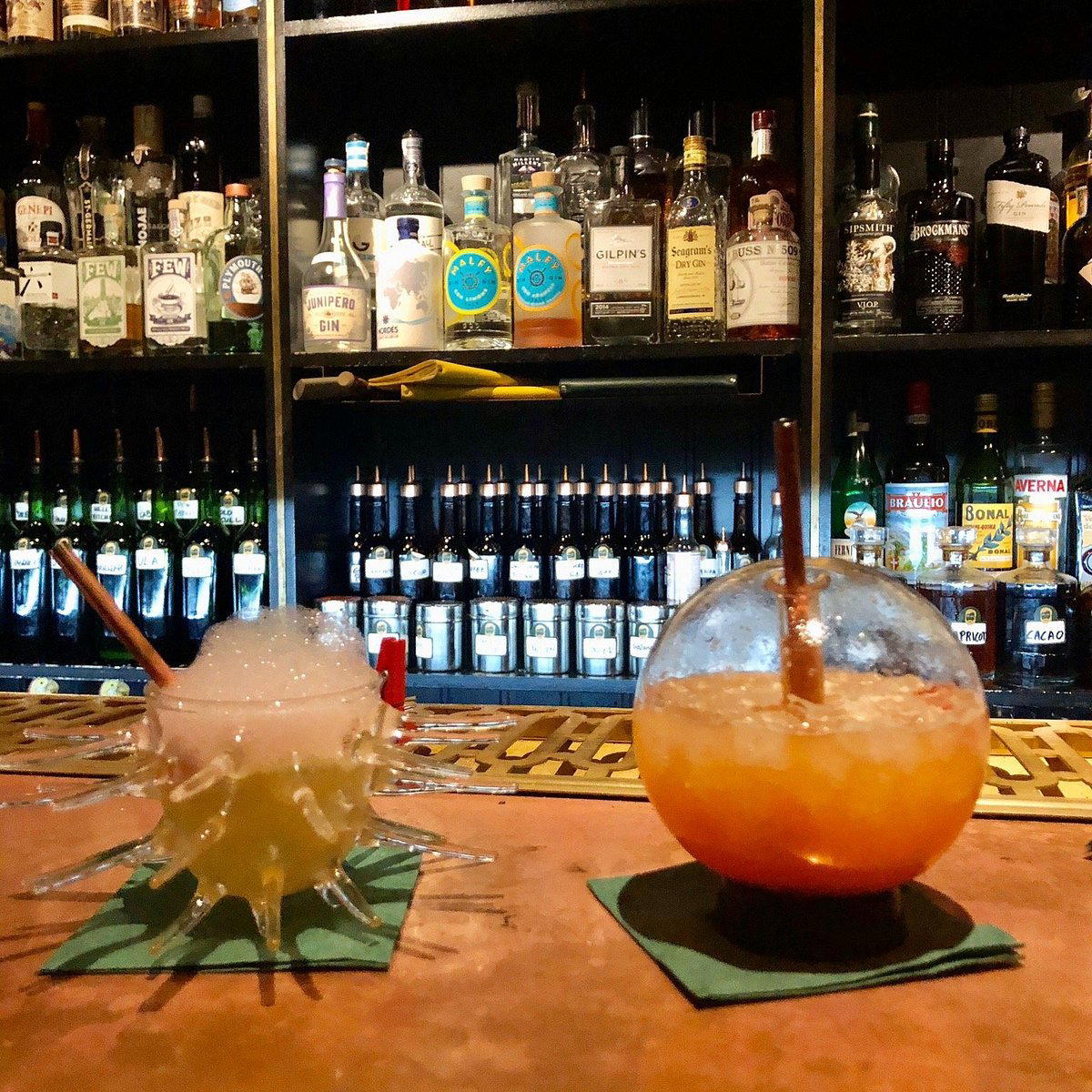
A vermouth bar occupying a historic address on the road between Sarrià and Tibidabo, 1925 Vermutería sits at the quieter, residential edge of Barcelona's drinking scene. The name signals both a format and an era — the vermut culture that shaped Catalan bar life through the early twentieth century. For visitors drawn to the city's more considered cocktail and aperitif tradition, it offers a counterpoint to the central bar circuit.

Pearl is the En Primeur Club membership app — saves, bookings, and concierge access live there. Same editors, same standards.
- Address
- Camí de Vallvidrera al Tibidabo, 83, Sarrià-Sant Gervasi, 08035 Barcelona, Spain
- Phone
- +34 932 59 30 00
- Hours
- Daily 12 PM–12 AM
- Website
- 1925vermuteria.com
- Directions
- Get directions
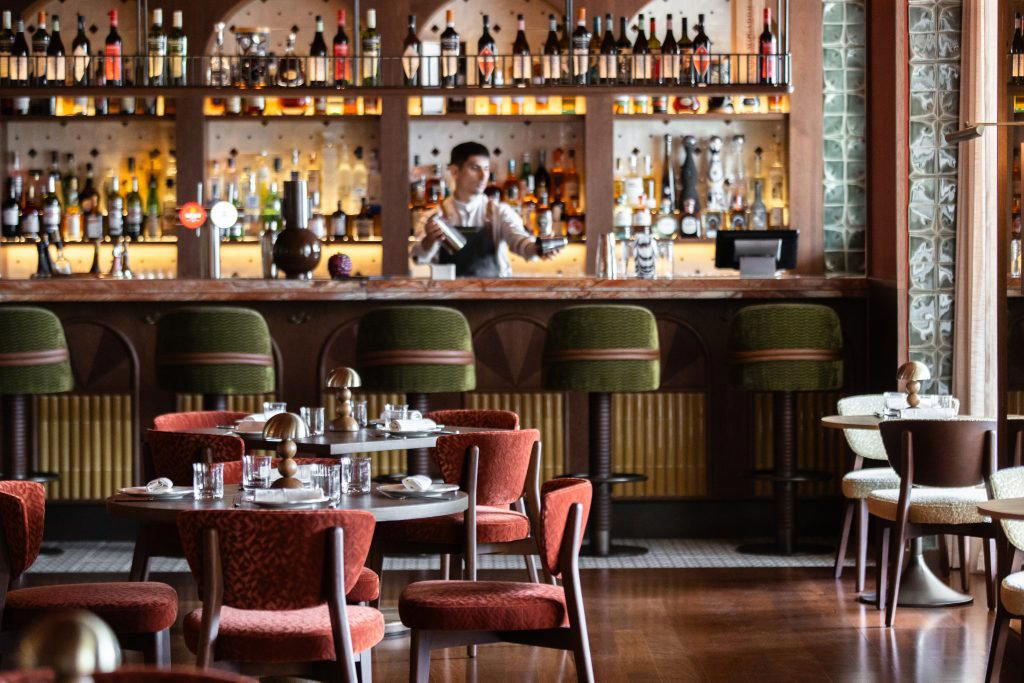
The Road to Tibidabo and What You Find on It
The Camí de Vallvidrera al Tibidabo is not a street that appears on most Barcelona bar itineraries. It climbs through the upper reaches of Sarrià-Sant Gervasi, the district where the city starts to thin out into residential calm and pine-scented hillside. Arriving at 1925 Vermutería means choosing a bar that sits well outside the Eixample corridor where most of Barcelona's cocktail conversation is concentrated — away from Boadas and the old Ramblas tradition, far from the technical precision of Dr. Stravinsky. That distance is part of the proposition.
The name frames the experience before you walk in. 1925 is not a year chosen arbitrarily. It points to a specific era in Catalan and Spanish bar culture, the period when vermouth drinking was not a niche affectation but a daily civic ritual. The morning vermouth, taken before lunch on a Sunday with olives and anchovies and conversation, was as embedded in Barcelona life as the passeig. Naming a bar after that moment is a statement of intent about the format you are walking into.
Vermouth as a Programme, Not a Garnish
Barcelona's cocktail bars have largely moved in one of two directions over the past decade. The technically ambitious end — represented by venues like Dry Martini with its long institutional history, or the newer precision-led operations, invests in clarification, fermentation, and format innovation. The other direction reaches back to the neighbourhood bodega and the aperitivo tradition, treating vermouth not as a mixer but as the main event.
1925 Vermutería belongs to the second category, and that category carries its own depth. Spanish vermouth, vermut, in Catalan, has a production tradition rooted in the nineteenth century, when Catalan producers began adapting the Italian model to local botanicals and local palates. The result was a style that tends to run darker, slightly more bitter, and with more pronounced herbal character than the lighter Italian expressions. A bar that takes the format seriously will typically offer a range of producers, serve at correct temperature, and pair with the kind of preserved or brined accompaniments that make the drink make sense.
The 1925 name also invites comparison to the broader Spanish vermouth revival that has been building since roughly the early 2010s. Cities like Madrid saw bars such as Salmon Guru in Madrid integrate Spanish aperitif traditions into more contemporary cocktail frameworks. In the south, spots like El gourmet del parasol in Seville show how aperitif culture adapts to different regional registers. In Catalonia and the Balearics, the tradition runs particularly deep, as you find in places like Bar Imperi in Ciutadella and S'Estanc Vell in Vilafranca de Bonany. 1925 Vermutería positions itself within that return to source, in a city that has as much claim to the tradition as anywhere in Spain.
The Upper Neighbourhood as Context
Sarrià-Sant Gervasi has a different relationship to drinking culture than the Gràcia or Poble Sec end of the city. It is a wealthier, quieter district, traditionally residential, and its bar life reflects that. The kind of venue that thrives here tends toward the unhurried: a longer stay, a glass refilled at a pace set by conversation rather than throughput. The hill address on Camí de Vallvidrera reinforces that register. You are not dropping in between other stops on a bar crawl. You are going there deliberately.
That deliberateness is worth noting for planning purposes. Visitors staying centrally should factor in transit time to Sarrià-Sant Gervasi, which sits in the upper left quadrant of the city, reachable by FGC train from Plaça Catalunya or by taxi. The journey itself is part of the visit, and arriving without time pressure suits the pace of a vermouth bar in this part of town.
Where This Fits in Barcelona's Bar Geography
Barcelona's bar coverage tends to concentrate on a handful of well-documented addresses in the Eixample and the Gothic Quarter. But the city's drinking character extends beyond that corridor, and the vermouth-specific category occupies a different register entirely.
For context across Spain's aperitif bar scene more broadly, the pattern repeats in other cities: Bar Gallardo in Granada shows how the tapa-and-drink format persists in Andalusia, while Old Town Coffee in San Sebastián illustrates how the Basque country handles its own version of the convivial morning or early-evening drink. Each city has its own logic, and Barcelona's vermouth tradition is distinct from both. The Catalan version runs through specific producers, specific glassware conventions, and a very particular relationship to the pre-lunch hour that 1925 Vermutería directly references in its name.
For anyone building a wider picture of European aperitif bar culture, the comparison set also reaches internationally. The Parlour in Frankfurt on the Main offers a point of contrast: a northern European bar approaching similar low-ABV and spirit-forward territory from a completely different cultural starting point.
Planning a Visit
The address on Camí de Vallvidrera al Tibidabo places 1925 Vermutería at the edge of the city's navigable bar circuit rather than at its centre. A visit works well framed as a destination in its own right rather than a warmup or a coda to something else. Given the vermouth format, the natural timing runs toward late morning or early afternoon, matching the traditional hora del vermut that the bar's name invokes. Current hours, booking options, and any seasonal variations are best confirmed directly before visiting. For a fuller picture of where this fits within Barcelona's wider drinking and dining scene, the full Barcelona restaurants guide provides broader neighbourhood and category context.
Side-by-Side Snapshot
Comparable venues nearby, for context on price, style, and recognition.
| Venue | Cuisine | Price | Awards | Notes |
|---|---|---|---|---|
| 1925 VermuteríaThis venue — the venue you are viewing | rooftop_bar | $20–30 | Not listed | Not listed |
| Món Vínic - Bar de Vinos y Quesos | wine_bar | $20–30 | Not listed | la Dreta de l'Eixample |
| Mariposa Negra | cocktail_bar | $20–30 | Not listed | El Born |
| Bar Raïm | cocktail_bar | $20–30 | Not listed | la Vila de Gracia |
| Les Gens Que J'Aime | cocktail_bar | $20–30 | Not listed | la Dreta de l'Eixample |
| Punch Room at Edition Barcelona | speakeasy | $30–50 | Top 500 Bars Best Bars #456 | Sant Pere, Santa Caterina i la Ribera |
Continue exploring
More in Barcelona
Bars in Barcelona
Browse all →

Restaurants in Barcelona
Browse all →
Hotels in Barcelona
Browse all →



Details
- Scenic
- Elegant
- Sophisticated
- Modern
- Cozy
- Date Night
- Casual Hangout
- Special Occasion
- Rooftop
- Terrace
- Panoramic View
- Historic Building
- Hotel Bar
- Outdoor Terrace
- Lounge Seating
- Classic Cocktails
- Craft Cocktails
- Mountain
- Skyline
Current opening hours
- Monday
- 12 PM–12 AM
- Tuesday
- 12 PM–12 AM
- Wednesday
- 12 PM–12 AM
- Thursday
- 12 PM–12 AM
- Friday
- 12 PM–12 AM
- Saturday
- 12 PM–12 AM
- Sunday
- 12 PM–12 AM
Hours can change for holidays and private events. Last verified .
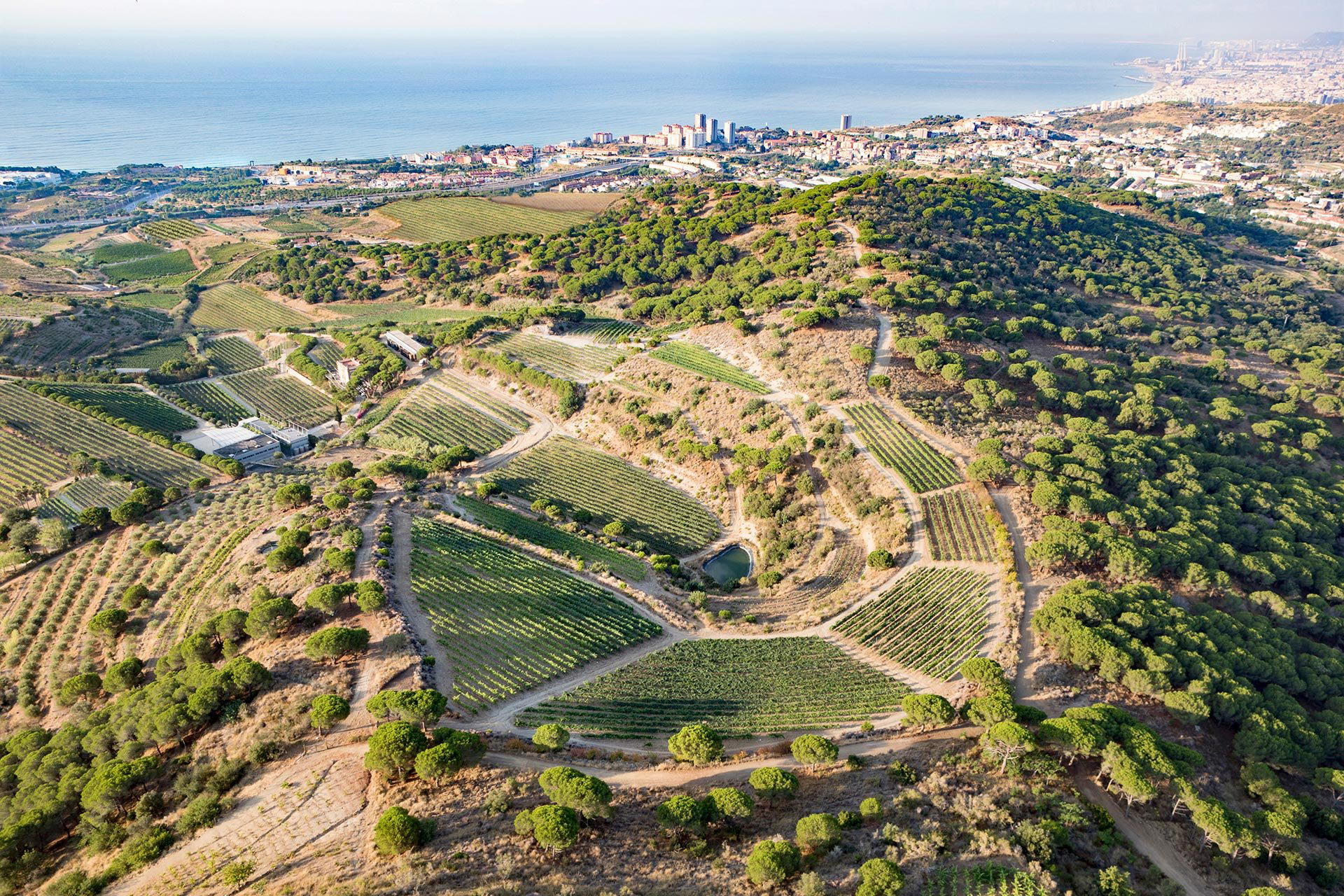
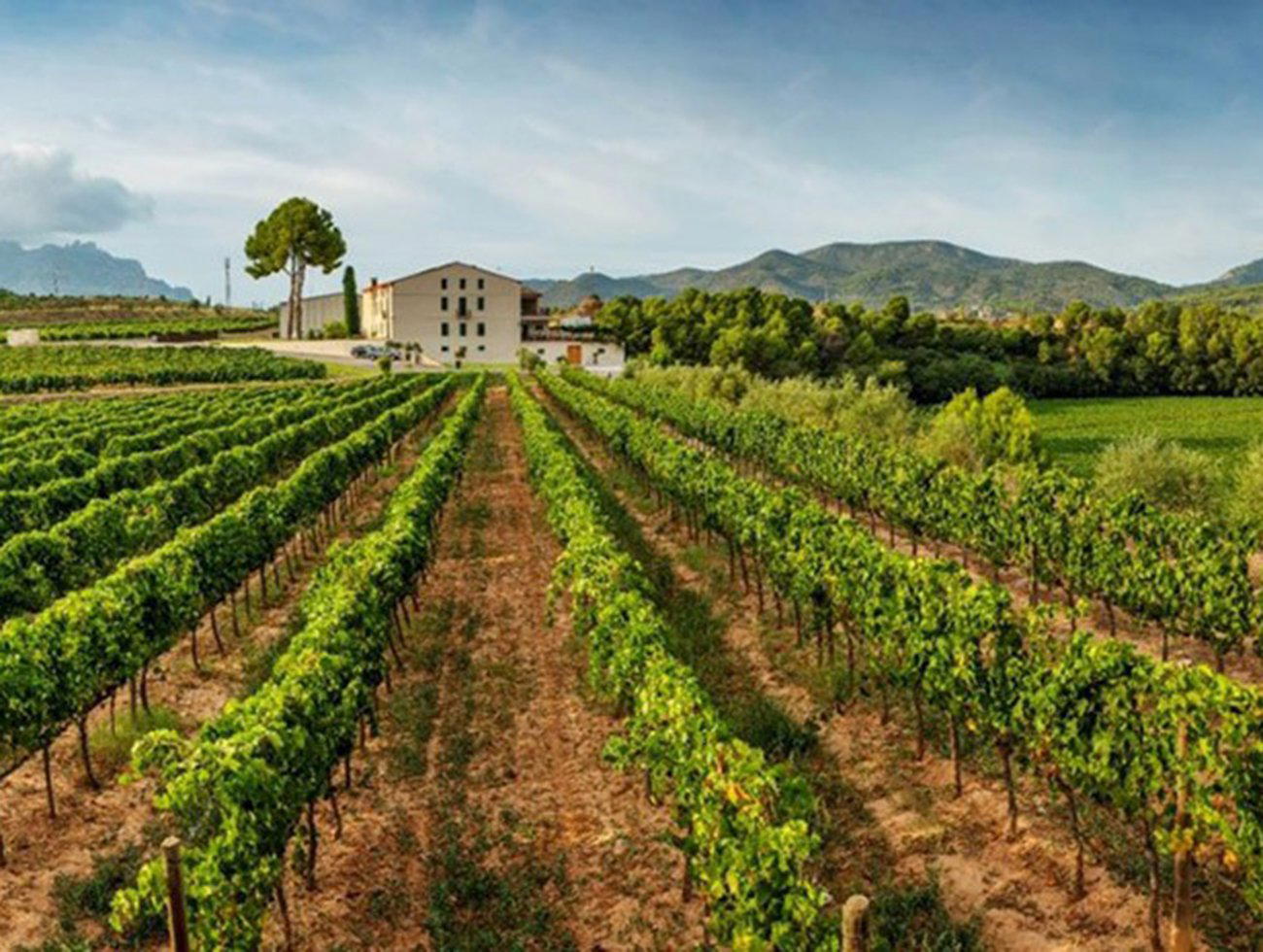
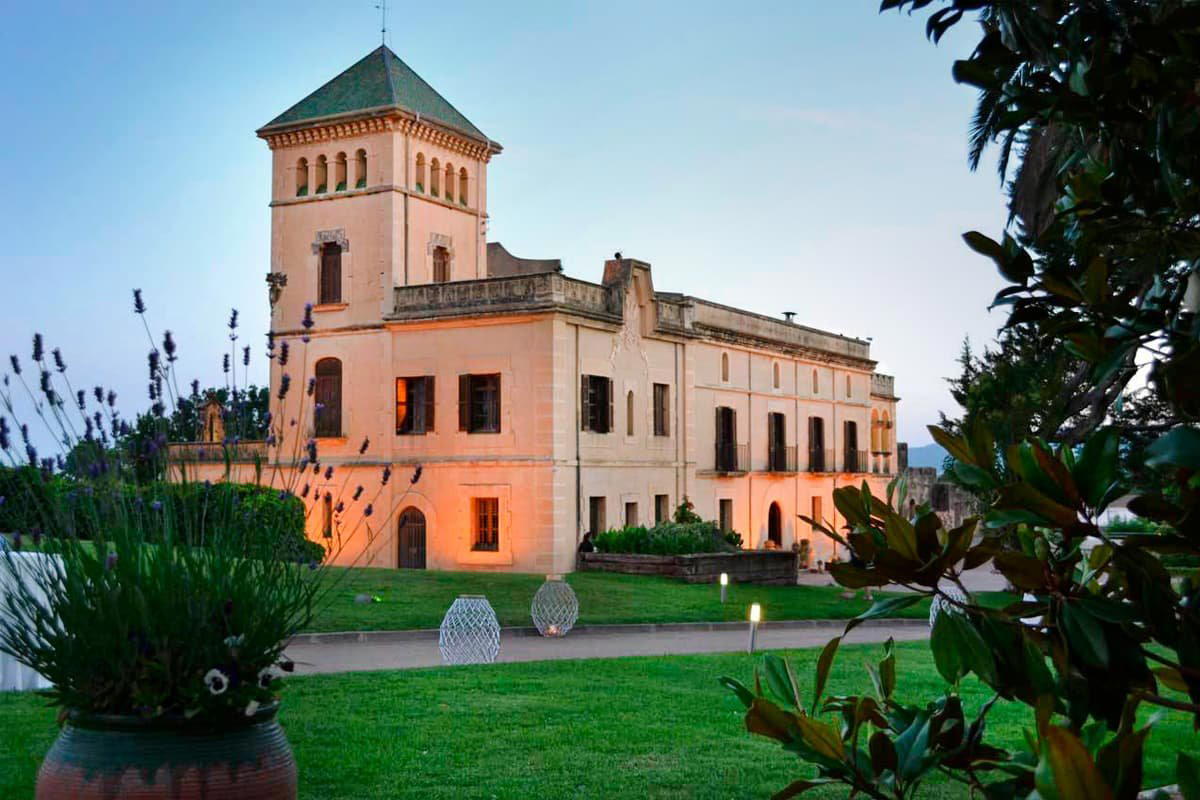
Red-toned ceilings create a moody, elegant interior with a well-stocked bar, complemented by the treasure of an outdoor terrace offering dramatic vistas.