Calmista Restaurant sits on Carrer de l'Església in central Terrassa, a city that rewards those willing to look beyond Barcelona's dining orbit. The address places it in a neighbourhood where Catalan culinary tradition and contemporary ambition intersect. For visitors exploring Terrassa's growing restaurant scene, Calmista represents a reference point worth understanding in context.
Pearl is the En Primeur Club membership app — saves, bookings, and concierge access live there. Same editors, same standards.
- Address
- Carrer de l'Església, 7, 08221 Terrassa, Barcelona, Spain
- Phone
- +34931817719
- Website
- calmistarestaurant.com
- Directions
- Get directions
 Saves & bookings on Pearl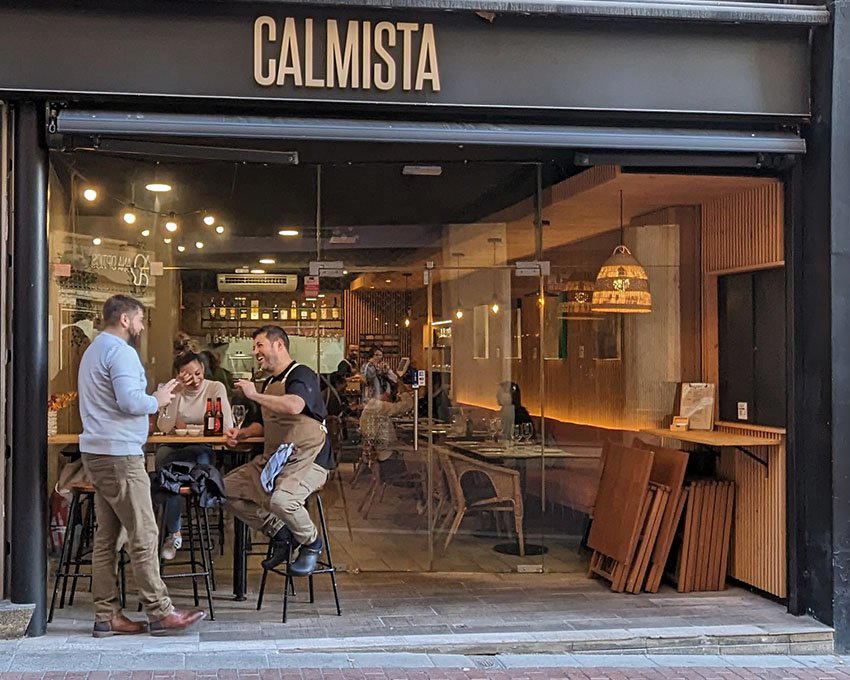
Terrassa at the Table: Where Catalan Tradition Finds a Quieter Register
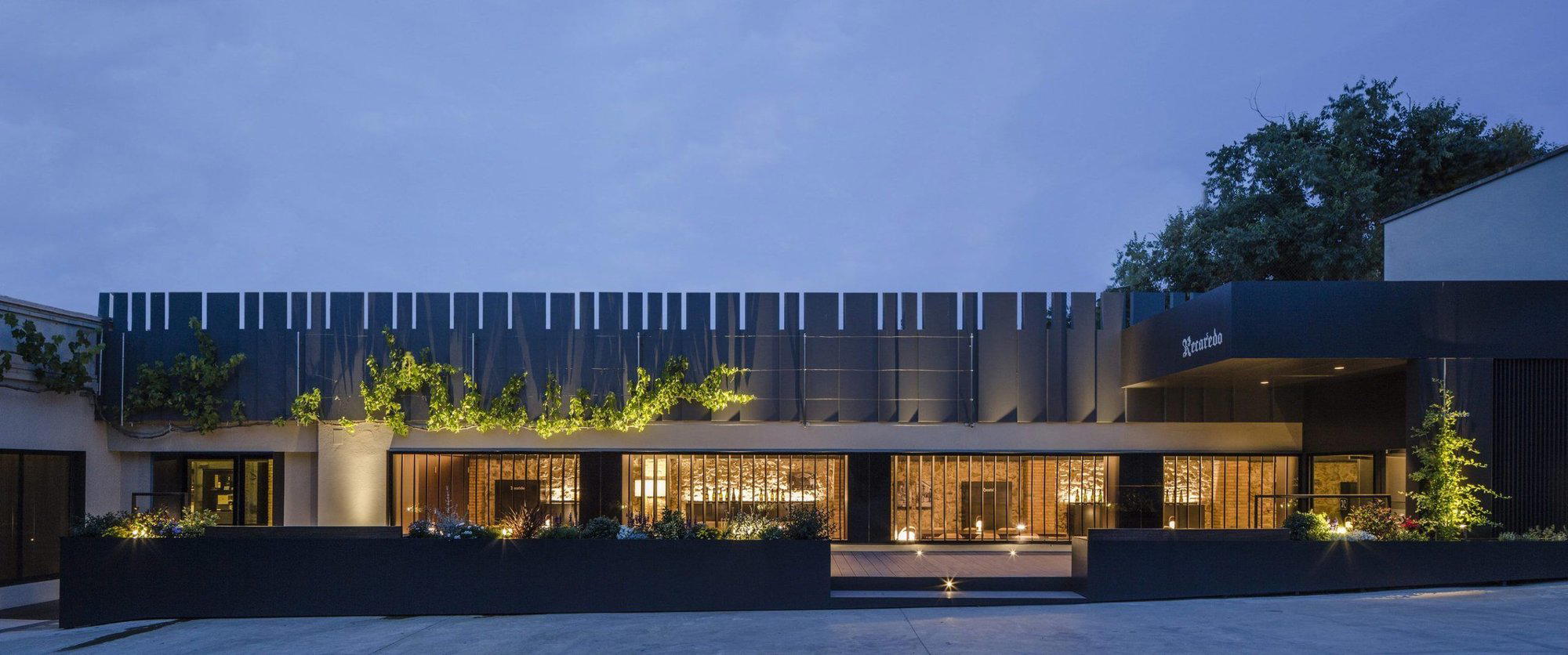
Carrer de l'Església runs through one of Terrassa's older residential quarters, where the architectural fabric shifts between modernisme-era facades and narrower lanes that predate the nineteenth century entirely. Restaurants that open here are not making a statement about visibility, they are making one about neighbourhood belonging. The physical approach to Calmista Restaurant reads as a deliberate choice to be part of a street rather than apart from it, which is a posture that carries real meaning in a Catalan city that has spent decades building a dining identity distinct from Barcelona's gravitational pull.
Terrassa sits roughly 28 kilometres northwest of Barcelona, close enough to draw comparison but far enough to operate on its own terms. The city's restaurant scene has historically tracked the Catalan tradition of market-led, producer-anchored cooking, a model that prizes seasonal rotation over fixed menus and values the relationship between kitchen and supplier as a structural feature rather than a marketing footnote. That tradition runs deep across Catalonia, from the three-Michelin-starred ambition of El Celler de Can Roca in Girona down to the neighbourhood dining rooms where the daily menu is written on a chalkboard and changes with the market week.
The Cultural Roots of the Catalan Dining Room
Understanding what a restaurant like Calmista operates within requires some grounding in what Catalan cuisine actually is, and what it is not. It is not Spanish cuisine in the generic sense. The Catalan kitchen draws from a Mediterranean pantry shaped by centuries of trade and geography: olive oil over lard, seafood from the Costa Daurada and Costa Brava, mountain proteins from the Pyrenean interior, and a canon of technique that includes the romesco family of sauces, the sofregit base, and the pa amb tomàquet reflex that appears on almost every table before anything else arrives.
In cities like Terrassa, that tradition expresses itself most naturally in mid-register dining rooms, places that sit between the utilitarian menú del día format and the full tasting-menu commitment of the region's destination restaurants. This is the tier where craft is most legible without ceremony, and where the Catalan preference for eating as a social activity rather than a performance takes its clearest form. Peer restaurants in Terrassa operating at this register include El Cel de les Oques, which positions modern Catalan cuisine at the €€ level, and Casa Nita, which brings a farm-to-table framework to the same price bracket. Colmado 1917 anchors the traditional end of the local spectrum, while Brasayleña at CC Parc Valles extends the city's range toward grilled formats. Chim Thai Restaurant marks Terrassa's international dimension. Calmista occupies this broader dining ecosystem as a neighbourhood address rather than a destination built for external traffic.
Spain's Fine Dining Reference Points and What They Mean for the Rest
Any serious assessment of dining in a Spanish city benefits from understanding where that city sits relative to the country's elite tier. Spain's upper-end restaurants have spent twenty-five years building a global reputation that now shapes expectations even in mid-sized cities. Arzak in San Sebastián and Azurmendi in Larrabetzu defined the Basque Country's position at the international table. Martin Berasategui in Lasarte-Oria holds the record for most Michelin stars held by a Spanish chef. DiverXO in Madrid represents Spain's most provocative fine dining statement, while Mugaritz in Errenteria operates at the philosophical edge of the country's avant-garde tradition. In Catalonia specifically, Cocina Hermanos Torres in Barcelona anchors the regional fine dining conversation, and Quique Dacosta in Dénia shows how Mediterranean coastal cuisine can achieve three-star ambition. Aponiente in El Puerto de Santa María and Ricard Camarena in València extend Spain's geographic range of serious cooking.
This concentration of high-end talent at the national level has had a predictable effect further down the tier structure: it has raised the baseline literacy of Spanish diners and lifted the technical floor of neighbourhood restaurants across every significant city. A restaurant operating in Terrassa today does so in a context where the local audience has access to reference points that would have seemed remote twenty years ago. That raises the stakes for every kitchen, regardless of price point.
How to Approach a Visit
Calmista Restaurant is located at Carrer de l'Església, 7, 08221 Terrassa, the address alone signals a restaurant embedded in local street life rather than a hotel dining room or a commercial strip. Terrassa is served by the FGC commuter rail from Barcelona's Plaça Catalunya, making it accessible for visitors based in the capital who want to spend an afternoon or evening in a city operating at a different pace. For those visiting from outside Catalonia, Terrassa rewards the day-trip logic: it is a city with its own modernisme heritage (the Conjunt Monumental de les esglésies de Sant Pere is among the more significant pre-Romanesque sites in Catalonia), and a meal in a neighbourhood restaurant fits naturally into a half-day itinerary built around the city's architecture and market streets.
For a broader map of where Calmista sits among Terrassa's dining options, our full Terrassa restaurants guide provides the category-level context. Those with appetite for comparison beyond Spain can look at how neighbourhood-embedded restaurants operate in other markets through the EP Club coverage of Le Bernardin in New York City and Lazy Bear in San Francisco, both of which represent how strong local dining cultures produce venues that carry neighbourhood meaning alongside technical ambition.
Planning Your Visit
Calmista is recommended for reservations and follows a casual dress code. The restaurant's address at Carrer de l'Església, 7 makes it walkable from Terrassa's central FGC station. Calmista is recommended for reservations and follows a casual dress code. Its opening hours are Tuesday and Wednesday from 1 to 3:30 PM, Thursday through Saturday from 1 to 3:30 PM and 8:30 to 10:30 PM, and it is closed Monday and Sunday.
Cost Snapshot
Comparable venues nearby, for context on price, style, and recognition.
| Venue | Cuisine | Price | Awards | Notes |
|---|---|---|---|---|
| Calmista RestaurantThis venue — the venue you are viewing | center, Modern Mediterranean Catalan | $$ | Not listed | Not listed |
| Restaurant l'Indret | Not listed | $$$ | Not listed | Terrassa Center, Modern Mediterranean Fine Dining |
| Brasayleña - CC Parc Valles | Parc Valles, Brazilian Rodizio | $$ | Not listed | Not listed |
| La Taverna del Ciri | Terrassa, Traditional Catalan | $$ | Not listed | Not listed |
| Colmado 1917 | center, Traditional Catalan Tapas | $$$ | Not listed | Not listed |
| La Bodeguilla | Not listed | $$$ | Michelin Plate | Provenca, Traditional Mediterranean Market Cuisine |
Continue exploring
More in Terrassa
Restaurants in Terrassa
Browse all →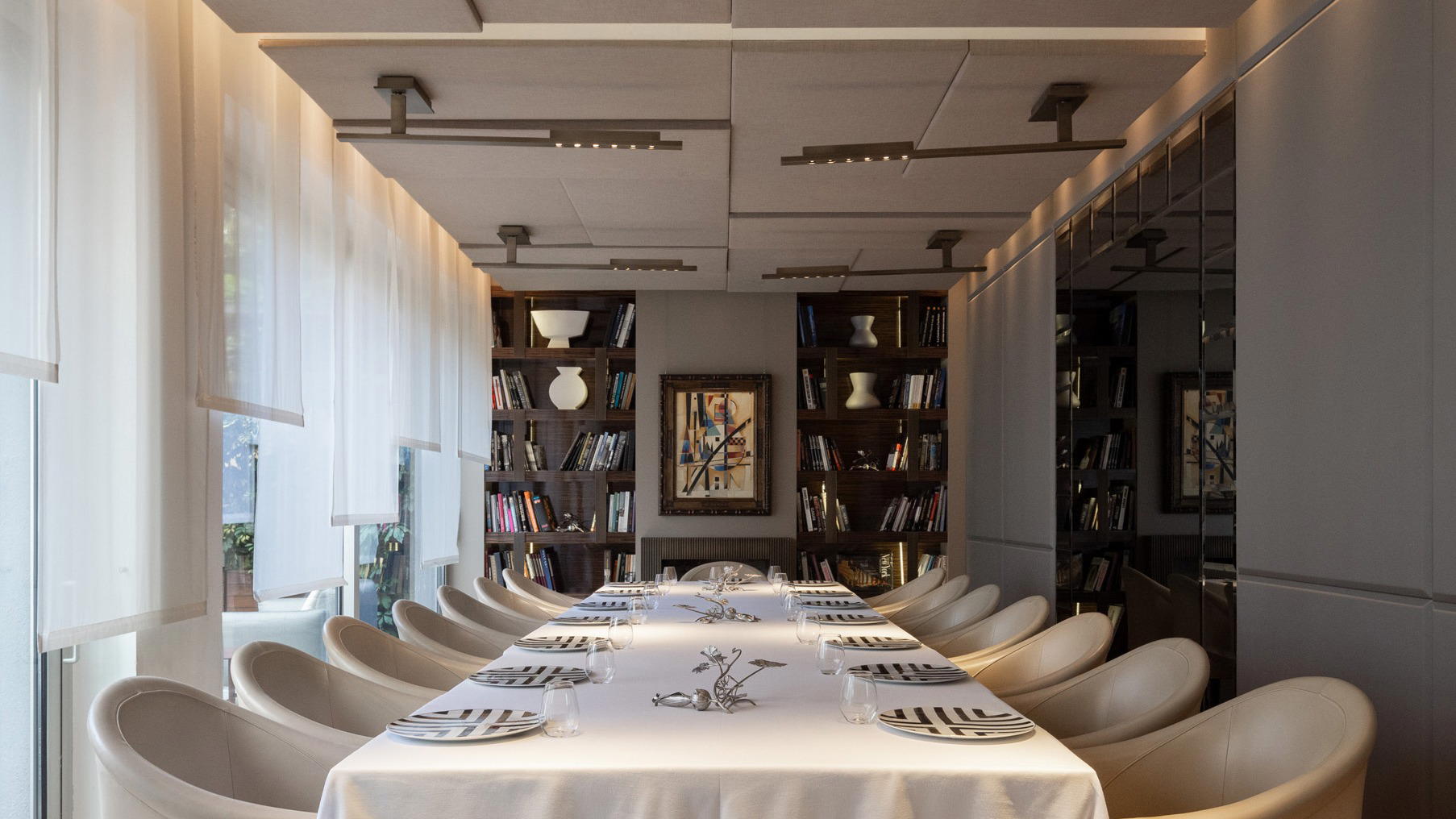
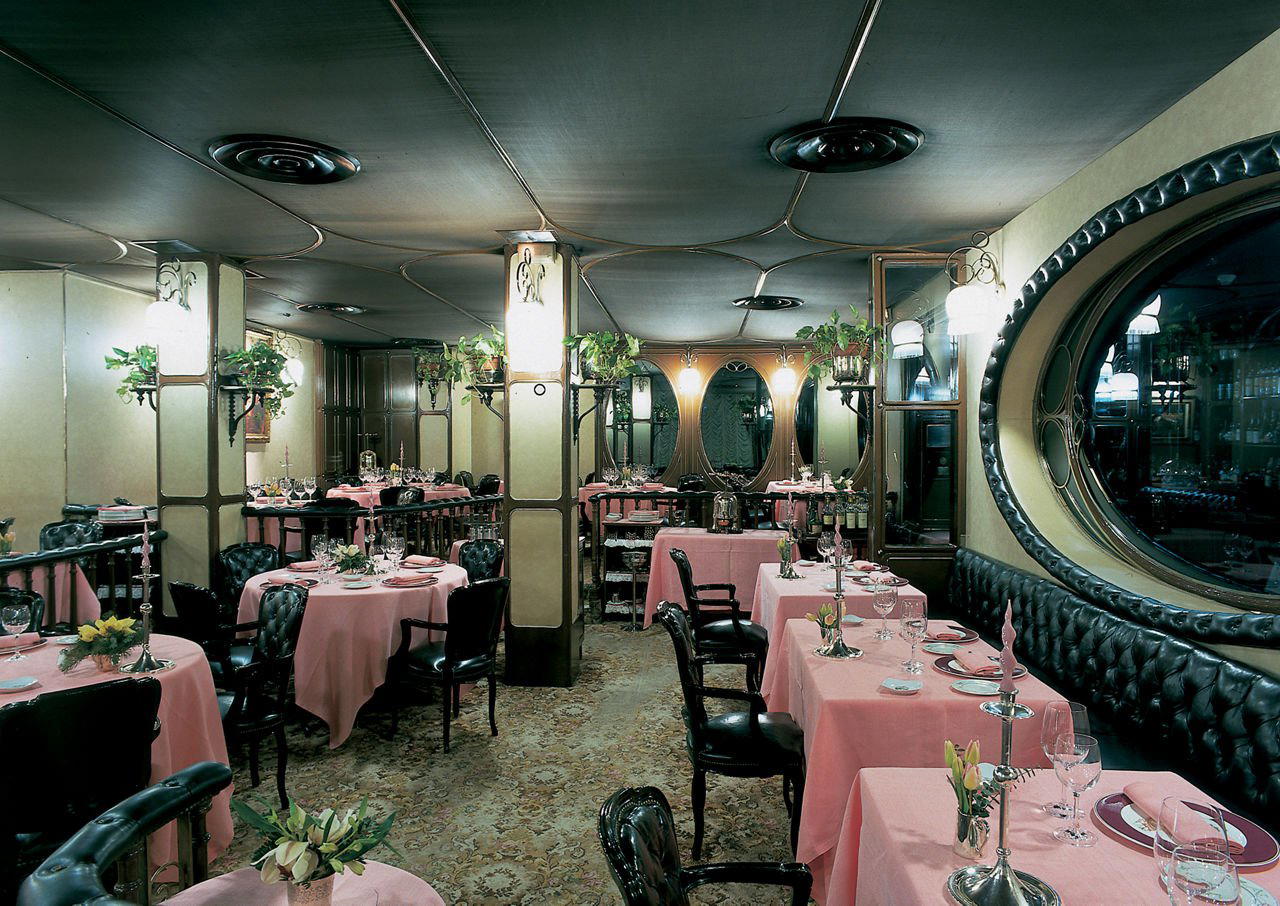
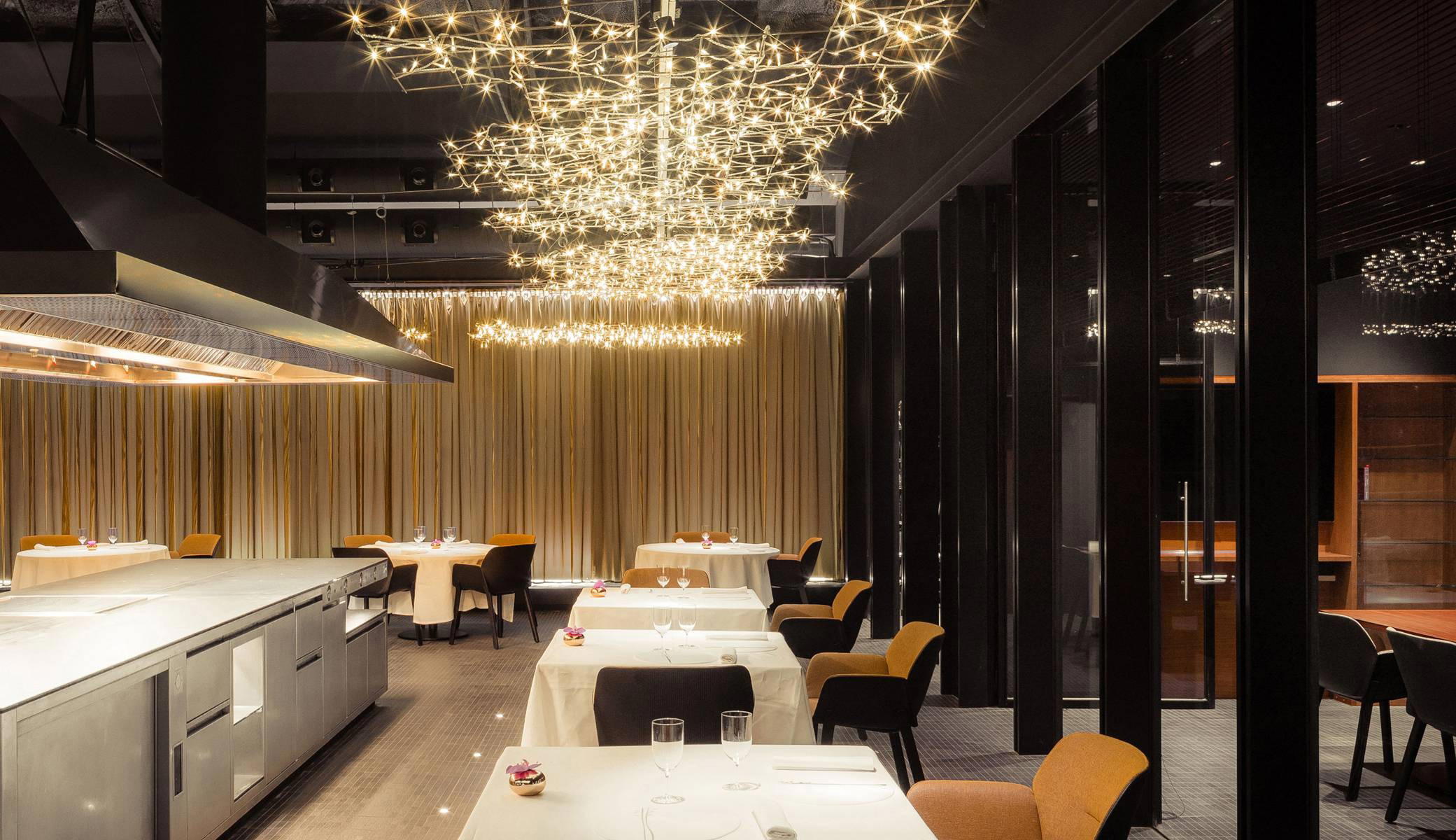
Bars in Terrassa
Browse all →
Hotels in Terrassa
Browse all →
At a Glance
- Cozy
- Intimate
- Casual Hangout
- Standalone
- Extensive Wine List
- Local Sourcing
Current opening hours
- Monday
- Closed
- Tuesday
- 1–3:30 PM
- Wednesday
- 1–3:30 PM
- Thursday
- 1–3:30 PM, 8:30–10:30 PM
- Friday
- 1–3:30 PM, 8:30–10:30 PM
- Saturday
- 1–3:30 PM, 8:30–10:30 PM
- Sunday
- Closed
Hours can change for holidays and private events. Last verified .
Laid-back yet lively with cozy indoor seating and outdoor options.