Recaredo
Among the Penedès producers who have built Cava's reputation for extended-aging, Recaredo operates at the category's most rigorous end.
Pearl is the En Primeur Club membership app — saves, bookings, and concierge access live there. Same editors, same standards.
- Address
- Carrer de Tamarit, 10, 08770 Sant Sadurní d'Anoia, Barcelona
- Phone
- +34 938 91 02 14
- Website
- recaredo.com
- Directions
- Get directions
 Saves & bookings on Pearl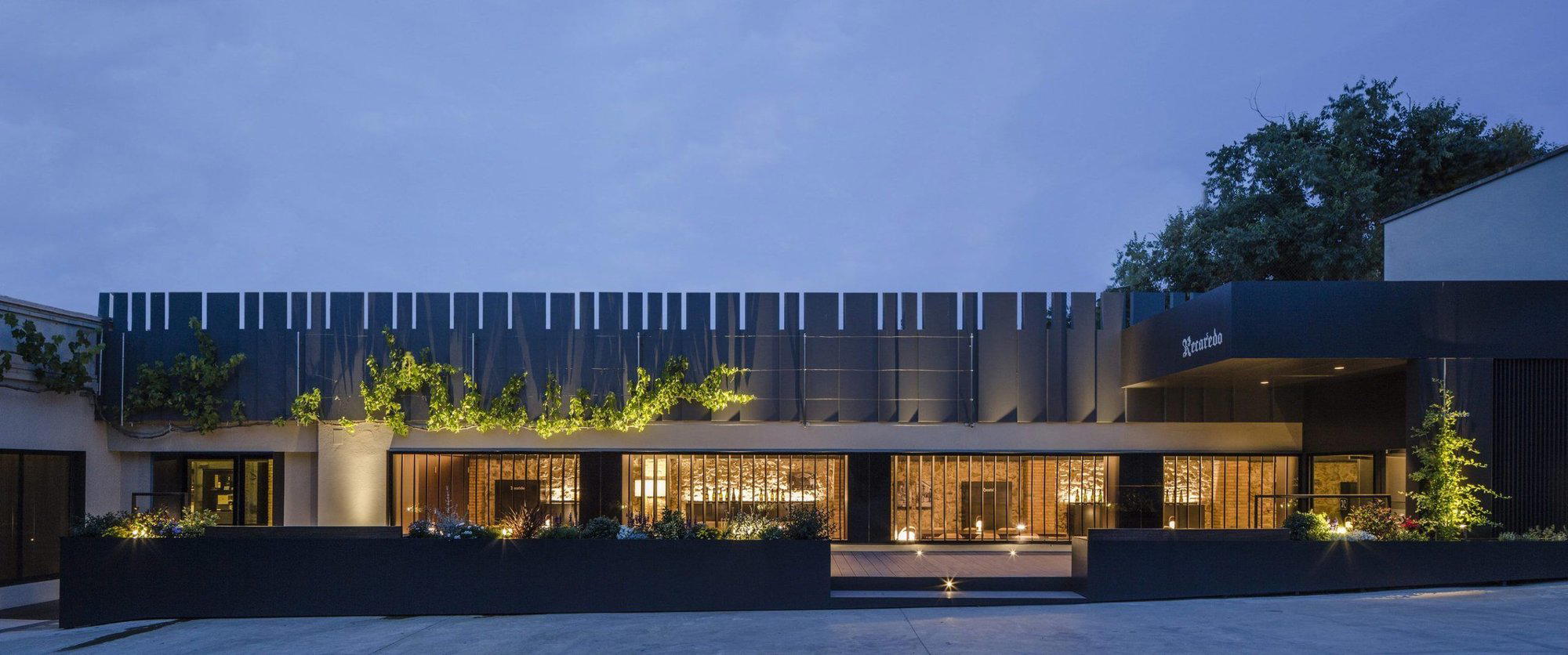
Where Cava Meets Its Strictest Standards
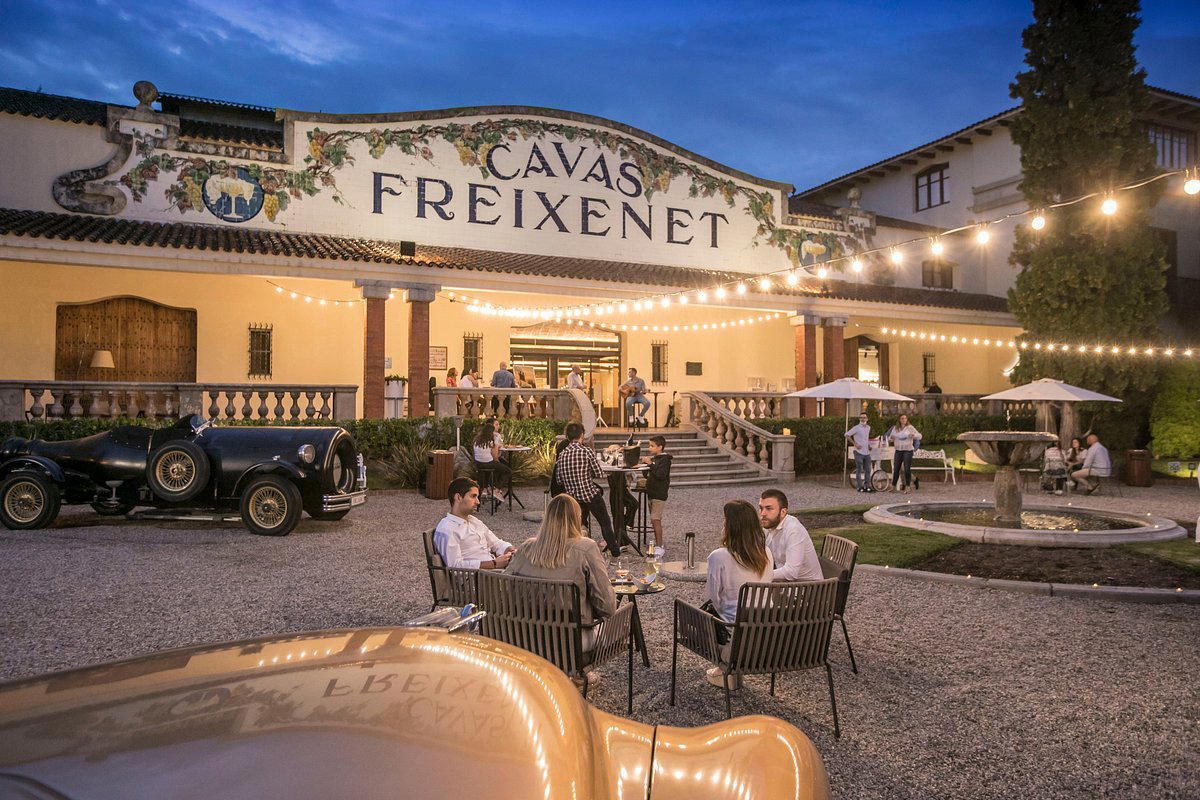
Sant Sadurní d'Anoia announces itself through industrial scale. The road into town passes warehouses and loading bays belonging to operations like Codorníu and Freixenet, producers whose output runs into hundreds of millions of bottles annually. That context matters when approaching Carrer de Tamarit, a quieter address where Recaredo operates according to entirely different production logic. The contrast is immediate and instructive: the town's identity as Cava's commercial capital coexists with a smaller, less visible tier of producers whose work is shaped by vineyard philosophy rather than distribution ambition.
That recognition places it alongside Penedès producers who have pursued low-intervention viticulture, extended lees aging, and manual cellar work with enough consistency to earn sustained critical attention. It is a credential that functions as a competitive position, not just an award: it separates Recaredo from the category's volume-driven mainstream and aligns it with a cohort that includes Gramona and Raventós i Blanc in pursuing a more demanding interpretation of what Penedès sparkling wine can be.
Biodynamic Viticulture in the Penedès
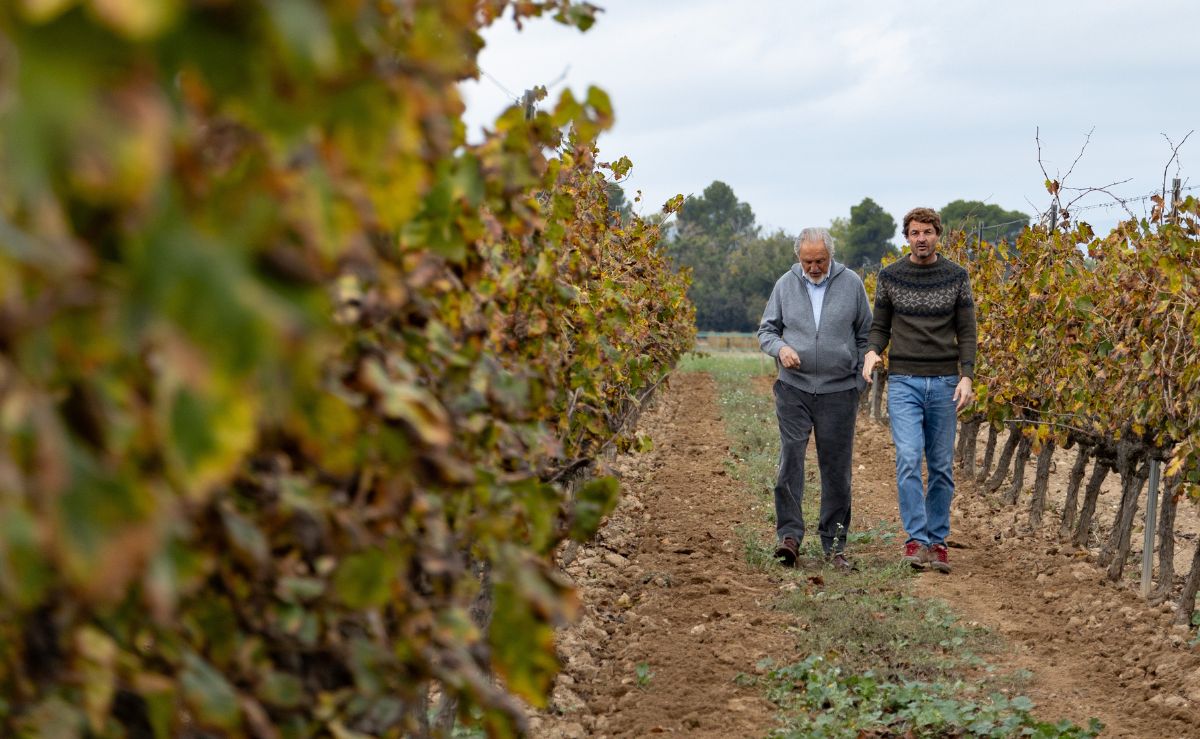
The broader shift toward organic and biodynamic farming in Catalonia's wine country has accelerated over the past decade, driven partly by consumer pressure and partly by a generation of producers who found that conventional viticulture was incompatible with the expressive, site-specific wines they wanted to make. Biodynamic certification requires growers to treat the vineyard as a closed ecosystem: synthetic inputs are excluded, soil health is managed through cover crops and composts prepared according to specific protocols, and the lunar calendar informs key decisions in both vineyard and cellar. It demands more labour per hectare and accepts greater vintage variation as a consequence.
Recaredo's position within this movement is not recent. The commitment to farming without synthetic chemistry predates the current trend toward biodynamic credentialing that has swept through premium Cava production. That longer timeline matters because biodynamic viticulture takes years to register clearly in a wine: soils need time to rebuild microbial complexity, and vine root systems need to extend deeper before they can draw on the full mineral character of a given site. The extended lees aging that defines Recaredo's leading releases, often running to seven years or more before disgorgement, compounds that depth further. What reaches the glass is the product of decisions made in the vineyard several years earlier, which is a different logic from most sparkling wine production.
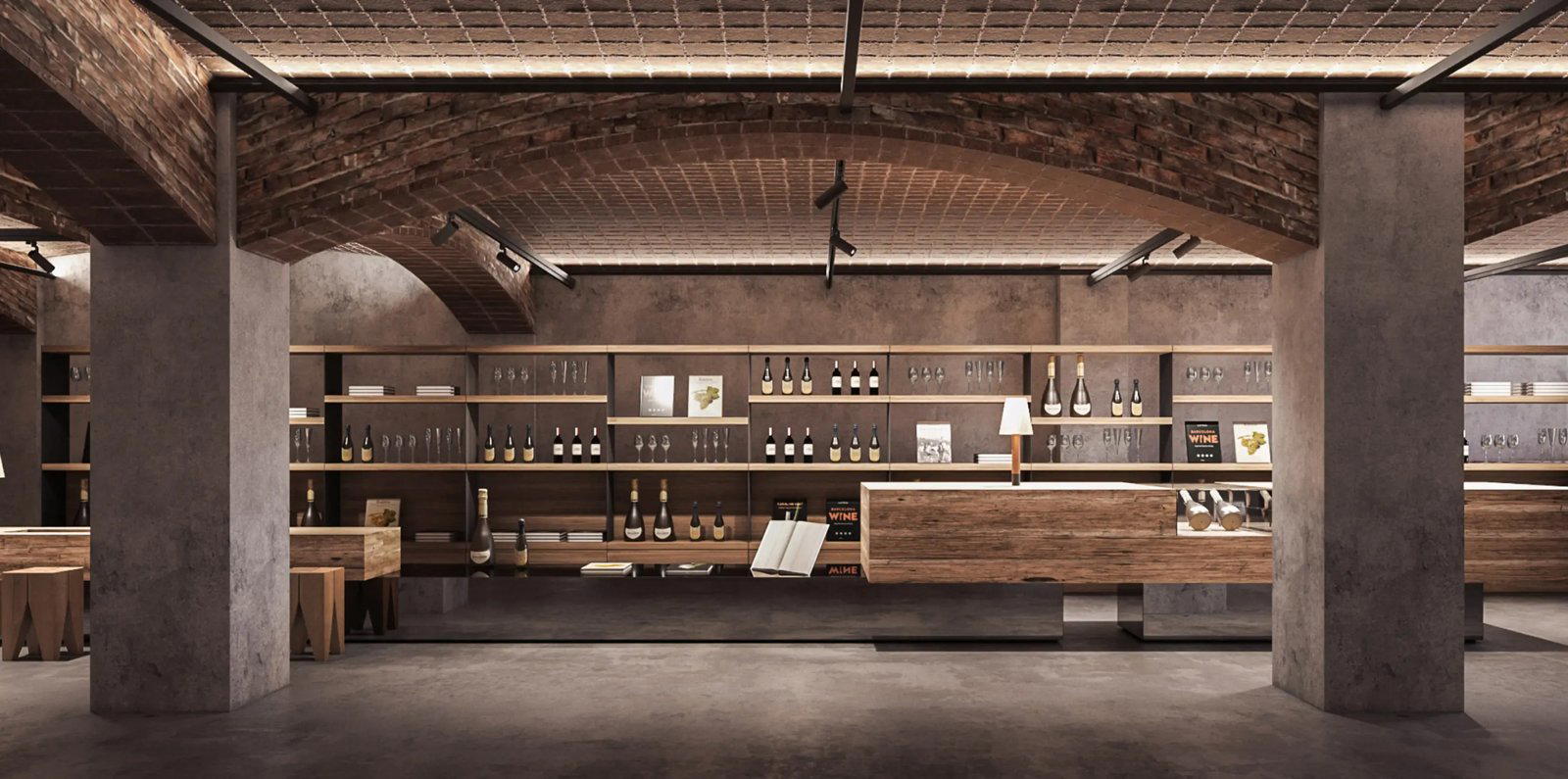
Among the Penedès estates operating at this level, the native Catalan varieties Macabeu, Xarel-lo, and Parellada form the backbone of the wines. Xarel-lo in particular has attracted renewed interest from producers who see in it a capacity for textural complexity and aging potential that more internationally recognised grapes do not always match. The terroir of the Alt Penedès, with its limestone-dominated soils and significant diurnal temperature variation between growing season days and nights, provides the acidity structure that extended aging requires. Without that natural backbone, years on lees would produce flatness rather than finesse.
Cellar Discipline and Category Position
Cava's appellation rules technically require only nine months of lees contact for non-reserva releases, a floor that the category's volume producers meet without exceeding. The premium tier operates by different conventions entirely. Gramona's Enoteca range spends decades in the cellar before release; Juvé & Camps has pushed its Reserva de la Familia beyond five years; Recaredo's approach to extended aging places it in this slower, more demanding bracket. The commercial consequence is direct: longer cellar time means higher working capital costs and smaller annual release volumes, which forces pricing and distribution decisions that separate these producers structurally from the mass market.
The distinction is increasingly formalised. The Cava de Paraje Calificado designation, introduced in 2017 and reserved for single-vineyard wines from certified organic or biodynamic estates with extended aging requirements, has given producers at this end of the category a regulatory framework to communicate their approach. The broader Cava DO has simultaneously introduced tiered classifications, with Cava de Guarda Superior requiring a minimum of 18 months aging, and Gran Reserva extending that to 30 months.
For comparison, producers working at similar levels of precision in other Spanish wine regions, such as Clos Mogador in Gratallops or Emilio Moro in Pesquera de Duero, occupy analogous premium niches within their own denominaciones: small allocation, extended production timelines, and credentials built over decades rather than through marketing spend. The same structural logic applies in Penedès, where the top tier now competes internationally not as Cava but as serious sparkling wine with a specific regional identity.
Visiting Sant Sadurní d'Anoia
Sant Sadurní d'Anoia sits roughly 40 kilometres southwest of Barcelona, accessible by the R4 regional train line from Passeig de Gràcia in under an hour. The town is compact enough to cover on foot, and a serious visit to the Penedès sparkling wine country generally benefits from planning across multiple producers in a single day rather than treating each as a standalone destination. Recaredo's address on Carrer de Tamarit places it close to the town centre, though visits are by appointment only.
For a fuller picture of the town's wine culture and how its producers range from industrial-scale operations to small biodynamic estates, see our full Sant Sadurní d'Anoia guide. Those extending their Catalonian wine itinerary might also consider the contrast with producers from other Spanish denominaciones represented: CVNE in Haro, Lustau in Jerez de la Frontera, and Marqués de Cáceres in Cenicero each represent a different axis of Spain's wine geography, and together they illustrate how differently regional ambition expresses itself across the country's denominaciones. Further afield, Bodegas Protos in Peñafiel, Marqués de Griñón in Malpica de Tajo, and Accendo Cellars in St. Helena offer a wider frame for understanding where biodynamic and precision viticulture is reshaping premium wine production globally. For something at an entirely different scale of production context, Aberlour in Aberlour shows how extended maturation logic applies in Scotch whisky with similar patience.
Standing Among Peers
Comparable venues nearby, for context on price, style, and recognition.
| Venue | Cuisine | Price | Awards | Notes |
|---|---|---|---|---|
| RecaredoThis venue — the venue you are viewing | Xarel·lo, Macabeu | $$$ | Not listed | Not listed |
| Freixenet | Macabeo, Xarel-lo | $$ | Not listed | Sant Sadurní d'Anoia |
| Codorníu | Macabeo, Xarel·lo | $$$ | Not listed | Sant Sadurní d'Anoia |
| Juvé & Camps | Xarel·lo, Macabeo | $$$ | Not listed | Sant Sadurní d'Anoia |
| Raventós i Blanc | Xarel·lo, Macabeu | $$$ | Not listed | Sant Sadurní d'Anoia |
| Gramona | Xarel-lo, Macabeo | $$$ | World's 50 Best #25 | Sant Sadurní d'Anoia |
Continue exploring
More in Sant Sadurní d'Anoia
Wineries in Sant Sadurní d'Anoia
Browse all →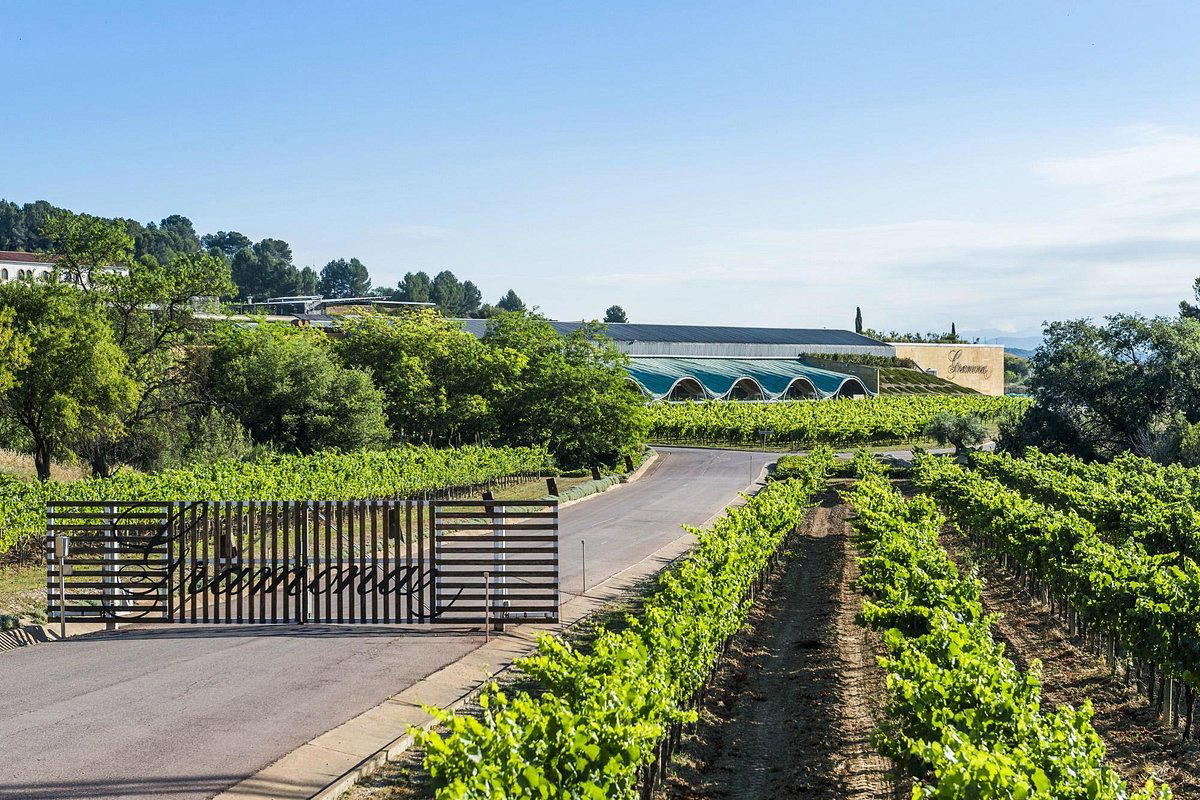
Bars in Sant Sadurní d'Anoia
Browse all →
Restaurants in Sant Sadurní d'Anoia
Browse all →

At a Glance
- Rustic
- Elegant
- Intimate
- Scenic
- Wine Education
- Special Occasion
- Solo Exploration
- Vineyard Tour
- Barrel Room
- Historic Building
- Organic
- Biodynamic
- Dry Farmed
- Vineyard
- Mountain
- Corpinnat
- Xarel·lo
- Macabeu
- Parellada
- Monastrell
- Garnacha
- Sparkling
- Still White
- Still Rosé
- Cave Tasting
- Private Tasting
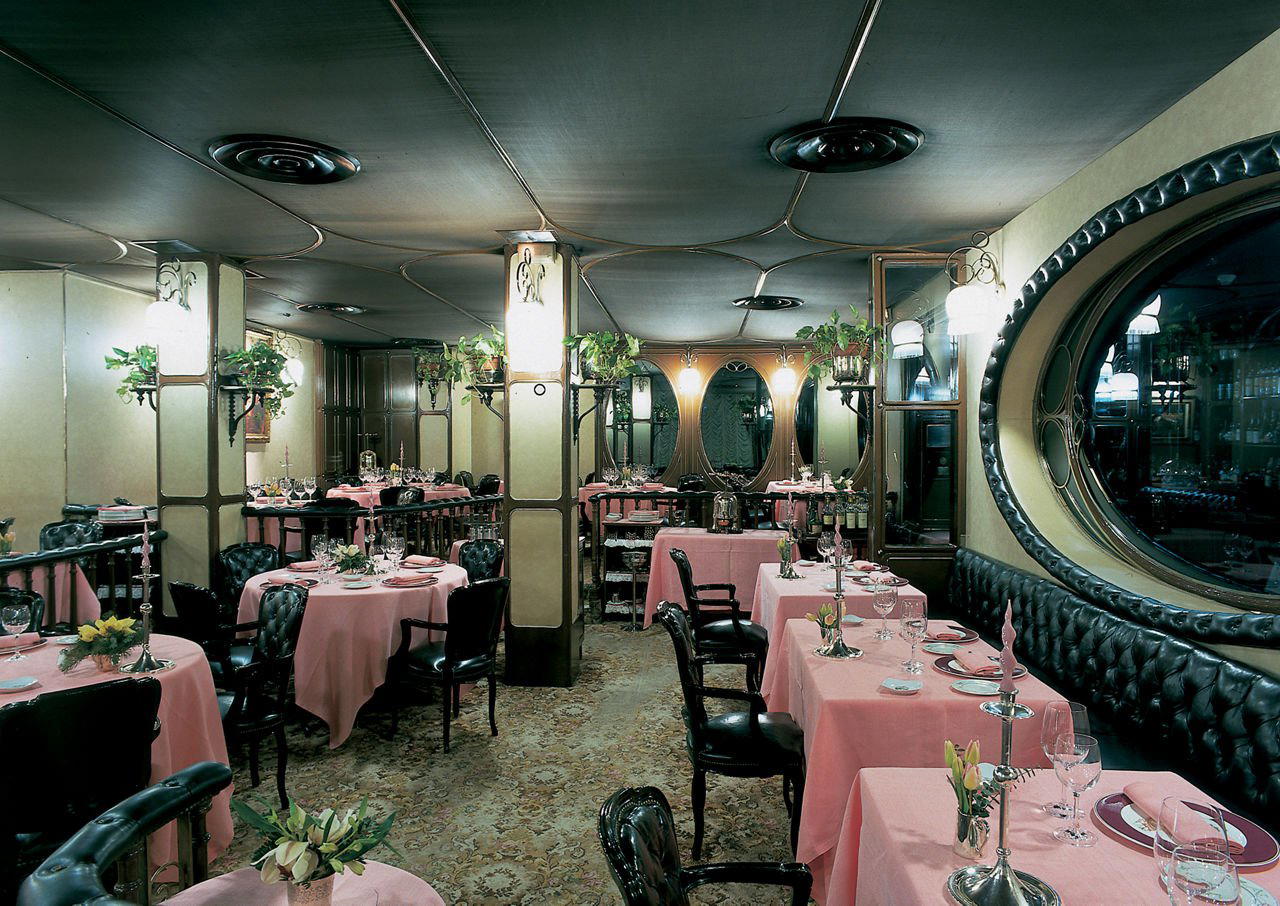
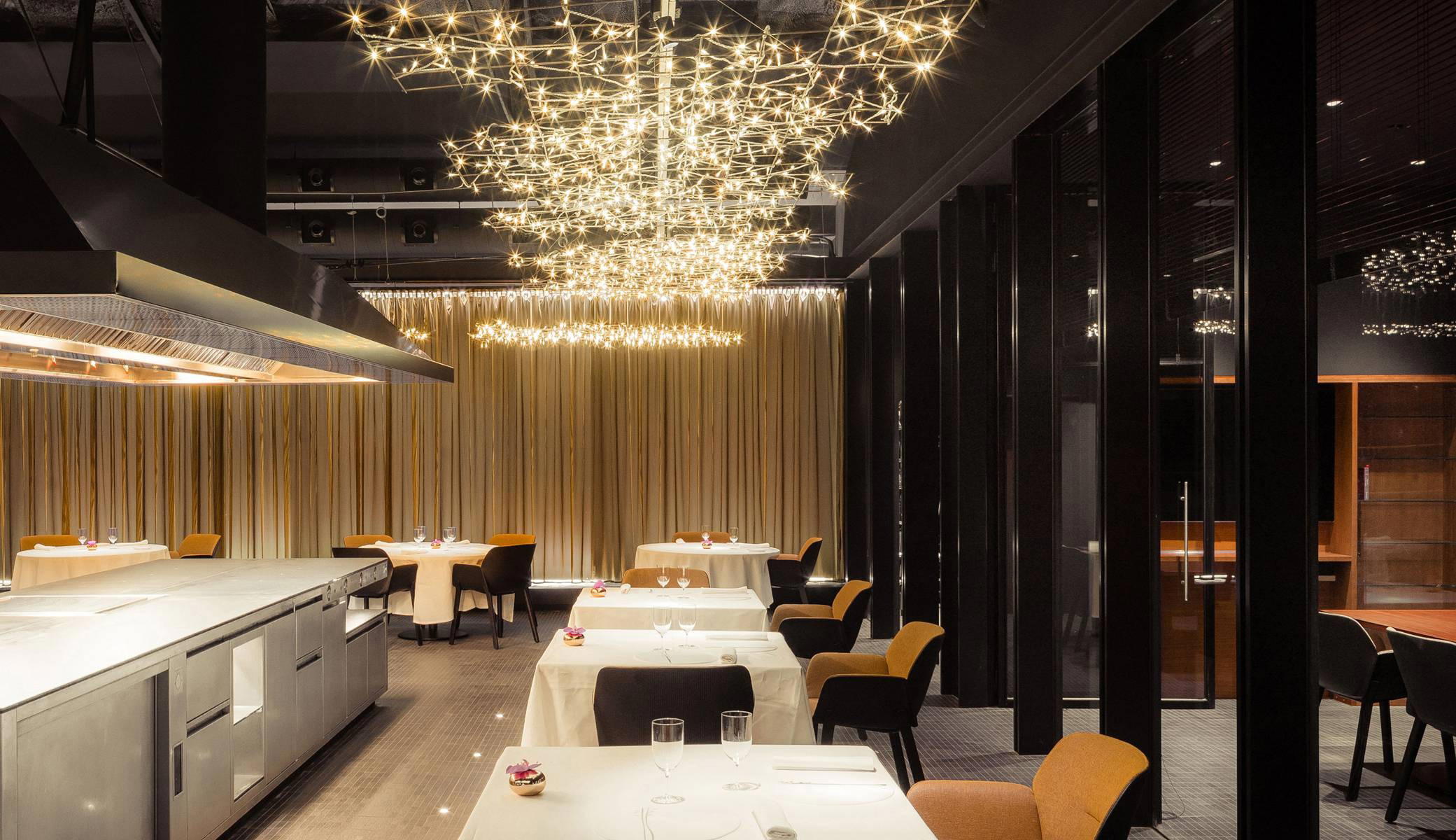
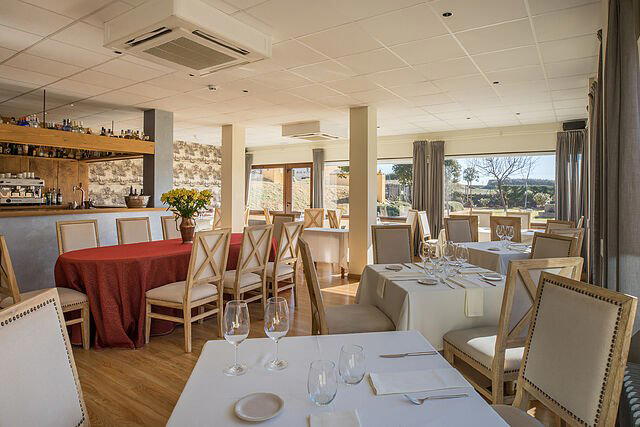
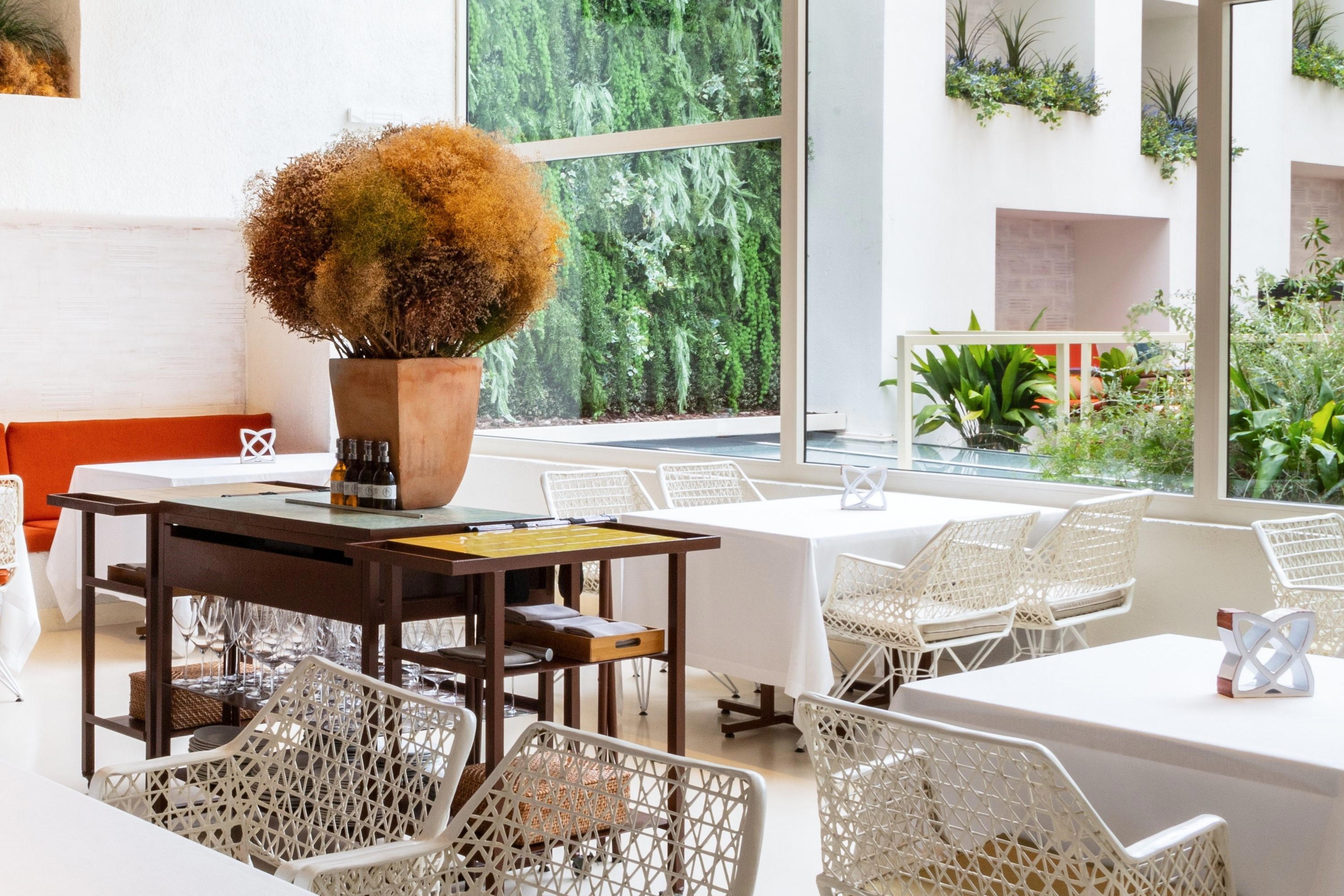
Historic family cellars with a serene, authentic atmosphere focused on terroir expression and meticulous craftsmanship.