
Casa Nita operates from just 18 square metres in Terrassa, sourcing ingredients daily from the century-old Mercat de La Independència directly across the street. The absence of a conventional stove has produced a distinctly creative kitchen, working with blowtorches and Thermomix steamers to deliver composed, characterful dishes.
Pearl is the En Primeur Club membership app — saves, bookings, and concierge access live there. Same editors, same standards.
- Address
- Carrer de Grànius, 4, 08224 Terrassa, Barcelona, Spain
- Phone
- +34 669 61 57 94
- Website
- casanitarestaurant.com
- Directions
- Get directions
 Saves & bookings on Pearl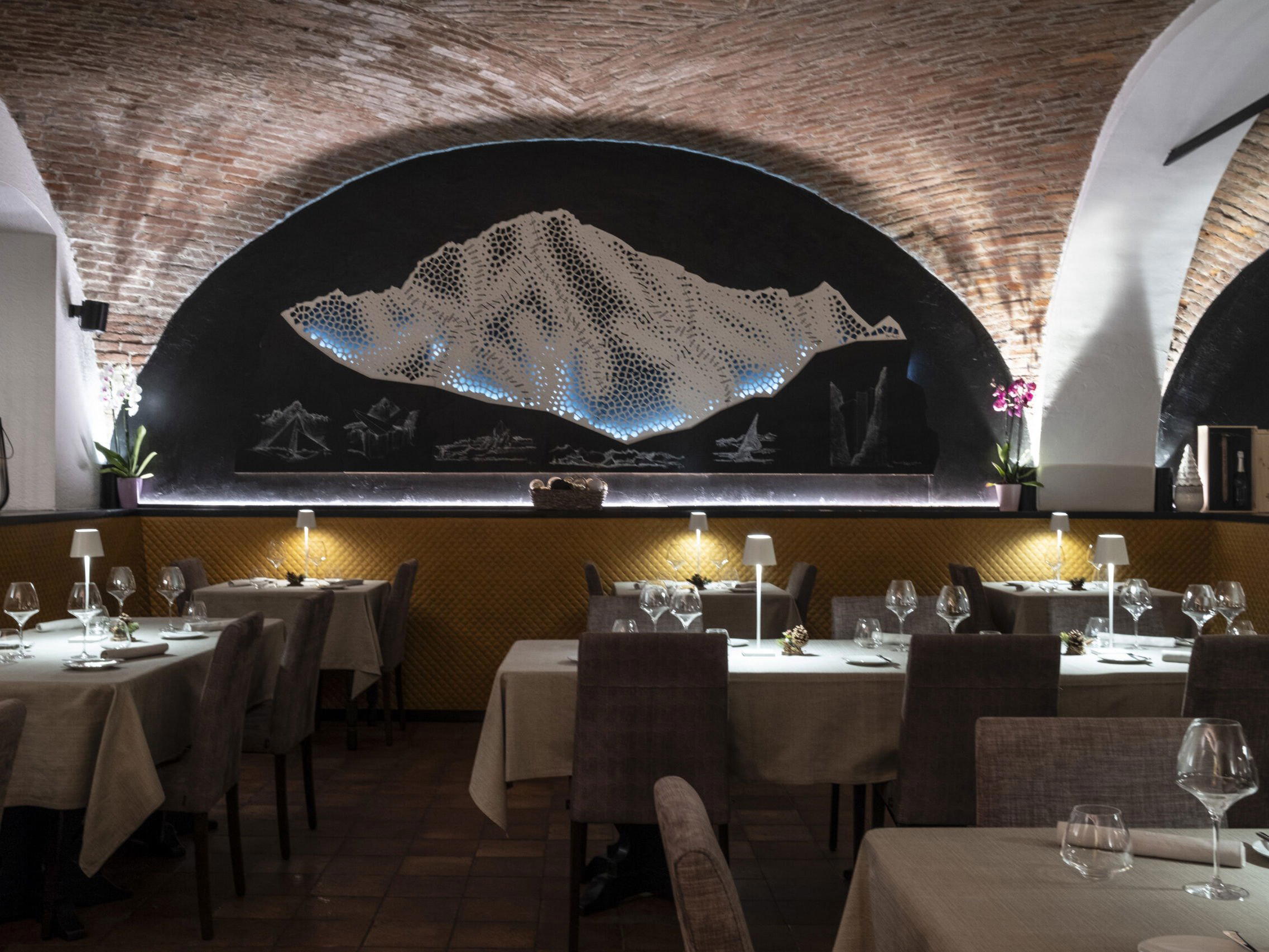
A Market Counter, Not a Restaurant
Stand on Carrer de Grànius on any given morning and the rhythm of Terrassa's Mercat de La Independència sets the tone for the block. The market has operated for over a century, and the produce culture it anchors, seasonal, rotation-led, deeply local, shapes everything that happens in the small room directly across the street. Casa Nita occupies just 18 square metres of that street, a space so compressed that the constraints it imposes have, counter-intuitively, become its most defining quality.
In Spanish dining, farm-to-table language is sometimes applied loosely, a marketing layer over supply chains that remain largely conventional. Here the locution is literal. The kitchen buys daily from the market opposite, which means the menu moves with what is available rather than what was planned weeks in advance. There are no cold-store buffers, no par-stock lists built around predictability. That discipline, forced partly by the absence of storage space, aligns Casa Nita with a broader European movement toward procurement-led cooking, where the market visit precedes the recipe rather than confirming it.
What No Stove Forces You to Do
Conventional restaurant kitchens are built around heat control: the range, the oven, the plancha. Remove those and the entire logic of service changes. Casa Nita has no stove and no oven, which means every finishing technique relies on equipment that most kitchens treat as supplementary, a blowtorch for caramelisation and crust, a sandwich press for compression and heat transfer, a Thermomix for steaming and controlled temperature work. The constraint is genuine, not performative, and the results are dishes where textural contrast and ingredient quality carry the weight that heat orchestration usually would.
This is not a raw-food operation, nor an approximation of something more conventional. The compositions are considered, and the Michelin Plate awarded in 2025 suggests the guide's inspectors read them as such.
The Coca de Cristal and What It Represents
The dish singled out is the crispy La Artessana coca de cristal with aubergine, La Frasera cream cheese, and a green romesco salsa. Coca de cristal is a Catalan flatbread tradition, the name referring to its glasslike crispness when properly made, a product of high hydration and extended resting before baking. La Artessana is a recognised Catalan producer, and La Frasera a local cheesemaker, which means the dish is a study in regional supply-chain coherence as much as it is a recipe. The green romesco introduces a variation on a sauce almost always rendered red, the shift signals technique rather than novelty for its own sake.
That combination of local producers, traditional format, and restrained technical intervention is characteristic of how Spanish cooking has evolved outside its highest tier. Venues like El Celler de Can Roca in Girona or Cocina Hermanos Torres in Barcelona operate at the extreme end of ambition and resource. Arzak, Azurmendi, DiverXO, Quique Dacosta, Aponiente, and Martin Berasategui collectively define one pole of Spanish fine dining. The restaurant operates in an entirely different register, small, daily-sourced, technically modest, but the underlying commitment to ingredient integrity is a thread that connects them, regardless of scale.
Terrassa's Dining Context
Terrassa sits roughly 28 kilometres northwest of Barcelona and is often read as peripheral to the region's food conversation. That reading is incomplete. The city has a functioning independent restaurant culture at the €€ price tier, with venues like El Cel de les Oques working modern cuisine and La Bodeguilla holding the traditional end. Vapor Gastronòmic covers regional cooking at the lower price point. The restaurant sits within that ecosystem not as an outlier but as a demonstration of what ingredient-first cooking looks like when the infrastructure of a large kitchen is simply not available.
The Mercat de La Independència, which supplies it, has been operating for over a hundred years and functions as a daily-use municipal market. Its continued relevance in Terrassa makes the block around Carrer de Grànius a genuinely useful place to understand how proximity to primary supply shapes what ends up on a plate.
Planning Your Visit
The restaurant is located at Carrer de Grànius, 4, directly adjacent to the Mercat de La Independència in central Terrassa. The €€ price positioning makes it one of the more accessible entries in Terrassa's Michelin-recognised tier. Checking availability before visiting is advisable.
At-a-Glance Comparison
Comparable venues nearby, for context on price, style, and recognition.
| Venue | Cuisine | Price | Awards | Notes |
|---|---|---|---|---|
| Casa NitaThis venue — the venue you are viewing | Contemporary Catalan Farm-to-Table | $$$$ | Michelin Plate | Not listed |
| La Bodeguilla | Traditional Mediterranean Market Cuisine | $$$ | Michelin Plate | Provenca |
| El Cel de les Oques | Modern Catalan | $$ | Bib Gourmand | old quarter |
| Restaurant l'Indret | Modern Mediterranean Fine Dining | $$$ | Not listed | Terrassa Center |
| Colmado 1917 | Traditional Catalan Tapas | $$$ | Not listed | center |
| Katán Restaurant | Mediterranean-Asian Fusion | $$ | Not listed | centre |
Recognition history
Dated appearances from independent guides and award organizations, with the underlying list record or original source where available.
Michelin Plate
Michelin
Michelin Plate
Michelin
Continue exploring
More in Terrassa
Restaurants in Terrassa
Browse all →
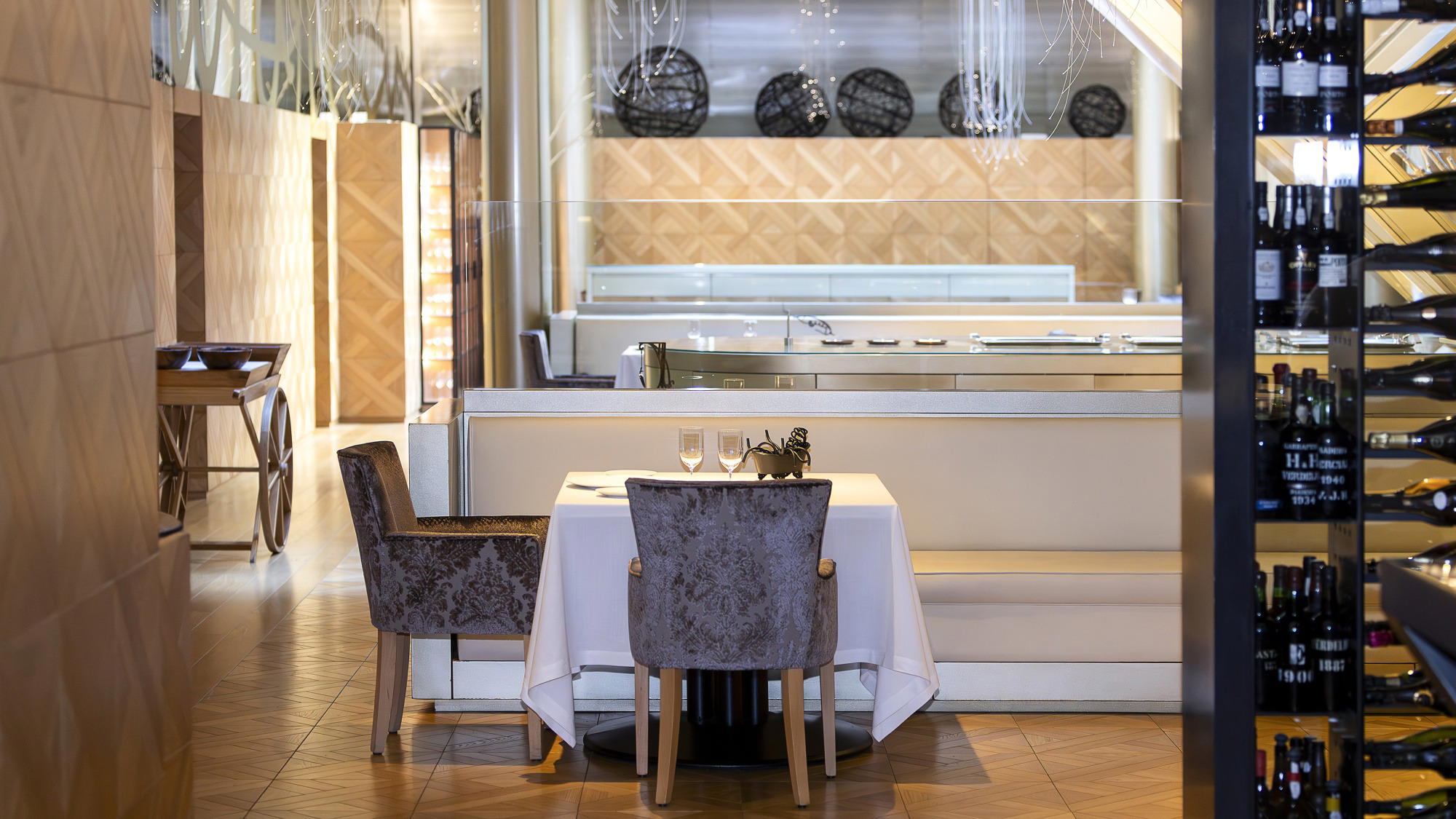
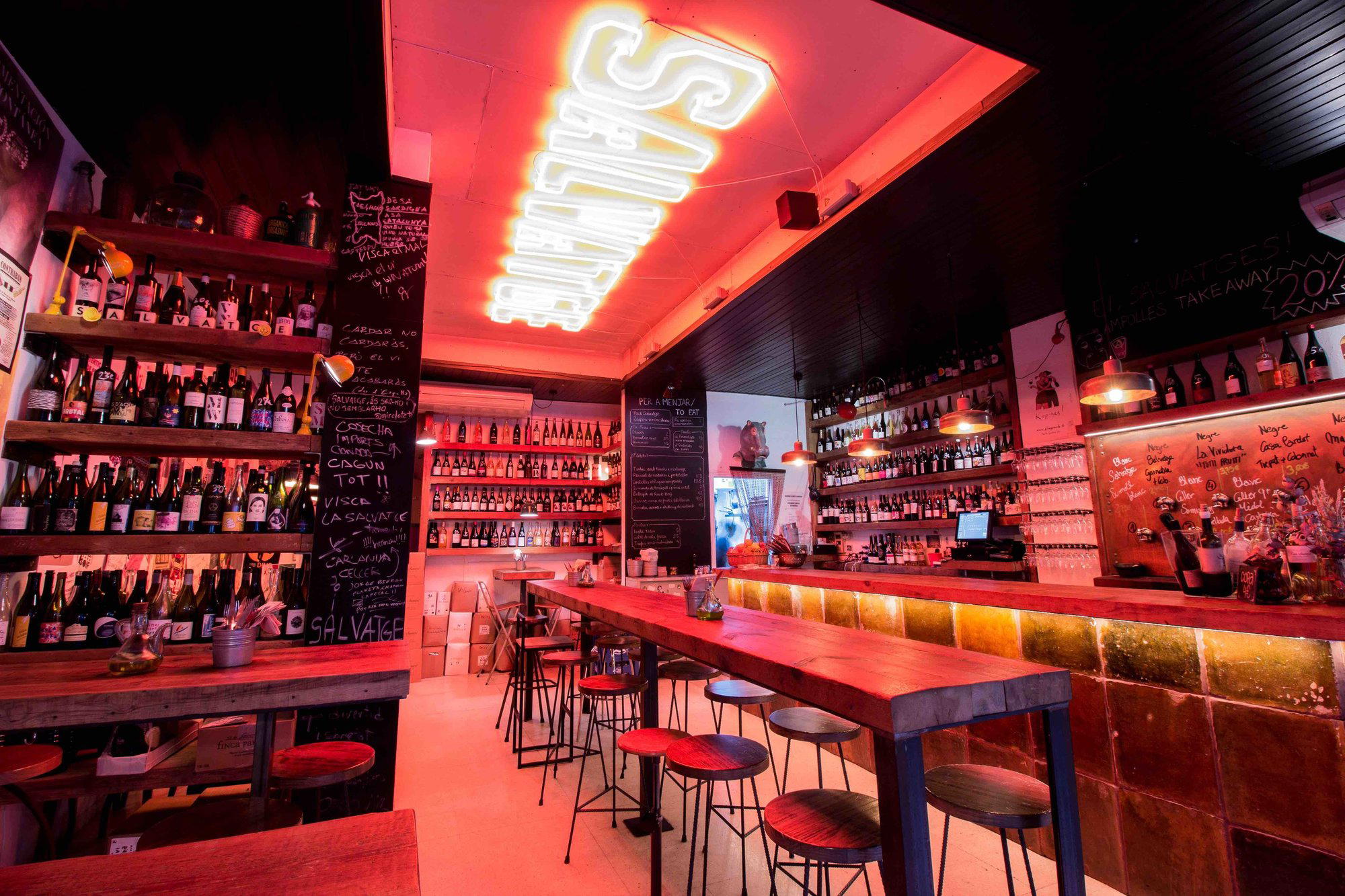
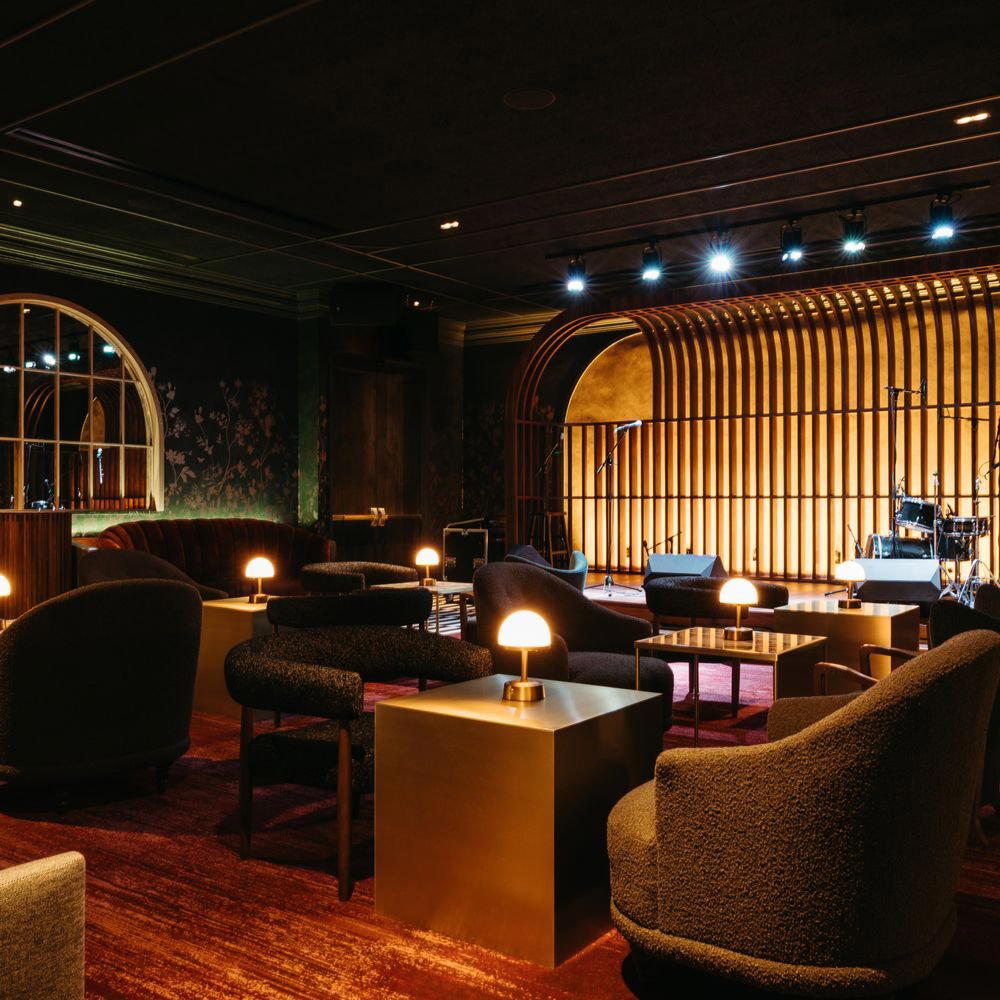
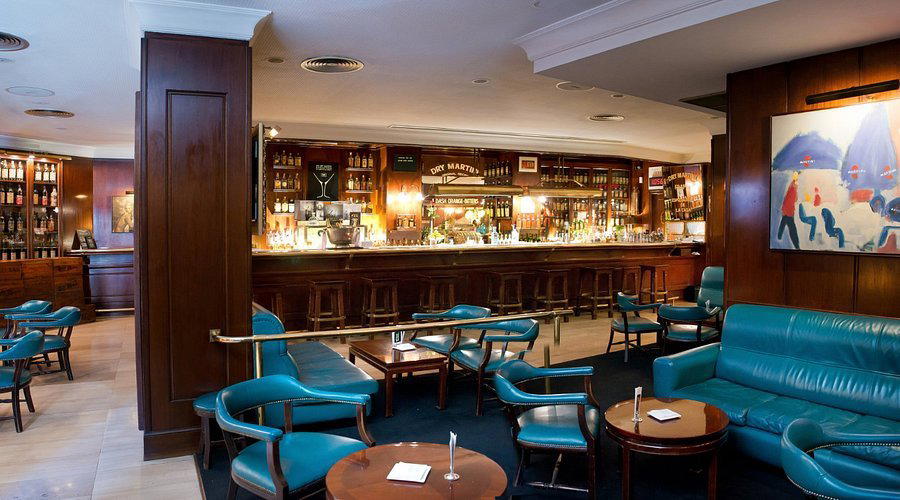
Bars in Terrassa
Browse all →
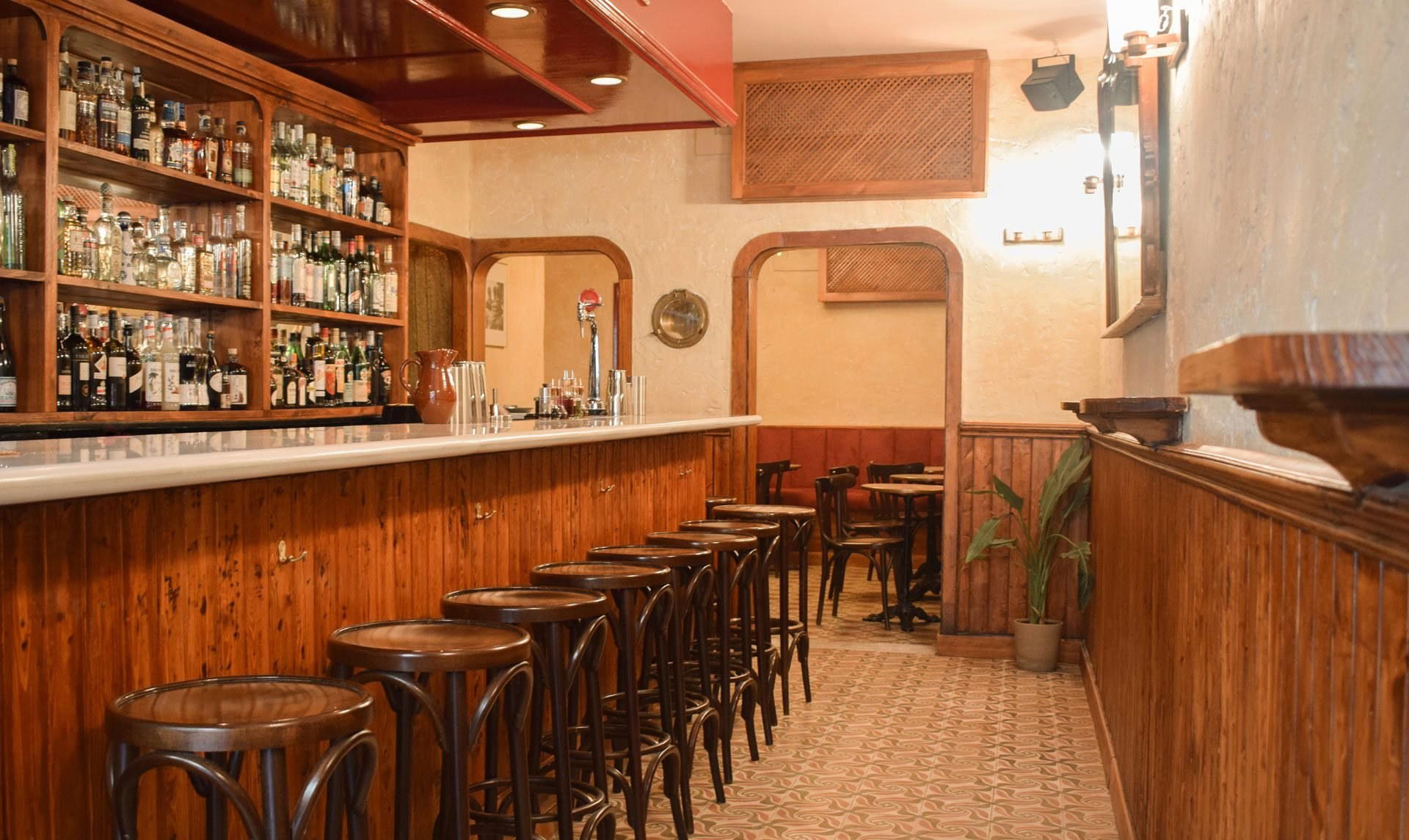
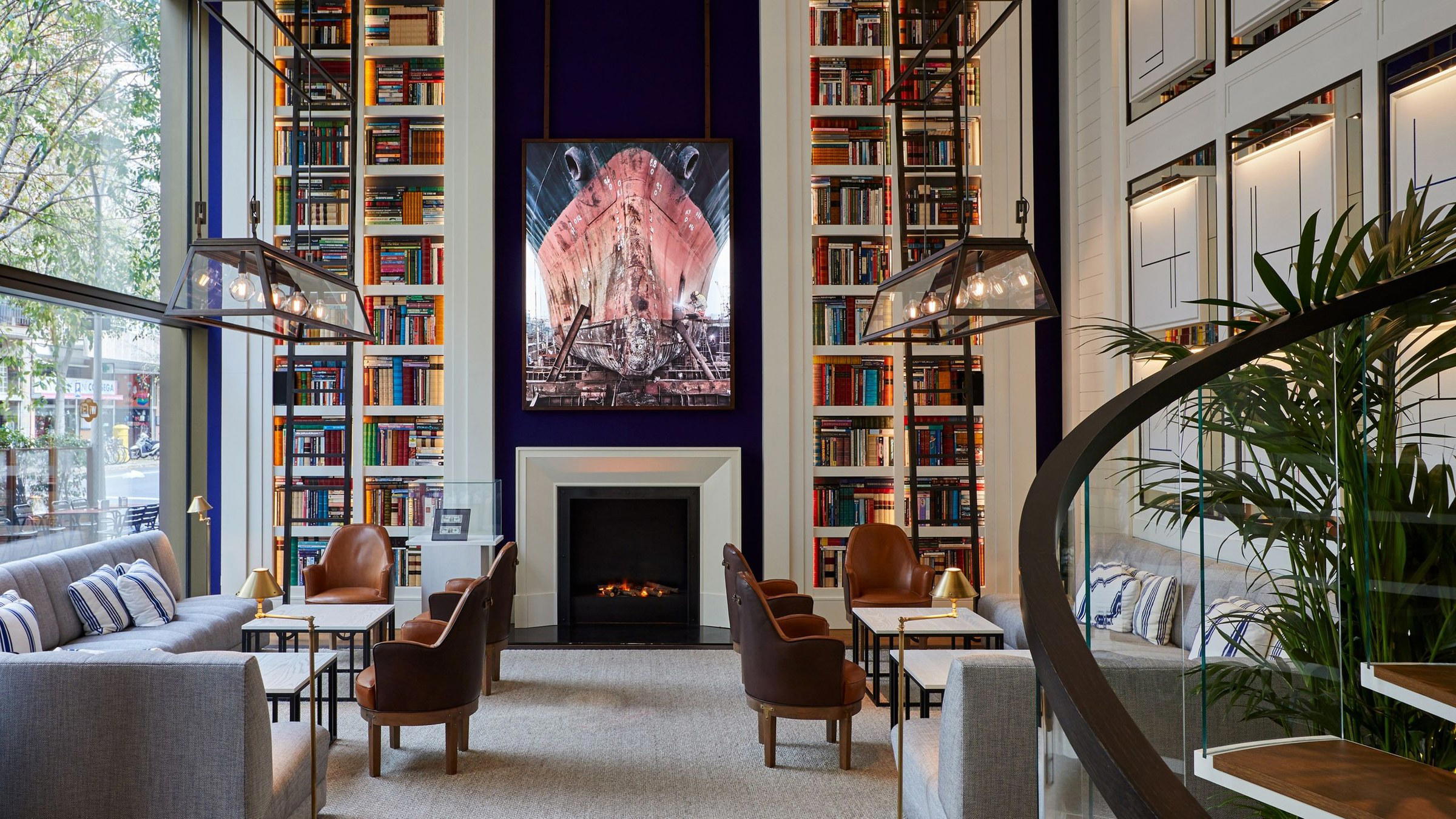
Hotels in Terrassa
Browse all →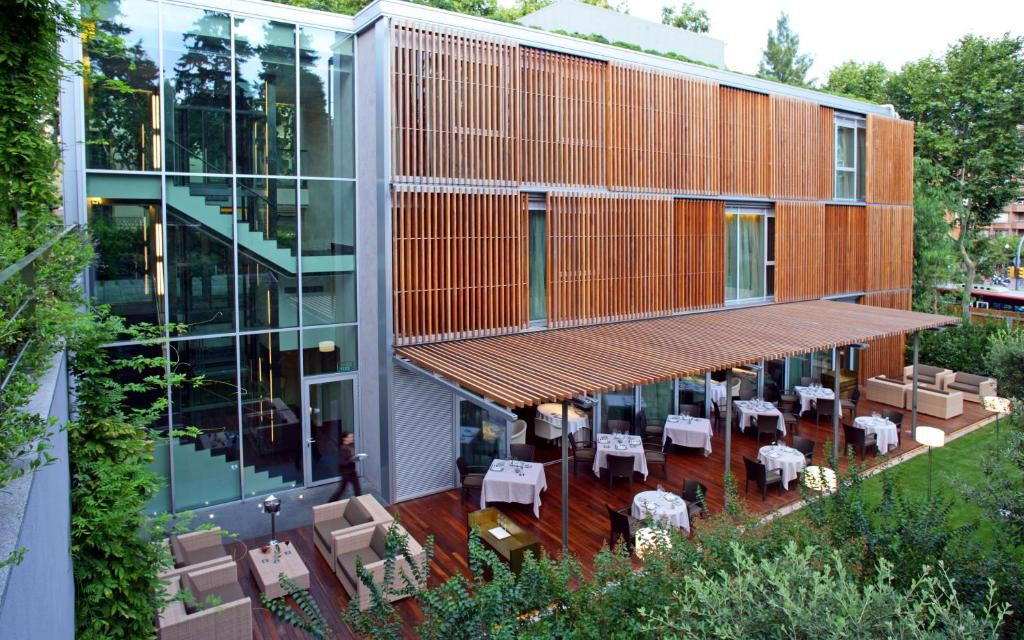


At a Glance
- Intimate
- Cozy
- Minimalist
- Date Night
- Special Occasion
- Open Kitchen
- Standalone
- Farm To Table
- Local Sourcing
- Organic
Current opening hours
- Monday
- Closed
- Tuesday
- 8–10 PM
- Wednesday
- 1–3 PM, 8–10 PM
- Thursday
- 1–3 PM, 8–10 PM
- Friday
- 1–3 PM, 8–10 PM
- Saturday
- 1–3 PM, 8–10 PM
- Sunday
- Closed
Hours can change for holidays and private events. Last verified .
Intimate and cozy dining room with minimal space, welcoming atmosphere, personal service with only three tables in a compact, thoughtfully designed space.