


Ranked #355 in the Top 500 Bars (2025), 14 de la Rosa occupies a quiet stretch of Carrer de Martínez de la Rosa in Gràcia, one of Barcelona's most residential and bar-literate neighbourhoods. It sits in a tier of recognised independent bars that define the district's after-dark character, away from the tourist-facing circuits of the Gothic Quarter and El Born.
Pearl is the En Primeur Club membership app — saves, bookings, and concierge access live there. Same editors, same standards.
- Address
- Carrer de Martínez de la Rosa, 14, Gràcia, 08012 Barcelona
- Phone
- +34930116635
- Website
- 14delarosa.com
- Directions
- Get directions
 Saves & bookings on Pearl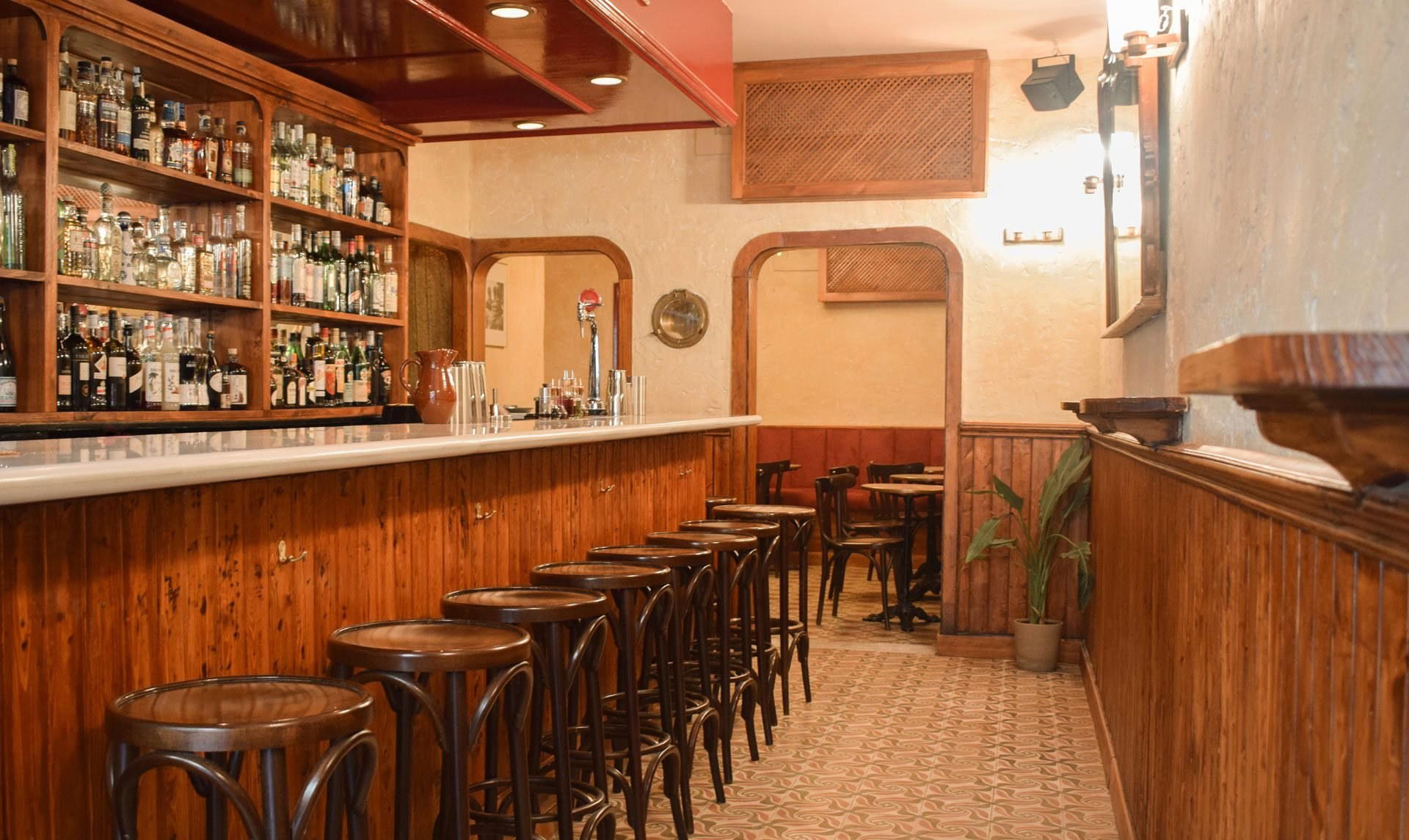
Gràcia's Bar Circuit and Where 14 de la Rosa Sits Within It
Barcelona's bar culture divides fairly cleanly along neighbourhood lines. The Gothic Quarter and El Born produce the high-visibility venues that accumulate press coverage and tourist footfall; Eixample houses the grand, formally trained cocktail rooms like Dry Martini, with its decades of accumulated craft credibility; and Gràcia operates on a different register entirely. The neighbourhood's bar identity is lower-key, more residential in posture, and historically less reliant on international recognition to maintain a local following. That makes the placement of 14 de la Rosa on Carrer de Martínez de la Rosa genuinely notable. A ranking of #355 in the 2025 Top 500 Bars is not a result that happens by accident in a quiet Gràcia side street.
To understand what that ranking signals, it helps to map the broader Barcelona bar field. Venues like Boadas represent the city's deep classic-cocktail heritage, operating from a historic footprint near the Ramblas since 1933. Dr. Stravinsky and Foco represent a more contemporary, technique-forward tier. 14 de la Rosa enters that conversation from Gràcia's quieter corner of the map, which is part of what makes it worth paying attention to: internationally ranked bars that anchor in residential neighbourhoods tend to sustain quality on merit rather than location advantage.
Approaching Gràcia: What the Setting Tells You
Carrer de Martínez de la Rosa is the kind of street that doesn't announce itself. Gràcia as a whole has the feel of a town absorbed into a city, small plazas, lower building heights, a density of independent shops and bars that resists the homogenisation visible elsewhere in Barcelona. Arriving at number 14, the address itself is the signage. There is no flashing neon, no doorman performance. Gràcia has always worked this way: the bars here have traditionally relied on neighbourhood loyalty and word of mouth, which means the ones that earn international recognition do so while also maintaining the texture of a local. That dual audience, the resident who comes regularly and the traveller who planned ahead, shapes what a visit here feels like. You are not in a venue designed to perform for the out-of-towner.
For context on how Spain's independent bar culture varies by city, the contrast with venues like Angelita in Madrid or Bar Sal Gorda in Seville is instructive. Each city's recognised independents carry a distinct regional character; Barcelona's Gràcia venues tend toward a certain understated confidence that differs from Madrid's more theatrical room energy or Seville's deeply social, communal formats.
Planning a Visit: What to Know Before You Go
Bars operating without a significant digital booking infrastructure in Barcelona's recognised tier typically fall into one of two categories: walk-in-first venues where reservations are either not taken or not necessary, or places where the local network does the work that a booking platform would otherwise handle. The practical advice is to approach this as a walk-in destination.
Gràcia is accessible from central Barcelona via metro (Fontana on the L3 line is particularly direct stop for this address) or a 20-minute walk from Passeig de Gràcia. The street itself is walkable from multiple Gràcia plazas, including Plaça de la Vila de Gràcia, which puts it inside an easy loop of several other neighbourhood bars if you are planning an evening across more than one stop.
For travellers arriving via the Balearic Islands or other Spanish coastal points, Garito Cafe in Palma de Mallorca, La Margarete in Ciutadella, and Garden Bar in Calvia each operate within smaller island markets; 14 de la Rosa sits in a considerably more competitive field, which makes the Top 500 placement more significant by comparison. For those curious about globally ranked independents in other markets, Bar Leather Apron in Honolulu offers an interesting parallel: a recognised bar operating in a location not typically associated with serious cocktail culture, holding its position on programme quality rather than market depth. Bar Gallardo in Granada represents a similar dynamic within Spain.
For broader context on where the bar fits within Barcelona's full drinking and dining picture, see our full Barcelona guide.
What the Award Ranking Implies About the Programme
The Top 500 Bars list is a commercially independent ranking that assesses bars globally, with criteria weighted toward programme consistency, technique, and peer recognition within the industry. A position at #355 in the 2025 edition places the bar inside the recognised tier of Barcelona's bar scene without overstating it. The city has multiple entries across the list; not every Barcelona bar with a local following makes the cut. The ranking functions as a quality filter, particularly useful for travellers who need a shortlist rather than an exhaustive directory.
Those are questions leading answered on arrival, or through updated local sources closer to your travel dates. What can be said with confidence is that a bar holding this position in 2025, operating from a residential Gràcia address without a visible marketing apparatus, is sustaining its ranking through the quality of what it serves rather than through volume or visibility.
Pricing, Compared
Comparable venues nearby, for context on price, style, and recognition.
| Venue | Price | Notes |
|---|---|---|
| 14 de la RosaThis venue — the venue you are viewing | $$ | Not listed |
| Matos Bar de Vins & Enoteca | $$ | Sant Gervasi - Galvany, wine_bar |
| Viblioteca | $$ | la Vila de Gracia, wine_bar |
| Mariposa Negra | $$ | El Born, cocktail_bar |
| Quimet & Quimet | $$ | el Poble Sec, wine_bar |
| L'Ànima del Vi | $$ | Sant Pere, Santa Caterina i la Ribera, wine_bar |
Recognition history
Dated appearances from independent guides and award organizations, with the underlying list record or original source where available.
Falstaff Bar - 93 Falstaff Points
Falstaff
Top 500 Bars Best Bars #468
Top 500 Bars
World's 50 Best Europe's Best Bars #35 · No. 35
World's 50 Best · 2026 Europe's 50 Best Bars
Top 500 Bars Best Bars #355
Top 500 Bars
Continue exploring
More in Barcelona
Bars in Barcelona
Browse all →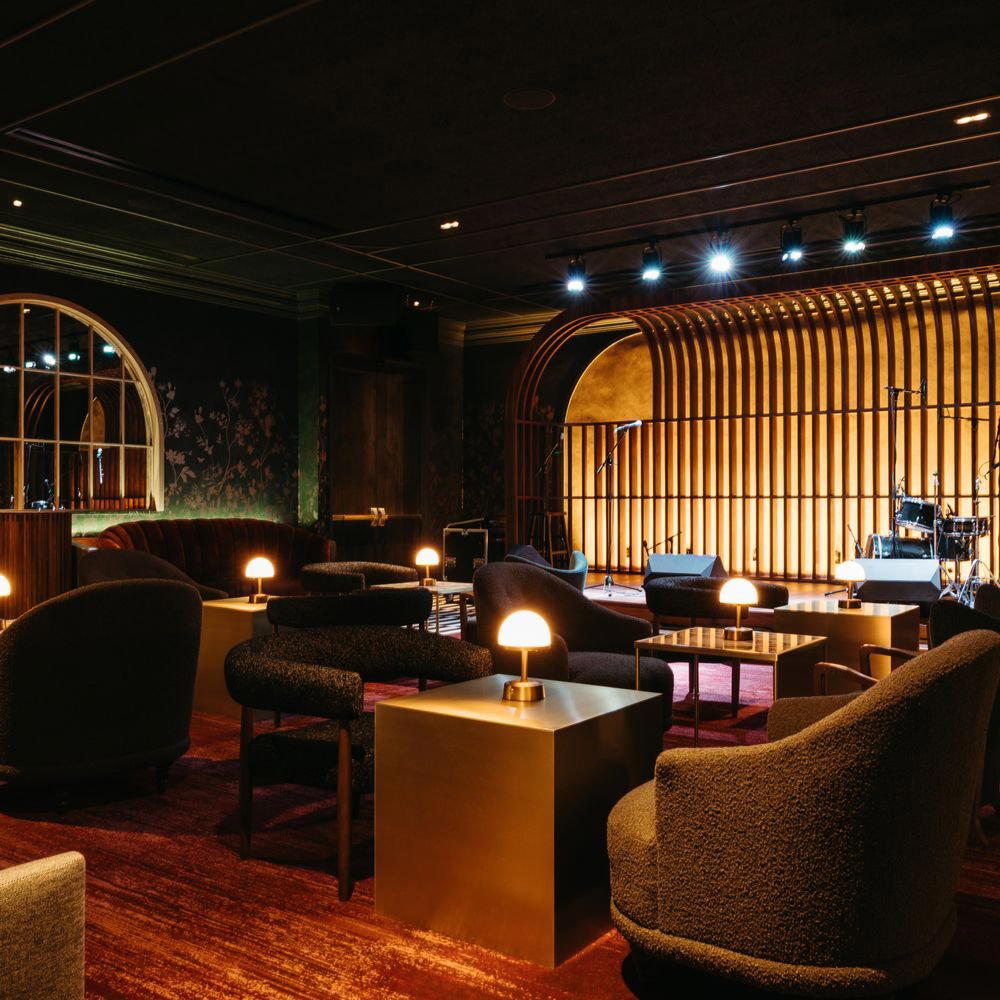


Restaurants in Barcelona
Browse all →
Hotels in Barcelona
Browse all →
At a Glance
- Cozy
- Intimate
- Trendy
- Romantic
- Date Night
- Casual Hangout
- Solo
- Standalone
- Seated Bar
- Lounge Seating
- Classic Cocktails
- Craft Cocktails
- Natural Wine
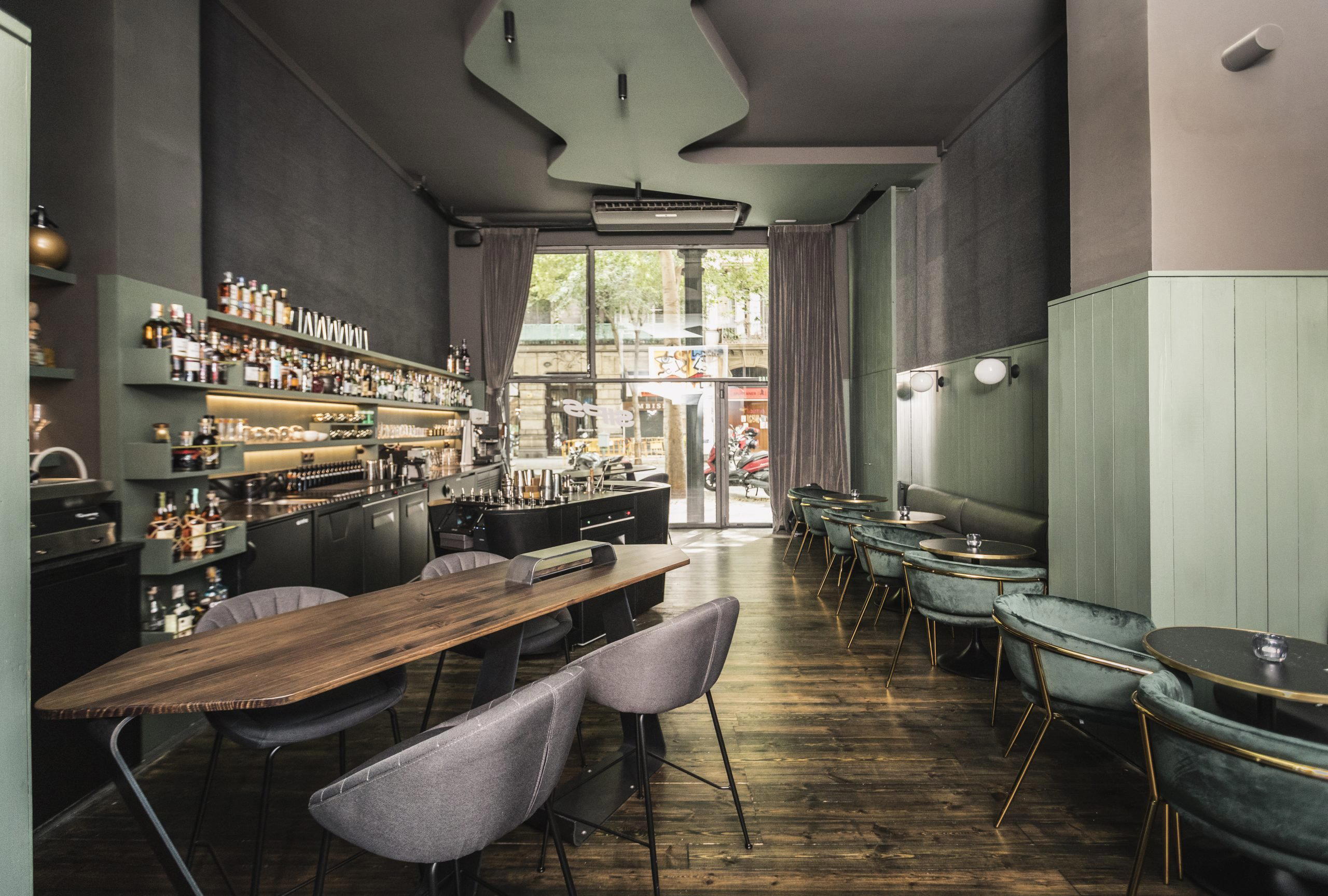
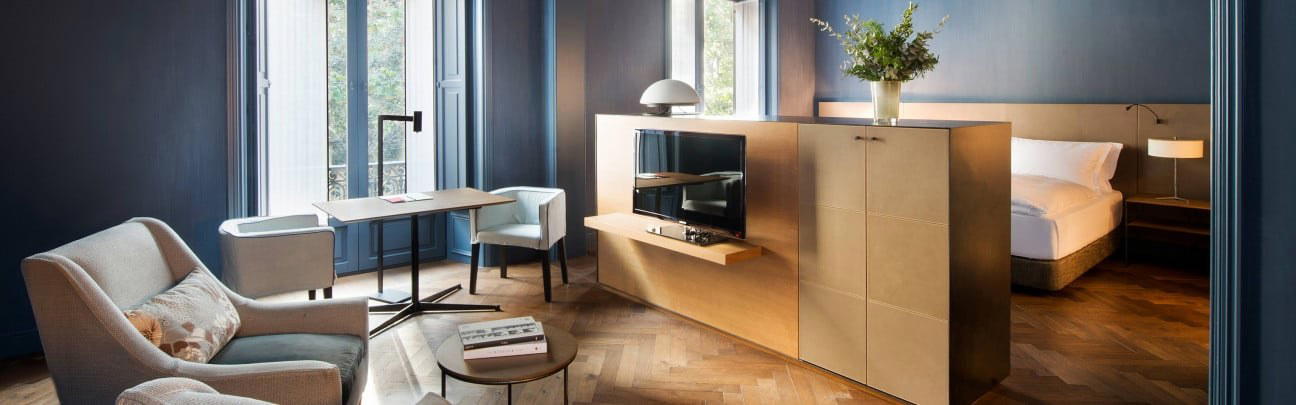
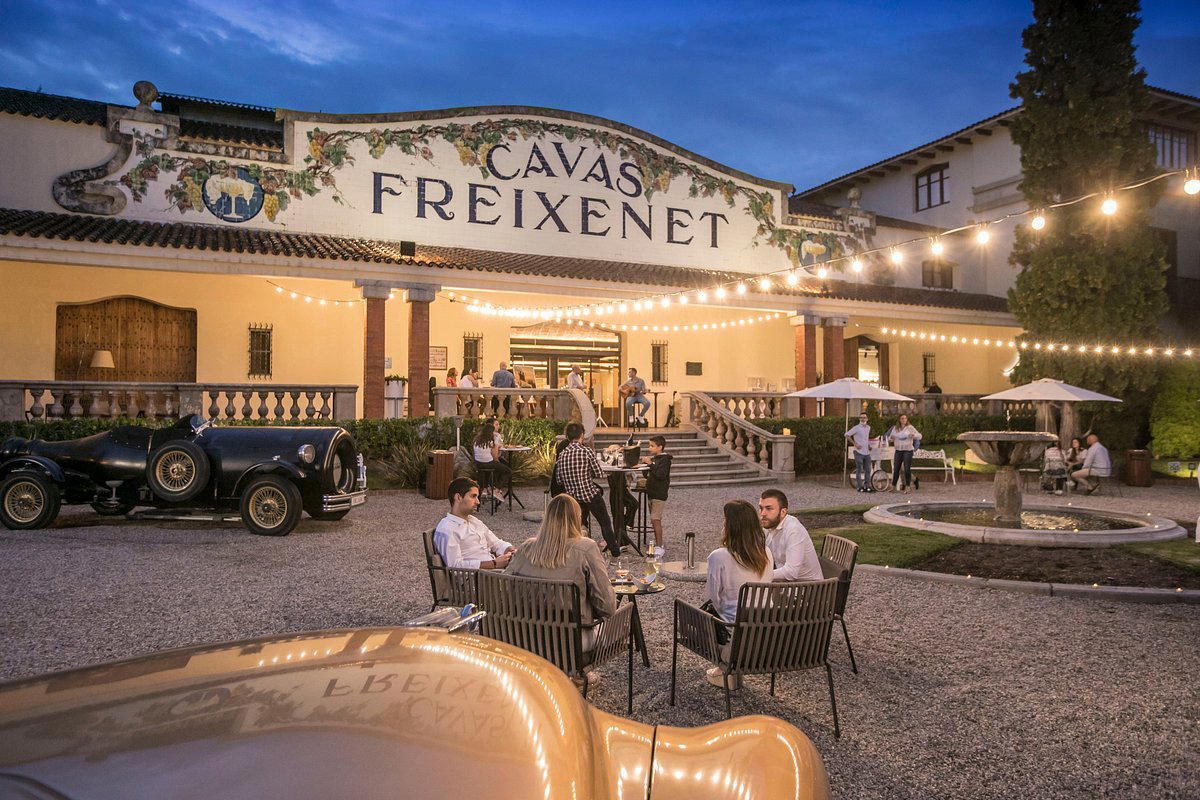
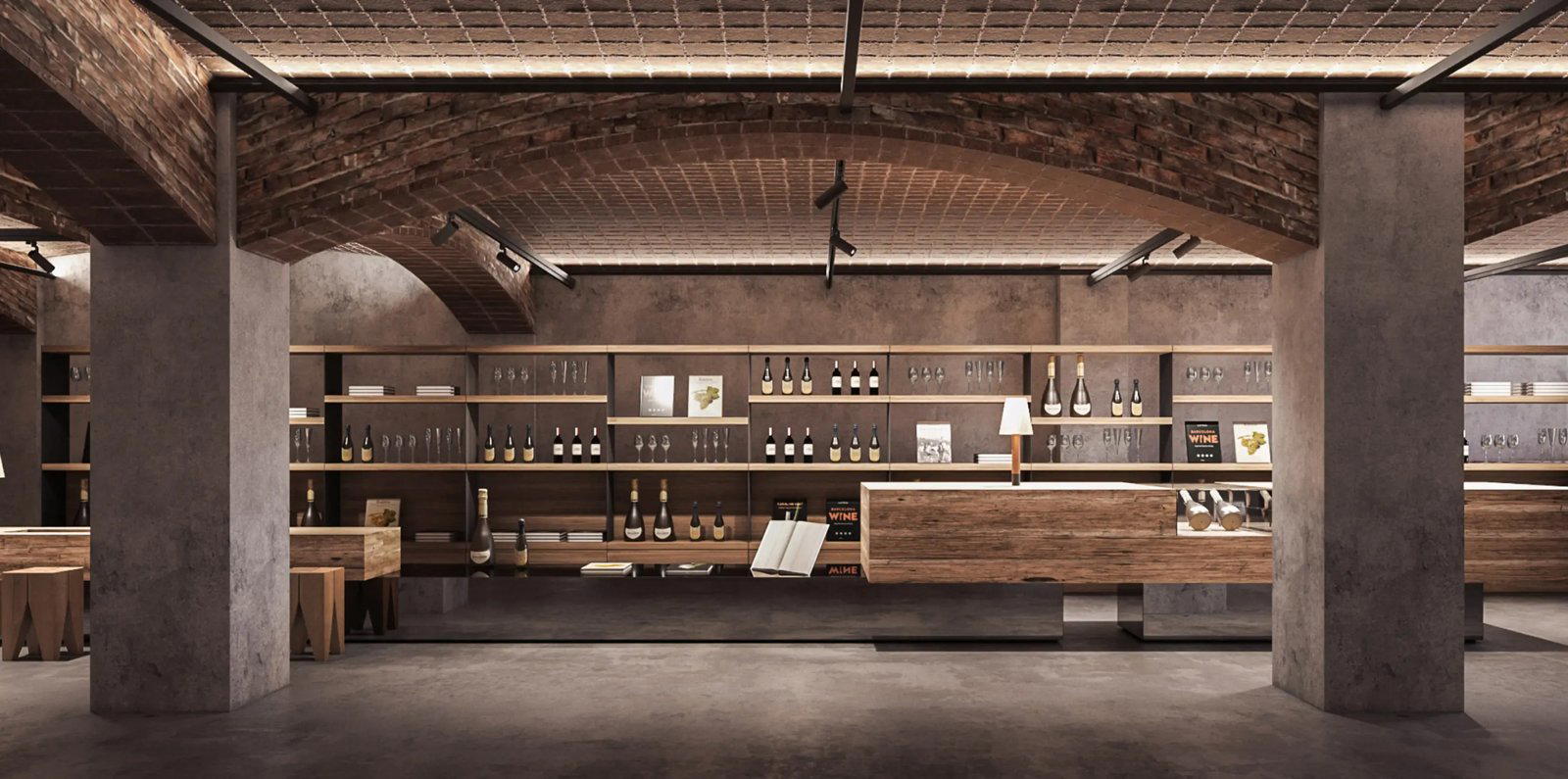
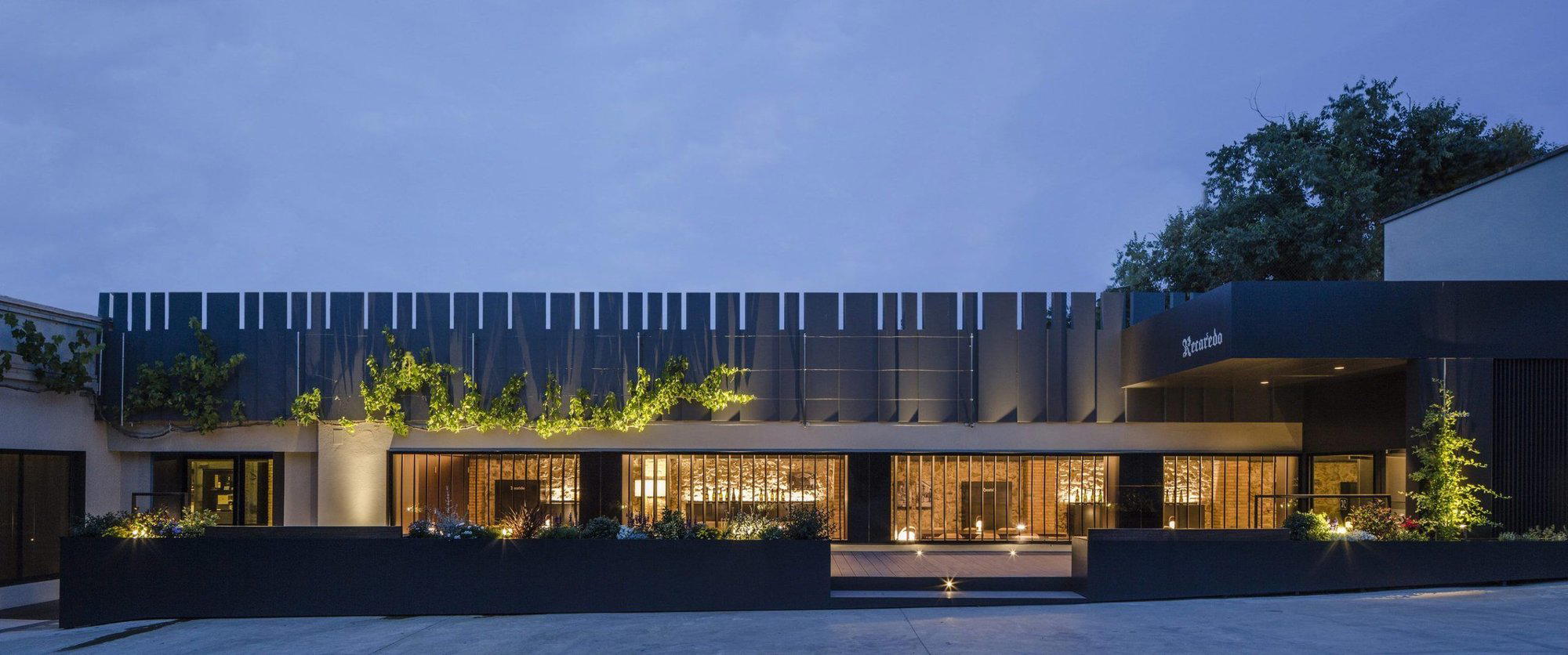
Cozy and intimate with candlelit tables creating a warm, romantic atmosphere and retro-chic decor.