
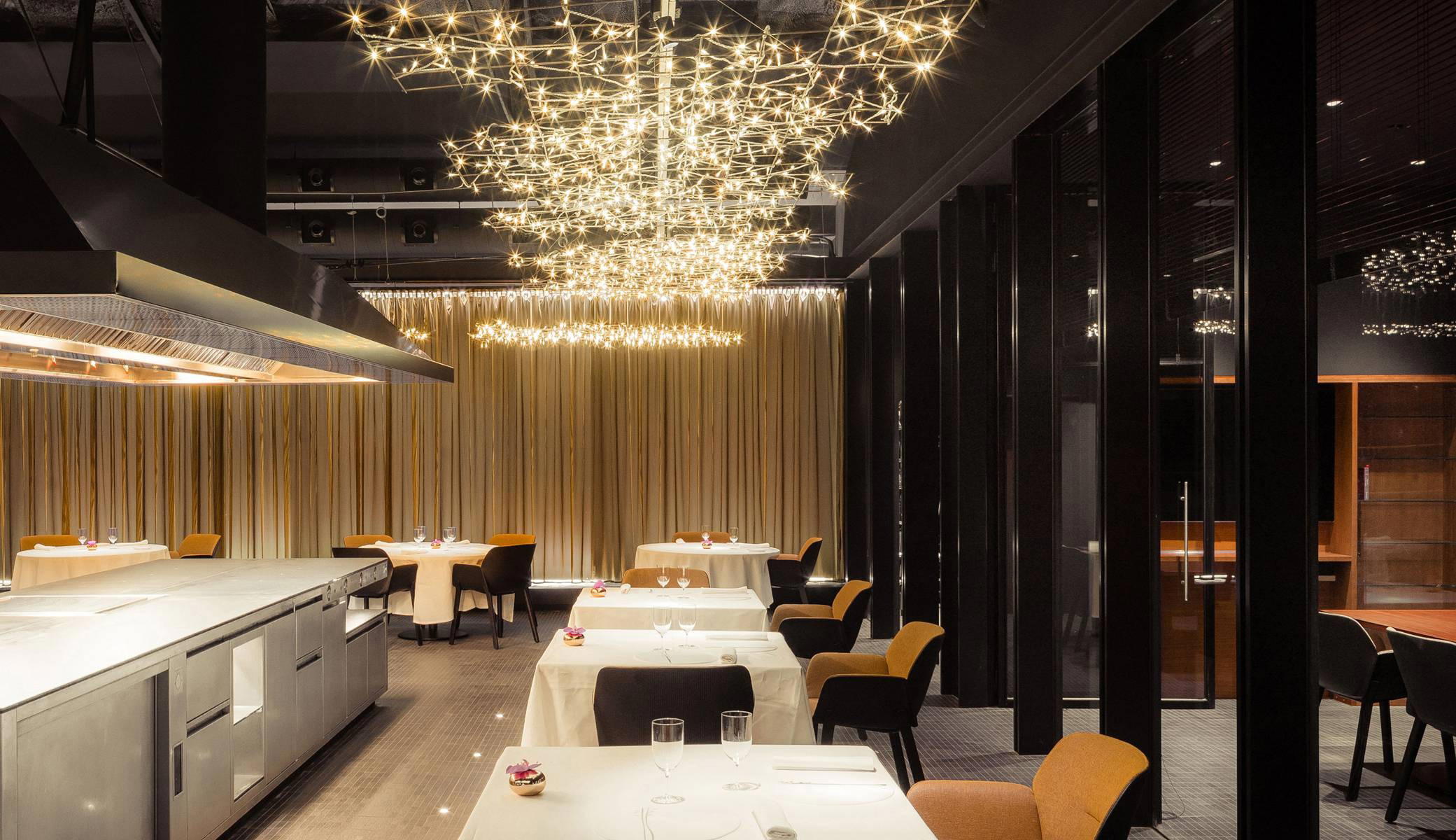
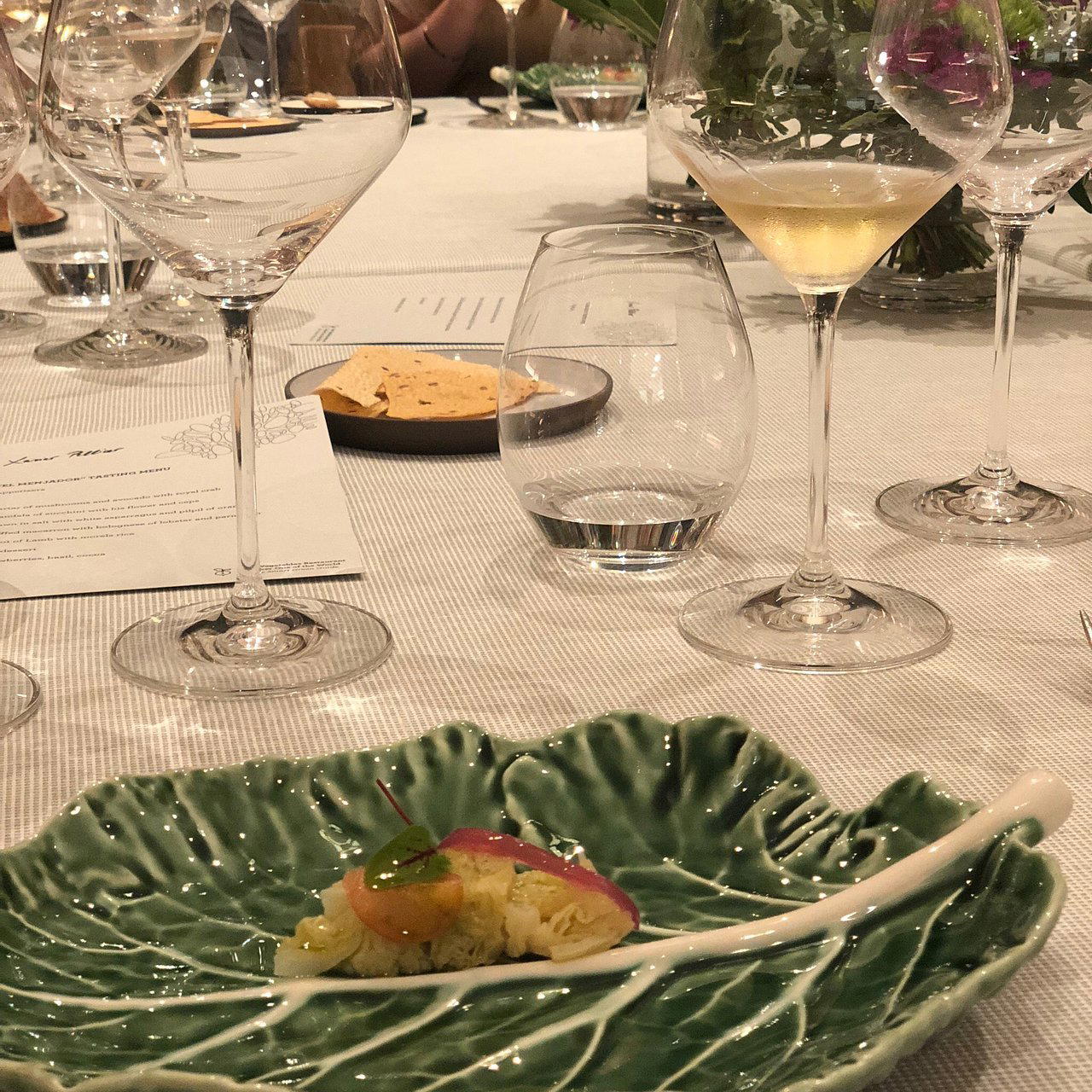
ABaC Restaurant & Hotel occupies a century-old Sarrià-Sant Gervasi villa on Avinguda del Tibidabo, where a three-Michelin-star kitchen under chef Jordi Cruz operates as the property's clear centre of gravity. Fifteen contemporary rooms, a full spa with thermal and cold-water pools, and a 2024 Michelin One Key recognition place it firmly in Barcelona's small tier of restaurant-led hotels. Rooms from $259 per night.
Pearl is the En Primeur Club membership app — saves, bookings, and concierge access live there. Same editors, same standards.
- Address
- Av. del Tibidabo, 1, Sarrià-Sant Gervasi, 08022 Barcelona
- Phone
- +34 933 19 66 00
- Website
- abacbarcelona.com
- Directions
- Get directions
 Saves & bookings on Pearl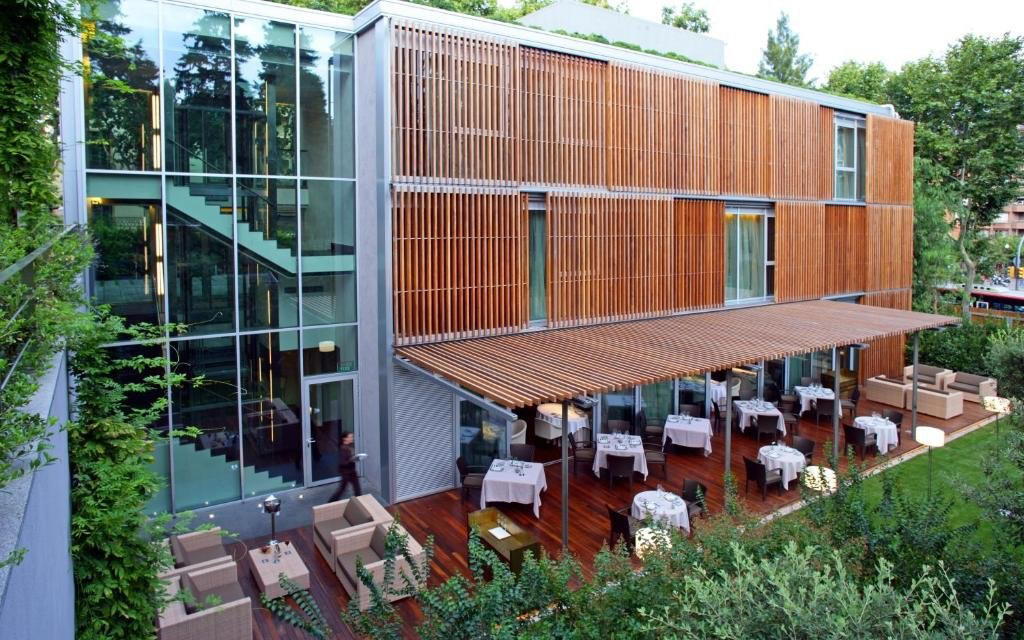
Sarrià-Sant Gervasi: The Neighbourhood That Changes the Calculus
Barcelona's dining conversation rarely begins in Sarrià-Sant Gervasi. The neighbourhood sits at the upper residential fringe of the city, climbing toward Tibidabo along wide, quiet avenues that feel deliberately removed from the Gothic Quarter's density or the Eixample's grid-locked ambition. That removal is the point. In a city where proximity to La Boqueria or Passeig de Gràcia is often treated as a prerequisite for serious dining, ABaC Restaurant & Hotel makes the counterargument from Avinguda del Tibidabo, and the argument holds. The address signals something: guests arrive here with intent, not on impulse, and the atmosphere that results from that self-selection is difficult to manufacture in a more central location.
The city itself has earned its position as one of Europe's most closely watched culinary destinations over the past two decades, a consolidation built on both tradition and serious technical ambition. What began as international fascination with Catalan modernist cooking has broadened into a wider ecosystem of high-end restaurants that treat Spain's produce and technique as a competitive resource rather than a regional curiosity. Within that ecosystem, the restaurant-led hotel has emerged as a distinct format: properties where the kitchen's reputation is the primary driver of occupancy, and where the accommodation exists to extend, not merely support, the dining experience. Atrio Restaurante Hotel in Cáceres and Akelarre in San Sebastián occupy similar territory across Spain. ABaC belongs to the same format in Barcelona.
What the Three Stars Mean for the Room Count
Fifteen rooms is a deliberate constraint. Barcelona's larger luxury hotels, properties like the Mandarin Oriental Barcelona or Hotel Arts Barcelona, operate at a scale where the restaurant is one amenity among many. ABaC inverts that logic. With only fifteen rooms, the hotel does not require walk-up restaurant business to function, and the kitchen, holding three Michelin stars under chef Jordi Cruz, does not depend on in-house guests to fill covers. The two operations reinforce each other without either becoming subordinate to the other. Michelin's 2024 One Key recognition for the hotel itself confirms that the accommodation side has earned independent standing within the guide's hospitality evaluation framework, not simply borrowed credibility from the restaurant above it.
The peer comparison matters here. Barcelona's design-led boutique properties, among them Alma Barcelona, Almanac Barcelona, and Monument Hotel, compete on interior execution and neighbourhood positioning within the central city. ABaC competes on a different axis entirely, closer in spirit to internationally distributed restaurant-hotels like Pepe Vieira Restaurant & Hotel in Poio or, at wider scale, properties where kitchen reputation structures the entire guest experience. Its review profile reflects a guest profile that arrived knowing exactly what it was booking.
The Building and What It Has Become
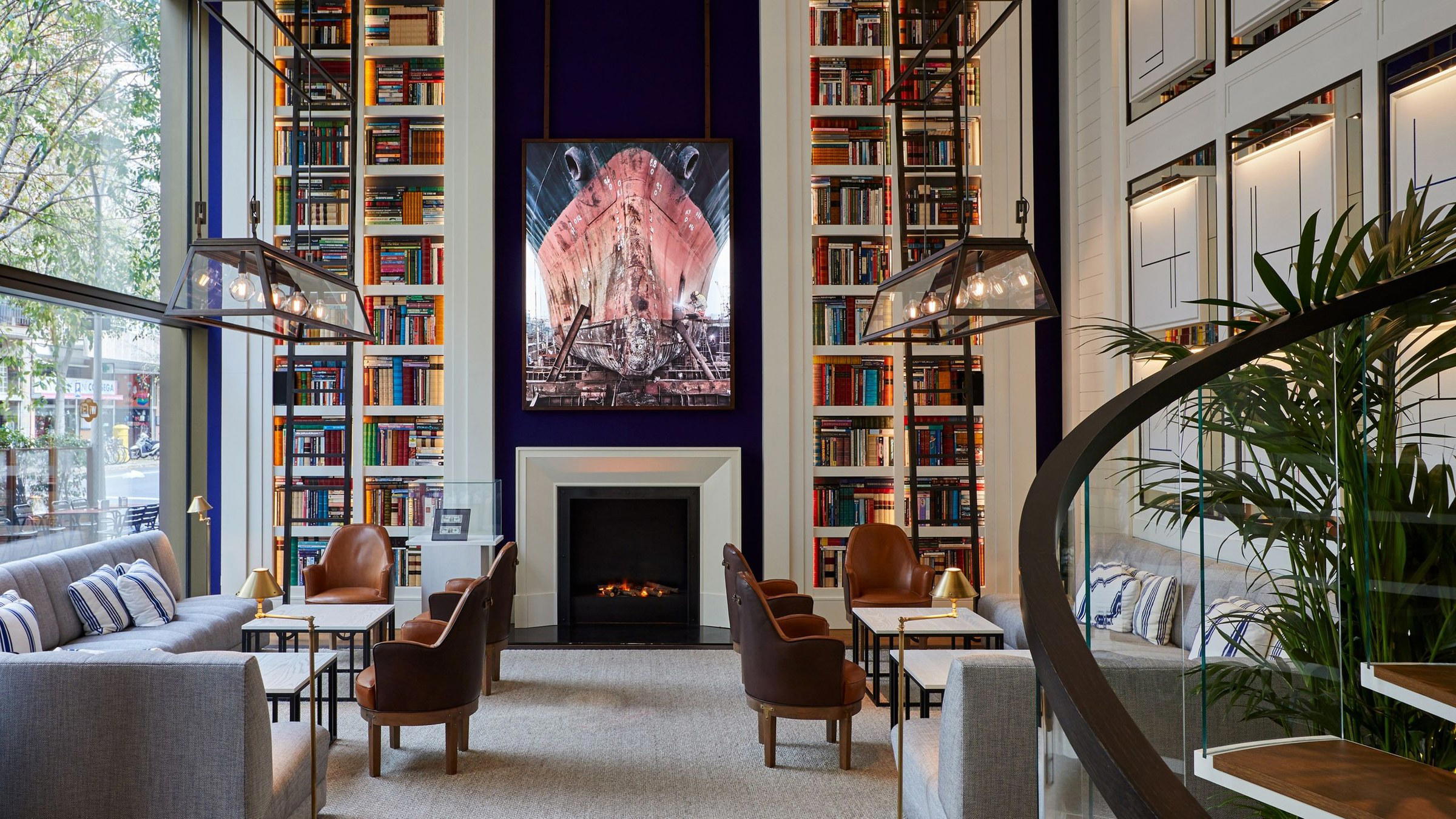
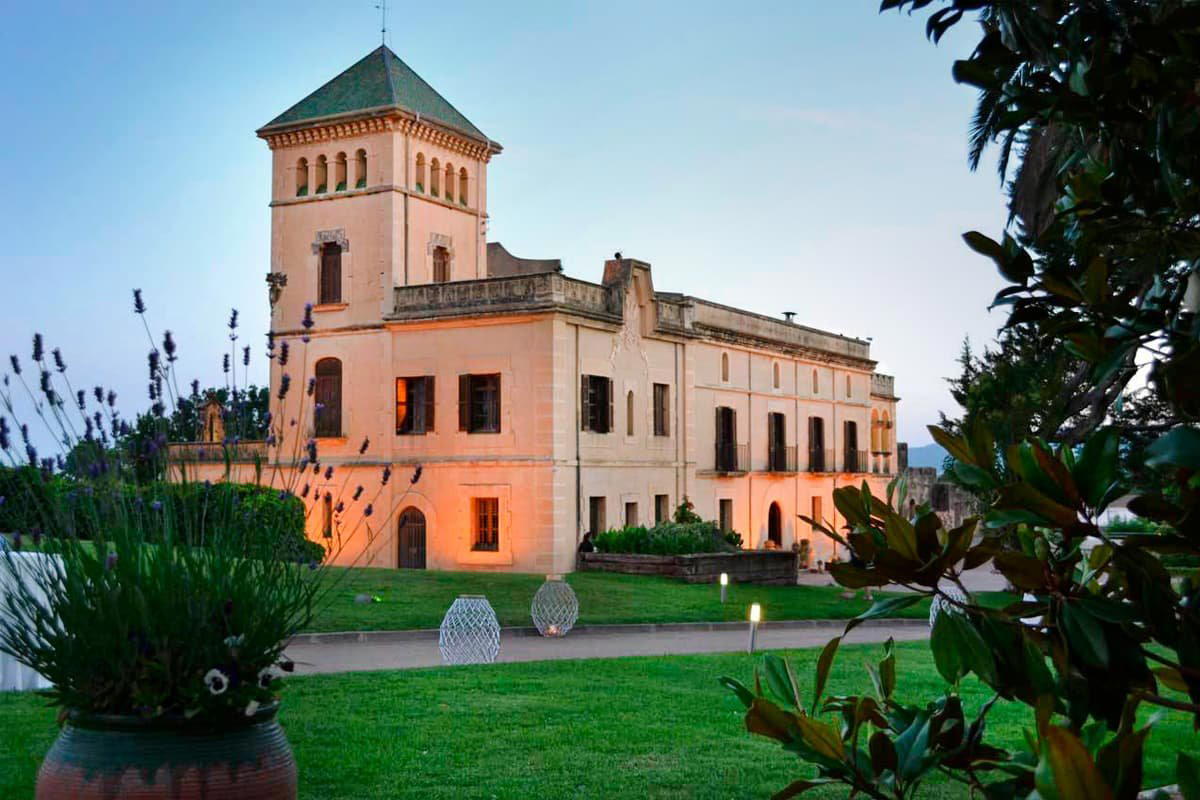
The property occupies a century-old building that has been updated rather than erased. The modernisation runs toward contemporary restraint: high-specification beds and bath fixtures, Bang & Olufsen audio-visual systems throughout, and remote-control infrastructure that handles environmental settings from a single interface. The approach is consistent with a property that wants its guests undistracted from the main event. Nothing in the room design competes with the restaurant; the quality signals are present but quiet.
Fifteen rooms at this price point position ABaC in a tier where the accommodation cost is partly a function of scarcity and partly a reflection of what access to the restaurant implies. At comparable room counts elsewhere in Spain, properties like Antiga Casa Buenavista in Barcelona or Hotel Boutique Mirlo occupy a boutique residential niche without the culinary anchor that justifies ABaC's specific pricing logic.
Beyond the Kitchen: Spa Infrastructure at an Unlikely Scale
A full-service spa with both a thermal pool and a separate cold-water pool is unusual at fifteen rooms. Most small luxury hotels at this count invest in room quality and leave spa provision to larger neighbours. ABaC's decision to build out proper hydrotherapy infrastructure, not a treatment room with a couple of beds but a dedicated thermal circuit, signals an intent to hold guests on-property across a full day. For a restaurant-hotel on Tibidabo, where the surrounding neighbourhood offers limited competing claims on guest time, that retention logic makes sense. Arriving for dinner the evening before, using the thermal facilities the following morning, and departing without having needed the city centre at all is a coherent itinerary.
That kind of self-contained programming is common at rural Spain counterparts. Abadía Retuerta LeDomaine in Teruel and Mas de Torrent Hotel & Spa in Torrent operate on that full-immersion model in contexts where the surrounding landscape provides the logic. ABaC achieves something similar within a major city, which is a less common structural proposition.
Placing ABaC in the Wider Spain Conversation
Spain's premium hotel market has fragmented productively over the past decade. The large international flags, represented in Madrid by the Mandarin Oriental Ritz, Madrid, operate at one end. At the other, smaller properties built around a single defining credential, a chef, a vineyard, a historic structure, occupy territory that international chains rarely contest directly. Within the Catalan context, Terra Dominicata in Escaladei anchors its offer in wine; ABaC anchors in kitchen. Both are coherent propositions at fifteen rooms or fewer.
Beyond Spain, the format has international precedents at properties like Aman Venice or Aman New York, though those operate at a different scale and price tier. The through-line is the same: an accommodation offer that presupposes a primary reason to be there that isn't the room itself. For guests whose primary reason is a three-Michelin-star table in Barcelona, the logic assembles cleanly.
Planning a Stay
The address on Avinguda del Tibidabo is reachable from central Barcelona by taxi, though most guests at this price point arrive by private transfer. Nightly rates begin at $259 for the fifteen available rooms. Given the room count and the restaurant's profile, advance booking is essential. Restaurant reservations and room booking should be treated as separate logistics. Comparable small luxury stays in the city include Mercer Hotel Barcelona, which anchors its identity in Roman archaeology rather than fine dining, and offers a useful point of contrast for guests calibrating the city's boutique hotel spectrum.
Peers You’d Cross-Shop
Comparable venues nearby, for context on price, style, and recognition.
| Venue | Cuisine | Price | Notes |
|---|---|---|---|
| ABaC Restaurant & HotelThis venue — the venue you are viewing | Contemporary boutique hotel in a former private estate | $$$$ | Not listed |
| Ohla Eixample | Contemporary urban boutique with artistic ceramic façade | $$$$ | la Dreta de l'Eixample |
| Alma Barcelona | Contemporary luxury design hotel housed in a restored early 20th-century Eixample building with classical and modernist room categories. | $$$$ | la Dreta de l'Eixample |
| The One Barcelona | Contemporary luxury design hotel with Mediterranean influences, executed by prestigious designer Jaime Beriestain, positioned as an urban sanctuary near architectural landmarks. | $$$$ | la Dreta de l'Eixample |
| Hotel Boutique Mirlo | luxury boutique hotel with private spa rooms and lush gardens | $$$$ | Sant Gervasi - la Bonanova |
| Wittmore Hotel Barcelona | Contemporary English country house style in a historic Gothic Quarter building | $$$$ | Barri Gotic |
Recognition history
Dated appearances from independent guides and award organizations, with the underlying list record or original source where available.
Michelin 1 Key
Michelin
Michelin 1 Key
Michelin
Continue exploring
More in Barcelona
Hotels in Barcelona
Browse all →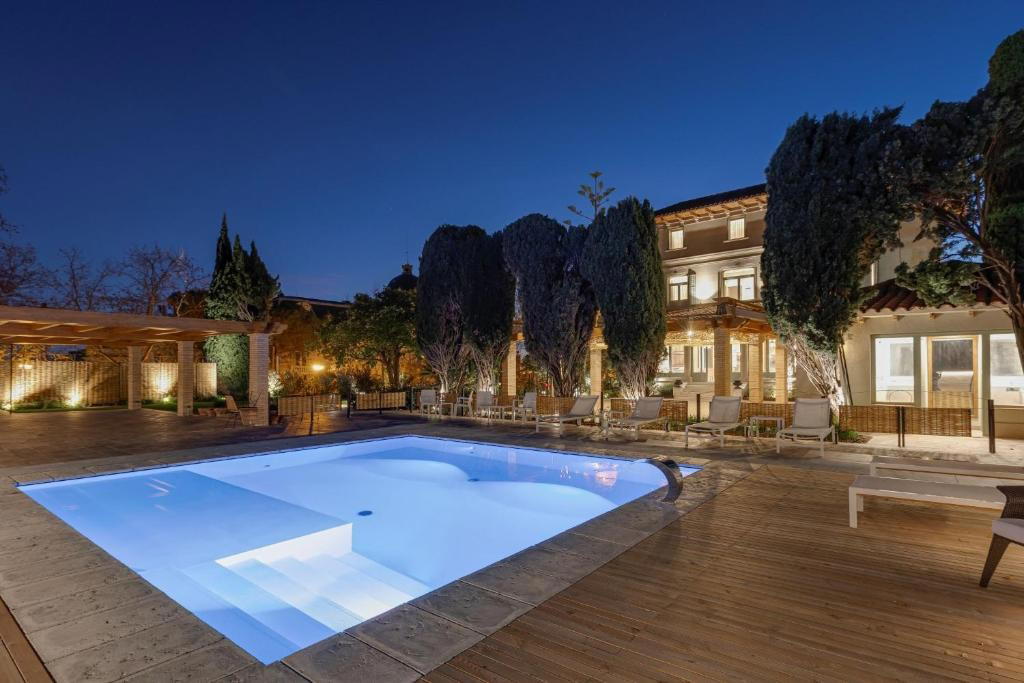

Bars in Barcelona
Browse all →

Restaurants in Barcelona
Browse all →
At a Glance
- Elegant
- Sophisticated
- Quiet
- Intimate
- Romantic Getaway
- Anniversary
- Celebration
- Garden
- Private Dining
- Spa
- Room Service
- Concierge
- Garden
- Spa
- Room Service
- Concierge
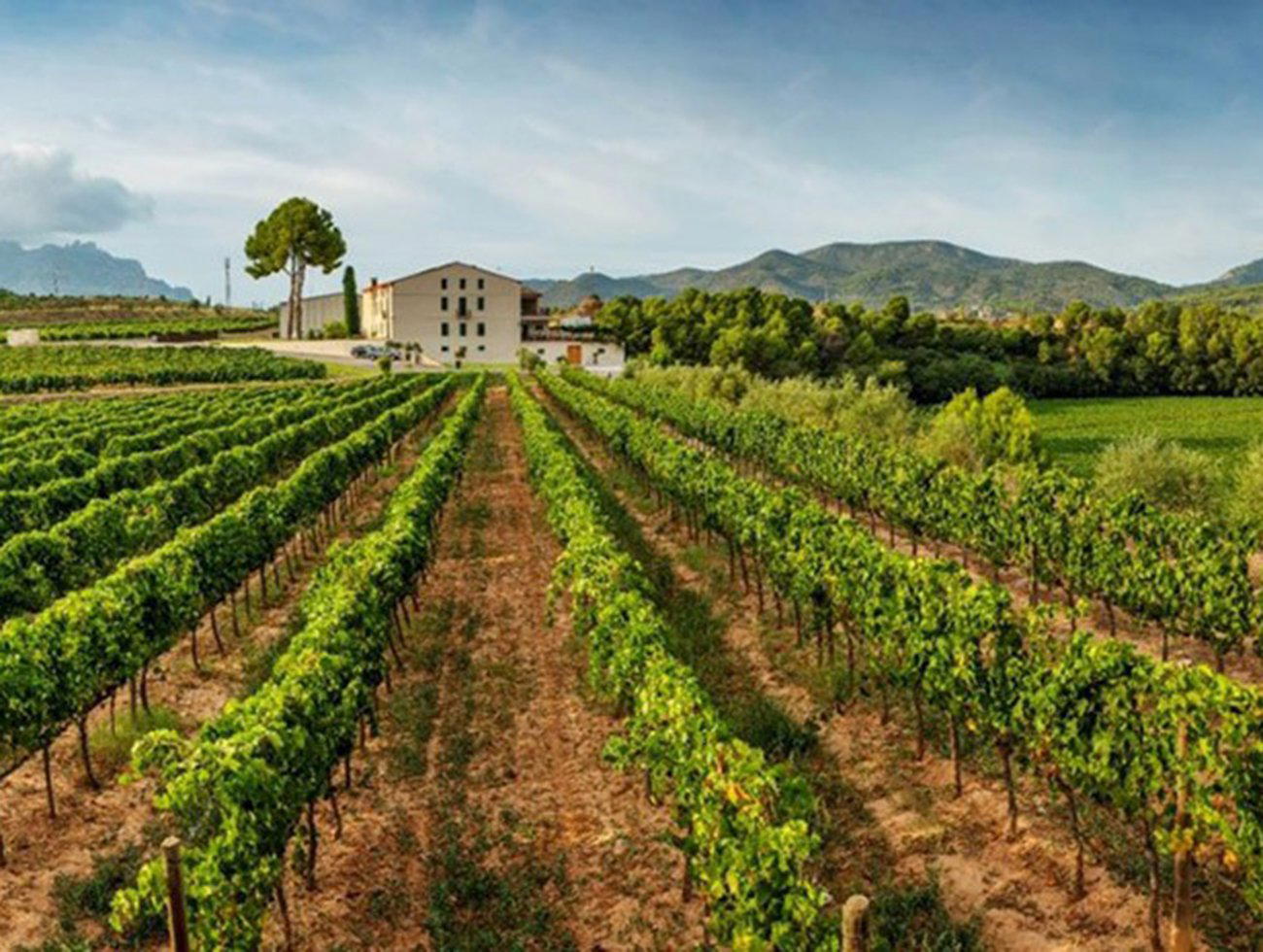
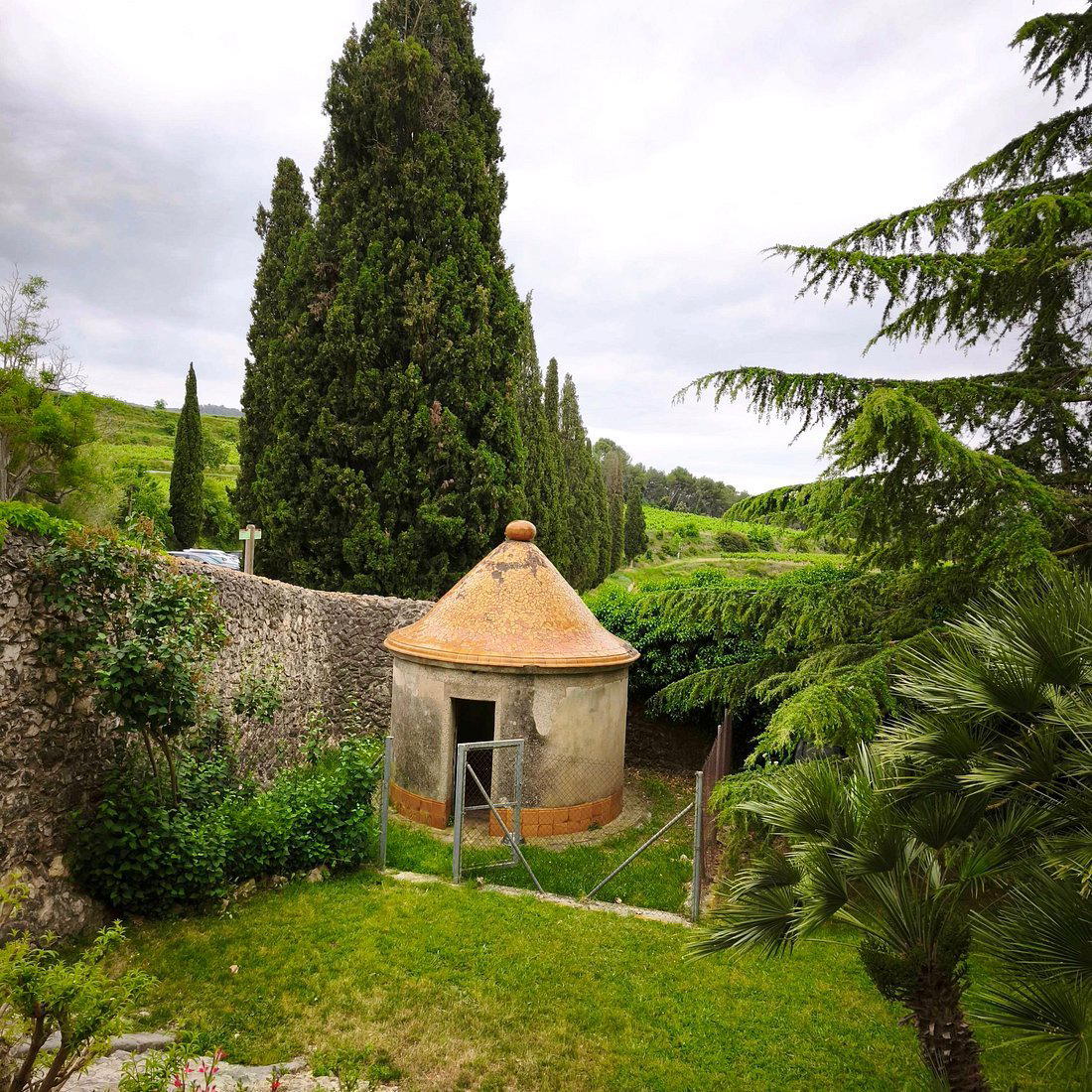
Tranquil garden setting with elegant, sophisticated atmosphere, peaceful lighting, and attention to design details.