Our verdict
In a city where the gap between casual local eating and polished contemporary cuisine is widening, this address holds a position in between.

Pearl is the En Primeur Club membership app — saves, bookings, and concierge access live there. Same editors, same standards.
- Address
- Carrer de Grànius, 4, 08224 Terrassa, Barcelona, Spain
- Phone
- +34635314284
- Website
- colmado1917.com
- Directions
- Get directions
- Booking
- Book on OpenTable
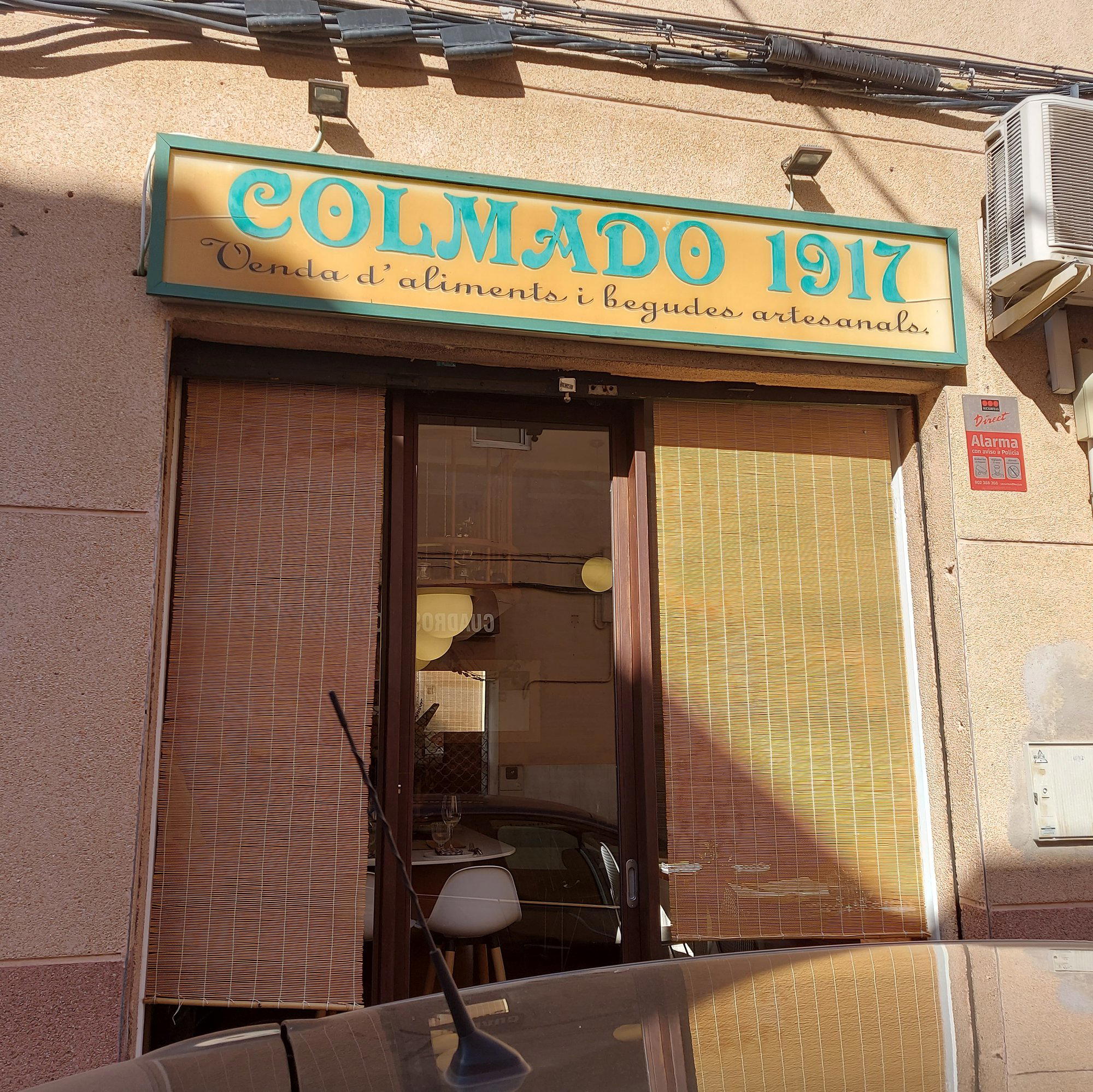
What the Colmado Format Means in Practice
The colmado as a category sits between a delicatessen and a neighbourhood bar, and the distinction from both is meaningful. Unlike a deli, it traditionally serves food on-site; unlike a bar, its identity is anchored in the quality and provenance of what it sells rather than in the drinks programme or the social ritual of the space. In Catalonia, the colmado was historically where you bought cured meats, conserves, cheese, and local wines, and where, if the counter had room, you ate some of it standing up. The format rewards sourcing intelligence over kitchen complexity, which is precisely why it has survived longer in smaller cities and market towns than in places where restaurant economics pushed food retail into supermarkets. El Celler de Can Roca in Girona and Arzak in San Sebastián, Azurmendi in Larrabetzu, Martin Berasategui in Lasarte-Oria, Mugaritz in Errenteria, DiverXO in Madrid, Ricard Camarena in València, Quique Dacosta in Dénia, and Aponiente in El Puerto de Santa María, addresses where technique, concept, and critical attention have converged over years. Further afield, rooms like Le Bernardin in New York City and Lazy Bear in San Francisco represent the kind of deeply considered, format-defining dining that earns sustained international attention. The city's dining identity is a working-city one, oriented around value, neighbourhood loyalty, and food that reflects Catalan pantry traditions rather than international fine dining trends.enprimeurclub.enprimeurclub.enprimeurclub. Colmado 1917 occupies a different niche from all of them, one that is harder to replicate and less legible to visitors arriving without local context. That placement is part of the point. A colmado that draws primarily from the neighbourhood produces a different room, a different conversation, and a different level of regulars than one positioned on a tourist route. In cities where neighbourhood commerce has been displaced, addresses like this one function as markers of what the eating culture of a place used to look like, and in some cases still does. Eating here is not a destination exercise in the way that booking months ahead at a tasting-menu counter is. It is the kind of meal that reveals a city's ordinary eating life, which for many travellers carries its own particular interest.enprimeurclub.
Planning a Visit
No booking data, hours, or contact details are currently confirmed in the EP Club database for Colmado 1917.
Frequently asked questions
What's Colmado 1917's location?
Colmado 1917 is located at Carrer de Grànius, 4, 08224 Terrassa, Barcelona, Spain, Terrassa.
Is Colmado 1917 a good option for eating near central Terrassa?
Carrer de Grànius sits within the older commercial and residential fabric of Terrassa, roughly 30 kilometres northwest of Barcelona, putting Colmado 1917 well within reach of the city centre on foot or by local transport. As a colmado rather than a full-service restaurant, it suits an informal stop built around provisions and counter eating rather than a set-menu lunch. For visitors to Terrassa looking for something outside the conventional mid-range restaurant format, the colmado category offers a distinctly Catalan alternative.
What do regulars order at Colmado 1917?
At a colmado operating on the traditional provisions-shop model, eating follows what is stocked rather than what a kitchen prepares to order. That typically means conservas, cured meats, local cheeses, and whatever is open behind the counter on a given day. Colmado 1917's address on Carrer de Grànius, 4 places it in a working residential stretch of Terrassa rather than a tourist-facing zone, which tends to keep the selection oriented toward local supply lines rather than curated showcase plates.
Do I need a reservation for Colmado 1917?
The colmado format is walk-in by design: counter seating or standing space rather than a booked table. Colmado 1917's location on Carrer de Grànius in Terrassa sits outside the city's main visitor circuits, which generally means lower foot pressure than a restaurant in a more trafficked area. No booking data is currently held in the EP Club database, so arriving directly at Carrer de Grànius, 4 is the practical approach.
Just the Basics
| Venue | Cuisine | Price | Awards | Notes |
|---|---|---|---|---|
| Colmado 1917This venue — the venue you are viewing | Traditional Catalan Tapas | $30–50 | Not listed | Not listed |
| Vapor Gastronòmic | Modern Spanish Brasa | $30–50 | Michelin Bib Gourmand · Macarfi 7.2 Food Rating | Regional Cuisine |
| La Bodeguilla | Traditional Mediterranean Market Cuisine | Not listed | Michelin Plate · Macarfi 7 Food Rating | Traditional Cuisine |
| El Cel de les Oques | Modern Catalan | $30–50 | Michelin Bib Gourmand · Macarfi 7.3 Food Rating | Modern Cuisine |
| Casa Nita | Contemporary Catalan Farm-to-Table | $50–100 | Michelin Plate | Farm to table |
| Brasayleña - CC Parc Valles | Brazilian Rodizio | Not listed | Not listed | Not listed |
Continue exploring
More in Terrassa
Restaurants in Terrassa
Browse all →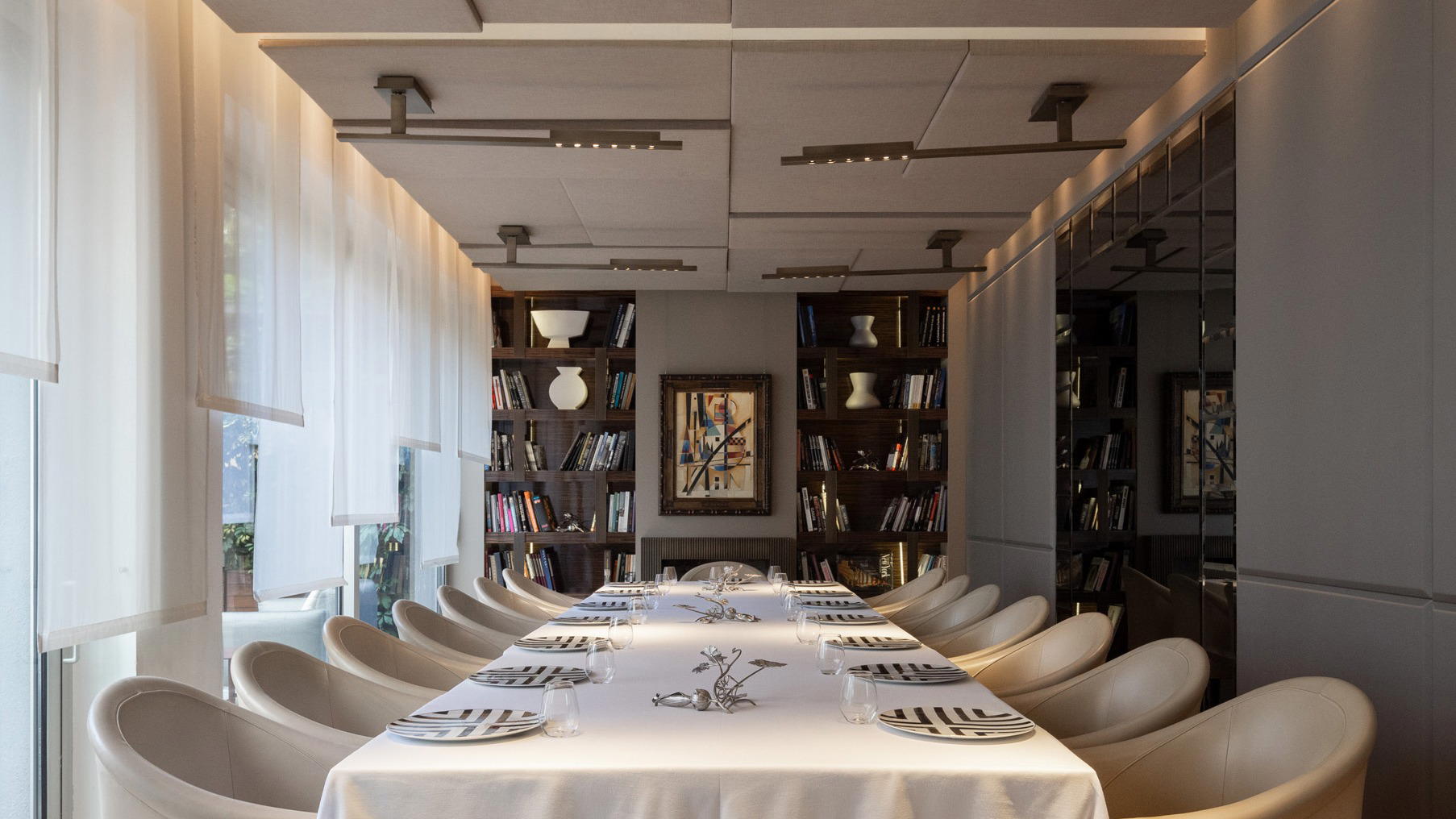
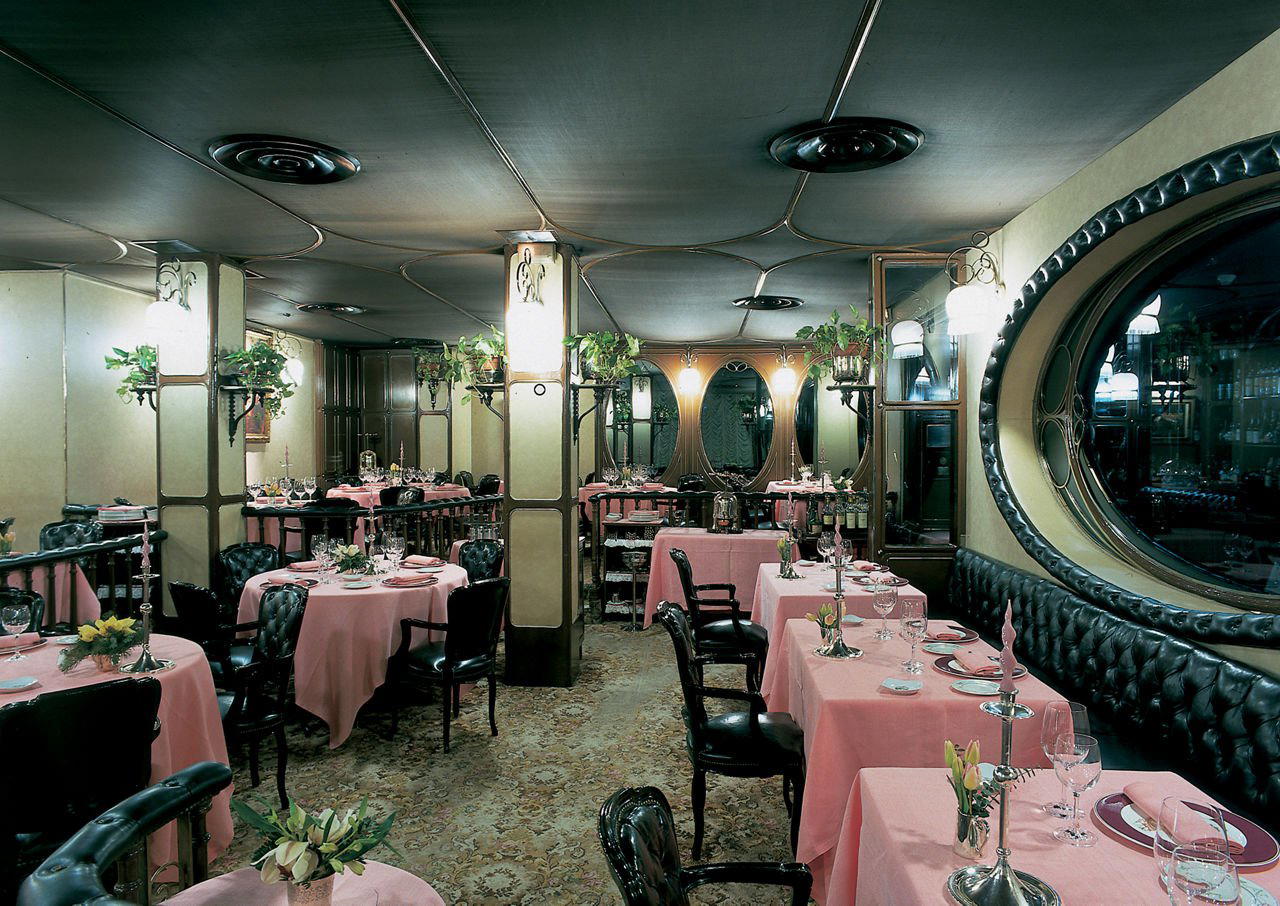
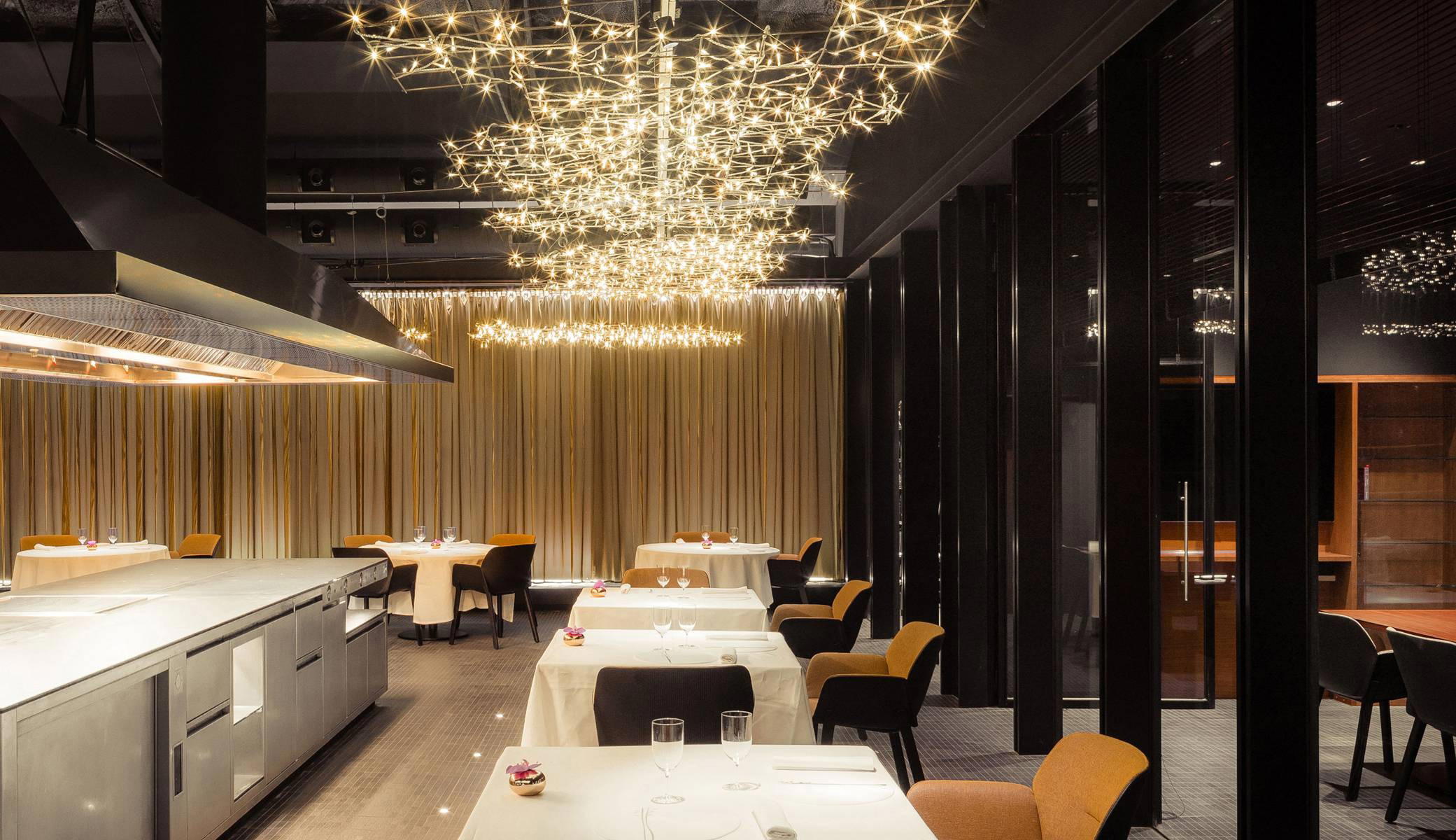
Bars in Terrassa
Browse all →
Hotels in Terrassa
Browse all →
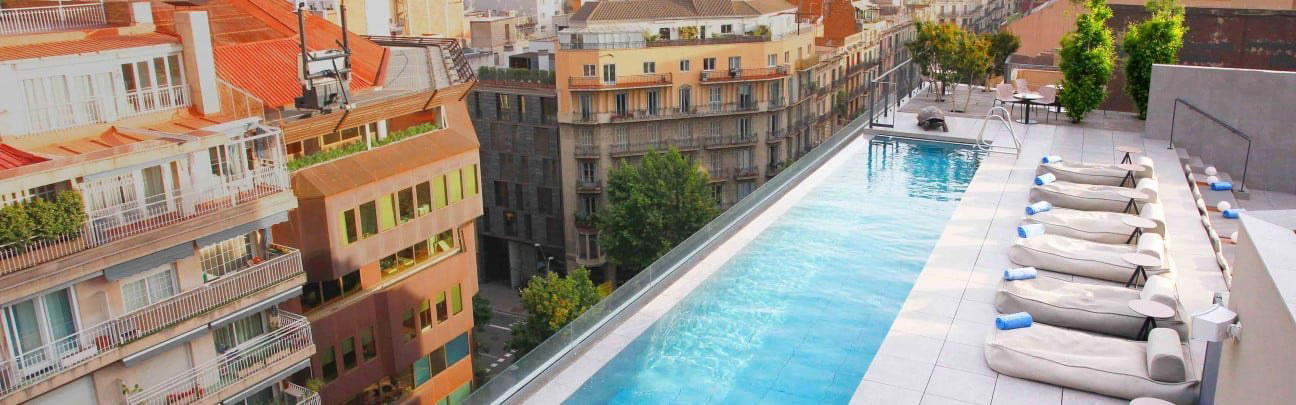
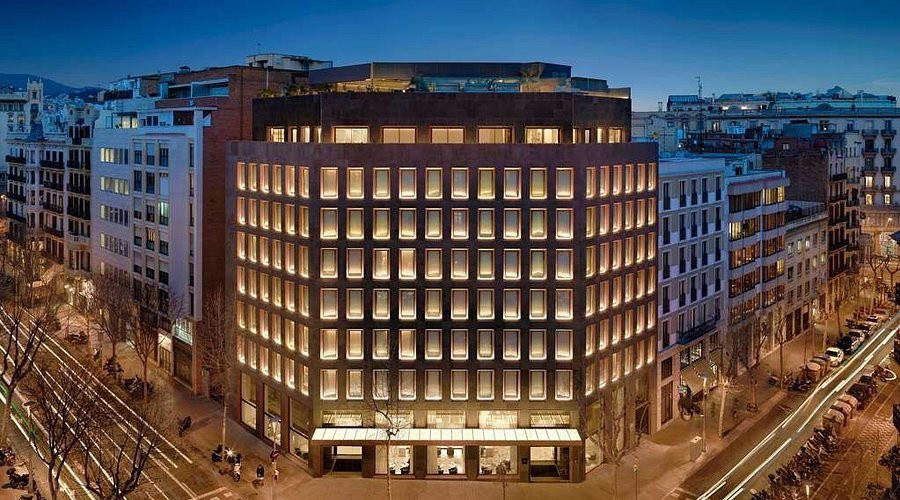
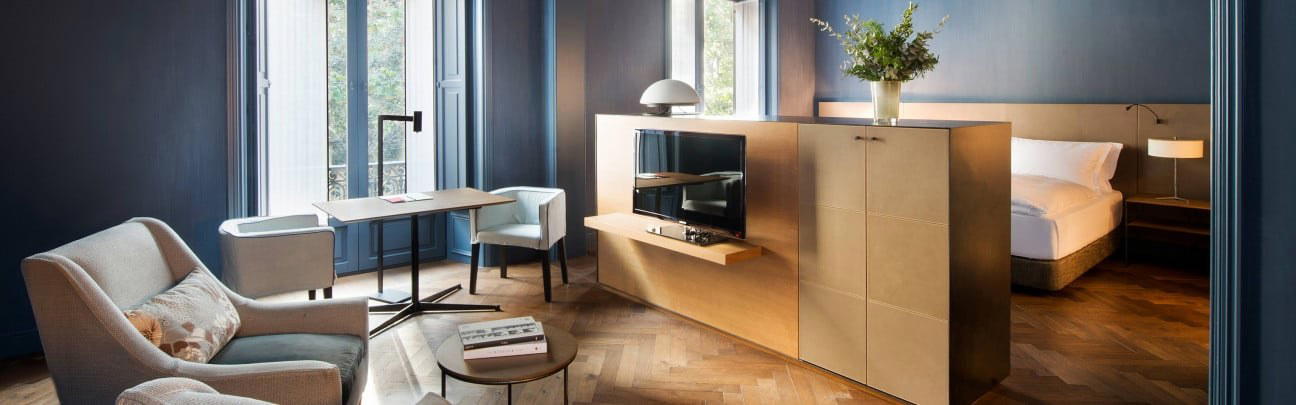
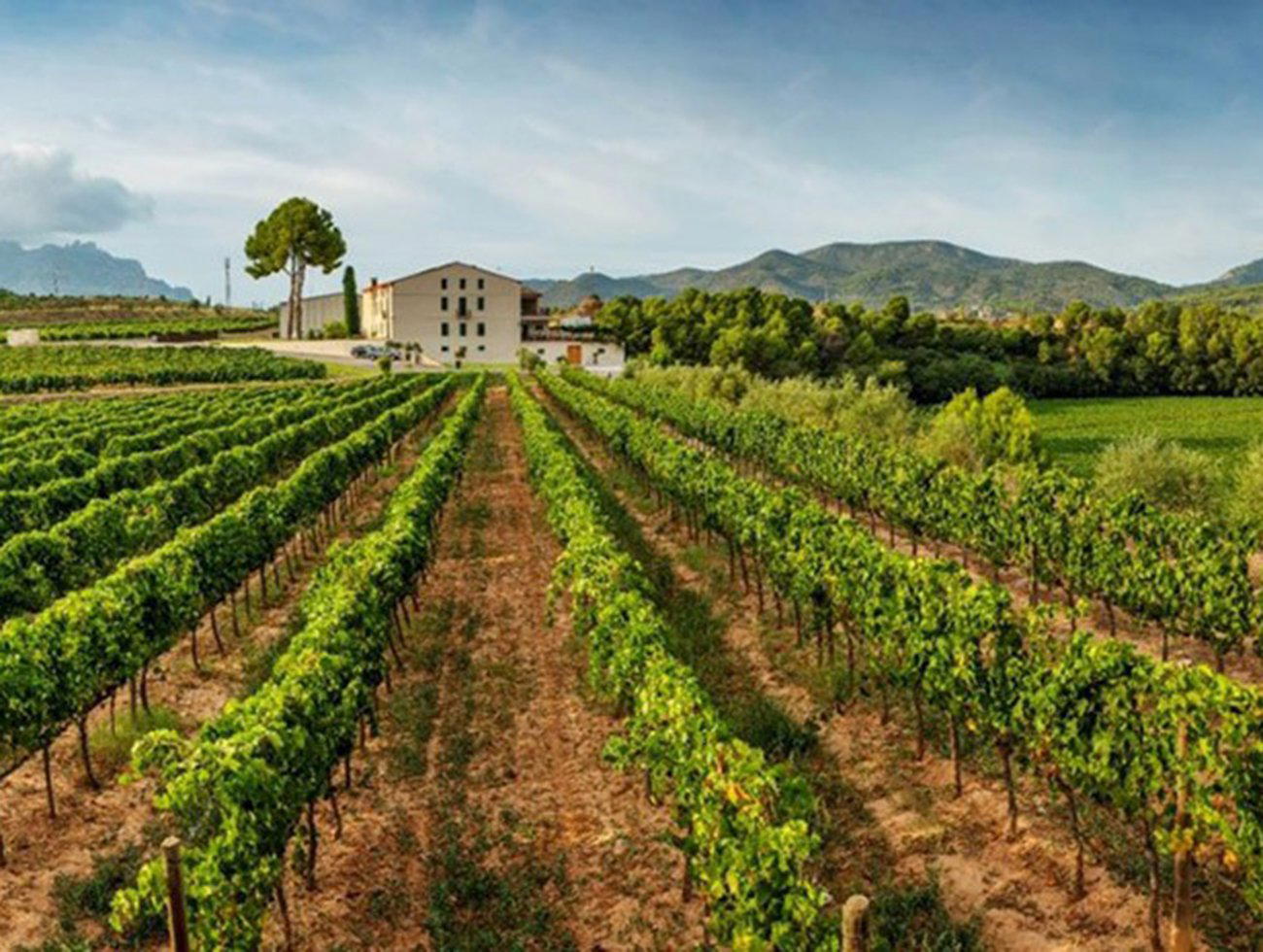
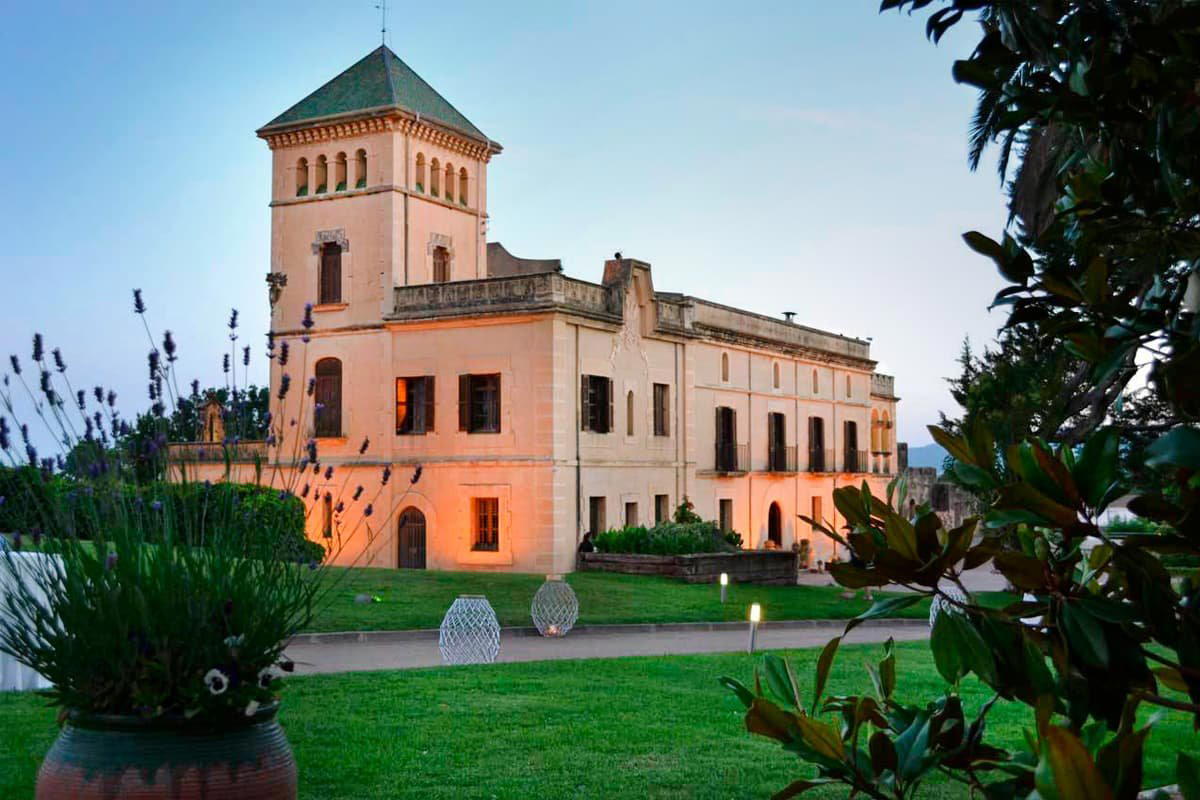
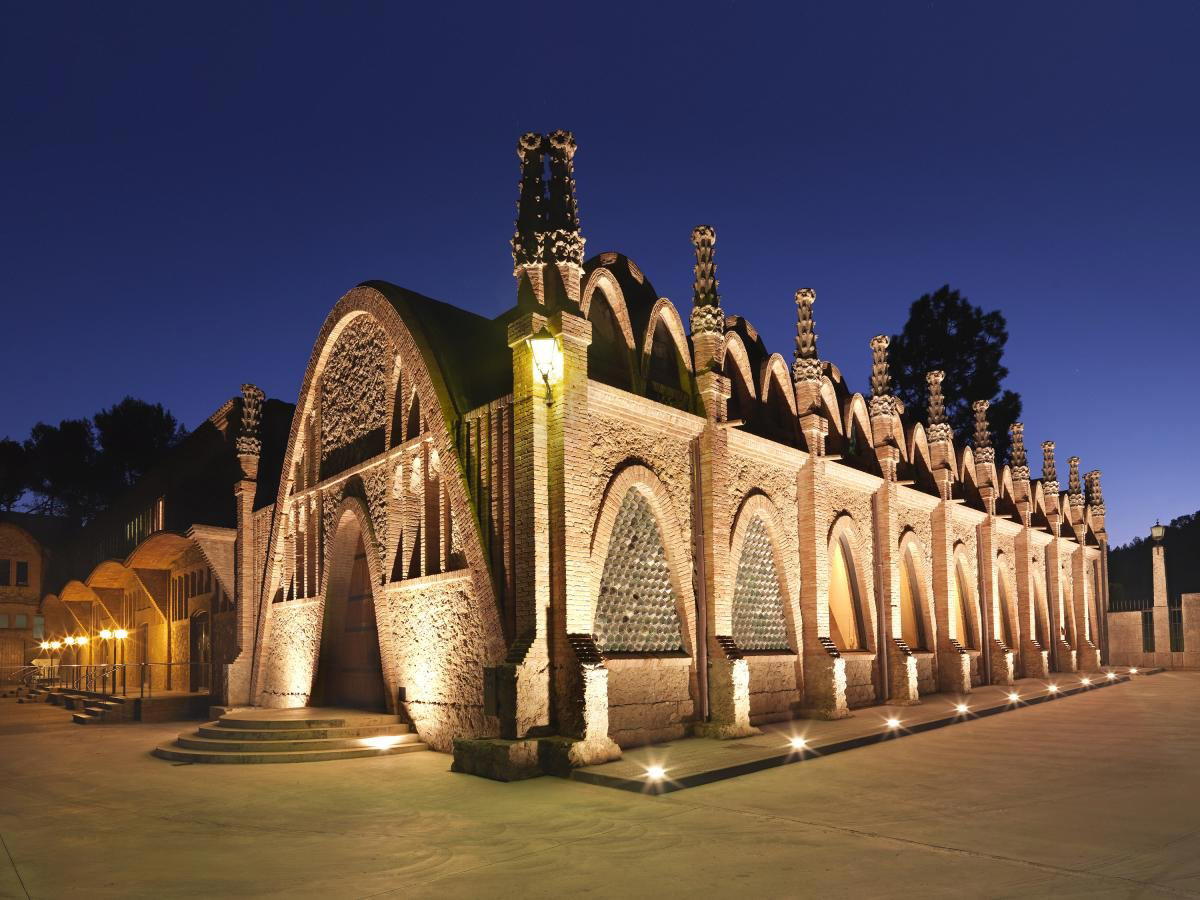
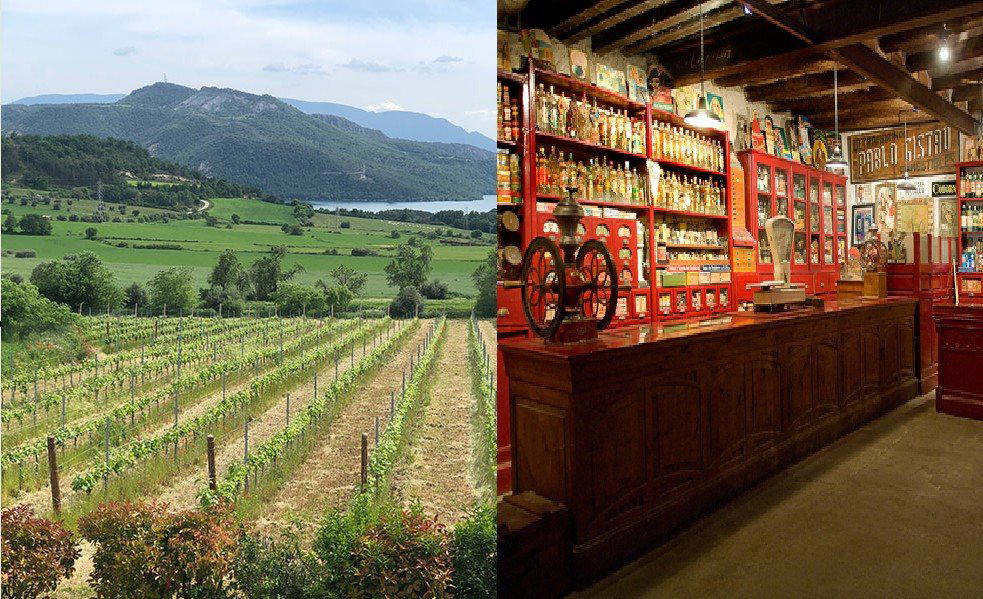
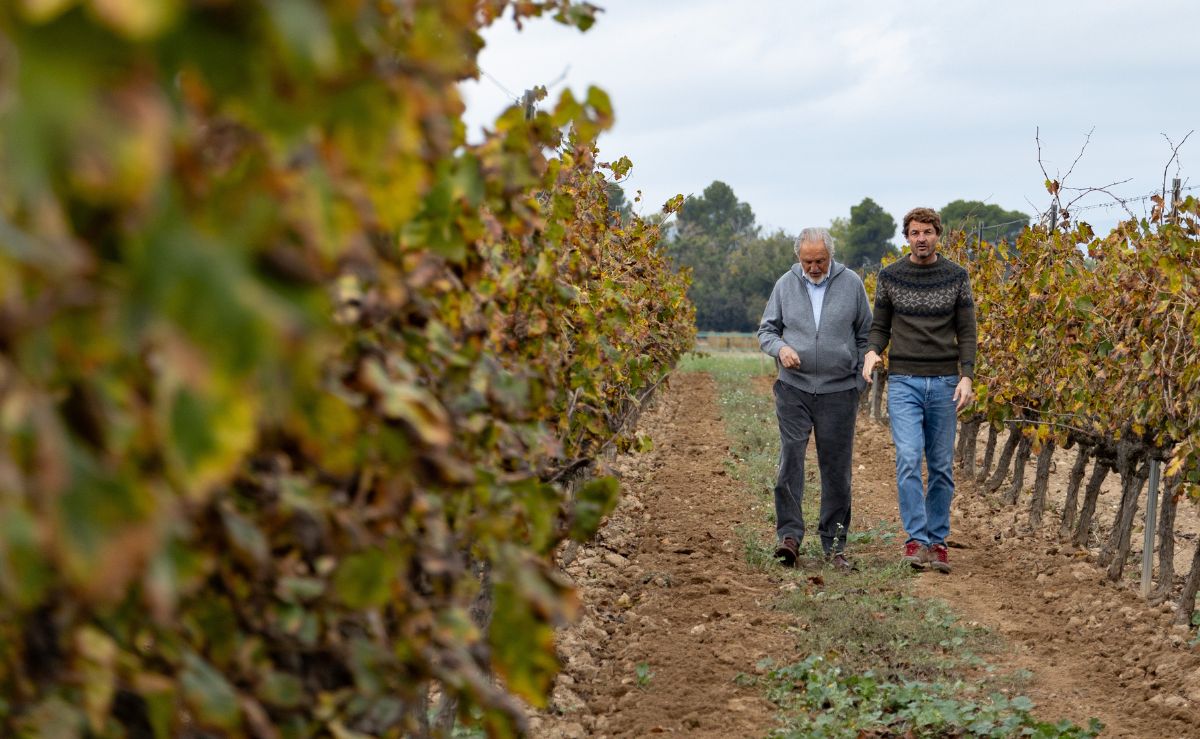
Colmado 1917
The wine
- Wine program
- Curated wine list
- Extensive wine list
Details
- Cozy
- Intimate
- Rustic
- Date Night
- Special Occasion
- Open Kitchen
- Historic Building
- Extensive Wine List
- Local Sourcing
- Small Plates
- Vegetarian Friendly
- Vegan Options
Cozy and relaxed atmosphere with decoration inspired by old colmado stores, offering an intimate dining experience near the chef.