


Michelin Selected · Leading Hotels of World Member · Forbes Recommended
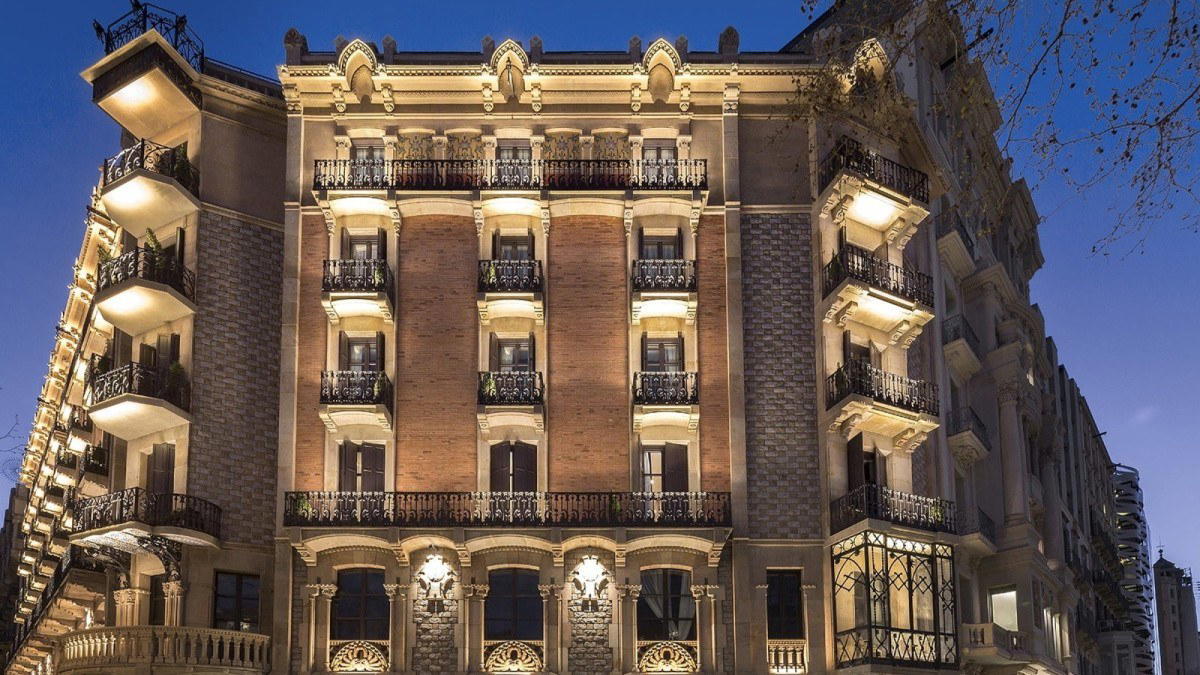
Built in 1908 by Lluís Domènech i Montaner, Hotel Casa Fuster occupies one of Passeig de Gràcia's most architecturally significant addresses. The 105-room property sits at the gateway to the Gràcia neighbourhood, with Café Vienés — a longtime intellectual gathering point — operating at street level, and a rooftop pool terrace offering views toward the Mediterranean on clear days.

Pearl is the En Primeur Club membership app — saves, bookings, and concierge access live there. Same editors, same standards.
- Address
- Pg. de Gràcia, 132, Gràcia, 08008 Barcelona
- Phone
- +34 932 55 30 00
- Website
- hotelcasafuster.com
- Directions
- Get directions
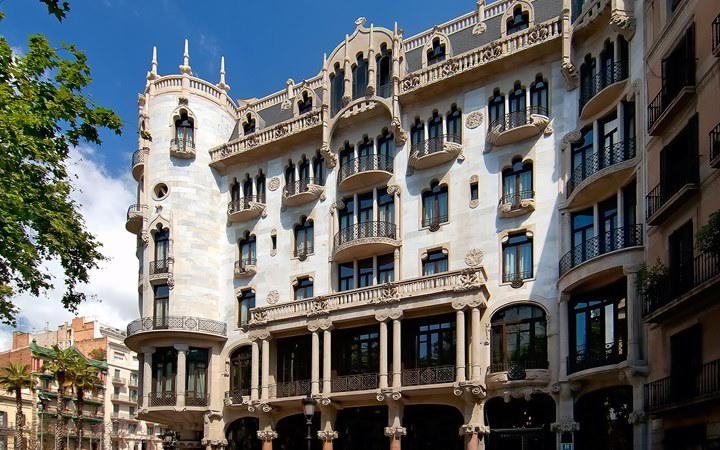
Where Passeig de Gràcia Meets the Gràcia Quarter
The upper stretch of Passeig de Gràcia, where Barcelona's grid begins to loosen and the boulevard narrows toward the neighbourhood that shares its name, is one of the city's more consequential addresses. Hotels here position against both the commercial weight of the avenue — luxury retail, Modernista landmarks, corporate foot traffic — and the residential texture of Gràcia itself, a district of narrow streets, independent boutiques, and a dining scene that has tracked considerably younger and more international over the past decade. Hotel Casa Fuster occupies the hinge point between these two zones, at number 132 on the Passeig. That address is not incidental. It defines what the property can offer in a way that a mid-block placement further south, closer to the Eixample's denser hotel concentration, simply could not.
The Building as Context
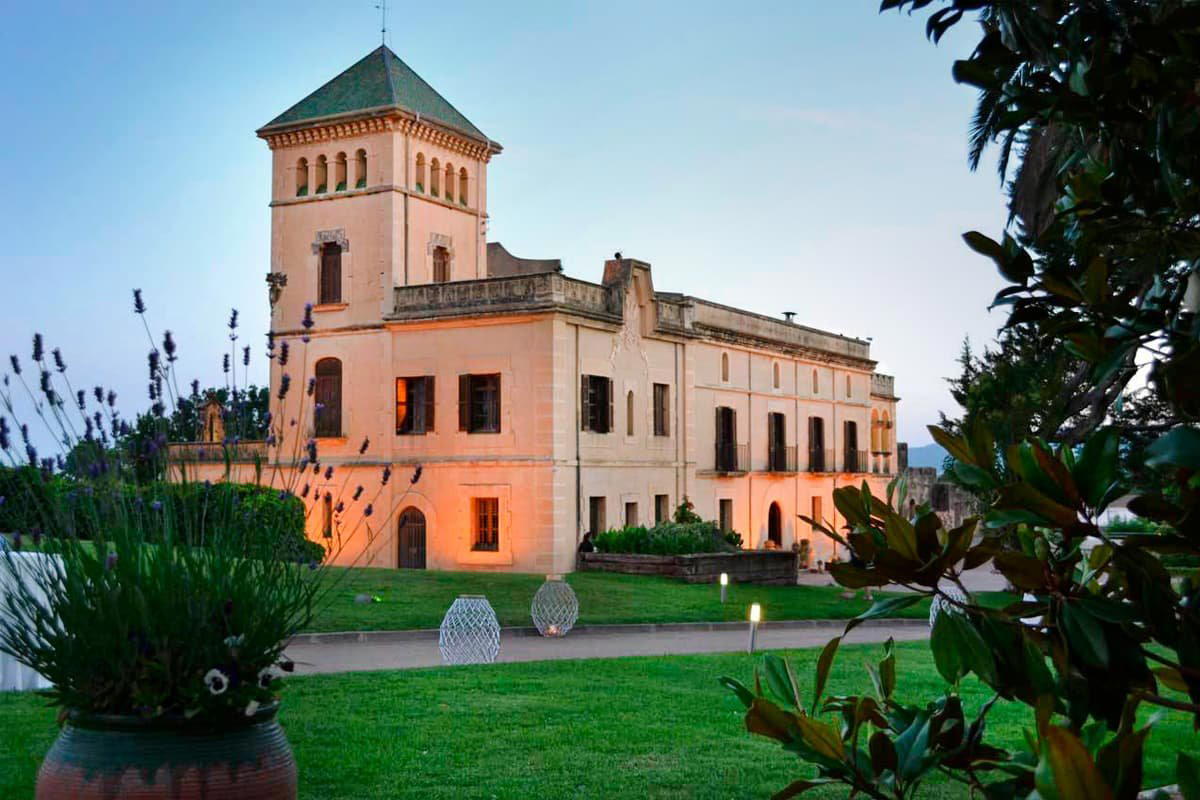
Lluís Domènech i Montaner completed Casa Fuster in 1908, commissioned by Majorcan industrialist Mariano Fuster as a gift to his wife. The building entered the Catalan Modernisme canon alongside the work of Antoni Gaudí, Domènech i Montaner's contemporary, though it has historically received less international attention despite several of his works holding UNESCO World Heritage status. The facade reads as a set piece in the streetscape: ornate stonework, curved iron balustrades, and the kind of crafted excess that characterised Barcelona's early-twentieth-century architectural ambition. After decades as the headquarters of the local electrical company, a full restoration converted it into a hotel. The ground-floor salon, where the Fuster family once hosted society receptions, now operates as Café Vienés.
For travellers comparing luxury options along the Passeig de Gràcia corridor, the building itself functions as a differentiator. Properties such as Mandarin Oriental Barcelona and Almanac Barcelona offer strong contemporary programmes; Casa Fuster's argument rests on architectural authenticity and historical density that newer or renovated properties cannot replicate by definition.
The Ground Floor: Café Vienés and Thursday Nights
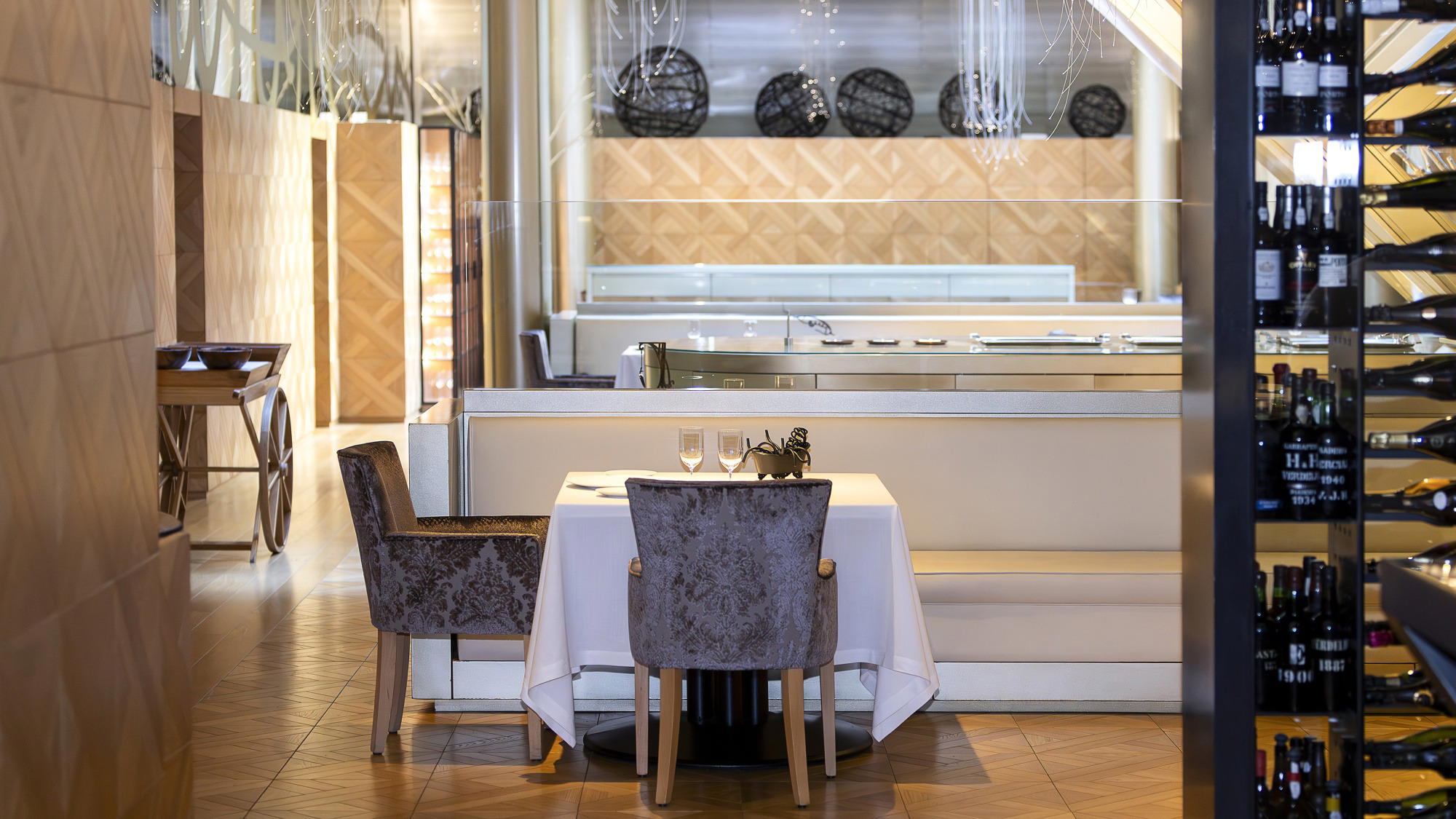
Barcelona's hotel café culture occupies a specific social register, spaces that function for guests but also draw a local clientele independently of the rooms above. Café Vienés operates in that tradition. The room carries its history as an intellectual salon, and the format reflects it: tapas including patatas bravas and Iberian cured ham croquettes anchor the food offer, cava the drinks. The draw is as much the space as the menu.
Thursday evenings shift the register entirely. Café Vienés converts to a jazz club format, pulling both residents and tourists into what has become a fixture on the city's live music circuit. Acts including the Yoshida Brothers and Conal Fowkes have performed here. The format, intimate room, known names, limited nights, places it in the specialist tier of Barcelona's live programming, where the low-capacity setting matters as much as the billing. Woody Allen, a documented regular in Barcelona, has played saxophone at the venue during his visits, lending the room an association with a particular era of New York jazz sensibility that reads differently in a Catalan Modernista salon than it would anywhere else.
The Rooftop: Views as a Practical Argument
Rooftop access in Barcelona has become a standard luxury hotel amenity, with properties across the Eixample competing on altitude, pool size, and sightline claims. Terraza Blue View, Casa Fuster's rooftop offering, draws its argument from position rather than scale. From the upper Passeig de Gràcia, on days when the coastal haze clears, the line of sight extends to the Mediterranean. The pool and cocktail terrace operate within that visual context, which is a function of the hotel's address at the avenue's northern reach, further south, the Eixample's denser massing interrupts that sightline.
For travellers weighing rooftop access against alternatives, the view axis here differs from what waterfront properties like Hotel Arts Barcelona provide. The Arts looks directly at the sea from the Barceloneta shoreline; Casa Fuster's rooftop looks toward it across the city, with Gaudí's Sagrada Família and the Eixample grid in the foreground. These are different visual propositions, and the choice depends on what the traveller wants to orient toward.
The Rooms
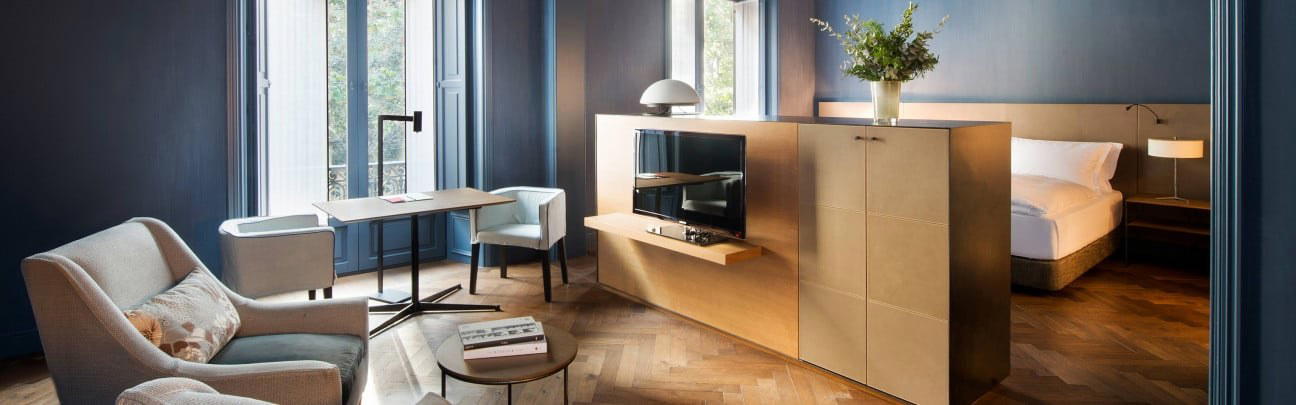
The 105 rooms and suites are finished in warm neutral tones with marble bathrooms and bathtubs throughout. The Deluxe category, which faces Passeig de Gràcia and includes a walk-in dresser, is the entry point for guests who want the address to function visually as well as logistically. The Senior Suite extends the offer with a large living room, significant avenue views, and a private sauna, a configuration that positions it within the top tier of the property's accommodation range without requiring the hotel's largest suite category.
Barcelona's luxury hotel market has expanded and differentiated considerably over recent years. Properties including Alma Barcelona, ABaC Restaurant & Hotel, and Mercer Hotel Barcelona each occupy distinct niches, gastronomy-led, design-led, or Gothic Quarter heritage. It holds Leading Hotels of the World membership as of 2025, placing it within that organisation's quality verification framework alongside properties such as Antiga Casa Buenavista and Hotel Boutique Mirlo.
The Neighbourhood Access Point
The hotel's position at the top of Passeig de Gràcia places guests within a few minutes of Gràcia's core, the Carrer de Verdi corridor, Plaça del Sol, and the independent restaurant concentration that has made the district a reliable option for travellers who want to eat outside the tourist-facing circuits of the Gothic Quarter or the Barceloneta seafront. The proximity is a practical advantage that mid-Eixample properties cannot replicate; Gràcia is walkable from Casa Fuster in a way that it is not from addresses 20 blocks south.
For broader context on the city's hotel and dining options, our full Barcelona guide maps the current scene across neighbourhoods and price tiers. Travellers extending into Spain beyond Barcelona might also consider Mandarin Oriental Ritz, Madrid, Akelarre in San Sebastián, or the wine-country retreat of Abadía Retuerta LeDomaine. For island alternatives, Cap Rocat in Mallorca, Hotel Can Cera in Palma, and La Residencia, A Belmond Hotel represent different registers of the Balearic offer. Further afield in Spain, Atrio Restaurante Hotel in Cáceres, Marbella Club Hotel, Mas de Torrent Hotel & Spa, Pepe Vieira Restaurant & Hotel in Poio, Casa Beatnik Hotel in A Coruña, Terra Dominicata in Escaladei, and Torre del Marqués Hotel Spa & Winery each serve different travel formats and priorities. Internationally, Aman New York, The Fifth Avenue Hotel, and Aman Venice offer reference points for travellers benchmarking historic-building luxury across cities.
Planning Notes
The Terraza Blue View rooftop performs leading in spring and early summer, when clear days create the Mediterranean sightline and evening temperatures allow extended terrace use without the peak-summer crowds that compress Passeig de Gràcia below. The Thursday jazz sessions at Café Vienés run on a fixed weekly schedule, making the day of arrival worth considering for travellers with an interest in live music. The hotel is at Passeig de Gràcia 132, accessible by metro on the Diagonal stop of lines 3 and 5.
Peers in This Market
Comparable venues nearby, for context on price, style, and recognition.
| Venue | Cuisine | Price | Awards | Notes |
|---|---|---|---|---|
| Hotel Casa FusterThis venue — the venue you are viewing | Luxury heritage hotel in a restored 1908 modernist palace with contemporary amenities and refined service standards. | $300–500 | Michelin Selected · Leading Hotels of World Member | Not listed |
| InterContinental Barcelona | Modern luxury with Catalan cultural influences and sophisticated design details | Not listed | Michelin Selected · World Luxury Hotel Awards WLHA Regional Winner | el Poble Sec |
| METT Barcelona | Urban resort with skyline serenity and nature's calm. | Not listed | 1 Michelin Key · Esquire Best New Hotels | Tibidabo |
| Hyatt Regency Barcelona Tower | Modern high-rise tower hotel positioned between Barcelona Airport and city center | Not listed | Not listed | L'Hospitalet de Llobregat |
| El Palace Barcelona | Timelessly elegant historic palace with modern conveniences. | $300–500 | Michelin Selected · La Liste Top Hotels | la Dreta de l'Eixample |
| Hotel Neri | Historic boutique hotel in a converted 18th-century aristocratic palace. | Not listed | 1 Michelin Key · Michelin Guide New Hotels New Hotel | Barri Gotic |
Recognition history
Dated appearances from independent guides and award organizations, with the underlying list record or original source where available.
Michelin Selected
Michelin
Forbes Recommended
Forbes
Leading Hotels of World Member
Leading Hotels of World
Continue exploring
More in Barcelona
Hotels in Barcelona
Browse all →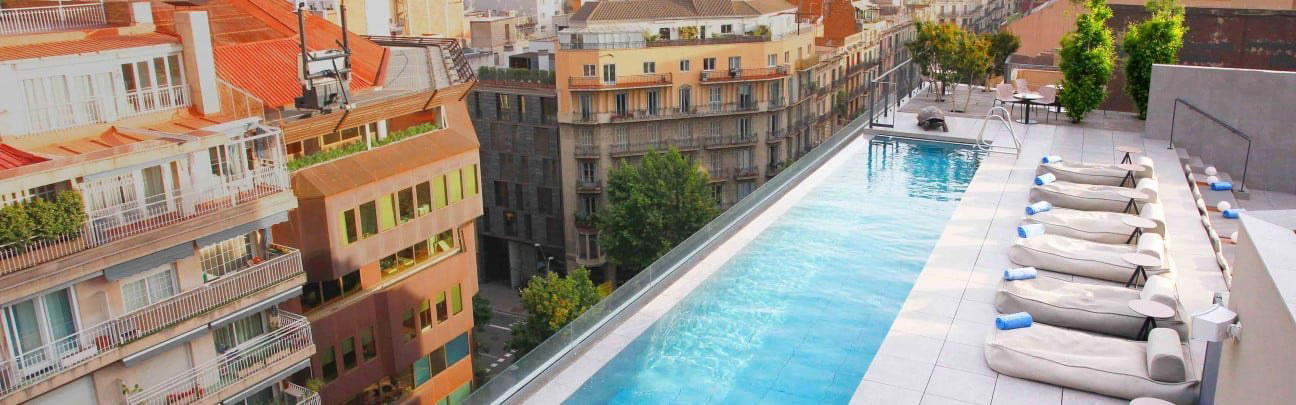
Bars in Barcelona
Browse all →
Restaurants in Barcelona
Browse all →
Details
- Elegant
- Well Known
- Sophisticated
- Romantic
- Romantic Getaway
- Anniversary
- Business Trip
- Celebration
- Rooftop Pool
- Historic Building
- Panoramic View
- Terrace
- Destination Spa
- Wi Fi
- Pool
- Spa
- Fitness Center
- Room Service
- Concierge
- Business Center
- Valet Parking
- EV Charging
- Restaurant
- Bar
- Sauna
- Skyline
- Street Scene
- Wheelchair Accessible
- Elevator
- Accessible Restroom
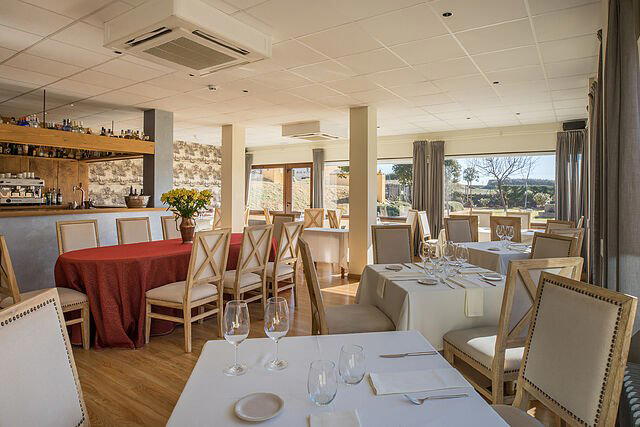
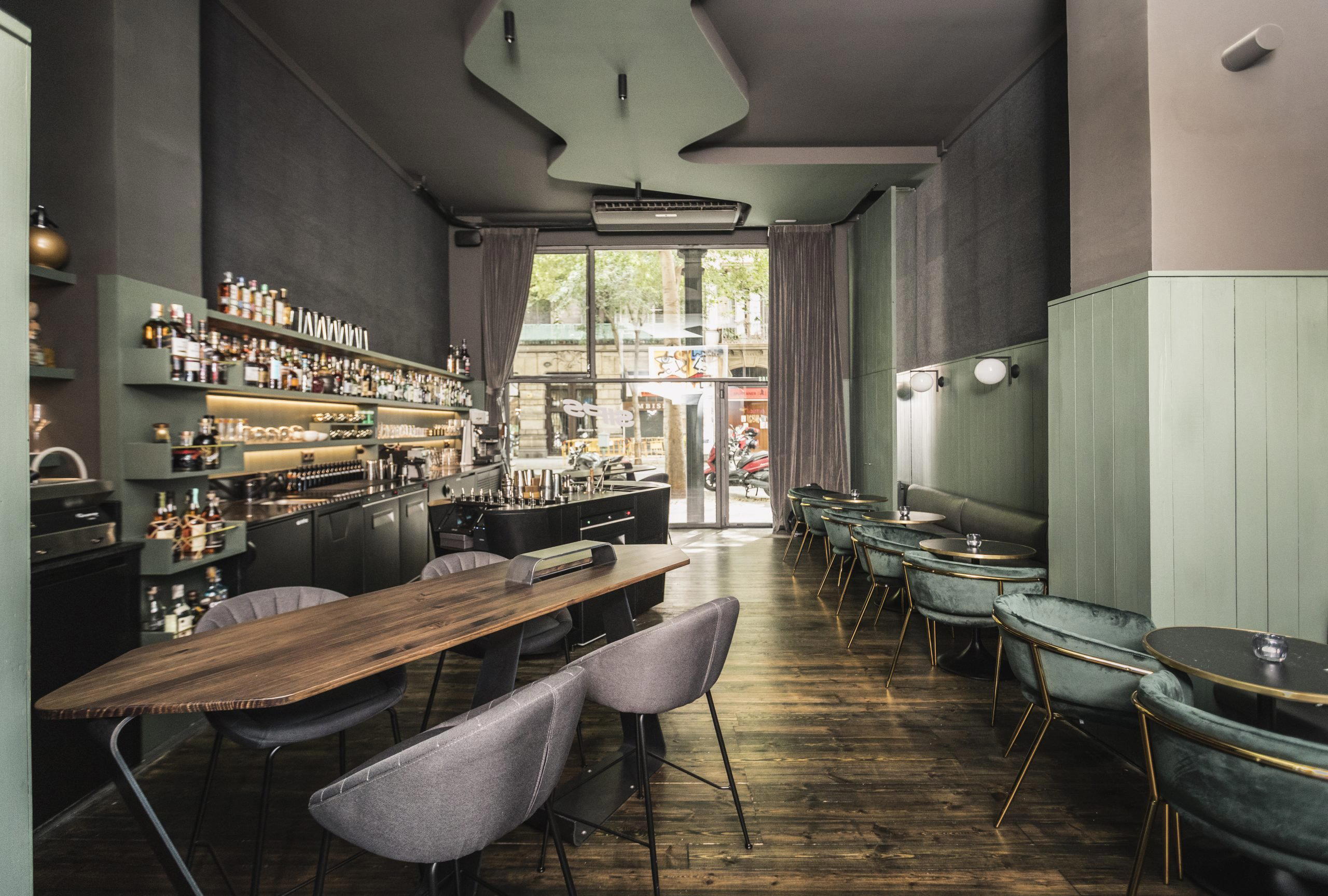
Grand, luminous spaces with warm tones and natural light; elegant Art Deco architecture; sophisticated rooftop terrace with city views; refined yet welcoming atmosphere with attentive service.