Inside the Medina's Long-Form Table Derb Assehbi runs through one of the denser residential quarters of the Marrakesh medina, where the alleys narrow to the width of two people walking abreast and the city noise compresses into something low and...
Pearl is the En Primeur Club membership app — saves, bookings, and concierge access live there. Same editors, same standards.
- Address
- Derb Assehbi, Marrakesh 40000, Morocco
- Phone
- +212524387010
- Website
- lamaisonarabe.com
- Directions
- Get directions
 Saves & bookings on Pearl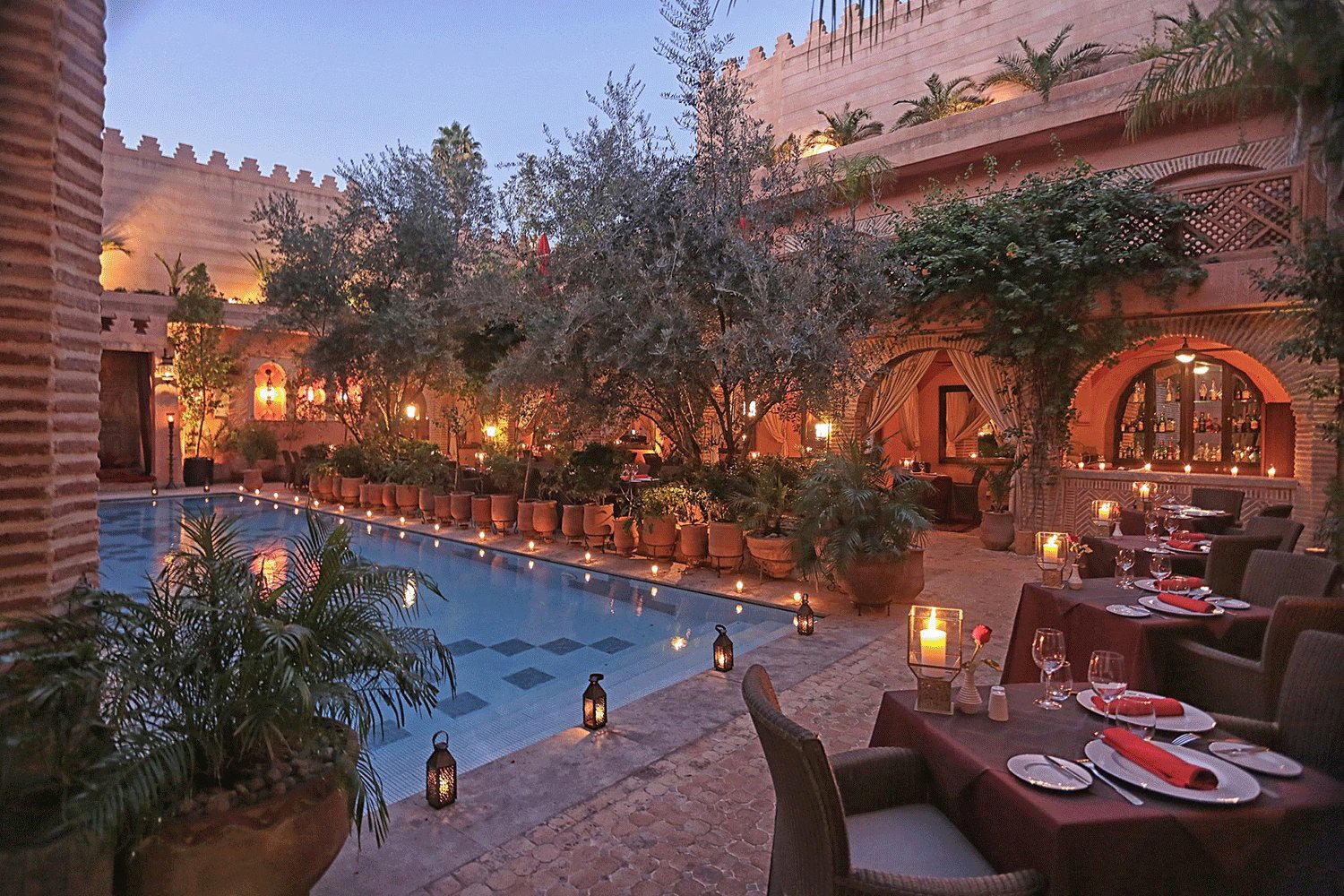
Inside the Medina's Long-Form Table
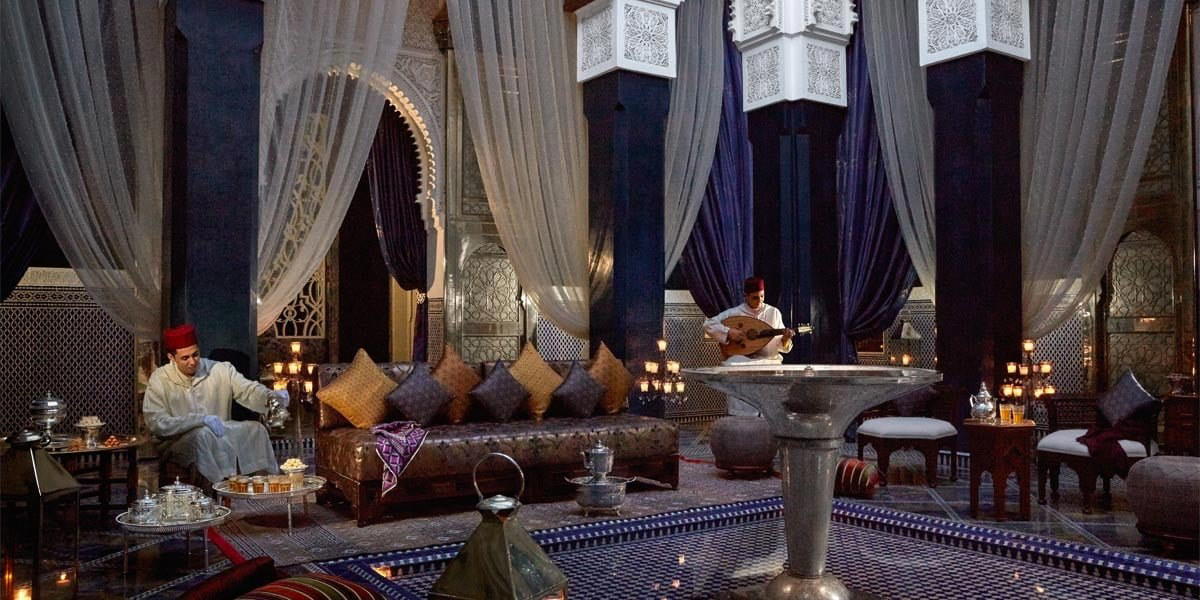
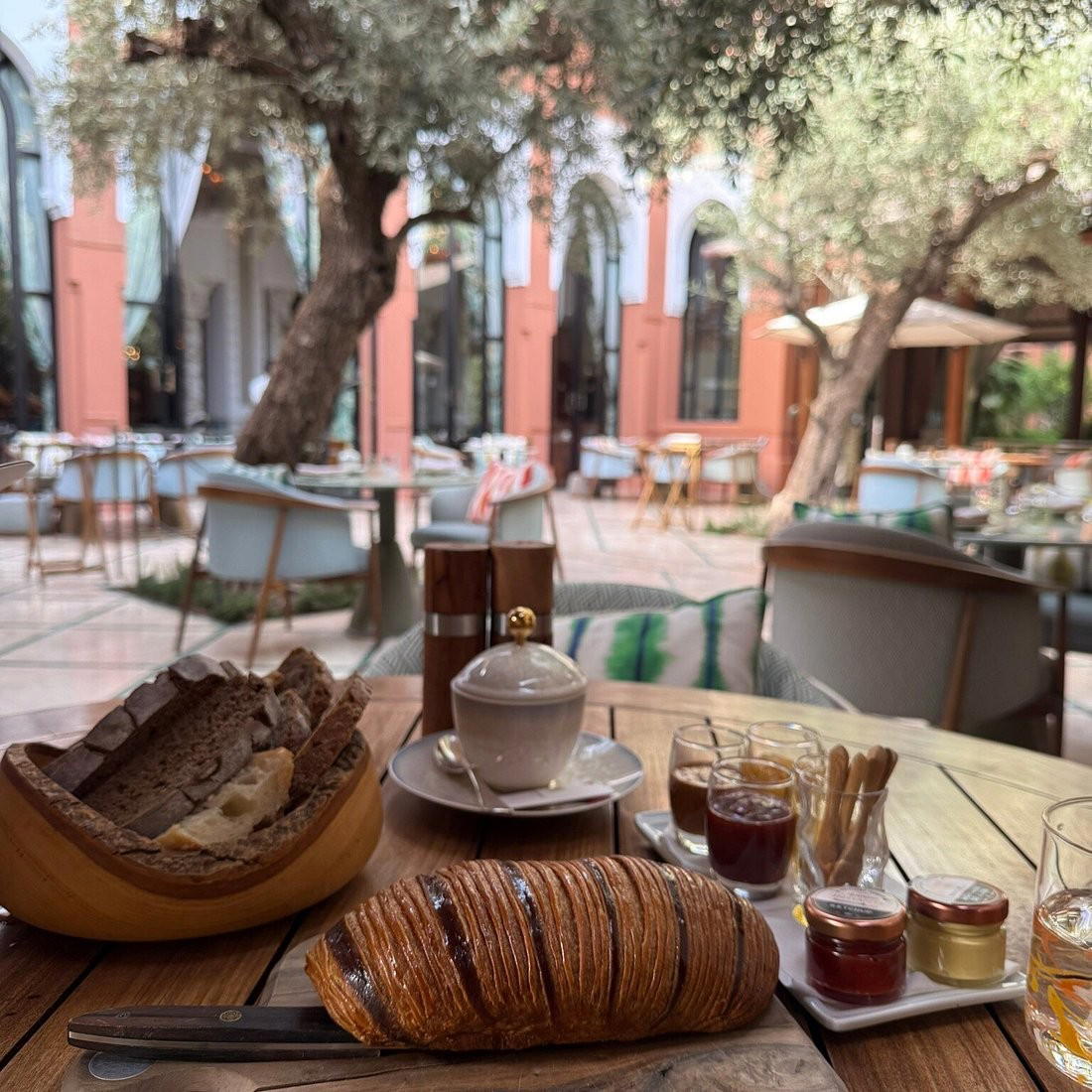
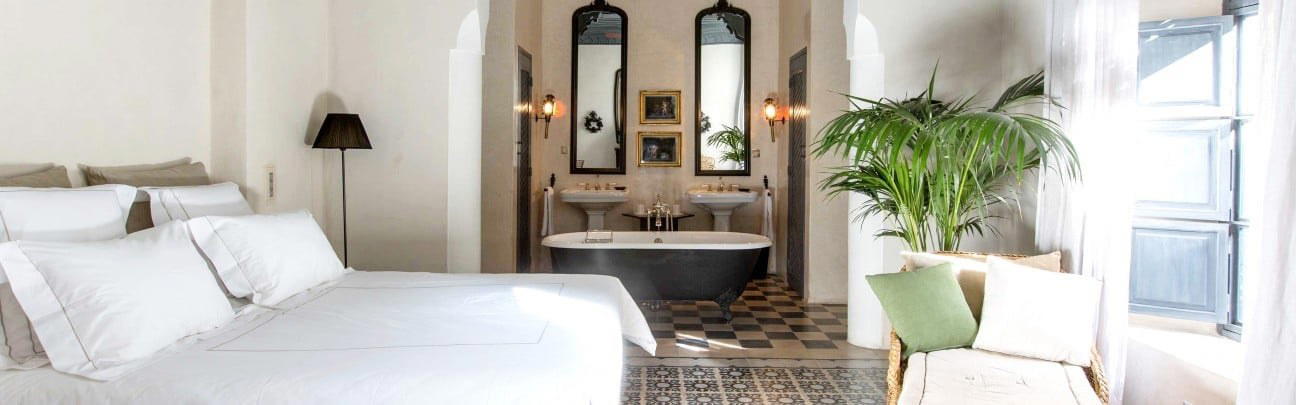
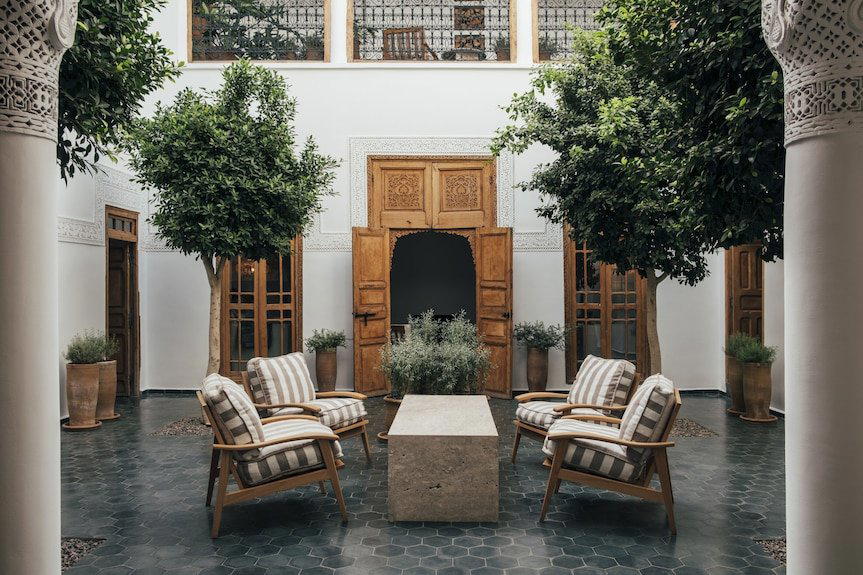
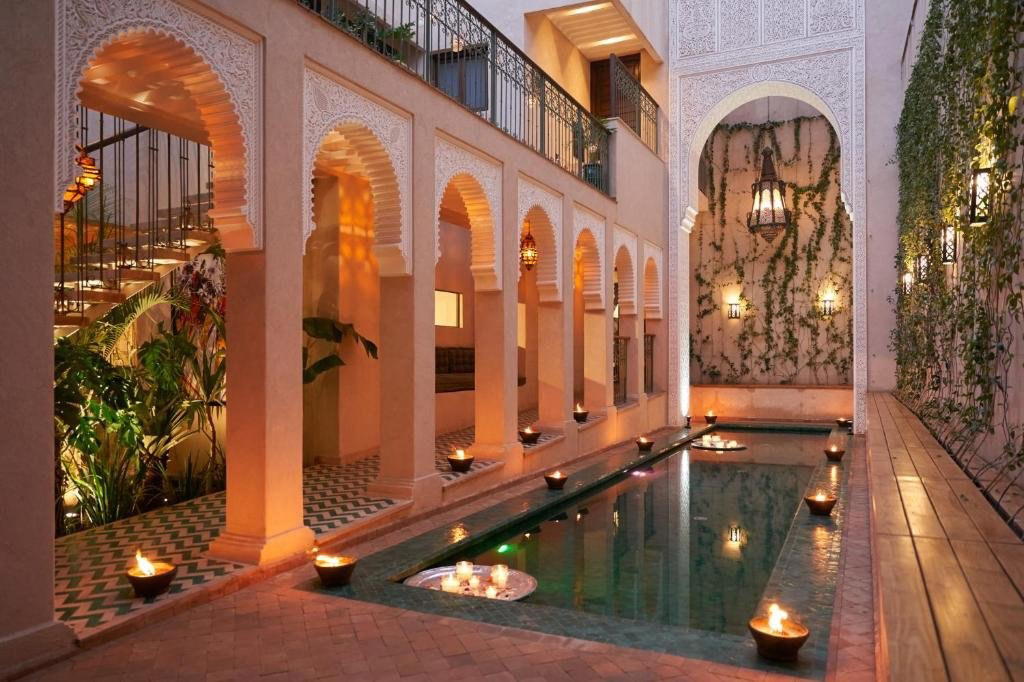
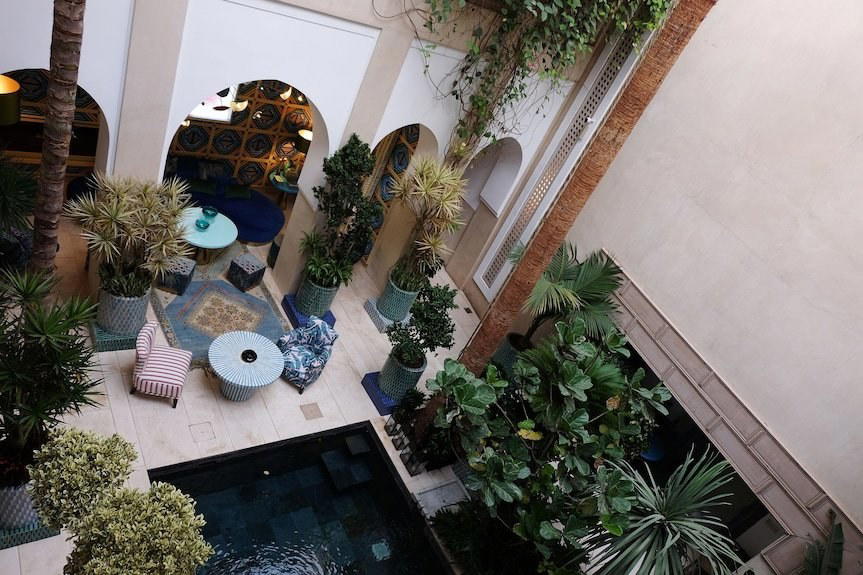
Derb Assehbi runs through one of the denser residential quarters of the Marrakesh medina, where the alleys narrow to the width of two people walking abreast and the city noise compresses into something low and close. Properties along this derb tend to operate behind unmarked or near-unmarked doors, the address functioning more as a postcode than a landmark. La Maison Arabe is a restaurant in Marrakesh serving Authentic Moroccan Fine Dining at about $110 per person, set on Derb Assehbi in a heritage riad whose physical setting conditions how the meal unfolds before a single dish arrives. The architecture does meaningful work: a central courtyard, tiered galleries, and the particular quality of light that falls into a Moroccan interior at midday or dusk all establish a pace that is harder to rush than a street-level restaurant. The space, in other words, is an argument for a certain kind of eating.
What Moroccan Hospitality Actually Requires of the Table
Traditional Moroccan dining is not a format designed around single courses or quick turns. The structure of a serious Moroccan meal runs deep: cold and warm salads arrive first, multiplying across the table in small ceramic dishes, each one carrying a distinct spice logic. Harira or other soups might follow, then a tagine or pastilla, then couscous if the occasion calls for it, and finally fruit and mint tea poured from a height to aerate and cool. The ritual is sequential but unhurried, built on the assumption that the table will be occupied for the better part of two to three hours. Properties like La Maison Arabe, which operate within riad architecture and draw an international clientele seeking calibrated access to Moroccan tradition, tend to organise their menus around this full arc rather than truncating it for speed. This positions them differently from casual medina restaurants, which often compress the format, and from international hotel dining rooms, which can overlay Moroccan elements onto a European service rhythm.
Marrakesh's premium Moroccan dining tier has several reference points. La Grande Table Marocaine at Royal Mansour operates at the higher formal register, with kitchen credentials that compete with European fine dining. Al Fassia occupies a different position as an institution run by women from the same family across decades, its authority rooted in domestic Moroccan cooking traditions rather than hotel formality. La Maison Arabe sits between those poles: riad-scaled, long-established, and pitched at international visitors who want the full ritual without the Royal Mansour price signal or the no-frills character of a family-run address. Understanding where it sits in that continuum shapes what to expect from the experience.
The Architecture of the Meal
The editorial interest in riad dining lies partly in how the setting enforces a particular guest posture. A courtyard table in a medina property requires you to arrive, to settle, to let the ambient light and sound establish the tempo. There is no street-facing window, no passing crowd, no external cue to finish and leave. The contained geometry of a riad courtyard is, functionally, a slow-dining mechanism. For first-time visitors to Morocco, this format can be disorienting in the leading sense: the meal stretches, the salads keep arriving, the tea ritual at the end has its own ceremony. For travellers already familiar with Moroccan hospitality codes, a property like La Maison Arabe reads as a curated version of what they may have experienced in private Moroccan homes, with service that translates the tradition for guests who might not already know when to pass the bread or how to signal readiness for the next course.
Across Moroccan cities, this translation-of-tradition function has become a distinct hospitality category. Berrada in Fes and Heure Bleue Palais in Essaouira occupy analogous positions in their respective cities: riad-style properties where the dining experience is inseparable from the building's architecture and where the meal is the main event of an evening, not a prelude to something else. La Sqala: Café Maure offers a more casual version of the same impulse in Casablanca, where courtyard setting and traditional recipes do similar contextual work for a different clientele.
Marrakesh's Dining Range and Where This Fits
The Marrakesh restaurant scene has expanded considerably in the past decade, adding French-influenced addresses, international formats, and hybrid kitchens alongside its core Moroccan offer. La Grande Brasserie by Helene Darroze and Sesamo represent the European and Mediterranean currents running through the city's current dining offer, while Le Palace in Marrakech and +61 demonstrate the range of international cooking now available to visitors. For a traveller building a week's itinerary, allocating at least one meal to a riad-format Moroccan property is less about covering a category and more about engaging with a dining tradition that only makes full sense in its architectural context. The food and the building are, in this case, a single argument.
The medina address at Derb Assehbi is worth planning around. Reaching riad properties in the older quarters of Marrakesh typically involves navigating on foot through alleys that are not accessible by vehicle; guests arriving by taxi will cover the final stretch on foot, often guided by hotel staff who meet at a designated junction. Evening arrivals should allow margin for this. The full Marrakesh restaurants guide covers the city's dining character across neighbourhoods, which is useful context for understanding why properties in the medina proper operate differently from those in Gueliz or the Palmeraie.
Practical Considerations for Booking and Arrival
Reservation is recommended. Walk-in capacity in a courtyard-format property is structurally limited; the geometry that makes the setting distinctive also caps covers. Travellers planning around Moroccan public holidays should book with additional lead time. For dietary requirements in the context of traditional Moroccan cooking, the kitchen's core repertoire is largely built on vegetables, legumes, slow-cooked meat, and fish, which creates a workable base for most restrictions if communicated in advance. Moroccan cuisine is not structurally hostile to vegetarian eating, though particularly ceremonially significant dishes tend to be meat-centred.
Morocco's broader dining circuit, from Azurita in Tangier to Cocoa Café in Casablanca and L'Araignée Gourmande in Oualidia, reflects a country where the food culture varies sharply by region. Château Roslane in the Atlas foothill wine region and Dar Dada in Sidi Belyout and Café Enjoy Agadir round out the country's range. Within Marrakesh, a property at Derb Assehbi is embedded in the medina's oldest hospitality logic, which is worth the navigational effort.
Cuisine Lens
Comparable venues nearby, for context on price, style, and recognition.
| Venue | Cuisine | Price | Notes |
|---|---|---|---|
| La Maison ArabeThis venue — the venue you are viewing | Authentic Moroccan Fine Dining | $$$$ | Not listed |
| Le Restaurant - La Maison Arabe | Refined Traditional Moroccan | $$$$ | Marrakech-Médina |
| Le Marocain - La Mamounia | Traditional Moroccan | $$$$ | Marrakech-Médina |
| Farasha Farmhouse-Mouton Noir | Mediterranean Farm-to-Table | $$$$ | Route to Fez |
| L’Italien par Jean-Georges | Modern Italian Trattoria | $$$$ | Marrakech-Médina |
| Le Salama | Moroccan Fine Dining with Modern Flair | $$$ | Marrakech-Médina |
Continue exploring
More in Marrakech
Restaurants in Marrakech
Browse all →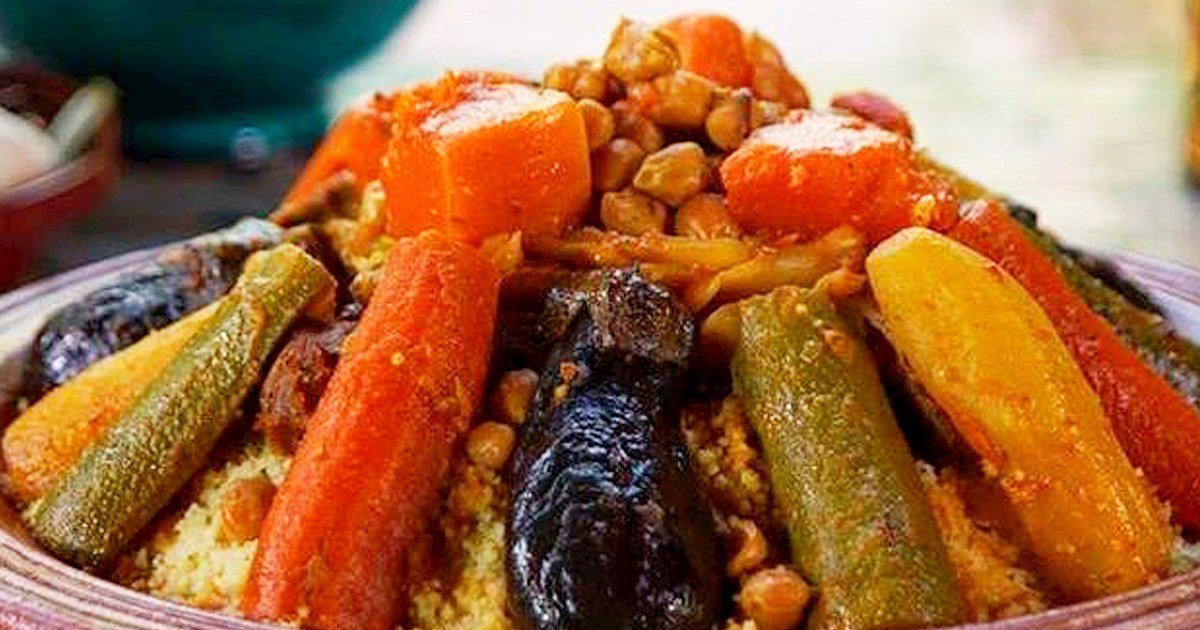
Bars in Marrakech
Browse all →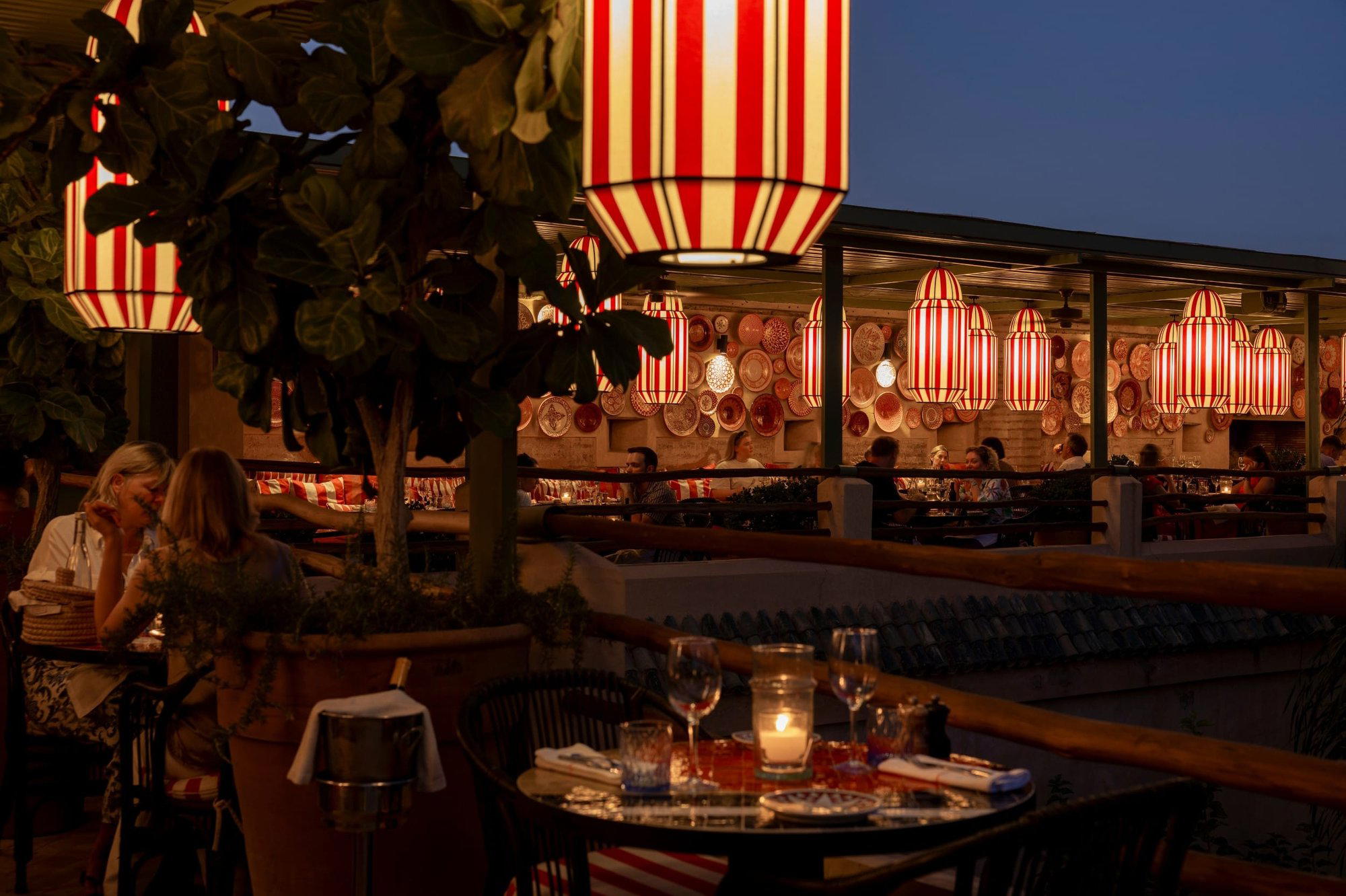
At a Glance
- Elegant
- Sophisticated
- Romantic
- Intimate
- Classic
- Date Night
- Special Occasion
- Celebration
- Hotel Restaurant
- Historic Building
- Local Sourcing
- Garden
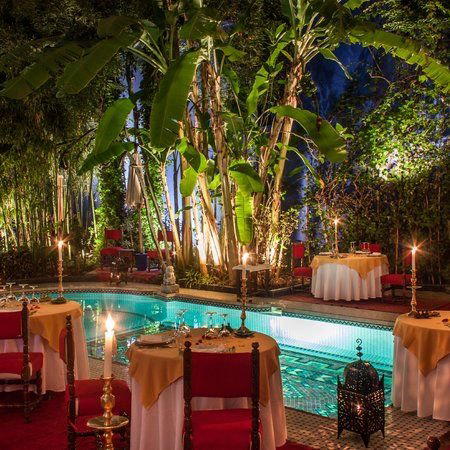
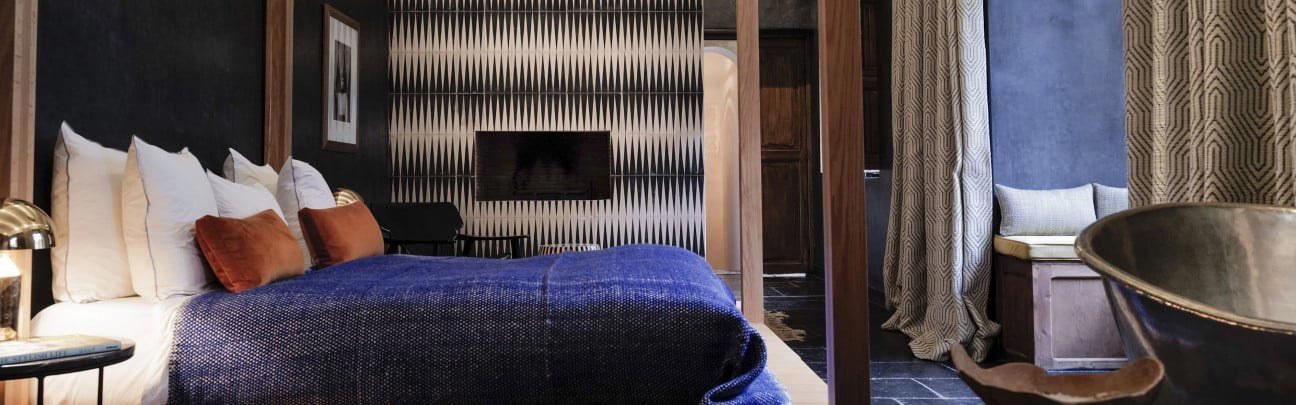
Ornate surroundings with hand-painted zouaké ceilings, antique palace doors, Italian lamps, lantern-lit spaces, fountains, and live Arab-Andalusian music creating an elegant and serene atmosphere.