La Buca di Montauto
Our verdict
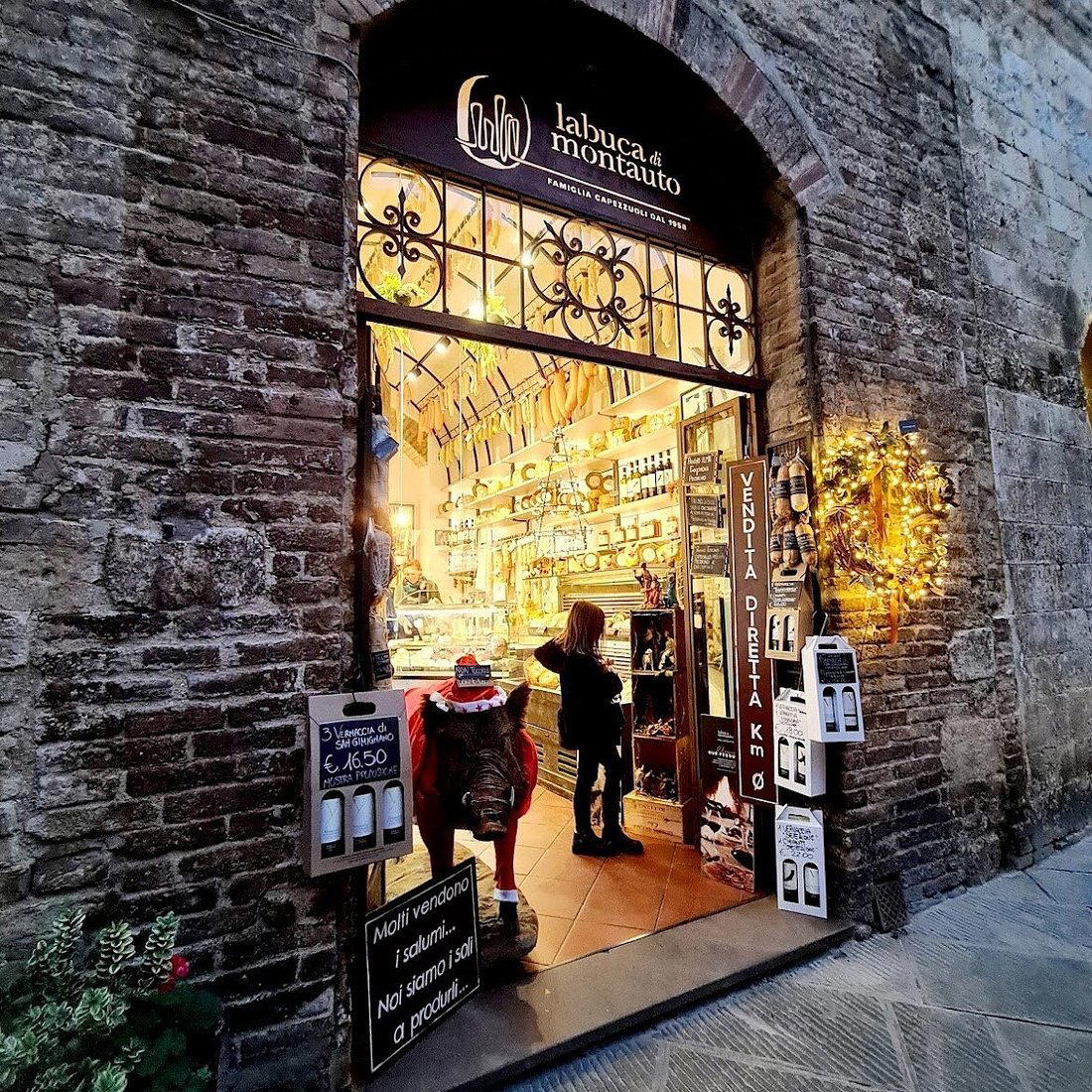
On one of San Gimignano's most-walked medieval streets, La Buca di Montauto occupies the kind of address where the stone walls do as much atmospheric work as the kitchen. The cooking draws from the agricultural traditions of the Sienese hills, placing it in the trattoria tier that defines honest Tuscan eating at its most grounded. For visitors arriving via the Via San Giovanni, it reads as a natural stop rather than a destination engineered for tourists.

Pearl is the En Primeur Club membership app, where members save venues, book tables and use the concierge.
The menu
What to order
- Wild boar salami
- Pork salumi
- Pecorino with pears
- Wild boar loin
What Via San Giovanni Asks of Its Restaurants
Via San Giovanni is the spine of San Gimignano's old town, a street so heavily trafficked by visitors that most of its ground-floor addresses long ago traded serious cooking for volume. The restaurants that survive that pressure with their integrity intact tend to do so by anchoring to something the tourist current cannot easily replicate: a relationship with local producers, a menu vocabulary drawn from the Sienese countryside, and a room that feels inhabited rather than dressed. La Buca di Montauto sits at number 16 on that street, and its position on the Via San Giovanni is as much a challenge as it is a commercial advantage.
San Gimignano's dining options have split, broadly, into three tiers. At the leading, creative kitchens like Linfa operate with a contemporary register and pricing to match. At the base, tourist-facing trattorie trade largely on location. In the middle sits a smaller, more interesting group, including San Martino 26 with its country cooking approach, and the more plainly Tuscan Da Pode, where the cooking stays close to the Sienese agricultural calendar. La Buca di Montauto reads as a participant in that middle register: not reinventing the tradition, but not abandoning it for convenience either. See the full picture at our San Gimignano restaurants guide.
The Logic of Sienese Ingredient Sourcing
Tuscan cuisine at this latitude, between the Elsa valley and the Chianti hills, has always been shaped more by what the land provides seasonally than by the chef's ambition to transcend it. The Sienese tradition is agricultural before it is gastronomic. Cinghiale from the surrounding macchia, white truffles from the San Miniato area in autumn, Cinta Senese pork from heritage herds, locally pressed olive oil, and Vernaccia di San Gimignano from vineyards within walking distance of the walls: these are the raw materials that define what Sienese cooking is when it is done without shortcuts.
That sourcing logic matters because it determines the menu's credibility. A kitchen drawing from local producers is subject to seasonal constraint and to the quality signals that come with short supply chains. The result, in practice, is a menu that reflects what is actually available in the Sienese hills at a given moment rather than what the broadest possible customer base expects to find year-round. This is the same principle that gives weight to the sourcing philosophy at celebrated Italian addresses like Dal Pescatore in Runate or Atelier Moessmer Norbert Niederkofler in Brunico, where the relationship between kitchen and territory is the defining editorial statement. At a different scale and price point, the same logic applies to a trattoria working with Sienese producers.
The Room and What It Communicates
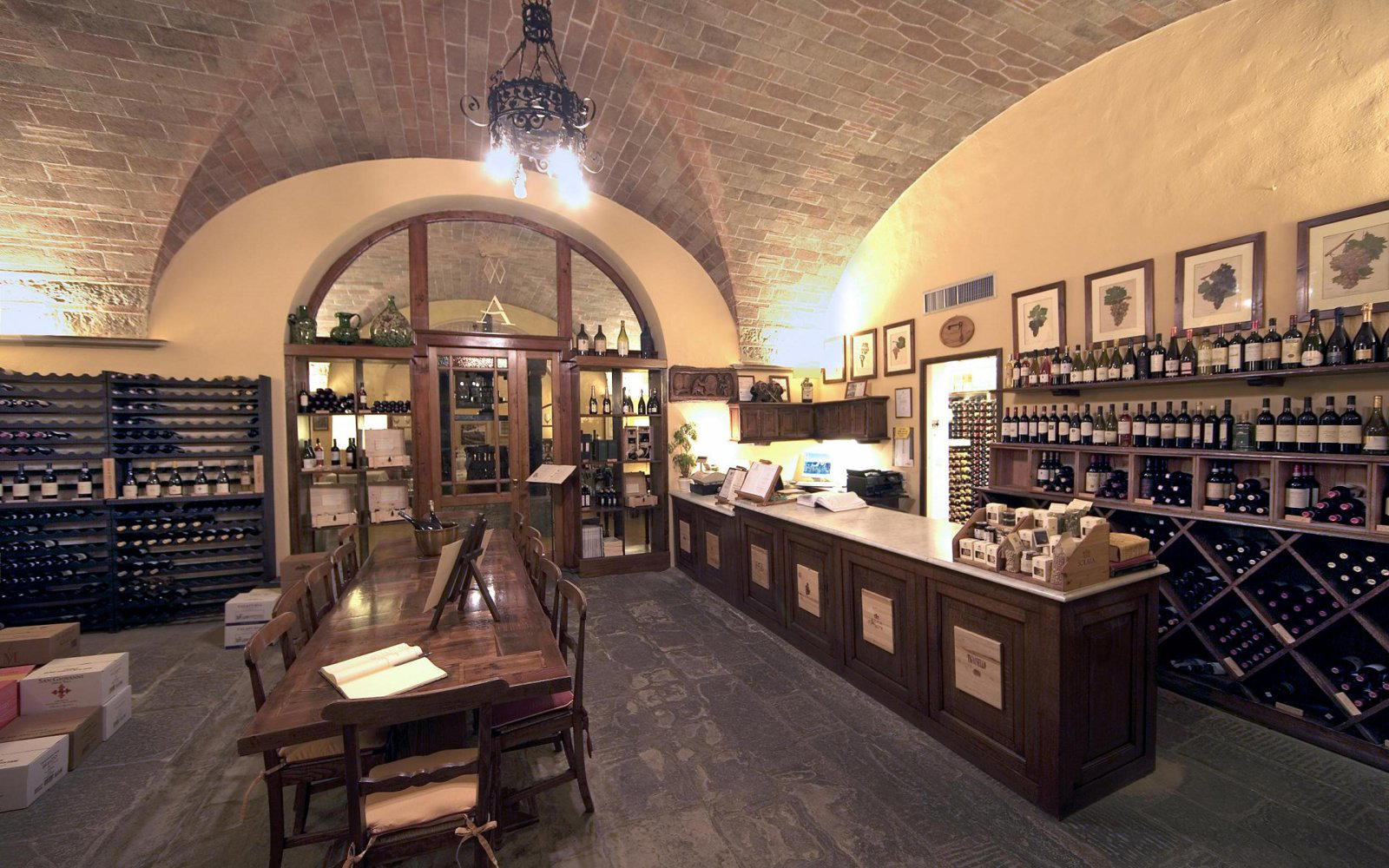
The physical character of a medieval ground-floor space in San Gimignano is not neutral. Stone walls, low ceilings, and the kind of ambient cool that persists even in August shape how a meal feels before the food arrives. These spaces carry a legibility that newer, designed interiors often work hard to manufacture. The approach at La Buca di Montauto, occupying a Via San Giovanni address with the structural bones of a centuries-old building, places it in a category of Italian dining rooms where the architecture is a given and the kitchen's job is to be worthy of it.
This is not unusual in Tuscany. Some of Italy's most seriously regarded restaurants operate in similarly unassuming physical formats. Osteria Francescana in Modena trades on an understated room; Reale in Castel di Sangro converted a former convent. The physical container communicates seriousness without spectacle. In San Gimignano, at street level on Via San Giovanni, a room that does not perform for the tourist is already making an argument.
Where La Buca di Montauto Sits Against Italian Fine Dining
For context on how San Gimignano's trattoria tier relates to the broader Italian dining conversation, it helps to map the distance. The Michelin-starred kitchens that define Italy's upper register, from Enoteca Pinchiorri in Florence to Piazza Duomo in Alba and Le Calandre in Rubano, operate in a different competitive tier entirely. So do the internationally recognised addresses like Uliassi in Senigallia, Quattro Passi in Marina del Cantone, Enrico Bartolini in Milan, Da Vittorio in Brusaporto, and Casa Perbellini 12 Apostoli in Verona. Even internationally, the technical ambition at Le Bernardin in New York or the communal theatre of Lazy Bear in San Francisco exist in a separate register from what a Sienese trattoria is attempting.
La Buca di Montauto is not in competition with any of those rooms.
Planning a Visit
San Gimignano draws its heaviest visitor numbers between May and September, when the towers and the Vernaccia vineyards attract coach tours and independent travellers in roughly equal measure. Restaurants on Via San Giovanni feel that pressure most directly. Arriving outside peak hours, either for a late lunch or an early dinner sitting, typically means less competition for tables and a kitchen operating at a steadier rhythm. The address at Via S. Giovanni, 16 places the restaurant within the old walls, reachable on foot from the main gates and close to the central piazza.
Given the volume of visitors the town receives in summer, and the relatively small scale that characterises the better trattorias in this tier, advance planning is worth the effort even for a casual lunch. The town's off-season months, October through March, offer quieter conditions and a menu vocabulary that shifts toward the heavier, truffle-forward and braised dishes that the Sienese winter traditionally demands.
Frequently asked questions
Is La Buca di Montauto good for families?
The trattoria format on Via San Giovanni, San Gimignano's central pedestrian spine, suits families well. Tuscan cooking at this tier tends toward shareable plates and familiar preparations, pasta, roasted meats, seasonal vegetables, that work across age ranges without demanding adventurous ordering. The street-level address on Via S. Giovanni, 16 keeps access straightforward.
Is La Buca di Montauto formal or casual?
San Gimignano's mid-range trattoria tier operates without formal dress requirements, and La Buca di Montauto on Via S. Giovanni, 16 is no exception to that convention. The town draws a mixed crowd of day-trippers and overnight visitors, and its honest restaurants reflect that: clean, presentable clothing is appropriate, but there is no evidence of dress codes. The medieval stone-room setting signals character over ceremony.
Does La Buca di Montauto serve Vernaccia di San Gimignano wine?
Any restaurant operating within San Gimignano's walls would be conspicuous if it omitted Vernaccia di San Gimignano, the town's DOCG white produced from vineyards visible from the towers themselves. For a trattoria at the Via S. Giovanni, 16 address, Vernaccia is the default local pairing and the wine most closely tied to the identity of Sienese cooking at this latitude.
What should I eat at La Buca di Montauto?
The Sienese kitchen at this level in San Gimignano is most persuasive when it draws directly from the agricultural tradition of the surrounding Elsa valley and Chianti hills: handmade pasta with wild boar ragù, ribollita, and preparations built around locally foraged or farmed ingredients. Vernaccia di San Gimignano, the town's own DOCG white, is the natural pairing. Stay close to the seasonal and regional rather than dishes that could come from anywhere in central Italy.
Where is La Buca di Montauto located?
La Buca di Montauto is located at Via S. Giovanni, 16, 53037 San Gimignano SI, Italy, San Gimignano.
How far ahead should I plan for La Buca di Montauto?
La Buca di Montauto does not sit in the tier that requires months-ahead reservations, but San Gimignano draws its heaviest visitor numbers from May through September when coach tours and independent travellers converge on the towers simultaneously. During that window, same-day walk-ins on Via S. Giovanni, 16 carry more risk than they would in the shoulder months of April or October. A booking placed two to four days ahead is a reasonable buffer for summer visits.
Fast Comparison
Comparable venues nearby, for context on price, style, and recognition.
| Venue | Cuisine | Price | Awards | Notes |
|---|---|---|---|---|
| La Buca di MontautoThis venue (the venue you are viewing) | Tuscan Charcuterie & Wine | $20–30 | Not listed | Not listed |
| San Martino 26 | Contemporary Tuscan Fine Dining | $100–150 | Michelin Plate | historic centre |
| Da Pode | Traditional Tuscan | $30–50 | Michelin Bib Gourmand | Sovestro |
| Linfa | Modern Tuscan Fine Dining | $100–150 | 1 Michelin Star · Star Wine List | Historic Center |
| Gelateria La Romana | Artisanal Italian Gelato | Not listed | Not listed | Sallustiano |
| Trattoria I'raddi | Traditional Tuscan Trattoria | $20–30 | Not listed | Santo Spirito |
Continue exploring
More in San Gimignano
Restaurants in San Gimignano
All restaurants in San Gimignano →
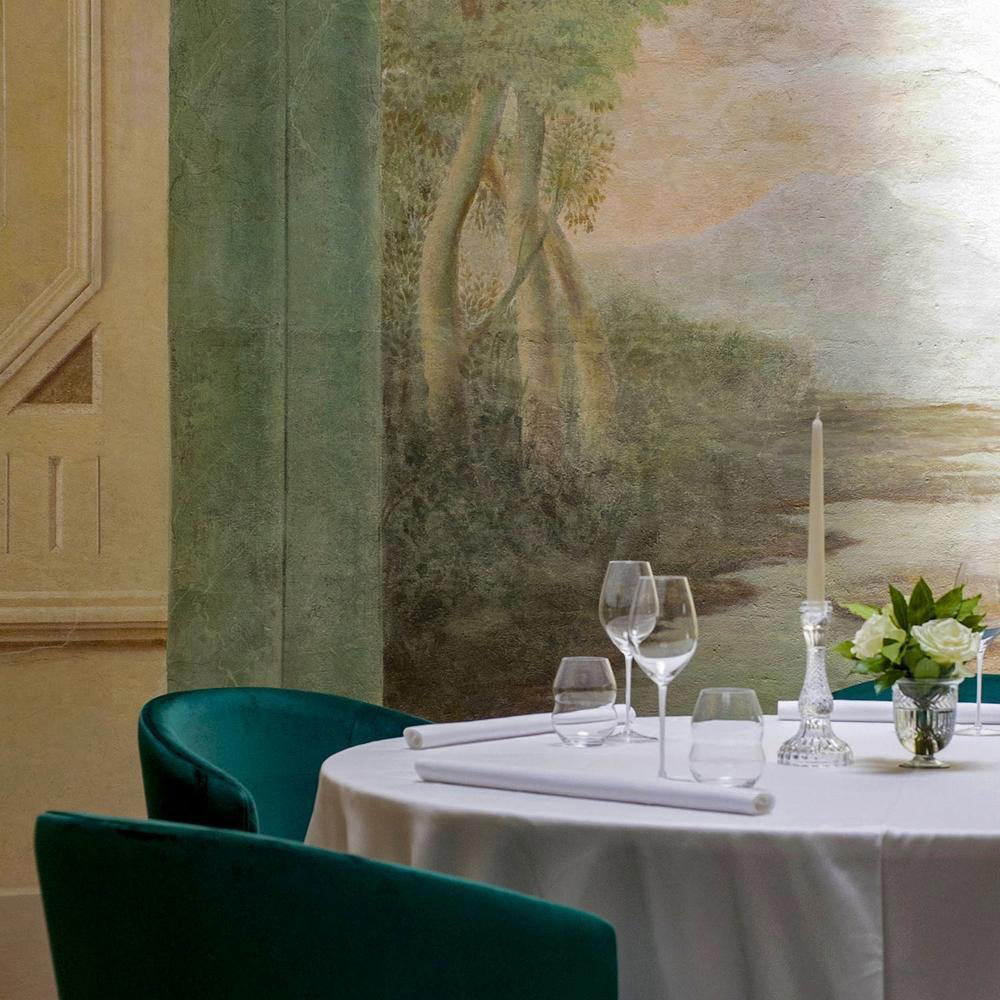
Bars in San Gimignano
Browse all →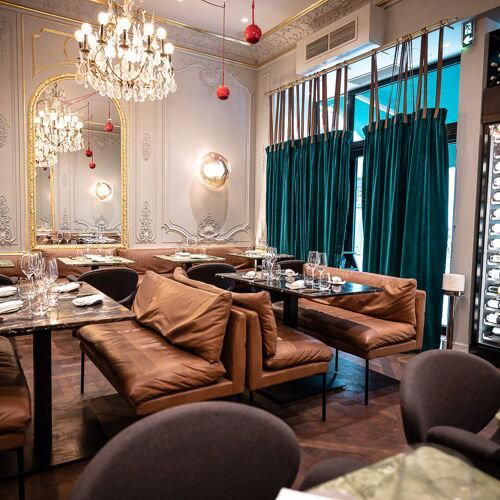
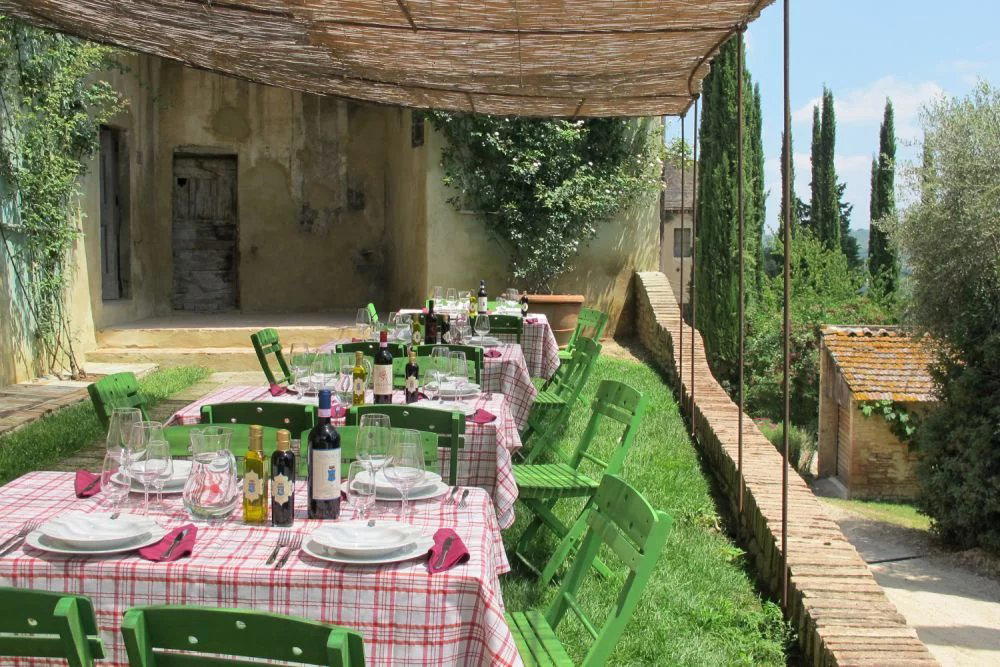
Hotels in San Gimignano
All hotels in San Gimignano →
Details
- Rustic
- Cozy
- Intimate
- Casual Hangout
- Group Dining
- Solo
- Standalone
- Historic Building
- Extensive Wine List
- Local Sourcing
- Farm To Table
- A La Carte
- Small Plates
- Vernaccia Di San Gimignano
- Chianti
- Tuscan Red Wines
Current opening hours
- Monday
- 10 AM–7:30 PM
- Tuesday
- 10 AM–7:30 PM
- Wednesday
- 10 AM–7:30 PM
- Thursday
- 10 AM–7:30 PM
- Friday
- 10 AM–7:30 PM
- Saturday
- 10 AM–7:30 PM
- Sunday
- 10 AM–7:30 PM
Hours can change for holidays and private events. Hours as of .
Intimate and warm, housed in a small historic space marked by two stuffed wild boars at the entrance, with a cozy tasting room offering a personal connection to the owners and their farm products.