Trattoria I'raddi occupies a quiet stretch of Via D'Ardiglione in the Oltrarno, Florence's left-bank neighbourhood where the trattoria format has survived with the least dilution. The kitchen operates in the register that defines Florentine cooking at its most direct: seasonal, ingredient-led, and without theatrical flourish. For visitors willing to cross the Arno, it represents the kind of neighbourhood restaurant that the city's historic centre has largely stopped producing.
Pearl is the En Primeur Club membership app — saves, bookings, and concierge access live there. Same editors, same standards.
- Address
- Via D'Ardiglione, 47, 50125 Firenze FI, Italy
- Phone
- +39 055 211072
- Website
- trattoriairaddi.it
- Directions
- Get directions
 Saves & bookings on Pearl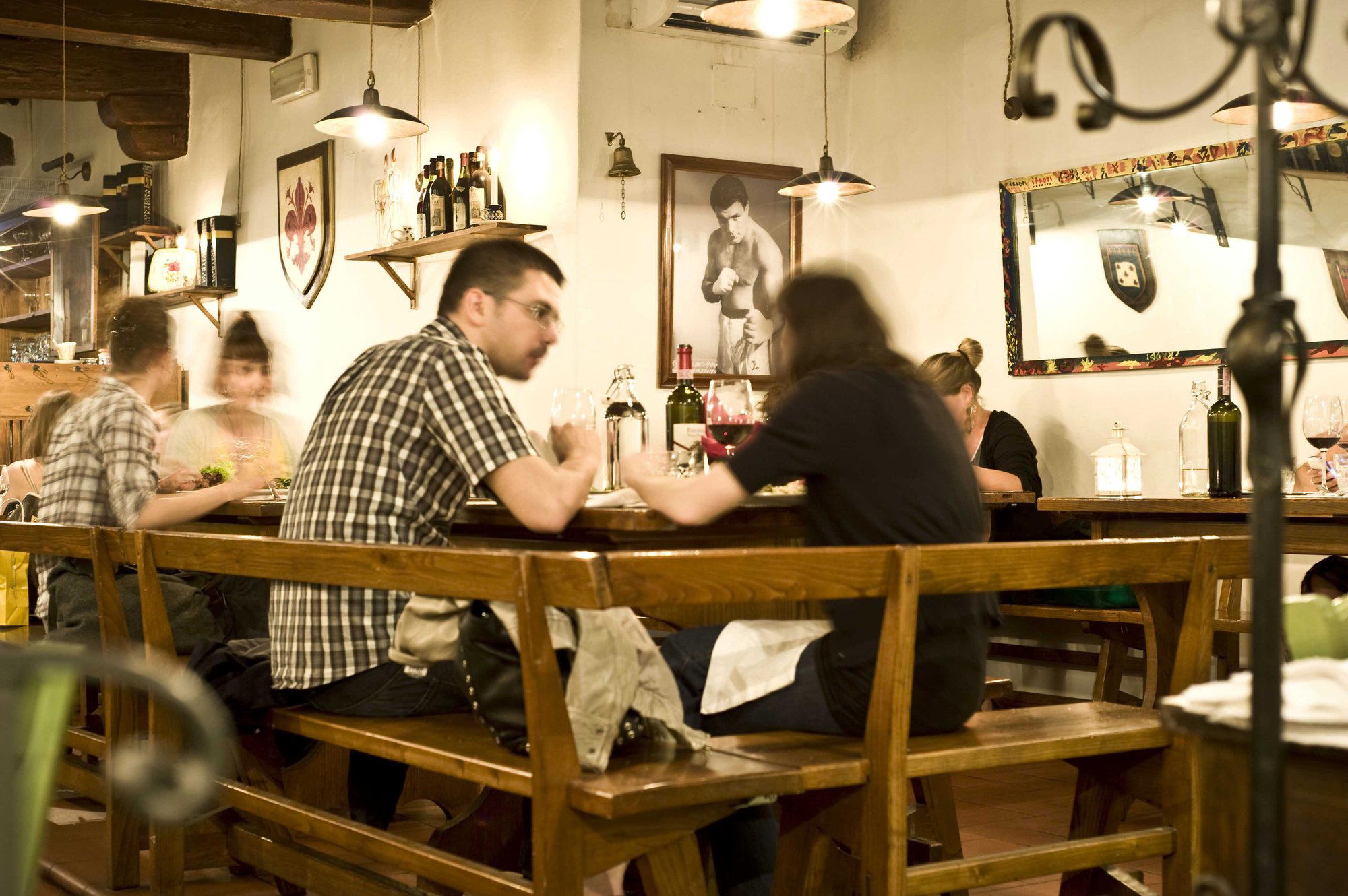
The Oltrarno Setting and What It Means
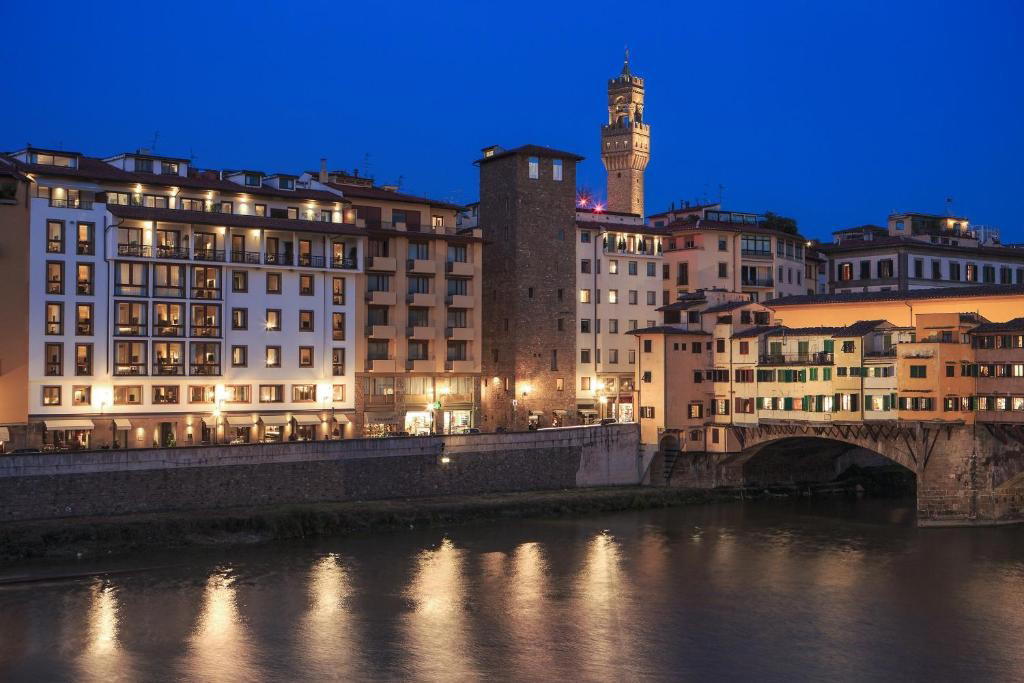
Via D'Ardiglione sits on the quieter side of the Ponte Vecchio, in the Oltrarno district that has functioned as Florence's artisan and residential quarter for centuries. The neighbourhood operates at a different rhythm from the area around the Duomo or Santa Croce. Fewer tour groups, more working ateliers, and a handful of restaurants that have never had to calibrate their menus for a tourist-majority clientele. Trattoria I'raddi, at number 47, belongs to that last category. The address alone places it inside a local dining context defined by regularity and neighbourhood loyalty.
The Oltrarno is also the neighbourhood where the trattoria format has survived its own obsolescence. Elsewhere in the city, the category has fractured: some venues have migrated upward into modern Italian territory, others have collapsed into tourist-facing facsimiles of themselves. In the Oltrarno, a smaller number of trattorias still operate closer to the original model, where regulars hold corner tables, the menu shifts with what the market offered that morning, and the room does not perform its own tradition for outsiders. I'raddi sits within that cohort.
The Room and the Register
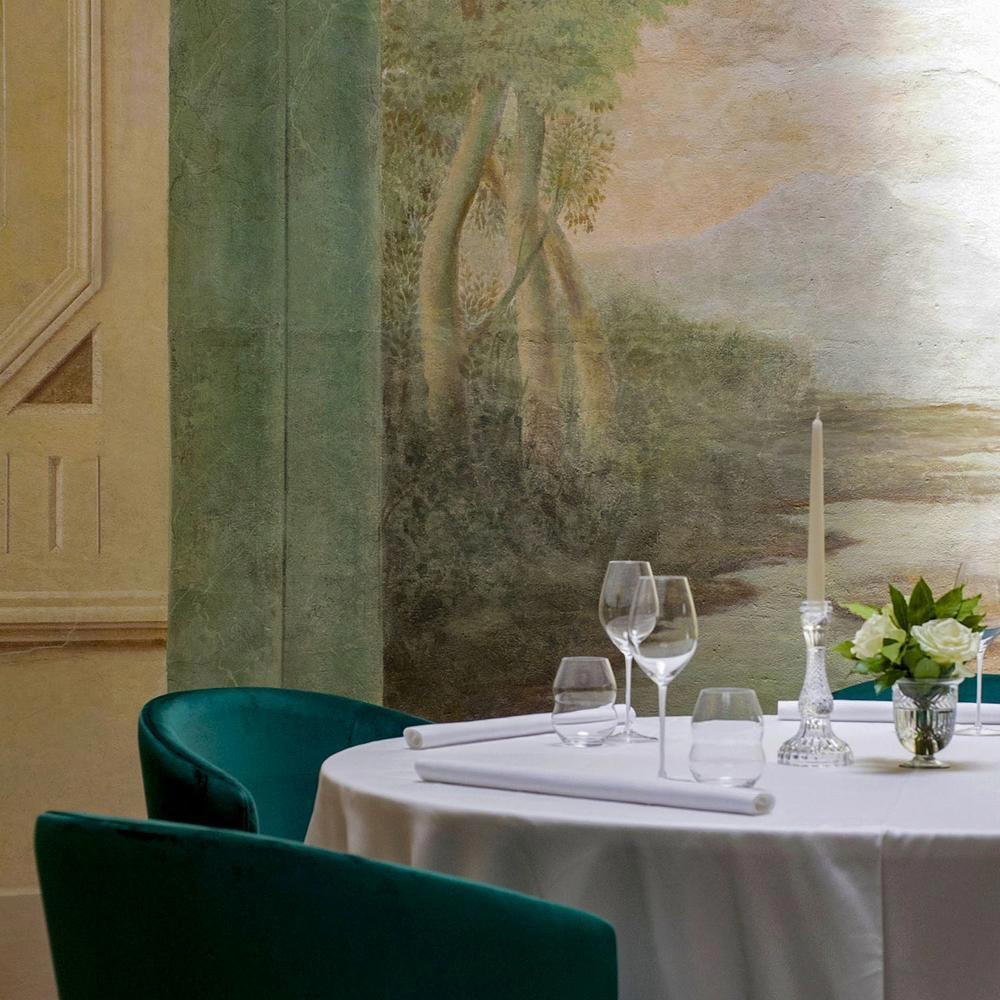
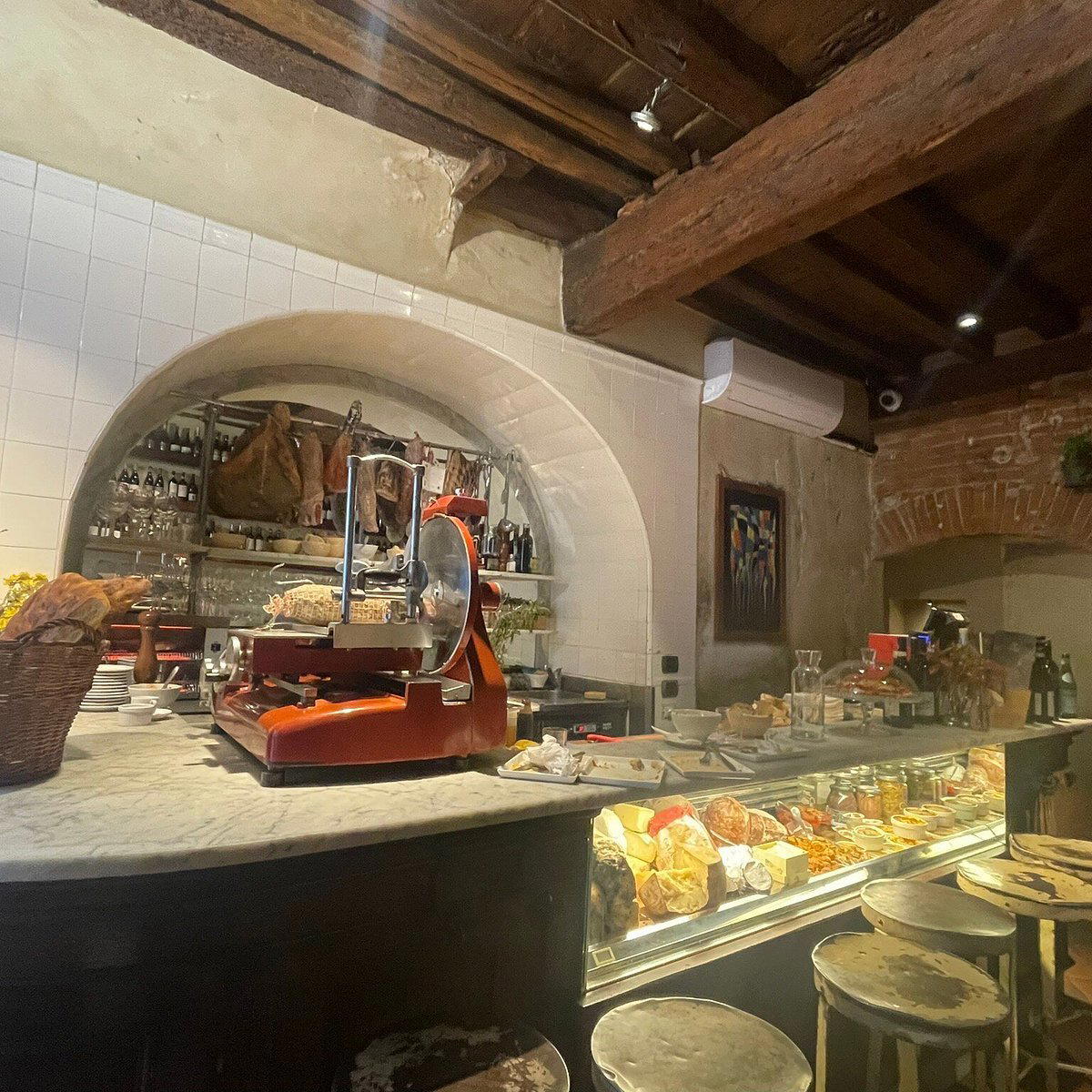
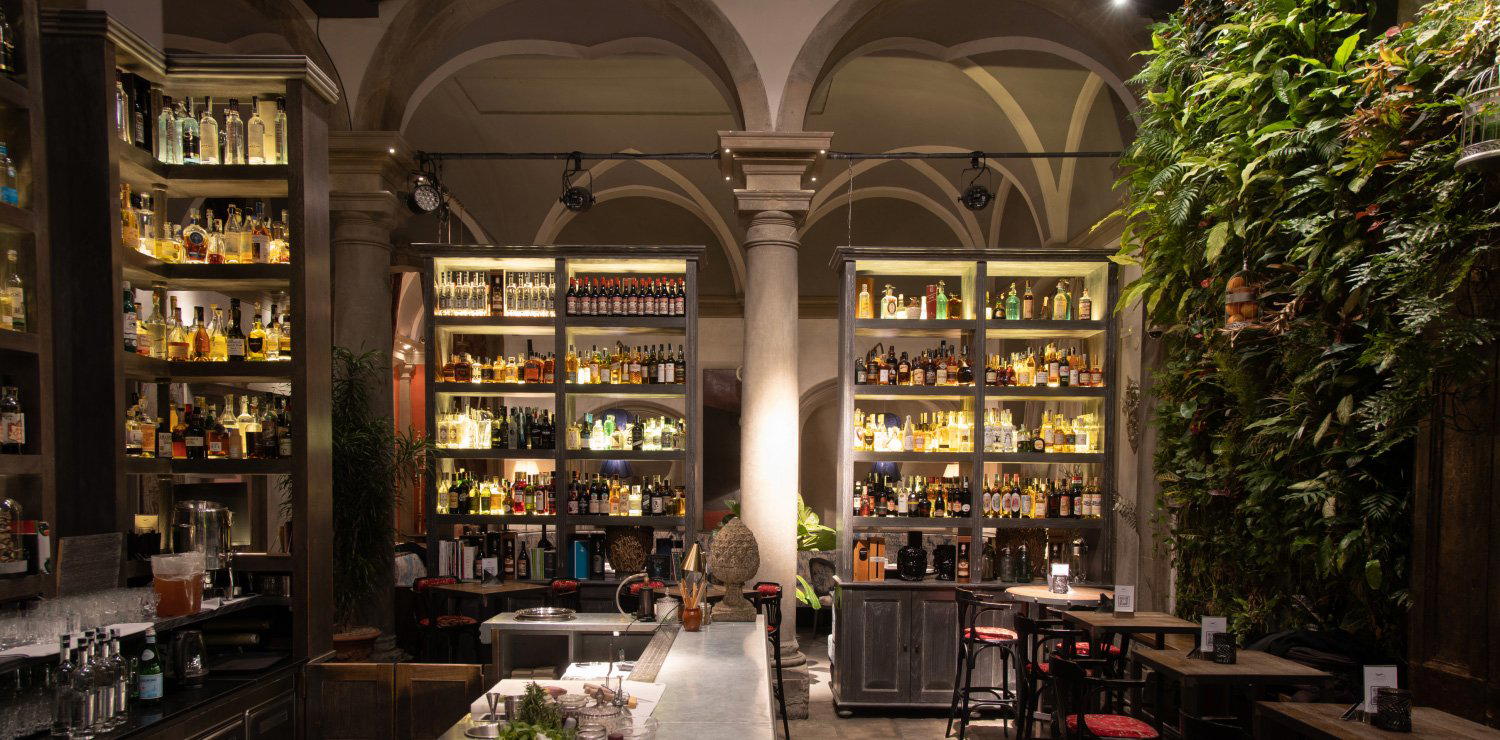
Approaching from the direction of Piazza della Passera, the street narrows and the ambient noise of the centro storico falls away. The exterior is low-key by design rather than by neglect, which is consistent with the Oltrarno's broader aesthetic: a neighbourhood that has historically resisted the kind of cosmetic renovation that signals tourist-facing ambition. Inside, the room reads as a working trattoria rather than a reconstructed one. The materials are plain, the spacing generous enough for conversation, and the light pitched toward comfort rather than atmosphere-making. This is the physical register in which Florentine cooking of the more serious kind has always operated. The grandeur, when it exists, is in the plate.
Florence's fine-dining tier occupies a separate category. Enoteca Pinchiorri and Santa Elisabetta operate at price points and formality levels that place them in a European luxury dining category, while Gucci Osteria da Massimo Bottura functions partly as a brand experience. Atto di Vito Mollica similarly operates within a hotel context that shapes its positioning. I'raddi belongs to none of those categories. It sits in the tier below, where the question is not whether the kitchen has a tasting menu but whether it has the restraint to leave a bistecca alone.
Tuscan Cooking Without the Gloss
Florentine cooking in its neighbourhood trattoria form is one of the more misrepresented traditions in Italian dining. Abroad, it is often reduced to bistecca alla Fiorentina and ribollita, as though the cuisine were a short list of monuments rather than a daily practice built around seasonal produce, local wine, and economy of means. The Oltrarno's better trattorias understand that the daily practice matters more than the monuments, and their menus reflect it. Offal, pulses, bitter greens, and the kind of pasta shapes that require no introduction in Tuscany but rarely appear on menus designed for foreign visitors: these are the markers of a kitchen cooking for the neighbourhood rather than performing Tuscany at it.
Italy's most discussed restaurants in recent years have moved in a different direction. Osteria Francescana in Modena operates as a laboratory for culinary reinterpretation; Piazza Duomo in Alba and Le Calandre in Rubano have built international reputations on technical sophistication. Even coast-focused kitchens like Uliassi in Senigallia and Quattro Passi in Marina del Cantone position themselves at the premium end of regional cooking. The neighbourhood trattoria operates in deliberate contrast to all of this: no tasting menus, no wine pairings with accompanying narratives, no conceptual framework for the pork.
That contrast is not a limitation. In a city where Florence's most-visited blocks are now ringed by restaurants that simulate trattoria culture without practicing it, the places that still function as actual neighbourhood canteens hold disproportionate value for the visitor who knows what to look for. The absence of a booking confirmation system, a printed wine list with vintage annotations, or a social media presence signals something real about the kitchen's priorities.
Drinking in the Oltrarno
Tuscany's wine identity is built on Sangiovese, and in a working trattoria context that means Chianti Classico and its relatives rather than the prestige bottlings from the high-end tasting rooms of Panzano or Montalcino. The Oltrarno's trattorias have historically sourced from smaller producers and co-operatives, prioritising drinkability and value over cellaring potential. The house wine in this format is not an afterthought but an editorial choice about what belongs on the table alongside the food. It is worth asking what the house pours before defaulting to the bottle list.
Planning a Visit
The Oltrarno is reached on foot from the Ponte Vecchio or the Ponte alla Carraia, both of which bring you within a few minutes' walk of Via D'Ardiglione. The area is walkable and compact, with Piazza Santo Spirito serving as a useful landmark. Trattoria I'raddi serves lunch and dinner Monday through Saturday, with lunch only on Sunday. Given the format and local-regular clientele, arriving without a reservation for dinner carries real risk, particularly midweek. Reservations are recommended. The lack of an online booking trail is consistent with the neighbourhood trattoria model, where phone and in-person requests remain standard.
Visitors building a broader Florence itinerary around restaurants might use I'raddi as a counterpoint to the city's formal dining tier. A meal here sits at a different register from the experiences offered by Santa Elisabetta or Enoteca Pinchiorri, and those differences are the point. For context on the full spectrum of Florence's restaurant options, the EP Club Florence guide maps the city across price tiers and neighbourhoods. For reference points outside Florence, Dal Pescatore in Runate, Reale in Castel di Sangro, and Atelier Moessmer Norbert Niederkofler in Brunico represent the high-investment end of Italian regional dining, while I'raddi anchors the other end of the same spectrum.
Category Peers
Comparable venues nearby, for context on price, style, and recognition.
| Venue | Cuisine | Price | Notes |
|---|---|---|---|
| Trattoria I'raddiThis venue — the venue you are viewing | Traditional Tuscan Trattoria | $$ | Not listed |
| BABAE | Modern Italian Bistro | $$ | Santo Spirito |
| Trattoria Mario | Traditional Tuscan Trattoria | $$ | Santo Spirito |
| Irene Firenze | Modern Tuscan Fine Dining | $$$ | Santo Spirito |
| I’Brindellone | Traditional Tuscan Trattoria | $$ | San Frediano |
| Trattoria Sergio Gozzi | Traditional Tuscan Trattoria | $$ | Santo Spirito |
Continue exploring
More in Florence
Restaurants in Florence
Browse all →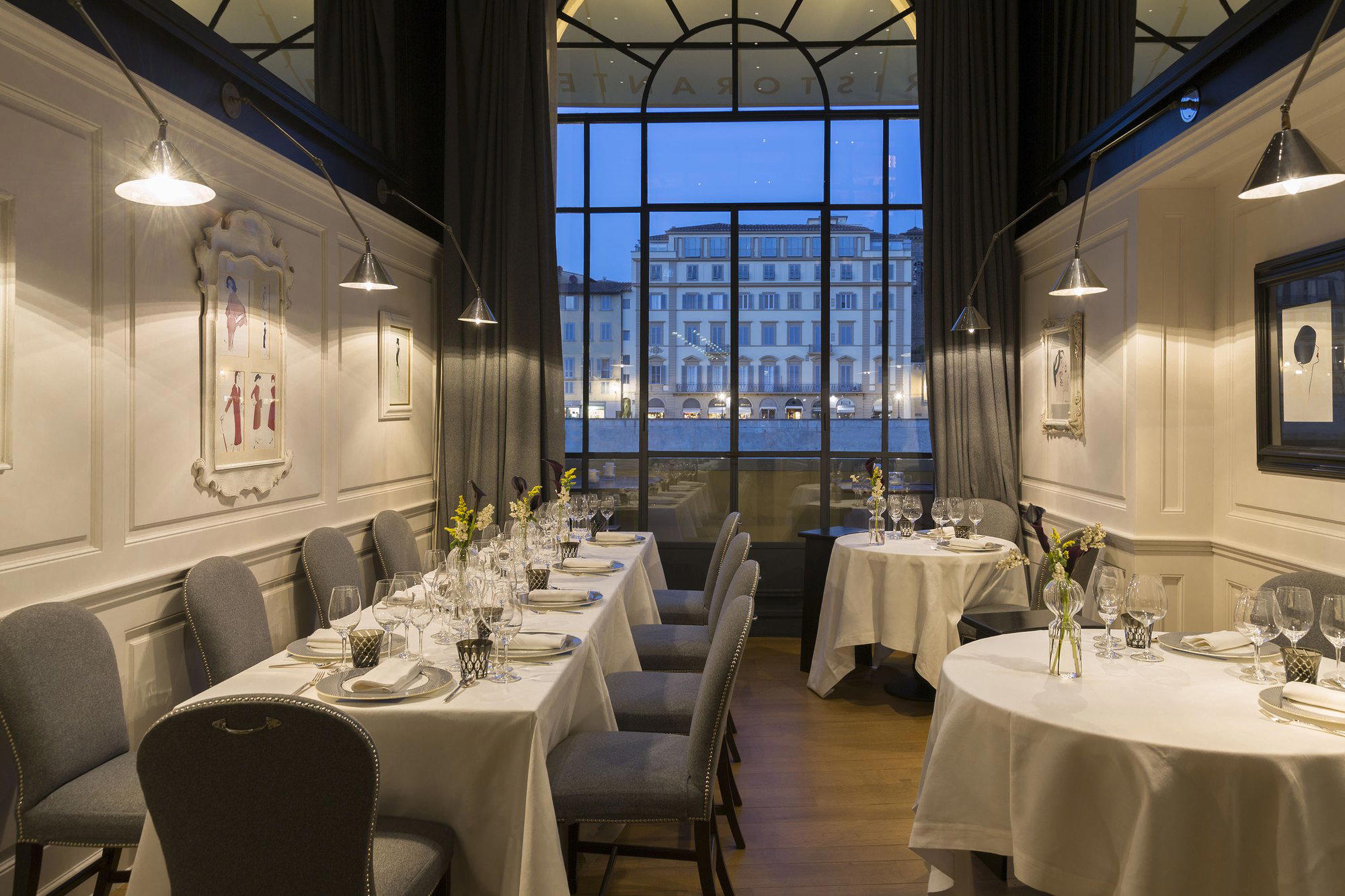
Bars in Florence
Browse all →
Hotels in Florence
Browse all →
At a Glance
- Rustic
- Cozy
- Classic
- Casual Hangout
- Family
- Historic Building
Current opening hours
- Monday
- 12:30–2:30 PM, 7:30–11 PM
- Tuesday
- 12:30–2:30 PM, 7:30–11 PM
- Wednesday
- 12:30–2:30 PM, 7:30–11 PM
- Thursday
- 12:30–2:30 PM, 7:30–11 PM
- Friday
- 12:30–2:30 PM, 7:30–11 PM
- Saturday
- 12:30–2:30 PM, 7:30–11 PM
- Sunday
- 12:30–2:30 PM
Hours can change for holidays and private events. Last verified .
Warm and traditional with beamed ceilings, offering a cozy neighborhood feel with a light Bohemian touch from young staff.