Castello di Casole, A Belmond Hotel, Tuscany




A restored 10th-century castle across 4,200 acres of Tuscan countryside, Castello di Casole earned Michelin's 2 Keys distinction in 2024 and a La Liste Top Hotels score of 90.5 points for 2026. The Belmond property balances medieval architecture, stone walls, vaulted wine-cellar spa, a tower dating to 998, with 41 rooms that range from antique-furnished castle suites to strikingly contemporary Oliveto accommodations.
Pearl is the En Primeur Club membership app — saves, bookings, and concierge access live there. Same editors, same standards.
- Address
- Via Regina 8, Tremezzina, Lago di Como, 22016 Italy
- Phone
- 39-0344-42491
- Website
- gc.synxis.com
- Directions
- Get directions
 Saves & bookings on Pearl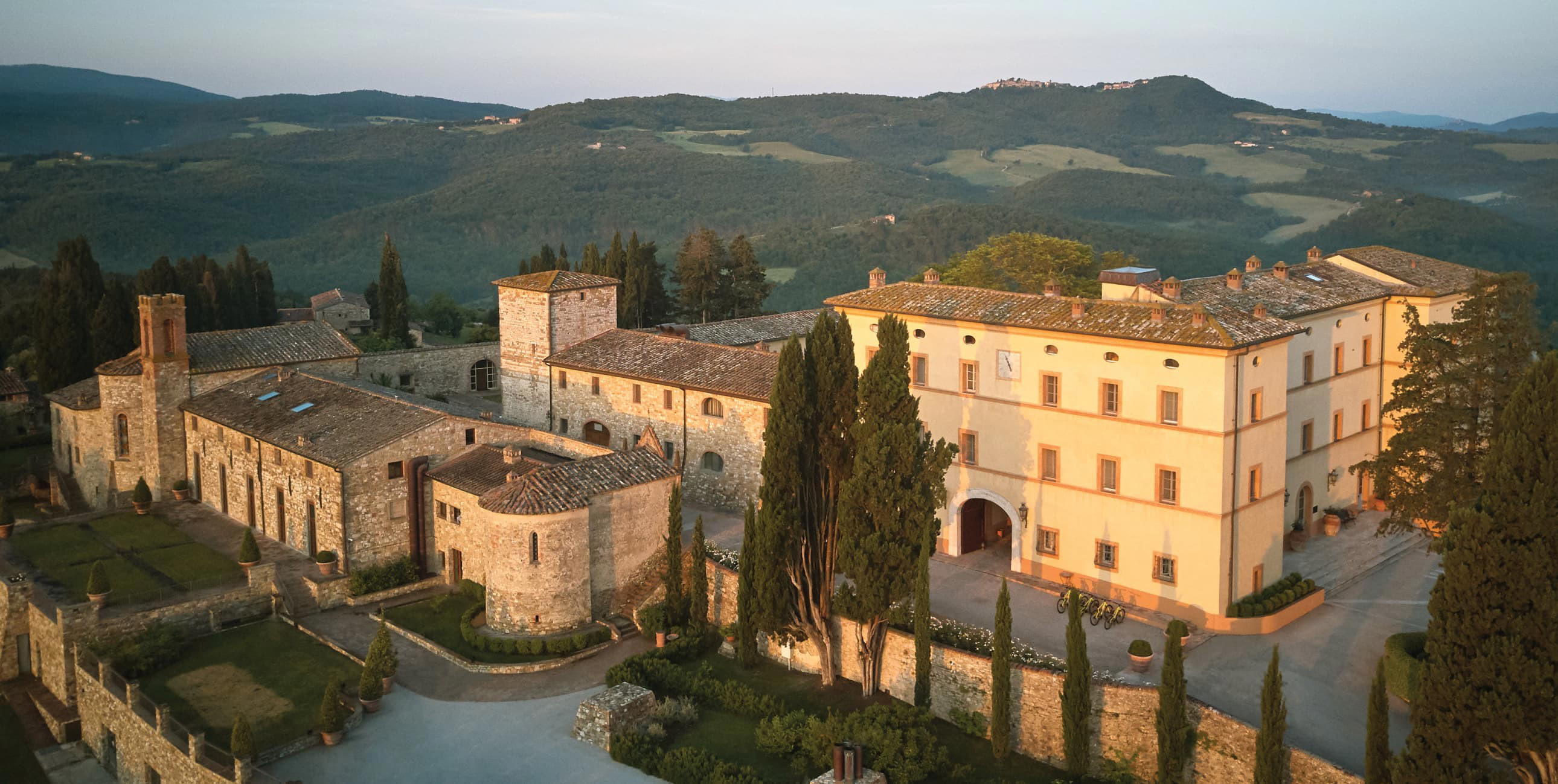
A Thousand Years of Tuscan Stone
The approach to Castello di Casole sets an expectation the property then has to meet: a long avenue of cypress trees, ruler-straight against the Sienese hills, leading toward a cluster of medieval stone buildings that have been absorbing Tuscan weather since the tenth century. Arriving here feels less like checking into a hotel and more like crossing into a privately governed territory, 4,200 acres of vineyards, olive groves, woodlands, and meadow that the surrounding hamlet of Casole d'Elsa has effectively grown around. The property sits in Querceto, a municipality whose name translates to "oak forest," and the landscape earns that etymology. The hotel has 41 rooms and suites and holds 2 Michelin Keys. Deer, hare, and wild boar move through the estate's outer reaches. Cypress and oak frame everything else.
What that drive delivers is one of the more architecturally layered properties in central Italy: a restored main castle, a former medieval village now converted into accommodation and amenity space, and outlying farm buildings that have been brought into the hospitality fold without erasing the agricultural grammar that gave them their character. Tuscan estate hotels, and there are several worth comparing, from Borgo San Felice Resort in Castelnuovo Berardenga to Castelfalfi in Montaione, tend to occupy a spectrum between heavy restoration that sanitises the historic fabric and sympathetic renovation that keeps the roughness intact. Castello di Casole sits toward the latter end of that spectrum, with exposed brick, original stone walls, and open fireplaces doing significant architectural work across most of the property.
The Architecture as Evidence
The oldest structure on the estate is a tower dating to 998, likely connected to the Via Francigena, the medieval pilgrimage route running from Canterbury through Tuscany toward Rome. That connection is not decorative; it grounds the property in a geography of movement and history that predates the Roman road system's decline. The tower remains the estate's most direct link to the early medieval period, and its presence within a functioning luxury hotel gives the property a temporal depth that contemporary restorations rarely achieve.
The main castle came later in the property's history and passed through notable ownership before its restoration, including a period under Luchino Visconti, the Italian filmmaker. The lounge adjacent to the heated pool now carries his name, a light acknowledgment of that provenance without overstating it. What the restoration team, an American ownership group working with Italian architects and designers, understood was that the interiors should feel inhabited rather than curated. Creamy autumnal tones, brick floors, wooden beams, and Italian fabrics across most rooms give the sense of a Tuscan country house that has simply been maintained well across generations, rather than rebuilt from a mood board. The marble bathrooms and contemporary electronic amenities are present but calibrated not to break the register.
Essere Spa occupies the property's former wine cellar, and the architecture carries that history directly. Stone walls, dimly lit vaulted corridors, and the residual atmosphere of a space designed to keep temperatures stable year-round create conditions that most purpose-built spa environments spend significant design effort attempting to simulate. Here they are structural. Grape-inspired treatments extend the agricultural metaphor without forcing it. For a comparable approach to embedding wellness within historic architecture, Castello di Reschio in Lisciano Niccone operates on a similar restoration philosophy across the Umbrian border.
Rooms: Variation with Consistency
41 rooms and suites across the estate divide into distinct typological groups. Most follow the historical register closely: Exclusive Suites fitted with antiques and original stone walls occupy the older parts of the castle and village buildings, and the sensory experience of staying in them, exposed brickwork, open fireplaces, the specific weight of Tuscan winter light through deep-set windows, is consistent with the broader architectural argument the property makes. A pair of villas and seven secluded farmhouses extend the accommodation footprint into the estate's outer territories, appropriate for guests who want more separation from the main cluster of buildings.
Nine Oliveto Suites represent a deliberate departure: contemporary design on a property where the dominant grammar is historical. Large terraces and a markedly more modern aesthetic place them in a different conversation, closer to design-led countryside hotels than castle restoration. For guests who want the estate context but prefer the visual language of contemporary interiors, these are the logical choice. The underlying comfort standards across all categories remain consistent; the differentiation is primarily aesthetic and spatial.
Belmond's wider Italian portfolio spans radically different hotel typologies, Aman Venice in Venice and Four Seasons Hotel Firenze in Florence operate at comparable price positions in their respective cities, but Castello di Casole's seasonal structure and rural isolation place it in a distinct sub-category: the Tuscan estate hotel whose value proposition is fundamentally about space and quiet, not urban access or cultural programming density.
Dining, Grounds, and the Estate as Activity
The restaurant Tosca occupies a panoramic terrace overlooking the surrounding hills, and the menu draws on the estate's own organic production: the Castello's label red wines, olive oil, and honey provide an agricultural baseline for the kitchen. The limonaia, or lemon house, serves as an alfresco breakfast setting, a former agricultural outbuilding repurposed without losing its original character. The Enchanted Table, a dining format set in a secluded glade within the estate, operates as an aperitivo environment that uses the landscape itself as the primary design element.
An ancient amphitheater on the grounds provides a setting for summer concerts and functions as a wedding venue during the season, architecture serving multiple simultaneous purposes, which is consistent with how the property manages the estate more broadly. The infinity pool, tiled in Bisazza glass, sits against a backdrop of rolling Sienese hills and provides the kind of view that the property's marketing cannot improve upon because the geography does the work. Yoga and Pilates take place on the lawn. Guided nature walks, truffle hunts, and stargazing are among the organised activities within the estate boundaries.
Beyond the estate, Siena sits approximately 20 minutes by car, Florence roughly 40 minutes. San Gimignano and the broader Chianti wine zone are within easy reach. The concierge team maintains working relationships with local cheese producers, truffle hunters, and area specialists, which makes the estate's activity programming more connected to the actual agricultural life of the surrounding territory than a standard hotel excursion list. A selection of bikes is available for independent exploration of the surrounding roads and hillside tracks.
Credentials and Context
Castello di Casole received Michelin's 2 Keys distinction in 2024, placing it within the upper tier of Michelin's hotel recognition program, which focuses on hospitality quality and experience consistency rather than food alone. La Liste's 2026 Leading Hotels ranking assigned a score of 90.5 points, a position that places the property in the company of Italy's most recognised rural luxury addresses, including Rosewood Castiglion Del Bosco in Montalcino, which operates a comparable estate model in the Brunello zone to the south.
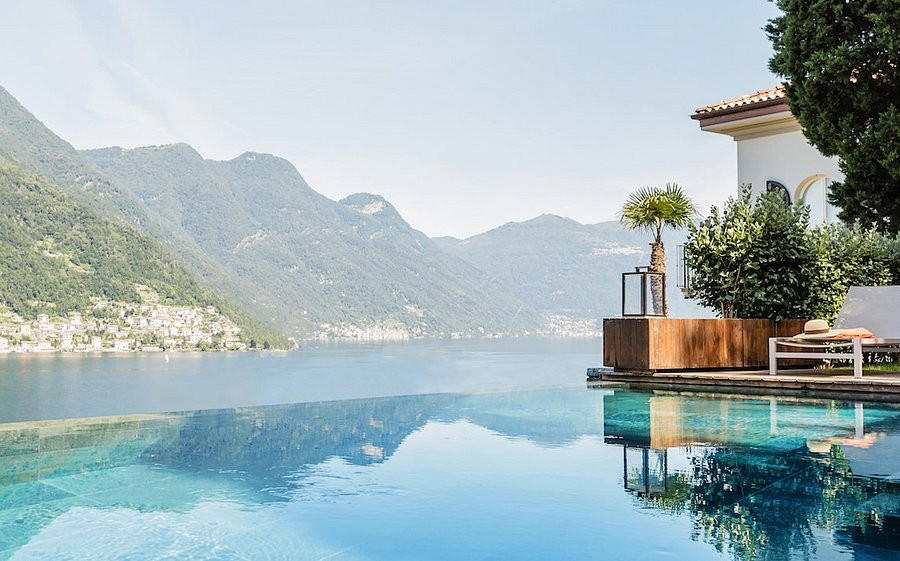
Within the broader category of Italian countryside hotels that combine historic architecture with contemporary hospitality standards, Castello di Casole competes against properties like Borgo Egnazia in Savelletri di Fasano and Il Pellicano in Porto Ercole, each of which takes a different approach to balancing heritage architecture with contemporary luxury expectations. Among lake properties, Passalacqua in Moltrasio and Grand Hotel Tremezzo in Tremezzo offer a point of comparison for the intersection of historic property and modern service standards, though in an entirely different landscape register. For guests considering Italy more broadly, Casa Maria Luigia in Modena, Bulgari Hotel Roma in Rome, Portrait Milano in Milan, and Corte della Maestà in Civita di Bagnoregio each represent different segments of the premium Italian hospitality market. Beyond Italy entirely, Amangiri in Canyon Point, Aman New York, and The Fifth Avenue Hotel in New York City offer reference points for guests calibrating expectations against international luxury benchmarks.
Planning Your Stay
The property operates seasonally, open from mid-March through 30 November 2025. Castello di Casole is located in the province of Siena; the entrance is off the SS541 road, approximately 20 minutes by car from Siena's city centre and 40 minutes from Florence. Given the rural location, a hire car is the practical necessity for both arrival and any independent exploration of the surrounding region. Cooking classes using the property's 16th-century oven can be arranged on request. Families with children are accommodated across most of the estate's activity programming, with dedicated children's offerings including pizza-making classes, local farm visits, and adapted spa experiences for older children. Comparable Tuscan properties worth considering alongside Castello di Casole include Castel Fragsburg in Merano, Borgo Santandrea on the Amalfi Coast, Il San Pietro di Positano, JK Place Capri, Bellevue Syrene 1820 in Sorrento, and EALA My Lakeside Dream in Limone sul Garda, and Forestis Dolomites in Plose for guests whose travel extends into the Alpine north.
Side-by-Side Snapshot
Comparable venues nearby, for context on price, style, and recognition.
| Venue | Cuisine | Price | Awards | Notes |
|---|---|---|---|---|
| Castello di Casole, A Belmond Hotel, TuscanyThis venue — the venue you are viewing | Restored historic castle on a vast Tuscan estate blending antique charm with modern luxury. | $$$$ | Michelin 2 Key | Not listed |
| Castello di Casole, A Belmond Hotel, Tuscany | Restored 10th-century castle estate blending historic Tuscan charm with contemporary luxury | $$$$ | 5-Star | Casole d'Elsa |
| Hotel Gritti Palace | Historic Venetian palazzo dating to 1525, meticulously restored as a luxury heritage property blending five centuries of history with contemporary comfort and technology. | $$$$ | Michelin 2 Key | San Marco |
| Borgo San Felice Resort | Restored medieval Tuscan hamlet with modern luxury | $$$$ | Michelin 2 Key | Castelnuovo Berardenga |
| Rosa Alpina | Contemporary Alpine chalet with modernist luxury | $$$$ | Michelin 2 Key | San Cassiano |
| Palazzo Portinari Salviati Residenza D'Epoca | Historic Renaissance palace with modern luxury services | $$$$ | Michelin 2 Key | San Niccolo |
Recognition history
Dated appearances from independent guides and award organizations, with the underlying list record or original source where available.
Forbes 4-Star
Forbes
La Liste Top Hotels
La Liste
Virtuoso Luxury Hotel Partner
Virtuoso
Forbes 4-Star
Forbes
Michelin 2 Keys
Michelin
Michelin 2 Keys
Michelin
Continue exploring
More in Casole d'Elsa
Hotels in Casole d'Elsa
Browse all →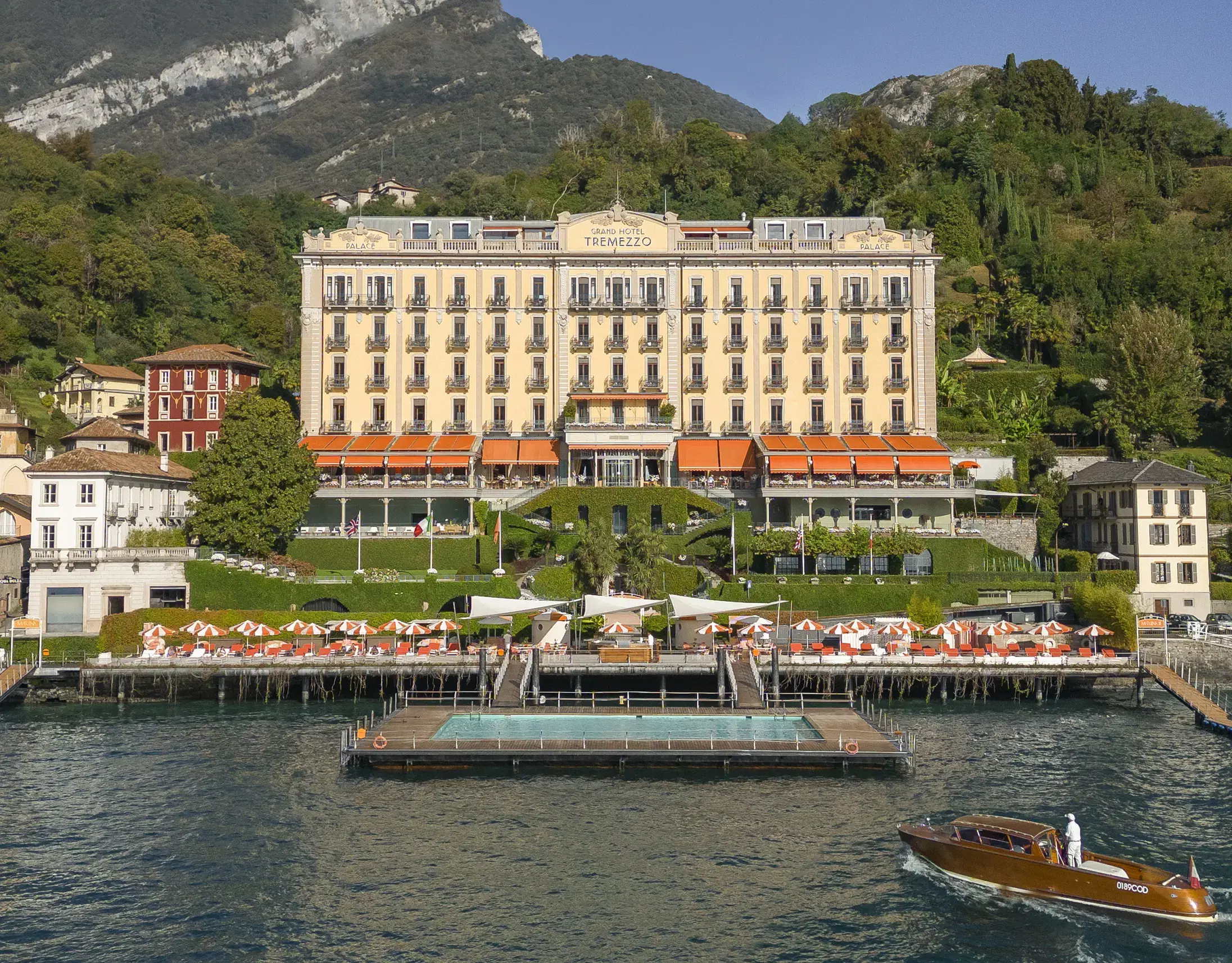
Bars in Casole d'Elsa
Browse all →
Restaurants in Casole d'Elsa
Browse all →

At a Glance
- Romantic
- Elegant
- Scenic
- Sophisticated
- Rustic
- Ornate
- Honeymoon
- Romantic Getaway
- Wellness Retreat
- Anniversary
- Weekend Escape
- Infinity Pool
- Private Villa
- Destination Spa
- Historic Building
- Panoramic View
- Pool
- Spa
- Fitness Center
- Room Service
- Concierge
- Wi Fi
- Tennis Court
- Mountain
- Vineyard
- Garden
- Pool
- Spa
- Fitness Center
- Room Service
- Concierge
- Wi Fi
- Tennis Court
Serene and elegant Tuscan atmosphere with warm lighting from antique details, exposed stone walls, wood-beamed ceilings, and open fireplaces, enhanced by surrounding olive groves and vineyards.