
Positioned on Nakanoshima island in Osaka's Kita Ward, KURA brings together teppanyaki and sushi under one roof at an address that signals serious intent. The combination format sits within a broader Osaka dining tradition that values craft performance and counter-seat interaction. For visitors mapping the city's premium Japanese dining circuit, KURA occupies a notable position in the Nakanoshima corridor.
Pearl is the En Primeur Club membership app — saves, bookings, and concierge access live there. Same editors, same standards.
- Address
- 3 Chome-2-4 Nakanoshima, Kita Ward, Osaka, 530-0005, Japan
- Phone
- +81662220111
- Website
- conradosaka.jp
- Directions
- Get directions
 Saves & bookings on Pearl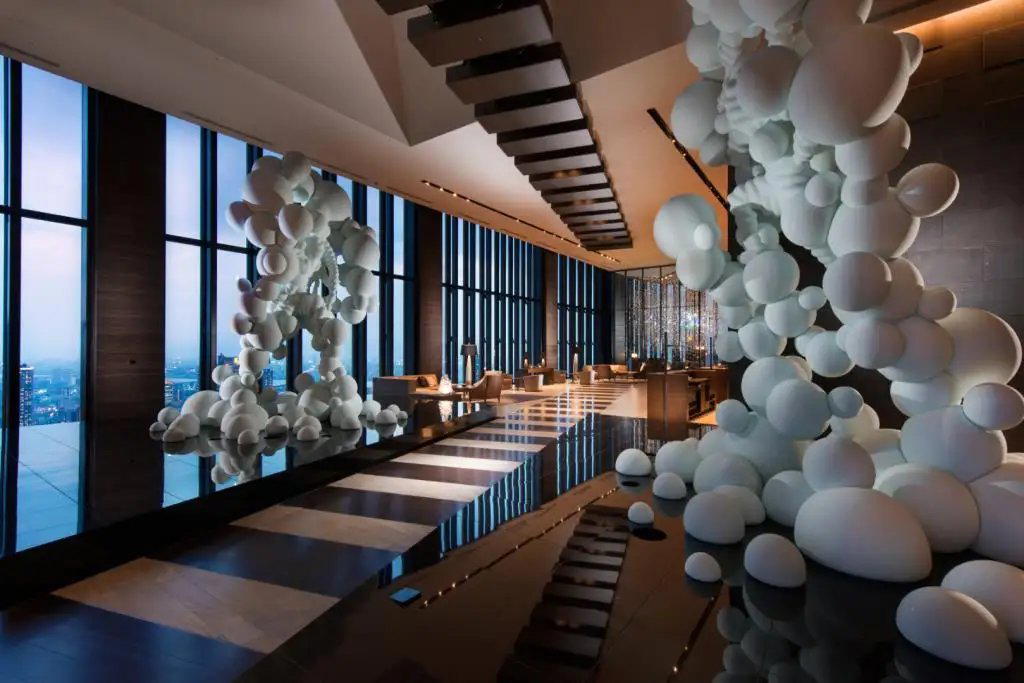
Nakanoshima After Dark: What the Island Tells You Before You Sit Down
Nakanoshima occupies a sliver of land between the Dojima and Tosabori rivers in central Osaka, and the approach to any restaurant here carries a particular weight. The island has long functioned as Osaka's civic and financial core, home to the city hall, the Museum of Oriental Ceramics, and a concentration of institutions that give the surrounding streets a quiet formality absent from Namba or Shinsaibashi. Walking toward 3 Chome-2-4 on an evening in autumn or winter, when the Barakura English Garden's seasonal displays give way to the city's own illuminations along the riverbanks, the setting does significant atmospheric work before a single dish arrives.
That geography matters for understanding what KURA is doing. A teppanyaki and sushi venue at this address is not pitching itself at tourist thoroughfares or casual walk-in trade. Nakanoshima dining establishments tend to operate in a register of considered occasion dining, where the combination of riverside setting, relatively contained foot traffic, and a clientele drawn largely from the business and cultural institutions nearby creates an environment that feels purposeful rather than incidental.
The Combination Format: What Teppanyaki and Sushi Together Actually Means
In Japan, the pairing of teppanyaki and sushi within a single venue is less common than it might appear from Western menus that freely conflate Japanese cooking styles. Teppanyaki, which emerged as a format in the postwar period and was popularized internationally through chains like Misono (which opened in Kobe in 1945), involves cooking on a flat iron griddle at high heat, typically in front of seated guests. The theatrical proximity of heat, sound, and the chef's movements is core to the format's appeal: the sizzle of beef hitting the teppan, the smell of rendered fat and caramelizing vegetables, the visual rhythm of a skilled cook working quickly in a confined space.
Sushi counter dining operates on an almost opposite sensory register. The dominant sounds are quieter: the soft pressure of fingers on rice, the clean pull of a knife through fish, the occasional murmur between chef and guest at an omakase counter. Temperature, by contrast, is central: well-executed nigiri requires rice at close to body temperature and fish brought to the right cold-but-not-cold equilibrium before service. The combination format, when handled well, asks a kitchen to hold competency across two fundamentally different disciplines and two very different guest rhythms.
Osaka has its own strong sushi tradition, distinct from Tokyo's Edomae conventions. The city's history as a market hub for seafood moving through the Inland Sea produced a regional style historically associated with pressed sushi (oshizushi) and more assertive vinegar profiles than the capital's approach. Contemporary Osaka sushi venues exist along a spectrum from that regional tradition through to kaiseki-inflected omakase counters. For context on the higher end of that spectrum in the city, HAJIME in Osaka represents the three-Michelin-star tier, while venues like Ajikitcho Bunbuan and Ajihei Sonezaki anchor the kaiseki tradition across the city.
The Sensory Architecture of the Counter
Teppanyaki venues that hold serious culinary intent are distinguished less by showmanship than by heat control and sourcing. The teppan surface, when properly managed, creates the Maillard reaction conditions that define the format's appeal: a crust on wagyu or premium seafood that a conventional grill cannot replicate. The smell of a well-maintained teppan kitchen, with its high-temperature oils and the volatiles released by high-grade Japanese beef, is immediately distinct from any other cooking environment. For guests seated at the counter, that olfactory immediacy is part of what the format promises.
Nakanoshima's riverside addresses also benefit from a particular ambient quality: the low hum of the city across the water, the relative quiet of an island that empties of office workers by evening, and an interior that, for any venue serious about the format, is likely calibrated to let the cooking environment rather than background noise dominate. This is the sensory logic of counter dining in Osaka: the performance of craft is the entertainment, and the room is designed to keep that hierarchy in place.
For comparison points on counter-driven craft dining in the broader Kansai region, Gion Sasaki in Kyoto and akordu in Nara illustrate how the wider region approaches high-concentration, counter-format dining. Nationally, Harutaka in Tokyo represents the kind of sushi counter discipline that sets a reference point for what premium nigiri service looks like at the top of the category.
Placing KURA in the Osaka Premium Dining Circuit
Osaka's restaurant market is unusually dense at the upper-mid and premium tier. The city has more Michelin-starred restaurants per capita than most cities globally, and the competition for serious dining occasions is correspondingly intense. Within Kita Ward specifically, the concentration of business hotels, corporate entertaining venues, and proximity to major transport links at Osaka Station and Nakanoshima's own access points creates a guest mix that skews toward experienced diners who have clear reference points for what teppanyaki and sushi should deliver.
Venues in this part of the city sit alongside options including Aka to Shiro, Az, and Calendrier, each occupying a distinct position in the city's broader dining map. Further afield, Goh in Fukuoka illustrates how other major Kyushu cities approach premium counter dining, and the full Osaka Shi restaurants guide provides the widest available context for mapping the city's current options.
Internationally, the contrast with high-investment counter dining in other markets is instructive. Le Bernardin in New York City and Atomix in New York City represent the kind of sustained critical recognition and booking pressure that premium counter formats generate in major Western cities, providing a useful calibration for what serious intent looks like across different culinary traditions.
Planning Your Visit
KURA sits at 3 Chome-2-4 Nakanoshima, Kita Ward, Osaka. Nakanoshima is accessible via Nakanoshima Station on the Keihan Nakanoshima Line, which connects the island to central Osaka without requiring surface navigation. The autumn and winter months, when Osaka's river illuminations are active and the island's formal character is most pronounced, represent a natural seasonal prompt for an evening reservation, though the venue's address and format suggest year-round serious dining intent rather than seasonal programming. Specific hours, pricing, and booking methods are best confirmed directly, as these details were not available at time of publication. Comparable venues in the city's premium tier typically require reservations placed several weeks in advance for weekend sittings; weekday availability at counter venues in Nakanoshima tends to be somewhat more accessible.
How KURA - Teppanyaki & Sushi Osaka Shi compares with similar nearby venues.
| Venue | Cuisine | Price | Awards |
|---|---|---|---|
| KURA - Teppanyaki & Sushi | Not listed | Not listed | Tabelog 100 #44 (2025) |
| Le progrès | French | ¥¥¥ | Not listed |
| La Fête Hiramatsu | Not listed | JPY 20,000 - JPY 29,999 JPY 8,000 - JPY 9,999 | Not listed |
| Noguchi Jiro | Not listed | JPY 20,000 - JPY 29,999 | Not listed |
Recognition history
Dated appearances from independent guides and award organizations, with the underlying list record or original source where available.
Tabelog 100 #44 · No. 44
Tabelog · Tabelog 100 - Steak / Teppanyaki - WEST - 2025
Continue exploring
More in Osaka
Restaurants in Osaka
Browse all →




Bars in Osaka
Browse all →




Hotels in Osaka
Browse all →




Wineries in Osaka
Browse all →
At a Glance
- Elegant
- Modern
- Sophisticated
- Scenic
- Special Occasion
- Date Night
- Business Dinner
- Chefs Counter
- Open Kitchen
- Private Dining
- Panoramic View
- Hotel Restaurant
- Sake Program
- Skyline
Current opening hours
- Monday
- 11:30 AM–2 PM, 5:30–8:30 PM
- Tuesday
- 11:30 AM–2 PM, 5:30–8:30 PM
- Wednesday
- Closed
- Thursday
- 11:30 AM–2 PM, 5:30–8:30 PM
- Friday
- 11:30 AM–2 PM, 5:30–8:30 PM
- Saturday
- 11:30 AM–2 PM, 5:30–8:30 PM
- Sunday
- 11:30 AM–2 PM, 5:30–8:30 PM
Hours can change for holidays and private events. Last verified .
Sleek modern decor with soft lighting, featuring teppanyaki counters and sushi bar overlooking far-reaching city night views.
Know Before You Go
- Getting there
- 3 Chome-2-4 Nakanoshima, Kita Ward, Osaka, 530-0005, Japan