Kol Restaurant occupies a prominent address on Skólavörðustígur, one of Reykjavik's most walked streets, and operates within the city's growing tier of serious, ingredient-led dinner destinations. The dining ritual here follows a deliberate pace, positioning it alongside venues like DILL in the conversation about where Icelandic cooking is heading. Plan ahead: this is not a walk-in proposition.
 Discover on Pearl
Pearl is the En Primeur Club membership app — saves, bookings, and concierge access live there. Same editors, same standards.
- Address
- Skólavörðustígur 40, 101 Reykjavík, Iceland
- Phone
- +3545177474
- Website
- kolrestaurant.is
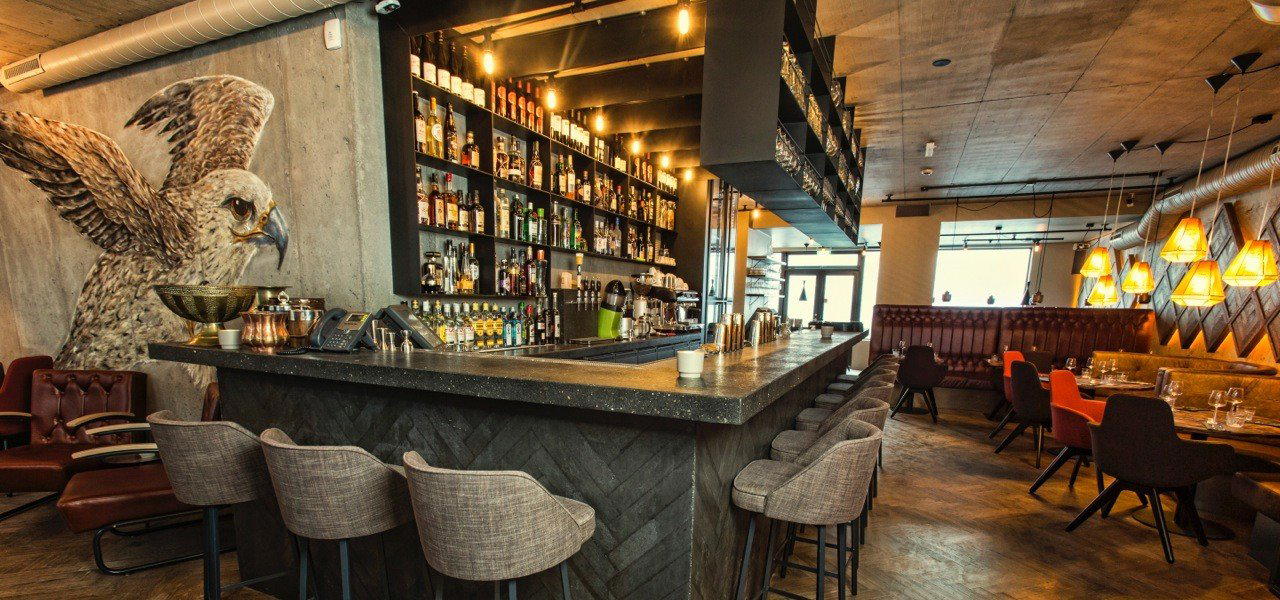
Where Reykjavik's Dining Ritual Takes Shape
Skólavörðustígur runs uphill from the old harbour toward Hallgrímskirkja, and the street's character shifts as you climb: souvenir shops give way to design studios, then to the quieter storefronts that house some of the city's more considered dining rooms. Kol Restaurant sits at number 40, toward the upper stretch, where the foot traffic thins and the light in summer lasts long past what any visiting stomach expects. That physical setting matters because it frames the kind of meal Kol is set up to deliver: one that rewards arrival with intention rather than impulse.
Reykjavik has spent the last decade building a dining culture that punches above its population size. A city of roughly 130,000 people now holds multiple restaurants that operate at a level of technical ambition and ingredient discipline comparable to capitals ten times its size. That compression has pushed individual venues to differentiate sharply. The tier that Kol occupies is not the casual fish-and-chips end, nor the full-ceremony tasting-menu format represented by DILL in Reykjavík or the geothermally adjacent Moss in Grindavík. It sits somewhere in the productive middle: a restaurant built around a coherent dining ritual rather than either casualness or spectacle.
The Rhythm of the Meal
In Reykjavik's better restaurants, pacing is a deliberate editorial choice, not an accident of kitchen throughput. The dining ritual at venues in this tier tends to unfold in stages that reflect the Icelandic relationship with produce: seasons are short, preservation techniques run deep, and the interplay between raw and fermented, between fresh catch and aged dairy, carries real cultural weight. Iceland's isolation has historically forced creativity with what exists, and that constraint shows up on menus as a kind of discipline that chefs in more abundant environments sometimes have to manufacture artificially.
At Kol, the address on Skólavörðustígur places it within walking distance of the old city's core, which means the logistical approach for most visitors is direct: this is a dinner venue you build an evening around, not one you stumble into after a museum. The conventional approach is to book ahead, arrive with time to take the street at pace, and treat the meal as the anchor of the night rather than one stop among several. That etiquette is baked into how the room functions.
For comparison points within the city, the direction of travel in Reykjavik's mid-to-upper tier has been toward restaurants that take a position on Icelandic ingredients without either fetishising their provenance or ignoring it entirely. Bon Restaurant and Brút both represent adjacent nodes in that network, each with its own format logic. Amma Don sits at a different register entirely.
Iceland's Ingredient Logic and What It Means at the Table
Understanding what makes Reykjavik's serious restaurants tick requires a short primer on Icelandic produce. The country's geothermal energy heats greenhouses that supply tomatoes and herbs year-round, a fact that has made venues like Friðheimar in Reykholt destination dining in their own right. Arctic char, langoustine, and cod remain the structural proteins of the cuisine, and the langoustine from the southern coast, particularly around Stokkseyri where Fjöruborðið has built an entire identity around the shellfish, sets a high benchmark. Dairy from Icelandic cows and sheep, skyr in its many manifestations, and a fermentation tradition that predates refrigeration by centuries all feed into what ends up on plates at the city's more ambitious venues.
At restaurants positioned where Kol sits, these ingredients arrive at the table through a specific ritual logic: they are introduced, contextualised, and given space. The meal is not designed to be rushed. Courses arrive with enough interval that the kitchen's sourcing decisions have room to register. That deliberate pacing mirrors a wider shift across Nordic fine dining, where the Noma influence has settled from shock-of-the-new into a more mature, less theatrical set of conventions. The forager-and-fermenter posture has normalised; what differentiates venues now is how convincingly they use that vocabulary with local materials.
Where Kol Sits in the Reykjavik Order
Iceland's restaurant geography extends well beyond the capital. The Chef's Table at Moss Restaurant operates at the Blue Lagoon in a format built around spectacle and setting; Bautinn in Akureyri anchors the north's dining scene; Malai-Thai in Keflavik serves the airport corridor. Within Reykjavik itself, the contrast between an address like Kol's and the city's most democratic institution, Bæjarins Beztu Pylsur, captures something true about the city: the range from lamb hotdog to tasting menu is compressed into a walkable radius, and both ends are taken seriously.
For restaurants in the middle-to-upper tier, the operating model typically involves dinner service only or a limited lunch program, advance booking as a matter of course, and wine lists that skew toward natural and low-intervention producers. Those choices reflect both the room's price expectations and the broader Nordic hospitality culture, where the meal is framed as an event with a beginning, middle, and end rather than a transaction. Bergsson Mathús operates on a different register, more cafe-forward and daytime-anchored, which illustrates how sharply differentiated the formats have become even within a small city.
Outside Iceland, the dining ritual logic that characterises venues like Kol has clear parallels in international reference points. The deliberate, produce-anchored progression shares structural DNA with what Atomix in New York City does with Korean ingredients, or with the precision-over-showmanship ethos at Le Bernardin in New York City. The methods differ; the underlying philosophy of letting sourcing discipline drive the experience does not. Von Mathús-Bar in Hafnarfjörður and Nesjavallavirkjun in Selfoss represent other nodes in the wider regional picture for visitors moving around Iceland.
Planning Your Visit
Kol Restaurant is at Skólavörðustígur 40 in central Reykjavik's 101 postal district, reachable on foot from most of the city's central accommodation. Given that Reykjavik's serious dinner venues book out quickly, particularly during the summer high season when visitor numbers peak and daylight extends past midnight, forward planning of two to four weeks is the working assumption for a table at a restaurant in this tier. The city's concentrated geography means a dinner at Kol can reasonably anchor an evening that begins with a walk along the harbour and ends in one of the old town's bars, none of which requires a taxi.
Cuisine-First Comparison
Comparable venues nearby, for context on price, style, and recognition.
| Venue | Cuisine | Price | Awards | Notes |
|---|---|---|---|---|
| Kol RestaurantThis venue — the venue you are viewing | Modern Icelandic Fusion | $$$ | , | |
| Monkeys | Asian-South American Fusion | $$$ | Reykjavíkurborg | |
| The Coocoo's Nest | Californian-Italian Brunch & Sourdough Pizza | $$ | , | Reykjavíkurborg |
| Fish Company | Nordic Seafood Fusion | $$$ | , | Reykjavíkurborg |
| Hverfisgata 12 | Modern Icelandic Cuisine | $$$ | , | Reykjavíkurborg |
| Humarhúsið - The Lobsterhouse | French-Inspired Icelandic Seafood | $$$$ | , | Reykjavíkurborg |
Continue exploring
More in Reykjavík
Restaurants in Reykjavík
Browse all →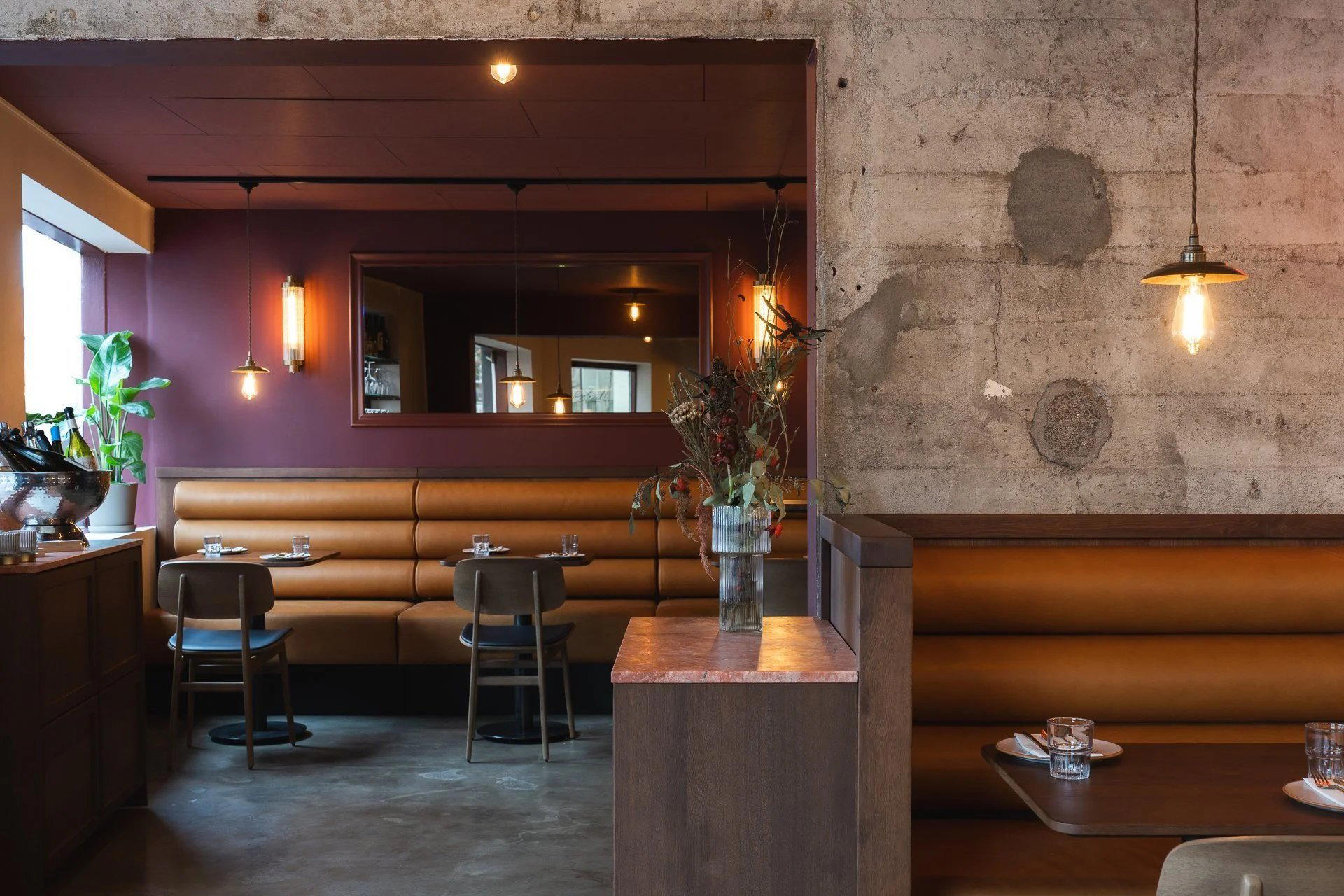
Bars in Reykjavík
Browse all →
Hotels in Reykjavík
Browse all →

Wineries in Reykjavík
Browse all →
At a Glance
- Modern
- Elegant
- Trendy
- Date Night
- Special Occasion
- Group Dining
- Open Kitchen
- Craft Cocktails
- Local Sourcing
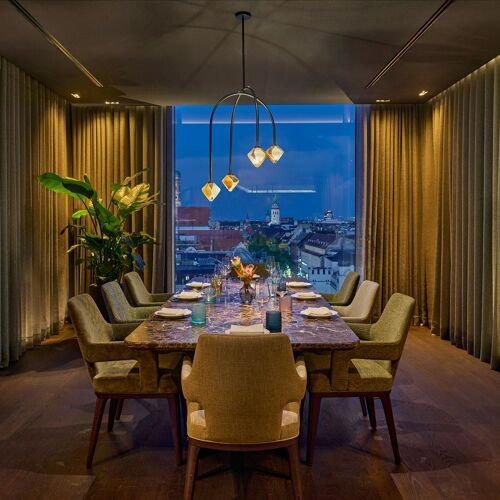
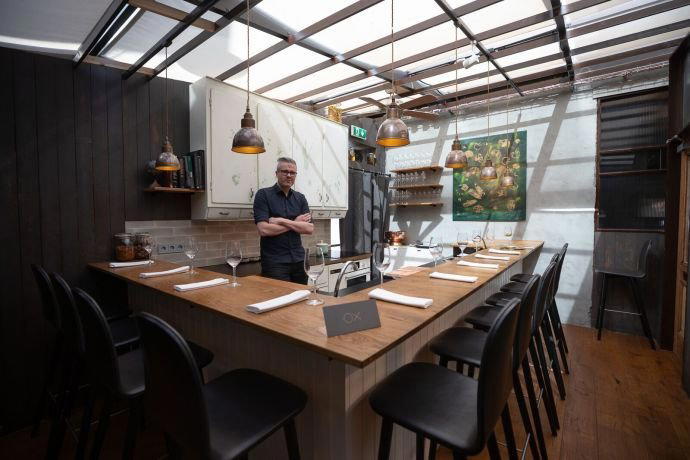
Warm, stylish, and moody atmosphere with designer Tom Dixon furniture, open kitchen, and a blend of modern Icelandic and international design on two floors.