On Laugavegur, Reykjavik's main commercial artery, Kaldi Bar/Café occupies a position that has made it a fixture of the city's casual drinking scene. The bar trades on Kaldi's domestic brewing credentials, giving it a specific identity within a Reykjavik bar circuit that otherwise skews toward imported lager and cocktail formats. A reliable address for Icelandic craft beer without the tourist-facing theatrics of the old town.
Pearl is the En Primeur Club membership app — saves, bookings, and concierge access live there. Same editors, same standards.
- Address
- Laugavegur 20a, 101 Reykjavík, Iceland
- Phone
- +354 581 2200
- Website
- facebook.com
- Directions
- Get directions
 Saves & bookings on Pearl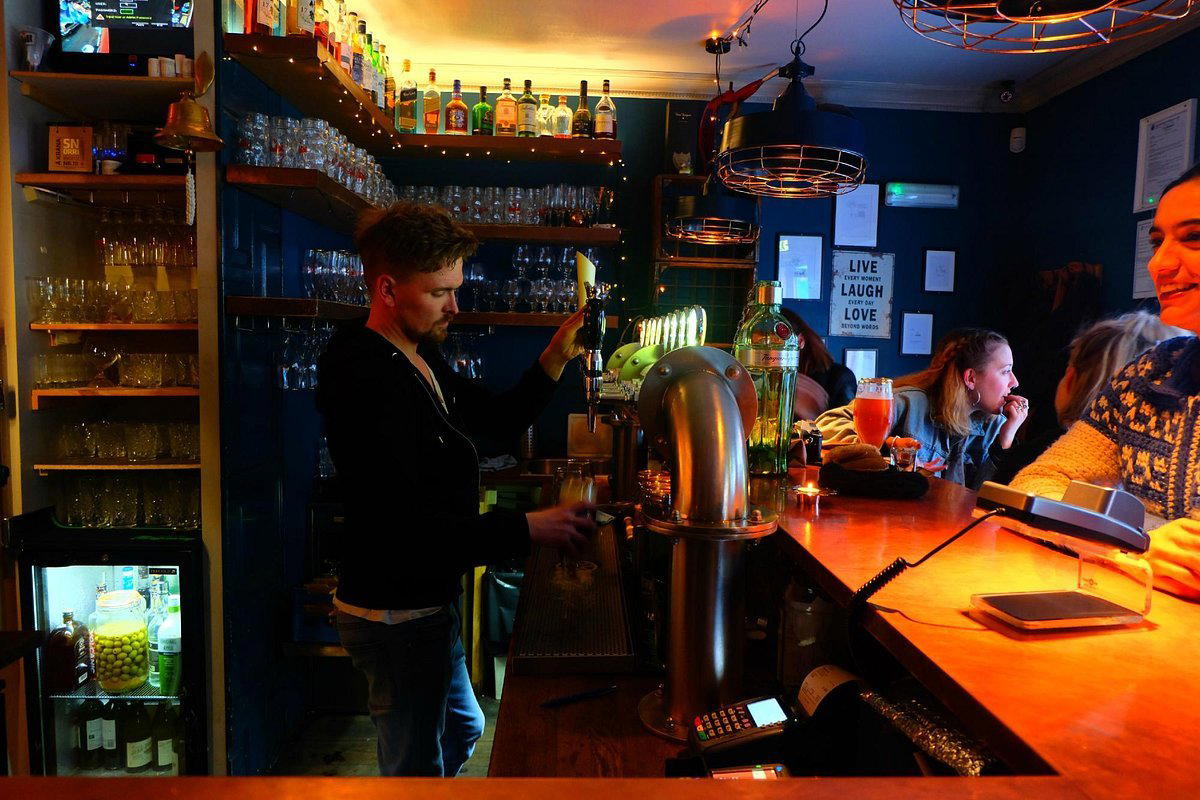
Laugavegur and the Bar That Anchors the Strip
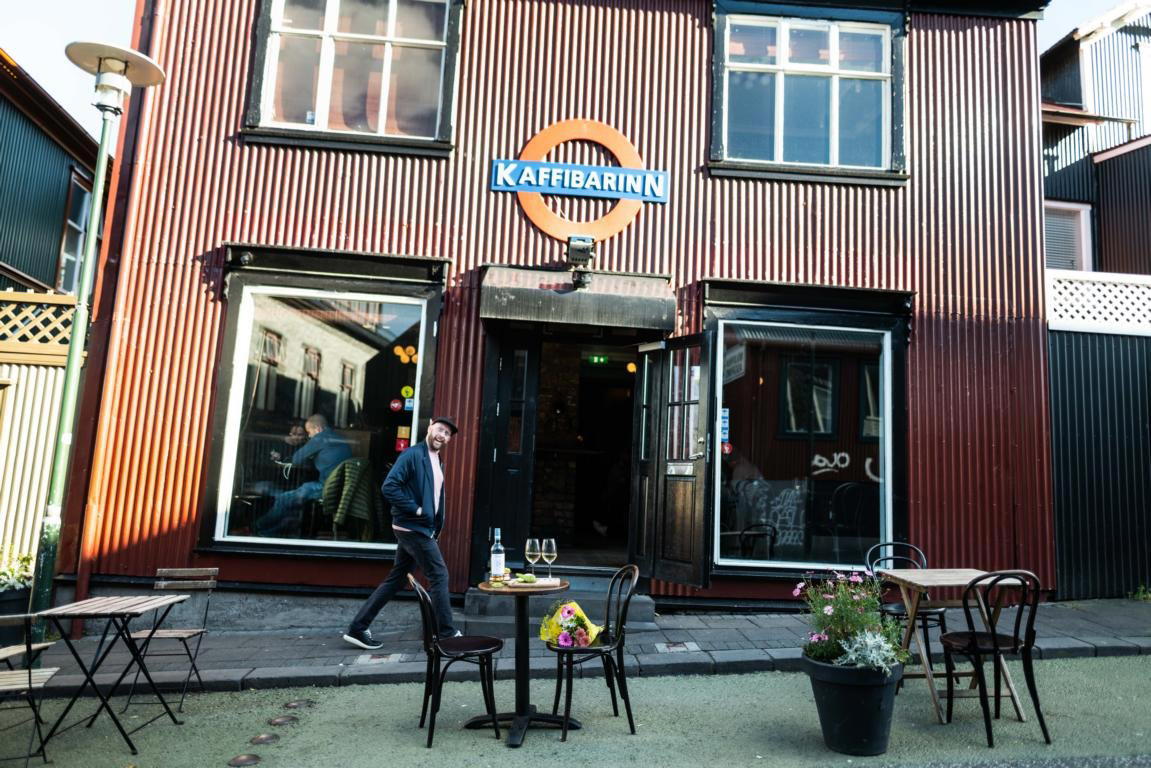
Kaldi Bar/Café is a bar in Reykjavík, Iceland, at Laugavegur 20a. Walking Laugavegur on any given evening, you pass through several distinct registers of Reykjavik nightlife within a few hundred metres: tourist-facing cocktail bars, neighbourhood wine rooms, late-night clubs, and a handful of places that feel less designed for any particular audience and more simply in place. Kaldi Bar/Café, at number 20a, sits in that last category. The address puts it on the active stretch of Laugavegur where foot traffic stays consistent well into the night, and the bar draws from both the local crowd moving between addresses and visitors who have done enough research to look past the more obvious options on the same street.
In a city where the bar scene consolidates around a relatively small geographic area, position on Laugavegur carries real weight. The street functions as both the main shopping corridor and the backbone of the evening circuit, and a bar that holds a Laugavegur address has a structural advantage that freestanding venues in quieter pockets lack. Kaldi uses that position without over-engineering it. The format is casual, the draw is specific, and the identity is rooted in what goes in the glass rather than how the room looks.
Iceland's Craft Beer Moment and Where Kaldi Sits in It
Iceland lifted its prohibition on full-strength beer as recently as 1989, a fact that shapes everything about how the country's beer culture developed. What emerged in the decades following was not a gradual evolution from established brewing traditions but a relatively compressed development arc, moving from a near-complete absence of domestic brewing to a functioning craft scene within a generation. Kaldi Brewery, the producer whose beers give this bar its name and its primary identity, entered that scene as one of the more credible domestic voices, building its reputation on lager-focused brewing with a Central European reference point rather than the hop-forward American craft templates that dominated the early wave of Icelandic microbreweries.
That distinction matters in practice. Where many craft beer bars in Reykjavik lean into IPA-heavy taps and rotating guest lines, Kaldi's house approach centres on cleaner, more restrained styles. For a drinker who finds the current craft beer orthodoxy exhausting, a bar anchored by a brewer with lager credentials offers a different conversation. It also positions Kaldi Bar/Café within a specific niche in the Reykjavik drinking scene: not a beer-geek destination in the rotating-tap sense, but a consistent address for domestic product made with a clear point of view.
The broader Reykjavik bar circuit has diversified considerably over the past decade. Venues like Bodega and 12 Tónar occupy their own distinct niches, and newer addresses such as BakaBaka have added further range to what the city offers after dark. Within that spread, the bar holds a position defined primarily by its relationship to a single producer and a particular approach to beer, which gives it a coherence that bars with broader, less focused programming sometimes lack.
The Bar/Café Dual Format in Reykjavik Context
The bar/café designation is not incidental. Reykjavik has a long-established culture of venues that shift register across the day, functioning as coffee and food destinations through the afternoon before transitioning into drinking-focused spaces in the evening. This is partly a practical response to the economics of running a small-city venue, and partly a reflection of how Icelanders actually use their bars: without a strict separation between daytime sociability and evening drinking. The format means the bar is accessible at hours when a purely bar-focused venue would either be closed or running a skeleton service, and it means the address works for a wider range of visits than a single-purpose drinking establishment.
For visitors building a day around Laugavegur, this dual format is useful. The street is walkable from most central accommodation, and a bar that functions across the full day removes the planning friction of coordinating visits around opening hours. That practical flexibility is part of what gives the bar its neighbourhood utility, distinct from the more evening-specific positioning of venues like Bryggjuhúsið.
Iceland's wider drinking and dining scene extends well beyond Reykjavik, and those building a fuller picture of what the country offers should note addresses like Götubarinn in Akureyri, Gott restaurant in Vestmannaeyjar, and Prýði in Vestmannaeyjabær as part of a broader Icelandic circuit. Within Reykjavik itself, Náttúrufræðistofnun and Kramber round out a city picture that has genuine range across formats and price points. For a comprehensive view, the full Reykjavik restaurants guide covers the full range of what the city offers.
Planning a Visit
The bar is located at Laugavegur 20a in central Reykjavik, on foot from virtually all city-centre accommodation. Given the bar/café format, a walk-in approach is practical for most visits, though weekend evenings on Laugavegur attract significant footfall and the bar fills accordingly. Arriving with some flexibility in timing is the safest approach. Price is about $25 per person, and the bar is open Mon to Thu and Sun from 12 PM to 1 AM, Fri and Sat from 12 PM to 3 AM.
Budget Reality Check
Comparable venues nearby, for context on price, style, and recognition.
| Venue | Cuisine | Price |
|---|---|---|
| Kaldi Bar/CaféThis venue — the venue you are viewing | Not listed | $$ |
| Lebowski Bar | Reykjavíkurborg, pub | $$ |
| Prikið ehf. | Reykjavíkurborg, pub | $$ |
| Paloma Club | Reykjavíkurborg, Bar | $$ |
| Kíkí Queer Bar | Reykjavíkurborg, lounge | $$ |
| Quest - Hair, Beer & Whisky Saloon | Reykjavíkurborg, pub | $$ |
Continue exploring
More in Reykjavík
Bars in Reykjavík
Browse all →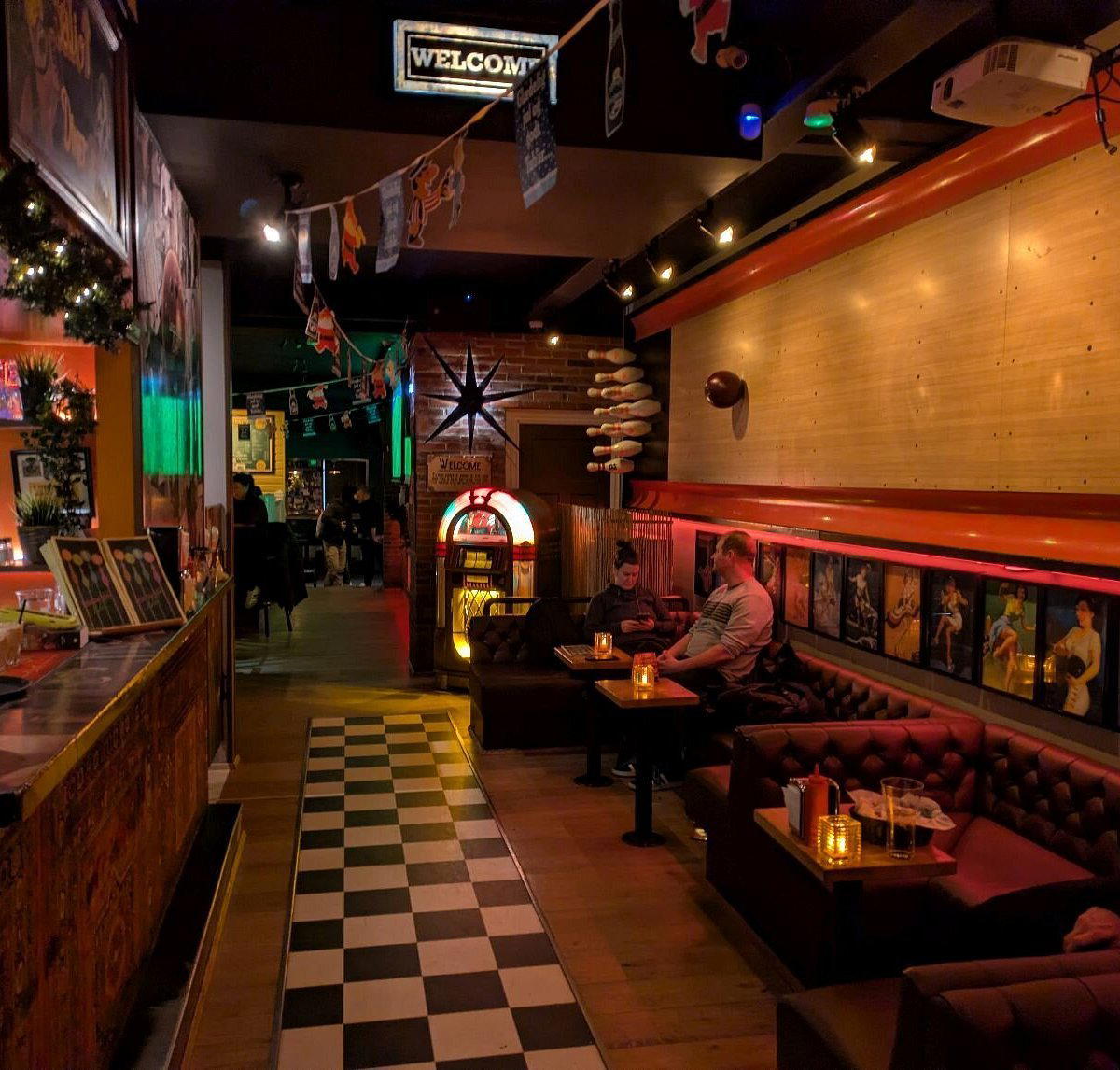
Restaurants in Reykjavík
Browse all →
At a Glance
- Cozy
- Rustic
- Trendy
- After Work
- Casual Hangout
- Live Music
- Seated Bar
- Craft Beer
- Gin
- Classic Cocktails
Current opening hours
- Monday
- 12 PM–1 AM
- Tuesday
- 12 PM–1 AM
- Wednesday
- 12 PM–1 AM
- Thursday
- 12 PM–1 AM
- Friday
- 12 PM–3 AM
- Saturday
- 12 PM–3 AM
- Sunday
- 12 PM–1 AM
Hours can change for holidays and private events. Last verified .
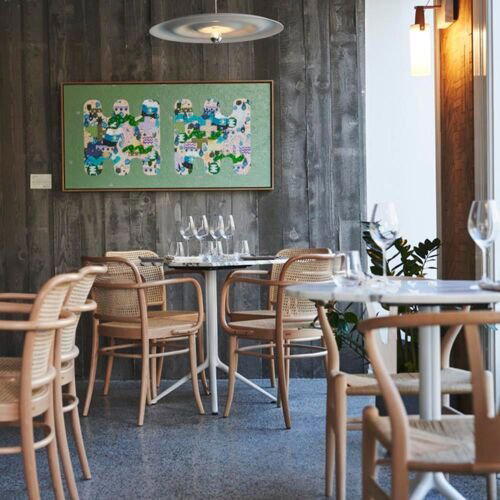
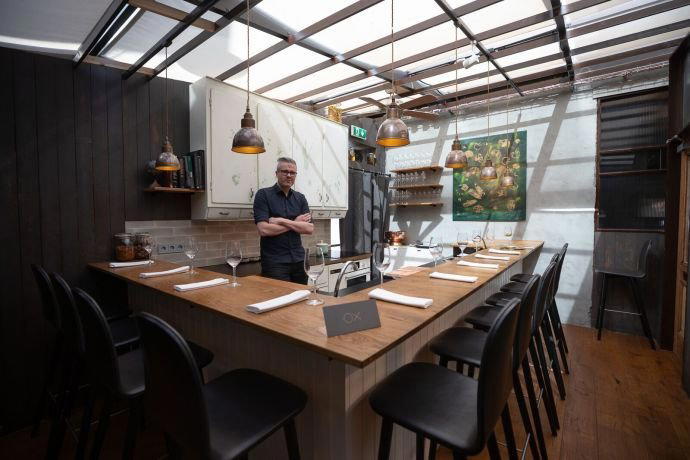
Warm rustic atmosphere with exposed brick, stone masonry, lively murals, and wooden decor creating a cozy cabin-like feel.