Nesjavallavirkjun sits at Tryggvagata 34 in Selfoss, South Iceland, placing it within reach of the geothermal and agricultural belt that defines the region's food supply. As Selfoss positions itself as a practical base for exploring the South, the question is whether its dining scene has caught up with the landscape's larder — and how this address fits into that broader shift.
Pearl is the En Primeur Club membership app — saves, bookings, and concierge access live there. Same editors, same standards.
- Address
- Tryggvagata 34, 805 Selfoss, Iceland
- Phone
- +354 516 6000
- Website
- on.is
- Directions
- Get directions
 Saves & bookings on Pearl
Where Iceland's Interior Larder Meets the Selfoss Table
Selfoss occupies a particular position in the Icelandic food conversation that often goes unremarked. The town sits at the confluence of the Ölfusá river basin and the southern agricultural corridor — the stretch of Iceland most associated with year-round dairy farming, greenhouse horticulture, and freshwater fishing. This is not the dramatic volcanic south of Vík or the geothermal spectacle of the Reykjanes peninsula; it is working Iceland, where the food supply that sustains the country's restaurant scene actually originates. For any address operating in this environment, the question of sourcing is not a marketing decision but a geographical reality. The ingredients are already here. The editorial interest lies in what kitchens do with that proximity.
Nesjavallavirkjun, at Tryggvagata 34 in Selfoss, sits inside that context. The address places it in the southern hub that has grown as a stopover and base for travellers moving between Reykjavík and the Ring Road's eastern segments, a position that brings footfall but also the expectations of an audience that has likely already eaten in the capital. That audience arrives with reference points — the New Nordic framework that DILL in Reykjavík helped establish, the geothermal drama of Moss in Grindavík, the tomato-greenhouse singularity of Friðheimar in Reykholt, and they will read any Selfoss kitchen against those benchmarks.
The Sourcing Logic of South Iceland
Iceland's ingredient story is more specific than the broad Nordic narrative often applied to it. The south is where the Hekla and Þórsmörk regions produce lamb with a distinctive mineral flavour from volcanic pasture grazing. The Selfoss area specifically is associated with the Ölverk food park and the dairy cooperatives that supply much of the country. Geothermal greenhouse production, which allows year-round cultivation of tomatoes, cucumbers, herbs, and increasingly specialty greens, is concentrated in this corridor between Selfoss and Hveragerði. The Atlantic cod, haddock, and Arctic char that anchor Icelandic menus travel the shortest supply chain when they land at kitchens in this region rather than being routed through Reykjavík's wholesale infrastructure.
This sourcing geography matters because it creates a practical argument for quality that exists independent of any individual kitchen's ambition. The comparison is instructive: in a country where even the capital's higher-end venues must reckon with import costs and supply chain length for non-native ingredients, a South Iceland address starts with a structural advantage in freshness and provenance. How that advantage translates into the dining experience is the variable that distinguishes one Selfoss address from the next. For our full read on how Selfoss dining compares across price tiers and cuisine types, see our full Selfoss restaurants guide.
Placing Selfoss in the Icelandic Dining Hierarchy
Iceland's restaurant hierarchy in 2024 runs through a fairly legible tier structure. At the leading, Reykjavík holds the Michelin-recognised addresses: DILL Restaurant in Reykjavik and the broader creative Nordic scene around it. Below that, a tier of destination experiences tied to specific landscapes, geothermal, volcanic, coastal, operates in places like Grindavík and Stokkseyri, where Fjöruborðið has built a reputation specifically around langoustine sourced from the adjacent shoreline. Then there is the town-based mid-tier, where Selfoss, Akureyri (home to Strikið), and Keflavík (with options like Malai-Thai) serve both locals and transiting visitors with less emphasis on destination credentials.
The interest in Selfoss dining is that the town is beginning to attract attention as the Ring Road circuit becomes more travelled by visitors seeking to avoid Reykjavík congestion. That shift in traffic creates conditions where a kitchen with genuine sourcing discipline and a clear sense of local identity can build a following independent of the capital's restaurant ecosystem. The model is not unlike what has happened in other secondary food towns internationally, where proximity to agricultural or marine production has driven genuine quality rather than proximity to the critical establishment.
The Broader Pattern: Geothermal Provenance as Cuisine Identity
Iceland's most distinctive sourcing narrative involves geothermal energy as an ingredient enabler rather than just an energy source. The greenhouses of Hveragerði, heated by geothermal water, produce vegetables that would otherwise require import. Geothermal pools sustain freshwater fish farming. The same underground heat that powers the country also shapes what its kitchens can plausibly cook from a local-only brief. For international visitors who arrive with reference points from high-concept tasting menus at addresses like the Chef's Table at Moss Restaurant or globally ambitious venues like Le Bernardin in New York City or Atomix in New York City, Iceland's sourcing story offers something genuinely distinct: an agricultural and geothermal system that produces flavour profiles unavailable elsewhere.
That distinctiveness does not require a tasting menu format or a Michelin citation to be meaningful. It requires a kitchen that understands what the local supply chain offers and builds its menu around those parameters rather than importing a generic European or American format and applying it to Icelandic ingredients as decoration. The most credible dining addresses in Iceland's secondary towns operate on that logic, and they are worth seeking out precisely because they have not been optimised for international food-media attention.
Planning Your Visit to Selfoss
Selfoss functions well as a day-two or day-three base after arriving in Iceland, once the immediate Reykjavík restaurants have been explored. The town sits roughly 50 kilometres east of Reykjavík along Route 1, making it accessible without a long drive, and it connects directly to the Golden Circle route as well as the southward road toward Vík. Visitors travelling the South in winter should account for daylight constraints and road conditions; the November-to-February window compresses usable driving hours considerably, which affects how much ground a dining-centred itinerary can cover in a day. The spring and autumn shoulder seasons offer the practical advantages of lower visitor volume alongside still-reasonable daylight. For context on what specific bookings and price tiers look like across the Selfoss dining scene, the Selfoss restaurants guide covers current options with more granularity.
Comparison Snapshot
| Venue | Cuisine | Price | Awards |
|---|---|---|---|
| NesjavallavirkjunThis venue — the venue you are viewing | This venue | Not listed | Not listed |
| DILL | New Nordic, Creative | €€€€ | Michelin 1 Star |
| Matur og Drykkur | Icelandic, Traditional Cuisine | €€€€ | Icelandic, Traditional Cuisine, €€€€ |
| Moss | Modern Cuisine | €€€€ | Michelin 1 Star |
| ÓX | Nordic, Modern Cuisine | €€€€ | Michelin 1 Star |
| Lava | Nordic | Nordic | Not listed |
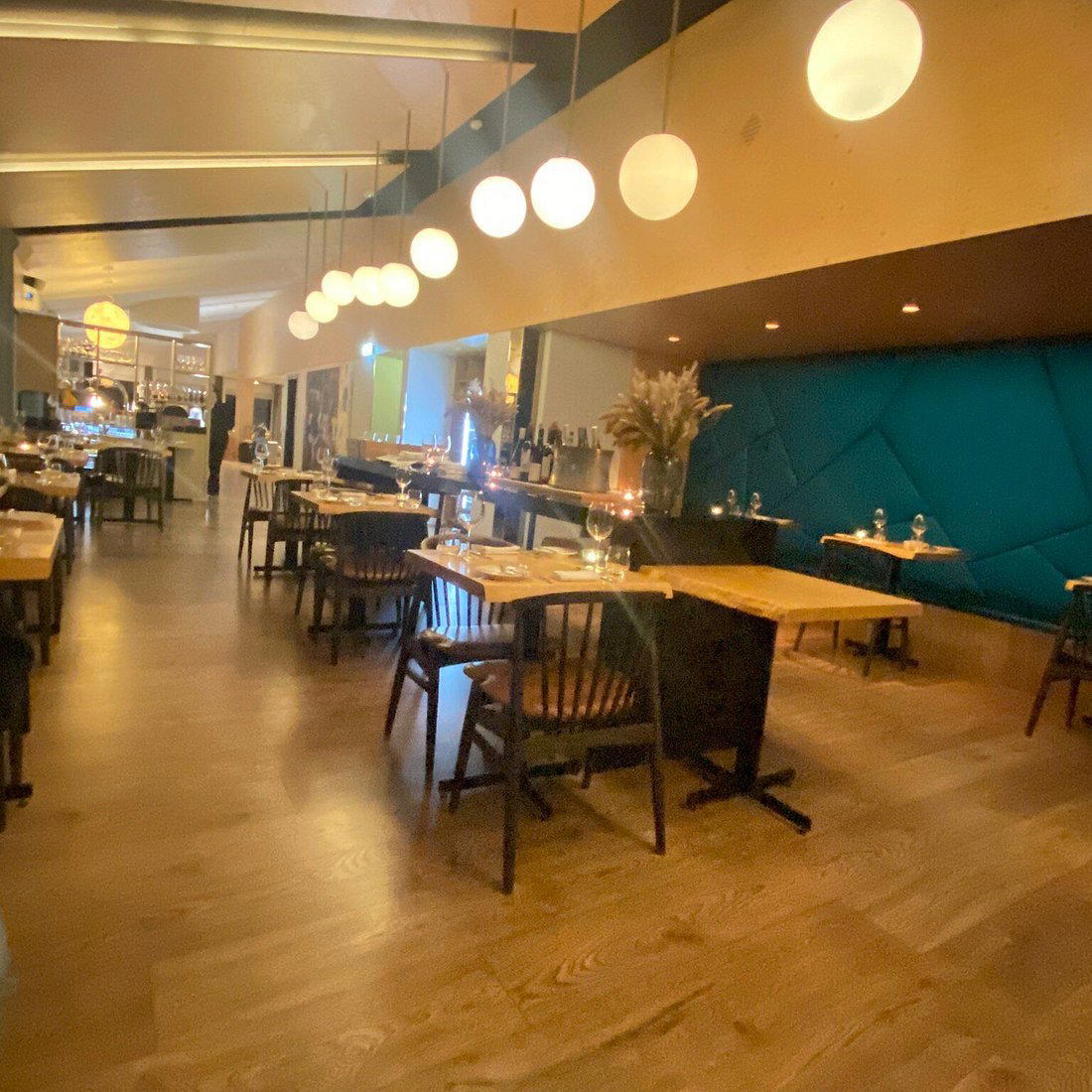
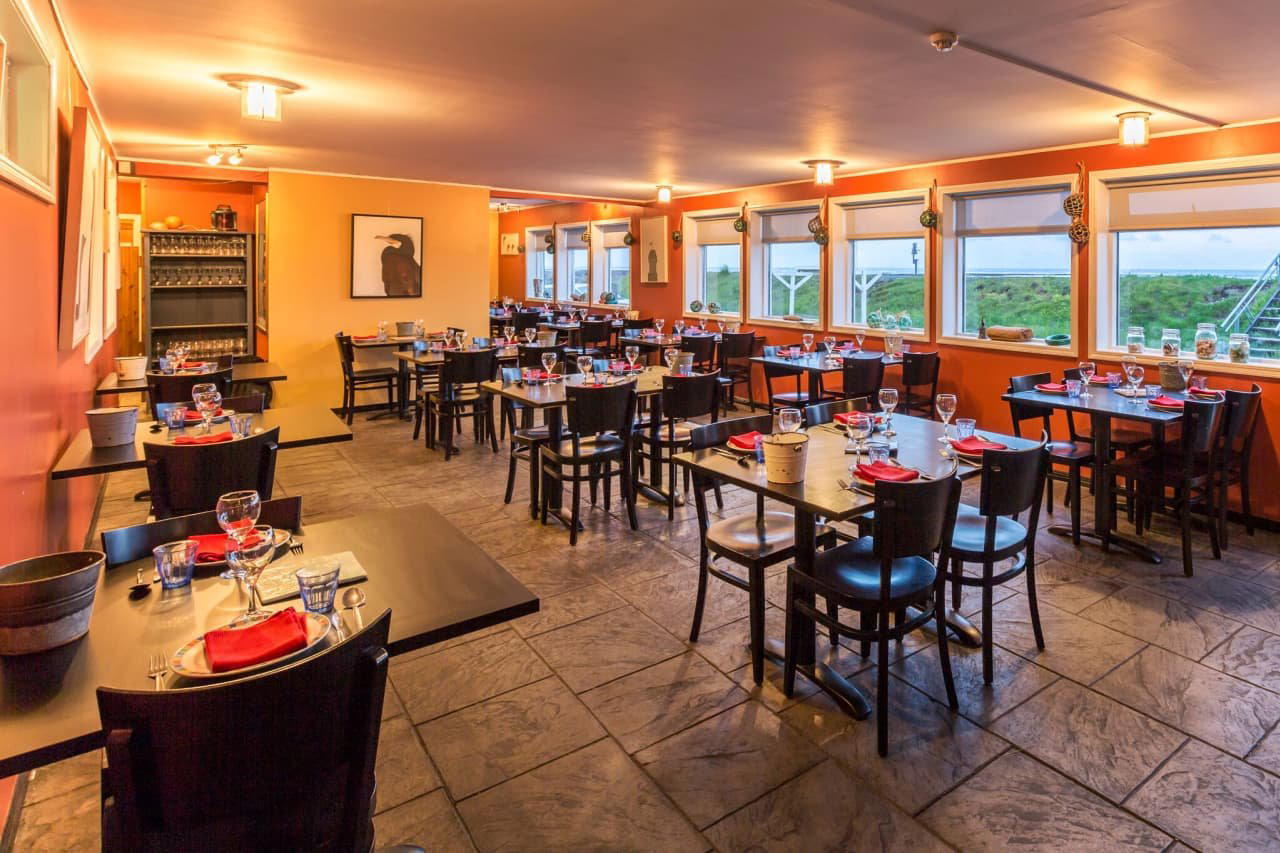
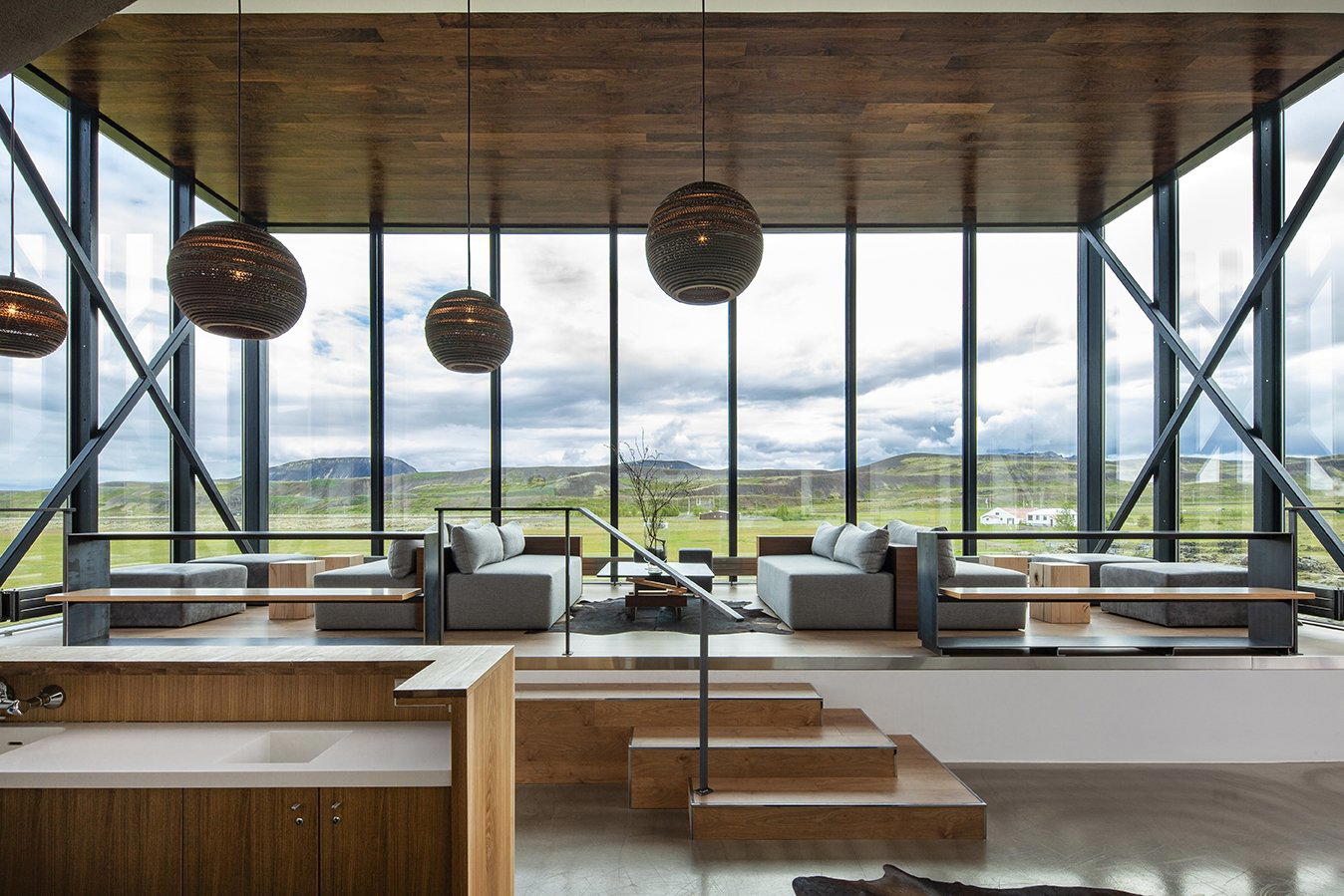
At a Glance
- Historic Building
Current opening hours
- Monday
- Open 24 hours
- Tuesday
- Open 24 hours
- Wednesday
- Open 24 hours
- Thursday
- Open 24 hours
- Friday
- Open 24 hours
- Saturday
- Open 24 hours
- Sunday
- Closed
Hours can change for holidays and private events. Last verified .
Educational and industrial atmosphere focused on geothermal technology.
Know Before You Go
- Getting there
- Tryggvagata 34, 805 Selfoss, Iceland