On a quiet residential block in central Reykjavik, Café Loki occupies a particular position in the city's dining culture: it serves traditional Icelandic home cooking at a moment when the country's restaurant scene has largely pivoted toward Nordic fine dining. Rye bread, skyr, and hákarl appear here not as curiosities but as the everyday food Iceland ate before it started exporting its cuisine to the world.
Pearl is the En Primeur Club membership app — saves, bookings, and concierge access live there. Same editors, same standards.
- Address
- Lokastígur 28, 101 Reykjavík, Iceland
- Phone
- +354 466 2828
- Website
- loki.is
- Directions
- Get directions
 Saves & bookings on Pearl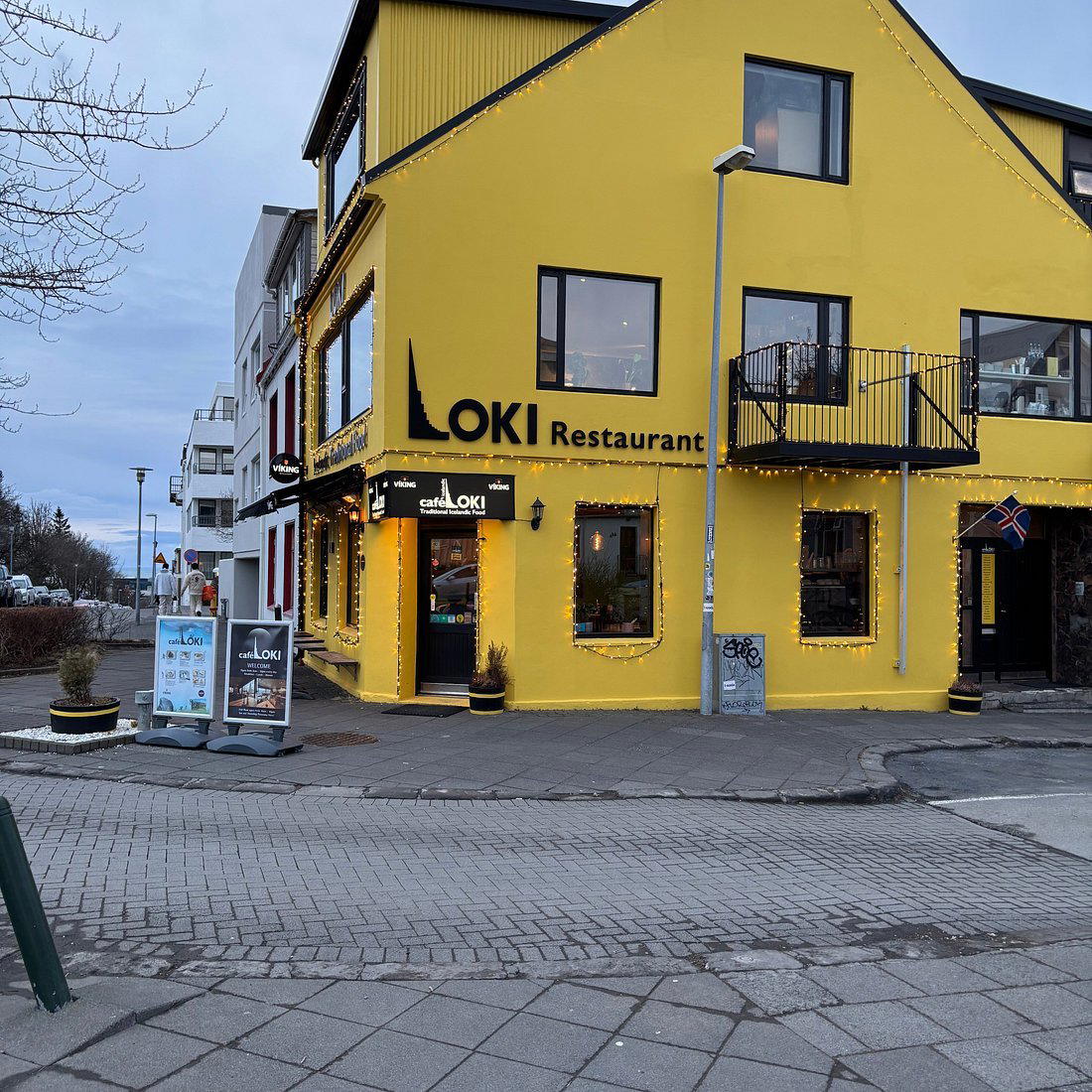
Where Reykjavik's Oldest Food Culture Comes to the Table
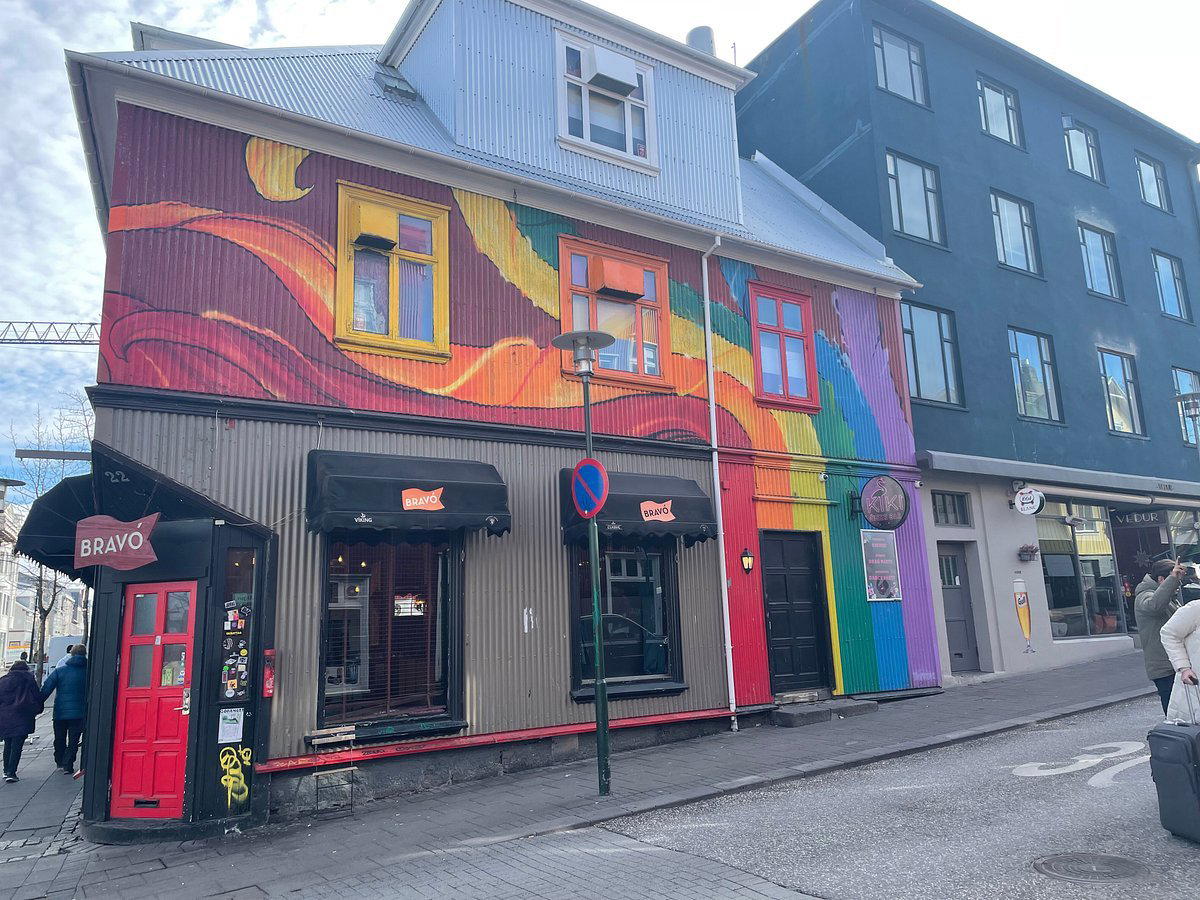
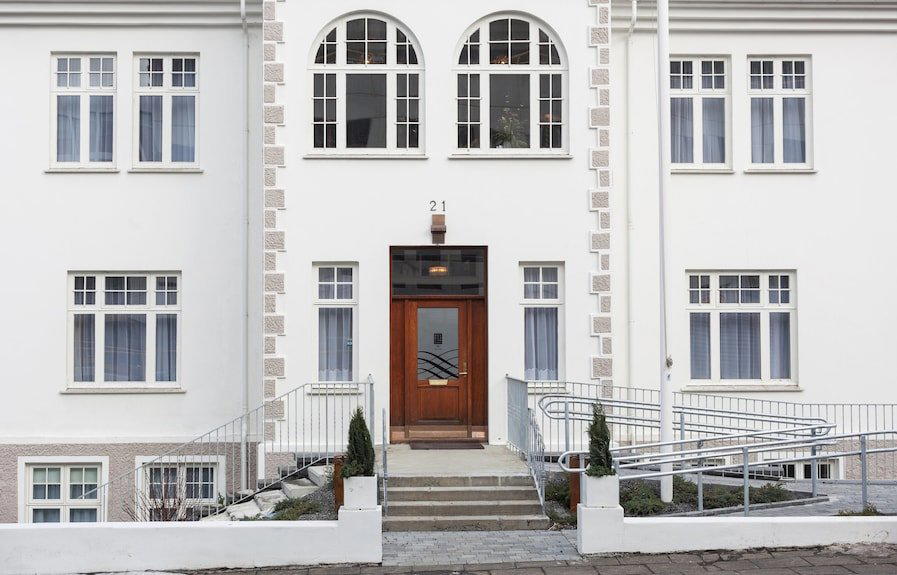
Lokastígur is a residential street in central Reykjavik, the kind that most visitors pass through on the way somewhere else. Café Loki sits at number 28, across from the Hallgrímskirkja church, and the contrast is deliberate in the way geography sometimes creates meaning without trying. The city's most imposing landmark faces a room that has made a point of serving the food Icelanders actually grew up eating, before the country's dining scene was refracted through the lens of New Nordic or Michelin ambition.
That positioning matters more than it might seem. Reykjavik's restaurant culture in the 2010s moved sharply toward a particular kind of tasting-menu minimalism, with venues like DILL in Reykjavík and Moss in Grindavík establishing Iceland as a credible address for high-concept Nordic cooking. That shift brought international recognition, but it also created a gap: the everyday Icelandic kitchen, built around preserved fish, dense rye bread, dairy-forward staples, and cured meats, became harder to find in a city center increasingly oriented toward visitors with expense accounts. Café Loki occupies that gap without apology.
Traditional Icelandic Cooking as a Sustainability Argument
The menu at Café Loki reads as an accidental sustainability document. Hákarl (fermented Greenlandic shark), hangikjöt (smoked lamb), plokkfiskur (mashed fish stew), and skyr-based preparations are not items that require global supply chains or imported ingredients. They are, in the clearest sense, food made from what Iceland has always had: a cold sea, a limited growing season, and an agricultural tradition built around preservation rather than abundance.
Long before zero-waste kitchens became a marketing category, Icelandic home cooking operated on the principle that nothing edible was discarded. Fermentation, smoking, salting, and drying were not artisan techniques applied retrospectively for effect; they were functional solutions to a climate that made fresh produce a seasonal exception rather than a baseline. What Café Loki serves is that tradition with minimal mediation, which makes it one of the more honest sustainability stories in a city where environmental credentials have become a competitive talking point.
Compare this to the approach at Friðheimar in Reykholt, where geothermal greenhouses have made year-round tomato cultivation viable and the menu is structured around that engineered abundance. Both approaches are genuinely Icelandic, both are defensible on environmental terms, but they represent opposite ends of the intervention spectrum. Friðheimar uses Iceland's geothermal infrastructure to extend what can be grown; Café Loki uses Iceland's pre-industrial food culture to sidestep the question of what needs to be grown at all.
Where Café Loki Sits in Reykjavik's Dining Scene
Reykjavik's casual dining tier has become more crowded in recent years. Bergsson Mathús handles the all-day café format with a healthful, grain-forward menu that draws a local morning crowd. Amma Don represents the city's appetite for international formats done with Icelandic sourcing. Bæjarins Beztu Pylsur, the harbor hot dog stand that has operated for decades, remains the most democratic address in the city. Café Loki occupies a different register from all of them: it is specifically and intentionally a venue for traditional Icelandic food, which puts it in a category with almost no direct competition within the city center.
That specificity is both its editorial interest and its practical value for visitors. A traveler working through our full Reykjavik restaurants guide will find plenty of options for accomplished cooking of various kinds. What is harder to find is a direct answer to the question of what Icelanders have actually eaten across generations. Café Loki's menu, organized around rye bread platters, fish preparations, and skyr desserts, answers that question more directly than most venues in the city are set up to do.
The room itself reinforces that orientation. The space is modest and unhurried in a city whose more ambitious venues, including Bon Restaurant and Brút, have leaned into refined interiors and theatrical plating. Café Loki is not competing with those venues; it is addressing a different question about what Reykjavik's food culture actually consists of at its foundation.
Planning a Visit
Café Loki is located at Lokastígur 28 in the 101 postal district, within walking distance of most central Reykjavik accommodation. The address on Hallgrímskirkja's doorstep means that foot traffic from church visitors is a constant, and the lunch window is the highest-demand period. Visitors who want a measured pace rather than a quick turnover meal are better served by arriving outside the midday peak. No specific booking data is published, but the format and scale of the space suggest walk-in is the norm rather than advance reservation. Given the café's position as one of the only dedicated traditional Icelandic food addresses in the city center, first-time visitors to Iceland often find it a logical early stop before exploring further afield, whether toward the geothermal dining of Nesjavallavirkjun in Selfoss or the seafood traditions of Fjöruborðið in Stokkseyri.
For those building a wider picture of Iceland's food geography, the contrast between Café Loki's urban traditional format and the regional cooking at venues like Strikið in Akureyri or the highly conceptual Chef's Table at Moss Restaurant in Iceland illustrates how wide the range of Icelandic food expression has become. Café Loki occupies the foundational end of that range.
Continue exploring
More in Reykjavík
Restaurants in Reykjavík
Browse all →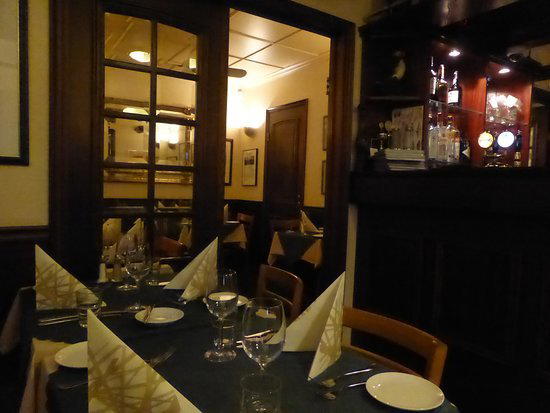
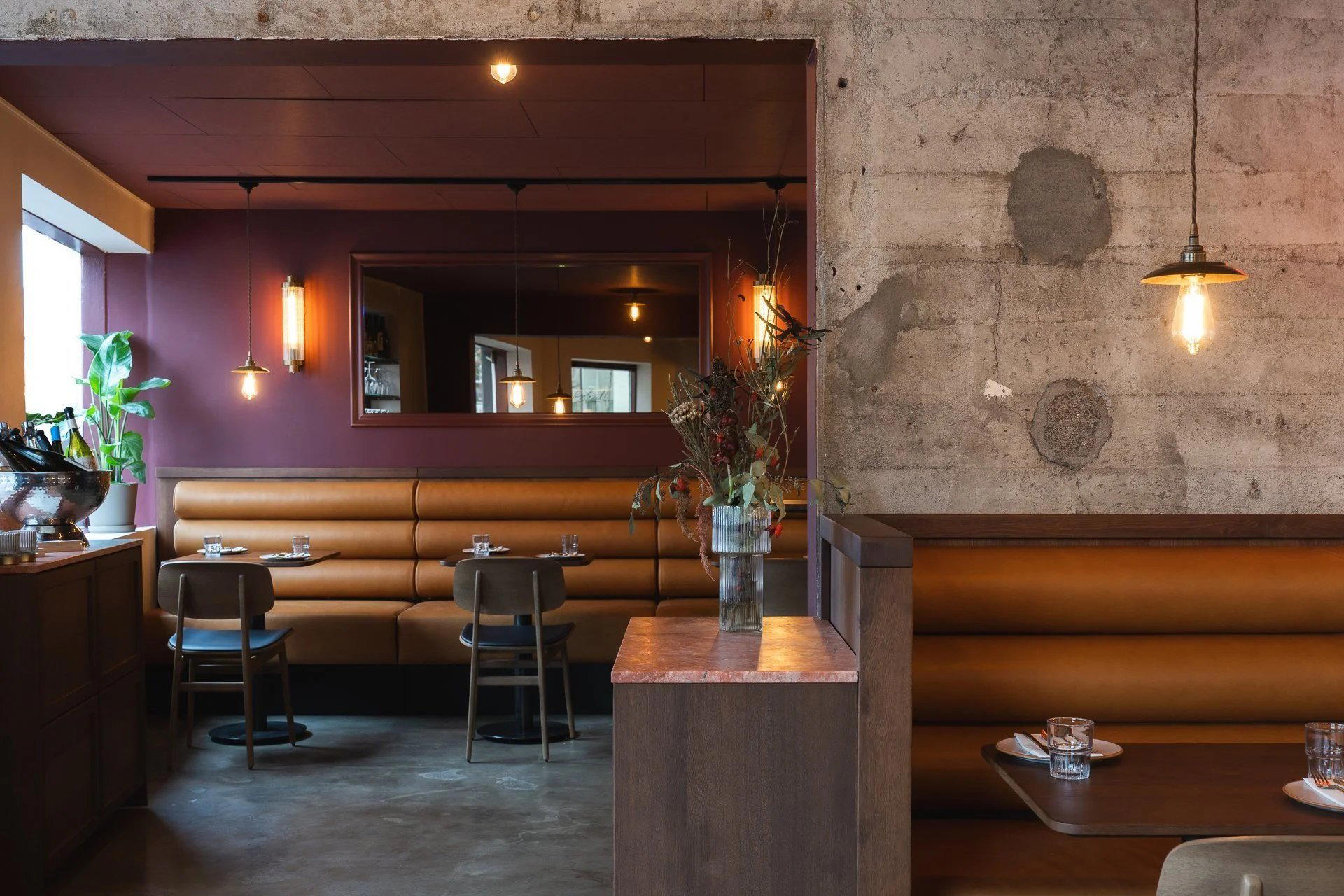
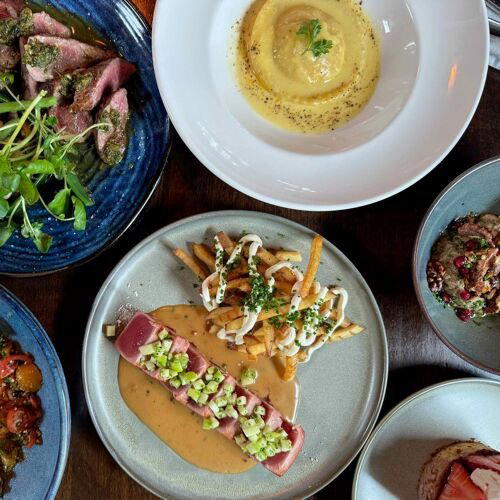
Bars in Reykjavík
Browse all →
At a Glance
- Cozy
- Rustic
- Well Known
- Casual Hangout
- Family
- Historic Building
- Street Scene
Current opening hours
- Monday
- 8 AM–10 PM
- Tuesday
- 8 AM–10 PM
- Wednesday
- 8 AM–10 PM
- Thursday
- 8 AM–10 PM
- Friday
- 8 AM–10 PM
- Saturday
- 8 AM–10 PM
- Sunday
- 8 AM–10 PM
Hours can change for holidays and private events. Last verified .
Cozy and homey atmosphere evoking traditional Icelandic home cooking with a welcoming, no-frills setting.
Know Before You Go
- Getting there
- Lokastígur 28, 101 Reykjavík, Iceland