Fjöruborðið
Fjöruborðið sits on the South Coast shoreline in Stokkseyri, a fishing village roughly an hour from Reykjavík, and has built its reputation on one thing: lobster pulled from the cold waters off this exact stretch of coast. The format is uncomplicated and the sourcing is direct, placing it in a category of Icelandic coastal dining that prioritises proximity to ingredient over kitchen complexity.
Pearl is the En Primeur Club membership app — saves, bookings, and concierge access live there. Same editors, same standards.
- Address
- Eyrarbraut 3a, 825 Stokkseyri, Iceland
- Phone
- +3544831550
- Website
- fjorubordid.is
- Directions
- Get directions
 Saves & bookings on Pearl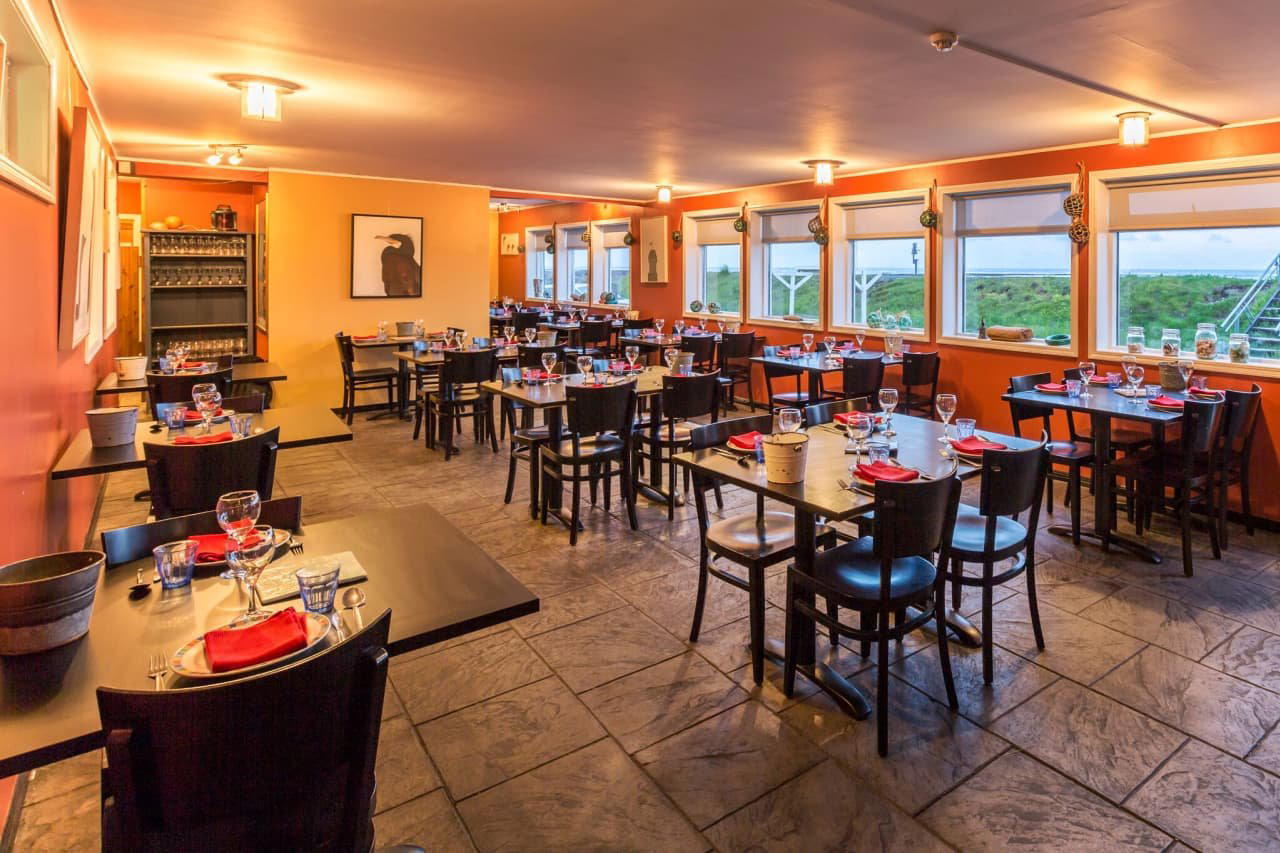
Where the Coast Becomes the Menu
The South Coast of Iceland runs flat and exposed between Reykjavík and the Westman Islands, with small fishing communities strung along the black-sand shoreline at intervals. Stokkseyri is one of those villages, low-built and wind-scoured, sitting where the land meets the Atlantic with little ceremony. Arriving at Eyrarbraut 3a, the address of Fjöruborðið, you feel the logic of the place immediately: the restaurant exists because the ingredient exists here first. Fjöruborðið is a casual Icelandic langoustine restaurant in Stokkseyri, recommended for reservations and priced around $70 per person. The proximity of the sea is not incidental to the menu; it is the menu.
The argument is always the same: when the supply chain between water and plate collapses to near-zero distance, the kitchen's primary job is restraint. Fjöruborðið operates inside that tradition, and its reputation among Icelanders and visiting travellers rests on the quality of what comes out of the nearby waters rather than on formal culinary ambition.
Langoustine as Local Currency
The dish Fjöruborðið is associated with is langoustine, the small lobster-adjacent crustacean that thrives in the cold, clean waters off Iceland's south coast. These are not the frozen tails that appear on tourist menus in Reykjavík's 101 district. The local catch arrives fresh, and the restaurant's identity is built around serving it in forms that preserve rather than transform: with garlic butter, in soup, or as a direct whole preparation that asks nothing but good ingredients and high heat.
In the broader context of Icelandic dining, this positioning is worth understanding. Reykjavík's more formally ambitious restaurants, such as DILL in Reykjavík and Moss in Grindavík, apply Nordic creative frameworks to Icelandic ingredients, often with tasting menu formats and price points that reflect that ambition. DILL Restaurant in Reykjavik holds Michelin recognition and prices accordingly. Fjöruborðið occupies a different tier, not a lesser one, but a more direct one. The sourcing argument here is about immediacy rather than transformation: the langoustine fished from these waters, cooked in this building on this coast, tastes different from the same species prepared an hour away in the capital. Distance matters to shellfish.
This is the same logic that underpins restaurants like Quattro Passi in Marina del Cantone or Dal Pescatore in Runate, where geography and supply chain are inseparable from the identity of the plate. Particularly ingredient-driven rooms in the world, whether Le Bernardin in New York City or the seafood-focused counters of Osaka, share the premise that sourcing specificity produces a different result from generic procurement. At Fjöruborðið, that specificity is geographic and tidal rather than artisanal or curated in any formal sense.
The South Coast as Dining Region
Stokkseyri sits within a cluster of small towns on the south coast that have developed distinct dining identities over the past two decades. Nearby Selfoss, slightly further inland, has restaurants including Nesjavallavirkjun in Selfoss, while the greenhouse-dining phenomenon is well represented by Friðheimar in Reykholt, which has built a following around Icelandic greenhouse tomatoes served in an agricultural context. These places share an orientation toward the specific produce of their immediate geography. They sit outside Reykjavík's competitive restaurant circuit and are better understood as destination dining for a specific product or place rather than competitive entries in a metropolitan ranking system.
Stokkseyri itself is a village of under a thousand residents, with a character shaped more by fishing history than tourism infrastructure. The journey from Reykjavík along Route 1 and then south takes roughly an hour depending on conditions. Visitors typically combine the drive with other south coast stops, and the road passes through landscape that shifts from lava field to wetland to black-sand coastal plain. The drive is part of the argument for going: this is a meal that requires committing to a place, and that commitment changes how you eat when you arrive. For those exploring Iceland's restaurant circuit more broadly, our full Stokkseyri restaurants guide maps the village's dining options in more detail.
Placement in Iceland's Coastal Dining Tier
Iceland's high-end dining is heavily Reykjavík-concentrated. The Michelin-recognised rooms, the New Nordic creative programs, and the cocktail bar scene that has emerged around places like Von Mathús-Bar in Hafnarfjörður are all within the capital's orbit. Outside that orbit, the country's most compelling dining argument is almost always ingredient-led: the lamb from highland farms, the skyr-based dairy tradition, the Arctic char from glacial rivers, and the langoustine and cod from the coastal waters.
Fjöruborðið exists at the point where that ingredient argument is most direct. It does not attempt to participate in the New Nordic conversation that drives places like Chef's Table at Moss Restaurant in Iceland, nor does it occupy the casual cosmopolitan niche filled by spots such as Malai-Thai in Keflavik. Its comparable set is the small number of Icelandic restaurants that have become destination visits for a single ingredient produced locally at high quality. That is a narrow category, and within it Fjöruborðið has accumulated a long-running local reputation as the place to eat langoustine on the south coast.
For context on what this format looks like when applied at higher formality levels, the ingredient-sourcing philosophy shares DNA with places like Atelier Moessmer Norbert Niederkofler in Brunico, where strict regional sourcing defines the entire operation, or the hyper-local procurement model behind Lazy Bear in San Francisco. The difference is format and ambition: Fjöruborðið is not building a tasting menu argument, it is simply sitting on a coastline and cooking what comes out of it.
Planning a Visit
The practical case for Fjöruborðið is a single ingredient eaten close to its source in a coastal village that rewards being visited. Stokkseyri is accessible by car from Reykjavík in under an hour, and the restaurant sits directly on the shoreline at Eyrarbraut 3a. Given the venue's profile and the volume of visitors the south coast route attracts, particularly in summer months when daylight is extended and tourist traffic peaks, booking ahead is advisable. The restaurant's format suits families and larger groups, and the focus on a recognisable ingredient in direct preparations means the menu is accessible without requiring prior knowledge of Icelandic cuisine. For anyone covering the south coast circuit, it anchors the Stokkseyri stop.
Comparable Spots, Quickly
Comparable venues nearby, for context on price, style, and recognition.
| Venue | Cuisine | Price | Notes |
|---|---|---|---|
| FjöruborðiðThis venue — the venue you are viewing | Icelandic Langoustine | $$$ | Not listed |
| Sjávargrillið | Modern Icelandic Seafood Grill | $$$ | Reykjavíkurborg |
| Fish Company | Nordic Seafood Fusion | $$$ | Reykjavíkurborg |
| Kopar | Modern Icelandic Seafood | $$$ | Reykjavíkurborg |
| Hjá Jóni | Contemporary Icelandic with International Influences | $$$ | Reykjavíkurborg |
| Three coats | Traditional Icelandic Seafood | $$$ | Reykjavíkurborg |
Continue exploring
More in Stokkseyri
Restaurants in Stokkseyri
Browse all →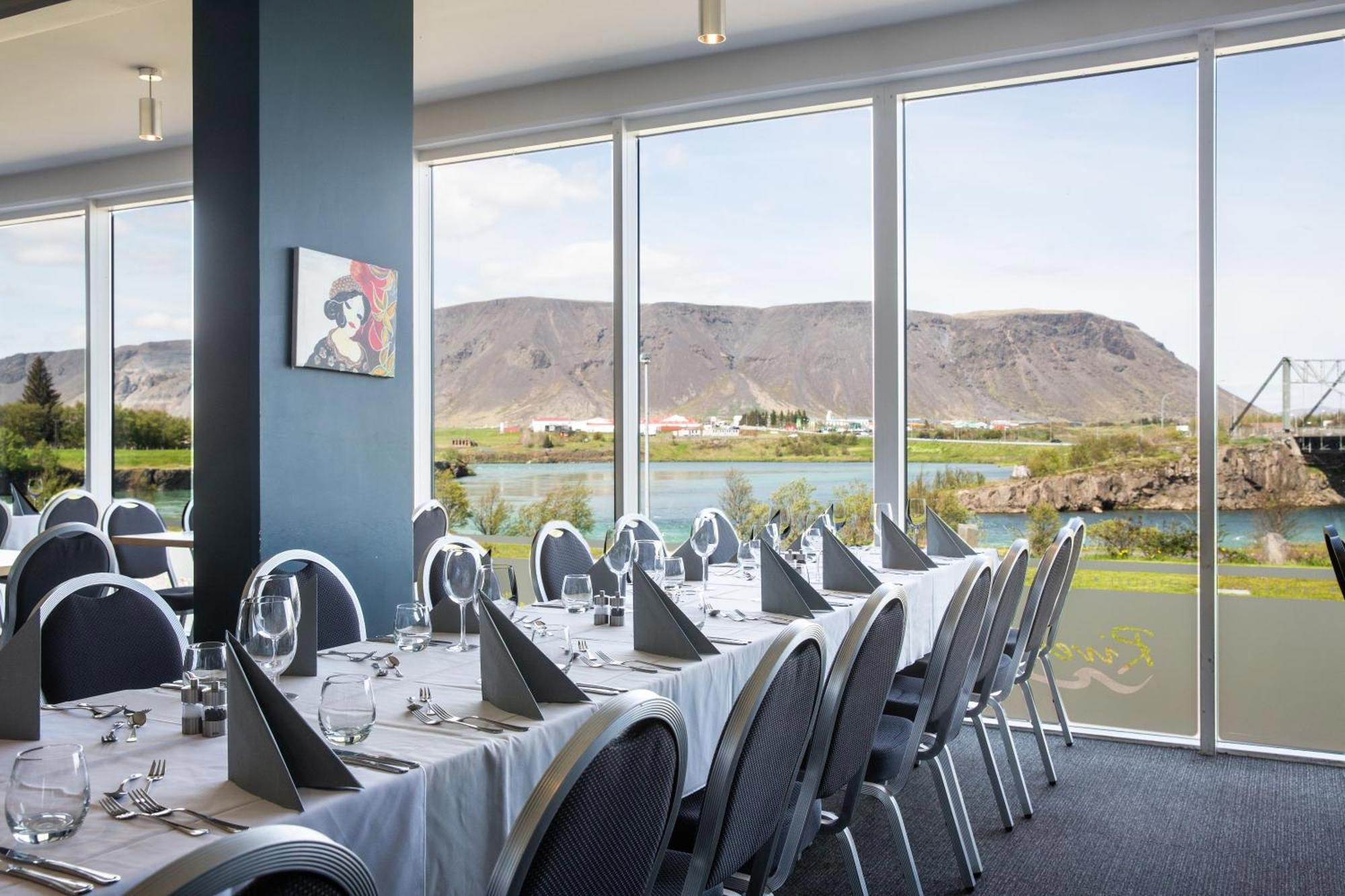
At a Glance
- Rustic
- Cozy
- Scenic
- Whimsical
- Special Occasion
- Waterfront
- Local Sourcing
- Waterfront
Current opening hours
- Monday
- 12–9 PM
- Tuesday
- 12–9 PM
- Wednesday
- 12–9 PM
- Thursday
- 12–9 PM
- Friday
- 12–9 PM
- Saturday
- 12–9 PM
- Sunday
- 12–9 PM
Hours can change for holidays and private events. Last verified .
Warm and wonderful atmosphere in corrugated iron houses filled with ocean smells, described as an enchanted place of delight.