
A Nikkei restaurant in downtown Reykjavik with a 1920s-inflected interior, Monkeys occupies an interesting position in Iceland's dining scene: where Japanese precision meets South American latitude. Housed on Klapparstígur 28, the room carries a deliberately playful spirit alongside a drinks program that includes both by-the-glass options and a more committed list for those who want to go deeper.
Pearl is the En Primeur Club membership app — saves, bookings, and concierge access live there. Same editors, same standards.
- Address
- Klapparstígur 28, 101 Reykjavík, Iceland
- Phone
- +354 519 5350
- Website
- monkeys.is
- Directions
- Get directions
 Saves & bookings on Pearl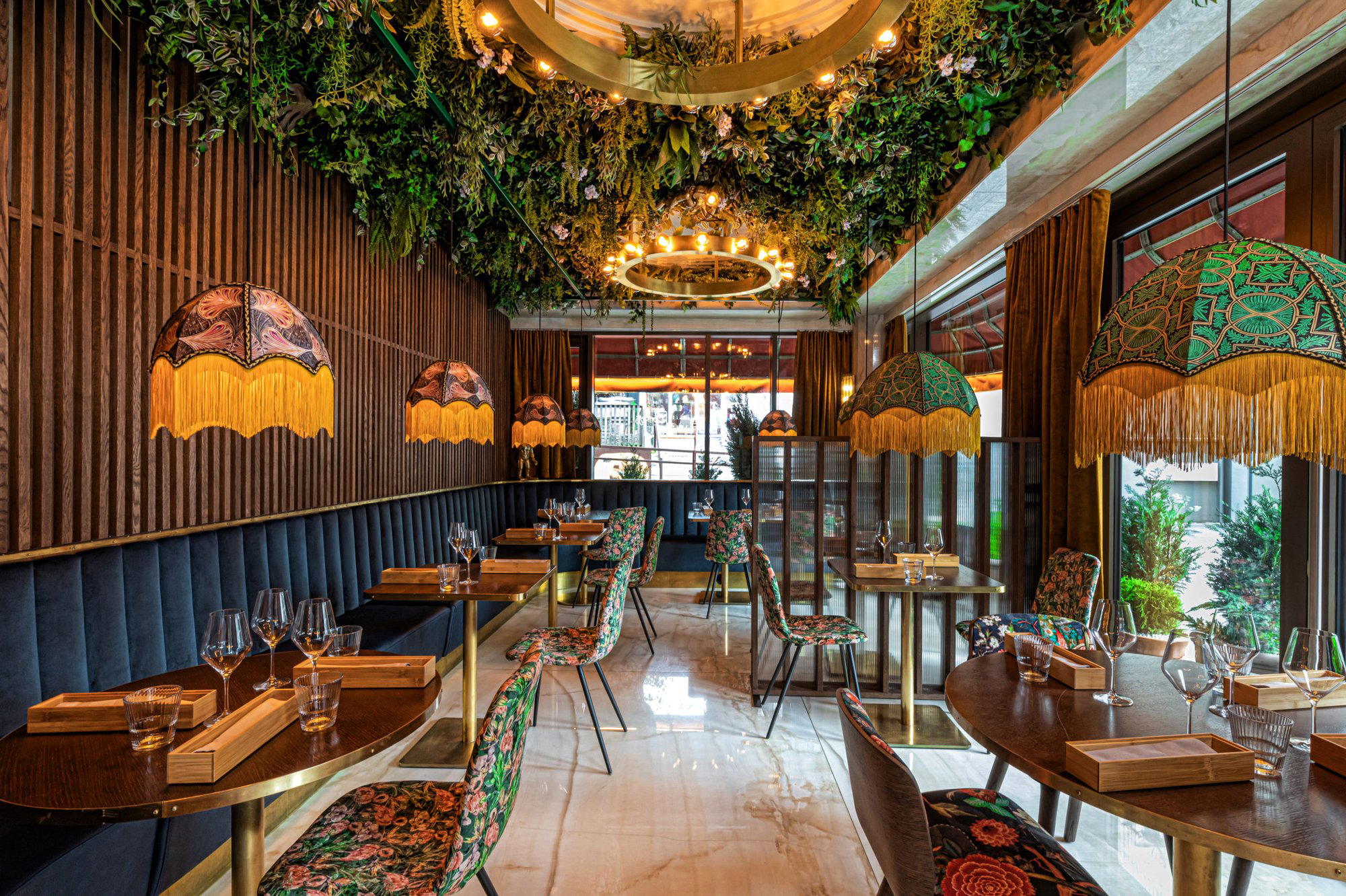
Where Nikkei Cuisine Lands in Iceland
Reykjavik's restaurant scene has spent the past decade running an experiment in culinary ambition disproportionate to its population. A city of roughly 130,000 has produced Michelin-starred Nordic tasting menus at places like DILL in Reykjavík, geothermal dining at Moss in Grindavík, and a cluster of serious restaurants within a few blocks of Laugavegur that would hold their own in most European capitals. Into that context arrives Monkeys, which does something different: it brings Nikkei cuisine — the Japanese-Peruvian fusion tradition born in Lima's immigrant communities — to a North Atlantic island city that has little obvious connection to either culinary lineage.
That geographical improbability is part of the point. Nikkei as a culinary category has migrated far beyond its Lima origins over the past two decades, appearing in London, Dubai, and São Paulo, typically in rooms designed to signal global cosmopolitanism. Reykjavik is an unusual host city, but the format has found its footing here in ways worth examining, starting with the room itself.
The Room: 1920s Interior, Deliberate Playfulness
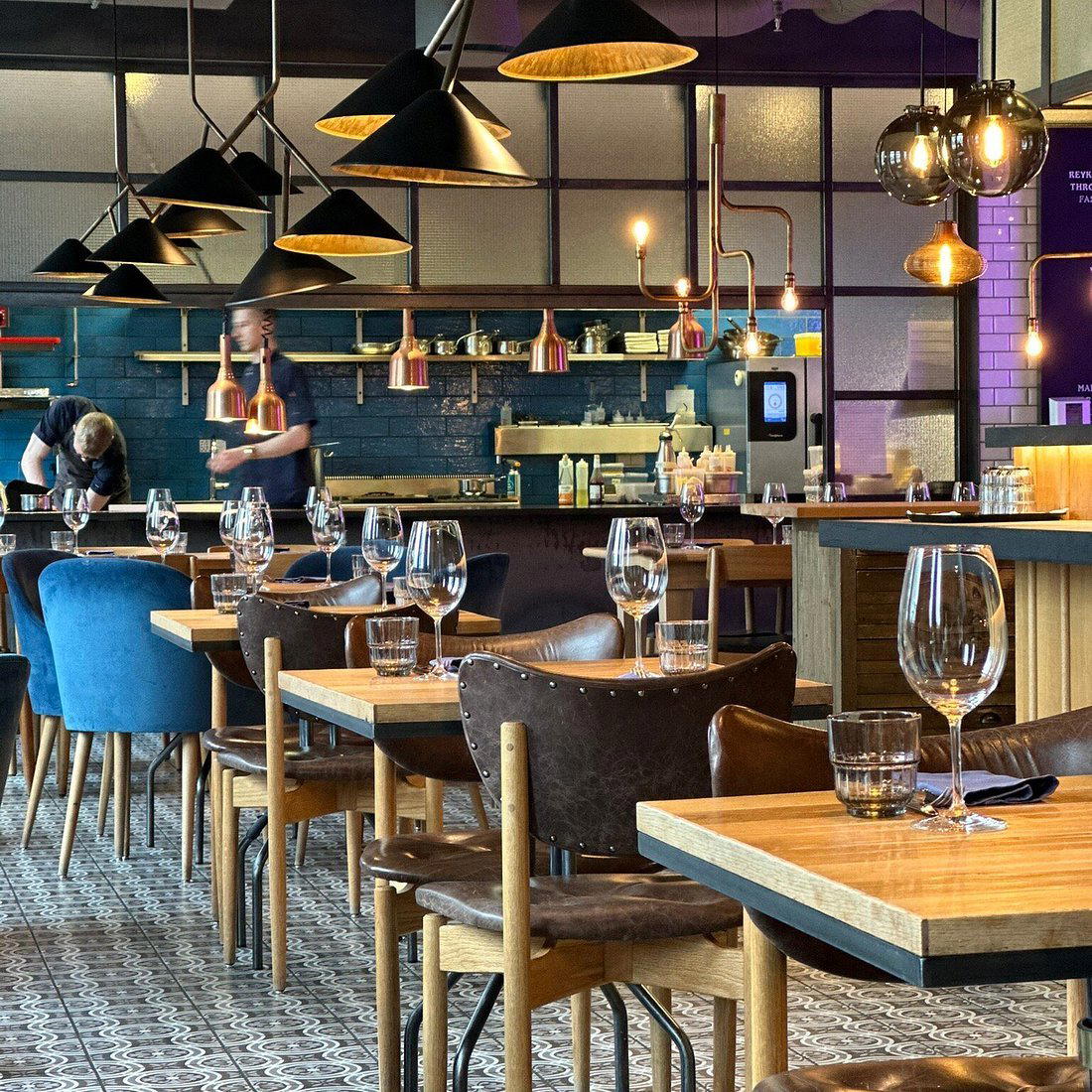
Monkeys, at Klapparstígur 28 in the 101 postal district, works with a 1920s interior that reads as elegant without being stiff. The decade's visual language, geometric patterns, warm materials, a certain theatrical quality to the spatial arrangement, sits in counterpoint to the minimalism that dominates most of Reykjavik's premium dining addresses. There is lightness here, and a deliberate sense of wit embedded in the design: monkeys are hidden in the ceiling, small enough to reward attention rather than announce themselves. It is a detail that calibrates the room's tone without undermining the seriousness of what arrives at the table.
That calibration matters in Nikkei restaurants specifically, because the cuisine itself operates at a tonal intersection, the precision and restraint of Japanese technique meeting the acidity, spice, and boldness of Peruvian flavour. Rooms that get it wrong tend to collapse into either corporate Japanese minimalism or Latin exuberance. Monkeys appears to have found a third register: a setting with genuine character that neither cuisine would claim exclusively as its own. Peer restaurants in comparable positions, Bon Restaurant and Eiriksson Brasserie among them, tend to work within more conventional Nordic or European frameworks. Monkeys operates outside those reference points entirely.
Menu Architecture: What the Structure Reveals
Nikkei menus present a structural challenge that most fusion formats do not. The cuisine is not a simple overlay of one tradition onto another; it emerged over generations of genuine cultural exchange, producing techniques and flavour combinations that belong to neither parent cuisine cleanly. Ceviche that uses miso rather than leche de tigre, nigiri topped with aji amarillo, tiradito cut with a sashimi knife, these are not novelty items but products of a developed culinary grammar.
The menu architecture at a well-executed Nikkei restaurant typically reflects that complexity by resisting easy categorisation. Rather than sorting dishes into a Japanese section and a Peruvian section, the structure works through format: cold preparations built around acid and raw protein, cooked dishes where smoke or heat are the primary techniques, and shareable plates that do not resolve neatly into starter or main. This approach asks more of the diner, there is no obvious path through the menu, but it rewards those willing to make decisions collaboratively and iteratively across the table. It is closer to the Spanish tapas logic of building a meal through accumulation than to the French progression of distinct courses.
For Reykjavik diners accustomed to the Nordic tasting menu format, where sequence is predetermined and the kitchen controls the narrative, this represents a genuine shift in how to eat. Restaurants like Hjá Jóni and Kröst operate within frameworks where the chef's editorial hand is dominant. At Monkeys, the diner assembles the experience, which changes the social dynamic at the table considerably. Whether that suits a given evening depends on the group and the mood, but it is a meaningfully different proposition.
Drinks: By-the-Glass and Beyond
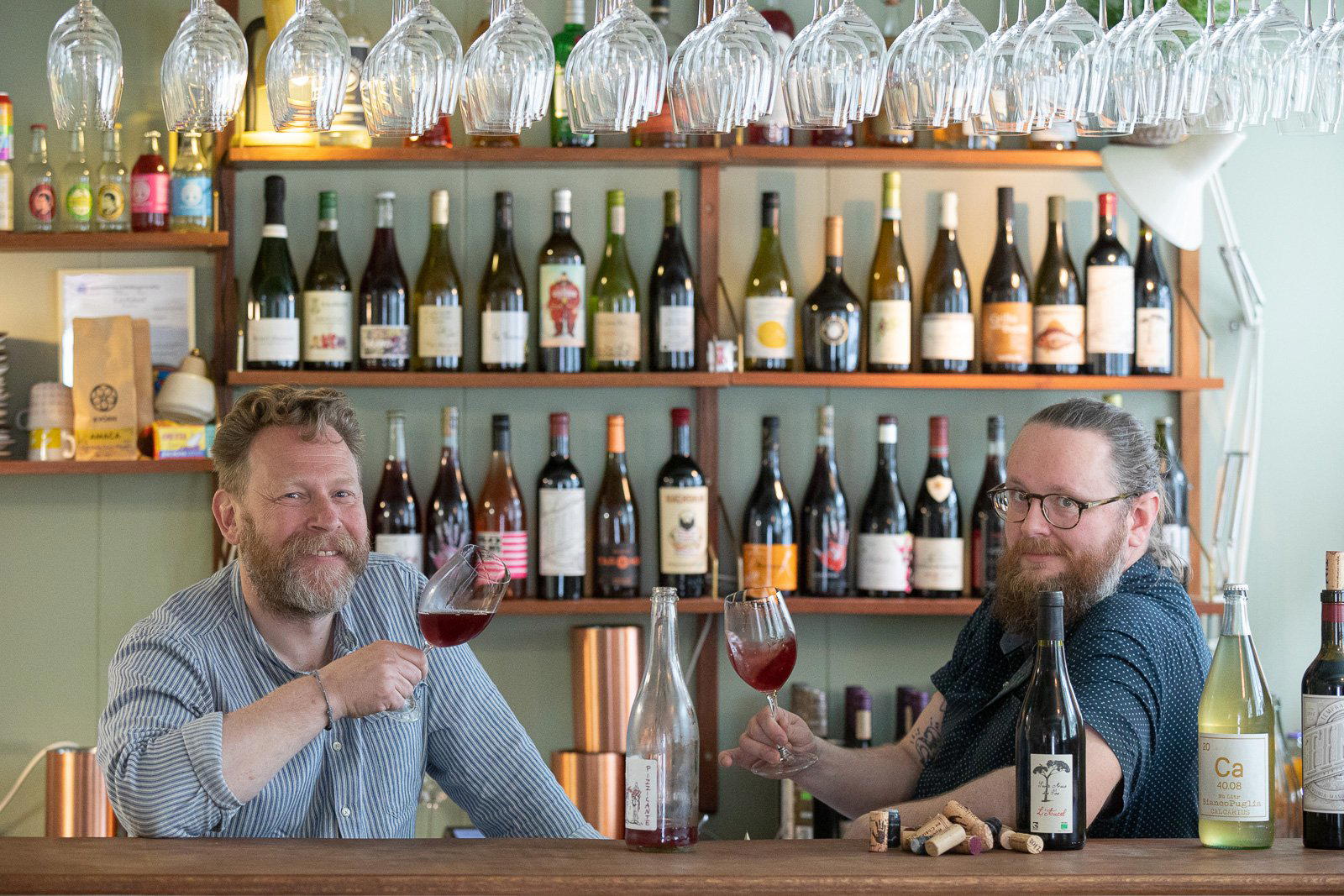
The drinks program at Monkeys includes both a by-the-glass list for casual ordering and a more developed selection for those who want to engage more seriously. That dual-track structure is increasingly common in restaurants that serve food with strong acid profiles, Nikkei's ceviche, tiradito, and citrus-forward sauces create pairing challenges that reward a flexible drinks approach. A by-the-glass list allows guests to move between styles course by course, which often suits the format better than a single bottle commitment.
In a city where the premium drinks scene is deepening, consult our full Reykjavik bars guide for the broader picture, a restaurant drinks list that takes the by-the-glass category seriously signals investment in the overall experience rather than treating wine as an afterthought. Globally, restaurants at a comparable level, from Le Bernardin in New York City to 8 1/2 Otto e Mezzo Bombana (Hong Kong) in Hong Kong, have made the by-the-glass program a serious curatorial exercise rather than a concession to undecided drinkers. Monkeys appears to take a similar view.
Monkeys in Reykjavik's Broader Dining Picture
Nikkei is, globally, a cuisine associated with urban cosmopolitan dining rooms in gateway cities. Its presence in Reykjavik reflects something true about the city's current dining moment: there is now sufficient demand for genuinely international restaurant formats, not as curiosity items, but as sustainable businesses. Restaurants like Amma Don demonstrate that Reykjavik diners are increasingly comfortable with format diversity alongside the Nordic canon.
For visitors to Reykjavik building a multi-night dining itinerary, Monkeys fills a specific gap: it is not the place to understand what Iceland produces or tastes like, but it is the place to understand what Reykjavik has become as a dining city. Those are different propositions worth separating. The Nordic and Icelandic context is well-covered elsewhere, see our full Reykjavik restaurants guide for a comprehensive map of the scene. But for an evening that steps outside that frame entirely, Monkeys offers a considered alternative.
Planning Your Visit
Monkeys is at Klapparstígur 28, 101 Reykjavik, within easy walking distance of the main Laugavegur corridor and the cluster of restaurants and bars that defines central Reykjavik's evening geography. Given the room's character and the menu's social format, it suits groups of three or four who are willing to order widely rather than pairs who prefer a conventional two-course structure. Booking ahead is advisable for weekend evenings; the 101 district fills quickly during peak tourist season, which in Iceland runs from June through August but extends meaningfully into the shoulder months of May and September. If you are building out accommodation alongside your dining plans, our full Reykjavik hotels guide covers the options by neighbourhood and price tier.
How Monkeys Reykjavík compares with similar nearby venues.
| Venue | Awards |
|---|---|
| Monkeys | Star Wine List (2026) |
Recognition history
Dated appearances from independent guides and award organizations, with the underlying list record or original source where available.
Star Wine List
Star Wine List
Continue exploring
More in Reykjavík
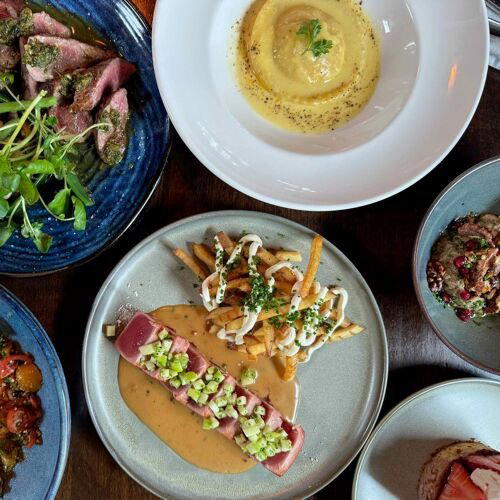
Restaurants in Reykjavík
Browse all →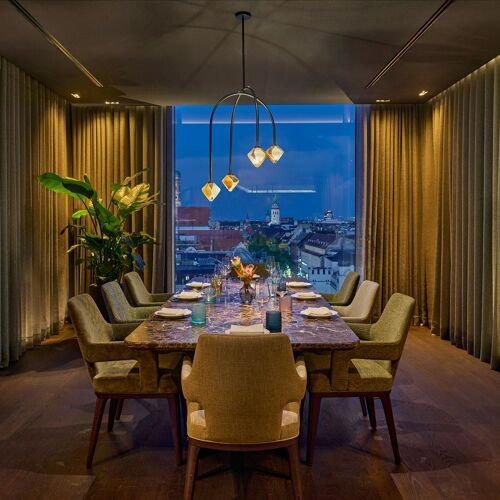
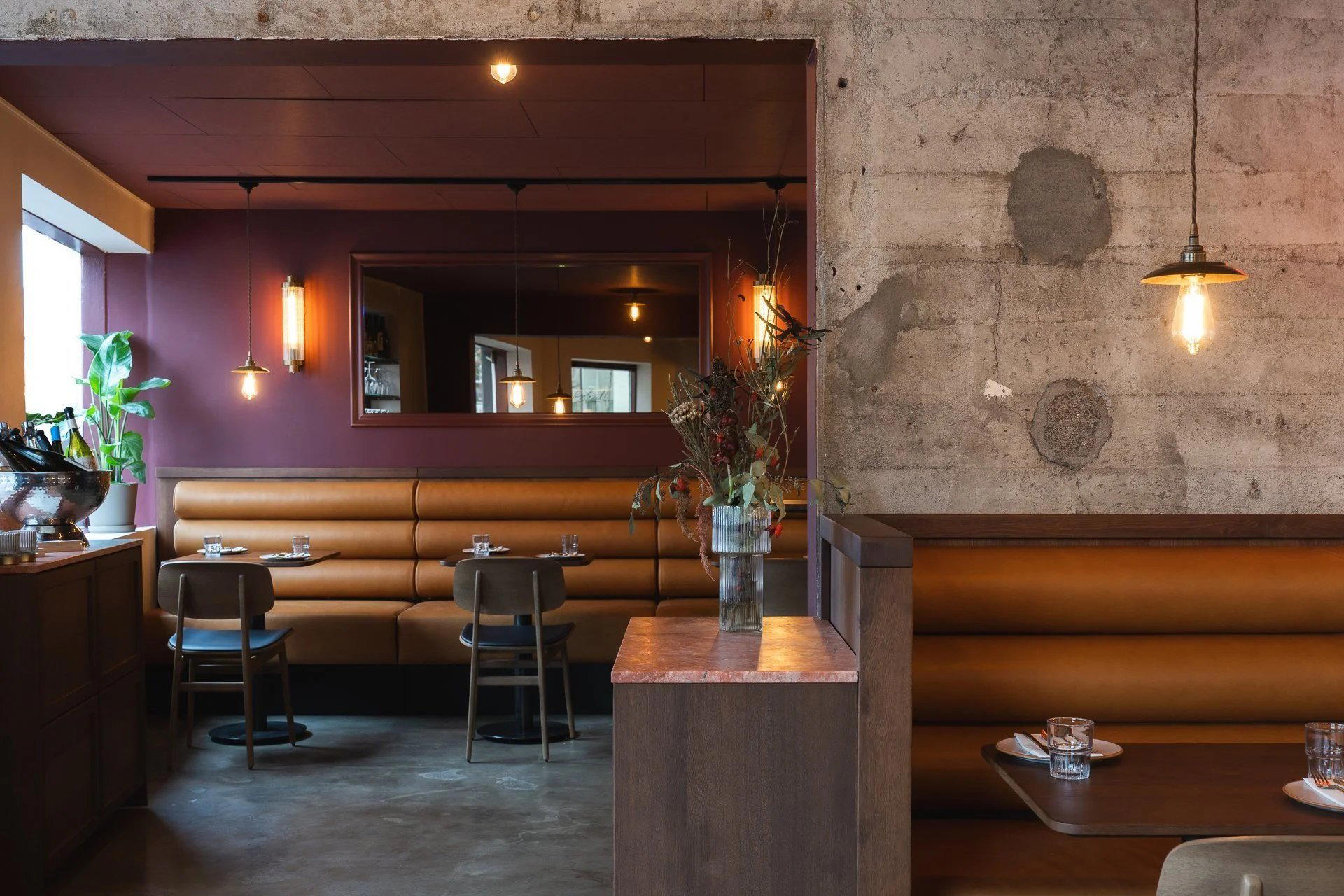
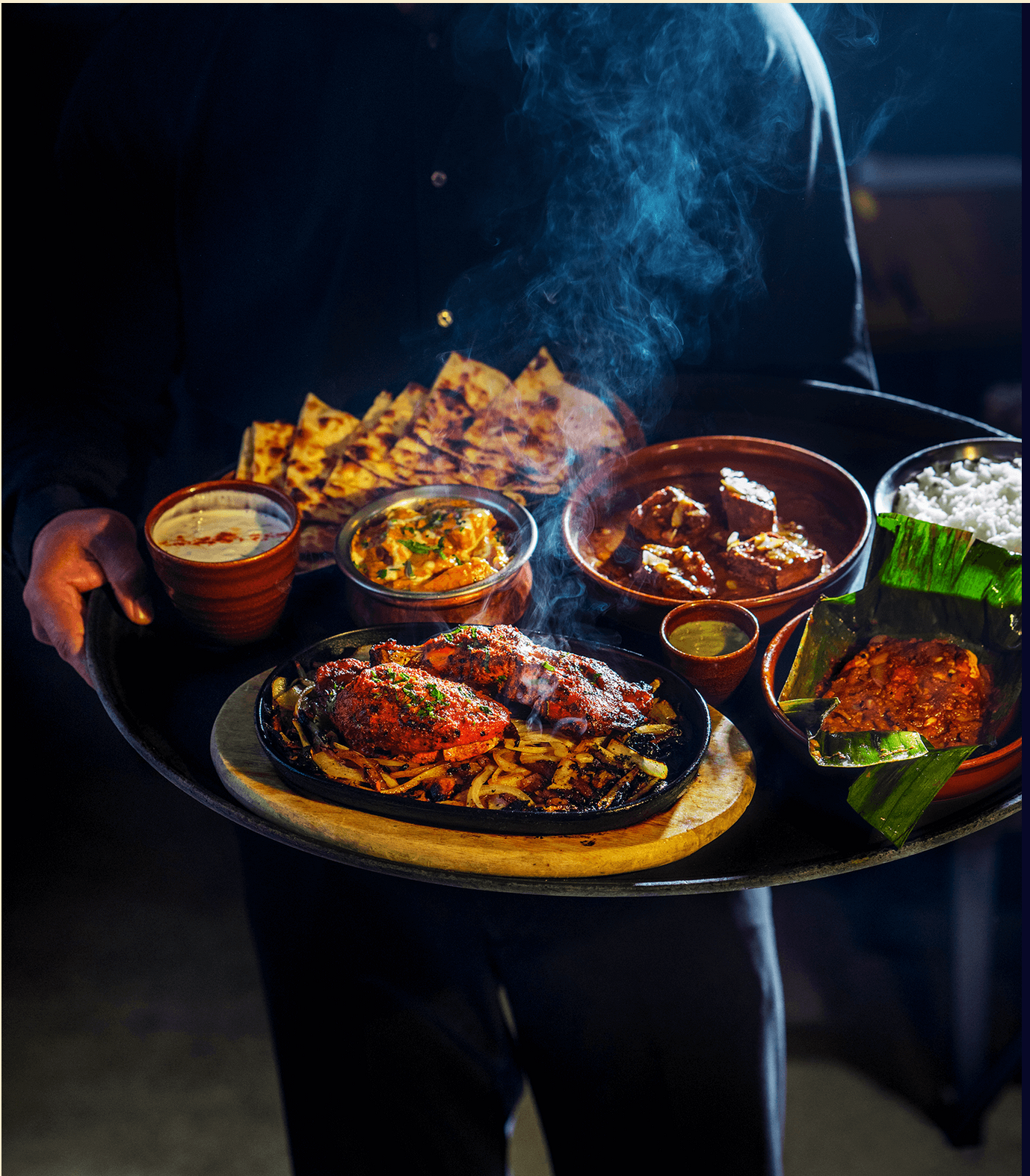
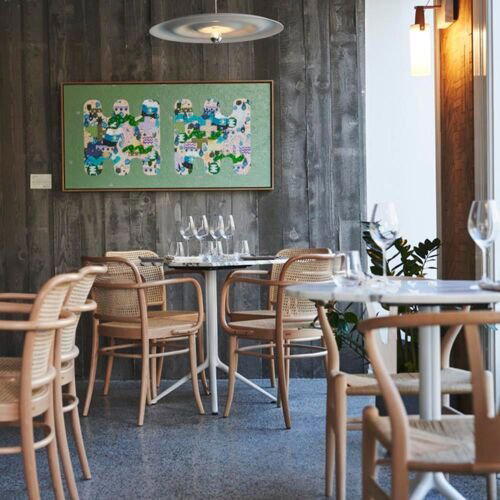
Bars in Reykjavík
Browse all →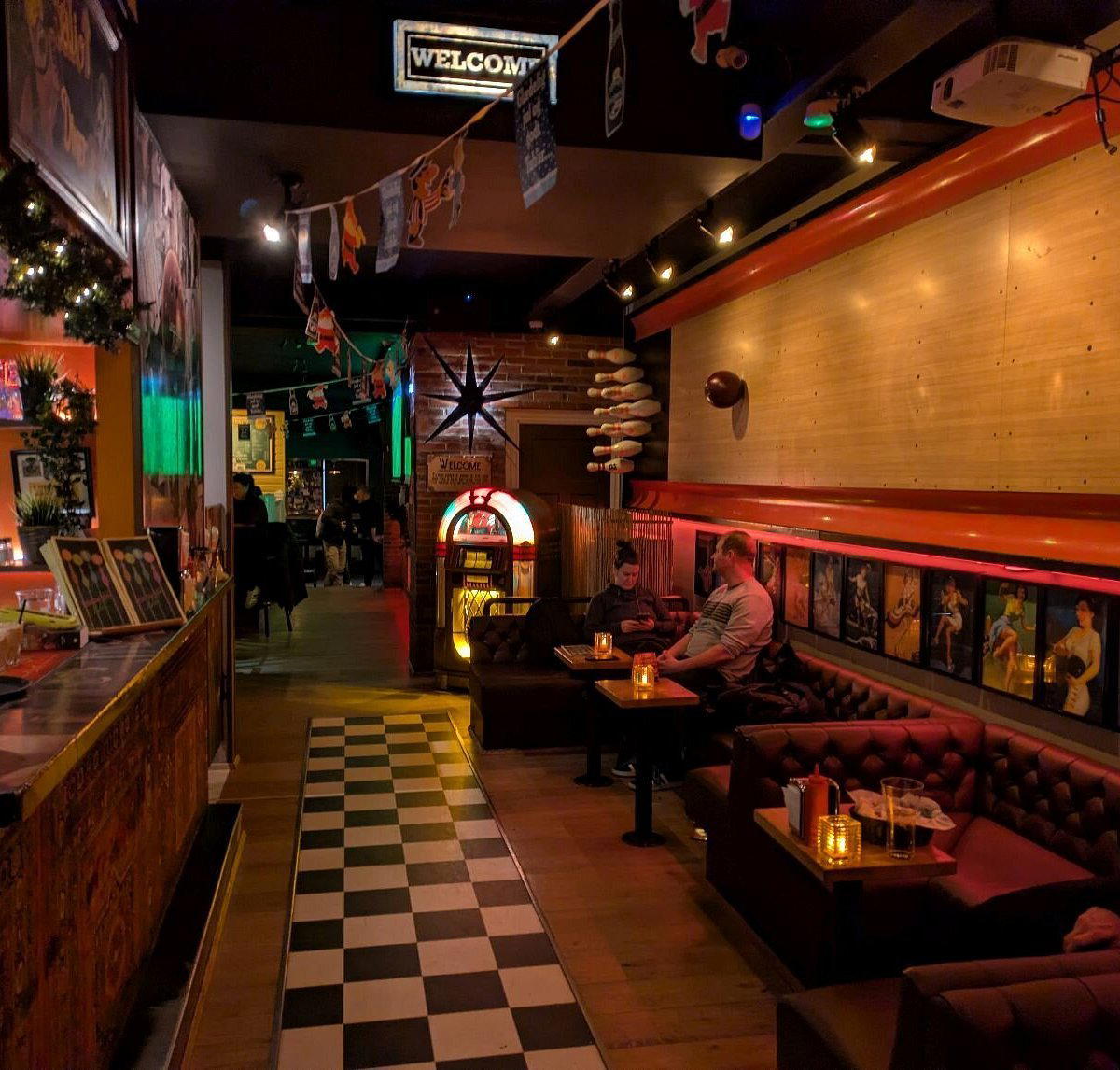
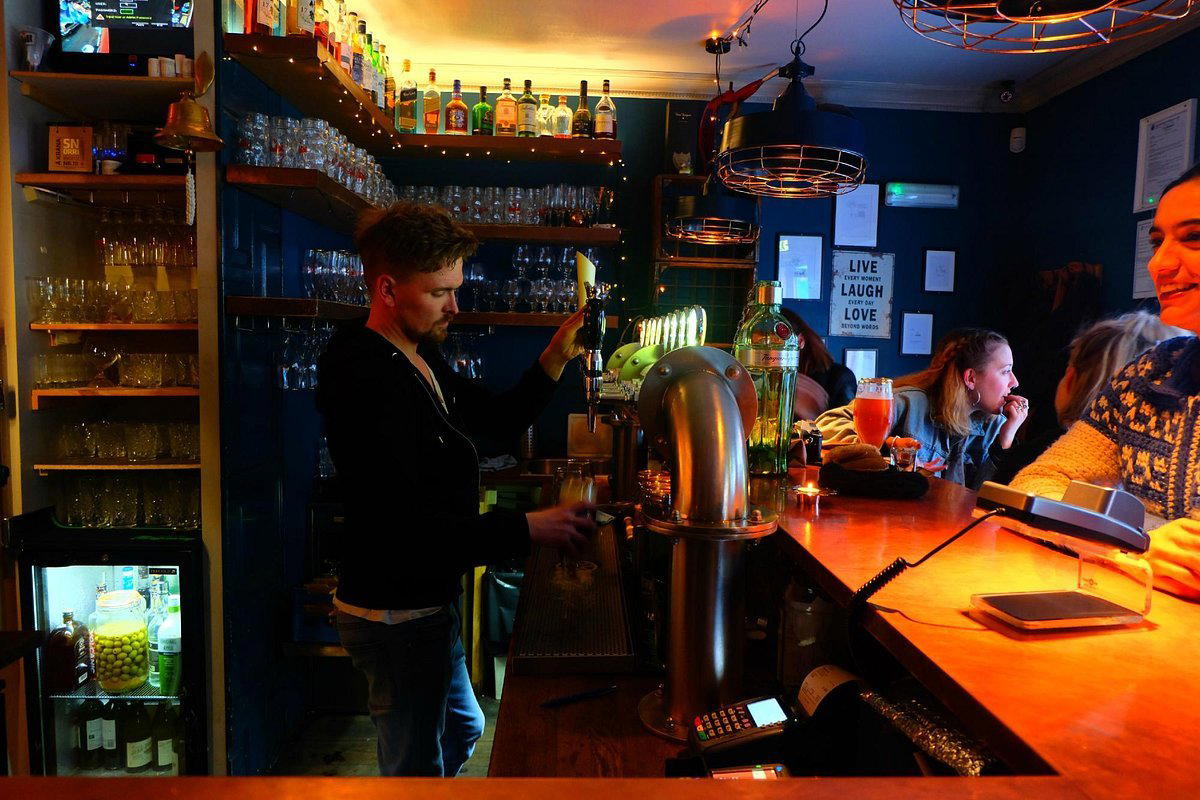
At a Glance
- Trendy
- Lively
- Modern
- Whimsical
- Date Night
- Special Occasion
- Group Dining
- Celebration
- Open Kitchen
- Craft Cocktails
- Extensive Wine List
- Local Sourcing
Current opening hours
- Monday
- 12–10 PM
- Tuesday
- 12–10 PM
- Wednesday
- 12–10 PM
- Thursday
- 12–10 PM
- Friday
- 12–11 PM
- Saturday
- 11:45 AM–11 PM
- Sunday
- 11:45 AM–10 PM
Hours can change for holidays and private events. Last verified .
Fun, upbeat atmosphere with thematic, instagram-worthy decor featuring fake flowers, elegant lighting, and a glamorous feel.
Know Before You Go
- Getting there
- Klapparstígur 28, 101 Reykjavík, Iceland