12 Tónar on Skólavörðustígur occupies a distinctive position in Reykjavik's cultural geography: part record shop, part gathering space, part bar. Where most of the city's drinking establishments lean toward the conventional, this address has built its reputation on the intersection of independent music culture and community — a format that puts it outside any standard bar category.
Pearl is the En Primeur Club membership app — saves, bookings, and concierge access live there. Same editors, same standards.
- Address
- Skólavörðustígur 15, 101 Reykjavík, Iceland
- Phone
- +354 511 5656
- Website
- 12tonar.is
- Directions
- Get directions
 Saves & bookings on Pearl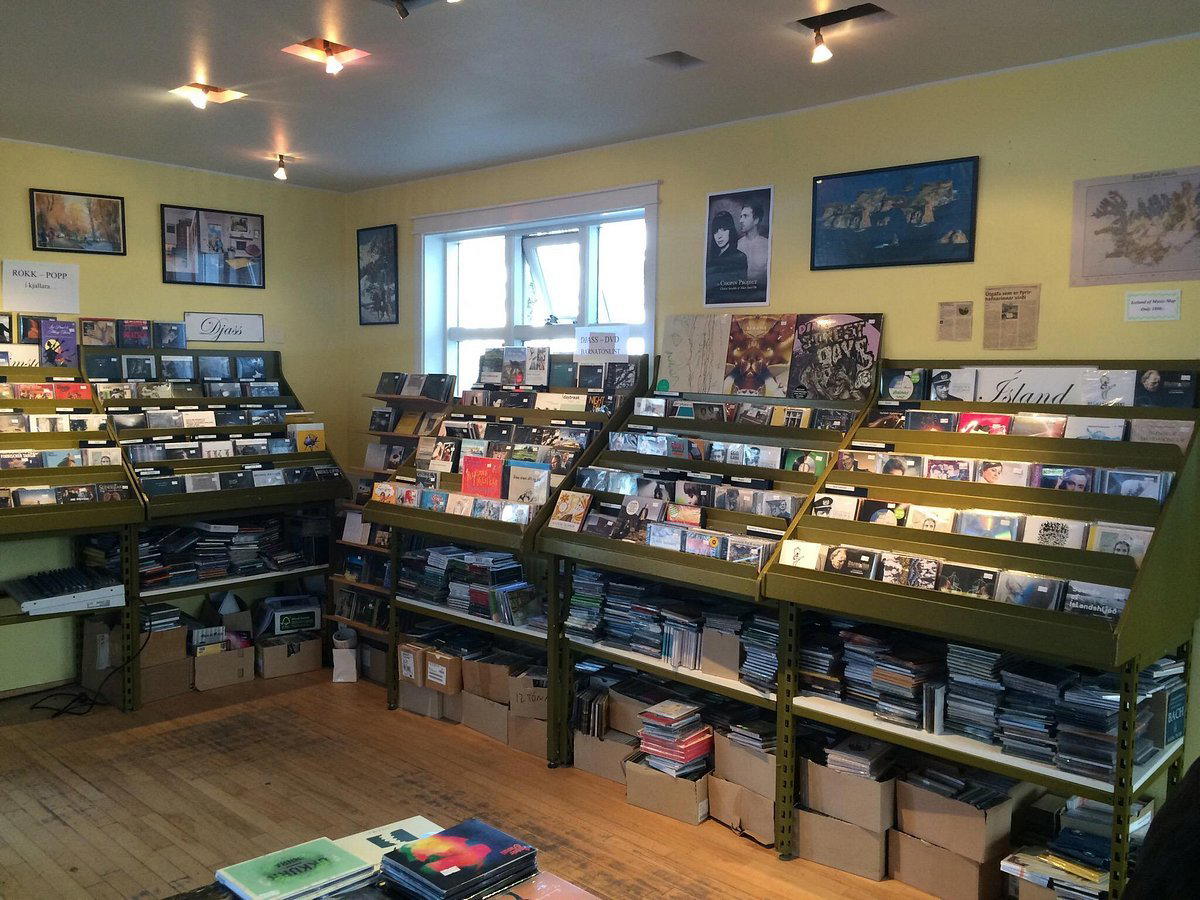
Where Reykjavik's Music Culture and Bar Life Converge
Skólavörðustígur, the gently sloping street that runs from the city centre toward Hallgrímskirkja church, has long functioned as one of Reykjavik's more considered commercial corridors: independent shops, galleries, and small eateries rather than the louder tourism infrastructure found closer to Laugavegur. At number 15, 12 Tónar has occupied that address long enough to become part of the street's identity. The space operates as a record shop during the day and transitions into something closer to a bar and gathering point in the evenings — a format that has no real equivalent among Reykjavik's more conventional drinking venues.
That dual-mode format is not a novelty proposition. It reflects a broader pattern in small-market cultural cities, where the economics of single-use retail space force creative combinations, and where the overlap between music, drinking, and community is treated as a natural rather than curated relationship. In Reykjavik, where the population base is small and the creative community dense, spaces that serve multiple functions tend to develop loyal, specific audiences rather than broad anonymous ones. 12 Tónar fits that pattern closely.
The Record Shop as a Sustainable Cultural Model
Independent record retail has contracted sharply across most markets over the past two decades, but a subset of shops has survived by embedding themselves into the fabric of local cultural life rather than competing on inventory or price against digital platforms. The model that has proven most durable is the one that makes the physical space itself the reason to visit: in-store performances, a browsing culture that rewards time spent, and the social dimension of a shared listening environment. 12 Tónar has operated along these lines, with in-store events and a culture of listening before purchasing that treats the shop floor as a communal space rather than a transactional one.
From an environmental and sustainability perspective, the record shop model carries its own logic. Vinyl, despite its manufacturing footprint, is a format built for longevity — records pressed decades ago are still in active circulation, traded and replayed rather than discarded. The in-store listening culture reduces the impulse-purchase dynamic that drives waste in faster retail categories. And the dual-use model of the space itself, functioning as bar and shop across different hours, reduces the demand for a separate dedicated venue and the associated resource overhead. These are structural efficiencies rather than declared principles, but they reflect a kind of sustainable pragmatism that characterises how Iceland's smaller cultural institutions have historically operated.
How 12 Tónar Sits in Reykjavik's Bar Scene
Reykjavik's bar scene divides roughly into three tiers: the high-volume party corridor around Laugavegur and Austurstræti, which operates at scale on weekends and serves both locals and tourists; a mid-tier of neighbourhood bars and bistros with more considered food and drink programs, including venues like Bodega and Bryggjuhúsið; and a smaller category of culturally inflected spaces where the primary identity is not the drink but the context around it. The bar belongs to that third category, which is the least populated and one specific in its audience.
Comparison venues in that third tier tend to be harder to classify and, consequently, harder to find without local knowledge. BakaBaka occupies a different cultural niche but shares a similar quality of being defined by something other than its drinks list. Fiskmarkaðurinn / Fish Market operates at a higher price point with a food-forward identity. Neither is a direct analogue. The bar's closest peers are probably found outside Reykjavik entirely: spaces in other small creative cities where music retail and social drinking have merged into a single proposition. For international visitors with a reference point for that format, the address will be immediately legible. For those without, it requires a modest recalibration of expectations.
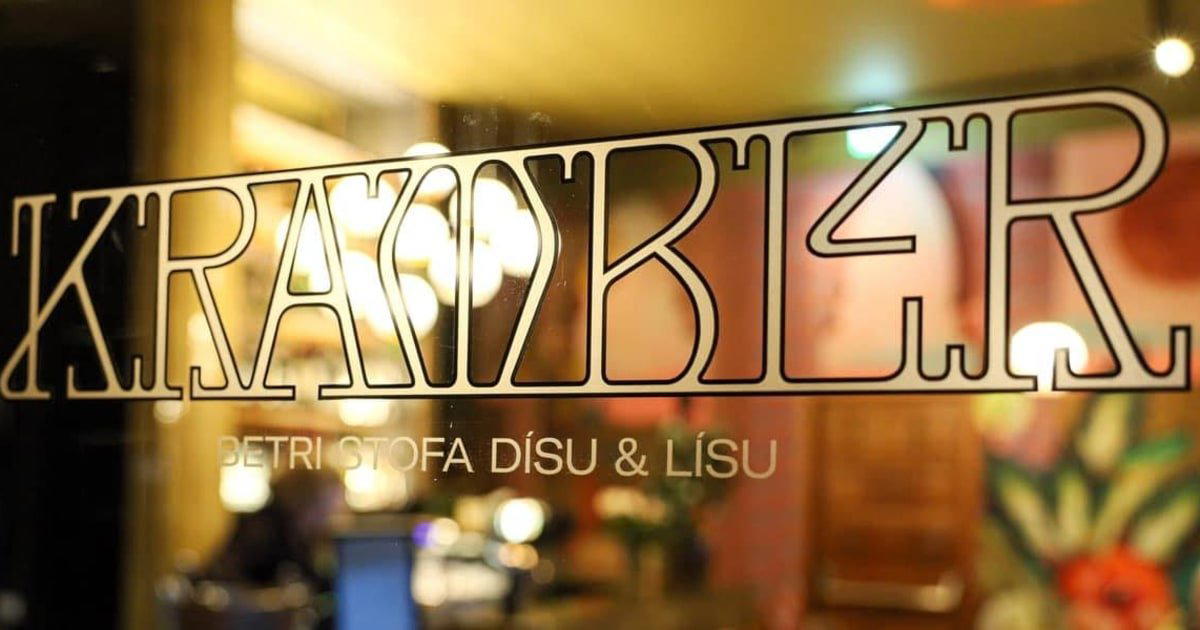
Iceland's wider bar culture beyond the capital is worth noting for those extending their trip. Kramber represents a different register of Icelandic bar culture, while the Westman Islands offer their own distinct character through venues like Prýði and Gott. In Akureyri, the country's northern hub, Götubarinn provides a useful comparison point for understanding how bar culture shifts outside the capital. The range across these venues confirms that Icelandic drinking culture is not monolithic, and that Reykjavik's creative fringe, of which the bar is a representative, sits at one specific end of a wider spectrum.
Planning Your Visit
Skólavörðustígur 15 places the bar within easy walking distance of central Reykjavik, including the main hotel concentration around Laugavegur and the old harbour area. The street itself rewards time on foot: the incline toward Hallgrímskirkja passes enough independent retail to constitute a half-day loop without particular effort. Visitors combining the bar with the broader Reykjavik cultural scene will find the address sits naturally within a walking circuit that takes in the city's independent character without requiring transport. The bar is walk-in friendly, and its regular hours are Monday 10 AM to 6 PM, Tuesday through Thursday 10 AM to 11 PM, Friday and Saturday 10 AM to 1 AM, and Sunday 12 to 6 PM. For those planning a longer Iceland itinerary, venues like Náttúrufræðistofnun offer further context on how Icelandic cultural institutions operate outside the obvious tourist circuit.
For travellers arriving from markets where this kind of hybrid cultural space has a longer history, the comparison point is useful: the format shares DNA with the better record bar concepts found in cities like Tokyo or London, but operates at Reykjavik's scale and without the self-conscious design investment those cities tend to apply. Internationally, venues like Bar Leather Apron in Honolulu and Jewel of the South in New Orleans demonstrate how specialist bar identities can anchor a visit even without headline credentials. The bar operates in that same register: the value is in what it represents about the city's cultural economy, not in any single quantifiable feature.
The Essentials
Comparable venues nearby, for context on price, style, and recognition.
| Venue | Cuisine | Price | Notes |
|---|---|---|---|
| 12 TónarThis venue — the venue you are viewing | Reykjavíkurborg, lounge | $$ | Not listed |
| Microbar Reykjavík | Not listed | $$ | Reykjavíkurborg, beer_bar |
| Quest - Hair, Beer & Whisky Saloon | Reykjavíkurborg, pub | $$ | Not listed |
| Kíkí Queer Bar | Reykjavíkurborg, lounge | $$ | Not listed |
| Kaffibarinn Bar | Reykjavíkurborg, pub | $$ | Not listed |
| Lebowski Bar | Reykjavíkurborg, pub | $$ | Not listed |
Continue exploring
More in Reykjavík
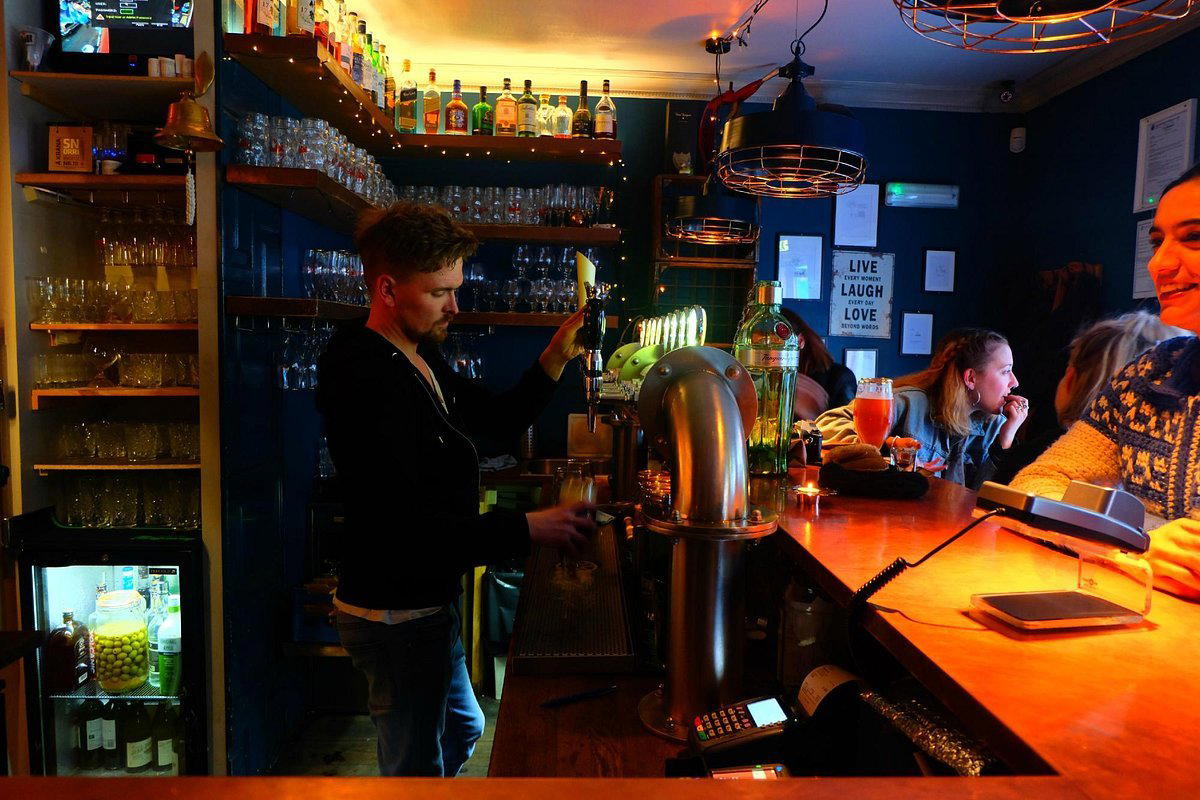
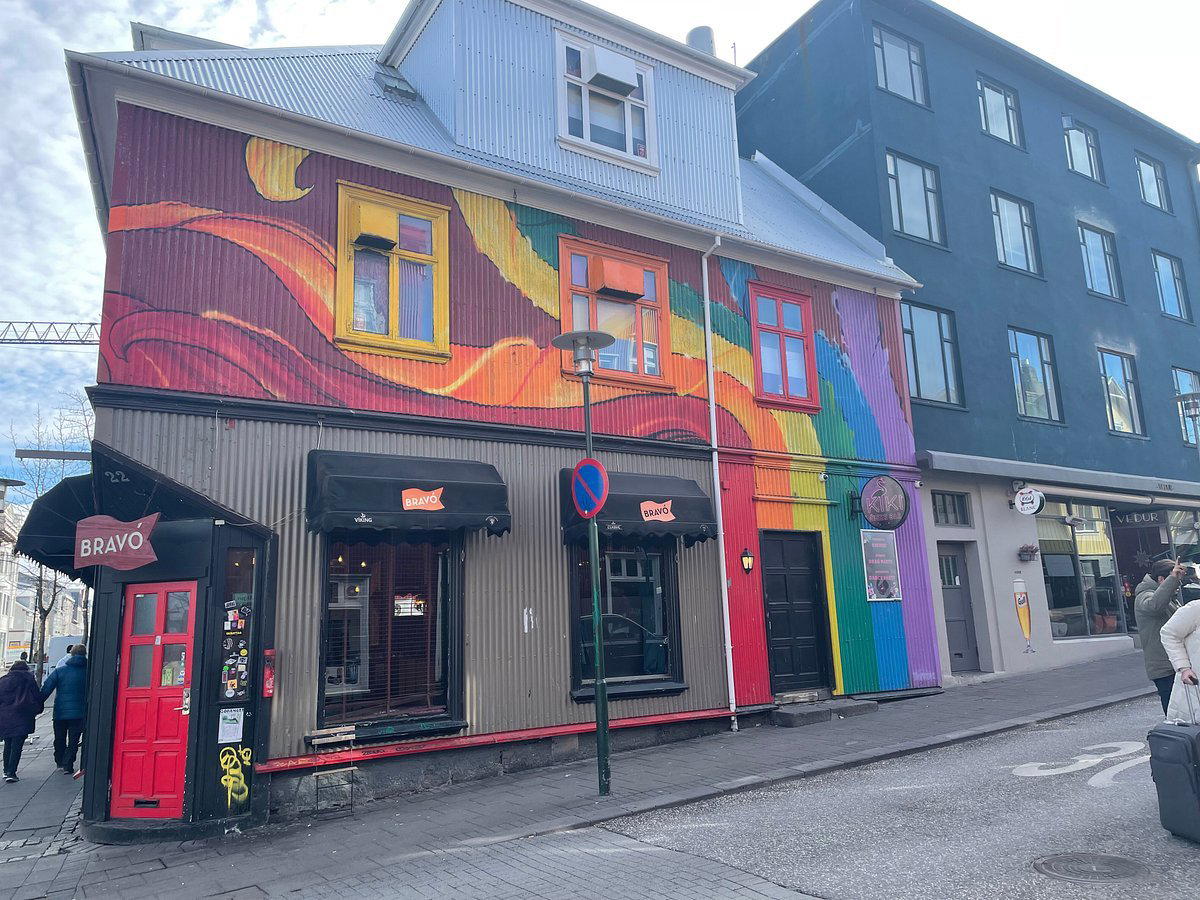
Bars in Reykjavík
Browse all →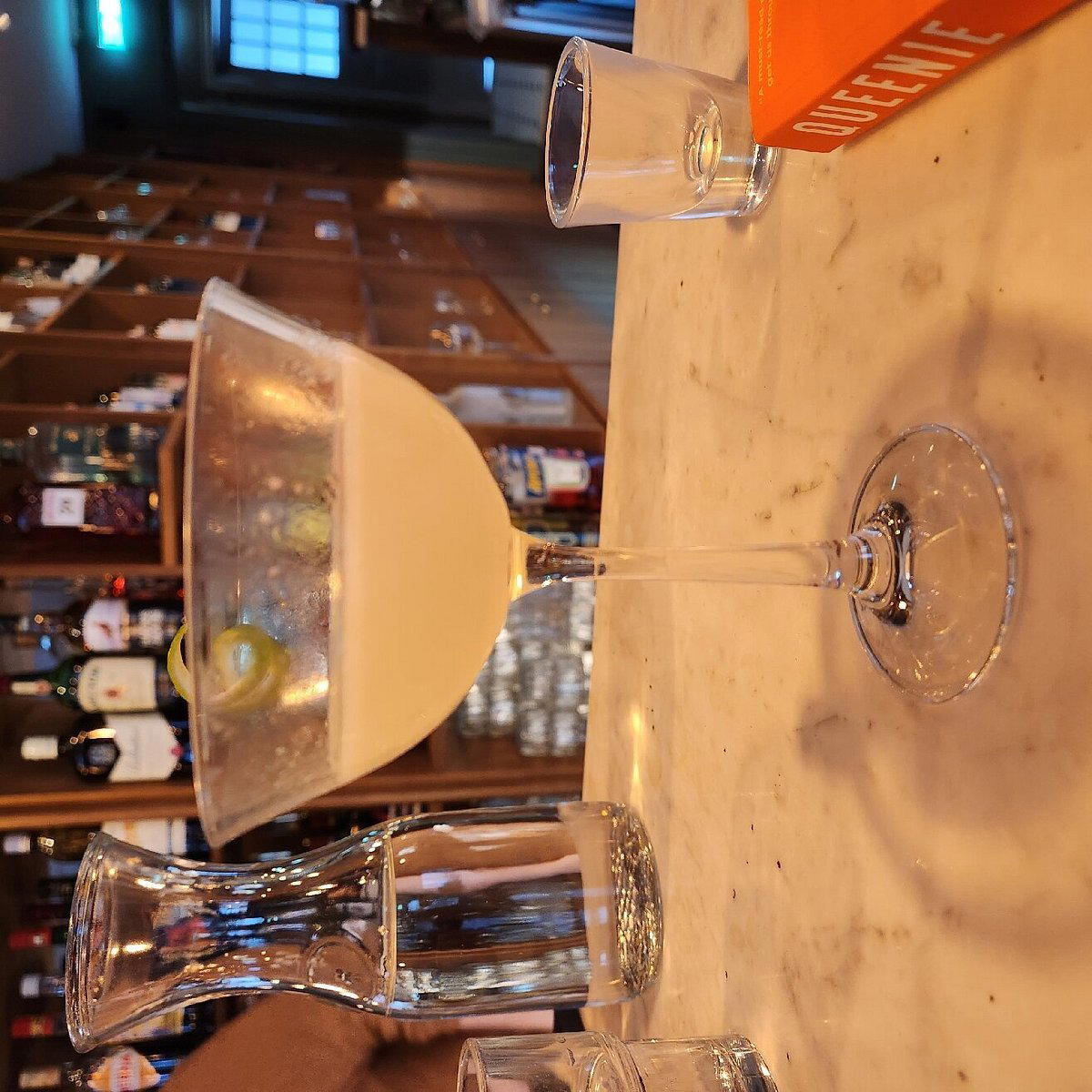
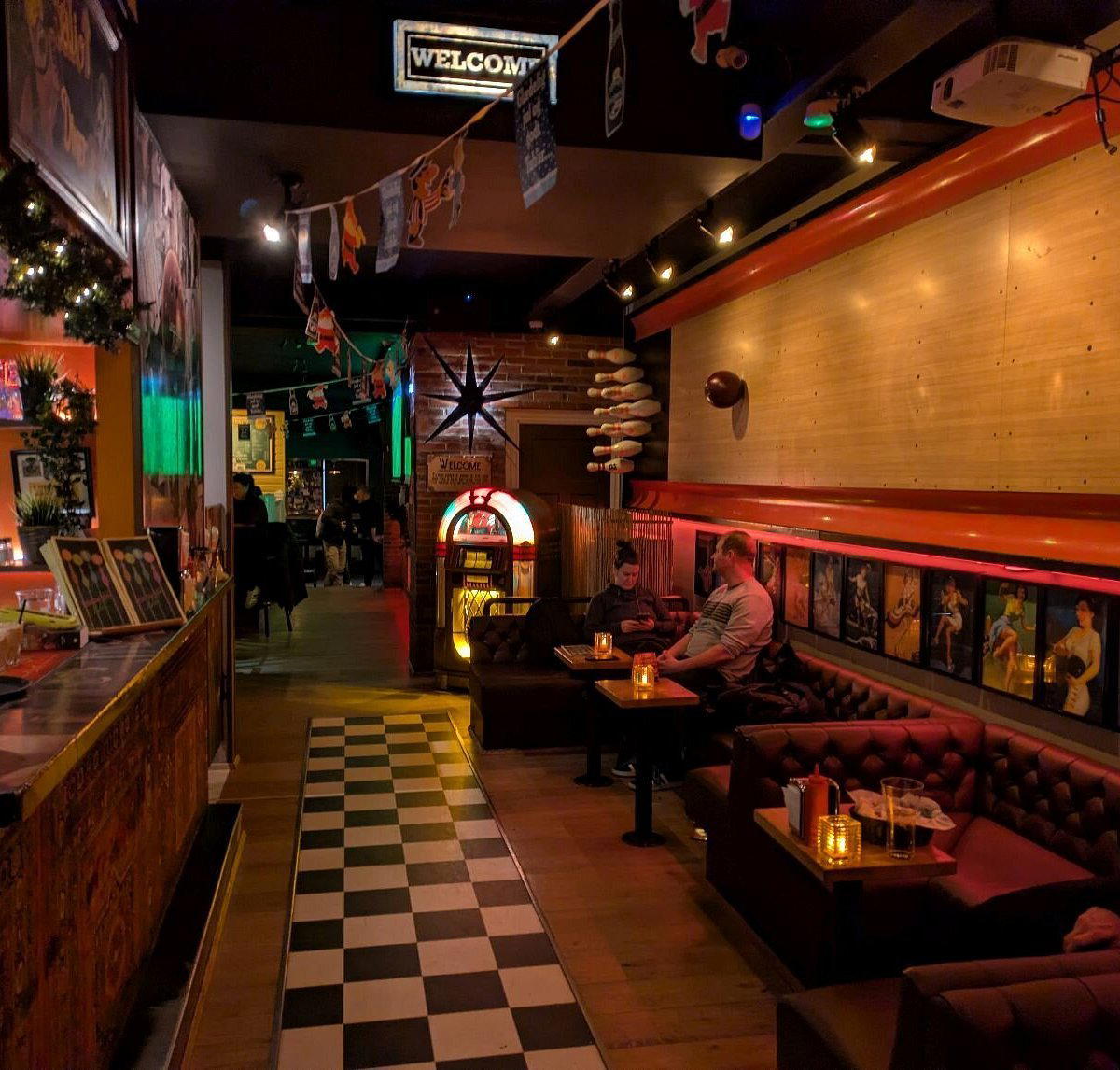
Restaurants in Reykjavík
Browse all →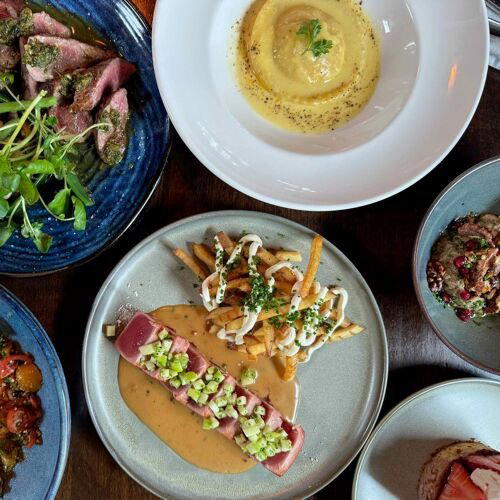
At a Glance
- Cozy
- Intimate
- Trendy
- Bohemian
- Casual Hangout
- Live Music
- Historic Building
- Seated Bar
- Lounge Seating
- Craft Beer
Current opening hours
- Monday
- 10 AM–6 PM
- Tuesday
- 10 AM–11 PM
- Wednesday
- 10 AM–11 PM
- Thursday
- 10 AM–11 PM
- Friday
- 10 AM–1 AM
- Saturday
- 10 AM–1 AM
- Sunday
- 12–6 PM
Hours can change for holidays and private events. Last verified .
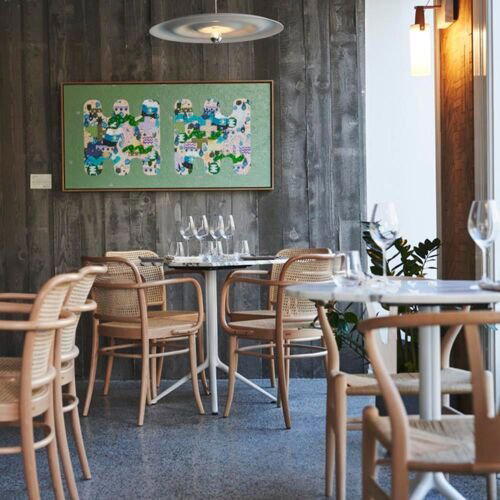
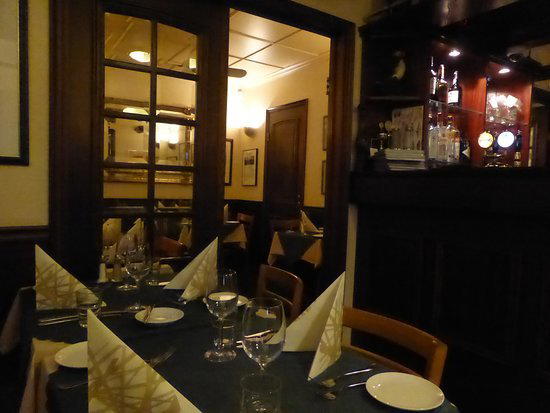
Warm, relaxed atmosphere with seating to listen to music, read magazines, and enjoy coffee or drinks amid colorful record shelves.