Bergsson Mathús occupies a spot on Templarasund in central Reykjavik where the city's café culture and its appetite for seasonal, Nordic-rooted cooking converge. The address draws both morning regulars and afternoon visitors working through Reykjavik's compact 101 district, with a daytime offer that reflects the Icelandic preference for quality ingredients handled without ceremony. It sits in a tier of Reykjavik all-day venues that take food seriously without the formality of the dinner-only restaurant circuit.
- Address
- Templarasund 3, 101 Reykjavík, Iceland
- Phone
- +354 571 1822
- Directions
- Get directions
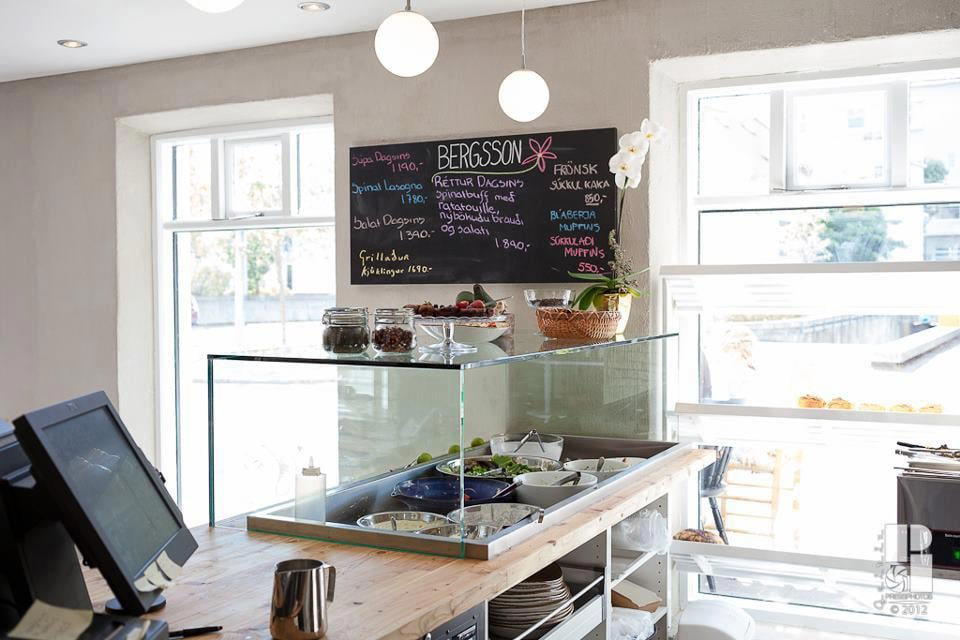
Where Reykjavik's All-Day Café Tradition Does Its Most Honest Work
Approach Templarasund 3 on any weekday morning and the pattern is familiar to anyone who has spent time in 101 Reykjavík: a short street off the city's main commercial drag, the kind of address that accumulates regulars because the food is consistent rather than because the room makes a statement. Bergsson Mathús is a healthy Icelandic bakery café in Reykjavík at Templarasund 3, 101 Reykjavík, Iceland, with a casual dress code and a walk-in-friendly policy. It is a daytime venue in a city where the distinction between café, lunch counter, and brunch restaurant has softened considerably over the past decade, leaving a cohort of all-day spots that do more serious food than their informal settings suggest.
Reykjavik's central district runs on a surprisingly compact grid. The 101 postcode covers the area most visitors walk entirely in a single afternoon, taking in the waterfront, the old harbour, and the streets around Laugavegur. Bergsson Mathús sits within easy reach of most of that territory, which means it functions as both a neighbourhood spot for the people who actually live and work in the centre and a natural pause point for visitors moving between the city's sights. That dual audience is worth understanding before you arrive, because it shapes when the room is busy and what the service rhythm looks like at different points of the day.
The Lunch-Dinner Divide in a City That Mostly Eats Lunch Well
Iceland's restaurant culture has a structural quirk that visitors from larger European cities sometimes find disorienting: the quality gap between daytime and evening dining is narrower than almost anywhere else in Northern Europe, but the price gap is steep. Dinner at the upper end of Reykjavik's scene, at places like DILL in Reykjavík or Moss in Grindavík, runs into territory that matches comparable tasting menus in London or Copenhagen. Lunch, by contrast, remains the city's most democratic meal, and venues like Bergsson Mathús are where that democratic impulse produces its most direct results.
The editorial point here is not simply about price. It is about the way daytime service in Reykjavik carries a different kind of culinary ambition than the formal evening circuit. The dinner venues carry the awards, the international press attention, and the reservation pressure. The lunch-focused venues carry the daily repetition, the returning local customer, and the discipline that comes from having to execute the same dishes reliably five or six days a week without theatrical presentation to compensate for anything that falls short. Bergsson Mathús operates in that second context, and it is a context that tends to reward ingredients and execution over concept.
For visitors calibrating where to spend their food budget across a short trip, this matters practically. A lunch at a venue in the restaurant's tier will typically land at a fraction of the cost of an equivalent evening meal elsewhere in the 101 district, while drawing on the same Icelandic supply chain, the same seasonal produce rhythms, and in some cases the same kitchen talent. The evening-heavy itinerary is not always one efficient way to eat well in Reykjavik.
Placing Bergsson Mathús in the Reykjavik Café Tier
The all-day café bracket in Reykjavik sits between the tourist-facing fast-casual end and the serious dinner-only restaurants. Within that bracket, there is further variation. Some venues lean toward the baked goods and coffee end; others have invested in a proper lunch menu that competes with early dinner in terms of ambition. Café Loki is a well-known reference point for traditional Icelandic daytime food, built around hákarl, skyr, and rye bread preparations. The restaurant occupies a related but distinct position, associated more with the contemporary Nordic café mode than with heritage Icelandic revival.
That places it in conversation with a broader shift in how Reykjavik's food scene has developed. The city spent much of the 2010s building its dinner credentials, with international recognition arriving at venues across the tasting-menu tier. The café and lunch segment has developed more quietly but with comparable seriousness, absorbing influences from Copenhagen's smørrebrød culture, from the New Nordic emphasis on foraged and preserved ingredients, and from Iceland's own dairy and seafood traditions. The restaurant reflects that absorbed influence without the formal framing that dinner service would impose.
For a broader survey of where the city's restaurant scene currently sits across all meal occasions and price points, the EP Club Reykjavik restaurants guide maps the full range, including the evening-only options at Bon Restaurant, the more casual register at Amma Don, and the bar-adjacent dining at Brút. The street-food end of the spectrum is anchored by Bæjarins Beztu Pylsur, which has operated as the city's reference hot dog counter for decades.
Iceland's Wider Dining Geography as Context
Understanding the restaurant also means understanding where Reykjavik sits within Iceland's food geography more broadly. The capital holds the concentration of formal dining, but notable venues operate well outside the 101 postcode. Friðheimar in Reykholt has built a destination reputation around its greenhouse tomato growing. Fjöruborðið in Stokkseyri draws visitors specifically for langoustine. Strikið in Akureyri carries the north's most visible fine-dining credentials. And for visitors whose itinerary extends beyond the capital, Nesjavallavirkjun in Selfoss and Malai-Thai in Keflavik represent the range of options along common travel corridors.
Within the capital's own orbit, Von Mathús-Bar in Hafnarfjörður and the Chef's Table at Moss Restaurant represent the premium end of structured dining in the greater Reykjavik area. The restaurant occupies a different position in that hierarchy, one defined by accessibility and daily reliability rather than occasion dining.
Planning Your Visit
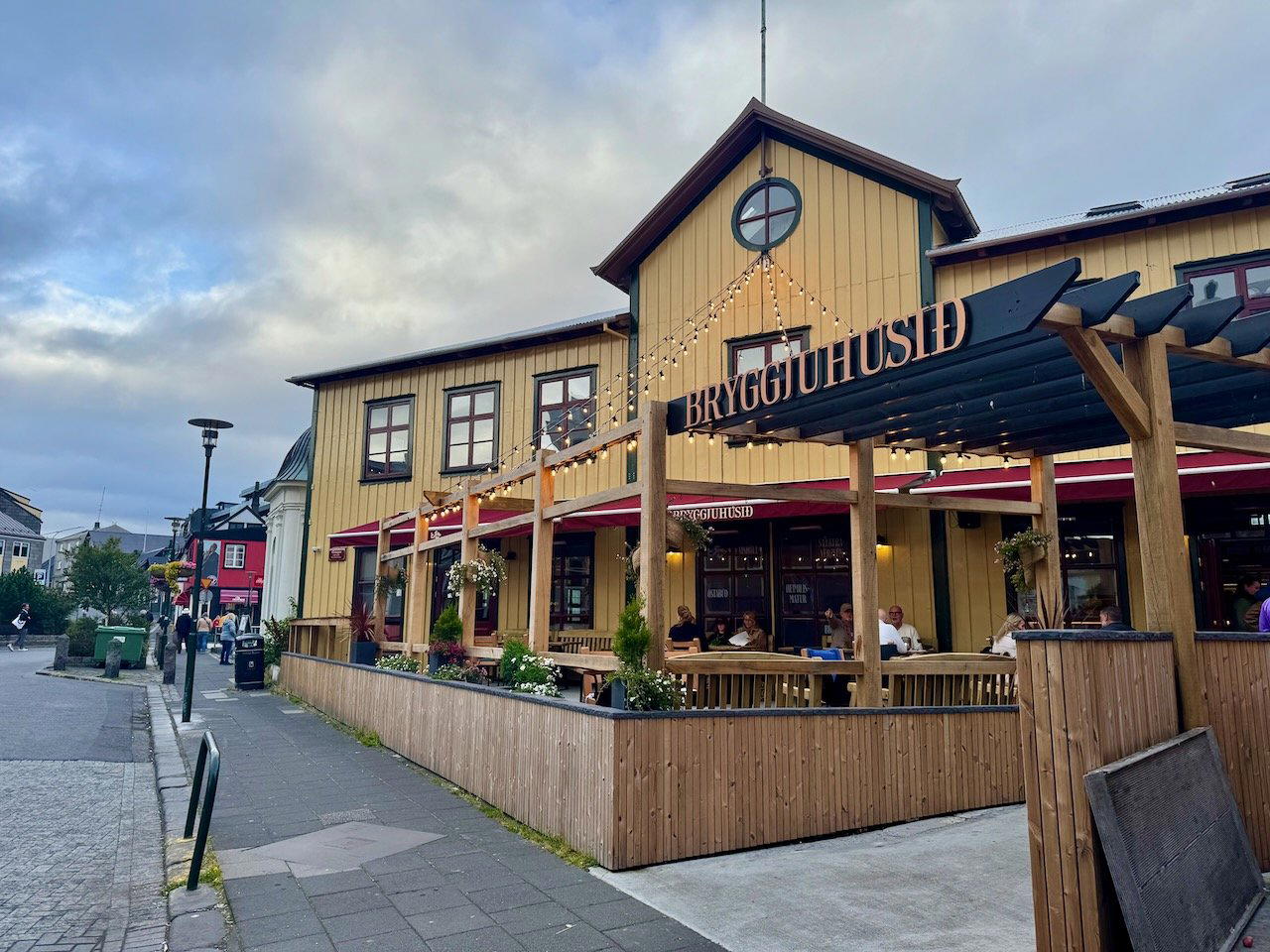
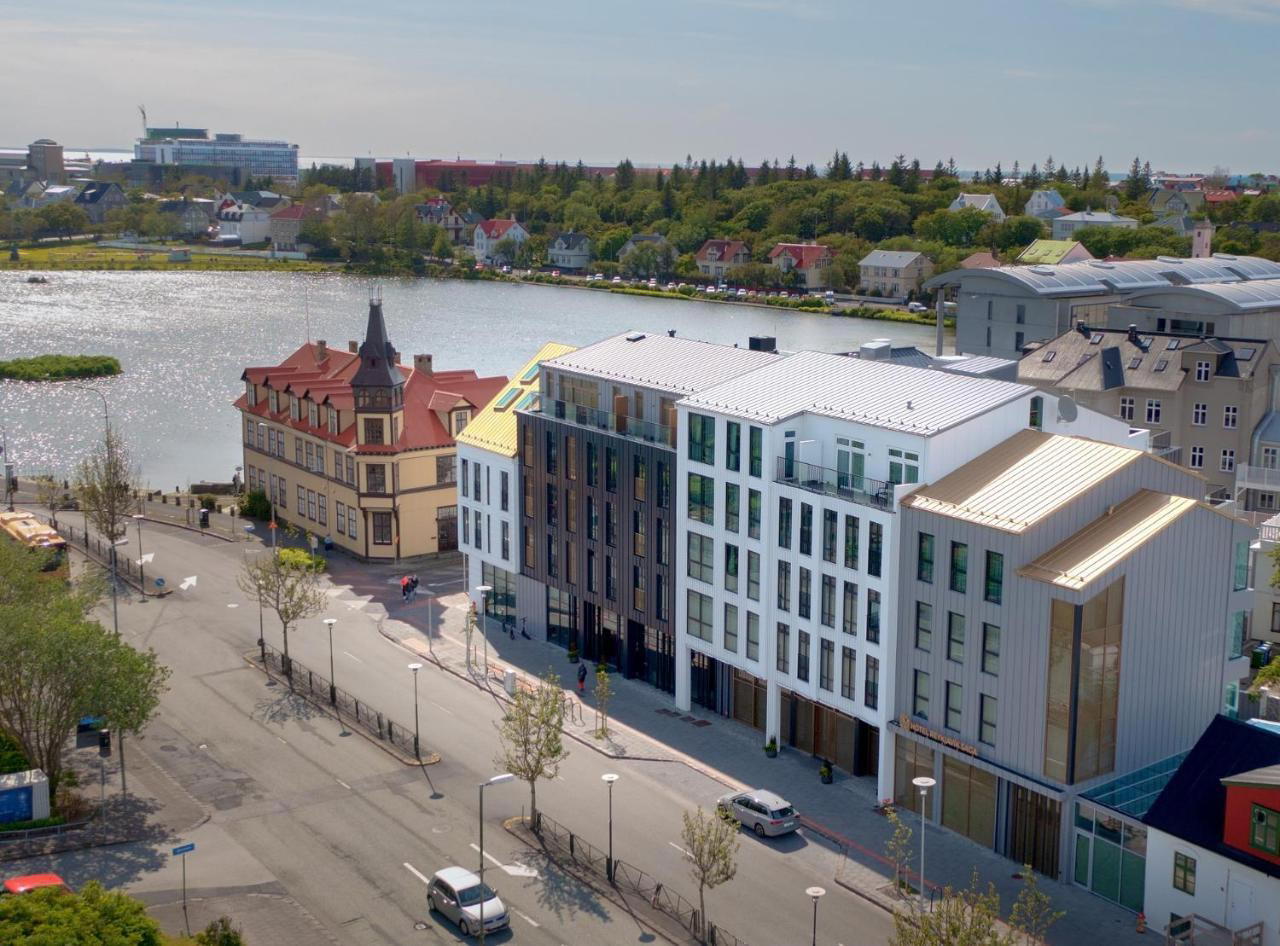
The restaurant is located at Templarasund 3, 101 Reykjavík, placing it within the central pedestrian zone that most visitors cover on foot. The address is walkable from the majority of hotels in the 101 and 105 districts. Given the venue's daytime focus, the practical approach is to plan around lunch or mid-morning rather than building an evening around it. Reykjavik's most visitor-heavy lunch windows tend to compress between noon and 1:30pm, particularly in peak summer months when the city's tourist numbers are highest, so arriving slightly outside those windows generally means shorter waits and a calmer room.
Cuisine Context
Comparable venues nearby, for context on price, style, and recognition.
| Venue | Cuisine | Price | Notes |
|---|---|---|---|
| Bergsson MathúsThis venue — the venue you are viewing | Healthy Icelandic Bakery Café | $$ | Not listed |
| Smakkbarinn | Icelandic Tapas | $$ | Reykjavíkurborg |
| Kröst | Modern Icelandic Grill & Wine Bar | $$ | Reykjavíkurborg |
| Kokteilbarinn | Peruvian-Japanese Nikkei Fusion | $$ | Reykjavíkurborg |
| Hverfisgata 12 | Modern Icelandic Cuisine | $$$ | Reykjavíkurborg |
| Three coats | Traditional Icelandic Seafood | $$$ | Reykjavíkurborg |
Continue exploring
More in Reykjavík
Restaurants in Reykjavík
Browse all →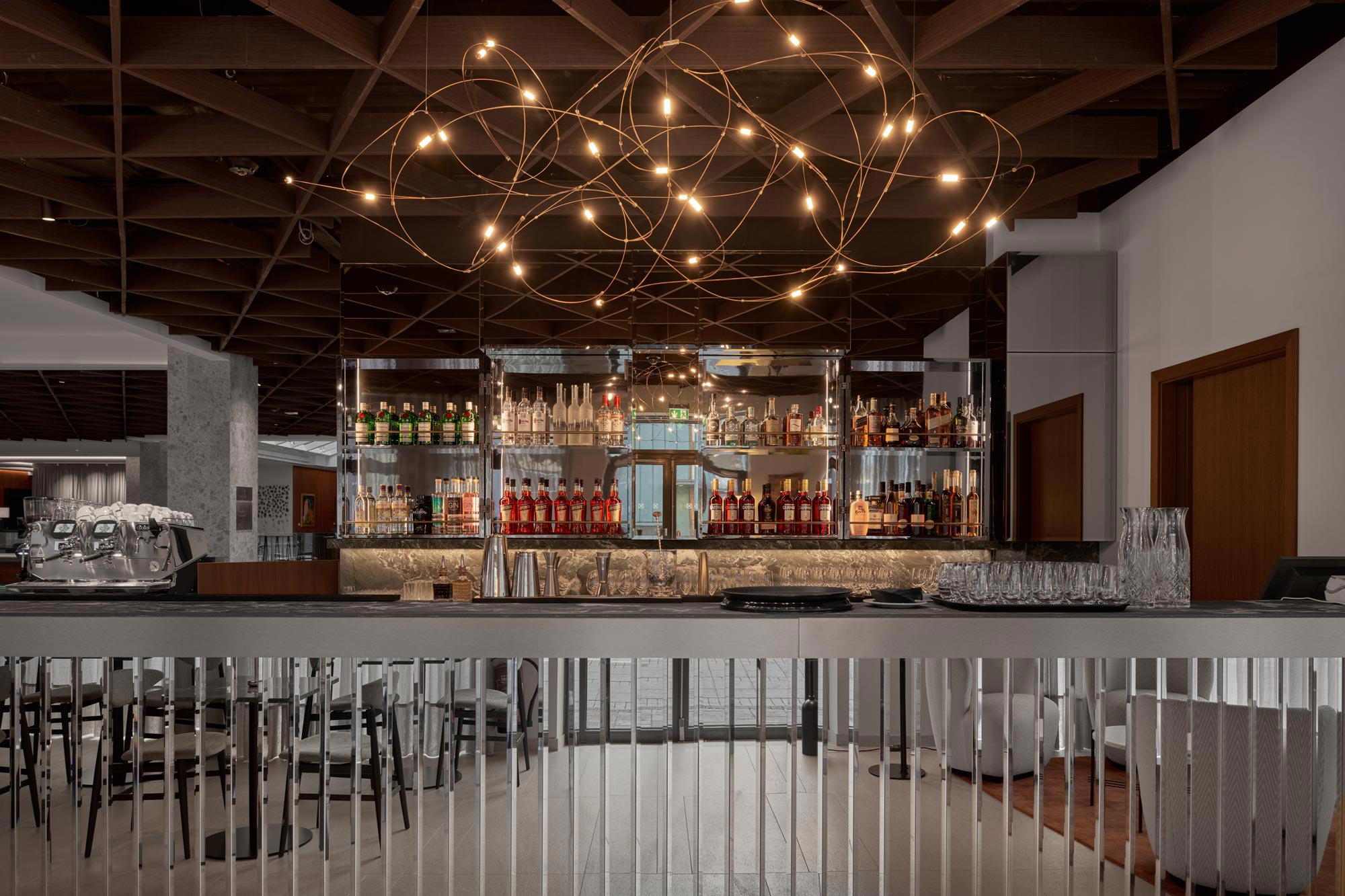
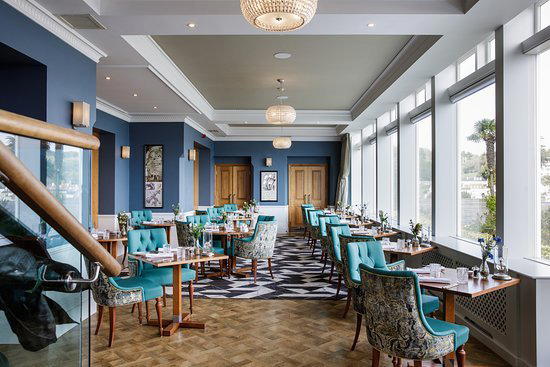
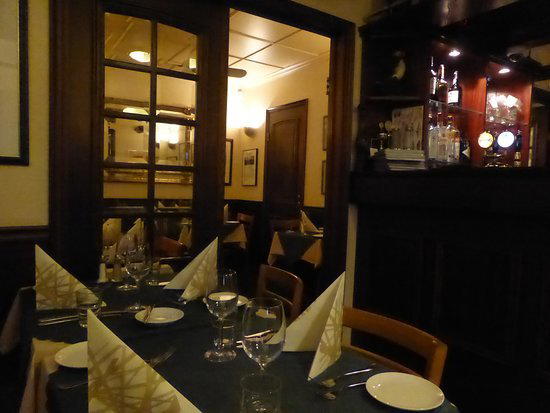
Bars in Reykjavík
Browse all →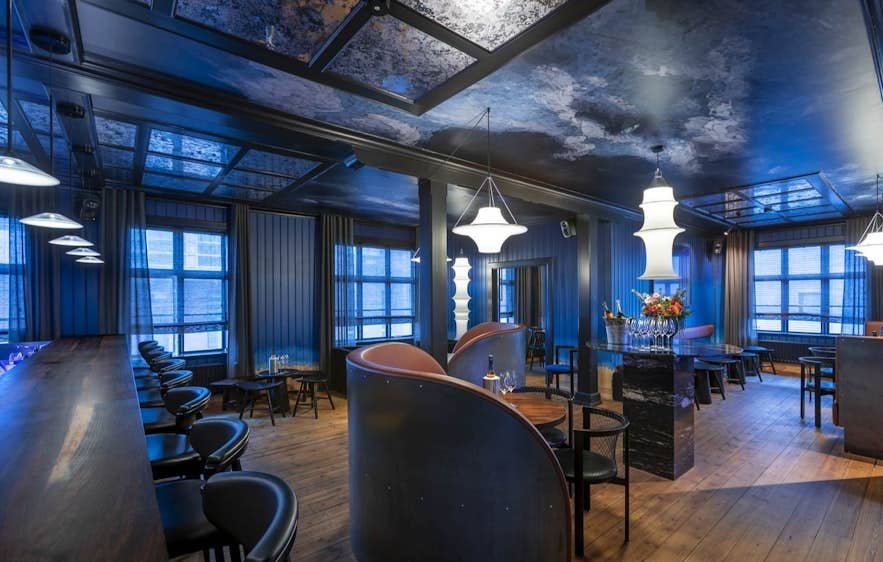
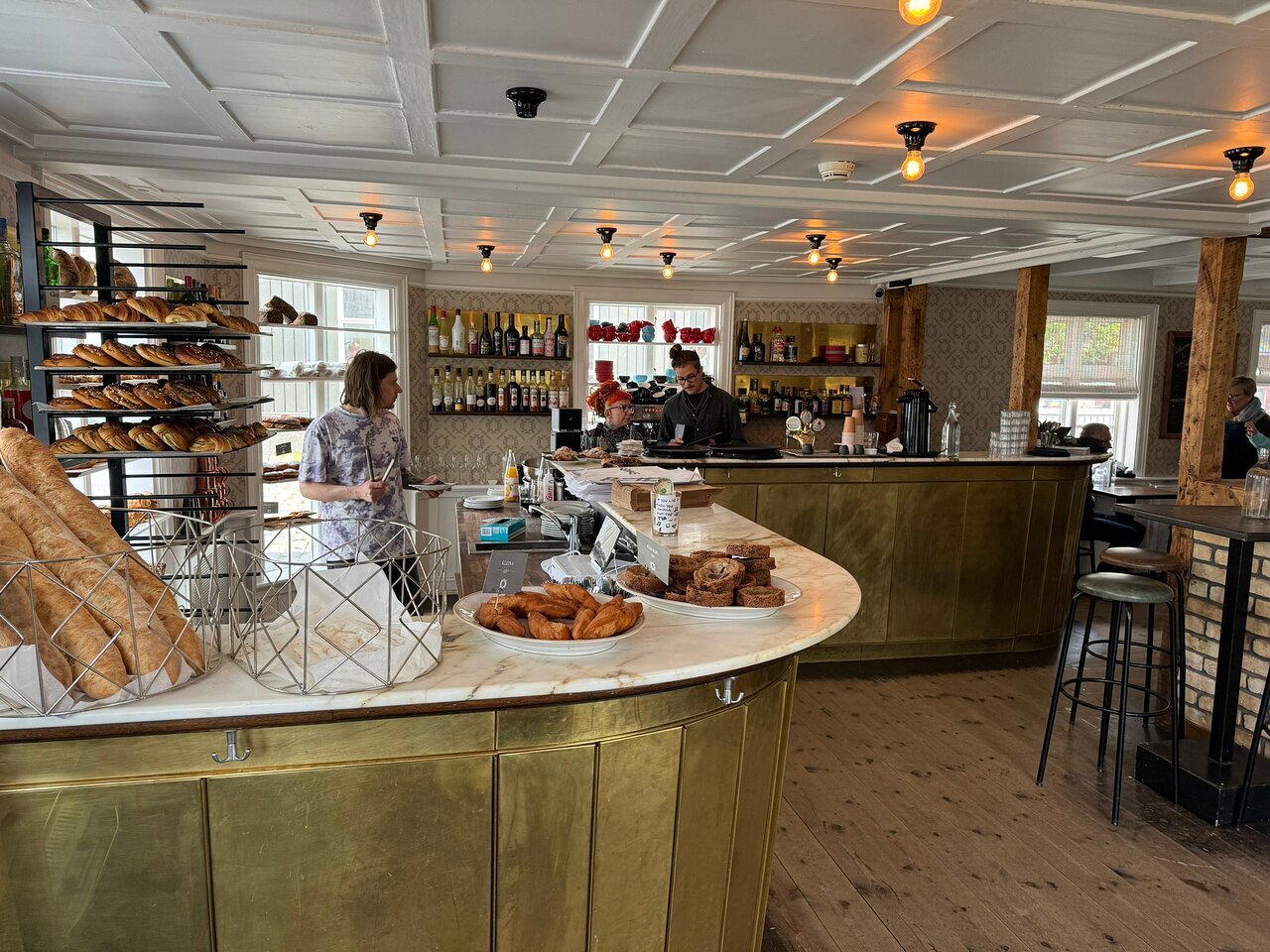
At a Glance
- Cozy
- Modern
- Brunch
- Casual Hangout
- Open Kitchen
- Farm To Table
- Local Sourcing
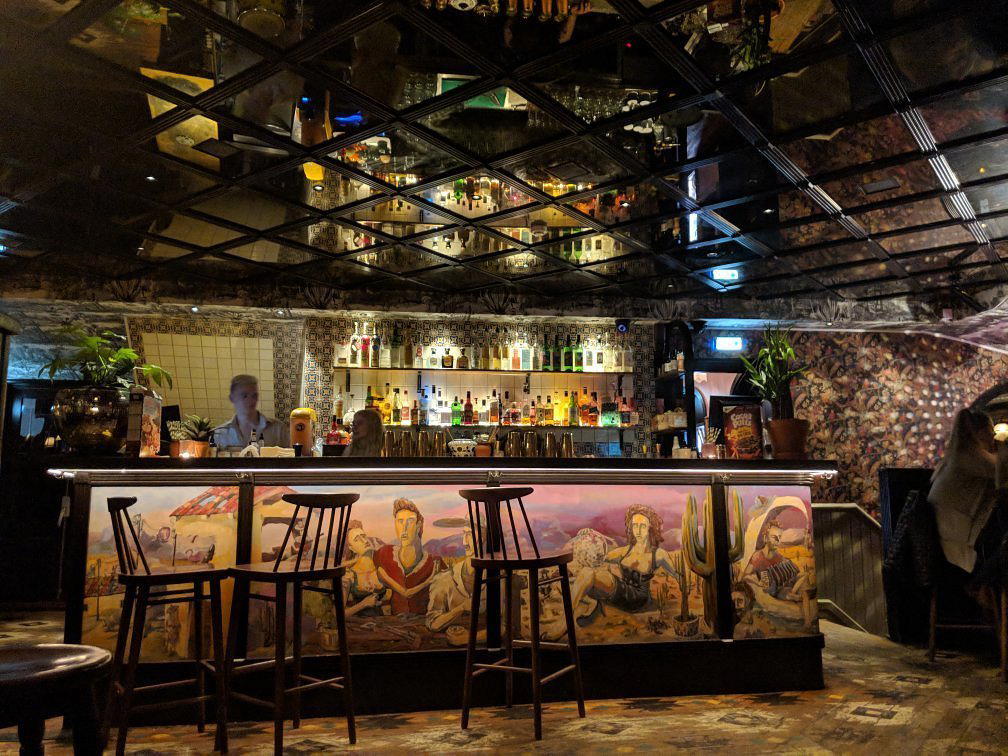
Bright, cheery café with welcoming, cozy atmosphere by candlelight.