Von Mathús-Bar
Von Mathús-Bar occupies a corner of Hafnarfjörður's harbour-facing Strandgata, a short distance from Reykjavík but well outside the capital's increasingly saturated dining circuit. The bar sits in a town with a distinct identity, Viking-era lore, a working fishing harbour, and a local crowd that keeps things grounded. For visitors tracing Iceland's wider food and drink scene beyond the Golden Circle, it earns a detour.
Pearl is the En Primeur Club membership app — saves, bookings, and concierge access live there. Same editors, same standards.
- Address
- Strandgata 75, 220 Hafnarfjörður, Iceland
- Phone
- +354 583 6000
- Website
- vonmathus.is
- Directions
- Get directions
 Saves & bookings on Pearl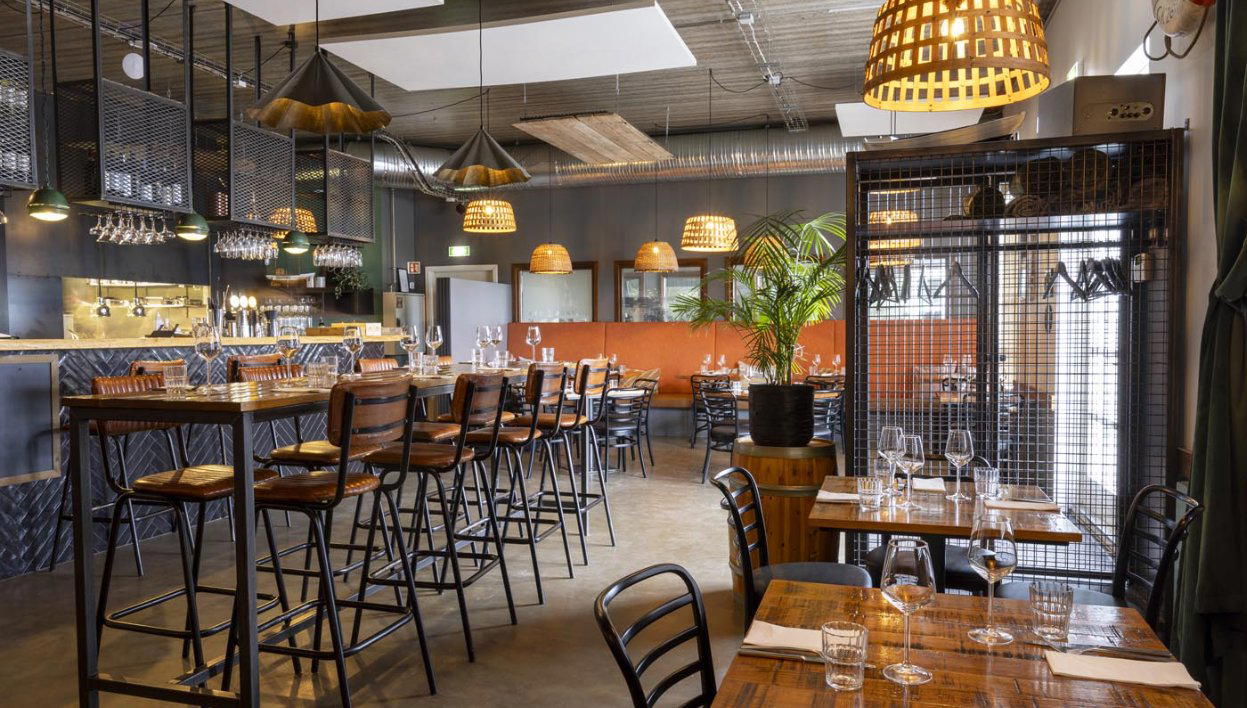
Hafnarfjörður's Quiet Claim on Iceland's Drinking Scene
The town of Hafnarfjörður sits roughly ten kilometres south of Reykjavík's centre, close enough to reach by city bus yet far enough to feel genuinely removed from the capital's tourism-heavy dining strip. Strandgata, the main harbour road, runs along the waterfront with a directness typical of Icelandic fishing towns, no pedestrianised glamour, no curated café clusters, just buildings that have been there long enough to carry some weight. Von Mathús-Bar is at number 75 on that street, and the address alone tells you something about its context: this is a bar that exists for its neighbourhood first, and for curious visitors second.
That ordering matters in a country where frequently discussed dining addresses are concentrated inside a small radius in Reykjavík. Venues like DILL in Reykjavík and Moss in Grindavík occupy the upper tier of Iceland's formal dining scene, tasting menus, controlled sourcing narratives, international critical recognition. Von Mathús-Bar operates in a different register, one that Hafnarfjörður's character supports: more grounded, more local, and less oriented around the theatre of fine dining.
Where Ingredients Come From, and Why That Shapes Everything
Iceland's relationship with ingredient sourcing is not a marketing angle; it is a geographic condition. The country imports relatively little of what ends up on plates and in glasses, partly by necessity and partly by a culinary culture that has spent the last two decades rediscovering what was always there. The fishing harbours of towns like Hafnarfjörður supply fresh catch with minimal supply-chain delay. Lamb grazes on open hillside without the feed-lot compression common in larger agricultural economies. Geothermal energy heats the greenhouses that produce tomatoes and cucumbers through the dark months, a system that Friðheimar in Reykholt has built an entire dining concept around.
For a bar on Strandgata, that sourcing reality is ambient rather than foregrounded. The proximity to the working harbour means that what arrives at the bar has not travelled far. Icelandic drinking culture has historically leaned on the same local logic: Brennivín, the caraway-flavoured aquavit known domestically as the Black Death, is a product of the same agricultural conditions that shape the food. The broader Nordic bar scene, documented across venues from Bautinn in Akureyri to the more internationally recognised addresses, increasingly reflects this proximity between what grows or swims nearby and what ends up in the glass.
The ingredient question also intersects with price. Iceland's import costs and labour structure push food and drink prices higher than most European benchmarks. The more expensive end of the Reykjavík scene, DILL Restaurant in Reykjavik, the Chef's Table at Moss Restaurant in Iceland, reflects that reality through tasting menu pricing that competes with Nordic peers in Copenhagen or Stockholm. A bar in Hafnarfjörður operates lower in that price structure, but the underlying ingredient sourcing logic remains the same: local is the default, not the premium.
The Hafnarfjörður Setting as Context
Hafnarfjörður carries a dual identity that is worth understanding before arriving. It is a working town with a real harbour, a local population that commutes to Reykjavík and maintains its own commercial life, and a reputation in Icelandic folklore for being home to an unusually large population of hidden people, the huldufólk of local legend. That folkloric layer is not incidental local colour; it is taken seriously enough that urban planning decisions have historically accounted for it, and it gives the town a character distinct from the capital's more internationally oriented atmosphere.
Strandgata itself is a functional street rather than a scenic one in the conventional sense, but the harbour access gives it the same quality found in fishing-town waterfronts across the North Atlantic: a clarity of purpose that more designed environments lack. Walking from the waterfront to number 75 in the long summer daylight or under the compressed grey of a winter afternoon produces different experiences of the same address, and Iceland's seasonal extremes remain one of the country's defining conditions for any visit. The shoulder seasons of May and September offer more manageable crowds than July's peak, while winter visits require accepting reduced daylight in exchange for a genuine shot at the northern lights.
For those moving through southern Iceland more broadly, the geography positions Hafnarfjörður as an accessible extension of Reykjavík rather than a separate destination, the drive is under twenty minutes, and public transport connects the two. Venues like Fjöruborðið in Stokkseyri and Nesjavallavirkjun in Selfoss anchor the wider southwest circuit for food-focused itineraries. Malai-Thai in Keflavik sits roughly in the opposite direction from Reykjavík, toward the international airport, for those structuring a final evening before departure.
Where Von Mathús-Bar Sits in the comparable set
The Icelandic bar scene does not produce internationally recognised addresses at the frequency of, say, Copenhagen or London. The venues that draw consistent critical attention operate at the formal dining end, the omakase-style progression of Moss, the New Nordic rigour of DILL. Internationally, bars and restaurants at the far end of the ambition spectrum, Le Bernardin in New York City, Atomix in New York City, Alinea in Chicago, Alain Ducasse at Louis XV in Monte Carlo, Alléno Paris au Pavillon Ledoyen, 8½ Otto e Mezzo Bombana in Hong Kong, Emeril's in New Orleans, or Lazy Bear in San Francisco, occupy a separate competitive tier defined by sustained critical infrastructure and international reservation demand. Von Mathús-Bar belongs to a different, more local tier, and that is not a diminishment. It is a description of function.
A bar at this address in this town is part of the social infrastructure of a community that predates Iceland's tourism boom. That positioning gives it a different kind of durability than venues built around visitor traffic. The Reykjavík scene has expanded rapidly since the mid-2000s, and the risk of that expansion is a homogenisation toward internationally legible formats. Neighbourhood bars in towns like Hafnarfjörður represent a counter-current to that tendency, places where the sourcing is local, the crowd is mostly not on a schedule dictated by a tour operator, and the experience is not principally designed for anyone arriving from outside.
Planning a Visit
The restaurant is at Strandgata 75 in Hafnarfjörður, reachable from Reykjavík in under twenty minutes by car or via the regular Strætó bus service that connects the two towns. Current hours are Mon: Closed; Tue: 11:30 AM to 2:30 PM; Wed and Thu: 11:30 AM to 2:30 PM and 5 to 9 PM; Fri: 11:30 AM to 2:30 PM and 5 to 9:30 PM; Sat: 5 to 9:30 PM; Sun: 5 to 9 PM, and reservations are recommended. Given Hafnarfjörður's compact size, a visit pairs naturally with a walk along the harbour or an afternoon at the nearby Hafnarborg arts centre before the evening.
In Context: Similar Options
Comparable venues nearby, for context on price, style, and recognition.
| Venue | Cuisine | Price | Notes |
|---|---|---|---|
| Von Mathús-BarThis venue — the venue you are viewing | Seasonal Icelandic Gastropub | $$ | Not listed |
| Forréttabarinn | Modern Icelandic Small Plates | $$ | Reykjavíkurborg |
| Fjöruborðið | Icelandic Langoustine | $$$ | Stokkseyri |
| Salka Valka eldhús/kitchen | Traditional Icelandic Seafood | $$ | Reykjavíkurborg |
| Sjávargrillið | Modern Icelandic Seafood Grill | $$$ | Reykjavíkurborg |
| Ostabúðin | Icelandic Deli | $$ | Reykjavíkurborg |
Continue exploring
More in Hafnarfjor Ur
Restaurants in Hafnarfjor Ur
Browse all →
Bars in Hafnarfjor Ur
Browse all →
At a Glance
- Lively
- Cozy
- Rustic
- Casual Hangout
- Date Night
- Family
- Waterfront
- Craft Cocktails
- Local Sourcing
- Waterfront
Current opening hours
- Monday
- Closed
- Tuesday
- 11:30 AM–2:30 PM
- Wednesday
- 11:30 AM–2:30 PM, 5–9 PM
- Thursday
- 11:30 AM–2:30 PM, 5–9 PM
- Friday
- 11:30 AM–2:30 PM, 5–9:30 PM
- Saturday
- 5–9:30 PM
- Sunday
- 5–9 PM
Hours can change for holidays and private events. Last verified .
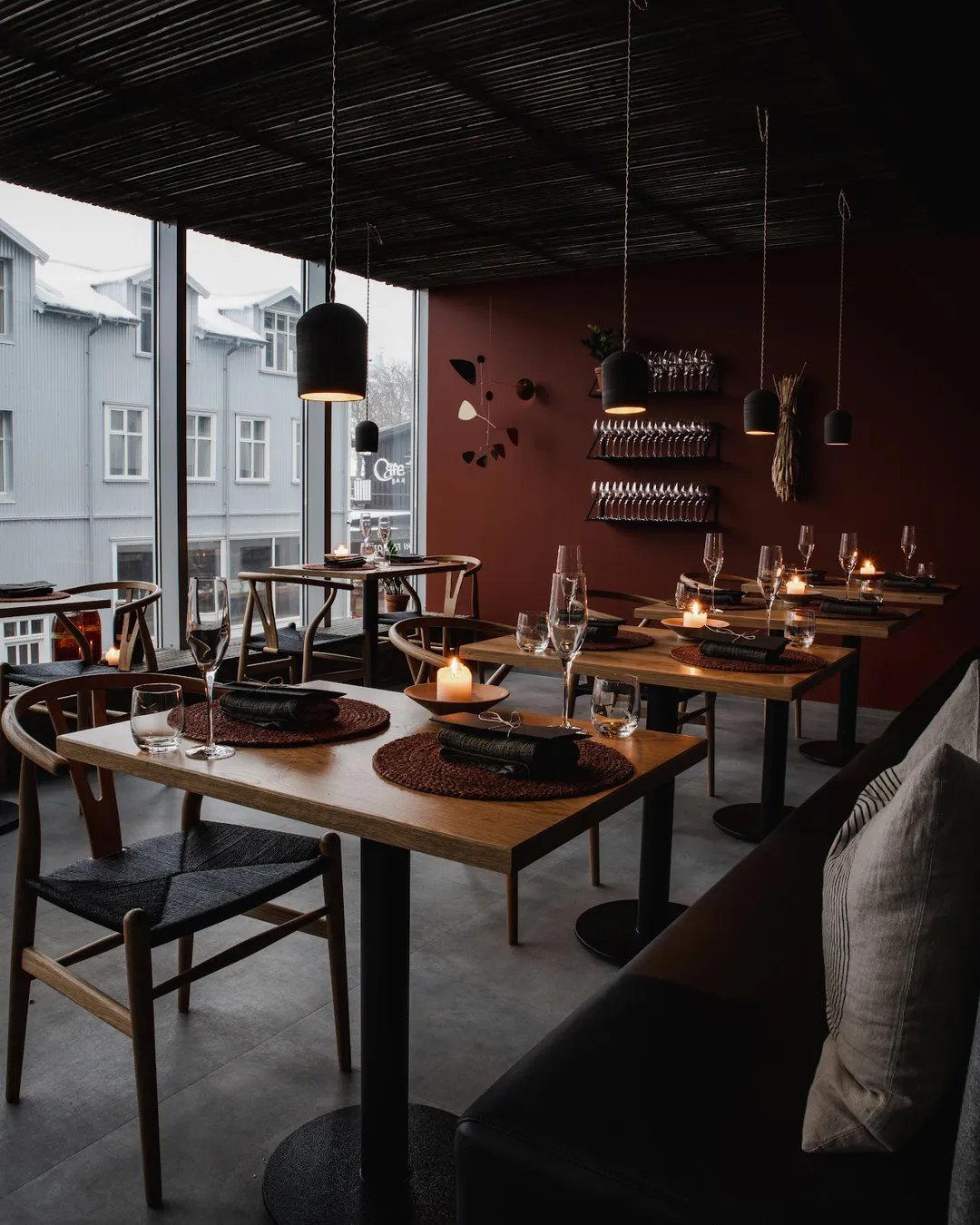
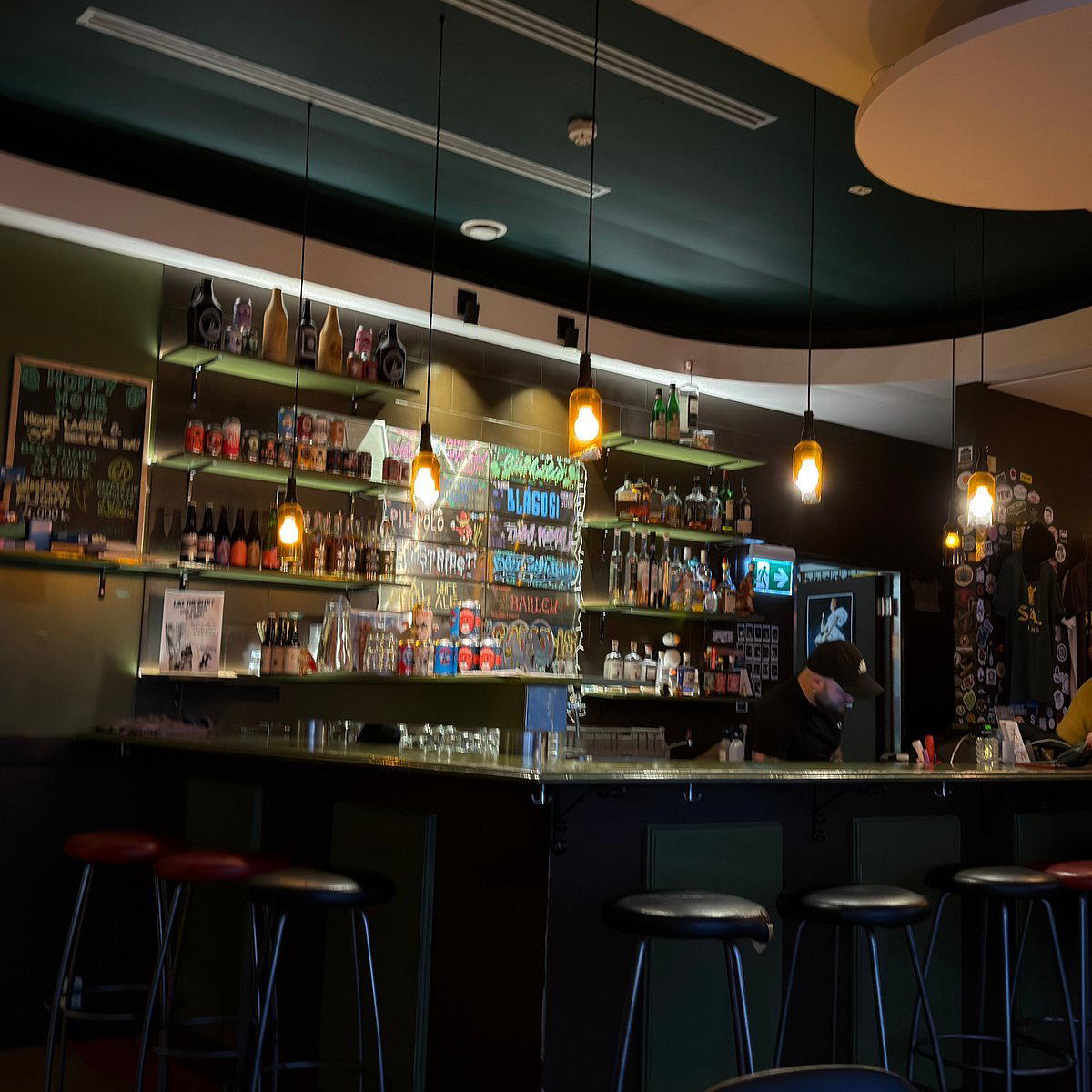
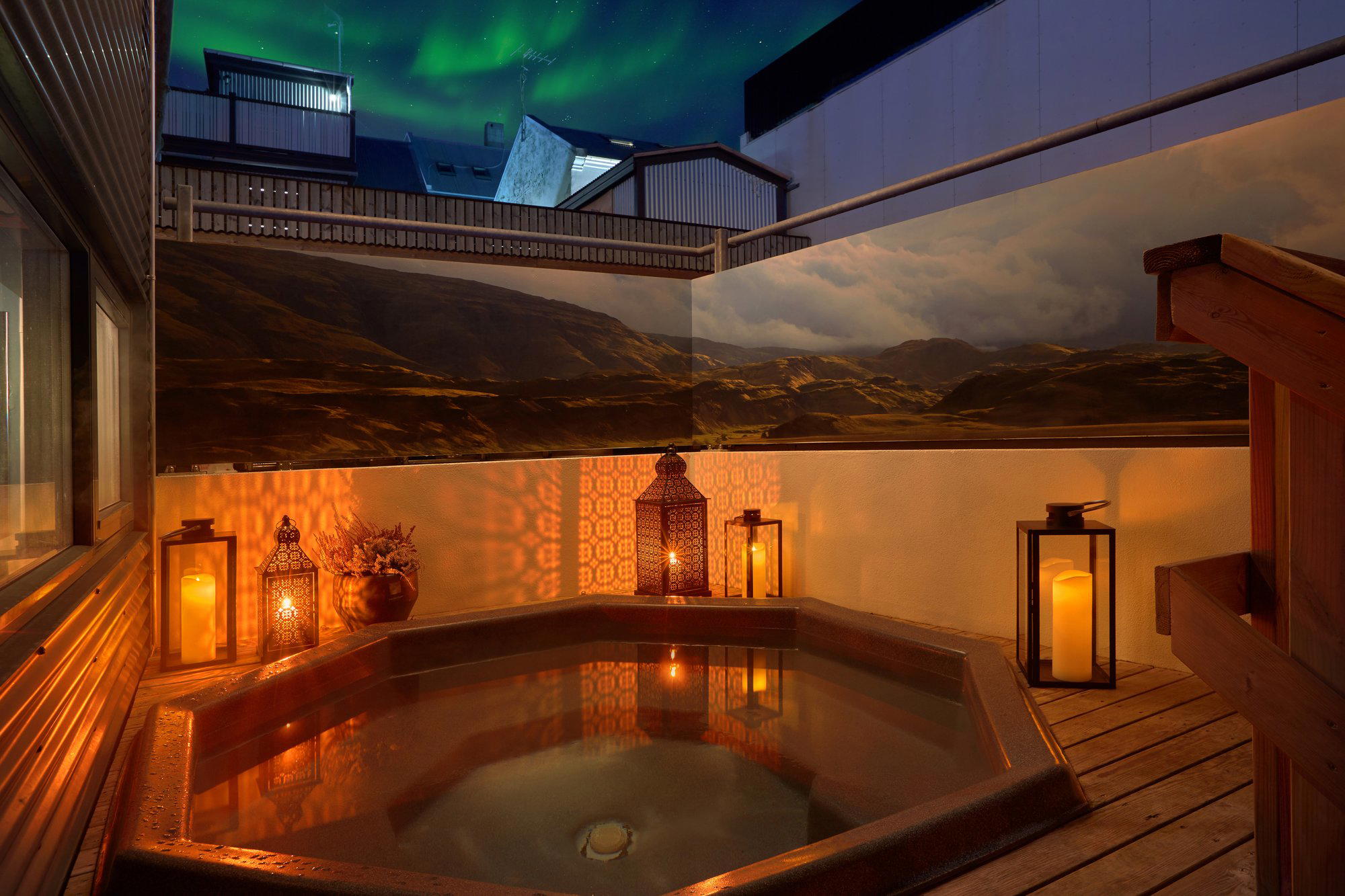
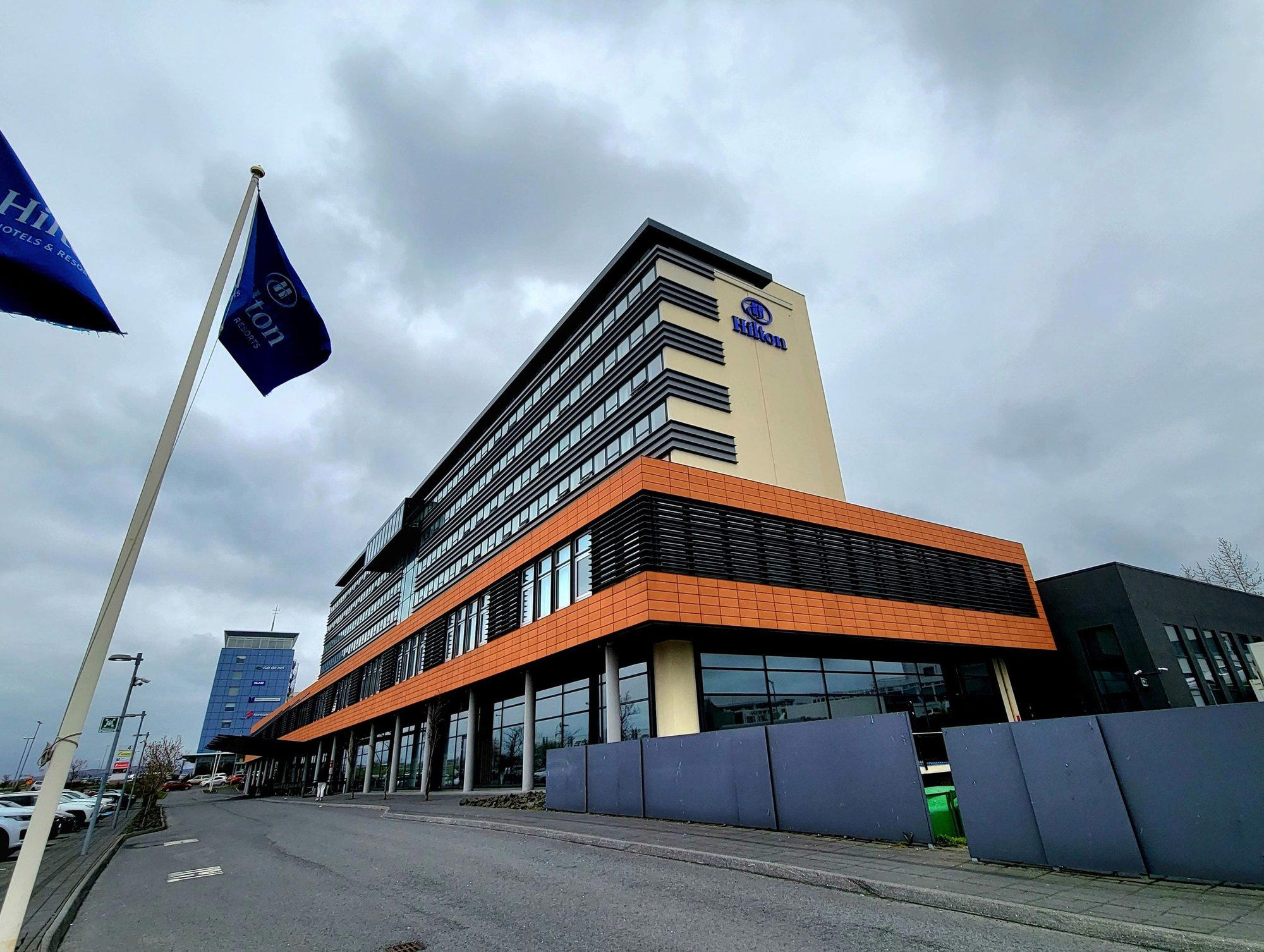
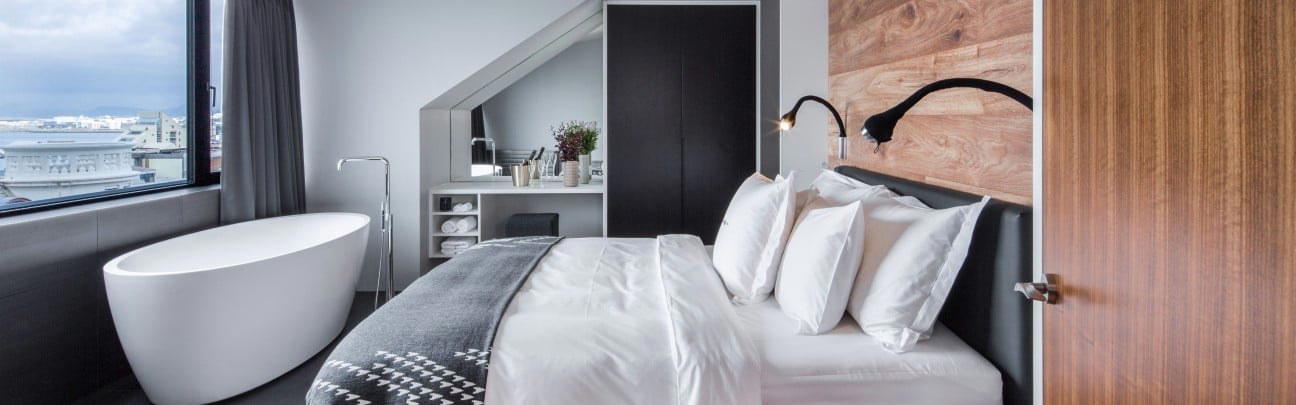
Rustic-modern design with a fun, comfortable vibe well-suited for chatting over cocktails and fresh harbor views.