On a quiet stretch of Hverfisgata in central Reykjavík, this address has become a reference point for how the city's dining scene balances Nordic produce-focus with a relaxed, unhurried pace. The meal here follows its own rhythm, one shaped by the logic of Icelandic seasons rather than international trend cycles. For visitors mapping the better end of Reykjavík's restaurant circuit, it belongs on the list alongside DILL in Reykjavík and Bon Restaurant.
 Discover on Pearl
Pearl is the En Primeur Club membership app — saves, bookings, and concierge access live there. Same editors, same standards.
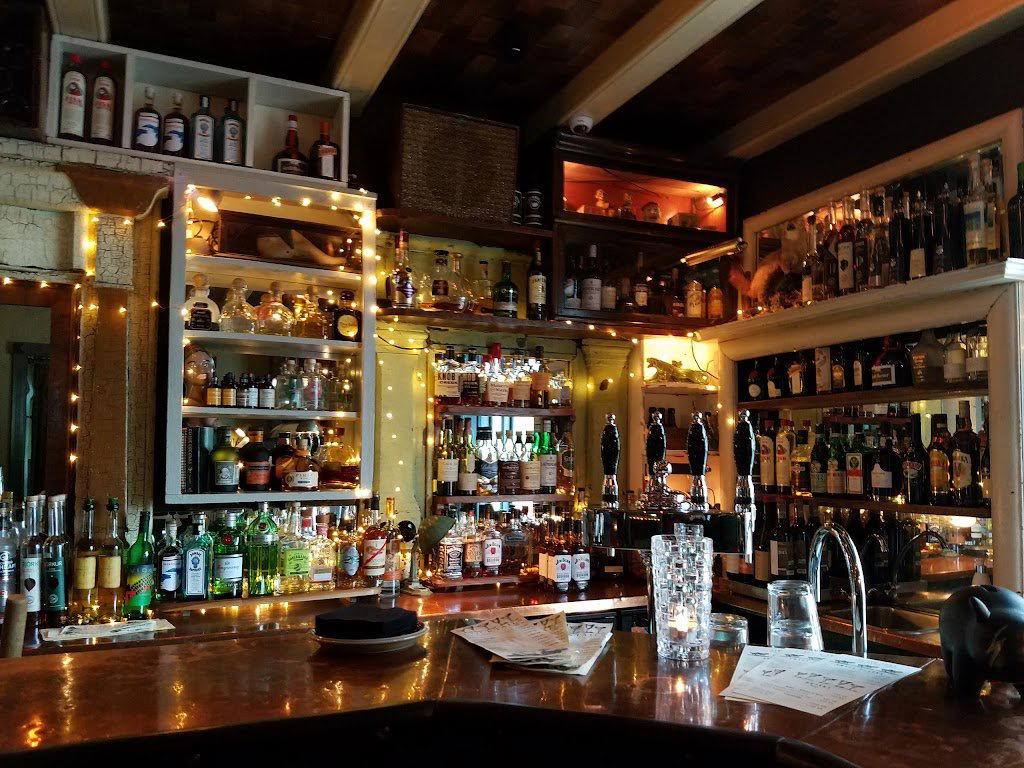
A Street, a Number, a Specific Kind of Meal
Hverfisgata runs through one of Reykjavík's more residential-feeling central corridors, a few blocks from the harbour, parallel to the more tourist-heavy Laugavegur. The street is quieter, less foot-trafficked, and that setting matters when thinking about what a meal at number 12 is supposed to feel like. Reykjavík has spent the last decade developing a dining identity that sits somewhere between the austere New Nordic model and a warmer, more neighbourhood-scaled approach. Hverfisgata 12 sits closer to the latter, a place where the ritual of eating is framed by pacing and place rather than spectacle.
That positioning matters in a city where the upper tier of restaurants can feel either aggressively conceptual or relentlessly focused on award signalling. The mid-to-upper range in Reykjavík, where Brút and Amma Don also operate, is increasingly defined by kitchens that take Icelandic ingredients seriously without requiring diners to sit through a lecture about them. Hverfisgata 12 fits that mode.
The Rhythm of the Meal
In Reykjavík, the dining ritual has particular textures that differ from other Nordic capitals. Daylight in summer runs almost around the clock, which collapses the usual evening dining architecture, dinner can begin at what feels like midday light and end in the same condition. In winter, the opposite: darkness by three in the afternoon makes early dinners feel late. Restaurants that handle this well build meals with internal pacing logic rather than relying on ambient cues from outside. The progression of courses, the spacing between them, the movement from lighter to heavier and back, these become load-bearing elements of the experience.
Icelandic dining culture at this level tends to follow a slower tempo than, say, a comparable Parisian bistro or a New York tasting counter like Le Bernardin in New York City. Courses arrive with deliberate gaps. Wine pours are attentive rather than theatrical. The service register is typically warm but not effusive, Icelandic hospitality reads as respectful distance rather than performative attention. Understanding that register is key to reading the meal correctly: what might seem like inattention in another context is, here, a kind of trust that the guest knows how to pace themselves.
That etiquette extends to how the menu is typically structured. Reykjavík's better kitchens lean on a constrained number of courses built around whatever is actually available, the Icelandic supply chain for high-quality fish, lamb, and dairy is short and direct in ways that larger markets cannot replicate. Geothermal energy powers much of the country's greenhouse agriculture, meaning certain vegetables arrive year-round in a way that would seem impossible from the outside. Friðheimar in Reykholt has made that geothermal greenhouse premise its entire identity; Hverfisgata 12 works with similar produce logic but within a more conventional urban restaurant format.
Where It Sits in the Reykjavík Dining Map
Reykjavík is a small dining city by European standards, around 130,000 people in the metro area, with a restaurant scene that punches considerably above that weight given tourism volume. The result is a city where a handful of addresses do most of the serious culinary work, and where the line between a neighbourhood spot and a destination restaurant is often thinner than it would be elsewhere. Bergsson Mathús operates at the casual-quality end of this; DILL in Reykjavík anchors the formal tasting-menu tier with its Michelin recognition. Hverfisgata 12 occupies ground between those poles.
The address has developed a reputation among visitors who have done enough research to look beyond the well-publicised names, and among locals who return for a meal that doesn't require a special occasion to justify. That dual audience, knowing tourists and regular locals, is not a common combination in a city this dependent on seasonal visitor flow, and it says something about the consistency of the offer.
Comparisons to the restaurant's immediate peers are instructive. Bon Restaurant works a similar register, Nordic produce, considered cooking, urban Reykjavík setting, and the two draw from an overlapping audience. Amma Don brings a different cultural inflection to local ingredients. Outside the city, Moss in Grindavík and the Chef's Table at Moss Restaurant in Iceland represent what happens when the same Nordic produce philosophy meets a more remote, geologically dramatic setting, a different mode entirely, but part of the same national conversation about what Icelandic cooking can mean.
Beyond the Capital: Iceland's Wider Restaurant Circuit
Iceland's dining geography extends far enough beyond Reykjavík to be worth noting for visitors who plan to travel the Ring Road or venture into the north. Strikið in Akureyri is the northern capital's most consistent option at this level. Fjöruborðið in Stokkseyri operates on a completely different premise, langoustine as a one-track obsession, served in a coastal village format that has nothing to do with urban restaurant culture and everything to do with proximity to the source. Nesjavallavirkjun in Selfoss occupies a particular niche tied to its geothermal location. These are not interchangeable with a Reykjavík dinner; they represent distinct modes of Icelandic eating that reward planning a circuit rather than treating the capital as the only destination.
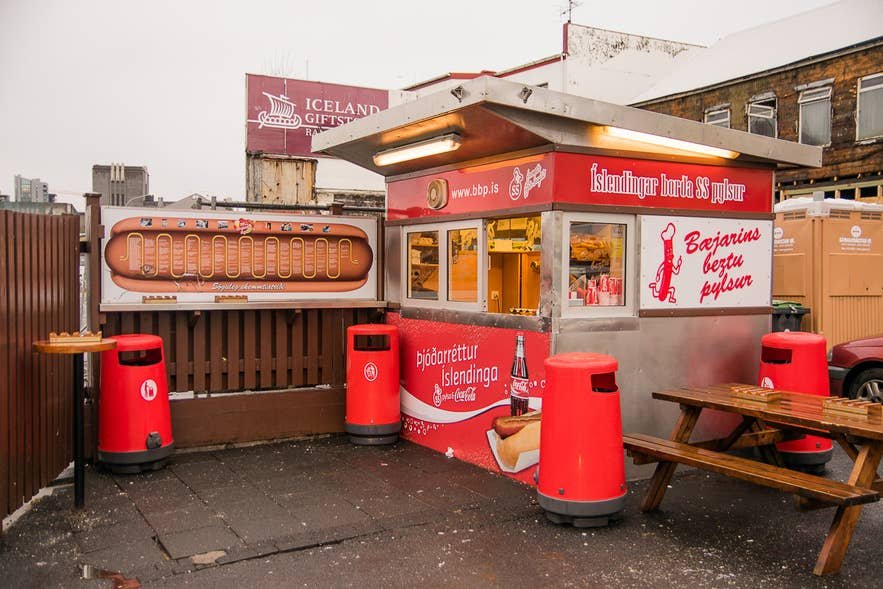
For those arriving or departing through Keflavík, Malai-Thai in Keflavik and Von Mathús-Bar in Hafnarfjörður fill different gaps in the airport-adjacent dining radius. And in Reykjavík itself, the contrast between the type of meal Hverfisgata 12 offers and the city's most democratic food institution, Bæjarins Beztu Pylsur, the hot dog stand that has operated near the harbour since 1937, is a useful reminder of how compressed Iceland's food culture can be. The same city that produces serious Nordic restaurant cooking also sustains a decades-old pylsa queue that functions as a civic institution.
Planning a Visit
Reykjavík operates on a relatively concentrated visitor calendar, with summer (June through August) bringing the highest demand across all restaurant categories. Booking ahead is advisable at any address in this tier, and the city's compact scale means that most central addresses are walkable from the main accommodation cluster around Laugavegur and the old harbour. Hverfisgata 12 sits within that walkable radius.
Cuisine and Awards Snapshot
Comparable venues nearby, for context on price, style, and recognition.
| Venue | Cuisine | Price | Awards | Notes |
|---|---|---|---|---|
| Hverfisgata 12This venue — the venue you are viewing | Modern Icelandic Cuisine | $$$ | , | |
| DILL Restaurant | New Nordic Fine Dining | $$$$ | , | Reykjavíkurborg |
| Kol Restaurant | Modern Icelandic Fusion | $$$ | , | Reykjavíkurborg |
| The Coocoo's Nest | Californian-Italian Brunch & Sourdough Pizza | $$ | , | Reykjavíkurborg |
| Bergsson Mathús | Healthy Icelandic Bakery Café | $$ | , | Reykjavíkurborg |
| Höfnin Restaurant | Classic Icelandic Seafood | $$$ | , | Reykjavíkurborg |
Continue exploring
More in Reykjavík
Restaurants in Reykjavík
Browse all →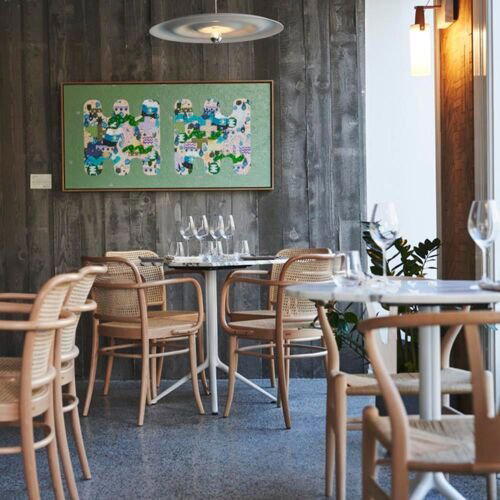
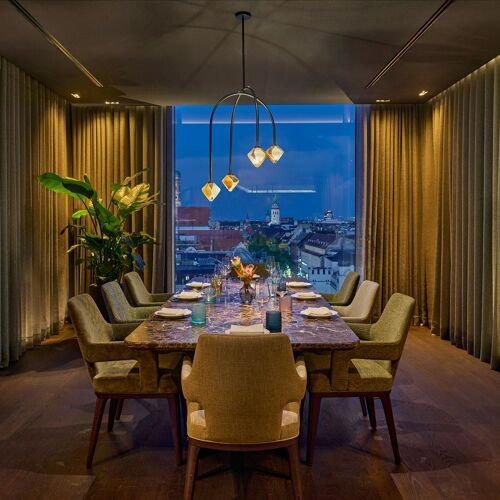
Bars in Reykjavík
Browse all →
Hotels in Reykjavík
Browse all →

Wineries in Reykjavík
Browse all →
At a Glance
- Cozy
- Modern
- Date Night
- Casual Hangout
- Open Kitchen
- Local Sourcing
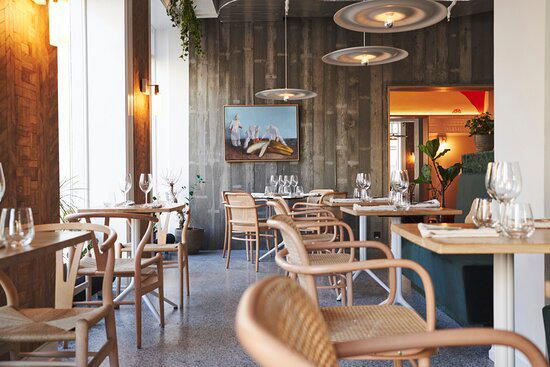
Laid-back with slightly industrial feel, high ceiling, central bar, and unusual trapezoid window maximizing daylight.