
Star Wine List
Bodega at Týsgata 8 sits inside Reykjavik's compact bar circuit as one of the city's more considered wine destinations. The house approach bypasses rigid by-the-glass menus in favour of open bottles shared at the table, with a list that moves between natural and conventional producers from across Europe and beyond. For a city where craft beer long dominated casual drinking, that wine-first format marks a distinct position.

Pearl is the En Primeur Club membership app — saves, bookings, and concierge access live there. Same editors, same standards.
- Address
- Týsgata 8 101, Týsgata 9, 101 Reykjavík, Iceland
- Phone
- +354 511 6677
- Hours
- Mon–Thu 4–11 PMFri–Sat 4 PM–1 AMSun 4–11 PM
- Website
- bodega.is
- Directions
- Get directions
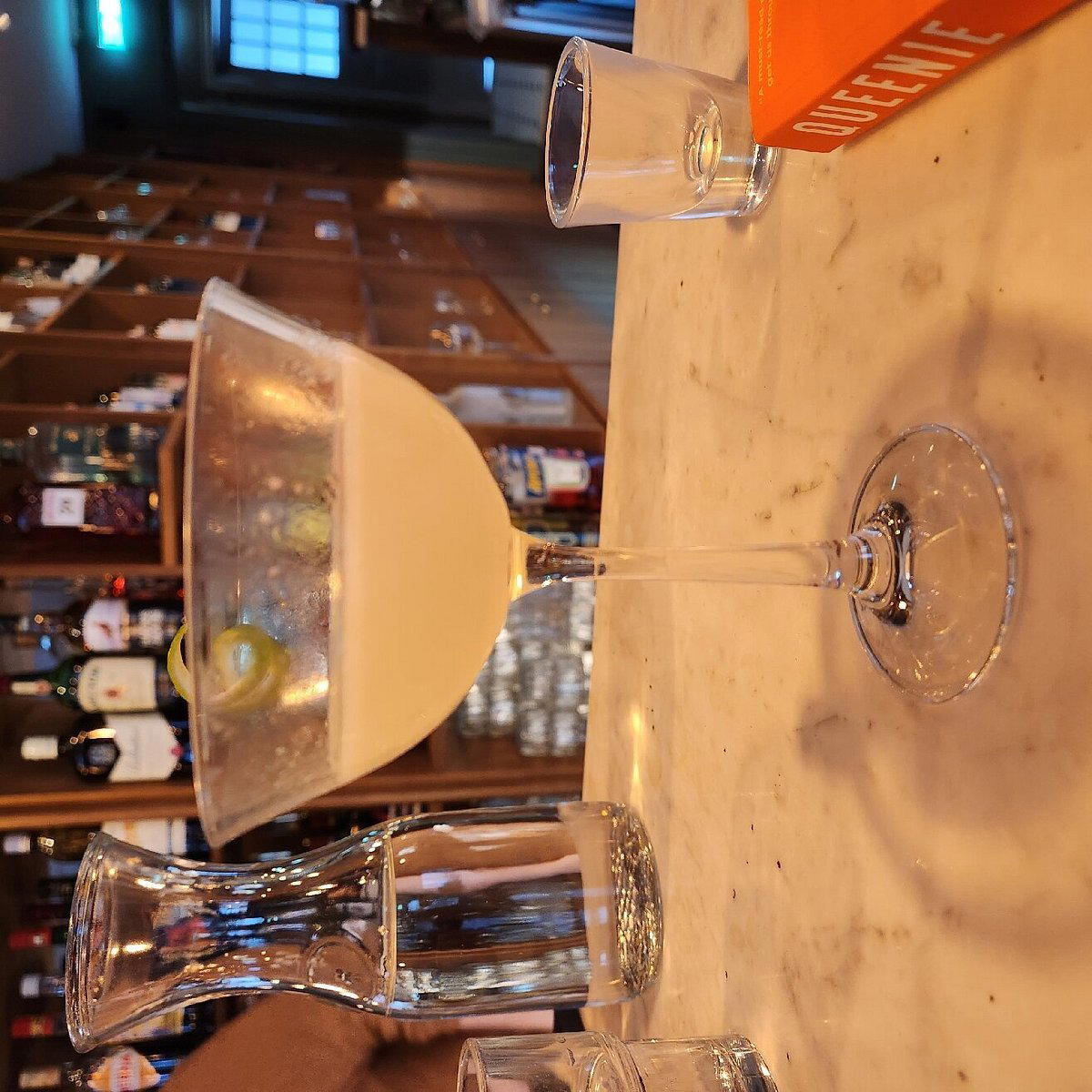
Wine Bars in a Beer City
Reykjavik's bar scene has historically organised itself around craft beer and spirits. The city's short summers, long winters, and tradition of communal drinking have made big, warm venues with broad tap selections the default. Wine bars occupy a smaller niche here than in Copenhagen or Helsinki, and the few that exist tend to hold strong positions precisely because the category is thin. Bodega on Týsgata 8 sits in that niche, with a wine-list format that operates on different logic than most of what surrounds it in the 101 postal district.
The street itself is central without being loud. Týsgata runs close enough to Laugavegur to catch foot traffic from the main retail and dining corridor, but it carries a different register: quieter, more neighbourhood in feel, the kind of block where you notice which doors are worth opening. That physical setting matters for a wine bar. The format requires a slower pace than a cocktail room or a craft beer hall, and the address supports it.
The Format: Bottles Over Lists
The defining structural choice at Bodega is the approach to by-the-glass service. Rather than a fixed selection of pours priced by the glass, the model here allows guests to open a bottle to share or to order a single glass from whatever is already open. That distinction is more significant than it sounds. Fixed by-the-glass programs are essentially loss-leader systems: a small number of high-turnover bottles kept perpetually open, usually priced with enough margin to cover wastage. The result, at most wine bars globally, is a short, conservative selection weighted toward crowd-pleasing varietals.
Bodega's format dissolves that constraint. When the bottle is the unit of ordering, the list can run wider and take more risks, because nothing has to be kept perpetually open. Natural wine has been a growing segment across Nordic capital cities over the past decade, with Oslo, Stockholm, and Copenhagen each developing small but devoted wine-bar cultures built around low-intervention producers. Reykjavik has been slower to follow, which gives Bodega's list an edge that a comparable venue in Berlin or Paris would not automatically carry.
Reading the List: Natural and Conventional Side by Side
The coexistence of natural and conventional wines on a single list is itself an editorial position. Some wine bars in the natural category treat conventional production as categorically inferior; others run two entirely separate sections. A list that places both without hierarchy signals something about how the venue reads its audience: as drinkers interested in what is in the glass rather than in the ideological provenance of the winemaking. For Reykjavik, where wine literacy is growing but still developing compared to the major European capitals, that approach is probably correct. A strictly natural list risks alienating guests who arrived for a good bottle of Burgundy or a direct Riesling. A mixed list keeps the room broader without abandoning the natural category's most interesting producers.
Visitors accustomed to the more developed wine-bar circuits in cities like New Orleans, where venues such as Jewel of the South have refined the relationship between drinks programming and room atmosphere, or in Honolulu, where Bar Leather Apron demonstrates what a considered list can do in an unlikely geography, will recognise the underlying logic at Bodega: the list does intellectual work that the room then supports socially.
Placing Bodega in Reykjavik's Drinks Circuit
Reykjavik's 101 district concentrates the city's most active bar and restaurant activity within walking distance, which means Bodega competes and coexists with a varied peer group. Bryggjuhúsið operates on a different axis, its format oriented more toward the waterfront and broader hospitality. Hotel Borg by Keahotels brings a heritage hotel bar context, which attracts a different demographic and occasion type. 12 Tónar and BakaBaka each carry their own character in the city's bar geography. Within that spread, Bodega's specific identity as a wine-led venue with a flexible bottle format gives it a clear lane.
Beyond the capital, Iceland's bar and restaurant culture extends to venues like Kramber and, in Akureyri, Götubarinn. The Vestmannaeyjar islands carry their own distinct character, with Gott restaurant and Prýði representing local options. Even the more esoteric end of the Reykjavik drinking circuit, represented by Náttúrufræðistofnun, demonstrates how seriously the city's venue operators take format and concept. Bodega fits inside that broader commitment to specificity.
Timing and Practical Notes
Reykjavik's extreme seasonal variation affects how most venues operate across the year. Summer brings long daylight hours and a significant influx of international visitors, which pressures capacity at every address in the 101 district. Winter, by contrast, thins the tourist numbers considerably and creates a different room dynamic: more locals, slower service rhythms, longer evenings shaped by darkness rather than the midnight sun. A wine bar built around sharing bottles sits more naturally in the winter register, when the format's social logic maps onto longer, less hurried visits. That said, the summer crowd increasingly includes wine-literate travellers from Western Europe and North America who arrive specifically for quality experiences, and Bodega's list is positioned to serve them.
The address at Týsgata 8 is direct to find from Laugavegur. For a full map of the city's options across cuisine types and drinking formats, the EP Club Reykjavik guide covers the 101 district and beyond in depth.
Peers in This Market
Comparable venues nearby, for context on price, style, and recognition.
| Venue | Cuisine | Price | Awards | Notes |
|---|---|---|---|---|
| BodegaThis venue — the venue you are viewing | cocktail_bar | Not listed | Star Wine List | Not listed |
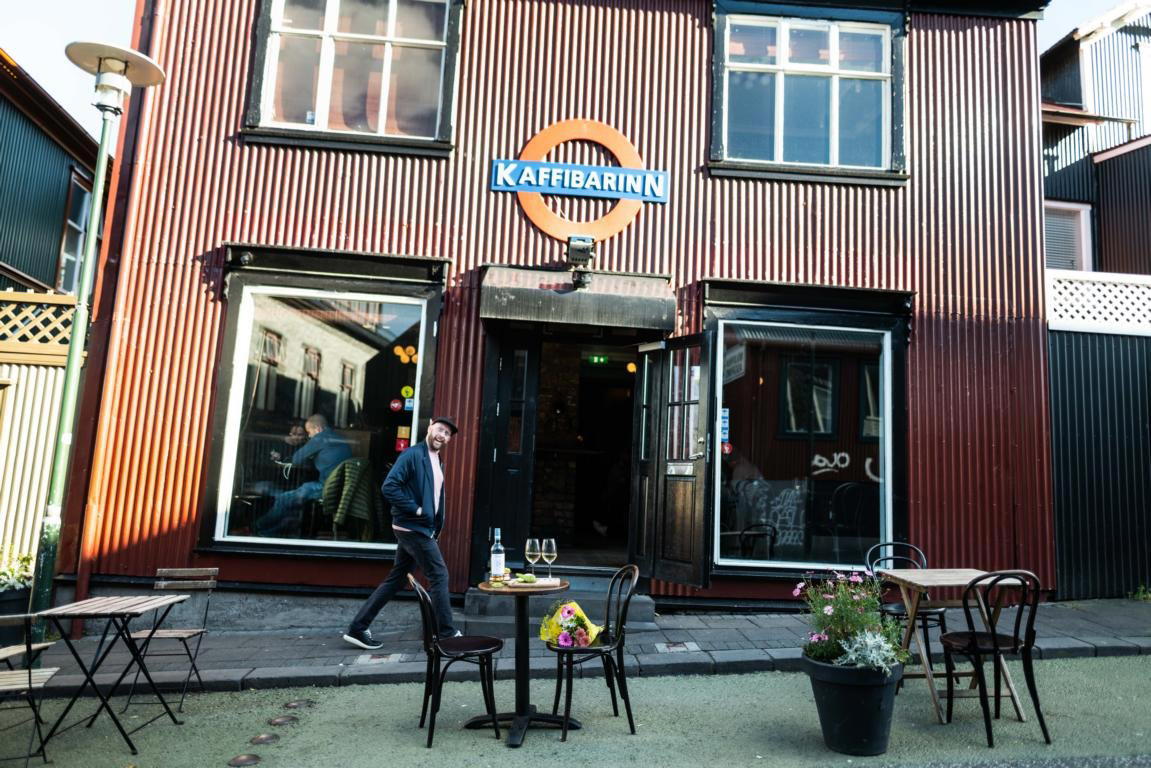
| Kaffibarinn Bar | pub | $20–30 | Not listed | Reykjavíkurborg |
| Pablo Discobar | cocktail_bar | $20–30 | Not listed | Reykjavíkurborg |
| Prikið ehf. | pub | $20–30 | Not listed | Reykjavíkurborg |
| Port 9 | wine_bar | $50–100 | Star Wine List | Reykjavíkurborg |
| RADAR Reykjavík | lounge | Not listed | Not listed | Reykjavíkurborg |
Recognition history
Dated appearances from independent guides and award organizations, with the underlying list record or original source where available.
Star Wine List
Star Wine List
Continue exploring
More in Reykjavík
Bars in Reykjavík
Browse all →
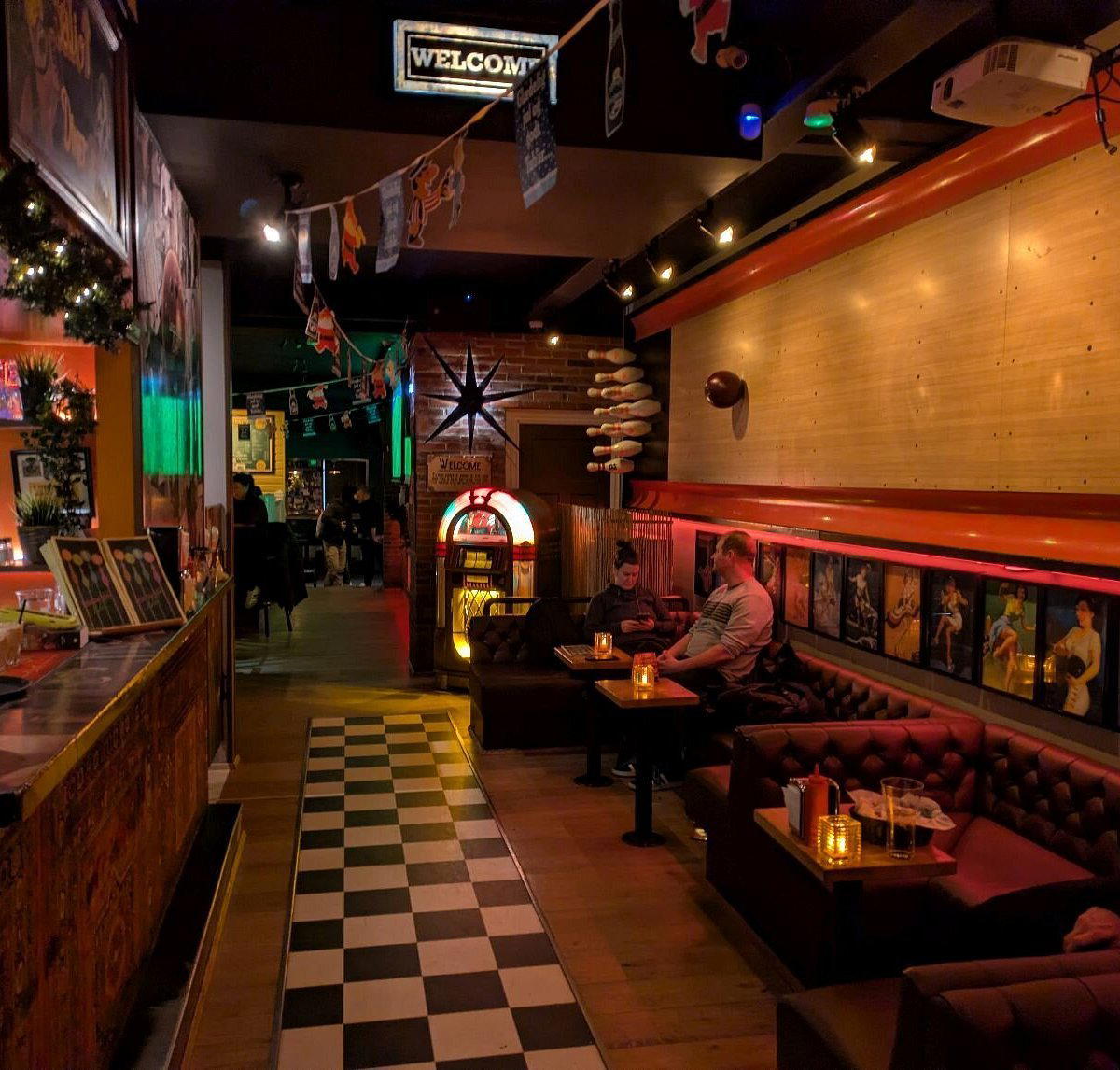
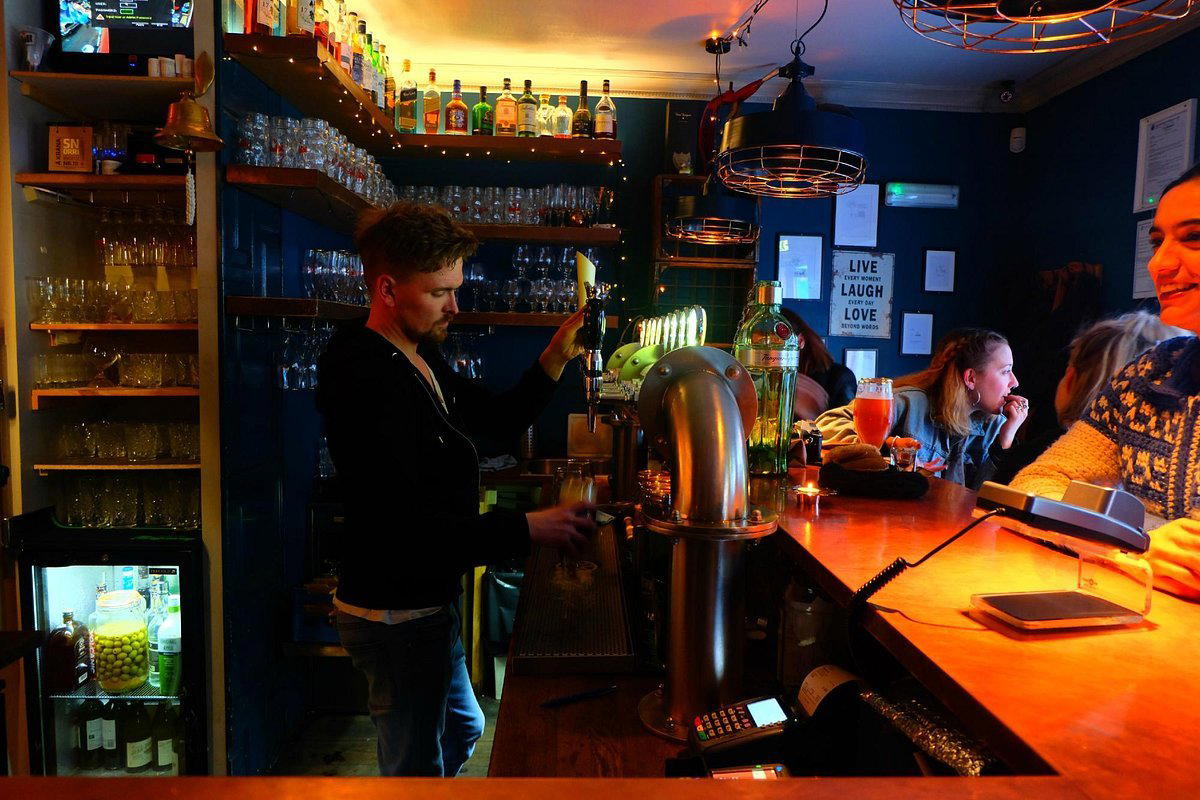
Restaurants in Reykjavík
Browse all →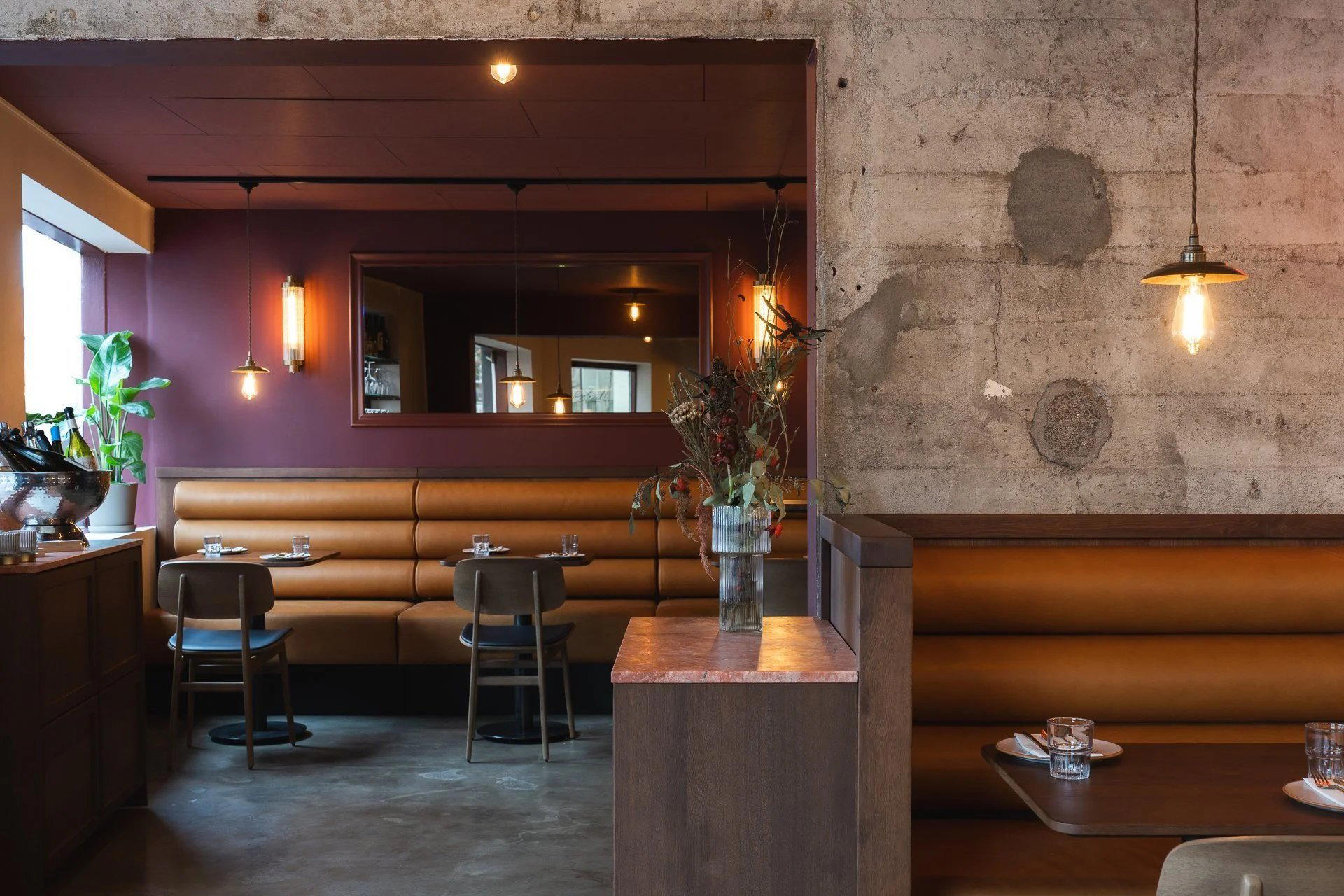
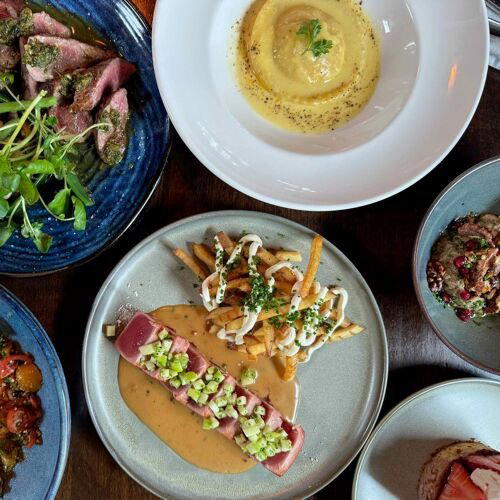
Details
- Cozy
- Trendy
- Casual Hangout
- Date Night
- Standalone
- Seated Bar
- Outdoor Terrace
- Craft Cocktails
Current opening hours
- Monday
- 4–11 PM
- Tuesday
- 4–11 PM
- Wednesday
- 4–11 PM
- Thursday
- 4–11 PM
- Friday
- 4 PM–1 AM
- Saturday
- 4 PM–1 AM
- Sunday
- 4–11 PM
Hours can change for holidays and private events. Last verified .
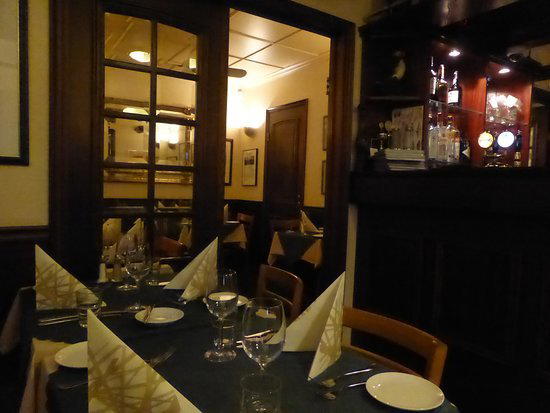
Cozy inside with a lovely outdoor sitting area, chill staff, and relaxing Icelandic atmosphere.