The Moss Restaurant positions itself within Iceland's most demanding tier of contemporary dining, where volcanic geography and extreme seasonal rhythms shape what lands on the plate. Situated at the edge of the Reykjanes Peninsula, it draws from one of the world's most geologically active larders. For those tracking Iceland's fine dining progression, this is one of the addresses that warrants attention alongside DILL and ÓX.

Pearl is the En Primeur Club membership app — saves, bookings, and concierge access live there. Same editors, same standards.
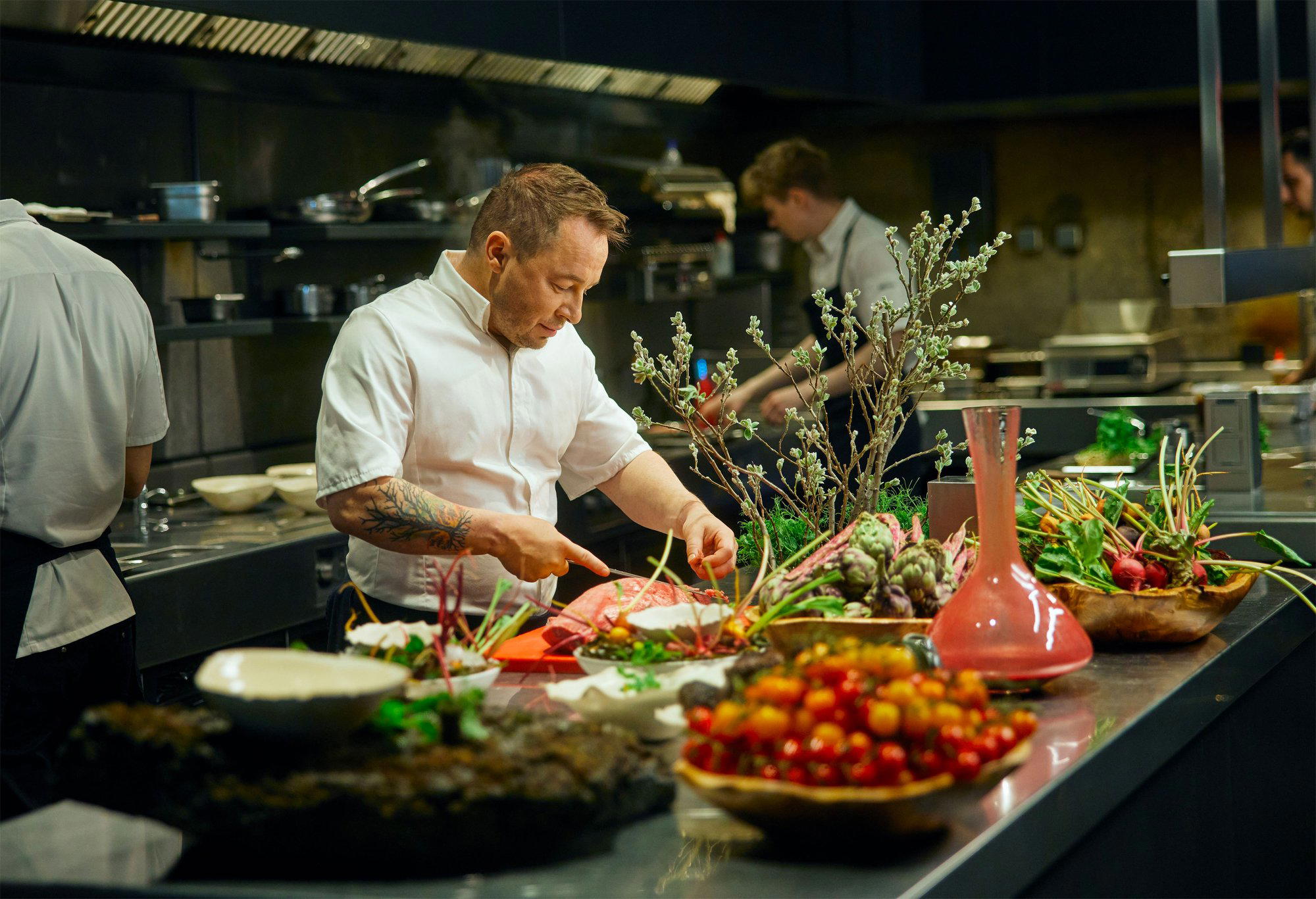
Where the Plate Begins: Iceland's Ingredient Geography
Iceland's fine dining conversation has shifted over the past decade from novelty to rigour. The country's most serious kitchens no longer trade on the curiosity of their location alone, they have built sourcing frameworks that would hold up under scrutiny anywhere. The Chef's Table at Moss in Grindavík operates within this tighter, more demanding tier, where the distance from farm, sea, or geothermal source to plate is not a marketing line but an operational discipline.
That operational context matters when you consider where Moss sits physically. The Reykjanes Peninsula, with its active lava fields and geothermally heated groundwater, provides conditions that produce ingredients found almost nowhere else at scale, from greenhouse tomatoes ripened by geothermal energy to Arctic char from cold, clear spring-fed pools. Friðheimar in Reykholt has built an entire dining concept around geothermally grown tomatoes, which signals how seriously Iceland's restaurant community treats this supply chain. The Chef's Table format at Moss is designed to place that sourcing at the centre of the experience, not as a supporting detail.
The Setting and What It Signals
The approach to a chef's table format in Iceland carries different weight than it does in, say, Manhattan or Paris. In cities where counters like Atomix in New York City or Le Bernardin in New York City operate, the chef's table is often a premium upgrade within a large, established dining room. In Iceland, where the pool of restaurants operating at this level is considerably smaller, a dedicated chef's table within a property like Moss functions more like an access point to a tightly controlled programme, low capacity, direct engagement with the kitchen, and a sequence of courses that reads as a unified argument about place rather than a series of unrelated dishes.
The physical environment at this end of the Reykjanes Peninsula is not incidental. Lava fields, geothermal steam vents, and proximity to the Atlantic are not backdrop, they are the source conditions for the larder. When a kitchen in this location commits to hyper-local sourcing, it is not choosing convenience; it is working with among the more logistically unusual ingredient environments in the Northern Hemisphere. That specificity is what separates the Moss chef's table from a conventional tasting menu format and places it in a different reference frame from urban fine dining.
Iceland's Chef's Table Tier: A Small and Competitive Field
DILL in Reykjavík holds Michelin recognition and anchors the New Nordic conversation in the capital. DILL Restaurant in Reykjavik operates in a framework where Scandinavian sourcing philosophy meets Icelandic ingredient specificity. ÓX, which runs a strict omakase-style format with a limited number of covers, has pushed the format discipline conversation further. These restaurants are not competing on the same axis as, say, a mid-market Reykjavík bistro, they are positioning against what a committed dining traveller would consider on a broader European or transatlantic itinerary alongside addresses like Alléno Paris au Pavillon Ledoyen or Alain Ducasse at Louis XV in Monte Carlo.
The Chef's Table at Moss enters that conversation from a different geographic angle than the Reykjavík-centric fine dining cluster. Grindavík and the surrounding peninsula have their own character, rawer, more geologically active, less urban, and a kitchen that takes that seriously will produce a different kind of menu than one operating within the capital's cultural infrastructure. That distinction is worth factoring into any itinerary planning.
The Sourcing Logic and What It Produces
Iceland's ingredient story at the fine dining level tends to fall into three categories: cold-water seafood (Arctic char, cod, langoustine), geothermally supported agriculture (tomatoes, herbs, root vegetables), and lamb from free-range highland flocks. These are not interchangeable with imports, and the leading Icelandic kitchens treat them accordingly. Fjöruborðið in Stokkseyri has built a reputation around langoustine so specifically tied to its coastal location that the dish functions as a geographical statement. The same logic applies at the serious end of the tasting menu format.
A chef's table programme built on this sourcing framework will inevitably be seasonal in a way that is not merely stylistic. Iceland's growing season is compressed and extreme. What is available in June is radically different from what arrives in December, and a kitchen that is genuinely committed to local supply cannot smooth that out with imports. This is where the chef's table format at Moss has much to say: the menu is, in effect, a document of where Iceland is in its agricultural and marine calendar at the moment you sit down.
Internationally, the closest analogies are restaurants that build their entire identity around a specific geography's seasonal constraints, Lazy Bear in San Francisco with its California-centric sourcing rigour, or Alinea in Chicago, which approaches seasonality through a different technical lens. The Moss chef's table is working with far starker constraints and a much smaller supplier network, which makes the results either more limited or more focused depending on what you value in a tasting menu.
Planning Your Visit
The Reykjanes Peninsula sits roughly 45 minutes by car from central Reykjavík, close to Keflavík International Airport. That proximity makes it a viable first or last stop on an Icelandic itinerary, an arrival or departure dinner that sets or closes the tone for a trip. Malai-Thai in Keflavik and Nesjavallavirkjun in Selfoss represent the broader restaurant range in the wider region, but neither operates in the same tier as the Moss chef's table programme. Booking should be treated as essential.
Comparable Spots, Quickly
Comparable venues nearby, for context on price, style, and recognition.
| Venue | Cuisine | Price | Notes |
|---|---|---|---|
| Chef's Table at Moss RestaurantThis venue — the venue you are viewing | Modern Icelandic Fusion | $$$$ | Not listed |
| DILL Restaurant | New Nordic Fine Dining | $$$$ | Reykjavíkurborg |
| Fiskmarkaðurinn / Fish Market | Modern Icelandic Seafood with Asian Fusion | $$$$ | Reykjavíkurborg |
| Monkeys | Asian-South American Fusion | $$$ | Reykjavíkurborg |
Continue exploring
More in Grindavík
Restaurants in Grindavík
Browse all →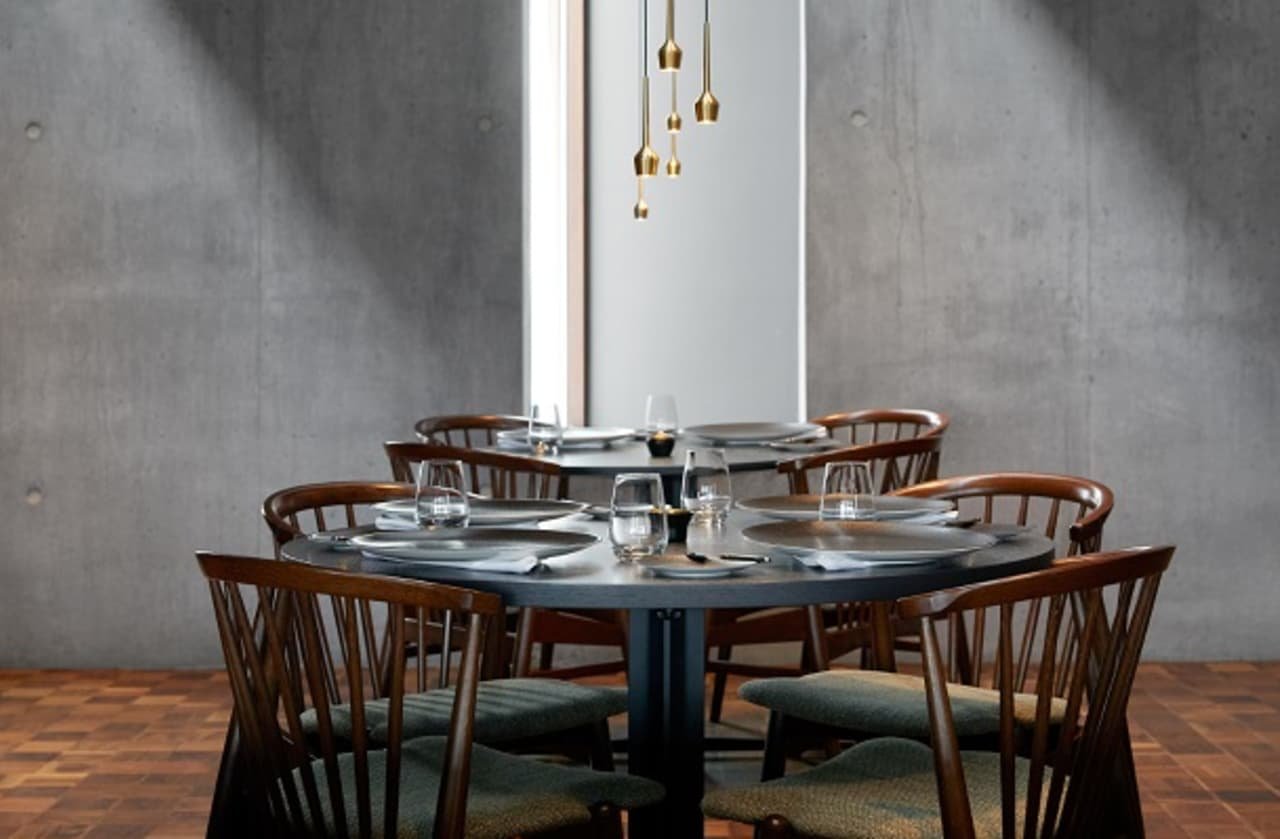
Hotels in Grindavík
Browse all →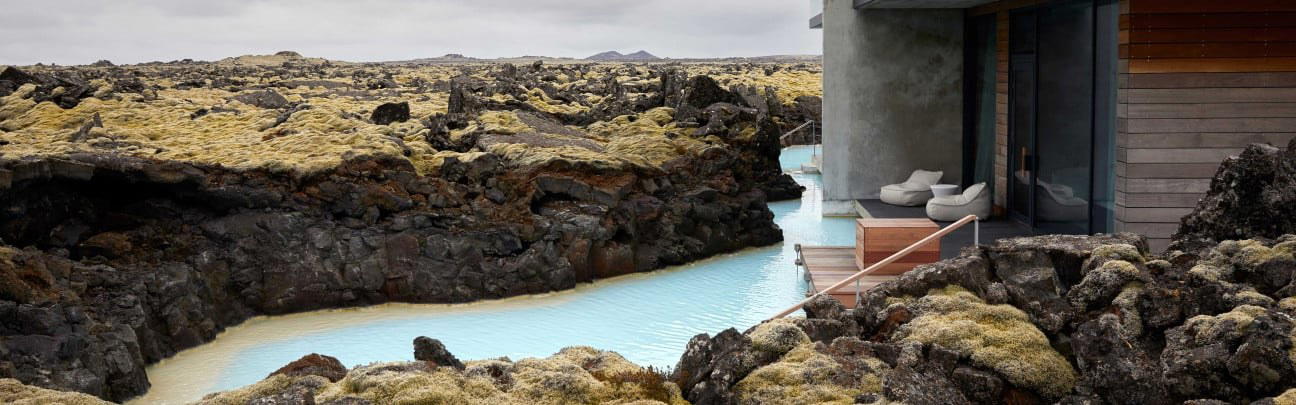
At a Glance
- Sophisticated
- Elegant
- Modern
- Intimate
- Date Night
- Special Occasion
- Chefs Counter
- Open Kitchen
- Wine Cellar
- Extensive Wine List
- Sommelier Led
- Local Sourcing
- Mountain
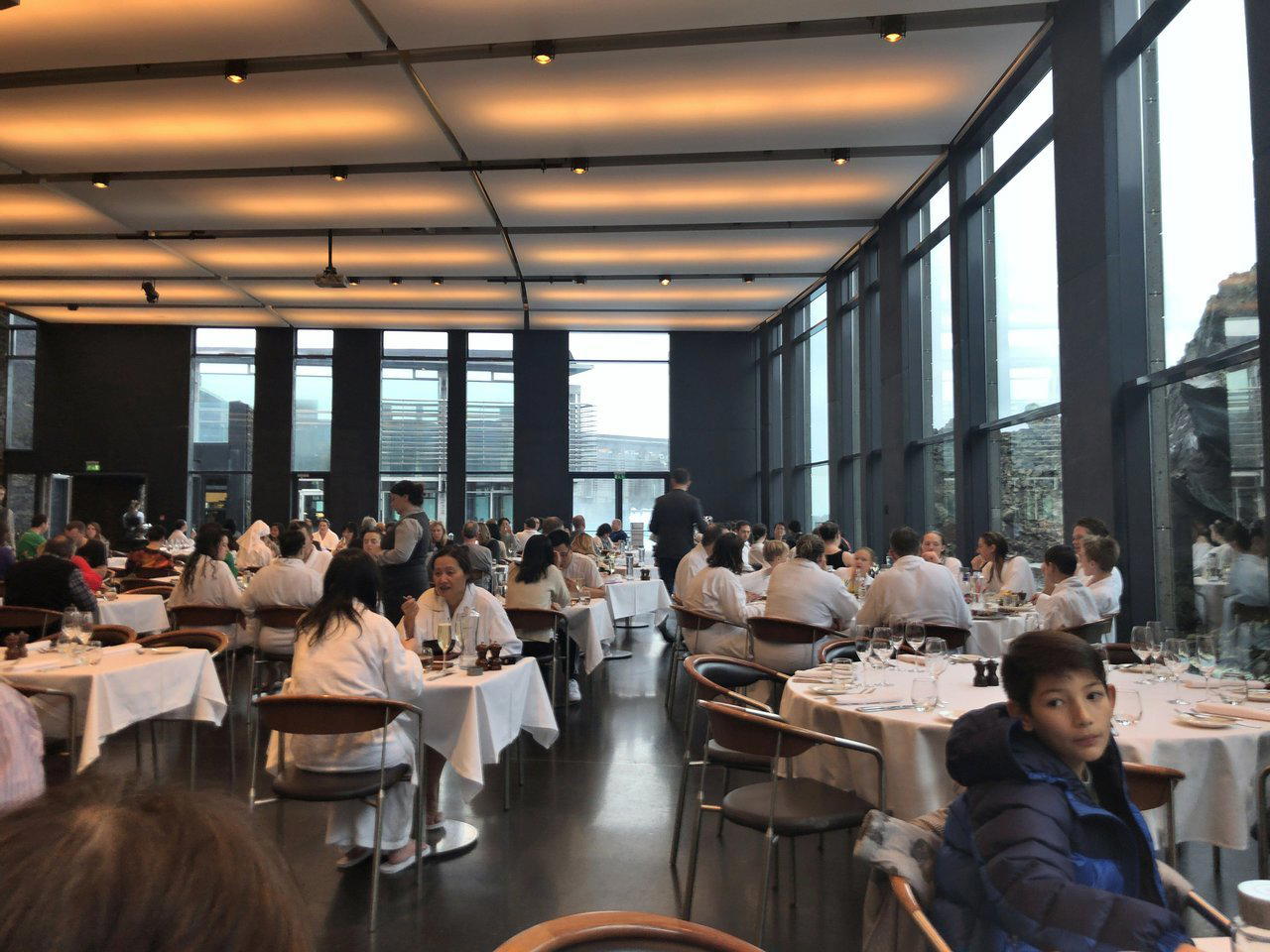
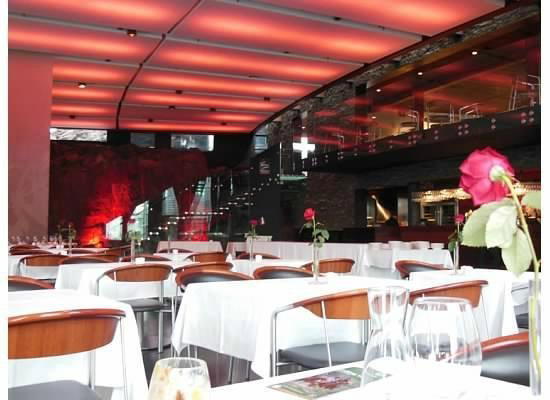
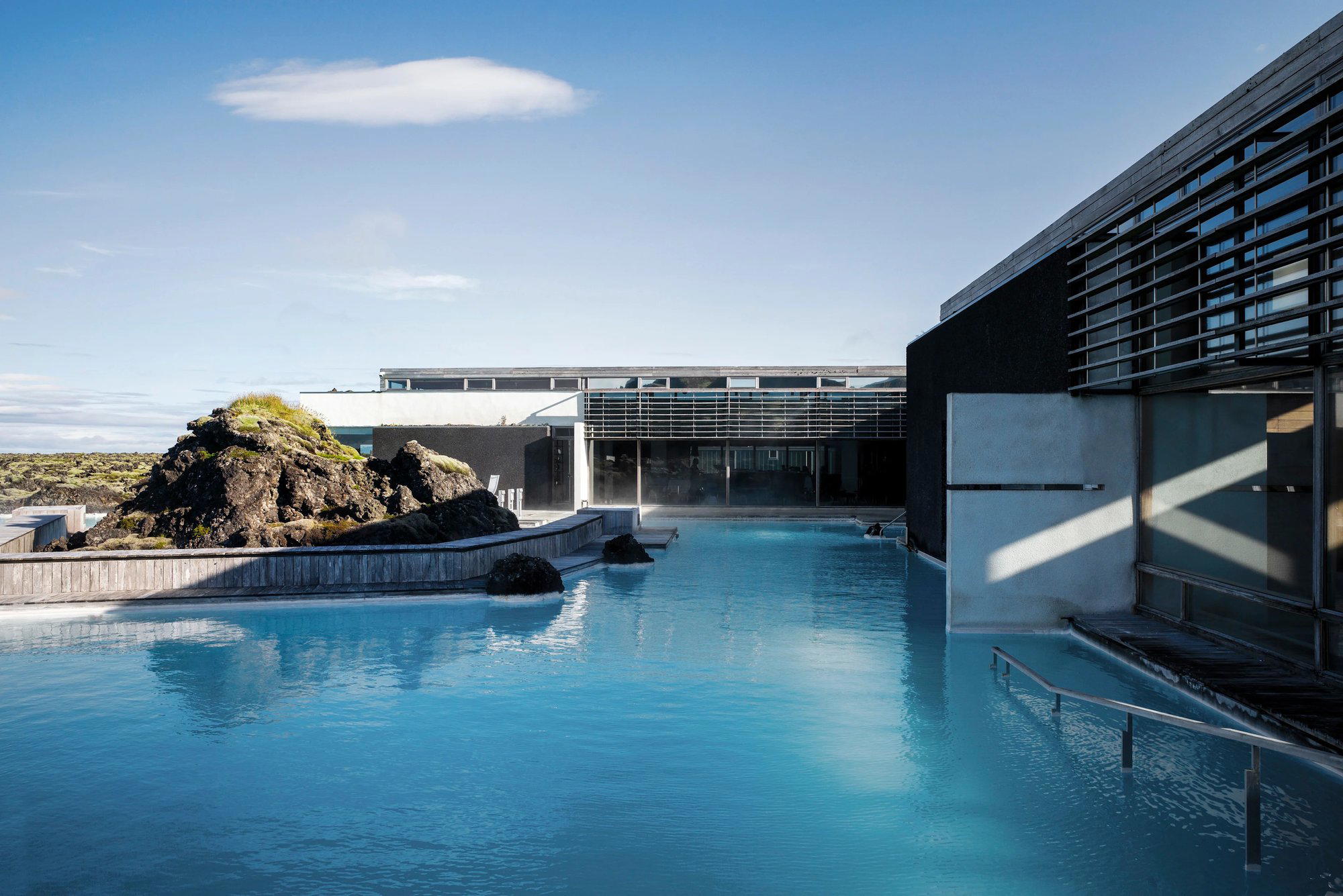
Sophisticated fine dining atmosphere with timeless design, dramatic volcanic landscape views, and an intimate setting enhanced by a subterranean lava wine cellar.