Our verdict
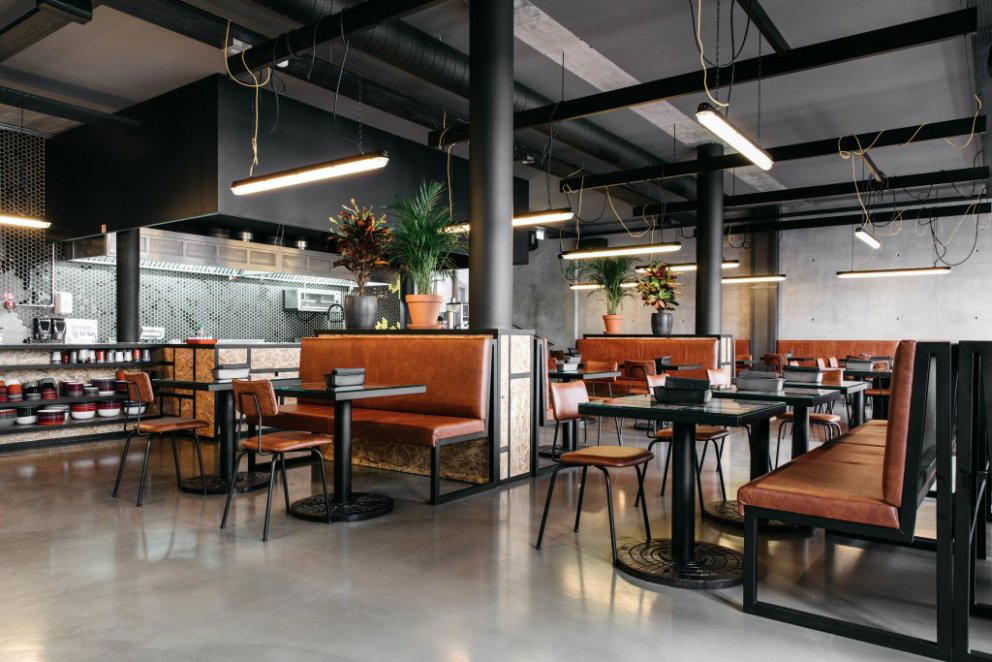
Fish Company occupies a converted warehouse space on Vesturgata in the old harbour district, placing it squarely inside Reykjavik's seafood-forward dining tradition. The restaurant draws on Iceland's deep relationship with the North Atlantic, where cod, haddock, and Arctic char have shaped the national diet for centuries. Visitors looking to understand Icelandic cuisine through its marine heritage will find the address a logical starting point.

Pearl is the En Primeur Club membership app — saves, bookings, and concierge access live there. Same editors, same standards.
- Address
- Vesturgata 2a, Grófartorg, 101 Reykjavík, Iceland
- Phone
- +354 552 5300
- Hours
- Mon–Fri 11:30 AM–2:30 PM, 5–10:30 PMSat 5–11:30 PMSun 5–10:30 PM
- Website
- fiskfelagid.is
- Directions
- Get directions
- Booking
- Book on the venue's website
The menu
What to order
- Around Iceland menu
- Lobster Soup
- Fish Cakes
- Sushi Platter
Where the Harbour Meets the Table
Vesturgata runs along the edge of Reykjavik's old harbour, a stretch of the city where the fishing industry and the restaurant trade have coexisted for decades. The street address, Grófartorg, places Fish Company inside a neighbourhood that saw significant transformation as Iceland's restaurant culture matured after the early 2000s. What was once a working port district gradually absorbed the kind of dining that takes its ingredient sourcing from the boats docking nearby. That geographic logic — eating fish within sight of the water that produced it — is not unique to Reykjavik, but the North Atlantic variety on offer here gives it a character that kitchens further inland cannot replicate. For context on how this address fits into the broader dining map, our full Reykjavik restaurants guide covers the city's neighbourhoods in detail.
Iceland's Marine Heritage on the Plate
Icelandic cuisine is, at its core, a seafood cuisine. The country's position in the North Atlantic, combined with cold, clean waters and a fishing industry that predates the Icelandic state itself, means that cod, haddood, haddock, Arctic char, langoustine, and skate have historically been the backbone of what people eat here. For much of the twentieth century, that tradition expressed itself in preservation, salted cod, dried fish, fermented shark, rather than in restaurant dining as the rest of Europe understood it. The shift toward treating these ingredients as material for contemporary cooking, rather than subsistence or export, accelerated sharply after the 2008 financial crisis, when a lower krona made Iceland an accessible destination and local chefs began reconsidering what indigenous produce could do in a more ambitious context.
Fish Company sits inside that post-2008 maturation of Reykjavik dining. The broader movement it belongs to placed Icelandic seafood ingredients at the centre of restaurant menus rather than treating them as secondary to imported proteins or Continental techniques. Restaurants like DILL in Reykjavík pursued a New Nordic framework for this shift; Fish Company's approach, as suggested by its name and address, keeps the focus more directly on the marine ingredient itself. That is a distinct editorial position within the Reykjavik dining scene, and one with international parallels: kitchens such as Le Bernardin in New York City have long argued that fish cookery deserves the same level of technical attention as meat-focused fine dining.
The Competitive Set in Reykjavik
Reykjavik's restaurant density is high relative to the city's population, a consequence of heavy tourism and a local dining culture that punches well above its demographic weight. Within that scene, seafood-led restaurants occupy a respected tier. Moss in Grindavík and the Chef's Table at Moss Restaurant in Iceland represent the fine-dining end of this category, with tasting menu formats and significant critical attention. Fjöruborðið in Stokkseyri, outside the capital, has built its reputation on a single product, langoustine, served in a format that is deliberately approachable rather than formal. Fish Company occupies a middle position: a city-centre address with harbour proximity, a menu shaped around Icelandic seafood, and a format that serves both visitors seeking a specifically Icelandic meal and locals who return for familiar ingredients treated with care.
Elsewhere in the capital, the dining conversation ranges from the casual register of Bæjarins Beztu Pylsur, the hot dog stand that has become a reference point for Reykjavik street food, to the more considered formats at Bon Restaurant and Brút. Bergsson Mathús handles the daytime crowd with a produce-led approach that reflects a similar ingredient consciousness. Fish Company's positioning, focused on marine produce and the harbour district, gives it a distinct identity within this range.
Beyond the Capital: Iceland's Wider Seafood Geography
Understanding Fish Company means understanding that Reykjavik is not the only place in Iceland where serious seafood cooking happens. Strikið in Akureyri, in the north, addresses similar ingredients from a regional base. Nesjavallavirkjun in Selfoss and Friðheimar in Reykholt represent the agricultural side of Icelandic produce culture, demonstrating how geothermal energy has enabled year-round cultivation of ingredients that supplement the marine harvest. The point is that Icelandic cuisine is not a single-city phenomenon, and the ideal way to understand Fish Company is as a Reykjavik expression of a national ingredient story that plays out across the island.
For visitors flying in or out via Keflavik, Malai-Thai in Keflavik and Von Mathús-Bar in Hafnarfjörður offer dining options that extend the picture beyond the capital. Amma Don adds another dimension to the Reykjavik scene, as does the ingredient-forward format at places like Lazy Bear in San Francisco and Emeril's in New Orleans, both of which illustrate how strong regional ingredient identities translate into restaurant formats with specific geographic authority.
Planning Your Visit
Fish Company is located at Vesturgata 2a, Grófartorg, in central Reykjavik's 101 postal district, within walking distance of the old harbour and the main shopping street, Laugavegur. The 101 district is compact enough that most visitors staying centrally can reach the address on foot. Reykjavik's restaurant scene is heavily seasonal in its visitor pressure, with summer (June through August) representing peak demand across the board.
Frequently asked questions
What part of town is Fish Company in?
Fish Company is located at Vesturgata 2a, Grófartorg, 101 Reykjavík, Iceland, Reykjavik.
Does Fish Company's harbour location affect what's on the menu?
Vesturgata 2a sits at the edge of Reykjavik's old working harbour, where the fishing industry and the restaurant trade have operated in close proximity for generations. That proximity to active landing infrastructure has historically shaped what seafood restaurants in this part of the city can access in terms of freshness and catch variety. Iceland's position in the North Atlantic, with cold, clean waters and a fishing industry that remains central to the national economy, gives Reykjavik harbour-side kitchens a supply chain that few European cities can replicate at equivalent scale.
What do regulars order at Fish Company?
The menu draws directly from Iceland's North Atlantic fishing tradition, so fish-led plates are the focus rather than meat or vegetable-centred dishes. Regulars at Vesturgata 2a tend to anchor their meal around the catch-driven courses rather than treating seafood as a secondary option. Specific current dishes are best confirmed directly with the restaurant before your visit.
How hard is it to get a table at Fish Company?
Fish Company sits in Reykjavik's 101 district, one of the city's highest-traffic dining corridors, where tourism volume keeps demand consistently high against a relatively limited restaurant footprint. Booking in advance is advisable, particularly for weekend evenings and the summer peak season when visitor numbers in the capital are at their highest. Walk-in availability varies by season.
What do critics highlight about Fish Company?
The restaurant's location on Vesturgata, directly adjacent to the old harbour, positions it within the part of Reykjavik most closely associated with the city's working fishing identity, which critics tend to read as context rather than decoration. Reykjavik's dining scene is frequently noted for punching above the city's population size, and harbour-facing seafood restaurants form the credible core of that reputation.
Is Fish Company allergy-friendly?
Given the seafood-centred nature of the menu, guests with shellfish or finfish allergies should check the venue's official channels before booking, as the kitchen's sourcing is built around North Atlantic marine produce. No specific allergen policy is documented publicly. Communicating dietary requirements at the time of reservation is standard practice in Reykjavik's more considered restaurants.
Is Fish Company overpriced or worth every penny?
Reykjavik dining sits at a high price point by European standards across the board, a structural reality of Iceland's import costs and small domestic market rather than a premium applied by individual venues. Fish Company's position in the 101 district, close to the old harbour at Vesturgata 2a, places it among the city's more established seafood addresses rather than the tourist-facing casual end of the market. Whether the pricing represents value depends on the specific menu and service on the night; current pricing should be confirmed directly with the venue.
Price and Positioning
| Venue | Cuisine | Price | Awards |
|---|---|---|---|
| Fish CompanyThis venue — the venue you are viewing | Nordic Seafood Fusion | Not listed | Not listed |
| Bon Restaurant | French Wine Bar | Not listed | Star Wine List |
| Eiriksson Brasserie | European Brasserie with Italian Emphasis | $50–100 | Star Wine List |
| Hjá Jóni | Contemporary Icelandic with International Influences | $50–100 | Star Wine List |
| Kröst | Modern Icelandic Grill & Wine Bar | $20–30 | Star Wine List |
Continue exploring
More in Reykjavík
Restaurants in Reykjavík
Browse all →
Bars in Reykjavík
Browse all →
Details
- Cozy
- Intimate
- Elegant
- Date Night
- Special Occasion
- Historic Building
- Local Sourcing
- A La Carte
- Set Menu
- Vegetarian Friendly
- Vegan Options
Current opening hours
- Monday
- 11:30 AM–2:30 PM, 5–10:30 PM
- Tuesday
- 11:30 AM–2:30 PM, 5–10:30 PM
- Wednesday
- 11:30 AM–2:30 PM, 5–10:30 PM
- Thursday
- 11:30 AM–2:30 PM, 5–10:30 PM
- Friday
- 11:30 AM–2:30 PM, 5–10:30 PM
- Saturday
- 5–11:30 PM
- Sunday
- 5–10:30 PM
Hours can change for holidays and private events. Last verified .
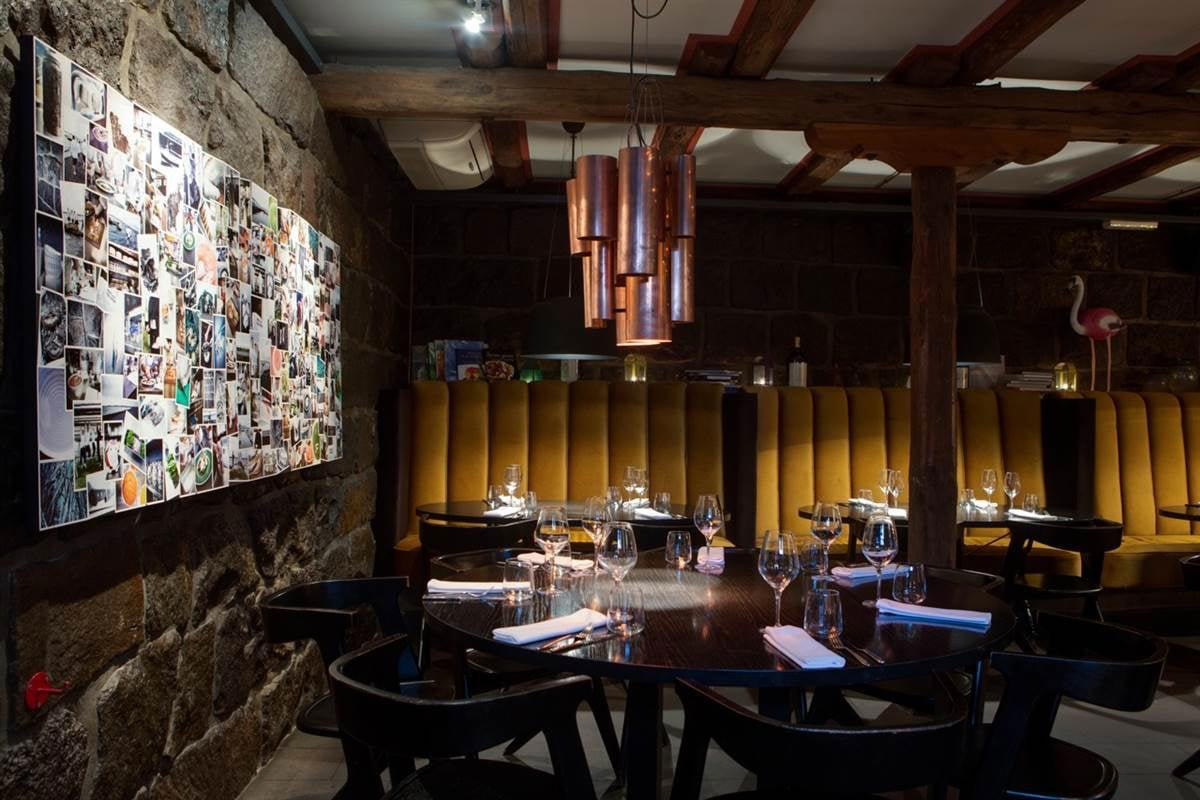
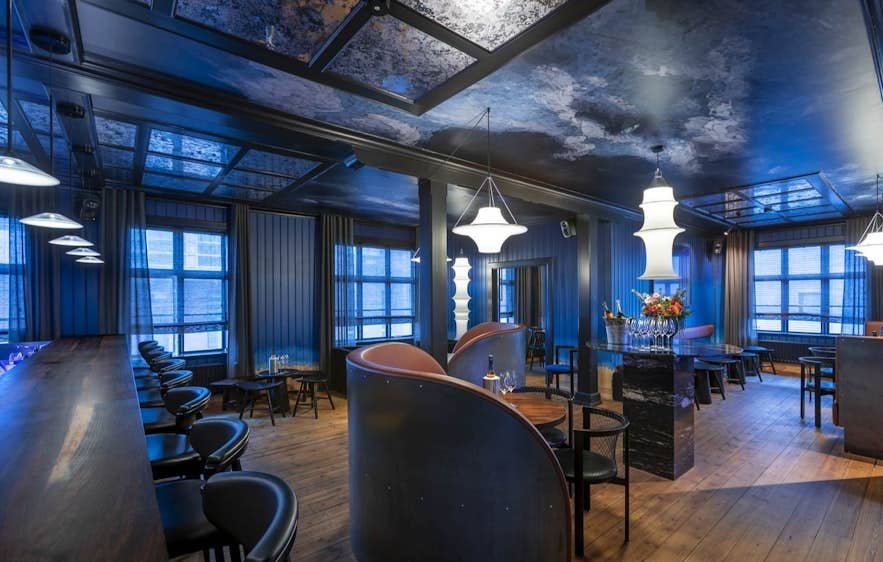
Subdued lighting creating a warm, cozy, and intimate atmosphere.