Thai cuisine in Keflavik occupies a specific niche: affordable, consistent, and geographically useful for travellers moving between the international airport and Reykjavík. Malai-Thai, on Krossmóa 4, sits inside that pattern, offering Southeast Asian cooking in a town better known for transit than dining depth. For those with a layover window or an early departure, it fills a gap that Icelandic kitchens rarely address.

Pearl is the En Primeur Club membership app — saves, bookings, and concierge access live there. Same editors, same standards.
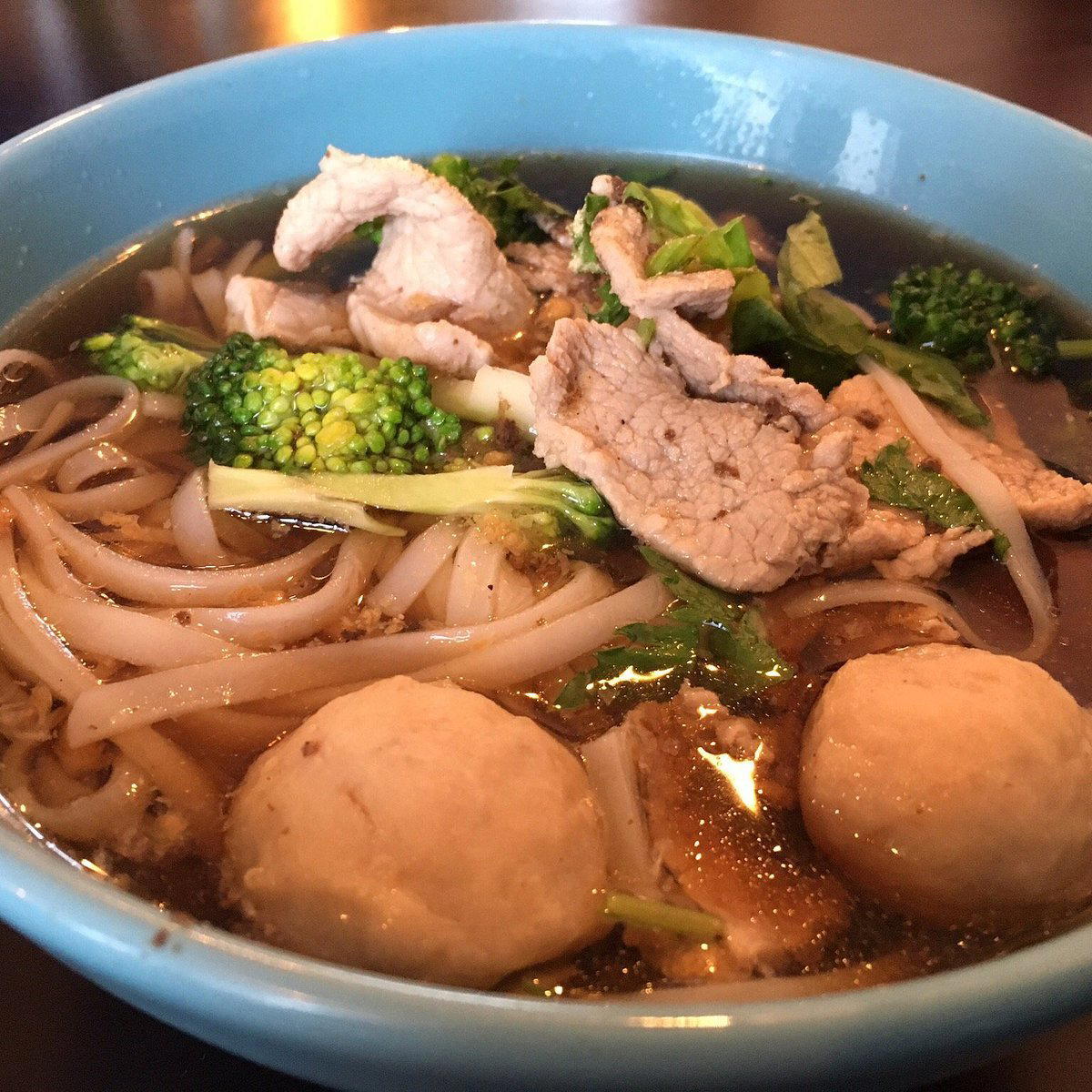
Thai Food at the Edge of the North Atlantic
Keflavik is not a dining destination in the way that Reykjavík is. The town functions primarily as the entry and exit point for Iceland, and its restaurant scene reflects that role: practical, accessible, and built around a transient population moving through Keflavik International Airport rather than a local fine-dining culture. Against that backdrop, the presence of a Thai restaurant at Krossmóa 4 says something specific about how international food has spread into Iceland's smaller communities. Thai cuisine, long established in Scandinavian capitals, has made its way into regional Icelandic towns over the past two decades, carried by a combination of immigration patterns and demand from travellers who want something other than lamb soup or salted fish after a long-haul flight. Malai-Thai sits inside that broader movement.
Ingredient Sourcing at the Edge of a Supply Chain
Cooking Thai food in Iceland presents supply-chain problems that kitchens in Bangkok or even London do not face. The aromatics that define the cuisine, lemongrass, galangal, kaffir lime leaf, fresh Thai basil, do not grow in subarctic conditions, and importing them to a small town on the Reykjanes Peninsula adds cost and complexity. Iceland's greenhouse industry, concentrated in geothermal-rich areas like Hveragerði, produces tomatoes, cucumbers, and peppers at scale, but it does not substitute for Southeast Asian produce. What this means in practice is that any Thai kitchen operating in regional Iceland is dependent on either Reykjavík wholesale suppliers or direct import relationships, neither of which is direct at small volume. The same challenge applies to proteins: while Iceland's domestic fish supply is extensive, some of the cleanest cold-water cod, haddock, and Arctic char available anywhere, incorporating it into Thai preparations requires bridging two different culinary traditions.
This sourcing difficulty is not distinctive to Keflavik. It applies to every Asian restaurant operating outside Iceland's capital. Friðheimar in Reykholt sidesteps the problem entirely by building its menu around what it can grow on-site, while DILL in Reykjavík and Moss in Grindavík anchor themselves in New Nordic logic where local sourcing is the point, not a constraint. A Southeast Asian kitchen in regional Iceland cannot follow that model; it operates in tension with the supply chain rather than in alignment with it.
Keflavik's Position in Iceland's Restaurant Map
Iceland's dining ambition concentrates heavily in Reykjavík. The capital holds the country's Michelin-recognised addresses, DILL Restaurant in Reykjavik and the Chef's Table at Moss Restaurant in Iceland among them, along with the more experimental end of Icelandic cooking. Outside the capital, the options shift toward the traditional and the functional. Fjöruborðið in Stokkseyri draws visitors specifically for langoustine; Bautinn in Akureyri holds ground in the north. Keflavik, by contrast, has not developed a signature food identity tied to a specific ingredient or tradition. It serves its population and its airport passengers. Malai-Thai occupies a slot in that ecosystem that no Icelandic kitchen is competing for directly.
That absence of direct competition is worth noting not as a compliment but as context. A Thai restaurant in Keflavik is not benchmarked against Atomix in New York City or 8½ Otto e Mezzo Bombana in Hong Kong. It operates in a different register entirely, closer to the category of accessible international dining that exists in most European regional towns of similar size. The relevant comparison is internal to Keflavik and the immediate Reykjanes Peninsula, not global.
Atmosphere and Who Goes
The address, Krossmóa 4, places Malai-Thai in a commercial area of Keflavik rather than a pedestrian dining strip. The physical environment of the restaurant favors a practical setup, with functional seating, direct lighting, and menus that prioritise clarity over curation. The atmosphere, where it exists, is generated more by the customer mix than by interior design. In Keflavik's case, that mix includes airport workers, travellers extending a stay, and locals for whom the restaurant fills a specific gap in the town's food options. It is a place that people in Keflavik use regularly, which is a different kind of value.
Globally, the restaurants that matter most to a city's daily life are rarely the ones that attract outside attention. Lazy Bear in San Francisco or Alinea in Chicago exist as events; the restaurant exists as infrastructure. Both types of restaurant have a place in how cities eat.
Planning a Visit
Keflavik is roughly 50 kilometres from central Reykjavík by road, making it accessible as a standalone stop rather than a day trip from the capital. Travellers arriving on overnight transatlantic flights and facing a gap before hotel check-in, or those departing from Keflavik International Airport and looking for a sit-down meal that is not airport catering, are one natural audience for a restaurant at this address. Price is about $20 per person, and the restaurant sits well below the €€€€ tier occupied by addresses like Alléno Paris au Pavillon Ledoyen in Paris or Alain Ducasse at Louis XV in Monte Carlo.
In Context: Similar Options
Comparable venues nearby, for context on price, style, and recognition.
| Venue | Cuisine | Price | Notes |
|---|---|---|---|
| Malai-ThaiThis venue — the venue you are viewing | Authentic Thai | $$ | Not listed |
| Nord | Scandinavian & Icelandic | $$$ | Keflavik International Airport |
| Reykjavík Kitchen | Traditional Icelandic Seafood & Lamb | $$ | Reykjavíkurborg |
| Bergsson Mathús | Healthy Icelandic Bakery Café | $$ | Reykjavíkurborg |
| Nesjavallavirkjun | Museum Cafe | Not listed | Selfoss |
| Gló | Healthy Vegan & Raw Food | $$ | Reykjavíkurborg |
At a Glance
- Cozy
- Casual Hangout
- Family
- Standalone
Casual cafe-like with warm welcoming atmosphere.