


On Laugavegur, Reykjavík's main commercial artery, Sümac brings Lebanese-rooted Middle Eastern cooking into a dining scene dominated by New Nordic and Icelandic seafood.
Pearl is the En Primeur Club membership app — saves, bookings, and concierge access live there. Same editors, same standards.
- Address
- Laugavegur 28, 101, 101 Reykjavík, Iceland
- Phone
- +354 537 9900
- Website
- sumac.is
- Directions
- Get directions
 Saves & bookings on Pearl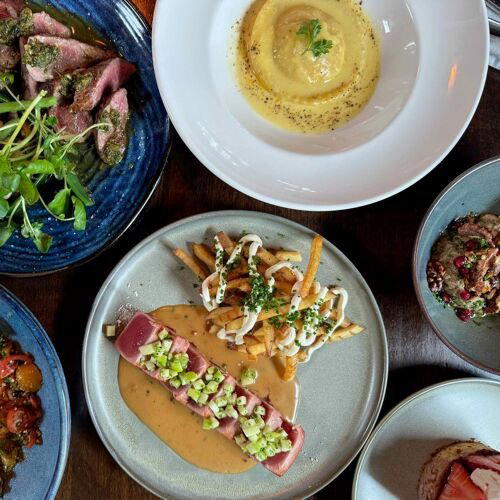
Where the Levant lands in downtown Reykjavík
Laugavegur is the artery through which most visitors first read the city: boutique shops, volcanic-wool concept stores, and a run of restaurants that, generally, speak in the same New Nordic dialect. Sümac, at number 28, operates in a different register entirely. The visual warmth of a Middle Eastern table, the low light, the clustered small plates, the herb-forward fragrance of sumac and za'atar, reads as a deliberate counterpoint to the clean-line restraint that defines so much of the street around it.
That contrast is not accidental. Reykjavík's restaurant scene has, over the past decade, been shaped almost entirely by its geography: Arctic fish, Icelandic lamb, skyr, and the foraging ethic that underpins the New Nordic movement at venues like DILL and ÓX. Into that context, Sümac introduces a culinary tradition built around entirely different principles: abundance over restraint, shared plates over sequential courses, and a hospitality ethic rooted in the Lebanese idea that a guest should never face an empty table.
The Lebanese hosting tradition, applied to an Icelandic audience
Lebanese dining culture is one of the few in the world where the format of the meal is itself an argument, an assertion that generosity is the point, that eating is collective, and that variety is a form of respect for the guest. The mezze tradition that underpins the Sümac menu is the structural expression of that argument: a procession of small dishes, each complete in itself, arriving at a pace designed to keep the table in conversation rather than in sequence. You do not progress through courses here in the tasting-menu sense that defines much of Reykjavík's €€€€ tier. You accumulate.
That format places Sümac in a different competitive set from its price-band neighbours. At venues like Brút or Hosiló, the kitchen controls the narrative arc of the meal. At Sümac, the table does, in the manner of any Lebanese household where the meal expands to meet the appetite and the company. For visitors arriving from cities with established Middle Eastern dining scenes, Dubai, London, New York, Los Angeles, the format will feel familiar. For those coming straight from the Nordic tasting-menu circuit, it will feel genuinely different.
Globally, Lebanese-rooted restaurants operating at this register tend to share a set of reference points: depth in spice sourcing, bread baked in-house or with serious attention to provenance, and a wine or drinks list that moves beyond the default toward regional or natural producers. The tension between those ambitions and the constraints of an island economy, where ingredient supply chains are compressed and importing quality produce is expensive, is part of what makes a restaurant like Sümac worth examining on its own terms. That it has held its position as a downtown staple speaks to a proposition that has found its audience.
A Michelin Plate in a non-Michelin city
Reykjavík sits in a curious position on the international awards map. The Michelin Guide covers Iceland, but the city's star count has historically been limited relative to its culinary ambition. The Michelin Plate, awarded to Sümac in 2025, is the Guide's recognition that a restaurant is producing good cooking without yet reaching the one-star tier. In a field where the city's leading addresses include 3 Frakkar for seafood and venues operating across the Nordic and modern European register, receiving that recognition for a Middle Eastern kitchen is a specific signal: the Guide found the cooking coherent and consistent enough to distinguish it from the broader Laugavegur crowd.
In a city where tourist volumes are high and dining experiences are often evaluated against inflated expectations, sustaining that rating at volume suggests something beyond novelty. A restaurant can attract first visits on the basis of concept alone; it keeps a 4.6 by delivering on that concept repeatedly, across different service periods and different customer profiles.
Sümac in the wider Middle Eastern dining conversation
One useful way to place Sümac is to read it against what Lebanese and broader Middle Eastern cooking looks like when it reaches the premium tier in other cities. Bait Maryam in Dubai and Al Farah in Abu Dhabi operate in markets where the cuisine is local and the competition is encyclopedic. Kismet in Los Angeles, Adana in Los Angeles, and Al Badawi in New York situate the tradition within large-market diaspora contexts. Baron in Doha and Adamá in Oaxaca represent the tradition operating in markets where it arrives as an outlier rather than a norm. Sümac belongs to that last category. Its audience in Reykjavík is not arriving with the reference-dense expectations of a Beirut regular; it is introducing the tradition to visitors who may know it only partially, and to a local food culture that has largely been shaped by entirely different culinary geography.
That positioning carries both an advantage and a burden. The advantage is that the format can speak without being measured against a dozen nearby competitors. The burden is that it must carry the tradition credibly enough to earn its Michelin recognition in a context where the inspectors are comparing it not just to its neighbours on Laugavegur but to a global standard for the cuisine.
Planning a visit
Sümac sits at Laugavegur 28, in the 101 postal district that covers the core of central Reykjavík, within walking distance of most of the city's main accommodation clusters and the majority of its upper-tier restaurants. At roughly $85 per person, it sits alongside the New Nordic addresses that define the city's premium tier, which means budgeting in the same range as a tasting-menu evening elsewhere. The shareable mezze format means that cost is distributed across the table rather than fixed per person in the tasting-menu sense, giving groups more control over the final spend. Booking is essential. Outside the capital, Moss in Grindavík represents a contrasting point on the Icelandic dining map, for those extending their itinerary beyond Reykjavík.
What people recommend at Sümac
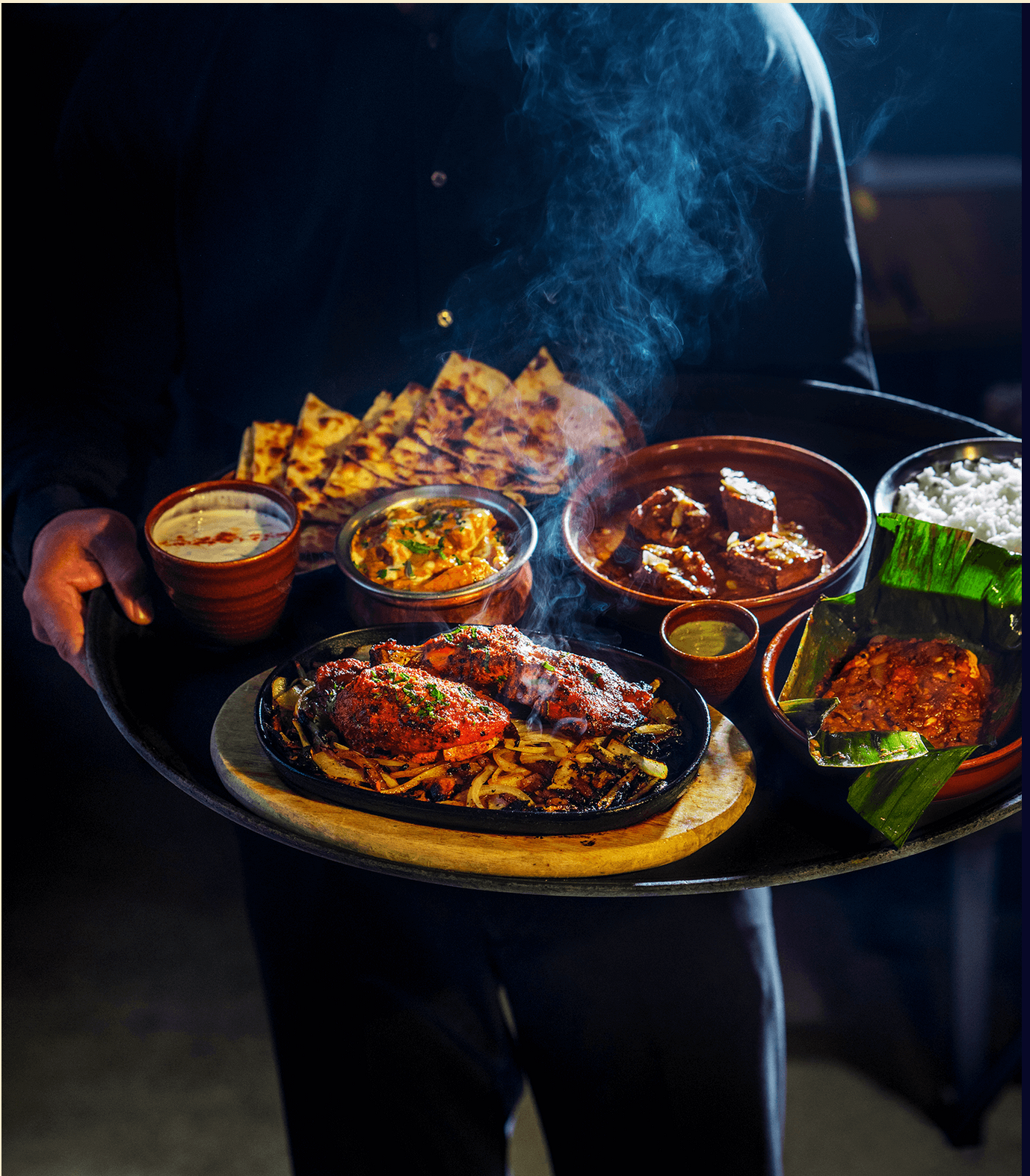
Sümac's reputation among regulars and visitors, reflected in its sustained, clusters around the breadth and coherence of its mezze selection and the atmosphere of its downtown room. The kitchen draws from the Lebanese tradition, which means dishes built around legumes, grilled meats, flatbreads, and spiced vegetable preparations, the kinds of plates designed to arrive in volume and be shared across the table. The 2025 Michelin Plate signals that the cooking is considered and consistent rather than merely crowd-pleasing. For those arriving from the Nordic tasting-menu circuit, the shift to a table-driven, shareable format is itself part of what the restaurant offers. For those cross-referencing Reykjavík's wine and drinks scene, Sümac's positioning as a food-and-wine staple on the downtown circuit suggests a drinks list built to work with the spice register of Levantine cooking rather than against it.
- lamb chops with lentils grapes and almonds
- za'atar bread with baba ganoush
- oyster mushrooms with hazelnut dukkah
- grilled halloumi with fennel honey
- roasted cauliflower with almonds pomegranate and harissa yogurt
- grilled shrimp skewer with chili and preserved lemon
Peers You’d Cross-Shop
Comparable venues nearby, for context on price, style, and recognition.
| Venue | Cuisine | Price | Notes |
|---|---|---|---|
| Sümac | Lebanese-Moroccan Fusion with Icelandic Ingredients | $$$$ | Reykjavíkurborg |
| TIDES | Modern Nordic Seafood | $$$$ | Reykjavíkurborg |
| Amma Don | Modern Scandinavian Fine Dining | $$$$ | Reykjavíkurborg |
| VOX Brasserie & Bar | Modern Scandinavian Brasserie | $$$$ | Reykjavíkurborg |
| Fiskmarkaðurinn / Fish Market | Dining | $$$$ | Reykjavíkurborg |
| DILL Restaurant | New Nordic Fine Dining | $$$$ | Reykjavíkurborg |
Recognition history
Dated appearances from independent guides and award organizations, with the underlying list record or original source where available.
Michelin Plate
Michelin
Star Wine List
Star Wine List
White Guide Nordic Restaurants - Fine Level
White Guide
Michelin Plate
Michelin
Continue exploring
More in Reykjavík
Restaurants in Reykjavík
Browse all →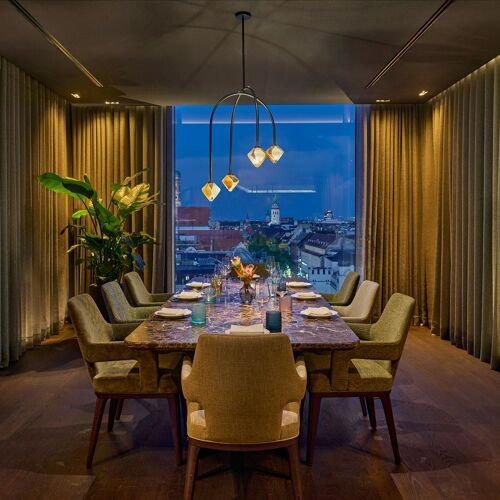
Bars in Reykjavík
Browse all →

At a Glance
- Lively
- Modern
- Elegant
- Sophisticated
- Date Night
- Celebration
- Special Occasion
- Group Dining
- Open Kitchen
- Chefs Counter
- Craft Cocktails
- Local Sourcing
Current opening hours
- Monday
- Closed
- Tuesday
- 5:30–11 PM
- Wednesday
- 5:30–11 PM
- Thursday
- 5:30–11 PM
- Friday
- 5:30–11:30 PM
- Saturday
- 5:30–11:30 PM
- Sunday
- Closed
Hours can change for holidays and private events. Last verified .
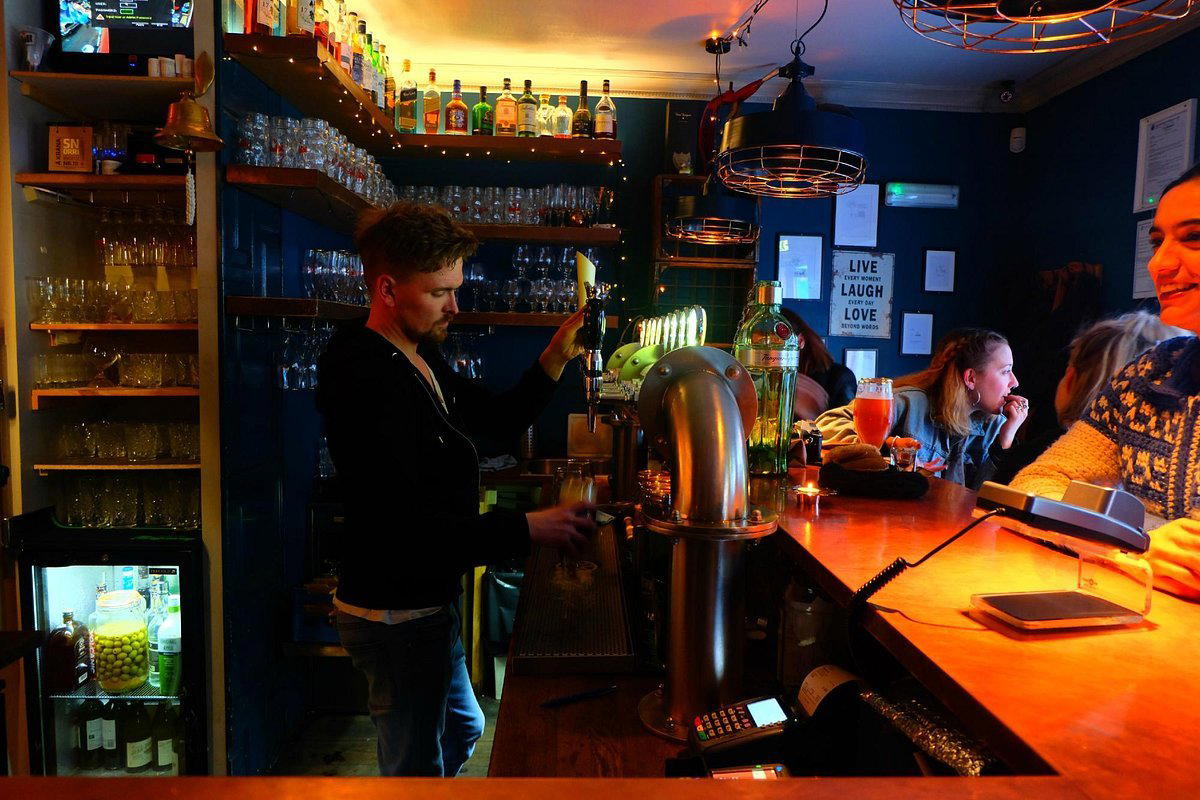
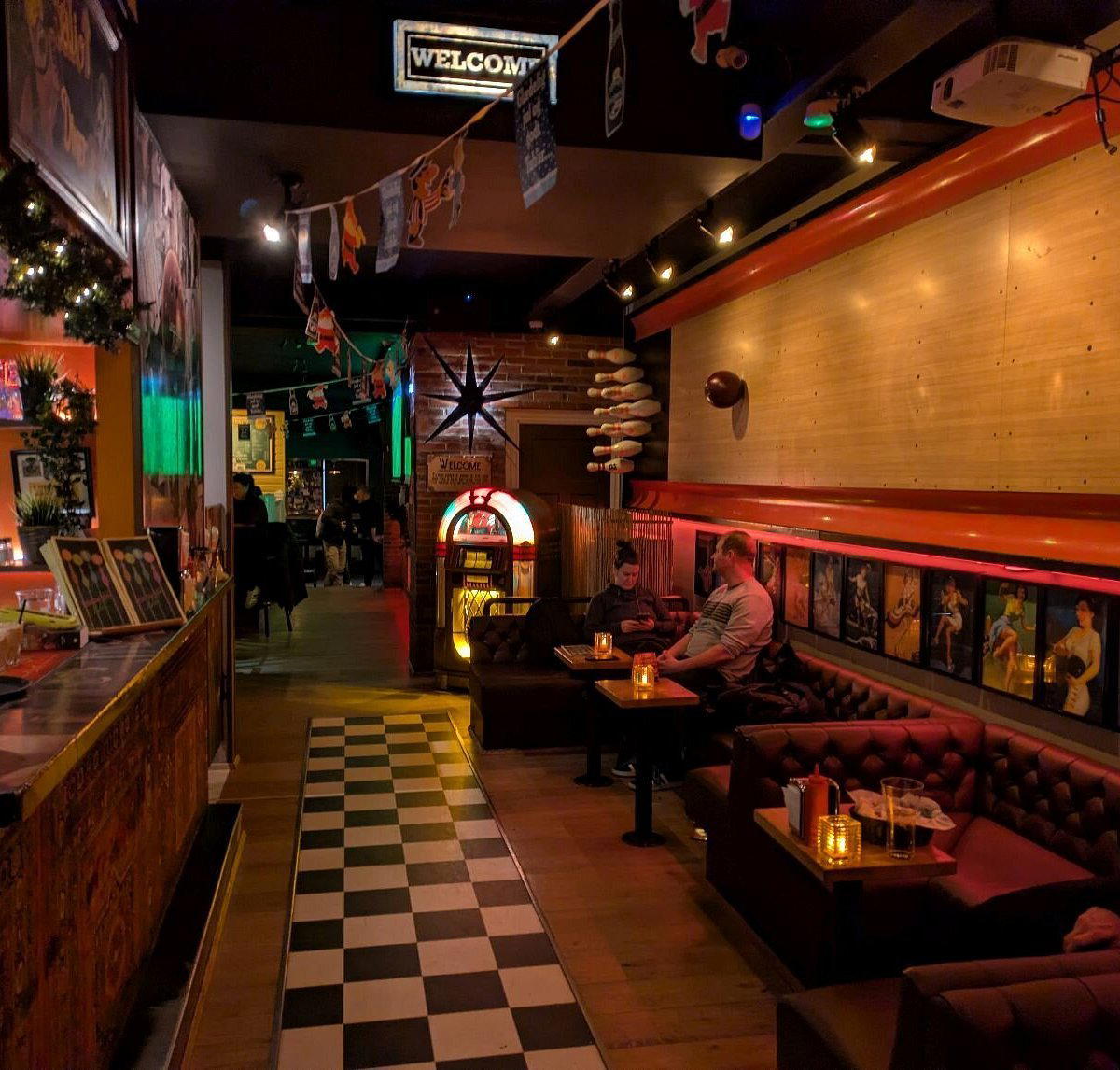
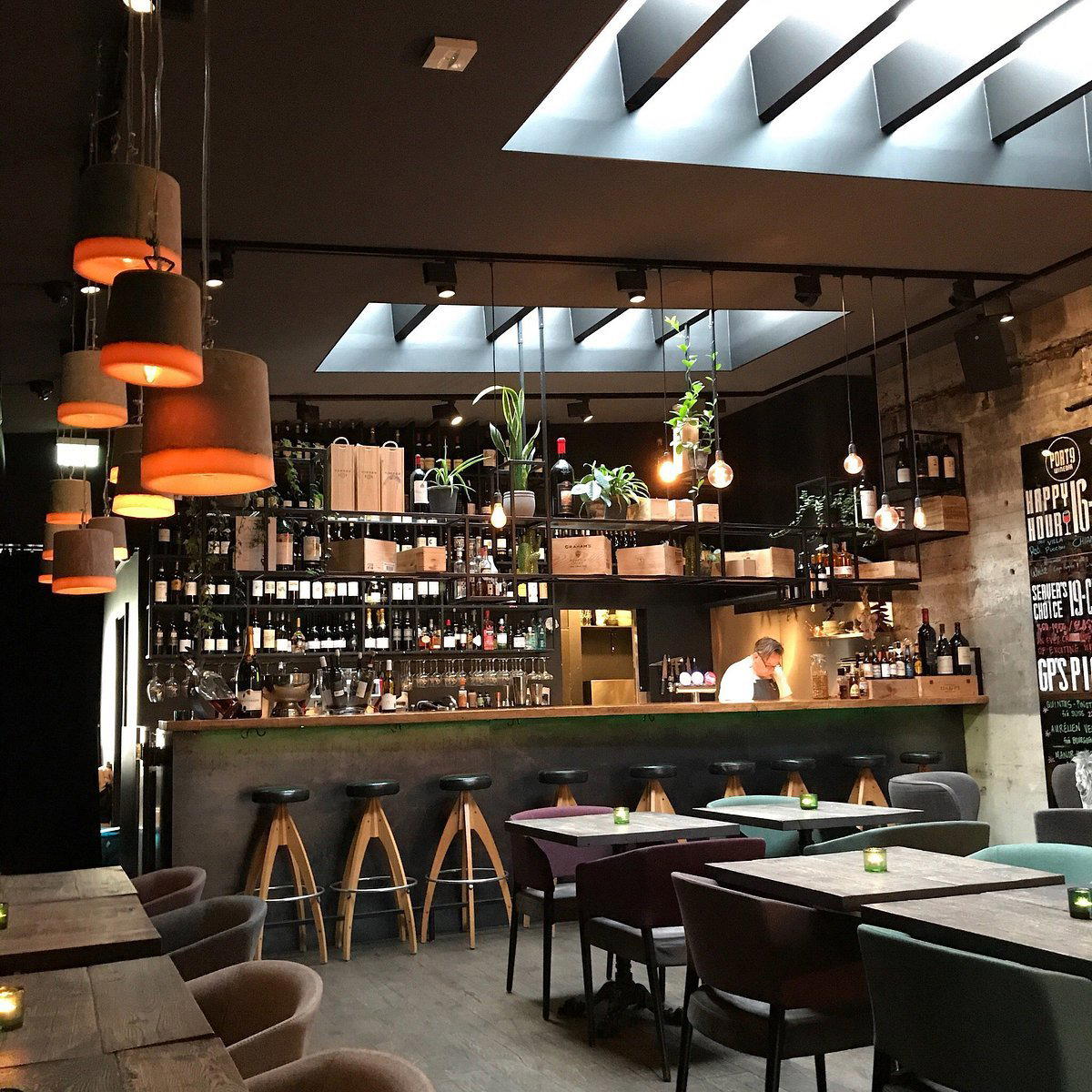
Lively modern brasserie with concrete walls, burnished leather banquettes, and an open kitchen bar where diners watch chefs prepare dishes; warm, stylish, and sophisticated yet relaxed.