Bautinn occupies a prominent address on Hafnarstræti in Akureyri, Iceland's second city and the commercial heart of the north. The restaurant has long served as a reliable anchor in a dining scene that balances traditional Icelandic cooking with the expectations of a town that draws travellers year-round. For visitors exploring the north beyond Reykjavík, it represents a practical and culturally grounded stop.
Pearl is the En Primeur Club membership app — saves, bookings, and concierge access live there. Same editors, same standards.
- Address
- Hafnarstræti 92, 600 Akureyri, Iceland
- Phone
- +3544621818
- Website
- bautinn.is
- Directions
- Get directions
 Saves & bookings on Pearl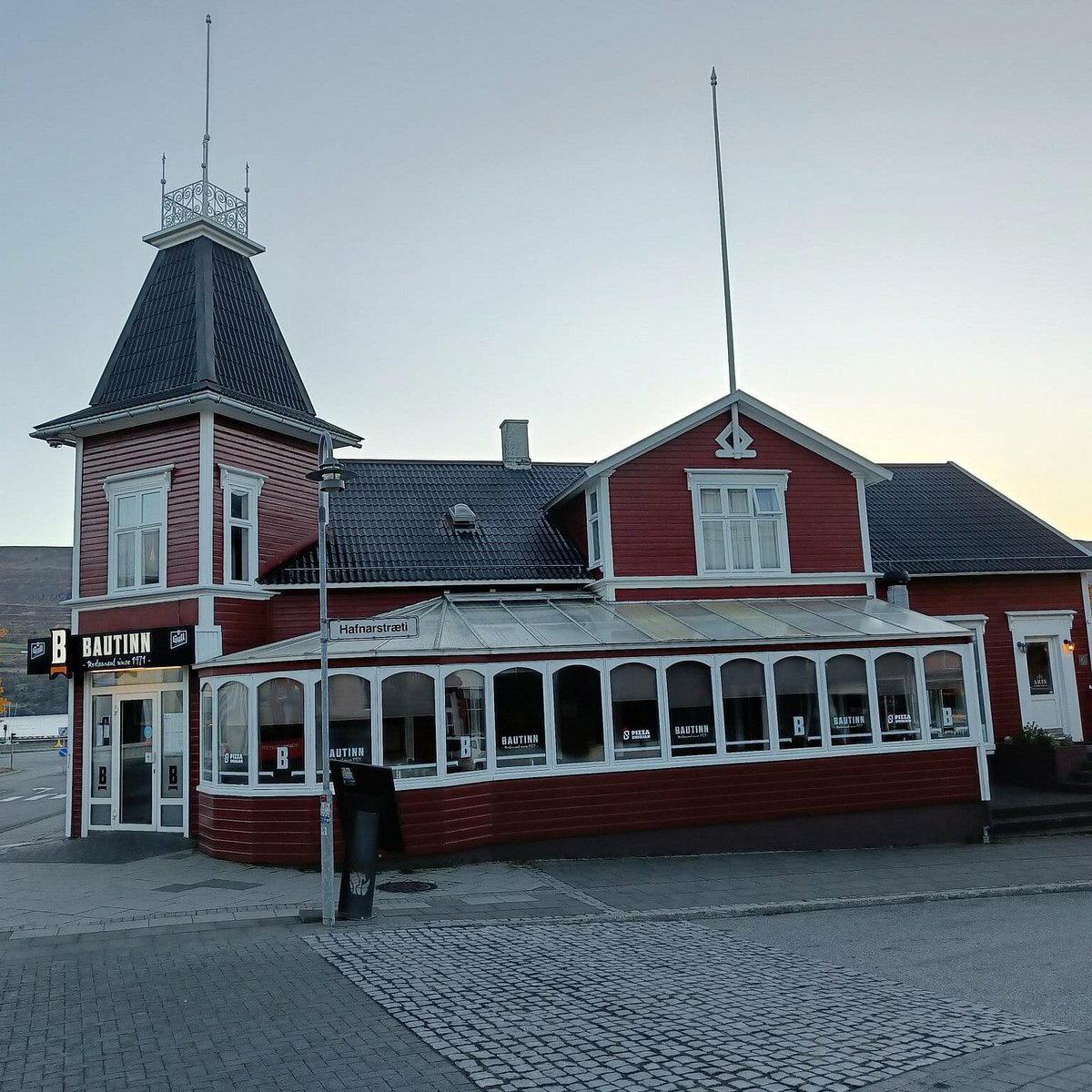
Akureyri's Dining Character and Where Bautinn Sits Within It
Iceland's restaurant conversation is heavily weighted toward Reykjavík, where DILL in Reykjavík and Moss in Grindavík have anchored the New Nordic narrative for an international audience. But Akureyri, sitting at the head of Eyjafjörður fjord roughly 390 kilometres from the capital, operates on different terms. It is Iceland's second-largest urban centre, a working city rather than a tourist construct, and its restaurants reflect that: they are built around the rhythms of local life, the demands of travellers moving through on the Ring Road, and the agricultural and fishing traditions of the north.
Bautinn, at Hafnarstræti 92, has occupied this address long enough to become part of the physical fabric of central Akureyri. Hafnarstræti is the town's main commercial artery, running parallel to the waterfront. Walking toward the building, you are in the kind of compact northern town centre that feels genuinely inhabited rather than arranged for visitors: low-rise, practical, with the mountains visible at the end of most sightlines and the fjord a short walk in the other direction. The restaurant sits within that texture rather than against it.
The Cultural Weight of Icelandic Food in the North
To understand what a restaurant like Bautinn represents, it helps to understand what Icelandic cooking has historically been. The country's food traditions were shaped by necessity: short growing seasons, long winters, and an economy built on fishing and sheep farming. The result was a cuisine that preserved and stretched, skyr, dried fish, hangikjöt (smoked lamb), harðfiskur (wind-dried fish), and lamb prepared in ways that prioritized longevity over delicacy. These were not the traditions that attracted international attention, but they were coherent, regionally specific, and honest about the conditions that produced them.
The New Nordic movement, exemplified at the higher end by venues like Chef's Table at Moss Restaurant in Iceland, reimagined these traditions through a contemporary lens, translating fermented dairy, foraged herbs, and cold-water fish into tasting-menu formats. That approach suits Reykjavík, which has the visitor volume and price tolerance to sustain €€€€ positioning. Akureyri's dining tier is different: the market here skews toward accessible, multi-course or à la carte formats that work for local families, business travellers, and tourists who are not specifically seeking a fine-dining experience but want something grounded in Icelandic character.
It is not positioning against DILL Restaurant in Reykjavik or the tasting-menu format of ÓX. It serves local and visiting diners with consistent cooking and familiar Icelandic proteins.
What the Address Signals
In smaller cities, a restaurant's longevity on a central street is itself a form of credential. Akureyri's dining scene is not vast; the town's population sits around 20,000, and the number of restaurants that have sustained a central presence over years is limited. Hafnarstræti 92 is a visible, high-footfall location, and maintaining a presence there over time requires consistent output. That is a different kind of trust signal than a Michelin star, but in a market this size, it carries weight.
Compare that to how regional anchors function elsewhere: Fjöruborðið in Stokkseyri has built a reputation specifically around langoustine in a village setting, drawing diners from Reykjavík as a destination in itself. Friðheimar in Reykholt has a singular hook in its greenhouse tomato format. Bautinn's proposition is less specialized and more generalist, which suits Akureyri's role as a hub rather than a single-purpose destination. Travellers stopping in the north need a reliable evening meal as much as they need a concept restaurant, and that demand is not trivial.
Akureyri as a Base for the North
The city is accessible by domestic flight from Reykjavík (roughly 45 minutes on Air Iceland Connect), making it a realistic base for exploring the Diamond Circle, Lake Mývatn, Goðafoss, and the Tröllaskagi peninsula. Most visitors arrive in summer, when daylight is effectively continuous and the fjord and mountain scenery are at full contrast, but winter brings Northern Lights access and a ski resort at Hlíðarfjall within a short drive. Akureyri's dining infrastructure needs to function across both seasons and across a visitor profile that ranges from touring cyclists to international cruise passengers.
Within the city's restaurant options, Strikið occupies the higher end, with a rooftop position and a format that leans toward occasion dining. Bautinn sits in a different tier, suited to the kind of evening where the meal is part of a broader day rather than the main event. That distinction matters for planning: it places Bautinn in the category of restaurants where you are likely to find a table on shorter notice than at more tightly curated venues, and where the experience scales comfortably across different group sizes and purposes.
Planning a Visit
Hafnarstræti runs through central Akureyri and is walkable from the main hotel cluster around the town centre and waterfront. For visitors without a hire car, the address is reachable on foot from most accommodation options in central Akureyri. The restaurant's hours are Mon to Thu 11:30 AM to 9 PM, Fri 11:30 AM to 10 PM, Sat 12 to 10 PM, and Sun 12 to 9 PM. Booking in advance is recommended, especially during July and August.
For travellers building a longer Iceland itinerary that includes the south, Nesjavallavirkjun in Selfoss and Von Mathús-Bar in Hafnarfjörður represent the kinds of regional stops that sit outside Reykjavík's gravitational pull in a similar way. The north has its own logic, and Bautinn reflects the particular version of that logic that Akureyri has developed: grounded, accessible, and consistent with the city's function as the capital of a region rather than a destination in its own right.
Pricing, Compared
Comparable venues nearby, for context on price, style, and recognition.
| Venue | Cuisine | Price | Notes |
|---|---|---|---|
| BautinnThis venue — the venue you are viewing | Downtown, European & Scandinavian | $$ | Not listed |
| Strikið | Not listed | $$$ | centre of town, Modern Icelandic Seafood Fusion |
| Malai-Thai | Keflavik, Authentic Thai | $$ | Not listed |
| Nord | Not listed | $$$ | Keflavik International Airport, Scandinavian & Icelandic |
| Kröst | Not listed | $$ | Reykjavíkurborg, Modern Icelandic Grill & Wine Bar |
Continue exploring
More in Akureyri
Restaurants in Akureyri
Browse all →
Bars in Akureyri
Browse all →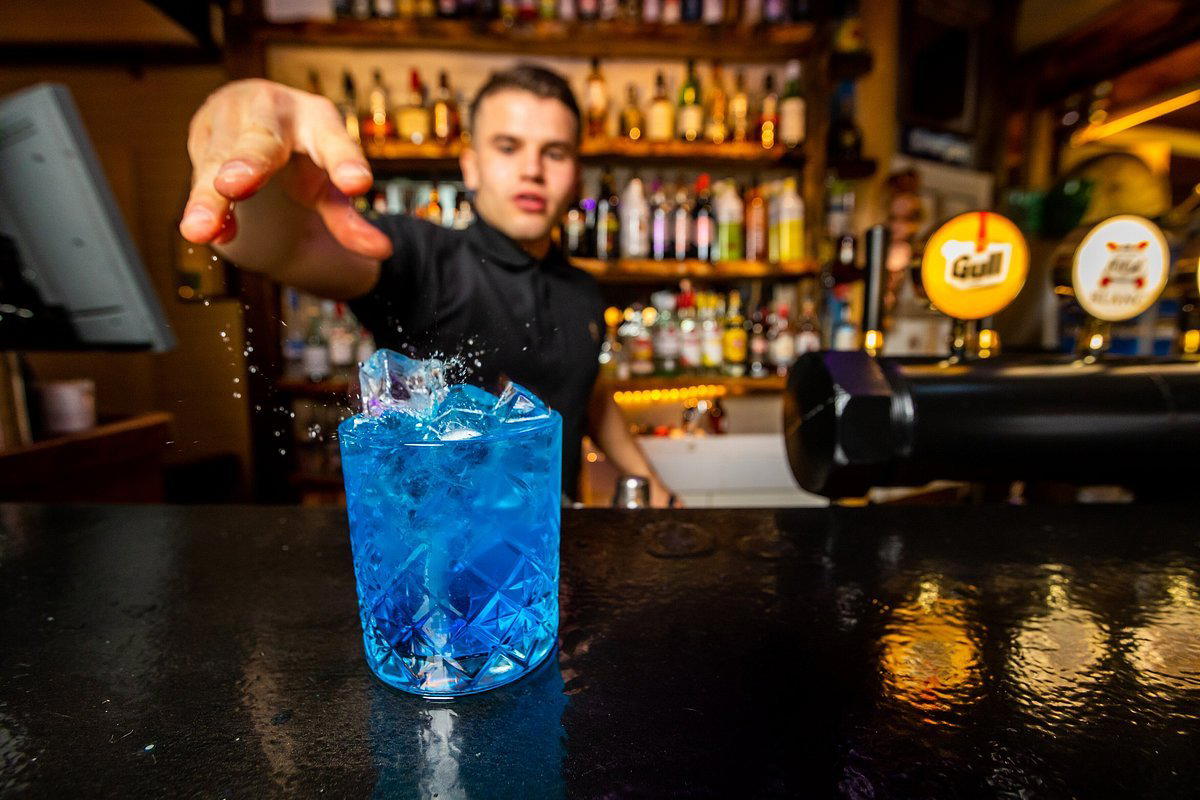
Hotels in Akureyri
Browse all →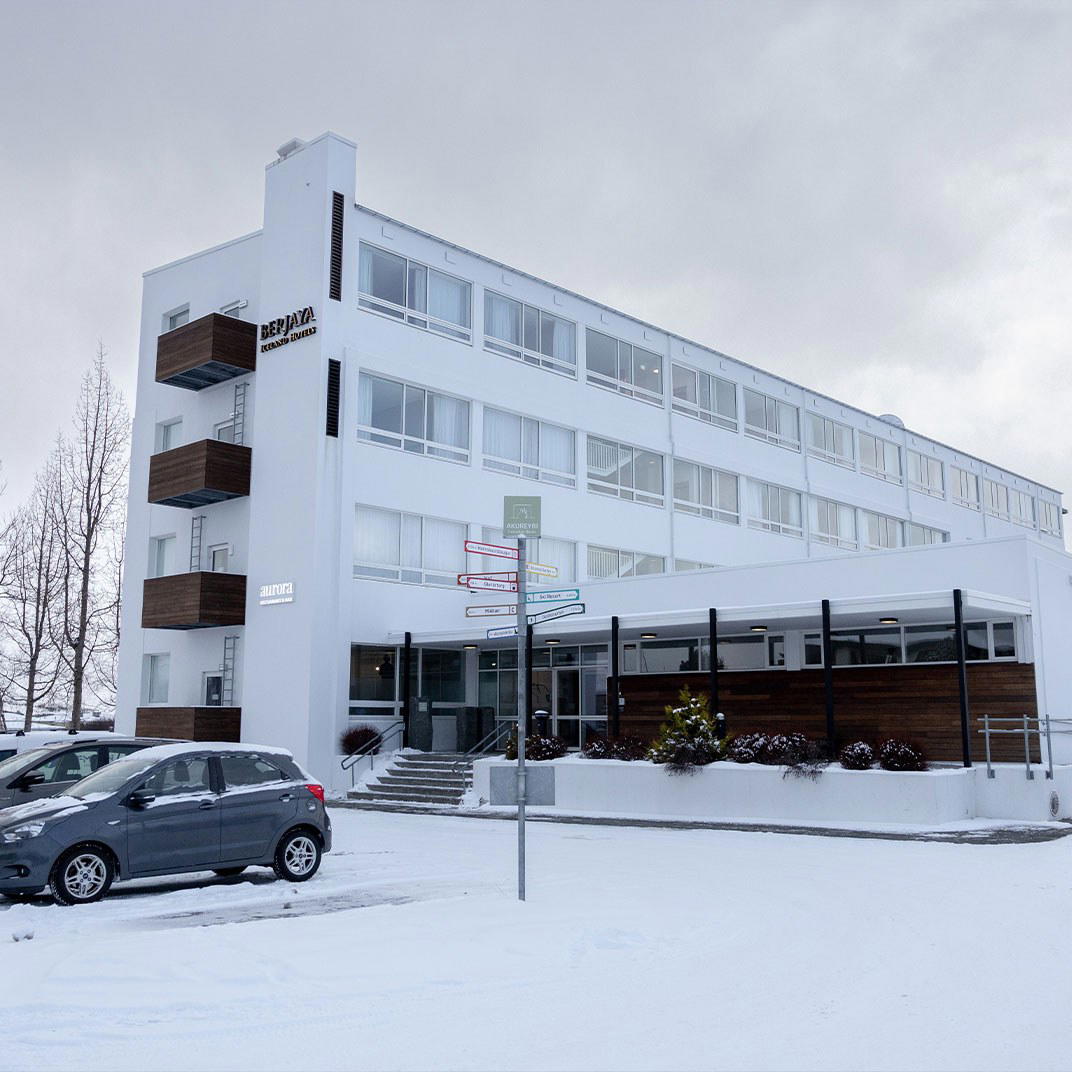
At a Glance
- Cozy
- Lively
- Rustic
- Family
- Casual Hangout
- Historic Building
- Local Sourcing
Current opening hours
- Monday
- 11:30 AM–9 PM
- Tuesday
- 11:30 AM–9 PM
- Wednesday
- 11:30 AM–9 PM
- Thursday
- 11:30 AM–9 PM
- Friday
- 11:30 AM–10 PM
- Saturday
- 12–10 PM
- Sunday
- 12–9 PM
Hours can change for holidays and private events. Last verified .
Nice atmosphere in a historic building with lively service and bustling energy.