

What began as a food stall inside Reykjavík's old bus station has since earned Skál a devoted following that followed it to its own dedicated space on Njálsgata. The venue sits at an address that rewards those who seek it out, carrying the kind of cult credibility that outlasts trends. It belongs to the informal, character-led tier of Reykjavík dining that runs parallel to the city's fine-dining circuit.
 Discover on Pearl
Pearl is the En Primeur Club membership app — saves, bookings, and concierge access live there. Same editors, same standards.
- Address
- Njálsgata 1, 101 Reykjavík, Iceland
- Phone
- +354 565 6515
- Website
- skalrvk.com
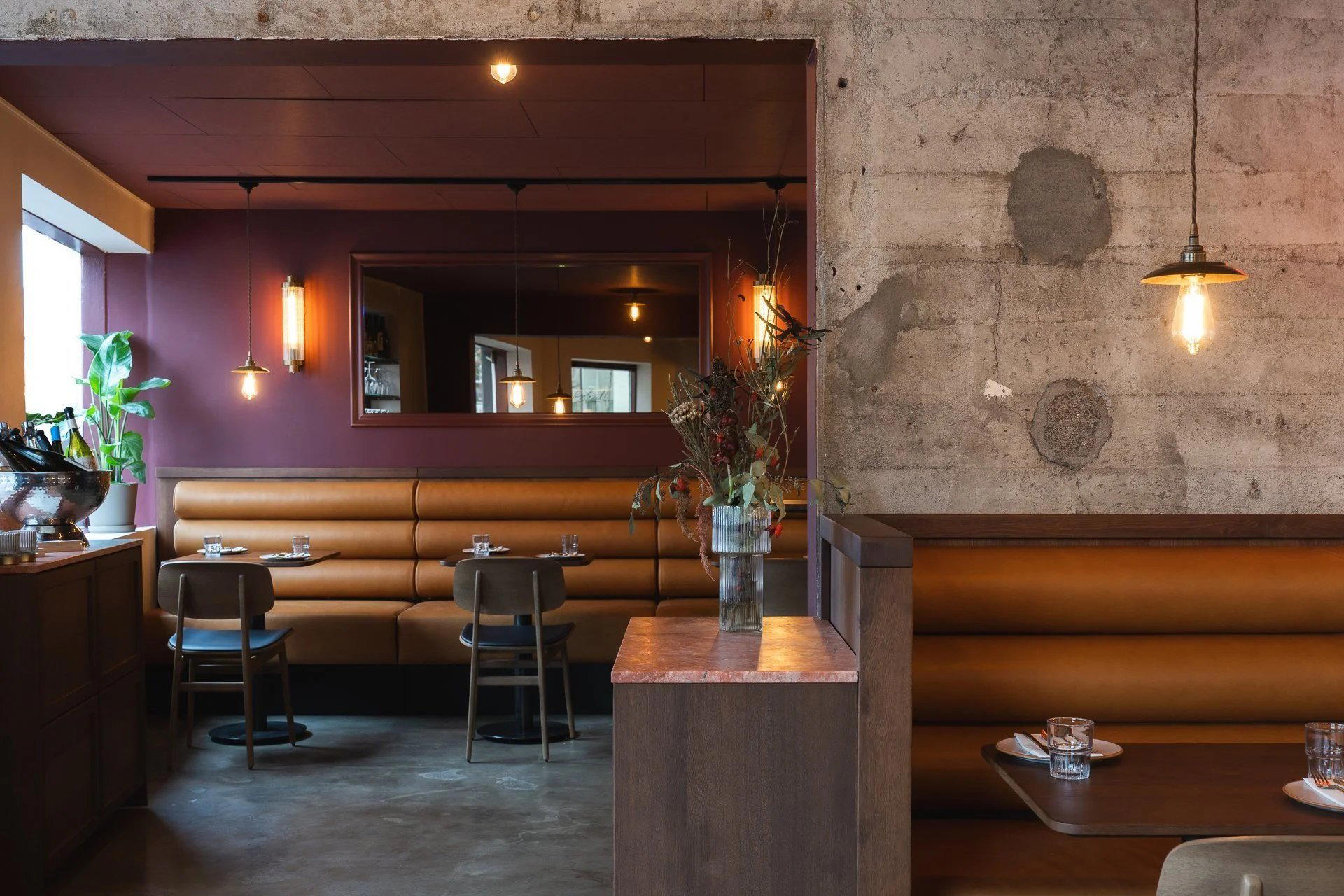
From Bus Station to Njálsgata: How Reykjavík's Cult Food Scene Moves
Skál is a restaurant serving Modern Scandinavian Small Plates at Njálsgata 1 in Reykjavík, with a Google rating of 4.7 from 1,090 reviews and an average price of about $90 per person. The city has a long tradition of food culture migrating from improvised settings, market halls, converted workshops, repurposed transit spaces, into permanent addresses that carry the energy of their origins. Skál, now at Njálsgata 1 in the 101 postal district, follows that arc precisely. It started as a food stall in an old bus station, built a following on the quality of the cooking rather than the comfort of the surroundings, and eventually moved into its own space without losing the character that made the original work. That kind of trajectory is a reliable signal in any food city: when a stall earns enough loyalty to justify a permanent address, something worth paying attention to is happening.
The 101 district is the dense, walkable core of Reykjavík, where most of the city's serious eating is concentrated. Reykjavík's restaurant scene maps from formal tasting rooms to informal counter-led spots. Skál sits in the latter category, It draws regulars and word of mouth in equal measure.
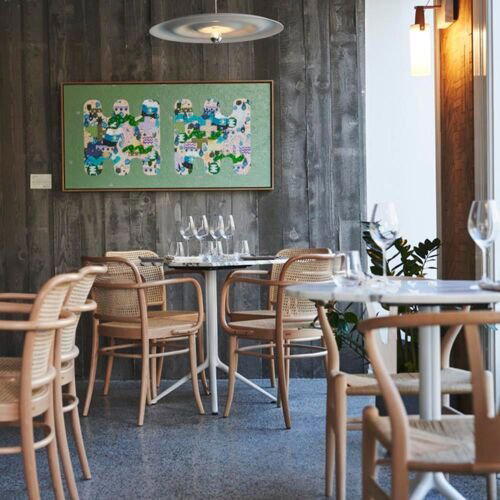
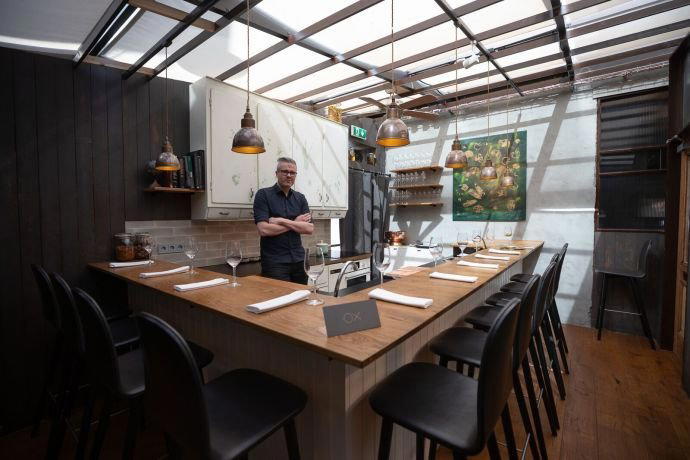
The Setting: What the Space Communicates
Venues that graduate from market or stall formats often carry that directness into permanent homes. In Reykjavík's casual dining tier, that translates into spaces where the focus is on the counter, the open kitchen, or the communal table rather than on interior design as a primary statement. The address on Njálsgata places Skál within walking distance of several of the city's more formal options, Bon Restaurant and Kröst both operate in overlapping geography, which makes the contrast in register easy to read. Where those venues signal occasion dining, Skál signals something closer to the daily rhythm of the city.
The sensory register of that kind of space in a northern city is specific. Reykjavík runs cold for most of the year, and venues that function as genuine neighbourhood anchors develop a warmth that is partly temperature management and partly social. The sound profile tends toward conversation over music, and the smell that meets you at the door tends to be cooking rather than candle or diffuser. These are not small things. They are what separate a room with good food from a place that feels like part of a city's actual life.
Cult Status and What It Means in This Context
Skál has earned cult classic status. In dining, that phrase has a specific weight. It does not mean universally celebrated or broadly reviewed. It means a narrow but committed audience that returns repeatedly, that recommends without prompting, and that followed a venue from an inconvenient stall format to a permanent address because the alternative was losing access to something they valued. That kind of loyalty is durable and hard won. It is also the kind of signal that places a venue in a different competitive context than its neighbours.
In Reykjavík's informal dining tier, Skál sits alongside venues like Amma Don and Hjá Jóni, each of which has built its own version of the same kind of credibility. The city is small enough that reputations spread quickly and are tested constantly, there is no tourist buffer large enough to sustain a mediocre local favourite for long. Venues that hold their following through multiple seasons and through the logistical disruption of a physical move have demonstrated something that a first-year opening cannot. Skál has done exactly that.
Placing Skál in the Wider Reykjavík Dining Picture
Iceland's food culture has attracted sustained international attention over the past decade, most of it focused on the tasting-menu tier, venues like Moss in Grindavík and DILL represent the format that travels well in international press. But the more textured story of how Reykjavík actually eats runs through its informal addresses. The city's geography compresses everything: a walk of twenty minutes covers most of the serious dining options, which means that peer comparisons happen in real time and on foot. Visitors who arrive having only researched the fine-dining circuit often miss the layer of eating that locals treat as more representative.
Reykjavík's hotels, bars, and broader outings all sit within easy reach of the city center.
Internationally, the category Skál occupies, informal, cult-status, migrated-from-stall, has equivalents in cities with much larger profiles. The communal, counter-driven format that venues like Lazy Bear in San Francisco formalized at a premium level, or the neighbourhood-anchor function that places like Emeril's in New Orleans built over decades, exist in Reykjavík at a more compressed, less ceremony-driven scale. The underlying logic is the same: earn loyalty through consistency and character. Venues like Alinea in Chicago, Le Bernardin in New York City, 8½ Otto e Mezzo Bombana in Hong Kong, and Alain Ducasse Louis XV in Monte Carlo represent one end of the spectrum; Skál represents something closer to the other, and both ends matter to a complete understanding of how a city eats.
Planning Your Visit
Skál is at Njálsgata 1, 101 Reykjavík, placing it squarely in the walkable core of the city. For venues in this category and with this level of established following, the practical advice is consistent: do not assume availability on short notice, particularly through the summer high season when visitor numbers in the 101 district compress capacity at every well-regarded address. The Eiriksson Brasserie and others in the neighbourhood operate under similar pressure during peak months. Arriving in the shoulder seasons, late autumn through early spring, typically means more flexibility, and it places a visit in the context of the long Icelandic winter that gives the city much of its atmospheric character. Reservations are recommended.
Same-City Peers
Comparable venues nearby, for context on price, style, and recognition.
| Venue | Cuisine | Price | Notes |
|---|---|---|---|
| SkálThis venue — the venue you are viewing | Modern Scandinavian Small Plates | $$$ | |
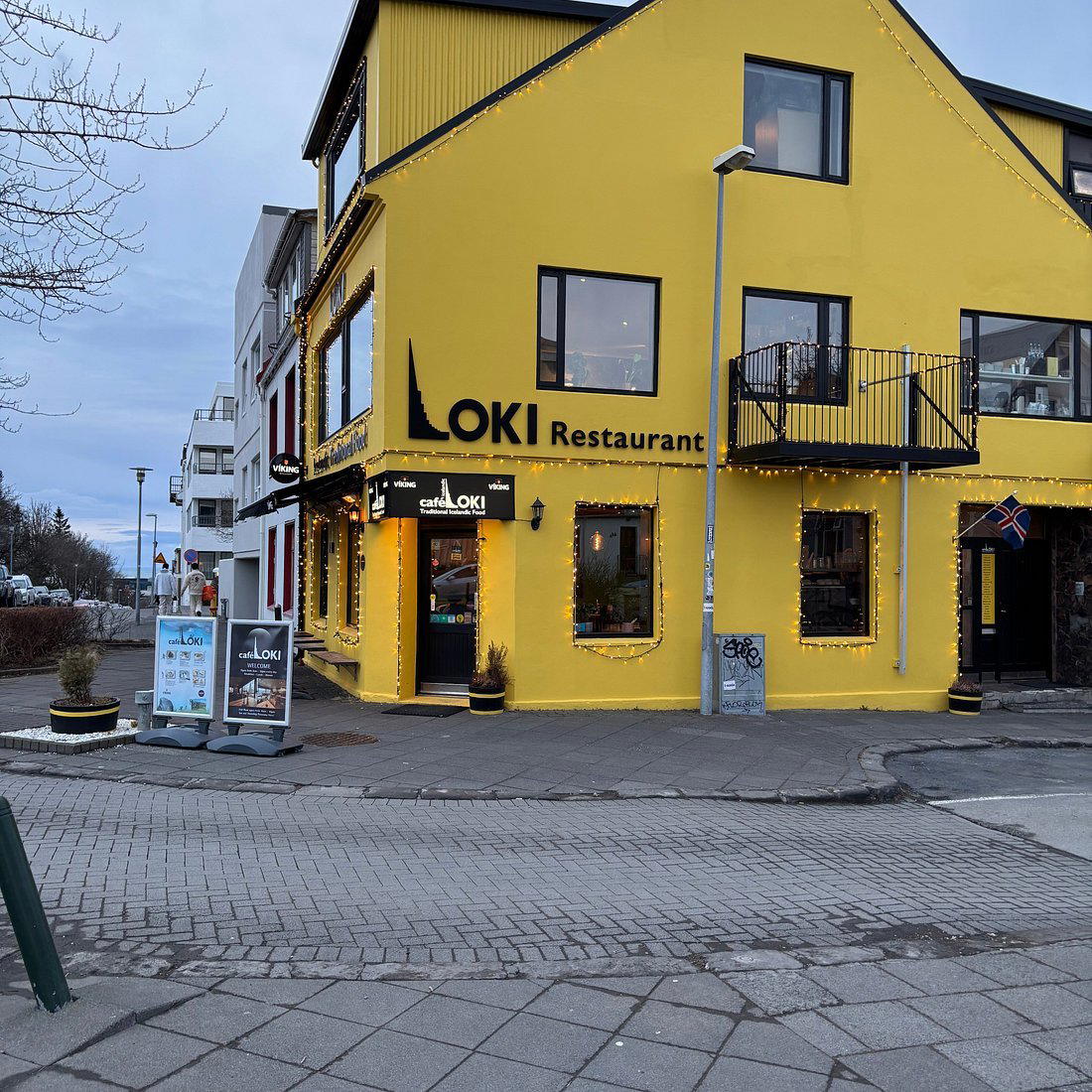
| Café Loki | Traditional Icelandic Home-Style | $$ | Reykjavíkurborg |
| Amma Don | Modern Scandinavian Fine Dining | $$$$ | Reykjavíkurborg |
| Grillmarkaðurinn | Modern Icelandic Grill | $$$$ | Reykjavíkurborg |
| Bon Restaurant | French Wine Bar | $$$$ | Reykjavíkurborg |
| Monkeys | Asian-South American Fusion | $$$ | Reykjavíkurborg |
Continue exploring
More in Reykjavík
Restaurants in Reykjavík
Browse all →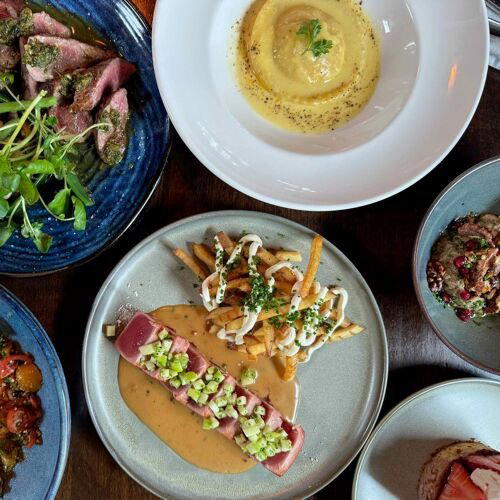
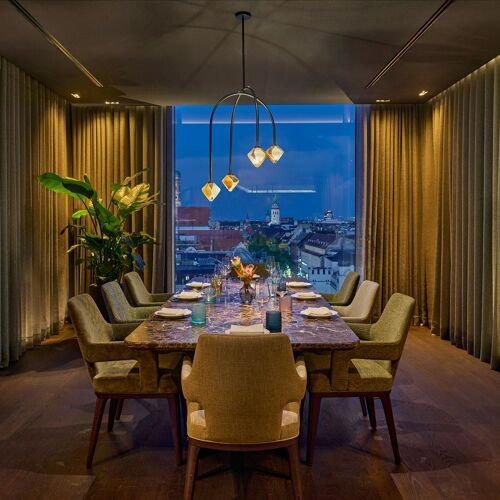
Bars in Reykjavík
Browse all →
Hotels in Reykjavík
Browse all →
Wineries in Reykjavík
Browse all →
At a Glance
- Cozy
- Lively
- Modern
- Intimate
- Trendy
- Date Night
- Special Occasion
- Group Dining
- Open Kitchen
- Natural Wine
- Craft Cocktails
- Local Sourcing
Cozy and inviting with a lively yet comfortable atmosphere, warm and sophisticated open kitchen vibe that becomes more energetic later in the evening.