Kokteilbarinn sits on Klapparstígur 28 in central Reykjavik, occupying a corner of the city's compact but serious bar scene. The name translates simply as 'the cocktail bar,' and that directness signals its register: this is a place where the drink is the point. Reykjavik's nightlife culture, shaped by long winters and a tradition of concentrated social life, finds one of its more considered expressions here.
 Discover on Pearl
Pearl is the En Primeur Club membership app — saves, bookings, and concierge access live there. Same editors, same standards.
- Address
- Klapparstígur 28, 101 Reykjavík, Iceland
- Phone
- +3545195350
- Website
- kokteilbarinn.is
Klapparstígur and the Shape of Reykjavik's Bar Culture
Reykjavik operates on a compressed urban scale that few European capitals match. The city centre fits within a walkable grid, which means the distance between a tourist trap and a genuinely local drinking room can be a single street. Klapparstígur, a short run of pavement threading through the 101 postal district, sits closer to the latter category. The street has accumulated a quiet density of bars and small venues that draw a crowd more interested in what's in the glass than in spectacle. Kokteilbarinn is a cocktail bar at Klapparstígur 28 in Reykjavík, offering a smart-casual, walk-in-friendly setting for Peruvian-Japanese Nikkei Fusion at about $25 per person. Kokteilbarinn, at number 28, belongs to this part of the city's drinking culture.
The name requires no decoding: it translates from Icelandic as 'the cocktail bar.' That bluntness is itself a cultural signal. Icelandic naming conventions for hospitality venues tend toward the literal, Bæjarins Beztu Pylsur means 'the leading hot dog stand in town,' and its longevity has proved the confidence warranted. When a Reykjavik venue names itself simply and directly, it tends to mean the thing it says it is.
A Scene Shaped by Darkness and Compression
Iceland's relationship with alcohol is historically complicated. Prohibition lasted from 1915 until 1989, beer was the final holdout, not legalised until March 1, 1989, which means the country's bar culture is, by international standards, young. What has emerged in the decades since is not a gradual accretion of tradition but something more deliberate: venues that tend to have a clear identity and a specific audience in mind.
The broader Nordic cocktail scene has shifted significantly over the past fifteen years, moving from imported American templates toward programs that reference local ingredients, glacial water, Arctic botanicals, skyr-derived fermentations, and preservation techniques drawn from the same cold-weather necessity that shaped Icelandic food. That shift is visible across Reykjavik's serious drinking rooms, where bartenders treat the pantry of a sub-Arctic island as a credible source of flavour rather than a limitation to work around. The cultural current runs through the neighbourhood it occupies.
At the fine-dining end, DILL in Reykjavík has done the most to codify New Nordic thinking on a plate, and Moss in Grindavík, with its Chef's Table format, extends that conversation into experiential territory. Kokteilbarinn operates at a different register, one where the evening begins rather than ends.
The 101 District as a Drinking Context
The 101 postal code is where Reykjavik concentrates its nightlife, and it divides into distinct zones depending on what kind of evening you want. Laugavegur, the main drag, runs loud and busy on weekends, pulling in the international crowd that arrives for northern lights packages and the volcanic south coast. The streets that run perpendicular, Klapparstígur among them, tend to pull a more local register of drinker. Bars here stay open late by Icelandic standards, because the social architecture of Reykjavik nightlife is built around the concept of the rúntur: a deliberate, unhurried progression through multiple venues across the night.
That tradition shapes what a bar on Klapparstígur needs to offer. It cannot rely on being the only stop of the night; it has to be compelling enough to be the right stop at the right moment. A focused cocktail program, consistently executed, earns its place in that circuit in a way that a broad, unfocused drinks list does not.
Reykjavik's dining options in the same neighbourhood provide useful context for how an evening might be constructed. Bergsson Mathús handles the earlier, café-adjacent hours well. Bon Restaurant and Brút occupy the dinner tier. Amma Don represents a more casual format. Kokteilbarinn fits into the later part of that progression, after plates have been cleared.
Beyond the Capital: What Iceland's Drinking Culture Looks Like Elsewhere
Placing Kokteilbarinn in a national context helps calibrate expectations. Outside Reykjavik, the options compress quickly. Bautinn in Akureyri, Iceland's second city, operates more as a restaurant-pub hybrid than a dedicated cocktail room. The towns along the south coast, including Fjöruborðið in Stokkseyri and Friðheimar in Reykholt, are restaurant destinations rather than drinking destinations. Von Mathús-Bar in Hafnarfjörður and Malai-Thai in Keflavik serve their communities but don't export a bar identity outward. The conclusion is direct: if you want a deliberate cocktail experience in Iceland, the 101 district is where that category concentrates, and Klapparstígur is a reasonable place to start looking.
For reference against international benchmark bars, the kind of technical programs that set the standard for what a cocktail-focused venue can do, Atomix in New York City and Le Bernardin in New York City represent the upper tier of format discipline, where every element of the experience is considered and consistent. Emeril's in New Orleans occupies a different tradition entirely, one rooted in a specific regional drinking and dining culture that New Orleans has cultivated over two centuries. Reykjavik is building something younger and less codified, which gives venues like Kokteilbarinn more room to define the category than their counterparts in older drinking cities. Nesjavallavirkjun in Selfoss offers yet another angle on Icelandic hospitality, further out from the capital's concentrated bar culture.
Planning a Visit
Kokteilbarinn is at Klapparstígur 28, 101 Reykjavík, and is walk-in friendly. Icelandic alcohol pricing is set at a level that reflects import taxes and a higher cost base than most Western European cities, so pricing expectations should be calibrated accordingly before arrival.
Cost Snapshot
Comparable venues nearby, for context on price, style, and recognition.
| Venue | Cuisine | Price | Awards | Notes |
|---|---|---|---|---|
| KokteilbarinnThis venue — the venue you are viewing | $$ | , | ||
| The Coocoo's Nest | $$ | , | Reykjavíkurborg, Californian-Italian Brunch & Sourdough Pizza | |
| Monkeys | $$$ | Reykjavíkurborg, Asian-South American Fusion | ||
| Public House Gastropub | $$ | , | Reykjavíkurborg, Icelandic-Japanese Fusion Gastropub | |
| Kol Restaurant | Reykjavíkurborg, Modern Icelandic Fusion | $$$ | , | |
| Snaps Bistro | $$ | , | Reykjavíkurborg, French-Danish Bistro with Icelandic Ingredients |
Continue exploring
More in Reykjavík
Restaurants in Reykjavík
Browse all →
Bars in Reykjavík
Browse all →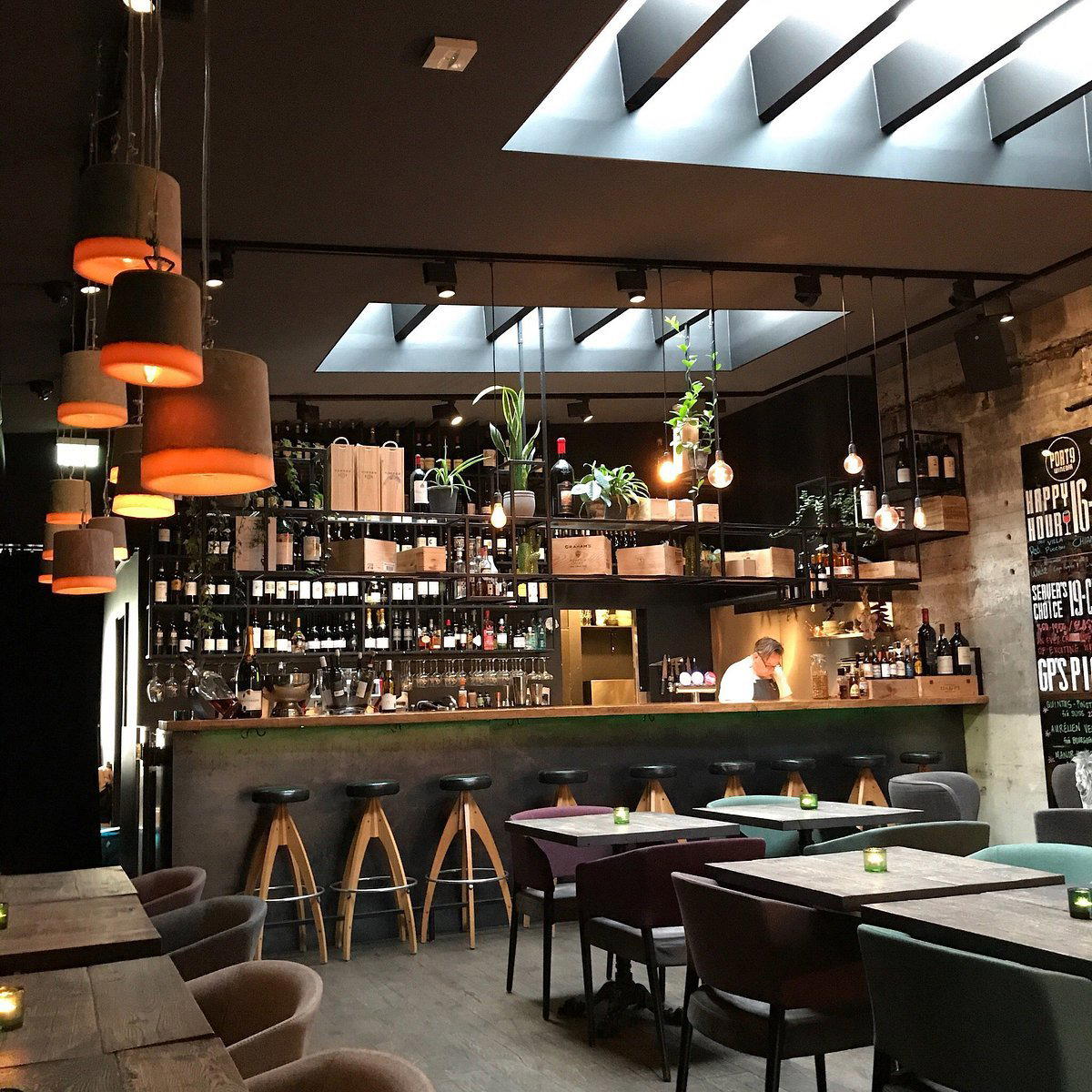
Hotels in Reykjavík
Browse all →
Wineries in Reykjavík
Browse all →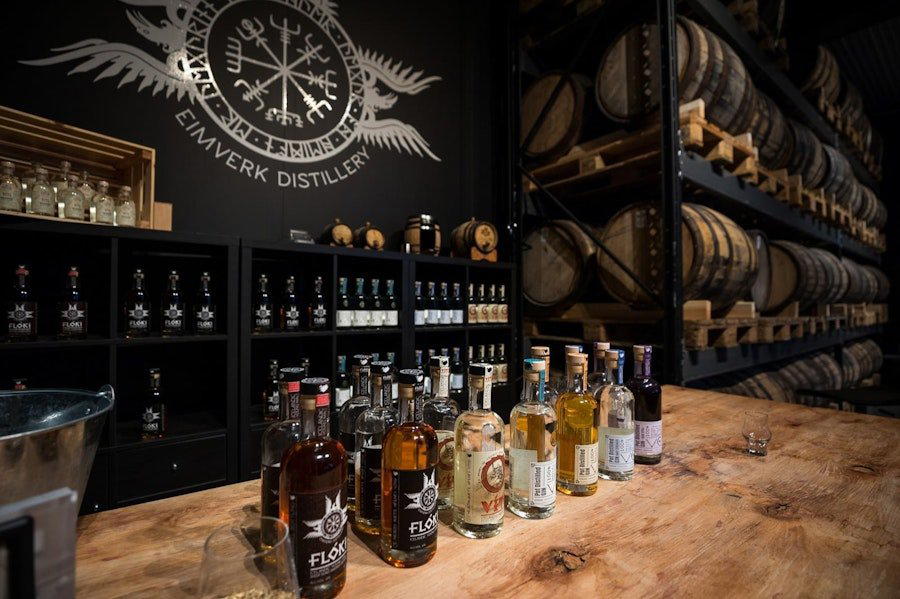
At a Glance
- Trendy
- Cozy
- Intimate
- Lively
- Date Night
- Casual Hangout
- Late Night
- Craft Cocktails
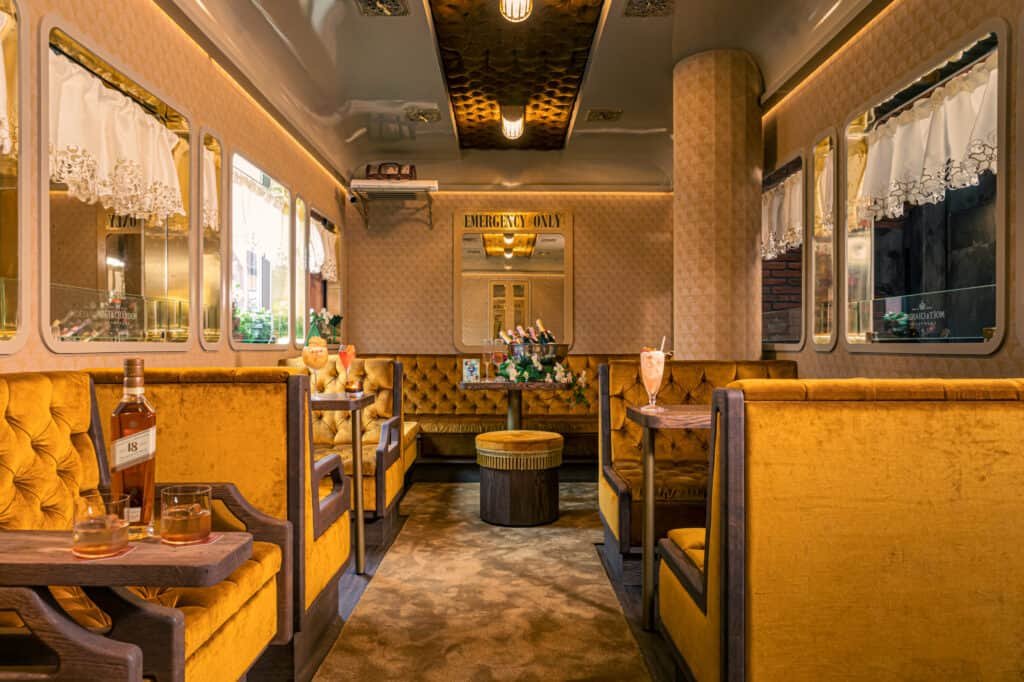
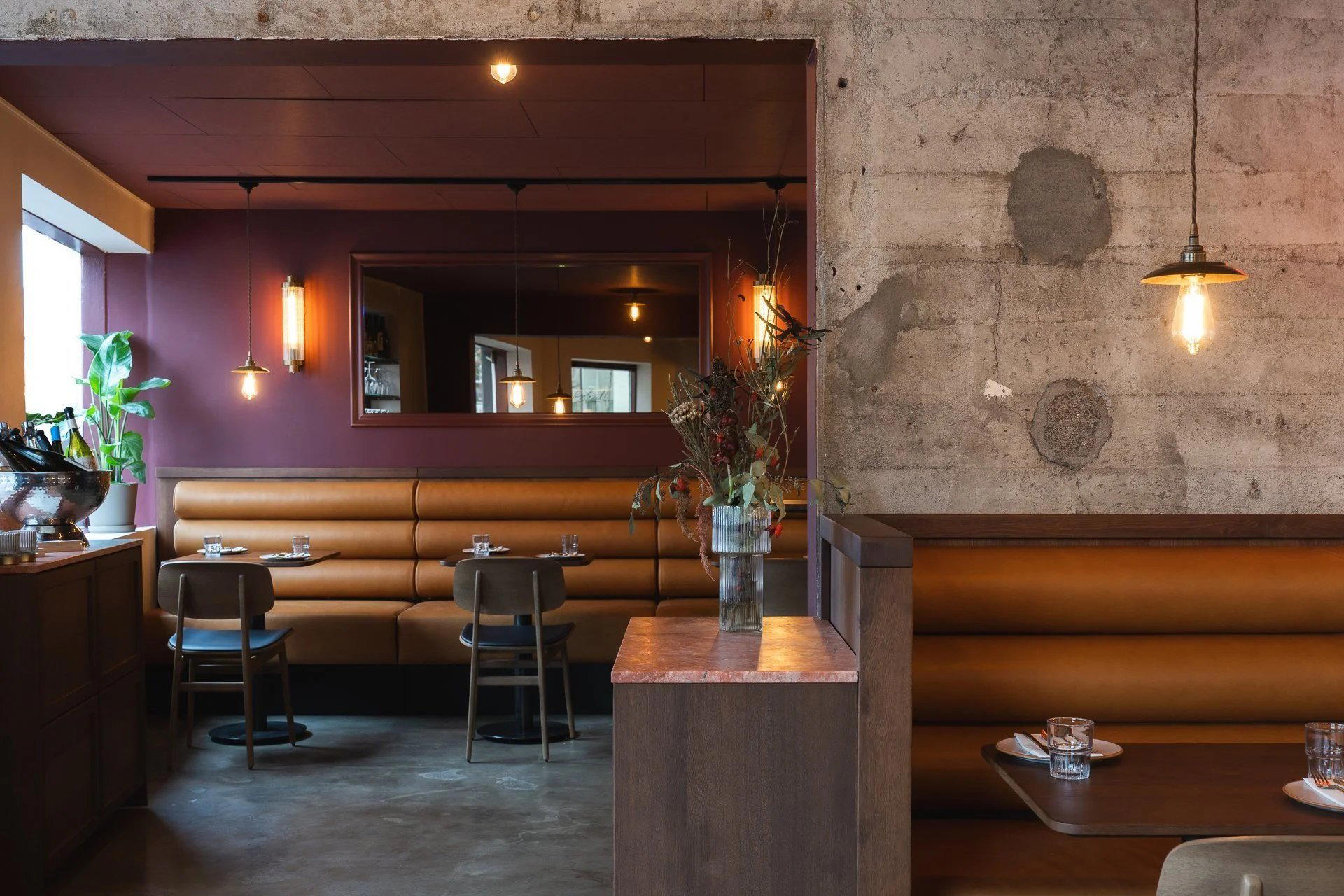
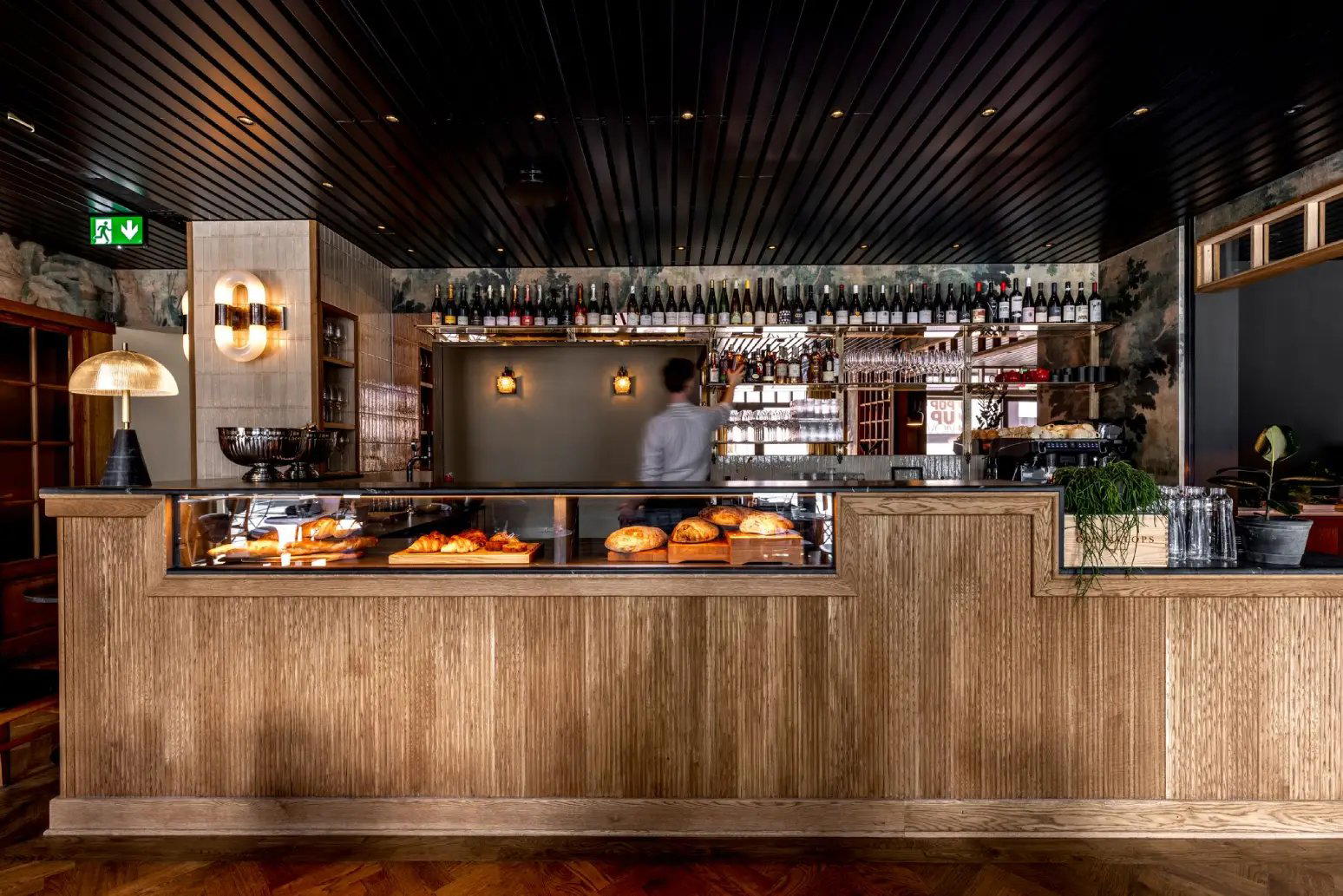
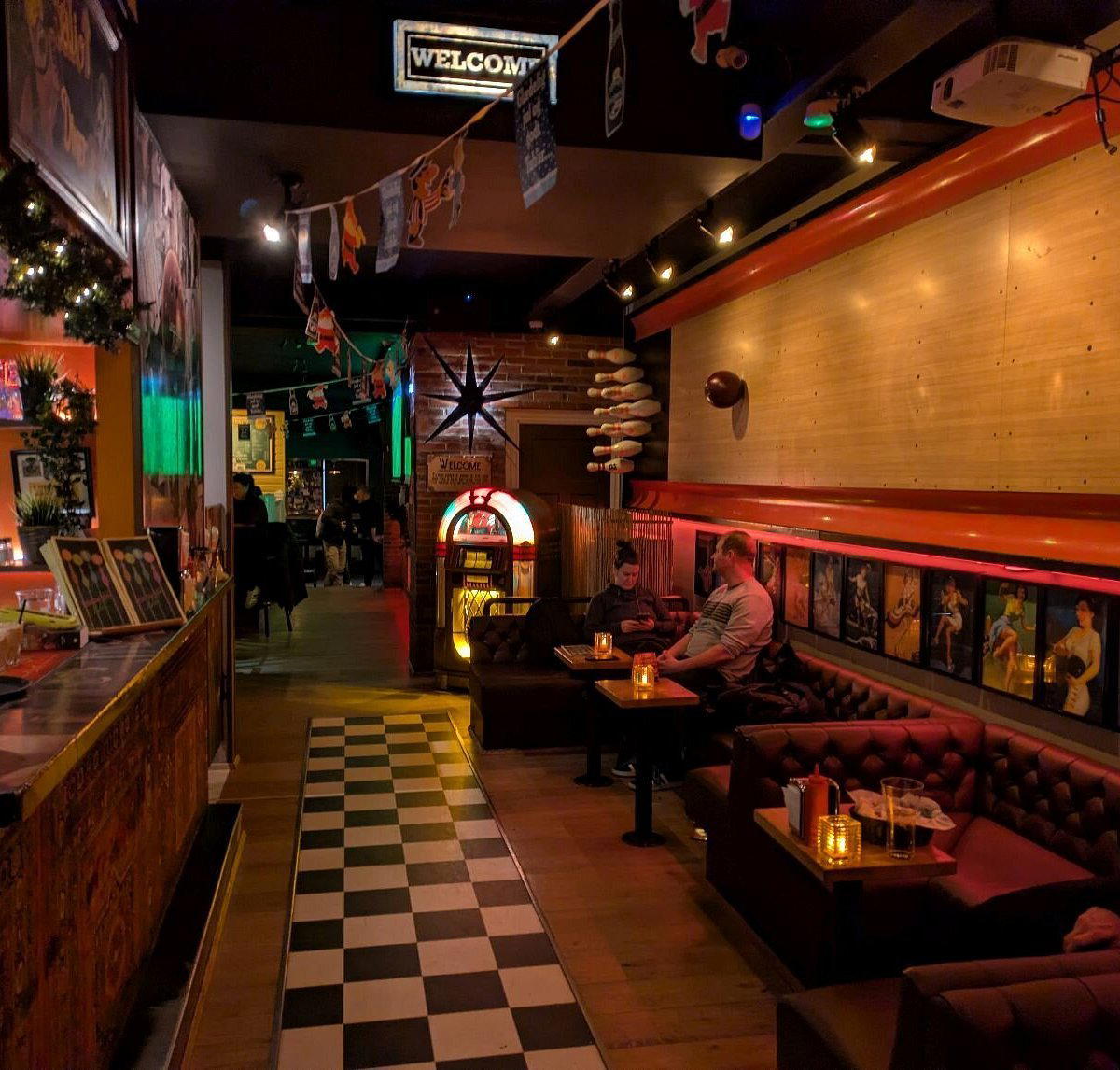
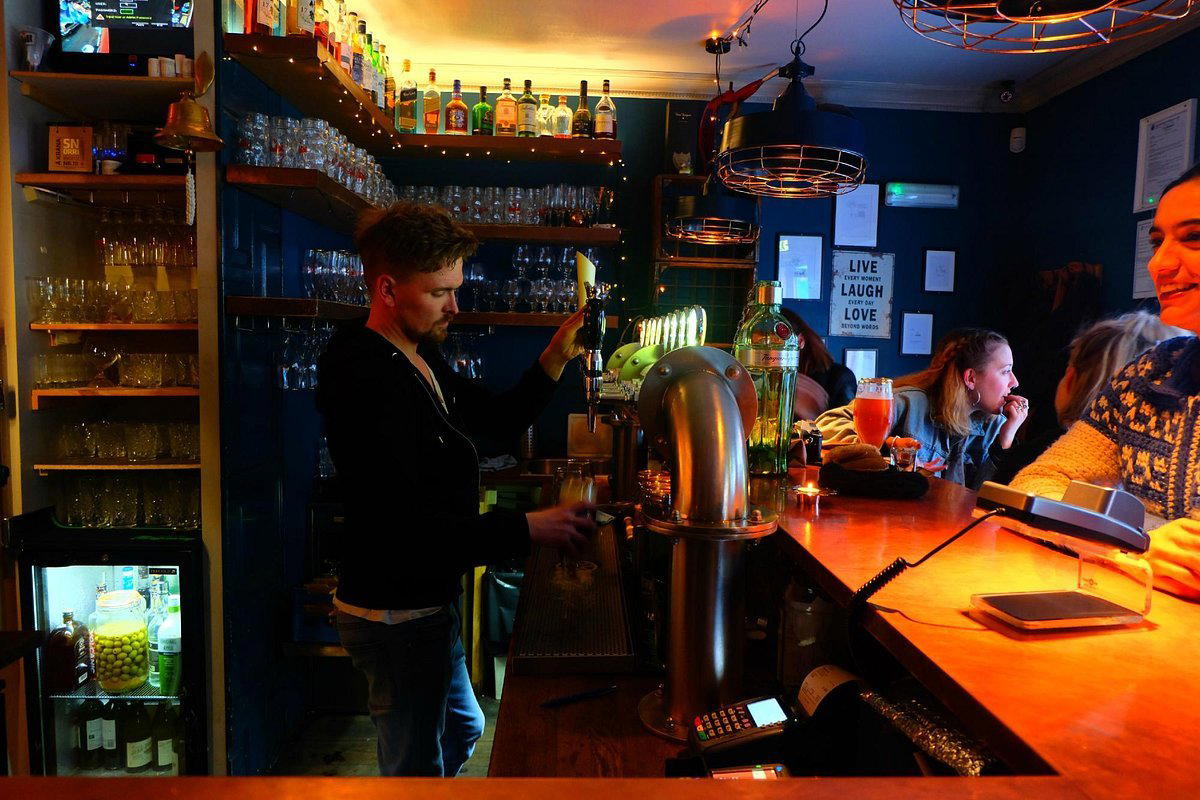
Eclectic decor blending contemporary design with cozy elements, including intimate nooks and communal tables.