Kaffibarinn occupies a converted house on Bergstaðastræti in central Reykjavik, and has functioned as a reference point on the 101 bar circuit for decades. The format sits between neighbourhood local and late-night destination, drawing a crowd that ranges from after-work regulars to weekend revellers making their way through the city's compact drinking district. For first-time visitors to Reykjavik, it signals how the city's bar culture actually works.
Pearl is the En Primeur Club membership app — saves, bookings, and concierge access live there. Same editors, same standards.
- Address
- Bergstaðastræti 1, 101 Reykjavík, Iceland
- Phone
- +354 888 1193
- Website
- kaffibarinn.is
- Directions
- Get directions
 Saves & bookings on Pearl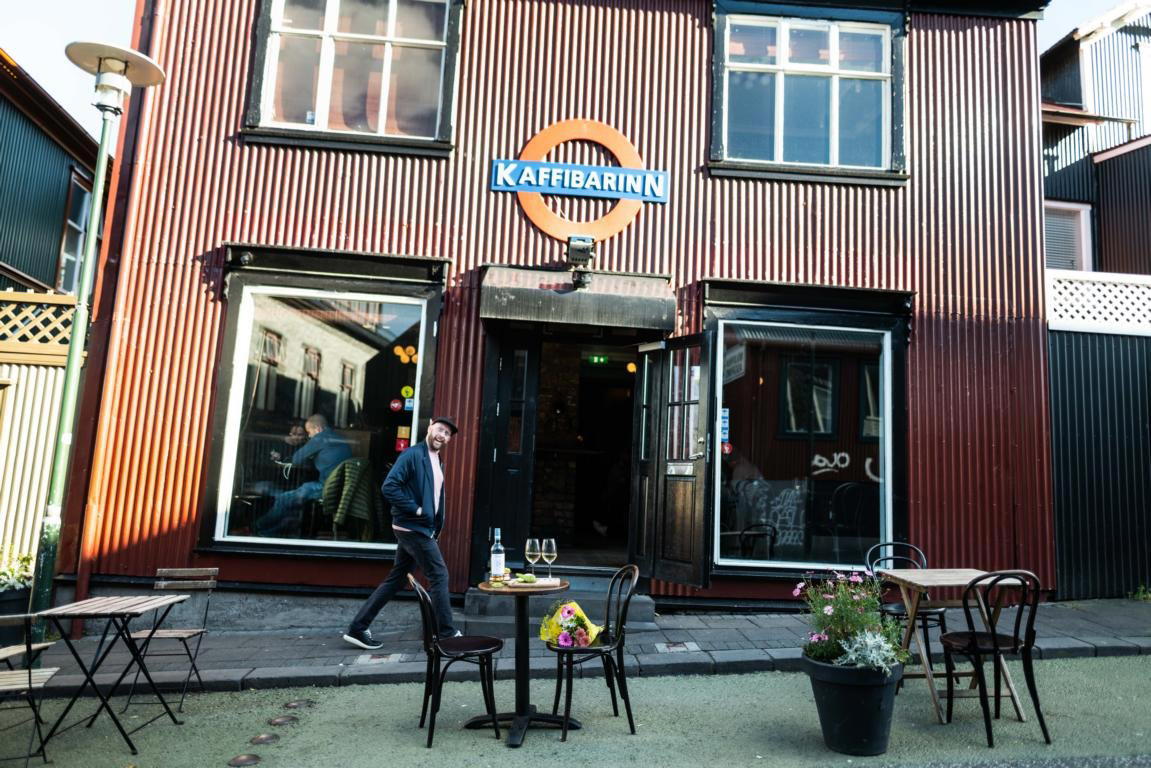
A Corner Bar That Became a Coordinate
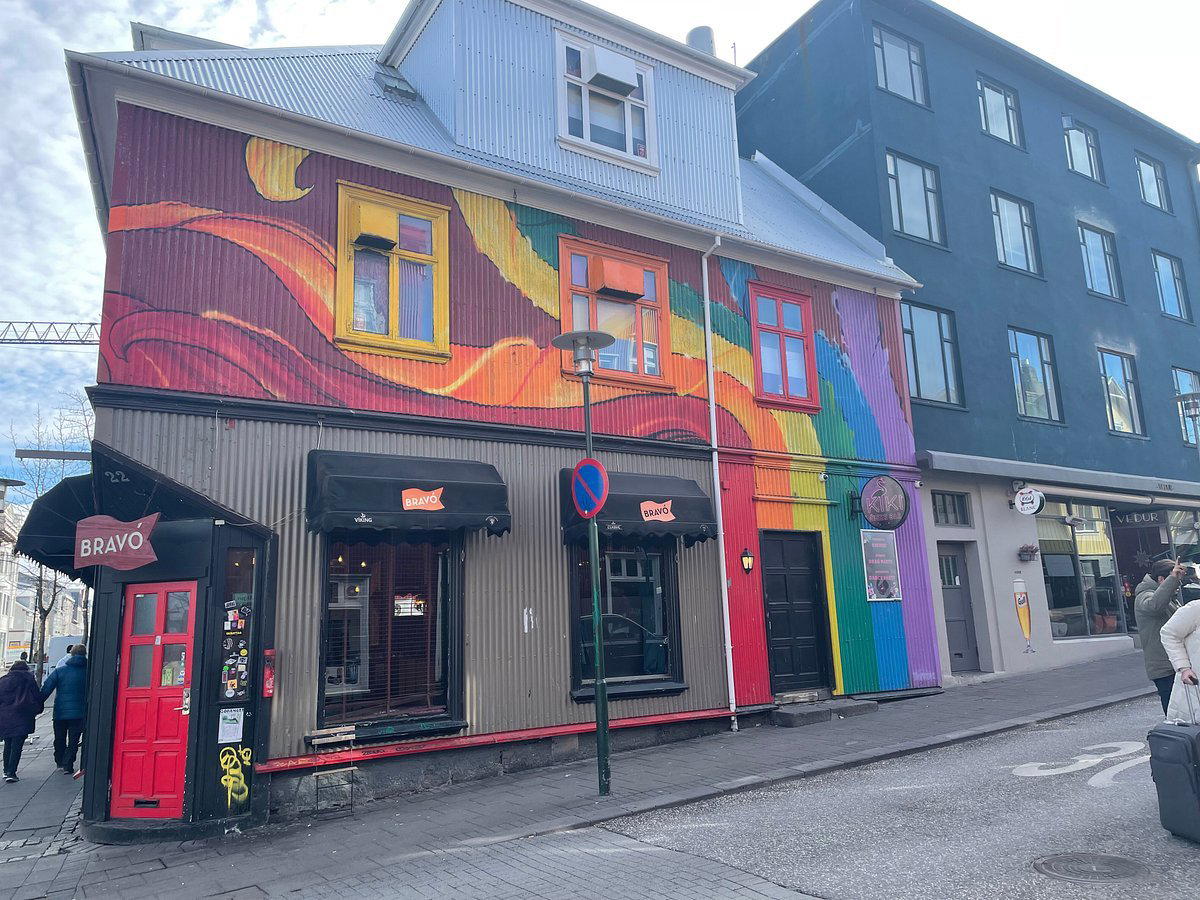
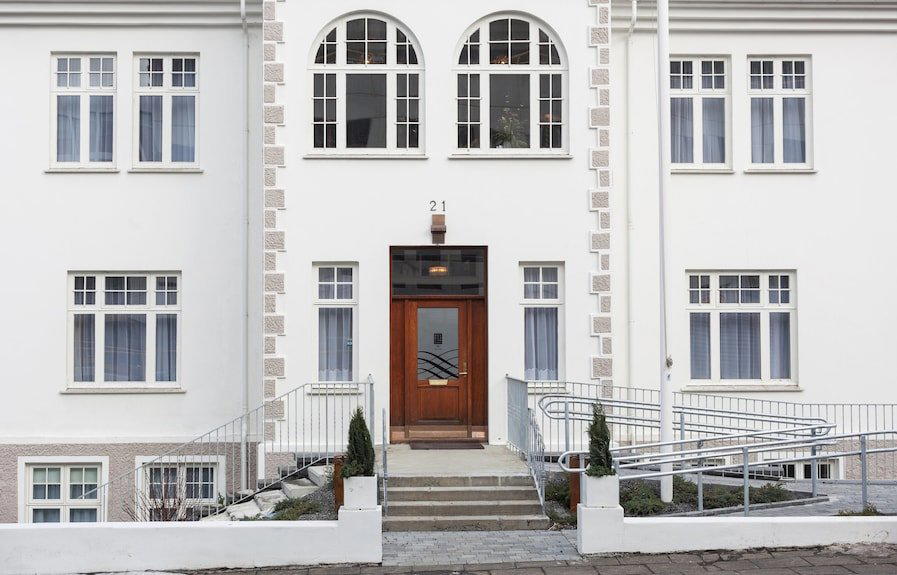
Reykjavik's bar scene is small enough that a handful of addresses carry disproportionate cultural weight. The 101 district, the city's central postal zone, contains most of the serious drinking within a walkable radius, and within that zone certain venues have become reference points that newer openings are still measured against. Kaffibarinn, at Bergstaðastræti 1, is one of those addresses. The building is a low, painted house on a corner that looks, from the outside, more like a residential property than a venue, a characteristic it shares with several of the more enduring bars in this part of the city, where scale and spectacle have never been the point.
Approaching from the street, the exterior gives little away. There is no canopy, no queue management infrastructure, no visible signage beyond what the building itself communicates. This is consistent with how Reykjavik's neighbourhood bar tradition operates at the older end of the spectrum: the assumption is that if you are looking for it, you already know what it is. That dynamic rewards repeat visitors and local knowledge over first-time foot traffic, which in practice shapes the kind of crowd the bar attracts.
Where Kaffibarinn Sits in the 101 Circuit
Iceland's bar culture has always been shaped by its constraints. The country's drinking scene is compressed, intense on weekends, and built around a small number of anchoring venues rather than sprawling districts. The 101 circuit is compact enough that regulars move between bars on foot in the same evening, which means individual venues function less as destinations in themselves and more as nodes in a broader night out.
Within that structure, Kaffibarinn occupies a position that other bars in the same zone do not quite replicate. Bodega skews more explicitly toward a rock and alternative music crowd. Bryggjuhúsið carries a different character rooted in its Grandi harbour setting. BakaBaka and 12 Tónar each represent more specialist programming orientations. Kaffibarinn has historically attracted a broader cross-section, including a noted creative and music-industry presence, while remaining accessible enough that it functions as a default first stop for visitors working through the central bar map for the first time.
That cross-section is worth noting because it is relatively unusual in a city this size. In most capitals, the bars that attract both locals and tourists tend to converge on a compromised middle ground. In Reykjavik, the compactness of the scene means that bars with genuine local credentials are often the same ones visitors end up in, not because they are marketed at tourists, but because the geography of the night leaves limited alternatives at the upper end of the circuit.
The Format and What It Tells You About Reykjavik Drinking
Kaffibarinn functions across different parts of the day and week in ways that reflect a broader Icelandic bar pattern. Earlier in the evening, the format is closer to a café-bar, with coffee serving as a genuine alternative to alcohol rather than a token concession. This dual-use model, coffee house by day or early evening, bar later, is common across the 101 district and distinguishes Reykjavik's bar culture from northern European cities where the categories are more rigidly separated.
Later in the evening, particularly on weekends, the dynamic shifts. Kaffibarinn sits inside that rhythm rather than working against it, which is part of why it has maintained relevance across different eras of the city's nightlife. The bar's longevity on Bergstaðastræti has helped it remain part of the district's regular rhythm.
For visitors extending their time beyond the capital, bars across the country follow variants of this same pattern. Götubarinn in Akureyri and Kramber in Iceland operate in smaller towns but reflect the same late-start, socially dense drinking culture.
Drink Culture in Context
Iceland's relationship with alcohol is shaped by its regulatory history more than most countries. The state monopoly retail system controls off-licence sales, and drinking in licensed premises carries a different cultural weight than in countries with longer bar traditions. In practice, this means that bars like Kaffibarinn are doing social work that extends beyond serving drinks, they are venues where the city's creative and professional communities congregate in ways that have no direct equivalent in the retail or daytime economy.
The drinks offer across the 101 district has shifted toward Icelandic craft beer and an expanded spirits range. Náttúrufræðistofnun represents one specialist end of that shift. Kaffibarinn operates closer to the generalist middle, which in a small market is often the more durable position.
For comparison outside Iceland, the format has equivalents in other cities internationally. Jewel of the South in New Orleans and Bar Leather Apron in Honolulu operate at a higher technical register, but they share the principle of a bar whose identity is rooted in a specific neighbourhood relationship rather than a concept exported from elsewhere.
Planning a Visit
Kaffibarinn is on Bergstaðastræti 1 in the 101 central district, within easy walking distance of most other venues on the evening circuit. The bar is treated as part of a broader evening rather than a single-destination visit, consistent with how the 101 circuit generally works. Weekend nights are the highest-energy point of the week; mid-week visits offer a more relaxed version of the same space. Given that Reykjavik's late-night bar hours mean serious activity begins well after 11pm, early-evening visits will find a different, quieter version of the venue.
Side-by-Side Snapshot
Comparable venues nearby, for context on price, style, and recognition.
| Venue | Cuisine | Price | Notes |
|---|---|---|---|
| Kaffibarinn BarThis venue — the venue you are viewing | pub | $$ | Not listed |
| Pablo Discobar | cocktail_bar | $$ | Reykjavíkurborg |
| Kaldi Bar/Café | beer_bar | $$ | Reykjavíkurborg |
| RADAR Reykjavík | lounge | $$ | Reykjavíkurborg |
| Lebowski Bar | pub | $$ | Reykjavíkurborg |
| BakaBaka | wine_bar | $$ | Reykjavíkurborg |
Continue exploring
More in Reykjavík
Bars in Reykjavík
Browse all →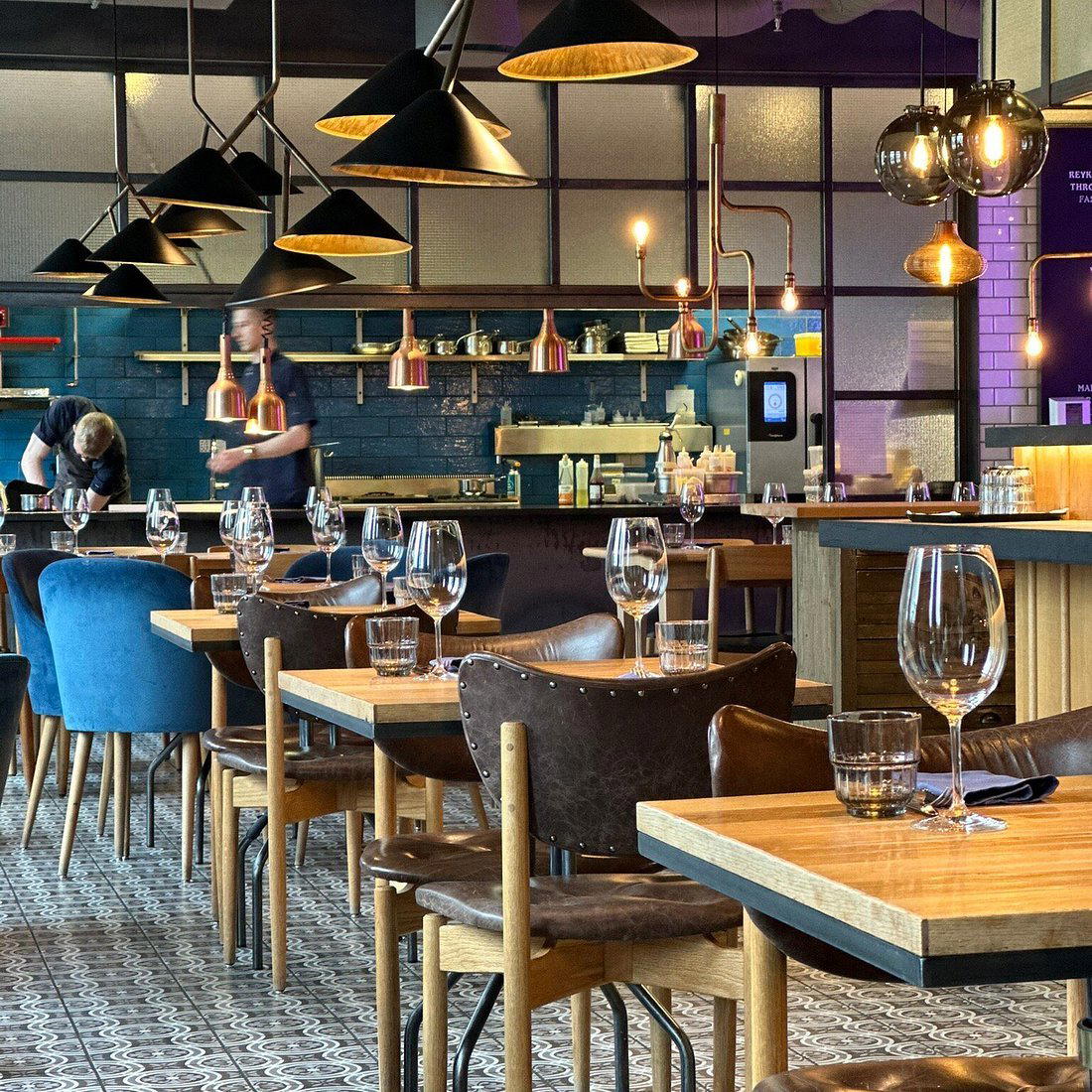
Restaurants in Reykjavík
Browse all →
At a Glance
- Cozy
- Trendy
- Well Known
- Lively
- Energetic
- Late Night
- Casual Hangout
- Live Music
- Historic Building
- Lounge Seating
- Craft Beer
- Classic Cocktails
Current opening hours
- Monday
- 3 PM–1 AM
- Tuesday
- 3 PM–1 AM
- Wednesday
- 3 PM–1 AM
- Thursday
- 3 PM–1 AM
- Friday
- 3 PM–4:30 AM
- Saturday
- 3 PM–4:30 AM
- Sunday
- 3 PM–1 AM
Hours can change for holidays and private events. Last verified .
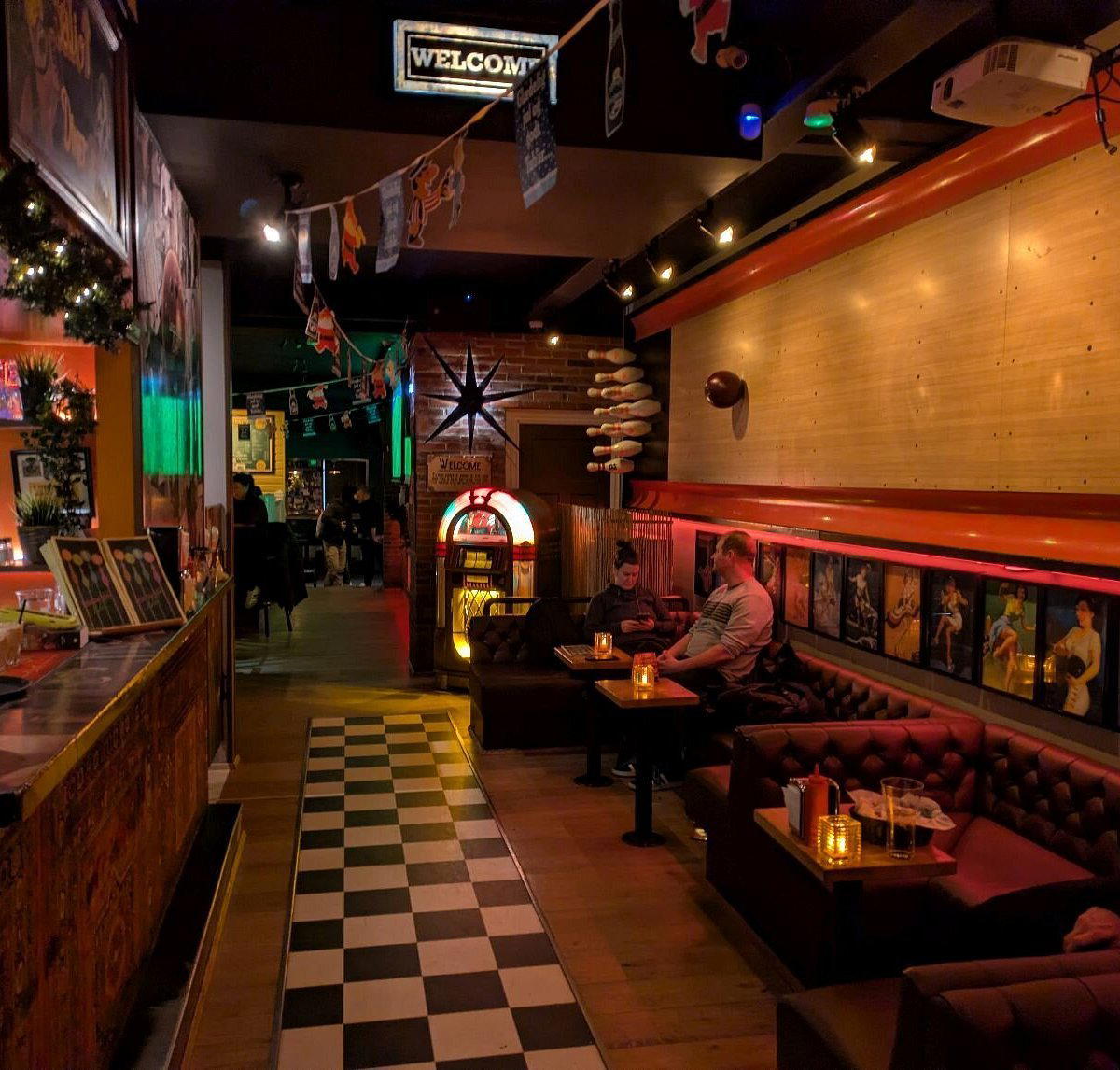
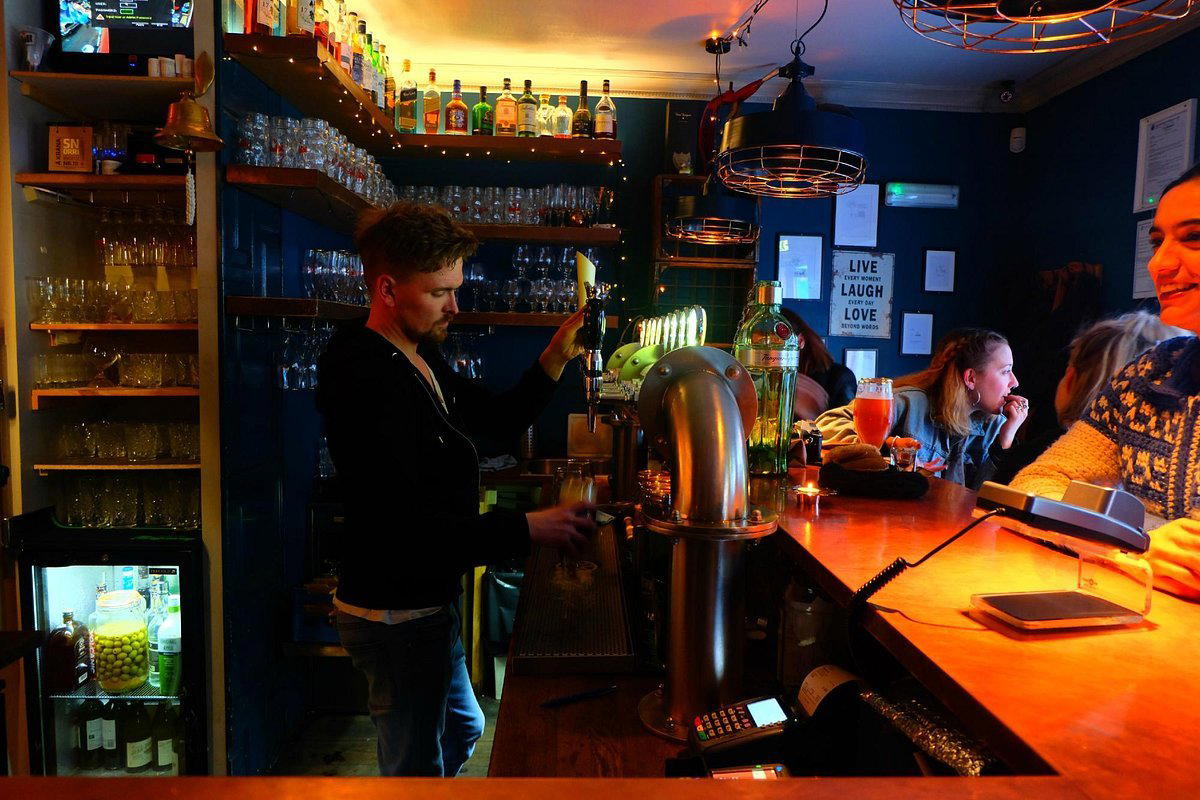
Dim lighting, eclectic vintage decor, cozy and intimate with a shift to electric energy at night.