
Star Wine List
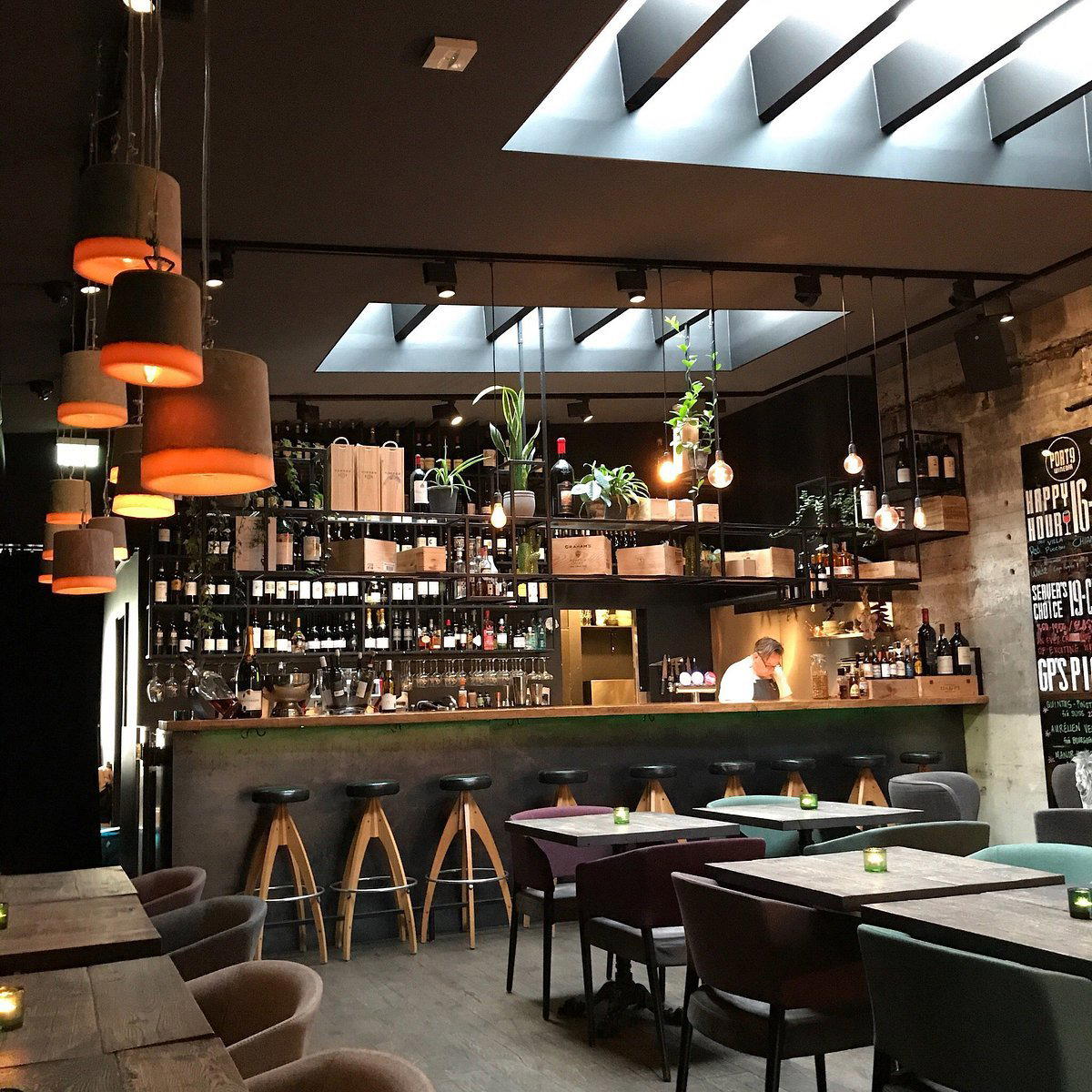
Port 9 sits on Veghúsastígur in central Reykjavik, operating as a wine-focused bar where the atmosphere leans toward the domestic rather than the designed. The room is difficult to locate on a first visit, which filters the crowd toward those who came looking specifically for it. Wine is the main draw, served in surroundings that feel closer to a friend's sitting room than a formal bar program.

Pearl is the En Primeur Club membership app — saves, bookings, and concierge access live there. Same editors, same standards.
- Address
- Veghúsastígur 9a, 101 Reykjavík, Iceland
- Phone
- +354 832 2929
- Hours
- Mon ClosedTue–Sun 4–11 PM
- Website
- port9.is
- Directions
- Get directions
- Booking
- Book on the venue's website
Finding Your Way to Veghúsastígur
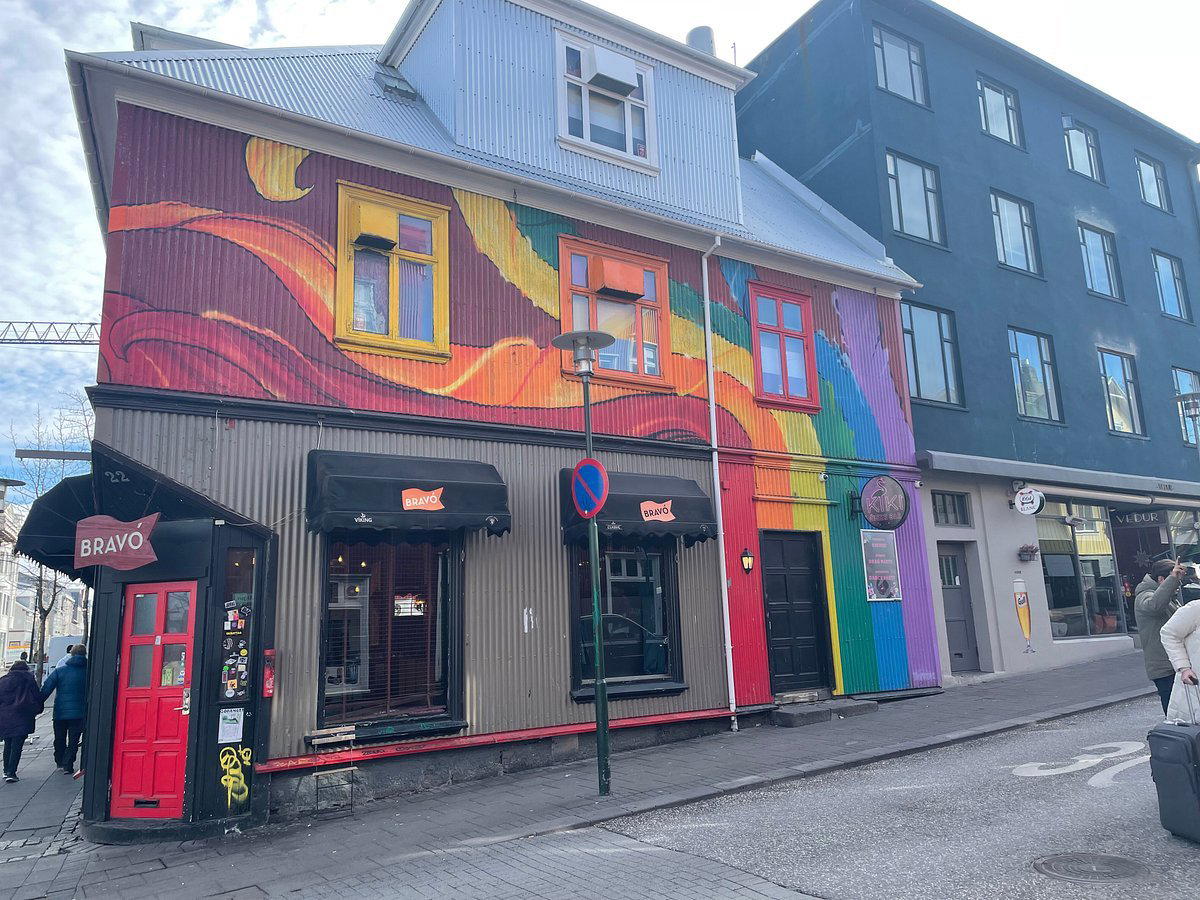
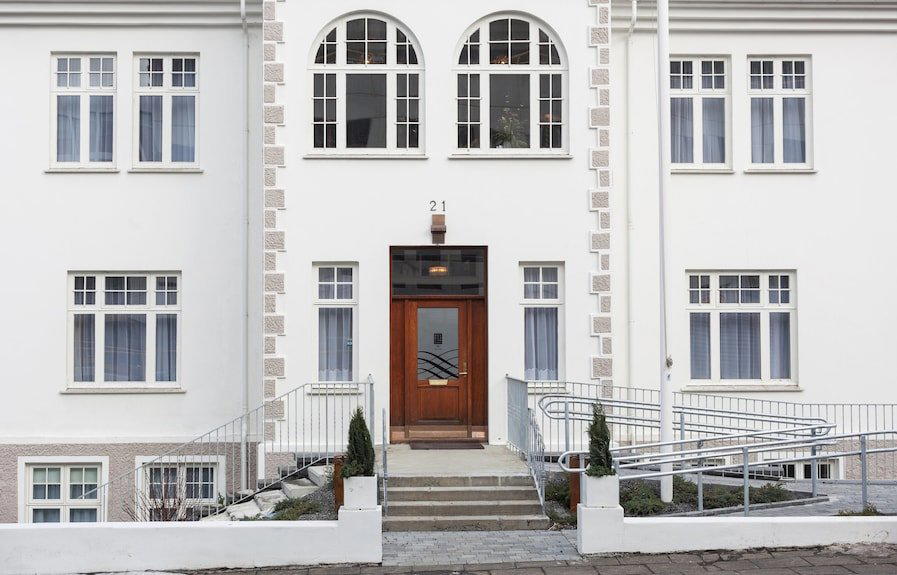
Reykjavik's bar scene divides along fairly clear lines. There are the high-visibility spots on Laugavegur and Bankastræti, the places that appear in every round-up and fill by nine on a Friday, and then there is a smaller category of addresses that require a little more intention. Port 9, on Veghúsastígur 9a in the 101 postal district, belongs to that second group. The street address alone is enough to filter out casual foot traffic: Veghúsastígur is a short, quiet lane that runs off the main grid, and arriving for the first time usually involves a moment of genuine uncertainty about whether you have the right building. That friction is not incidental. In a city where tourism pressure has pushed many bars toward legibility and throughput, a venue that remains quietly difficult to locate occupies a particular position.
The 101 district contains most of Reykjavik's concentrated bar and restaurant activity within a walkable area, but density does not mean uniformity. Bodega anchors the Laugavegur stretch with its long-running neighbourhood character, while Bryggjuhúsið operates closer to the harbour with a different energy. Port 9 sits apart from both, spatially and in tone. You can read our full Reykjavik restaurants guide for a broader map of the city's drinking and dining options, but Port 9's particular logic is worth understanding on its own terms before you arrive.
The Room: Atmosphere as Editorial Statement
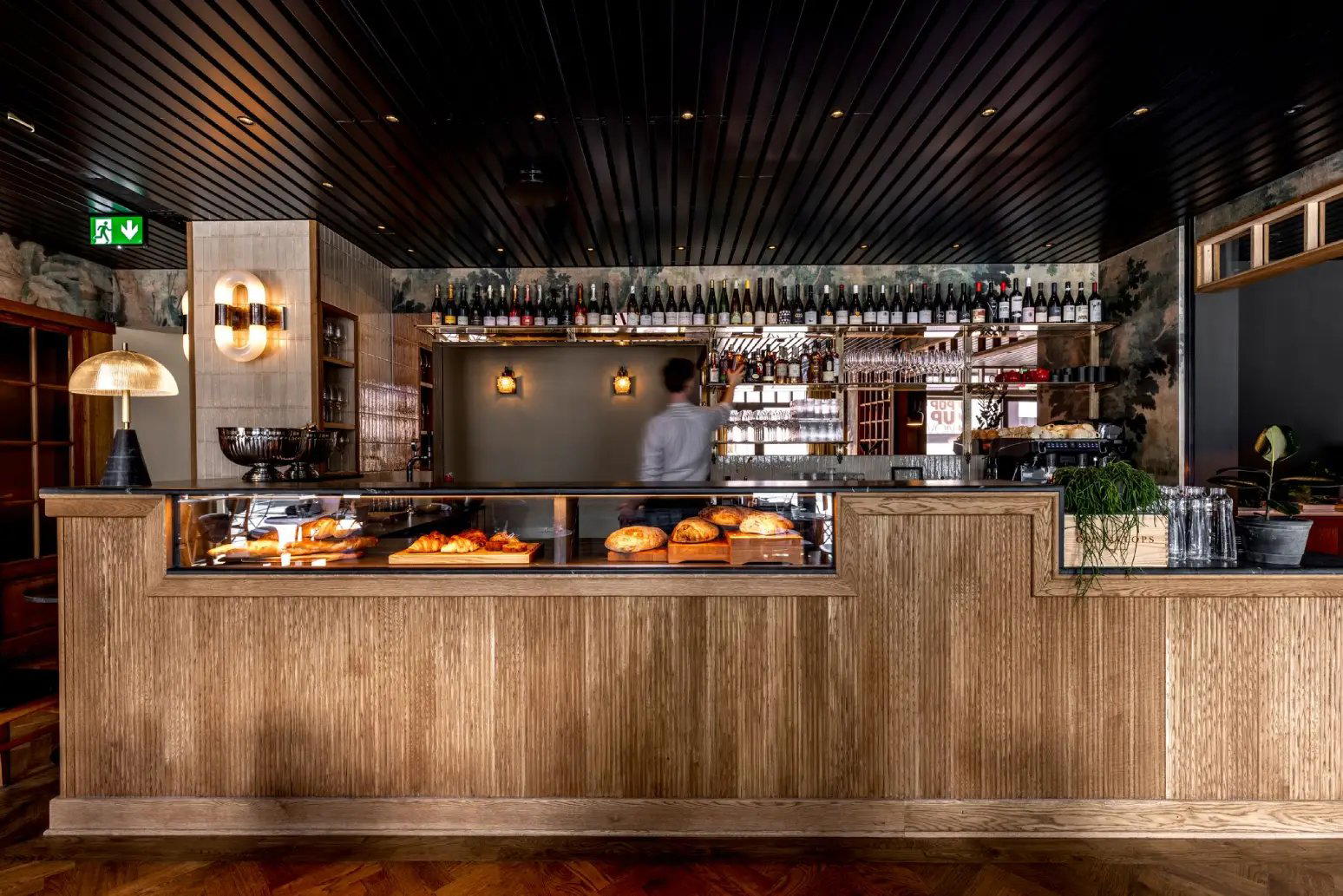
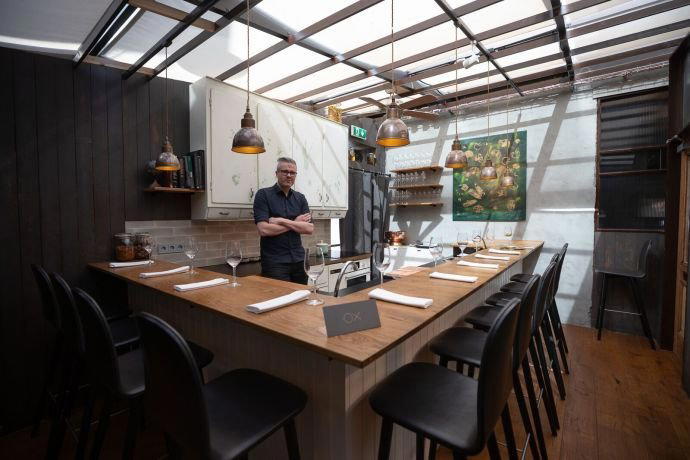
The comparison that comes up most naturally with Port 9 is a well-curated living room. Soft lighting, music calibrated to conversation rather than competition with it, and a general absence of the design language that signals aspirational bar programming. This is not a space that announces itself. There are no statement light fittings borrowed from industrial loft aesthetics, no chalk menus written in the particular font that has colonised wine bars across northern Europe. The atmosphere communicates through subtraction as much as addition, which is a harder editorial position to hold than it might appear.
In wine bars specifically, the room's character tends to map onto the list's character. Venues with theatrically designed spaces often run theatrically priced bottles. Venues that feel like someone's home tend to pour with a different philosophy. Port 9 fits the pattern of the latter: the informality of the physical environment is likely a signal about how wine is meant to be approached here, as something you drink rather than something you assess in formal surroundings.
For context on the range of bar atmospheres across Iceland's drinking culture, Kramber and Náttúrufræðistofnun each represent different points on the spectrum, and the contrast helps locate Port 9's approach clearly.
The Wine Focus and What It Means
Wine-focused bars in Reykjavik operate inside a particular set of constraints. Iceland imports everything, which means every bottle carries the cost of logistics on top of the base price, and the national alcohol retail monopoly (ÁTVR) shapes what is available at the wholesale level. Bars that want to pour with any depth or range have to work around a system that was not designed with specialist curation in mind. The ones that manage it tend to be small operations where the person selecting the wine is also the person serving it, which concentrates knowledge at the point of delivery.
Port 9's reputation centres on the wine, which positions it alongside Reykjavik venues that treat the list as the primary offering rather than a support act for food. This is a smaller cohort than it might appear. Most of Reykjavik's drinking venues run beer-forward or cocktail-forward programs, with wine as an afterthought. The bars that invert this, where wine is the reason you came rather than the thing you order when you want something quieter, tend to occupy a specific niche in the city's hospitality character.
The by-the-glass format, which any serious wine bar must get right, is where the philosophy becomes concrete. A short, well-chosen glass list signals confidence in the selections and reduces the anxiety of committing to a bottle before you know the room. A long, unfocused glass list signals the opposite. Without specific menu data in this review, the character of Port 9's list can be inferred from its reputation and positioning: this is not a venue that tries to cover every region at every price point. The framing as a living-room wine bar implies selection, not comprehensiveness.
Placing Port 9 in the Broader Reykjavik Picture
Reykjavik is a small capital with a hospitality scene that punches above its population size, partly because of sustained international tourism and partly because of a local culture that takes food and drink seriously on its own terms. The city has developed distinct micro-categories over the past decade: the design-hotel bar, the craft beer venue, the natural wine bar, the cocktail-forward room. Port 9 sits nearest to the last of these without quite being a cocktail bar. The wine framing, the domestic atmosphere, and the address that requires some navigation all point toward a venue that has chosen its audience rather than trying to serve everyone.
Bars in the 101 district that have made a similar choice include 12 Tónar, which combines a record shop with a bar in a configuration that pre-selects its visitors by taste, and BakaBaka. Outside Reykjavik, the dynamic of small, character-driven bars with loyal local followings repeats in different forms: Götubarinn in Akureyri and Gott in Vestmannaeyjar each operate in this register, as does Prýði in Vestmannaeyjabær. The pattern across all of them is venues that have found a specific identity and stuck with it, rather than broadening to capture more of the tourist market.
For international comparison, the living-room wine bar format has precedents in cities like New Orleans, where Jewel of the South uses a similarly intimate register, and in Honolulu, where Bar Leather Apron operates with comparable specificity of purpose. The format works when the selection is credible and the atmosphere is consistent with the offer. Port 9 appears to have both.
Planning Your Visit
Veghúsastígur 9a is in the central 101 district, walkable from most accommodation in Reykjavik's core. The first-visit navigation challenge is real: allow time to find the street, particularly after dark in winter when the signage is less readable and the lane is quieter. The atmosphere and format of the venue suggest evenings rather than afternoons, and the wine focus means this works better as a destination than a drop-in. Phone and website details are not available for direct advance enquiry, so arrival without a reservation is likely the standard approach. Timing toward the earlier part of an evening session reduces the chance of finding the room at capacity.
Booking and Cost Snapshot
Comparable venues nearby, for context on price, style, and recognition.
| Venue | Cuisine | Price | Awards | Notes |
|---|---|---|---|---|
| Port 9This venue — the venue you are viewing | Not listed | $50–100 | Star Wine List | Not listed |
| Lebowski Bar | Reykjavíkurborg, pub | $20–30 | Not listed | Not listed |
| Pablo Discobar | Not listed | $20–30 | Not listed | Reykjavíkurborg, cocktail_bar |
| Kíkí Queer Bar | Reykjavíkurborg, lounge | $20–30 | Not listed | Not listed |
| 12 Tónar | Reykjavíkurborg, lounge | $10–20 | Not listed | Not listed |
| Slippbarinn | Not listed | $20–30 | Not listed | Reykjavíkurborg, cocktail_bar |
Recognition history
Dated appearances from independent guides and award organizations, with the underlying list record or original source where available.
Star Wine List
Star Wine List
Continue exploring
More in Reykjavík
Bars in Reykjavík
Browse all →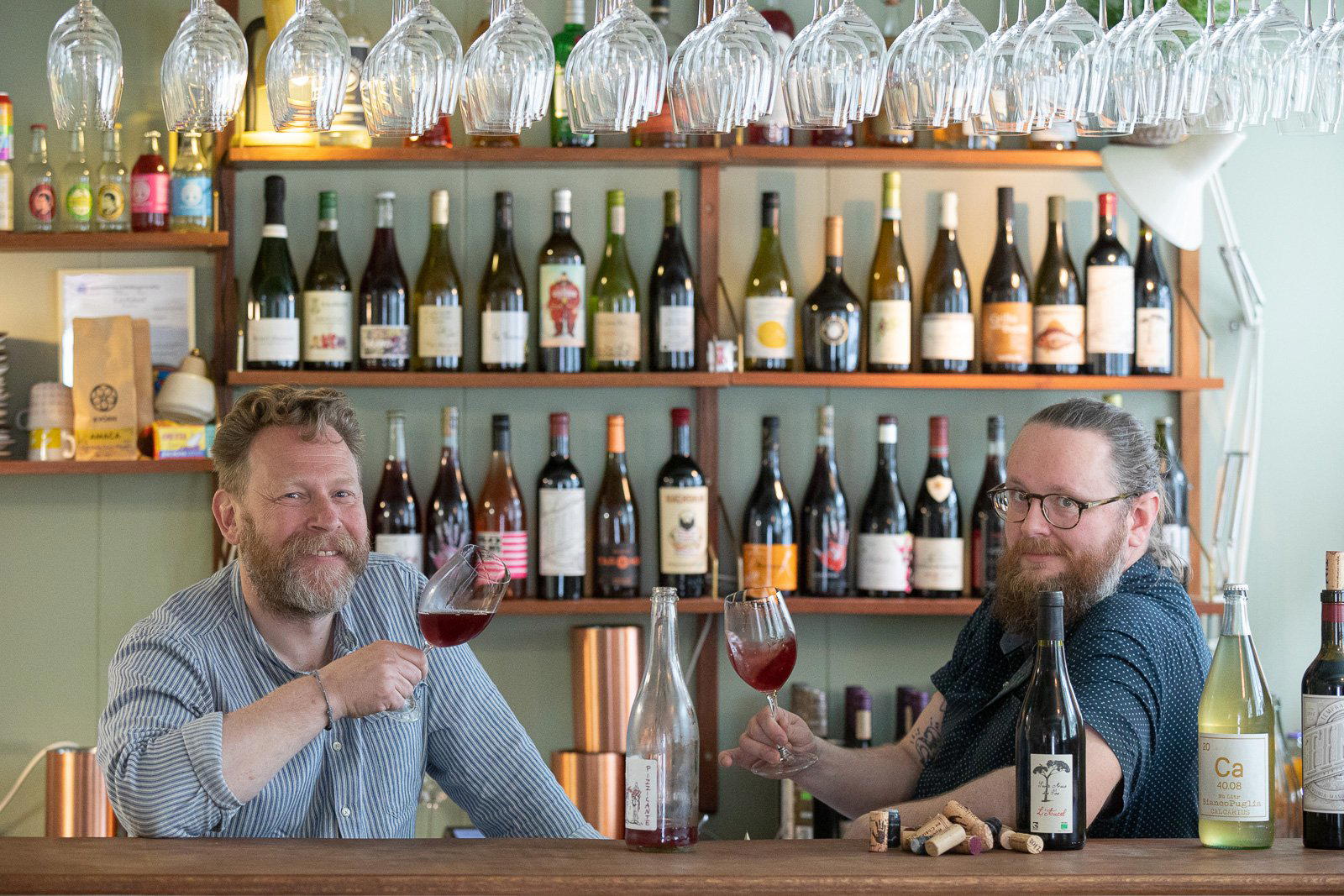
Restaurants in Reykjavík
Browse all →
Port 9
The wine
- Wine program
- Exceptional wine program
- Natural wine
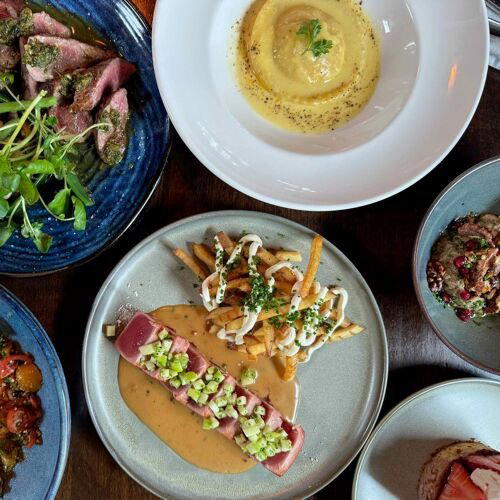
Signature drinks: Baked Brie with curry, nuts and mango chutney.
Details
- Cozy
- Intimate
- Elegant
- Sophisticated
- Date Night
- After Work
- Casual Hangout
- Special Occasion
- Live Music
- Standalone
- Design Destination
- Seated Bar
- Lounge Seating
- Outdoor Terrace
- Conventional Wine
- Natural Wine
Current opening hours
- Monday
- Closed
- Tuesday
- 4–11 PM
- Wednesday
- 4–11 PM
- Thursday
- 4–11 PM
- Friday
- 4–11 PM
- Saturday
- 4–11 PM
- Sunday
- 4–11 PM
Hours can change for holidays and private events. Last verified .
Soft candlelight, artsy aesthetic with regularly rotating art exhibitions, intimate setting with classical grandeur and timeless elegance.