

Michelin Selected · Design Hotels Member
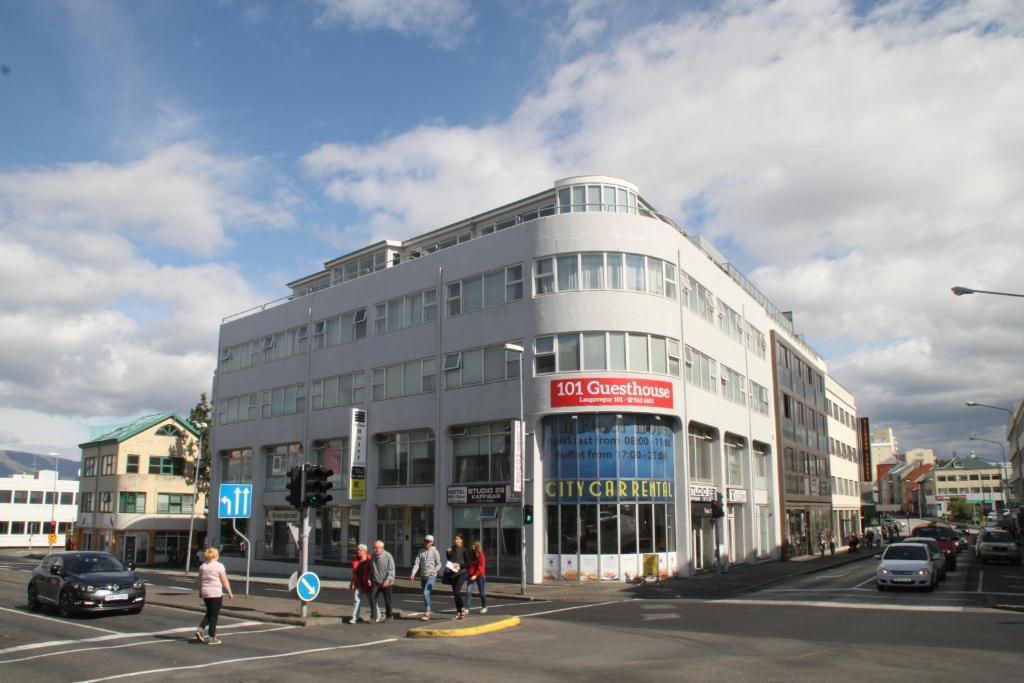
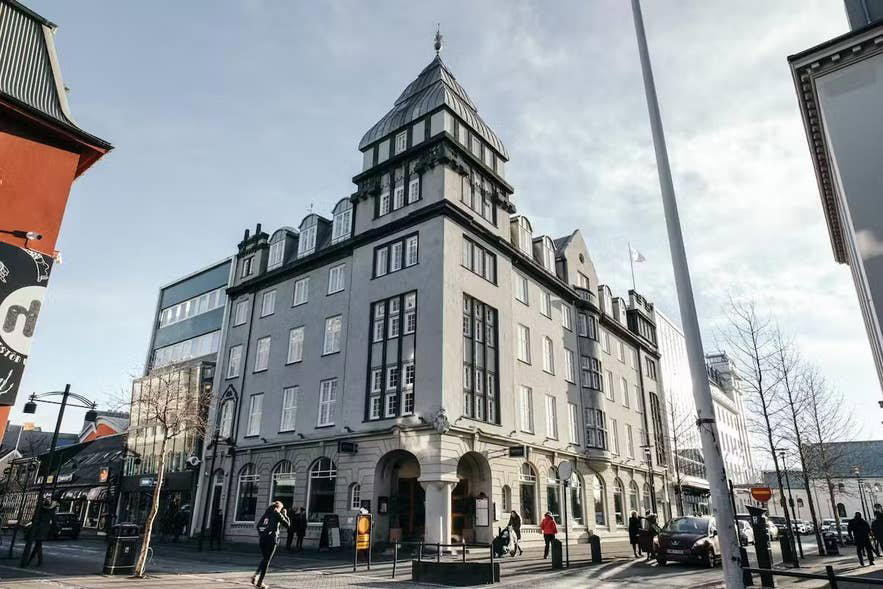
A converted 1930s office block on Hverfisgata has become one of central Reykjavik's most recognisable addresses, positioning itself at the intersection of design-conscious travel and Iceland's rising international profile. The 101 hotel occupies the heart of the 101 postal district, where the city's most concentrated stretch of restaurants, galleries, and late-night venues unfolds within walking distance.

Pearl is the En Primeur Club membership app, where members save venues, book tables and use the concierge.
A Building That Reads the Room
Hverfisgata is one of those streets that rewards arriving on foot. The blocks between Lækjargata and Snorrabraut carry a density of independent businesses, cultural institutions, and repurposed architecture that is rare even by Reykjavik's compact standards. The 101 hotel sits within this stretch in a 1930s office building that the city has essentially grown around. The structure predates Iceland's postwar tourism boom by decades, and its conversion into a hotel reflects a broader shift in how Reykjavik's central district has repositioned itself: less administrative, more curated, and increasingly oriented toward a visitor who arrives with opinions about where they stay.
That repositioning accelerated sharply in the 2010s, when Iceland's appeal to international travellers moved from niche to mainstream. The 101 postal district, which gives the hotel its name, became the address of choice for a certain kind of traveller: design-literate, interested in local food and drink, and unwilling to settle for international chain formats. The 101 hotel's casual-chic register sits precisely in that expectation band, which explains why it has functioned as a reference point for Reykjavik's boutique accommodation tier.
The Ritual of Arriving in 101
The editorial angle on hotels like this one is often misread. The question is not what a given property offers in isolation, but what staying in a specific neighbourhood commits you to in terms of daily rhythm and movement. Choosing the 101 district means choosing a particular kind of stay: walkable, dense with independent venues, and oriented around the slow accumulation of city knowledge rather than the transfer between landmark and landmark.
For guests whose mornings begin with coffee and end with something Icelandic and fermented, the neighbourhood infrastructure matters more than room count or spa square footage. The streets around Hverfisgata carry coffee roasters, fish-forward lunch counters, and natural wine bars in close enough proximity that a guest can move between them without planning a route. That kind of spontaneity is, in many ways, the actual amenity on offer at a hotel like this one. The building provides shelter and a design aesthetic; the district provides a programme.
This is the dining and drinking ritual that Reykjavik's central boutique hotels have collectively enabled: an itinerary that is locally anchored rather than hotel-dependent, where the front desk functions more as a neighbourhood guide than a concierge in the traditional sense. Compared to larger-footprint properties further from the centre, like Hilton Reykjavik Nordica, the 101 hotel's location on Hverfisgata means fewer transfers and more immersion in the city's street-level character.
Where It Sits in the Reykjavik Hotel Market
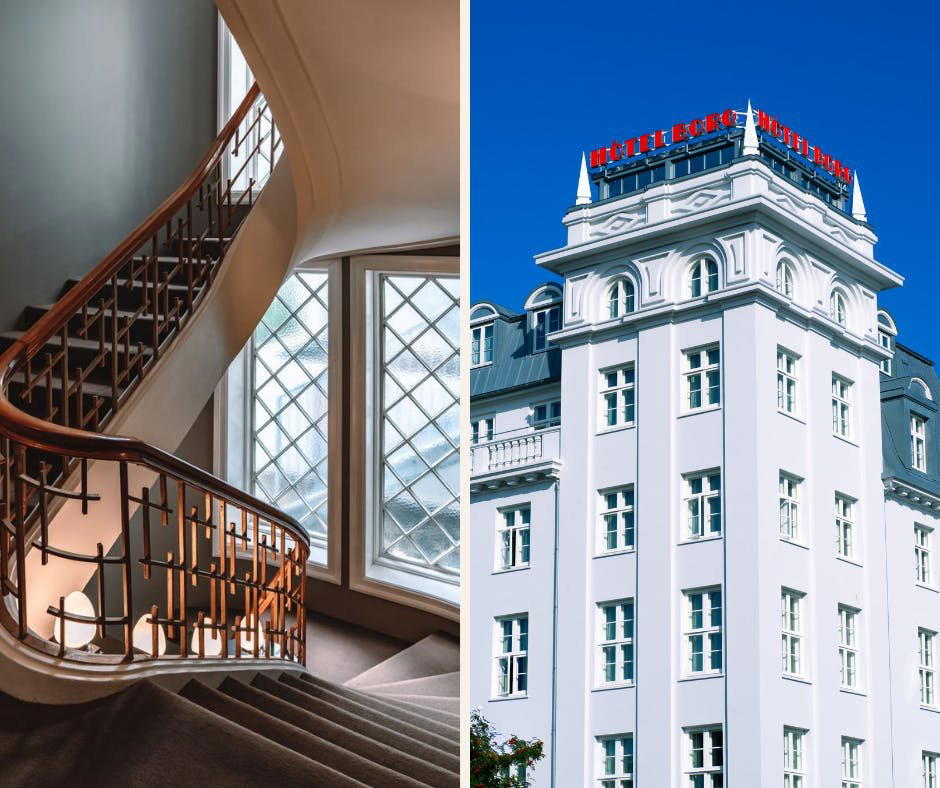
Reykjavik's boutique hotel tier has grown substantially since the mid-2010s, and the 101 district has attracted a cluster of design-conscious properties that price and position against each other. Hotel Borg by Keahotels anchors the more historically formal end of central Reykjavik accommodation, while Hlemmur Square and Black Pearl occupy adjacent parts of the design-led spectrum. The 101 hotel's casual-chic designation places it between formal heritage and raw-industrial aesthetics, in a register that appeals to travellers who want visual coherence without the formality of a grand hotel experience.
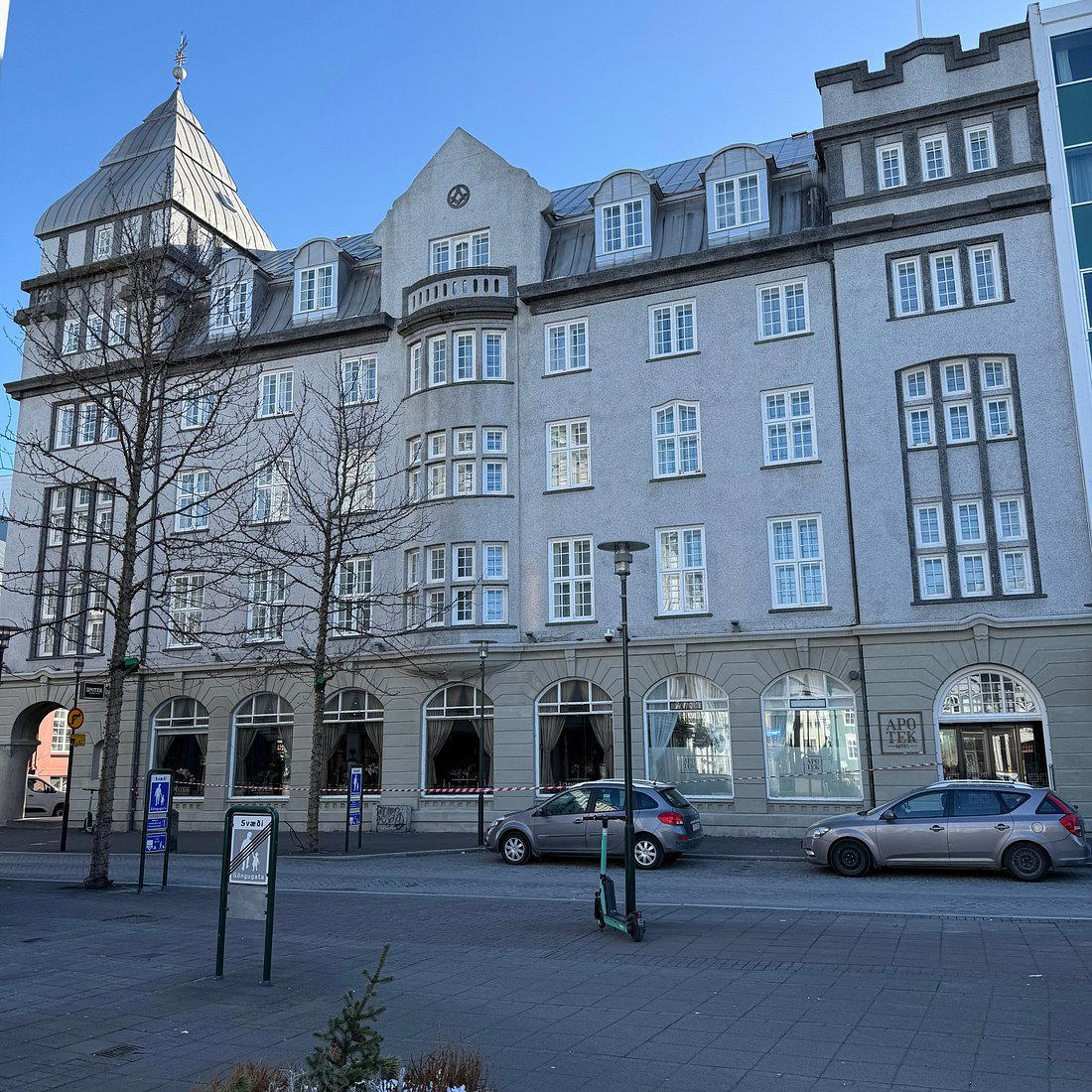
The Apotek Hotel by Keahotels and Canopy by Hilton Reykjavik City Centre represent the branded end of the central market, with loyalty programme infrastructure that the 101 hotel, as an independent property, does not offer. That absence cuts both ways: no points accumulation, but also no brand-standard constraints on personality or programming. For travellers less reliant on corporate travel accounts, the independent format is often the point rather than a concession.
The The Reykjavik EDITION represents a newer, higher-spend tier of central Reykjavik accommodation, and its arrival has pushed some properties to sharpen their positioning. The 101 hotel's identity, built around the converted building and its neighbourhood address, is less vulnerable to displacement from above than properties competing on amenity count or room size, because its value proposition is fundamentally locational and aesthetic rather than facility-based.
For those extending a trip beyond the capital, Iceland's wider accommodation network offers reference points across very different registers. ION Adventure Hotel in the highlands is the design-hotel counterpart to Reykjavik's urban boutique tier, while Hotel Ranga in the south and Eleven Deplar Farm in the north serve the expedition-focused visitor at a significantly higher price point. Silica Hotel near the Blue Lagoon functions as a dedicated geothermal retreat, and Hótel Búðir on the Snæfellsnes peninsula occupies its own isolated category. The 101 hotel is, by contrast, the option for travellers who want the city first and Iceland's landscape as a day-trip proposition.
Planning a Stay
Reykjavik's peak season runs from June through August, when daylight extends through midnight and the city's outdoor programming, festivals, and pavement culture are at full capacity. That window also carries the highest room rates and the least availability across all central properties. Travellers with schedule flexibility who arrive in shoulder months, particularly September or April, find a city that is fully operational but less crowded, with the added possibility of northern lights sightings beginning in late August. The 101 hotel's location remains equally useful across seasons, since the neighbourhood's indoor venue density makes it a good base regardless of weather. Booking well in advance for peak summer is advisable across all central Reykjavik boutique properties; the 101 district's desirability means inventory moves quickly. The Alda Hotel and Hotel Holt are useful fallbacks if availability at the 101 hotel is limited during peak weeks.
For context on how the city's restaurant and bar scene maps onto the central hotel zone, our full Reykjavik restaurants guide covers the neighbourhood breakdown in detail. Travellers combining Reykjavik with broader Iceland itineraries may also find value in properties like Vogafjós Farm Resort near Lake Mývatn or Hótel Klaustur along the ring road south, which serve very different trip architectures than a city-centred stay.
Standing Among Peers
Comparable venues nearby, for context on price, style, and recognition.
| Venue | Cuisine | Awards | Notes |
|---|---|---|---|
| 101 hotel ReykjavikThis venue (the venue you are viewing) | Boutique design hotel in historic building | Michelin Selected · Design Hotels Member | Not listed |
| Alda Hotel | Contemporary boutique Nordic design | Not listed | Reykjavíkurborg |
| Kvosin Downtown Hotel | Historic boutique with modern apartment-style rooms | Michelin Selected | Reykjavíkurborg |
| Ion City Hotel | Nordic design-led urban retreat | Michelin Selected · Design Hotels Member | Reykjavíkurborg |
| Black Pearl | Ultramodern luxury apartment hotel with spacious suites featuring fully equipped kitchens. | Not listed | Reykjavíkurborg |
| Hilton Reykjavik Nordica | Contemporary city hotel with luxurious wellness facilities | Not listed | Reykjavíkurborg |
Recognition history
Dated appearances from independent guides and award organizations, with the underlying list record or original source where available.
Michelin Selected
Michelin
Design Hotels Member
Design Hotels
Continue exploring
More in Reykjavík
Hotels in Reykjavík
All hotels in Reykjavík →
Bars in Reykjavík
All bars in Reykjavík →
Details
- Modern
- Elegant
- Sophisticated
- Minimalist
- Romantic Getaway
- Business Trip
- Weekend Escape
- Design Destination
- Wi Fi
- Spa
- Fitness Center
- Room Service
- Concierge
- Restaurant
- Bar
- Hot Tub
- Sauna
- Business Center
- Street Scene
- Elevator
- Wheelchair Accessible
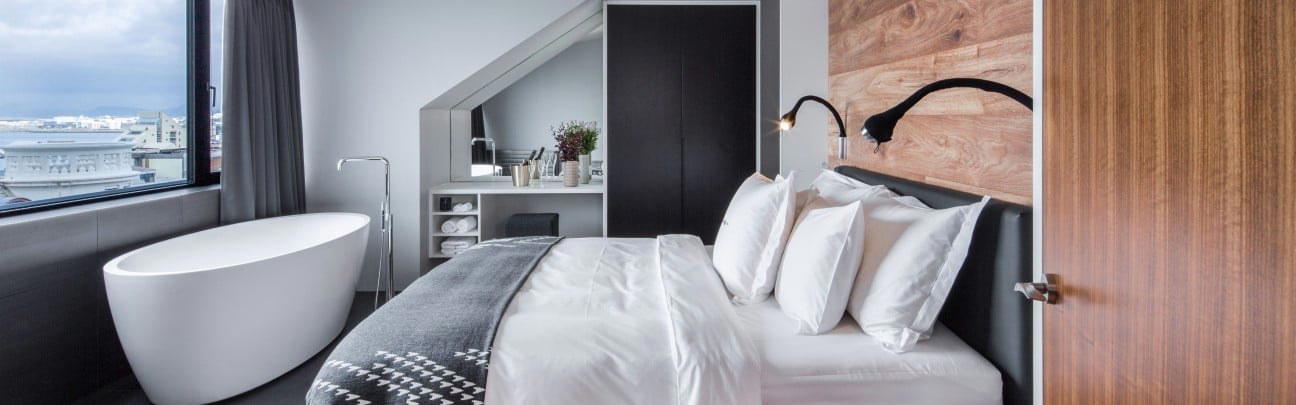
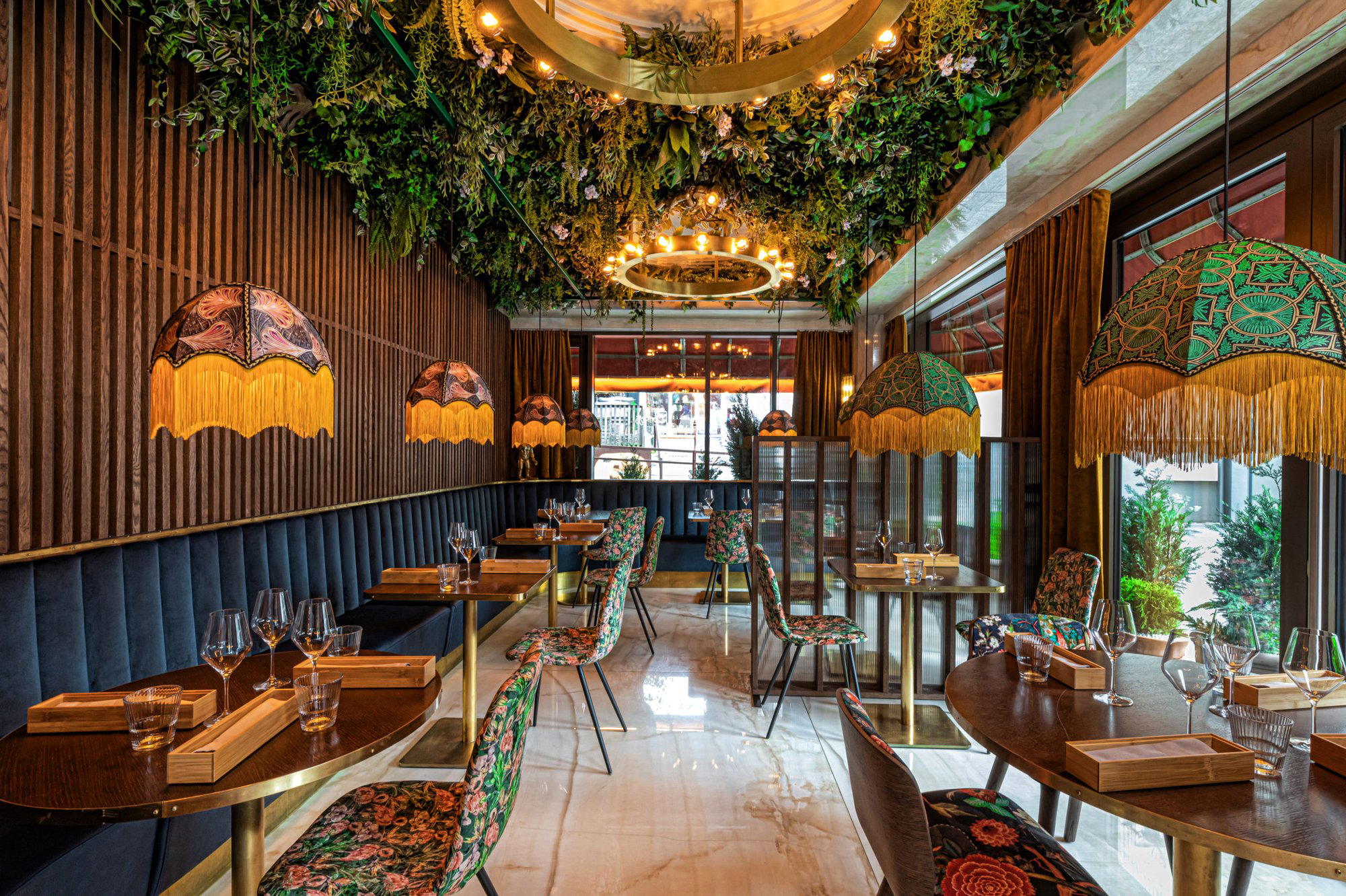
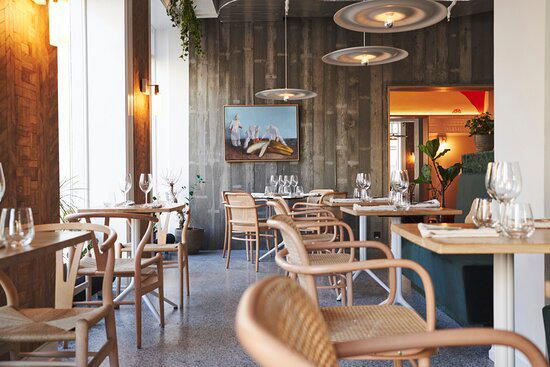
Sleek monochrome interiors bathed in natural light with cozy lobby fireplace and quiet, soundproofed rooms.