

Star Wine List · Tabelog 100 #36
Our verdict
Kobayashi opened in Roppongi in June 2024, earning a Tabelog Bronze Award within its first year and a score of 3.83, a rapid credentialing for a new counter. Chef Takeshi Kobayashi runs an eight-seat format with the 'Ultra K' tasting menu, placing the restaurant inside Tokyo's increasingly competitive small-counter Japanese dining tier. Dinner service runs six evenings a week from 18:30.

Pearl is the En Primeur Club membership app, where members save venues, book tables and use the concierge.
The menu
What to order
- Peking duck with homemade fuanmen sauce
- Special mapo tofu
- Shrimp chili KOBAYASHI style
- Extreme black fried rice
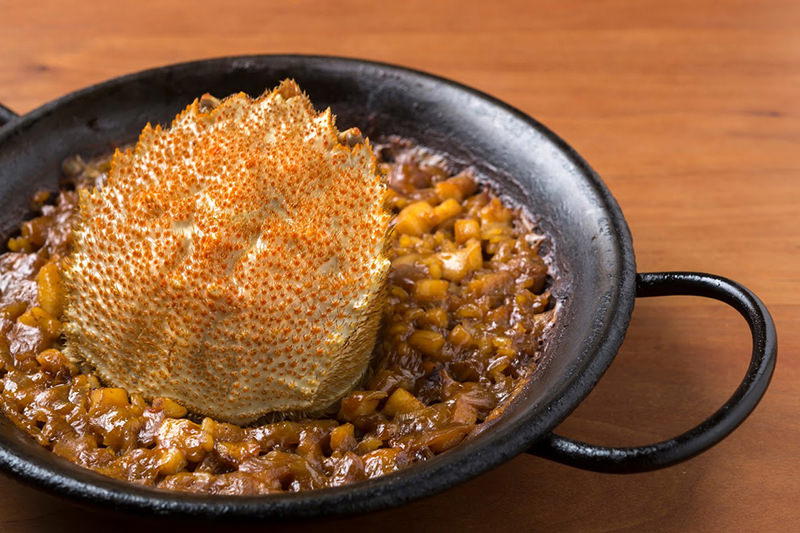
- Shanghai crab course
A New Counter in a Crowded Field
Tokyo's small-format Japanese tasting counter has become one of the most competitive dining categories in any city on earth. The template is familiar: an intimate room, a single extended menu, a chef working directly in front of seated guests. What separates one counter from another is harder to articulate and takes longer to establish, which is why the speed of Kobayashi's early credentialing is worth noting. Opening in June 2024 in Roppongi, the restaurant collected a Tabelog Bronze Award and a score of 3.83 before completing its first full year of operation. In a city where peer counters at the three-Michelin-star tier Harutaka, RyuGin, L'Effervescence, have spent years accumulating recognition, that kind of early signal matters.
The Evolution of a Counter from Opening Year
There is a particular trajectory common to Tokyo's most-watched new restaurants: a quiet opening, an absence from major lists, then a sudden compression of recognition as critics and regular diners align. Kobayashi appears to be moving along that arc. The Tabelog Bronze, awarded in 2025, reflects sustained diner satisfaction rather than a single high-profile review, since Tabelog's scoring aggregates a wide base of verified visits. A score of 3.83 places Kobayashi measurably above the platform's general noise floor and inside the range where serious diners begin to treat a reservation as a priority rather than an experiment.
What Kobayashi represents in the broader evolution of Roppongi dining is also worth framing. Roppongi has historically operated as a district of large formats: hotel dining rooms, multi-floor entertainment venues, and international restaurant groups drawn by high tourist and expatriate foot traffic. The emergence of a small, chef-led counter operating on a single tasting menu format runs against that neighbourhood grain. It belongs to a pattern visible across Tokyo over the past decade, where counter dining has migrated away from established sushi-centric neighbourhoods like Ginza and Kagurazaka and begun to appear in areas previously defined by different dining registers.
The 'Ultra K' Format and the Eight-Seat Counter
The eight-seat configuration is not incidental, it is a deliberate constraint that shapes everything about how a counter like Kobayashi operates. At eight covers, the chef maintains direct contact with every guest simultaneously. Pacing is unified. The distance between kitchen decision and table delivery is measured in seconds rather than minutes. This format demands a particular discipline from the team and a particular readiness from the guest. It is not well-suited to large groups, to guests seeking an à la carte choice, or to anyone who considers two hours at a table a long commitment. The 'Ultra K' tasting menu, as named in the Tabelog record, signals that the format is structured and sequential, a single fixed progression rather than a modular selection.
Roppongi as a Context
Roppongi's identity in Tokyo's dining geography has shifted more than once. Its early reputation as a nightlife district gave way, through the mid-2000s, to a more culturally diversified image anchored by Mori Art Museum and the emergence of the Roppongi Hills complex. Dining followed: international names arrived, hotel restaurants raised the register, and the area developed a dual identity as both accessible and high-end depending on which block you were standing on. Chef-led counters represent a newer layer in that accumulation.
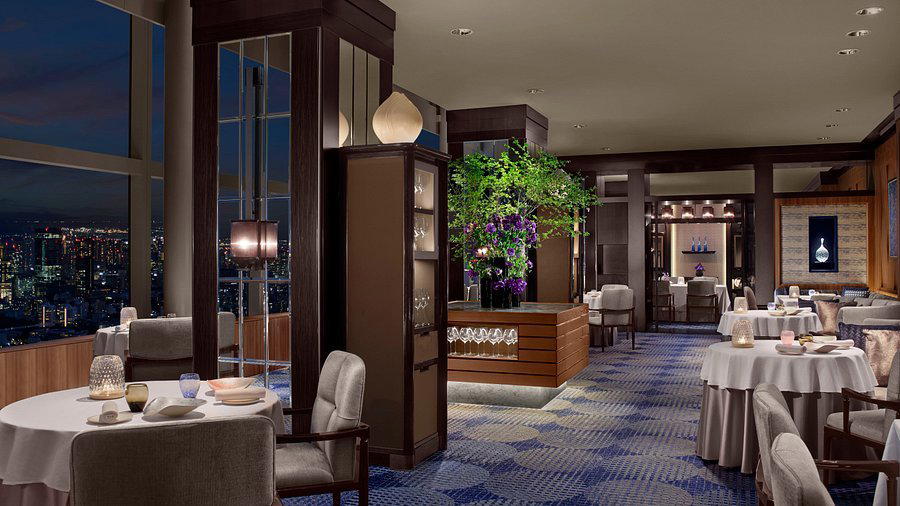
The specific address, basement level, 3 Chome-3-29, Roppongi, Minato City, is consistent with the discreet ground-floor and below-grade positioning that many Tokyo counters favour. Basement dining in Tokyo carries no negative connotation; it is often a deliberate signal of focus, removing the distraction of street-facing windows and foot traffic visibility in favour of controlled atmosphere. Guests arriving at 18:30 descend into a room designed around the counter experience rather than around spectacle or street presence.
How It Compares: Planning Context
| Venue | Neighbourhood | Format | Price Tier | Recognition |
|---|---|---|---|---|
| Kobayashi | Roppongi | 8-seat counter, tasting menu | Not confirmed | Tabelog Bronze 2025, score 3.83 |
| Harutaka | Ginza | Counter, omakase | ¥¥¥¥ | Michelin 3 Stars |
| RyuGin | Roppongi | Counter/room, kaiseki | ¥¥¥¥ | Michelin 3 Stars |
| Crony | Minami-Aoyama | Counter, tasting menu | ¥¥¥¥ | Michelin 2 Stars |
| Sézanne | Marunouchi | Dining room, tasting menu | ¥¥¥¥ | Michelin 2 Stars |
Practical Details
For those planning a wider Tokyo itinerary, the full Tokyo restaurants guide covers the range from established three-star counters to emerging names. The Tokyo hotels guide, bars guide, and experiences guide complete the city picture. Elsewhere in Japan, comparable small-counter formats worth considering include Gion Sasaki in Kyoto, HAJIME in Osaka, Goh in Fukuoka, akordu in Nara, 1000 in Yokohama, and 6 in Okinawa. For a transatlantic point of comparison on the tasting-menu counter format, Atomix in New York City and Le Bernardin in New York City operate in a similar register of sustained institutional recognition. The Tokyo wineries guide is also available for those extending their visit beyond the dining room.
Frequently Asked Questions
Frequently asked questions
Is Kobayashi suitable for children?
The eight-seat counter format and fixed Ultra K tasting menu are structured around a single sequential dining experience running into the late evening, with last food orders at 23:00. That format does not accommodate the flexibility or pacing that younger diners typically require. Kobayashi is best approached as an adult dining occasion.
What kind of setting is Kobayashi?
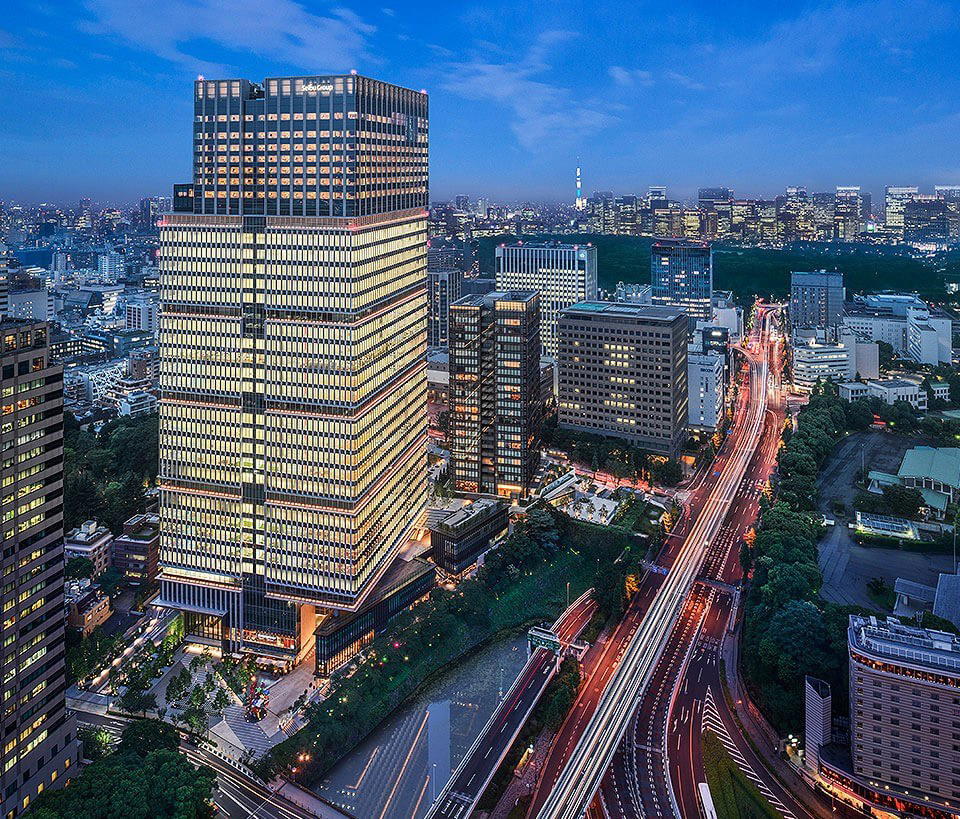
Kobayashi occupies a basement-level space in Roppongi, Minato City, 3 Chome-3-29, within the Roppongi Urban Rex building. That placement follows a well-established Tokyo convention: intimate counter restaurants frequently operate below street level, where lower foot traffic and controlled acoustics reinforce the focused, counter-only format. The eight-seat configuration keeps the room deliberately small.
What's Kobayashi known for in terms of accolades?
Kobayashi has received recognition including: In the heart of Tokyo's vibrant Roppongi district, Kobayashi opened its doors in June 2024, helmed by chef Takeshi Kobayashi. The restaurant's 'Ultra K' tasting menu, served exclusively at the eight-s...; Tabelog Bronze Award 2025 Score: 3.….
What's the signature dish at Kobayashi?
The menu's fixed, sequential structure is itself the editorial statement, individual dishes within it are not offered à la carte. Kobayashi holds a Tabelog Bronze Award for 2025 with a score of 3.83.
When can I go to Kobayashi?
Hours at Kobayashi: Mon, Tue, Thu, Fri, Sat, Sun, Public Holiday, Day before public holiday, Day after public holiday 18:30 - 23:00 L.O. Food 19:00 Drinks 23:00.
Peers in This Market
A quick peer check to anchor this venue’s price and recognition.
| Venue | Cuisine | Price | Awards | Notes |
|---|---|---|---|---|
| KobayashiThis venue (the venue you are viewing) | Modern Chinese Haute Cuisine | $300–500 | Star Wine List · Tabelog 100 #36 | Not listed |
| Harutaka | Edo-Style Omakase Sushi | $200–300 | 3 Michelin Stars · World's 50 Best #76 | Sushi |
| RyuGin | Modern Kaiseki | $500+ | 3 Michelin Stars · World's 50 Best #41 | Kaiseki, Japanese |
| L'Effervescence | Modern French with Japanese Influences | $200–300 | 3 Michelin Stars · World's 50 Best #69 | French |
| HOMMAGE | Modern French with Japanese Influences | $150–200 | 2 Michelin Stars · World's 50 Best #78 | Innovtive French, French |
| MAZ | Innovative Peruvian-Japanese Fusion | $150–200 | 2 Michelin Stars · World's 50 Best #28 | Innovative |
Recognition history
Dated appearances from independent guides and award organizations, with the underlying list record or original source where available.
Star Wine List
Star Wine List
Tabelog 100 #36 · No. 36
Tabelog · Tabelog 100 - Chinese cuisine - TOKYO - 2026
Full recognition history (4 entries)
Tabelog 100 #20 · No. 20
Tabelog · Tabelog 100 - Japanese cuisine - TOKYO - 2025
Tabelog Bronze
Tabelog
Continue exploring
More in Tokyo
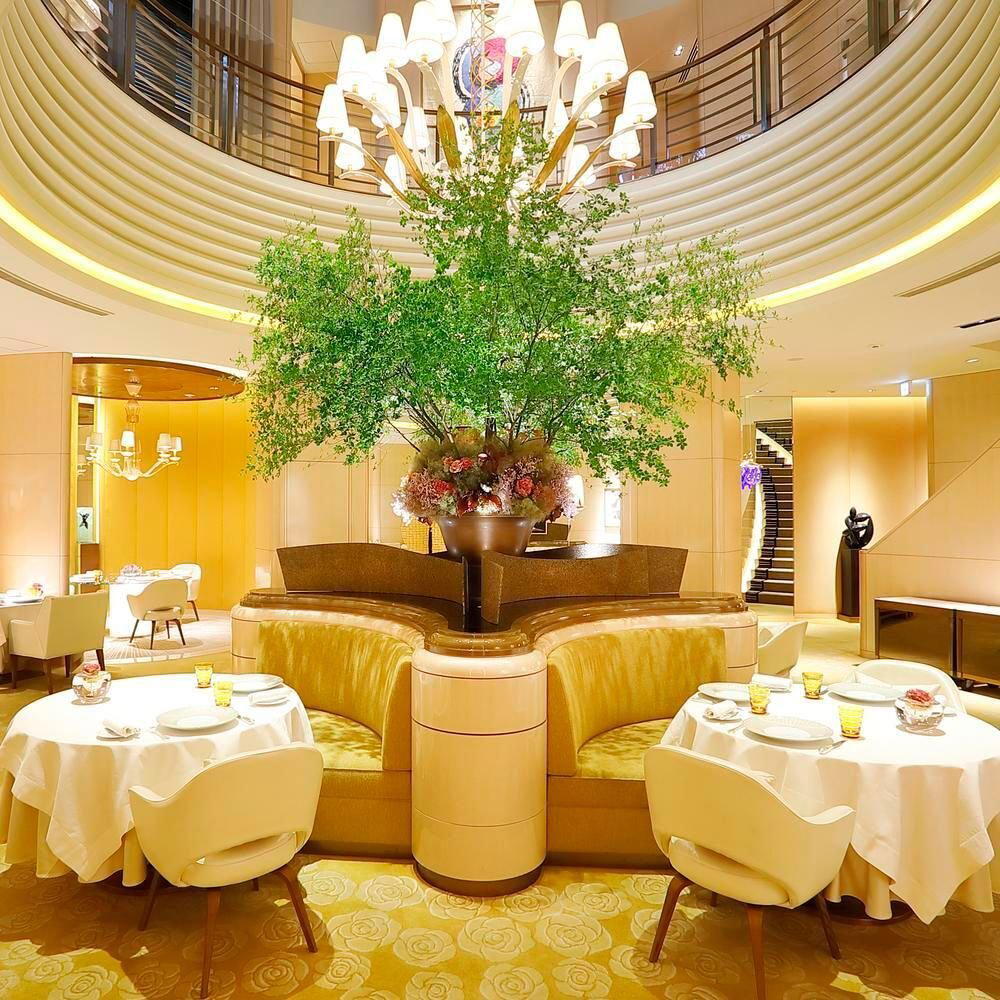
Restaurants in Tokyo
All restaurants in Tokyo →
Bars in Tokyo
All bars in Tokyo →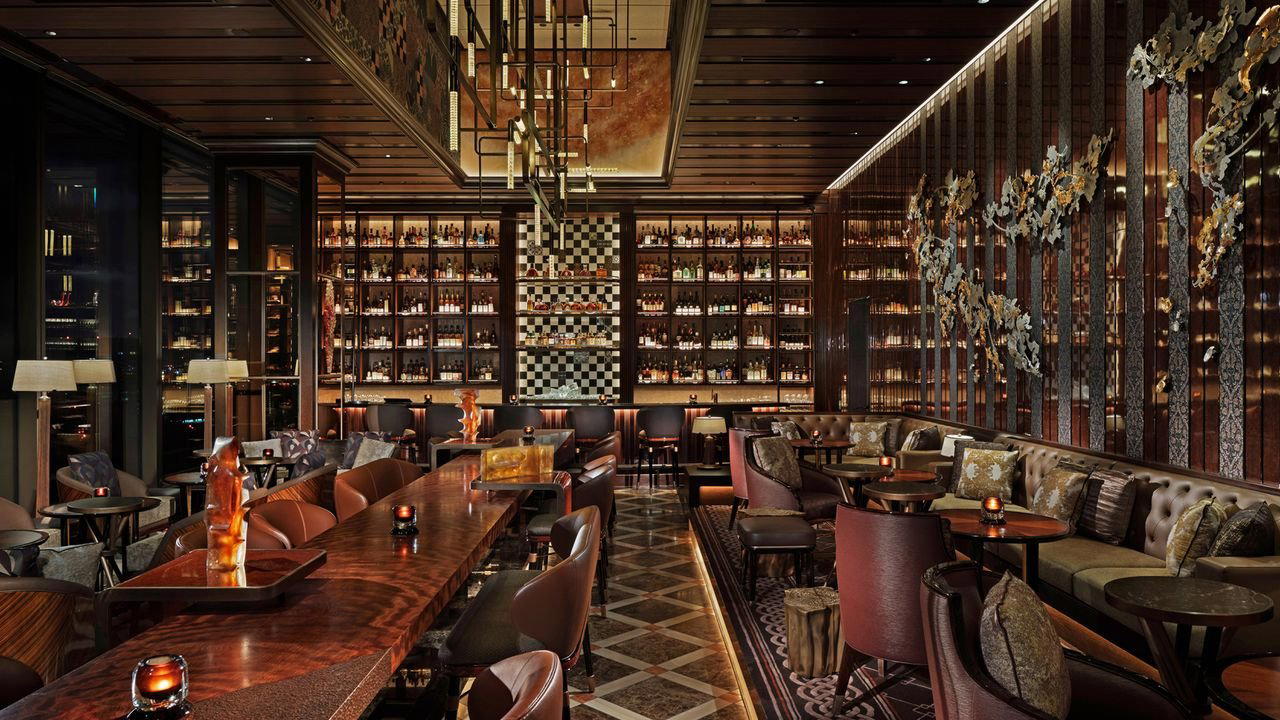





Details
- Sophisticated
- Intimate
- Elegant
- Special Occasion
- Celebration
- Business Dinner
- Date Night
- Chefs Counter
- Open Kitchen
- Private Dining
- Sommelier Led
- Extensive Wine List
- Local Sourcing
- Omakase
- Counter Dining
- Tasting Menu
- Wine Pairing
- Sake
- Allergy Accommodating
Current opening hours
- Monday
- 5–11 PM
- Tuesday
- 5–11 PM
- Wednesday
- 5–11 PM
- Thursday
- 5–11 PM
- Friday
- 5–11 PM
- Saturday
- 12–11 PM
- Sunday
- Closed
Hours can change for holidays and private events. Hours as of .
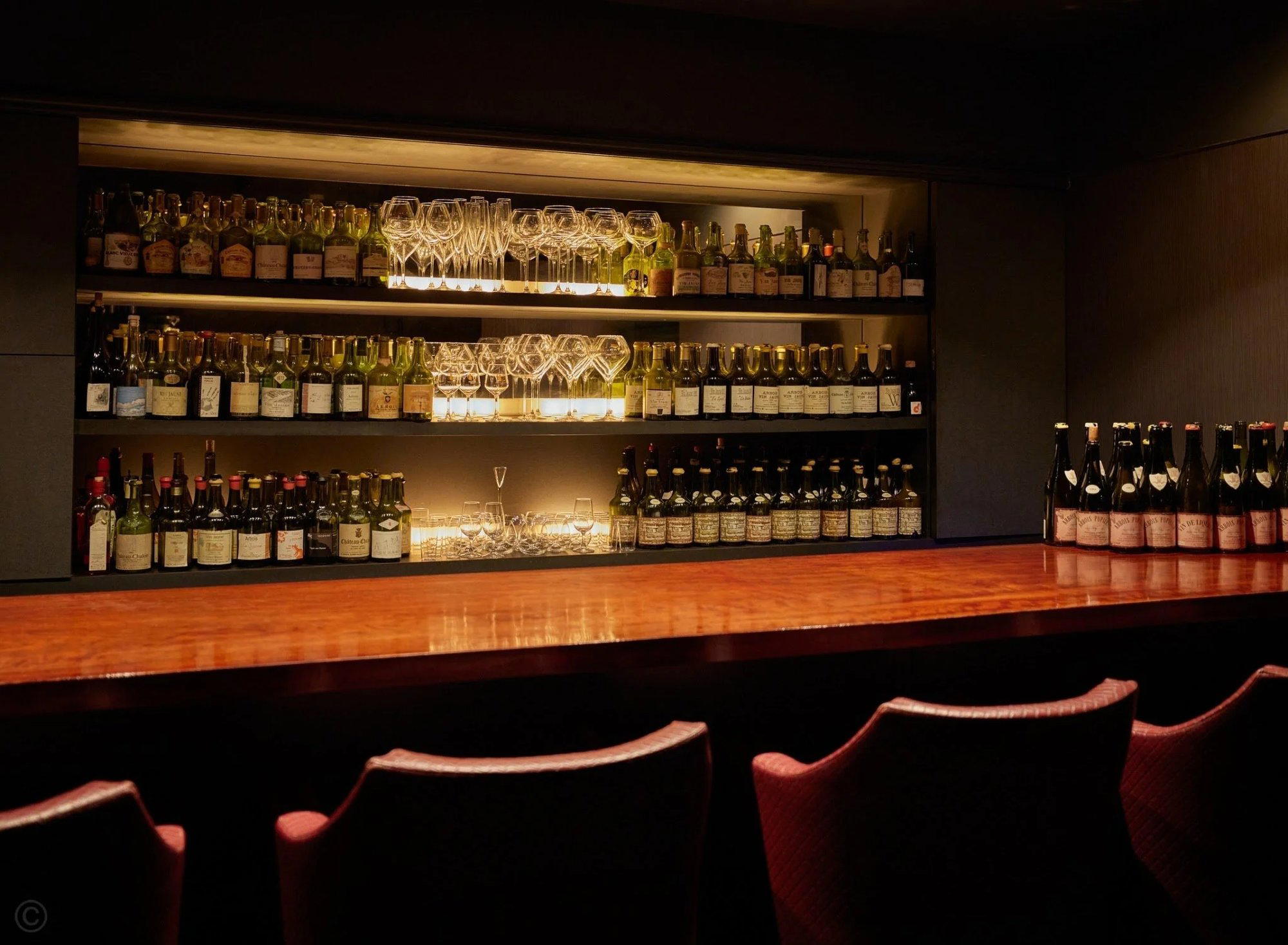
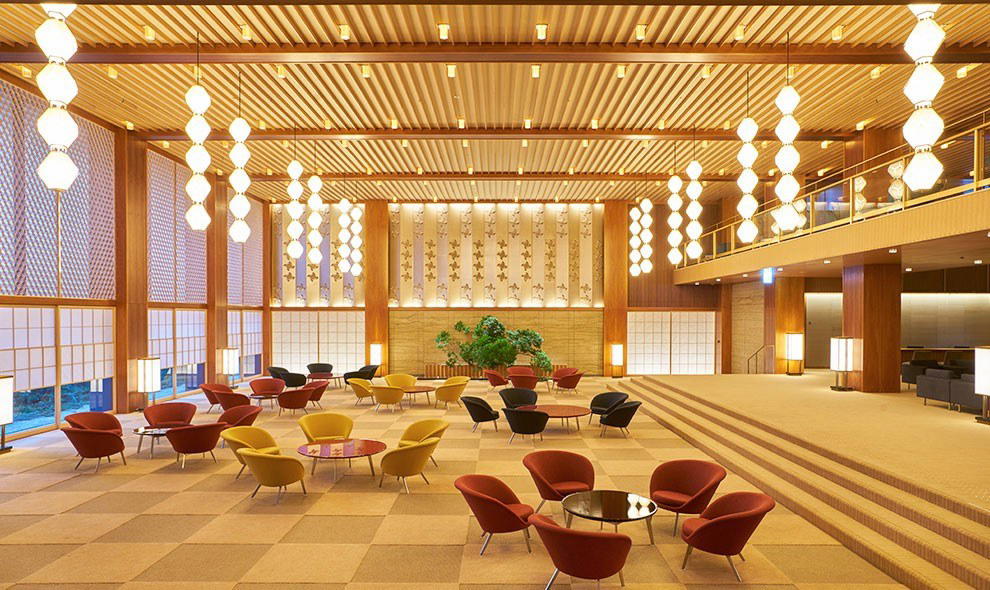
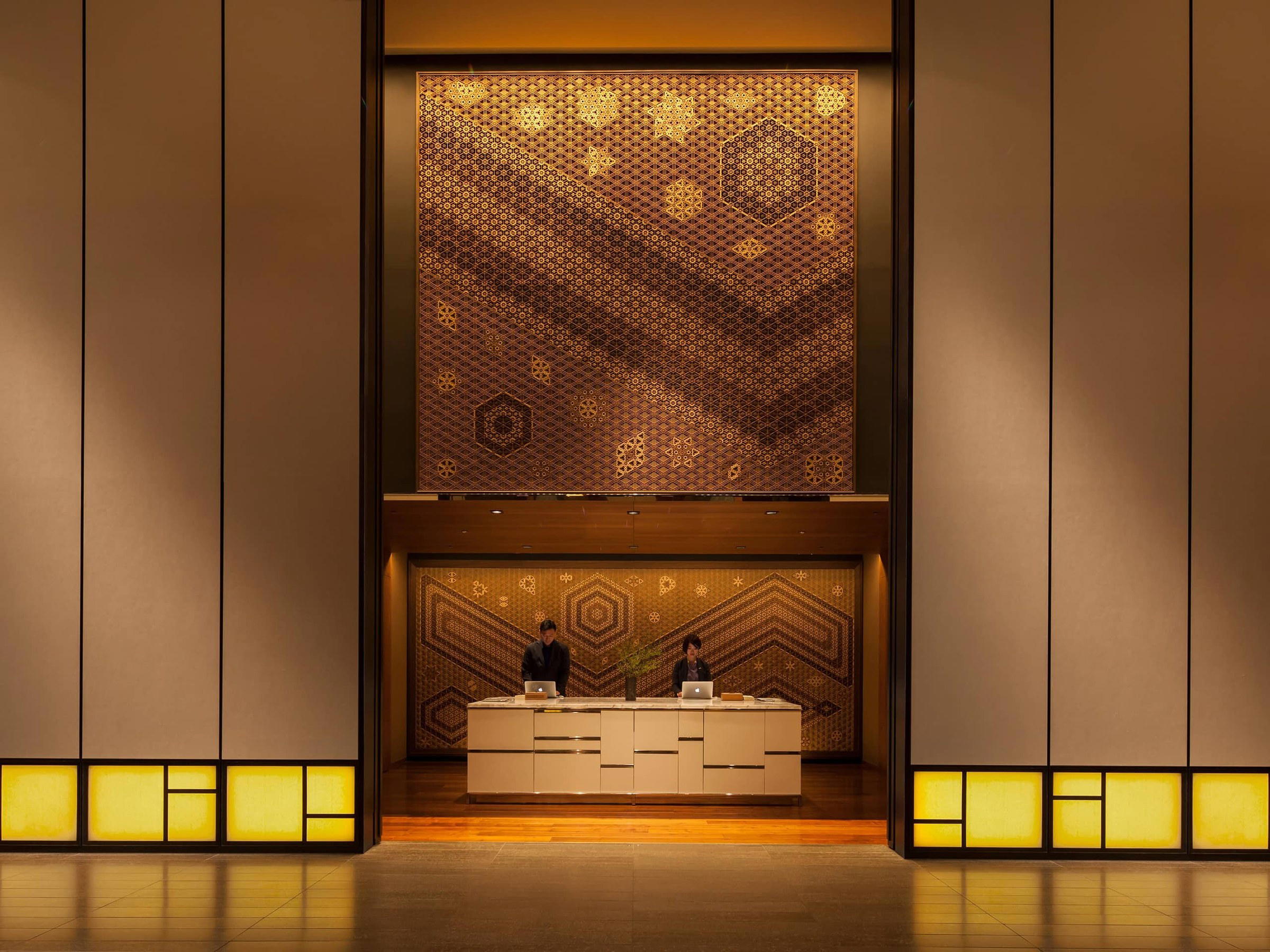
Quiet sophistication with hinoki wood interiors, soft lighting, and curated design that creates an intimate, gallery-like atmosphere; described by guests as an 'adult hideaway' with dignified energy and artistic presentation.