
茶禅華 belongs to Tokyo’s rarefied dining tier where the room, the pacing, and the service format matter as much as the cooking itself. Its Black Pearl Restaurant Guide 2026 two-diamond recognition places it in an international conversation around precision-led Japanese hospitality and serious Chinese-influenced dining in the city.
 Request Booking on Pearl
Pearl is the En Primeur Club membership app — saves, bookings, and concierge access live there. Same editors, same standards.
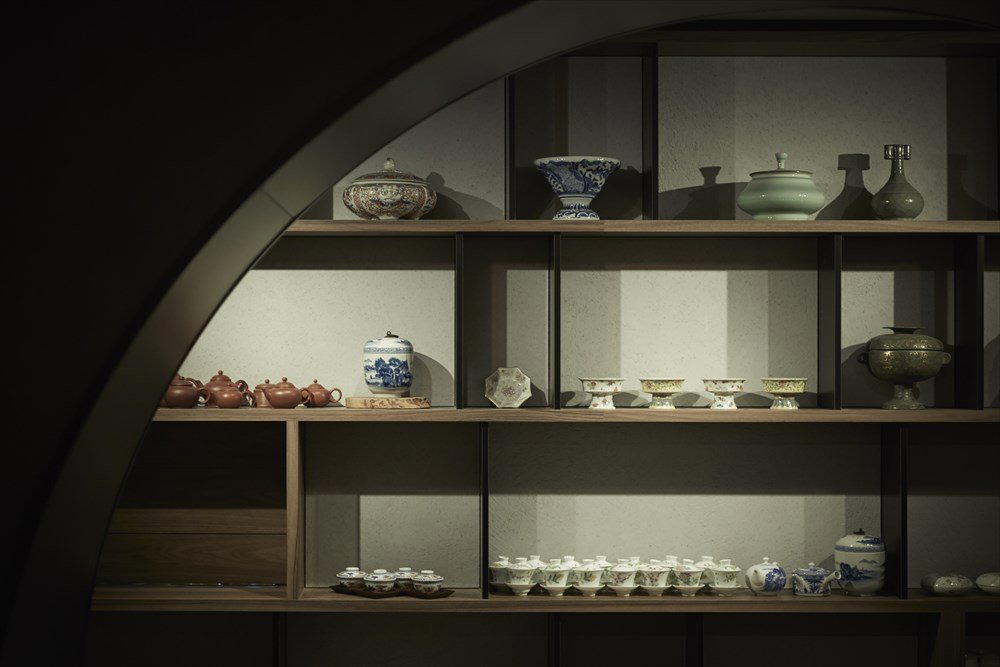
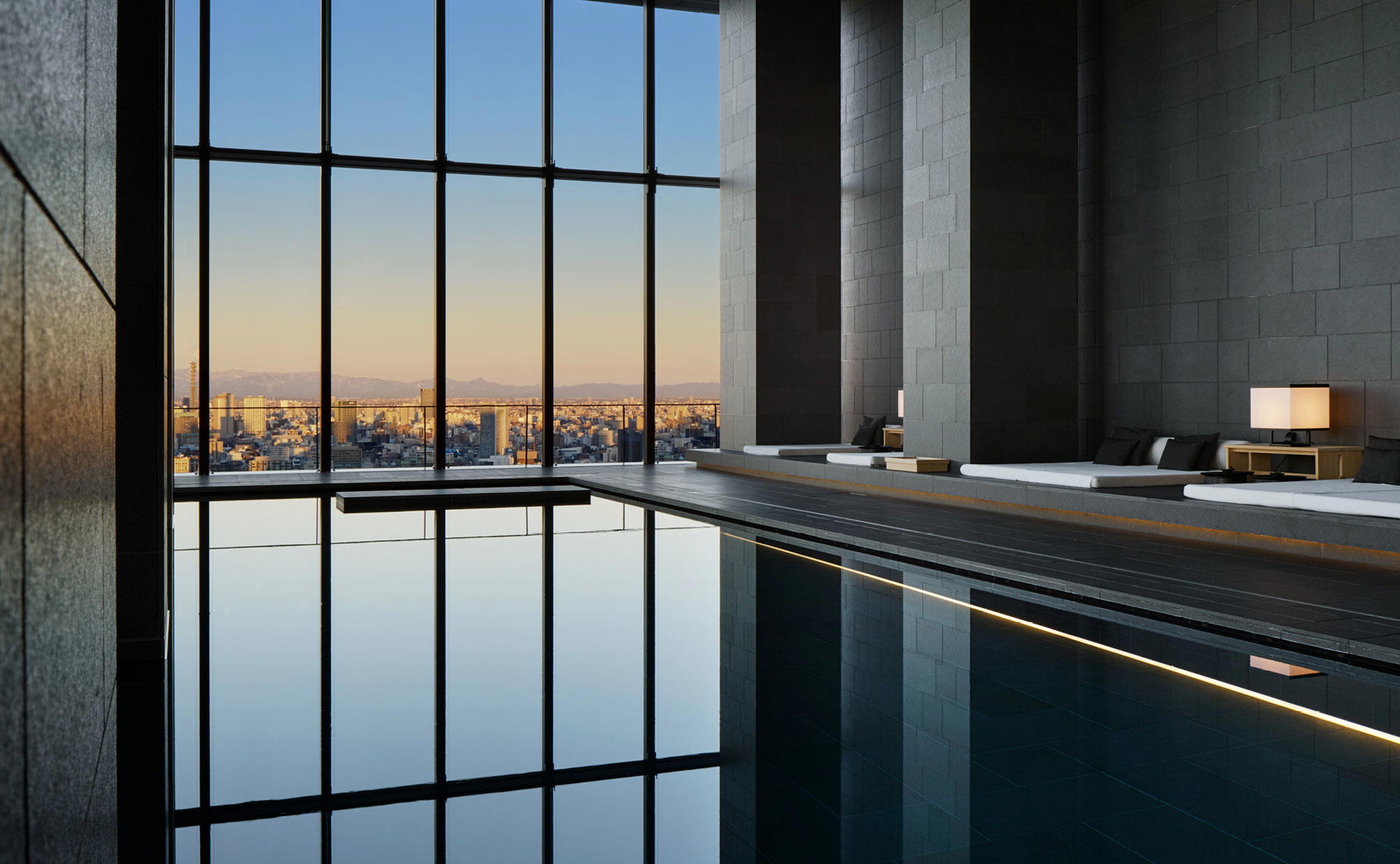
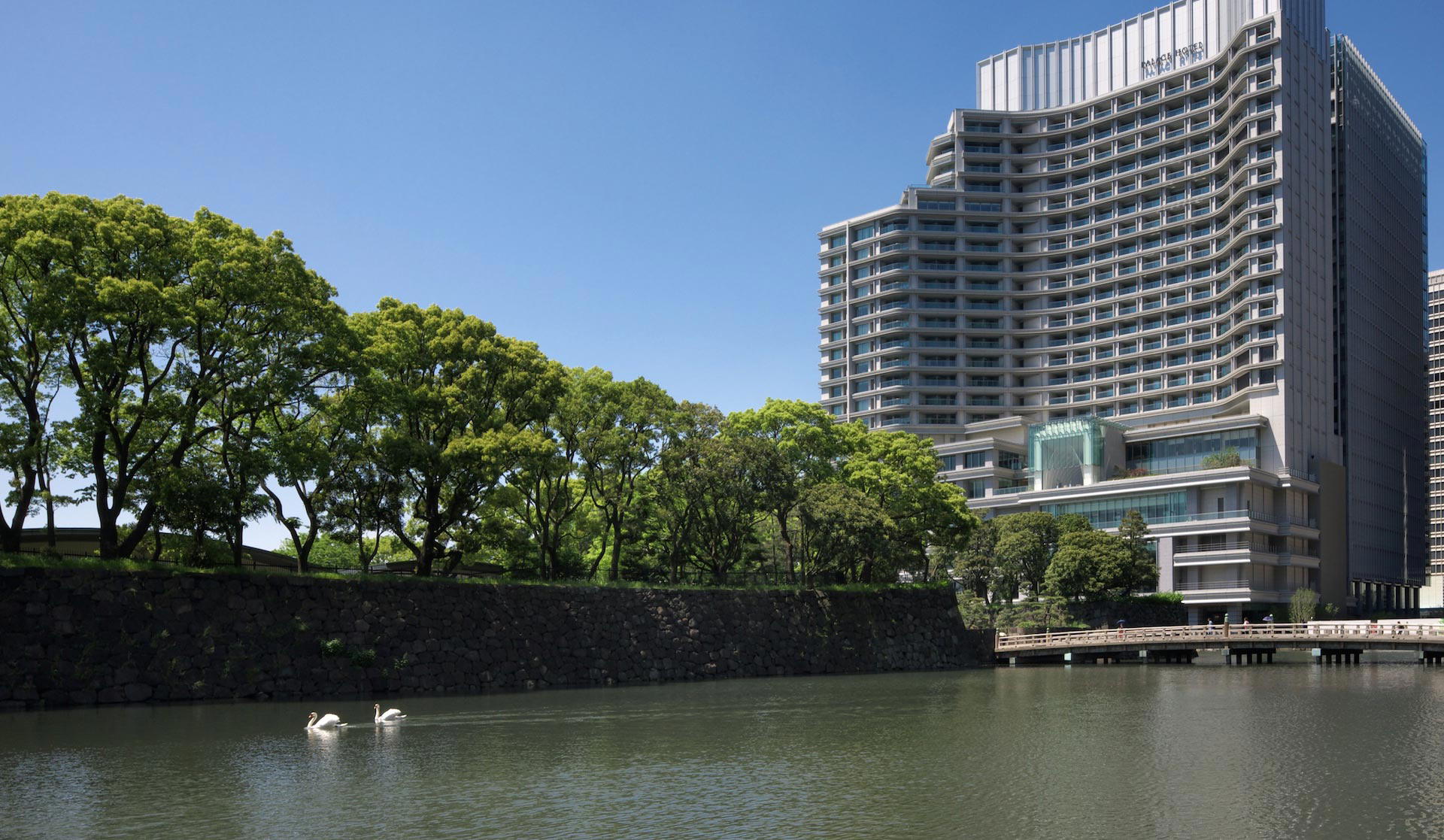
Approaching a high-end Tokyo dining room is often an exercise in compression: street noise drops away, the entry sequence narrows, and the meal begins before the first plate reaches the table. That physical transition matters in a city where serious restaurants frequently use architecture as a form of discipline. 茶禅華 belongs to that register. Its Black Restaurant Guide 2026 two-diamond recognition signals a room operating for diners who read space, timing, and restraint as part of the experience, not decoration around it.
A Tokyo room where restraint carries the meal
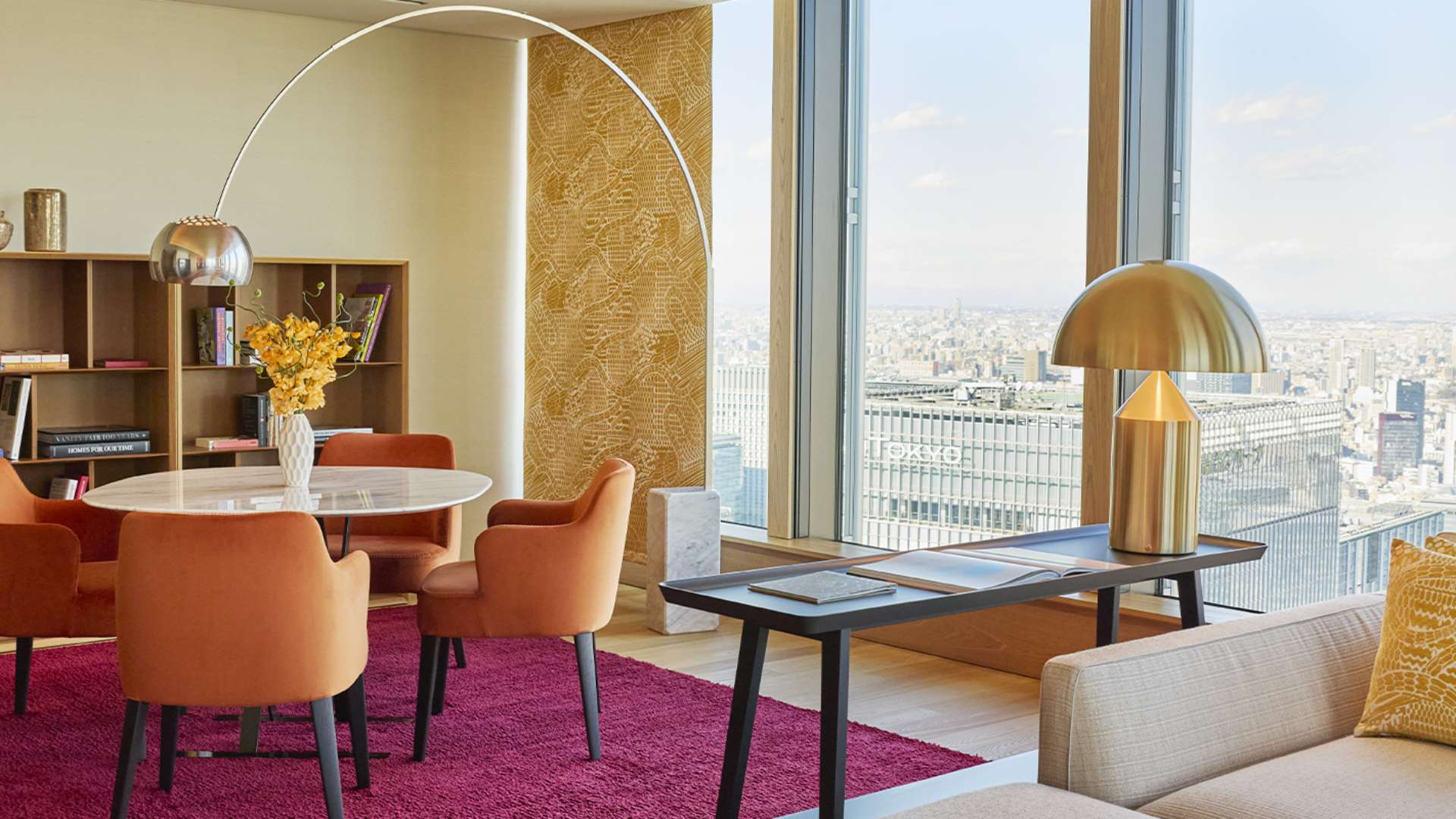
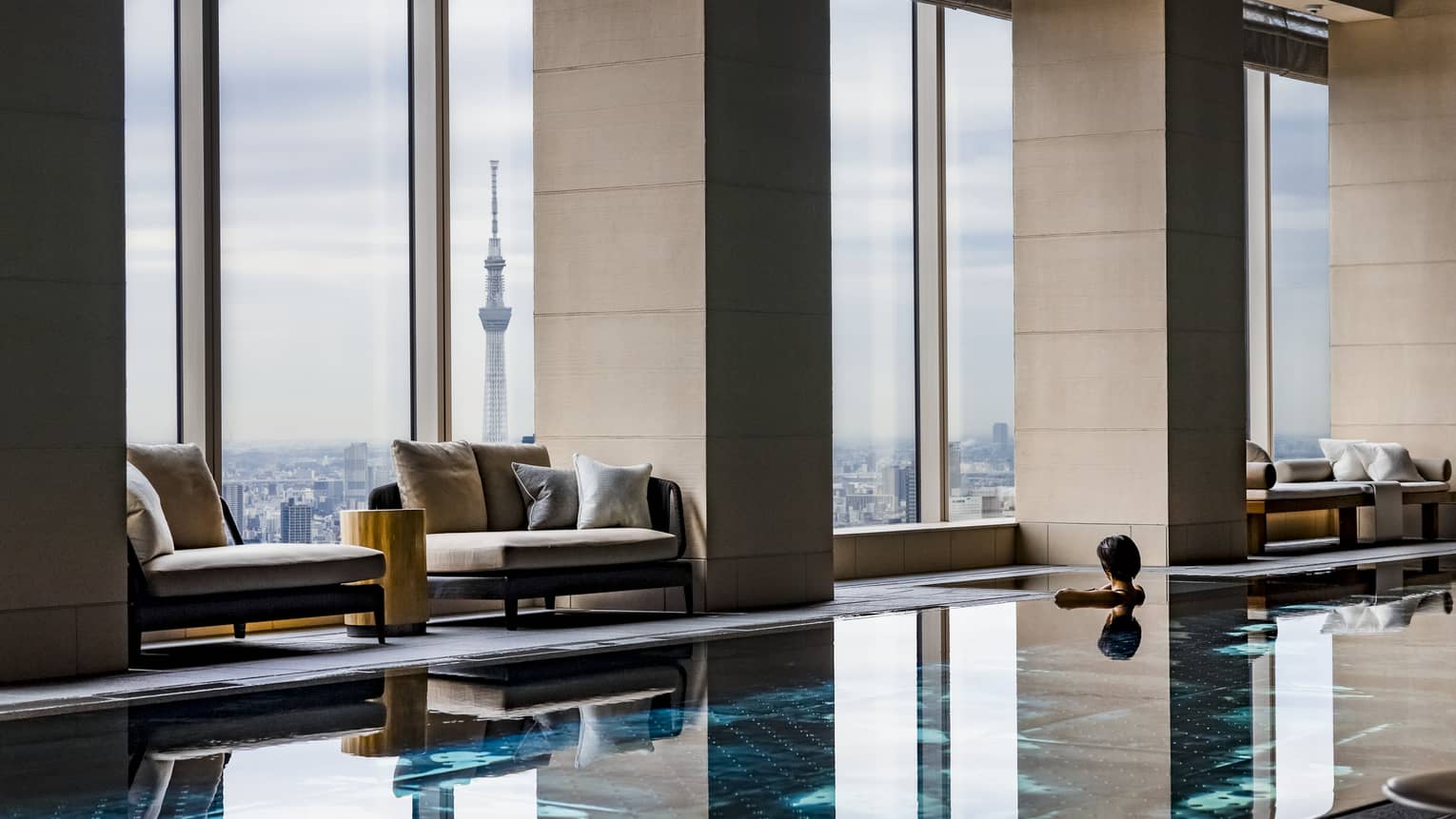
Tokyo’s luxury dining culture rewards control. Counters, private rooms, low-capacity formats, and tightly sequenced service all create a sense that the meal has been edited down to what the restaurant wants the diner to notice. In this context, design is not a backdrop. It determines how conversation lands, how service enters the table, and how long a course is allowed to hold attention. The stronger rooms in the city do not announce status through excess; they create a container where small decisions become visible.
That is the useful frame for 茶禅華. The award places it above the casual discovery circuit and inside the category of destination dining, but the more interesting point is how Tokyo has absorbed Chinese culinary references into its own grammar of precision. Chinese fine dining in Japan often carries a different rhythm from banquet-led traditions elsewhere in Asia: smaller progressions, quieter rooms, more controlled pacing, and a sharper relationship between tableware, temperature, and sequence. The result is less about abundance than calibration.
For readers mapping Tokyo beyond sushi and kaiseki, this is where the city becomes more revealing. The capital’s dining hierarchy is not built around one cuisine; it is built around seriousness of format. A curry counter, a yakitori room, a hotel dining room, and a Chinese tasting-menu address can all sit on different rungs of the same culture of specialization. For broader context, Our full Tokyo restaurants guide tracks that spread across the city, while Our full Tokyo hotels guide, Our full Tokyo bars guide, Our full Tokyo wineries guide, and Our full Tokyo experiences guide widen the planning lens.
Chinese technique filtered through Japanese spatial discipline
The city’s higher-end Chinese restaurants rarely compete on volume alone. Their competitive language is closer to Japanese fine dining: restraint, course order, staff timing, and the quiet authority of the room. Black ’s two-diamond designation gives 茶禅華 a clear trust signal within that field, particularly for travelers who follow Asian restaurant recognition beyond Michelin. It also helps define the likely audience: diners who are not simply looking for regional Chinese comfort cooking, but for a composed meal shaped by Tokyo’s hospitality codes.
That distinction matters because Tokyo can flatten categories for visitors. A restaurant serving Chinese-influenced cuisine in the city is not automatically comparable to a large dining room in Hong Kong, Shanghai, or Singapore. The Japanese setting changes the expectations: less theatrical service, more attention to transitions, and a room designed to keep the table focused. The physical container becomes part of the argument. If the meal is handled with the seriousness implied by the award, the room should feel edited rather than loud.
EP Club’s wider Japan coverage shows how varied that seriousness can be. Casual and specialist addresses such as. 鮪と炭火焼き うお炭 秋葉原店, 12/10 Shinjuku ten, 124. KAGURAZAKA (Yakitori), 2D Cafe, and 3 Chome no Curry Ya San sit in different parts of the city’s eating culture, but they underline the same point: Tokyo rewards narrow focus. The same pattern appears outside the capital, from -Grilled beef Sukiyaki- KAMAKURA TANUKIAN 鎌倉 たぬき庵 in Kamakura to.cafe in Osaka.know in Kumamoto, (Shoku) Vietnam in Kawasaki, [Curry Senmon Ten] Maruyama Kyoju. in Sapporo, and [ki:] in Kyoto. For a transpacific angle on Japanese drinking and casual formats, Jōdo Saké Bar in Los Angeles and Onigiri Time in Pasadena show how those ideas travel.
Who should put it on the Tokyo plan
This is a dinner to file under serious, planned dining rather than a flexible neighborhood stop. The case for going is strongest for travelers who already understand Tokyo’s reservation-led culture and want a meal that expands the city beyond its familiar sushi, tempura, and kaiseki shorthand. The Black two-diamond marker is the hard evidence; the editorial interest lies in the category it represents: Chinese technique interpreted through Tokyo’s controlled service culture and spatial restraint.
The practical decision is simple. If a Tokyo itinerary is built around casual grazing, late-night bars, and open-ended wandering, this kind of room may feel too structured. If the trip includes one composed meal where the architecture of the evening matters as much as the cuisine, 茶禅華 belongs in the conversation.
How It Compares
Comparable venues nearby, for context on price, style, and recognition.
| Venue | Cuisine | Price | Notes |
|---|---|---|---|
| 茶禅華This venue — the venue you are viewing | Modern Japanese-influenced Chinese fine dining | $$$$ | Not listed |
| M Mugen | Fine Chinese counter omakase in Ginza | $$$$ | Chūō |
| Tsugumi | Modern Chinese Tasting Menu | $$$$ | Minato |
| Xao Xiong Fan Dian | Shanghainese Fine Dining | $$$$ | Minato |
| 飘香 广尾店 | Michelin-starred Traditional Sichuan Tasting Menu | $$$$ | Hiroo |
| Banraien | Traditional Chinese counter dining | $$$$ | Shinagawa |
Recognition history
Dated appearances from independent guides and award organizations, with the underlying list record or original source where available.
Black Pearl 2 Diamond
Black Pearl








At a Glance
- Elegant
- Sophisticated
- Modern
- Intimate
- Special Occasion
- Celebration
- Business Dinner
- Date Night
- Group Dining
- Private Event
- Private Dining
- Design Destination
- Standalone
- Historic Building
- Extensive Wine List
- Sake Program
- Local Sourcing
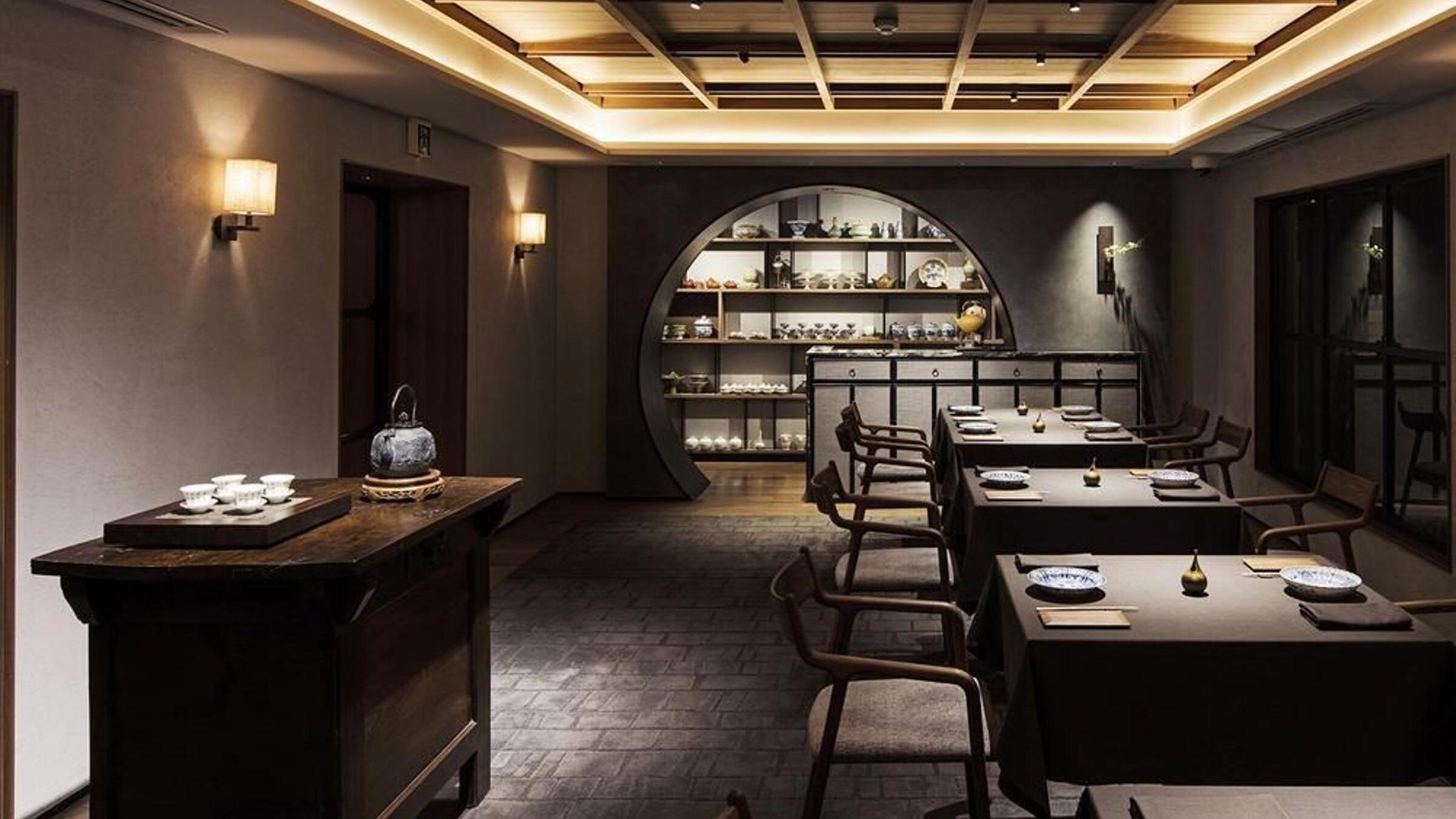
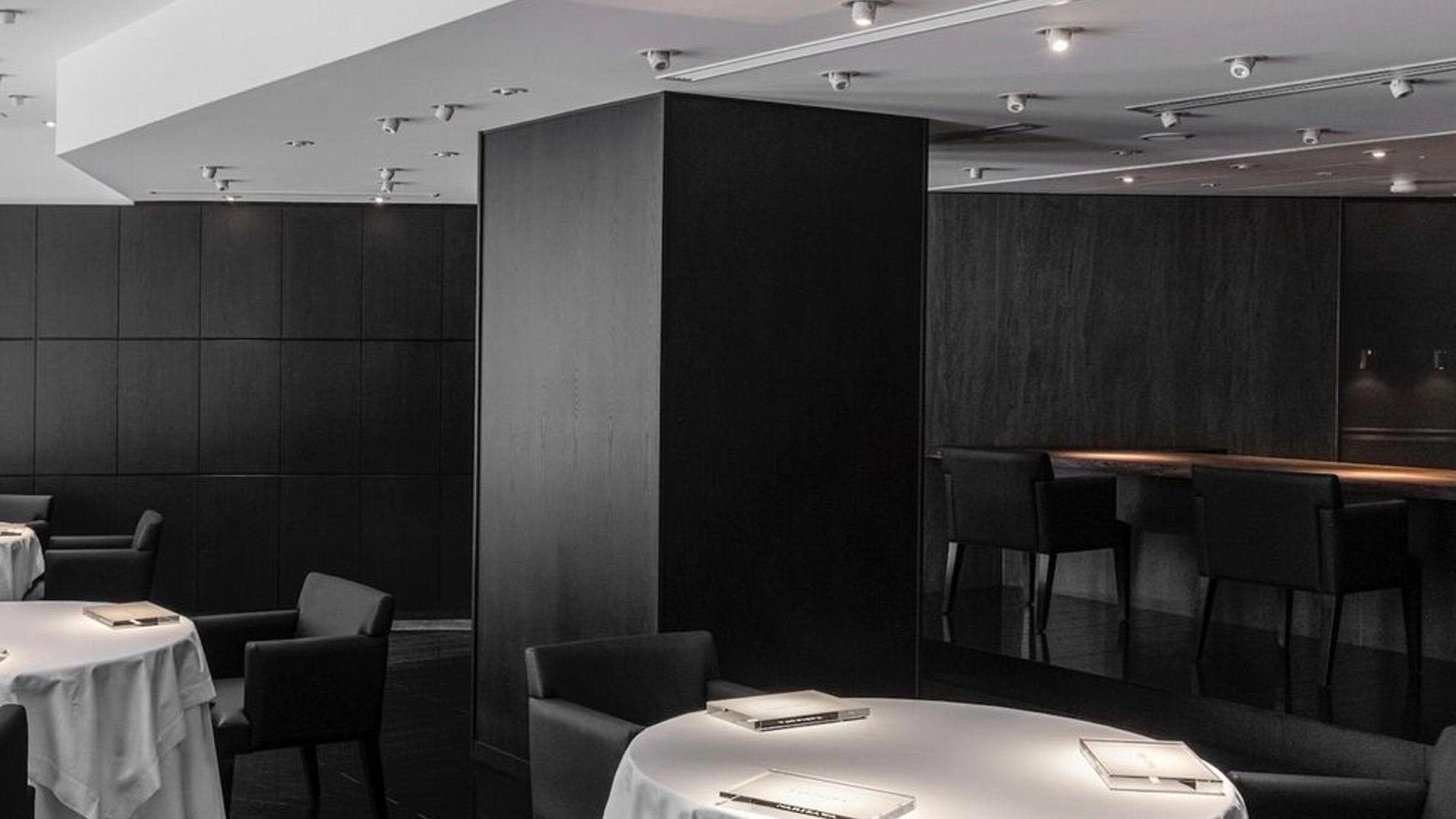
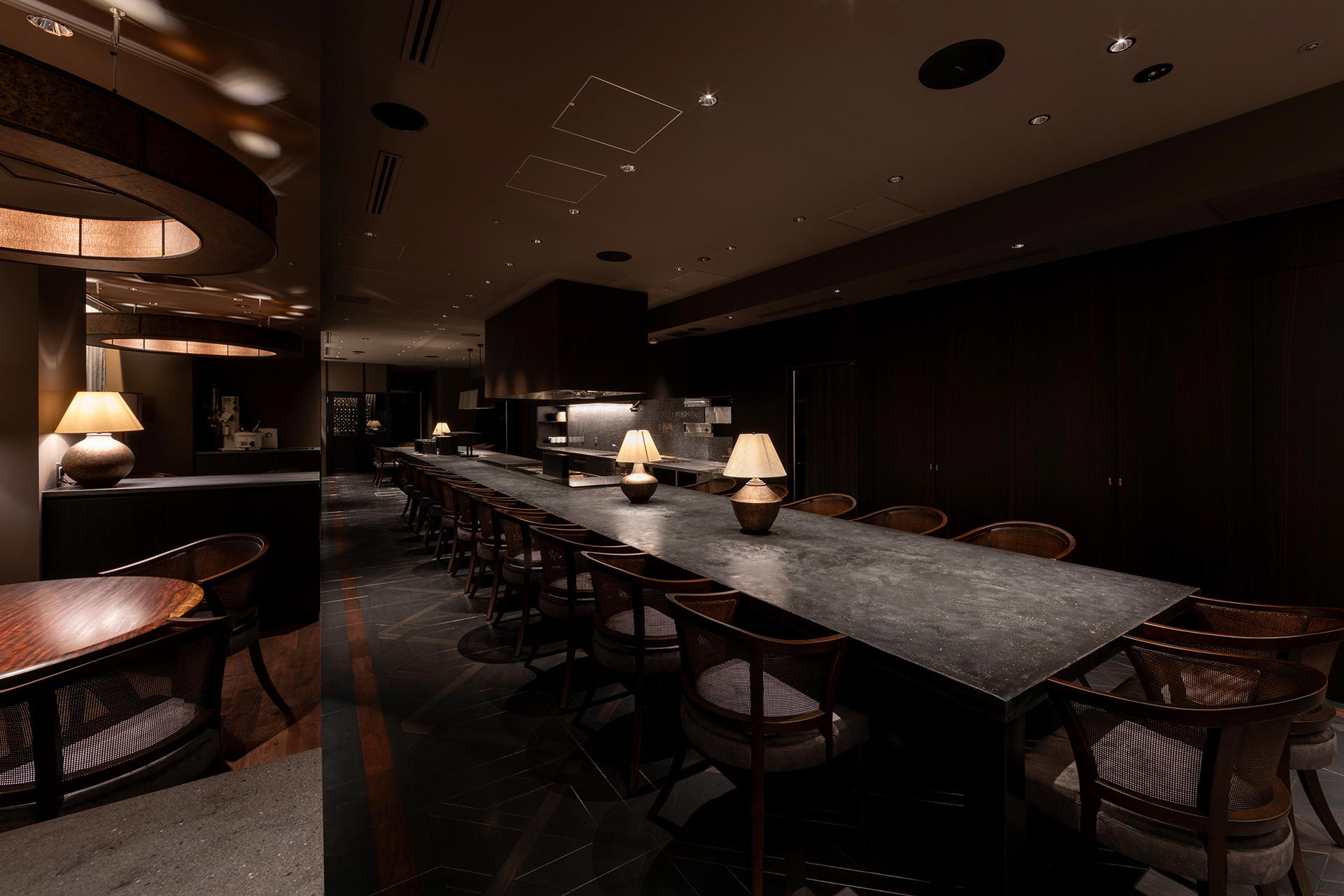
A serene, refined townhouse setting in a quiet Minami-Azabu residential area, with a modern blend of Japanese and Chinese design, soft lighting, and a tranquil, tea house–like atmosphere that emphasizes calm, contemplative dining.