
Tabelog 100 #45
Our verdict
A ten-seat Sichuan counter in Ginza's AG1 Building, JOTAKI has held Tabelog Bronze recognition consecutively from 2024 through 2026 and appears in Tabelog's Chinese TOKYO 100 list for both 2023 and 2024. Operating on reservation only at dinner prices of JPY 50,000–59,999, it represents the serious upper tier of Chinese fine dining in Tokyo, where Japanese culinary sensibility shapes the Sichuan framework.

Pearl is the En Primeur Club membership app, where members save venues, book tables and use the concierge.

The menu
What to order
- Seasonal Dim Sum Selection
- XO Lobster
- Crispy Peking Duck
The Counter Format That Redefined Chinese Fine Dining in Ginza
When GINZA JOTAKI relocated to the third floor of the AG1 Building in Ginza on February 1, 2022, the move marked something more significant than a change of address. It placed a ten-seat Sichuan counter inside a neighbourhood whose dining hierarchy had long been dominated by Japanese and French traditions. The question of whether Chinese cuisine could occupy the premium counter format, the seating arrangement Tokyo most associates with seriousness and intimacy, was, in Ginza at least, answered here.
The counter model matters in this context. Tokyo's premium dining culture has, over decades, refined the counter into a specific contract between kitchen and guest: limited seats, no tables, a sightline directly into the kitchen's working rhythm. That format has been the natural home of sushi, kaiseki, and tasting-menu French. JOTAKI applies it to Sichuan and Chinese technique, and the architectural choice alone signals which conversation the restaurant intends to join. Venues like Harutaka operate the same seating logic in sushi; JOTAKI uses it to place Chinese cooking on equal structural footing.
Ten Seats, No Tables, One Sightline
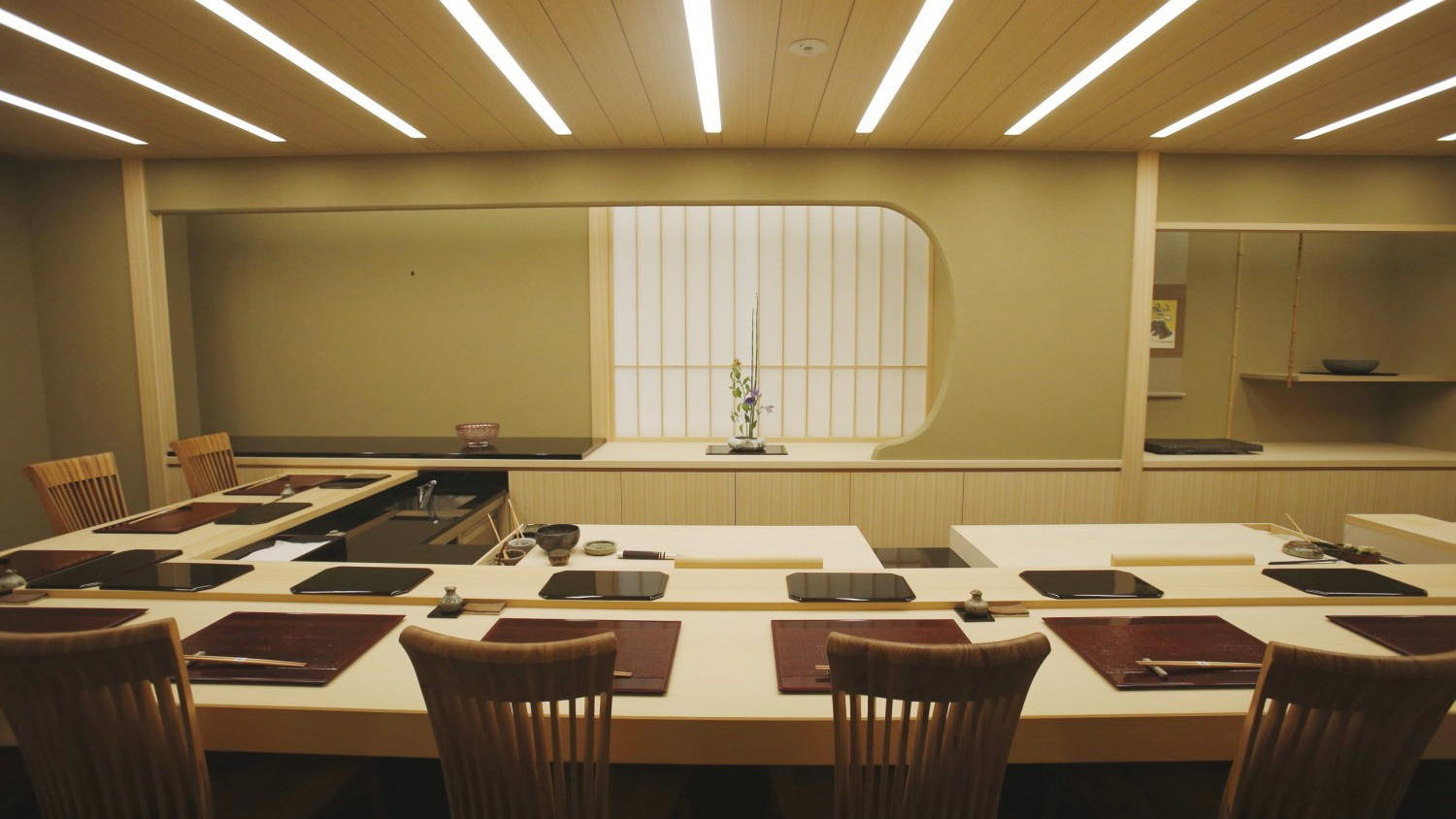
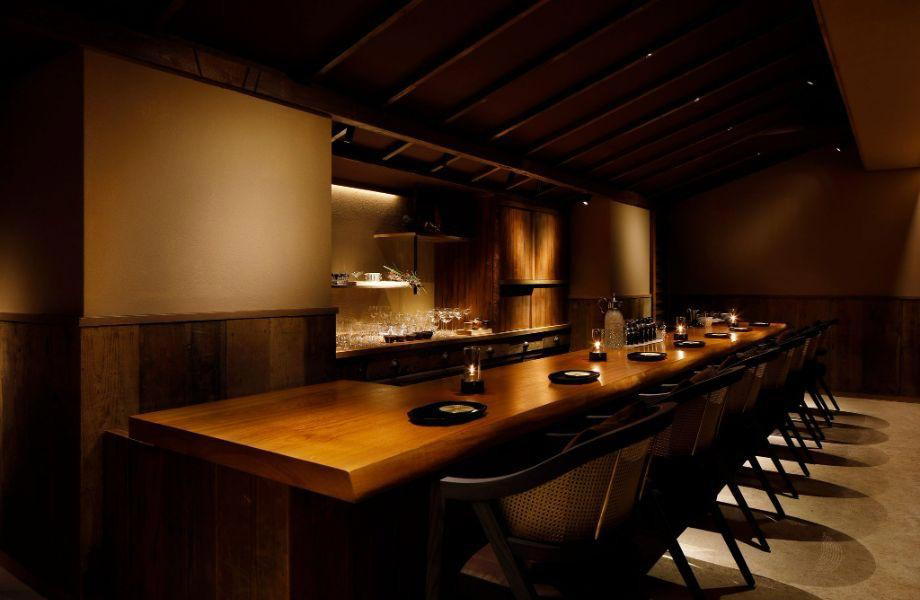
The physical container at JOTAKI is direct: ten counter seats, no private rooms, the maximum party size set at ten. That configuration is not an accident of square footage, it is the design position. At this scale, a kitchen cannot hide behind distance or delegation. Every plate, every timing decision, every transition between courses is visible from each of the ten seats. For the diner, the counter creates an unusually compressed sense of occasion; for the kitchen, it imposes a discipline that larger formats do not.
Space is described in venue records as both stylish and relaxing, which is a combination that Ginza's counter restaurants have spent years calibrating. The neighbourhood's premium interiors tend to avoid the maximalism found elsewhere in Tokyo; materials lean toward restraint, and lighting prioritises the counter surface and what arrives on it. JOTAKI sits within that aesthetic tradition while bringing a format more typically associated with Chinese restaurants in Hong Kong or mainland China, where the banquet table and the private room have historically been the preferred containers for serious cooking, into Tokyo's counter idiom.
There are no private rooms. For groups accustomed to the privacy-first format of traditional Chinese banqueting, this is a deliberate departure. The entire experience is communal in the sense that all ten guests share the same open-kitchen view, the same service rhythm, and the same progression through the meal. It is a design decision that aligns JOTAKI with Tokyo's counter dining culture rather than with Chinese restaurant tradition elsewhere in Asia.
The Sichuan Framework Inside a Japanese Context
Tabelog describes JOTAKI's concept as "Hanagi Wazui", a phrase pointing toward the weaving of Chinese culinary technique with Japanese essence. That framing is significant because it positions the restaurant not as a transplant of Sichuan cooking from its regional source, but as a synthesis that belongs specifically to Tokyo. The city has a long history of absorbing Chinese cooking traditions and reprocessing them through Japanese ingredient standards, kitchen discipline, and service sensibility; JOTAKI operates consciously within that lineage.
Sichuan cooking at its most recognisable is defined by the mala flavour profile, the combination of heat and the numbing sensation of Sichuan peppercorn. At the counter format and price point JOTAKI occupies, the question is not whether those flavours are present but how they are calibrated and sequenced across a multi-course structure. That kind of sequencing, building and releasing intensity, managing temperature and texture across a progression, is the vocabulary that aligns Chinese fine dining in Tokyo with its kaiseki and omakase neighbours. It is the same problem that RyuGin addresses in kaiseki terms and L'Effervescence addresses in the French tradition: how do you make a long meal feel considered rather than accumulative.
Award Consistency and What the Numbers Signal
The Tabelog award structure is relevant here because Bronze is not a consolation tier, it identifies restaurants that Tabelog's scoring methodology places in the upper bracket of their category across Japan. Being named in the Chinese TOKYO 100 for two consecutive years means the restaurant has sustained its position rather than arriving and fading.
The price data adds another dimension to that positioning. Listed dinner prices run JPY 50,000–59,999, with lunch at JPY 40,000–49,999. The average price based on reviews, however, registers at JPY 100,000, once beverages and full courses are included, runs well above the base range. At that level, JOTAKI prices against Tokyo's top-tier omakase counters, not against the broader Chinese restaurant market. The competitive set is Sézanne, Crony, and the city's serious French and Japanese tasting-menu rooms, not the Ginza Chinese restaurants occupying lower price tiers.
For context on how the broader Japan fine dining scene positions itself, HAJIME in Osaka, Gion Sasaki in Kyoto, and akordu in Nara each occupy distinct regional niches at the premium end of their respective markets. JOTAKI's position in Tokyo follows a similar logic: a specialist at the top of a defined category within one of the world's most competitive dining cities.
Access and the Ginza Context
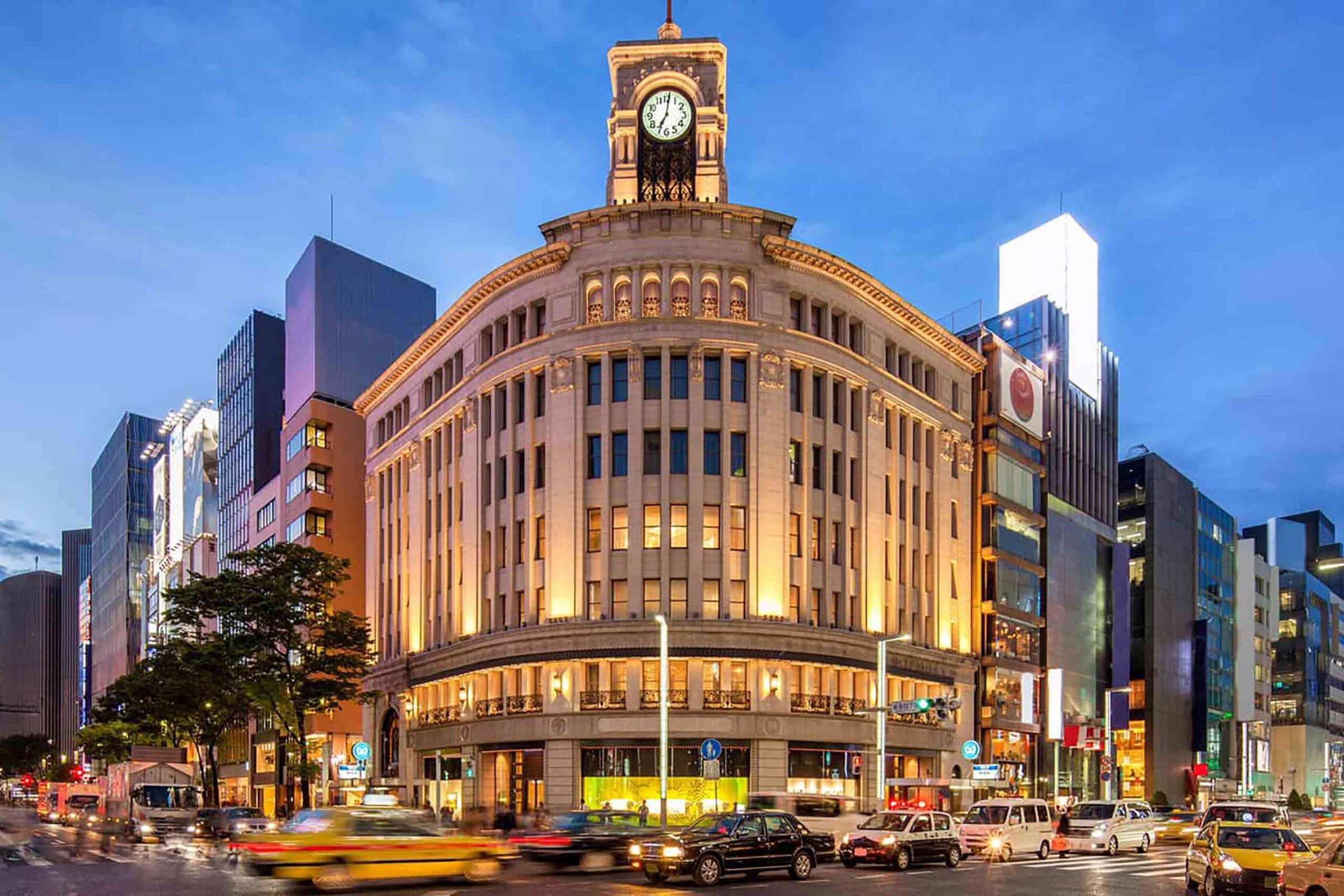
The AG1 Building on Ginza 7-chome sits approximately five minutes' walk from Ginza Station on the Tokyo Metro Ginza, Marunouchi, and Hibiya lines, Exit B9 or B6 puts you closest. Ginza 7-chome runs slightly quieter and more residential in character than the main Chuo-dori stretch, which suits the counter-dining format well: arrivals feel deliberate rather than incidental, and the neighbourhood's ambient noise drops enough to register the counter's focused atmosphere without competition from the street.
Parking is unavailable. For a reservation-only, ten-seat counter in central Ginza, this will surprise no one. Credit cards are accepted across the major networks (VISA, Mastercard, JCB, AMEX, Diners); electronic money is not accepted, though QR code payment via d Barai is available. The restaurant operates Monday through Saturday, with lunch from noon (last order noon) and dinner from 5pm (last order 7pm). It is closed Sundays, public holidays, and over the year-end and New Year period.
The narrow last order window at dinner, 7pm for a kitchen running service until 10pm, implies the restaurant runs a single seating or closely staggered seatings rather than an open walk-in flow. At ten seats, that is the only configuration that makes a tasting-menu counter workable. Reservations should be pursued well in advance; the combination of minimal capacity and consistent award recognition creates a booking dynamic comparable to Tokyo's leading omakase rooms.
Those exploring the wider Tokyo dining spectrum alongside JOTAKI can find context across our full Tokyo restaurants guide, as well as curated coverage of hotels, bars, wineries, and experiences across the city. For those extending a Japan itinerary beyond Tokyo, Goh in Fukuoka, 1000 in Yokohama, and 6 in Okinawa each represent the serious end of regional Japanese dining. For international comparison, the counter-dining discipline that defines JOTAKI's format finds parallels in New York at venues like Le Bernardin and Atomix, where tightly controlled seating and precision sequencing are similarly foundational.
Know Before You Go
- Address: 銀座7-5-15 AG1ビル 3F, Ginza, Chuo, Tokyo (Ginza Station, Exit B9/B6, approx. 5 min walk)
- Hours: Mon–Sat: Lunch 12:00–15:00 (L.O. 12:00); Dinner 17:00–22:00 (L.O. 19:00). Closed Sundays, public holidays, and year-end/New Year.
- Reservations: Reservation only. Advance booking strongly advised given ten-seat capacity.
- Price range: Dinner JPY 50,000–59,999 (listed); average spend based on reviews approximately JPY 100,000.
- Lunch price range: JPY 40,000–49,999
- Seating: 10 counter seats. No tables, no private rooms. Full private hire available.
- Payment: Major credit cards accepted (VISA, MC, JCB, AMEX, Diners); d Barai QR code accepted; electronic money not accepted.
- Smoking: Non-smoking throughout.
- Parking: Not available.
- Tabelog recognition: Bronze Award 2024, 2025, 2026; Chinese TOKYO 100 in 2023 and 2024. Score: 4.27.
Frequently asked questions
Is JOTAKI a family-friendly restaurant?
The format does not suit young children. JOTAKI operates as a ten-seat counter with dinner pricing in the JPY 50,000–59,999 range and a last order at 19:00, and review-based spend frequently reaches JPY 100,000 per person. The reservation-only policy and counter configuration are oriented toward adults dining with focused attention on the kitchen.
What should I expect atmosphere-wise at JOTAKI?
Ten counter seats, no private rooms, and a single sightline toward the kitchen. That setup produces a quiet, concentrated environment typical of Ginza's premium counter restaurants. The Tabelog listing notes a stylish, relaxing space, and the no-smoking policy holds throughout.
What awards or recognition does JOTAKI have?
JOTAKI has received recognition including:
What are the operating hours at JOTAKI?
Hours at JOTAKI: Mon, Tue, Wed, Thu, Fri, Sat 12:00 - 15:00 L.O. 12:00 17:00 - 22:00 L.O. 19:00.
What's JOTAKI's location?
JOTAKI is located at 2 Chome-1-7 Yurakucho, Chiyoda City, Tokyo 100-0006, Japan, Tokyo.
What's the standout thing about JOTAKI?
The combination of format and category is the sharpest distinguisher: a ten-seat Sichuan counter in Ginza at prices that sit alongside the neighbourhood's top omakase sushi rooms, with Tabelog Bronze recognition in 2024, 2025, and 2026 and a score of 4.27. There are very few Chinese restaurants anywhere in Tokyo operating at this counter scale and price point with that level of award consistency.
A Credentials Check
Comparable venues nearby, for context on price, style, and recognition.
| Venue | Cuisine | Price | Awards | Notes |
|---|---|---|---|---|
| JOTAKIThis venue (the venue you are viewing) | Modern Chinese Fine Dining | $300–500 | Tabelog 100 #45 | Not listed |
| Chinaroom | Authentic Cantonese Dim Sum | $50–100 | Not listed | Minato |
| Tsukushi Rou Ebisu ten | Luxury shark fin–focused Chinese (Ebisu flagship) | $100–150 | Tabelog 100 #61 | Shibuya |
| Akasaka Rikyu Ginza ten | Traditional Cantonese fine dining in Ginza | $100–150 | Tabelog 100 #100 | Chūō |
| 赤坂 桃の木 | Modern Cantonese Chinese | $150–200 | Tabelog 100 #95 | Chiyoda |
| Ren | Modern Chinese with French influence tasting menu | $150–200 | Tabelog 100 #82 | Minato |
Recognition history
Dated appearances from independent guides and award organizations, with the underlying list record or original source where available.
Tabelog 100 #45 · No. 45
Tabelog · Tabelog 100 - Chinese cuisine - TOKYO - 2026
Full recognition history (3 entries)
Tabelog Bronze #151
Tabelog
Tabelog Bronze
Tabelog
Continue exploring
More in Tokyo
Restaurants in Tokyo
All restaurants in Tokyo →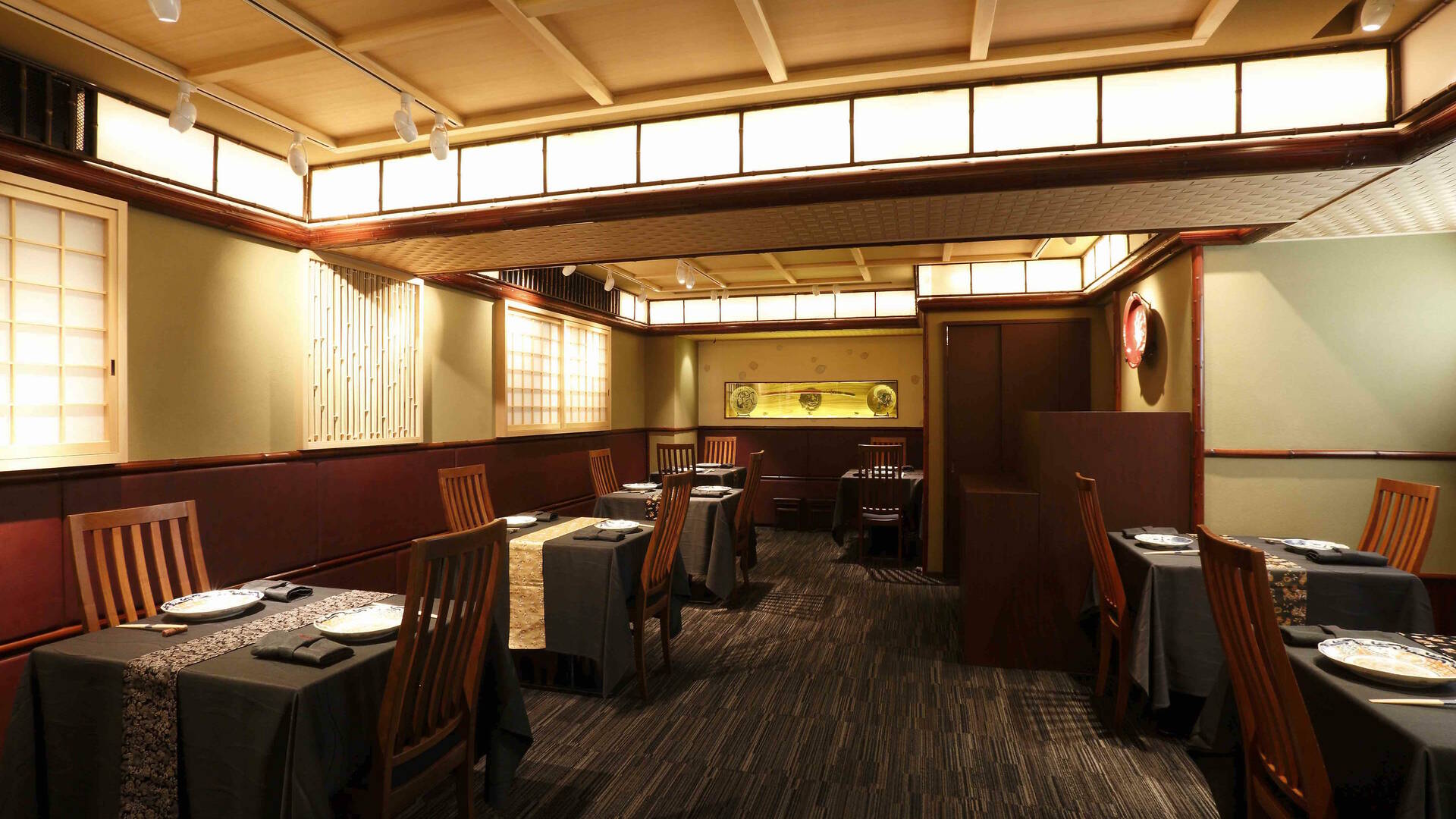
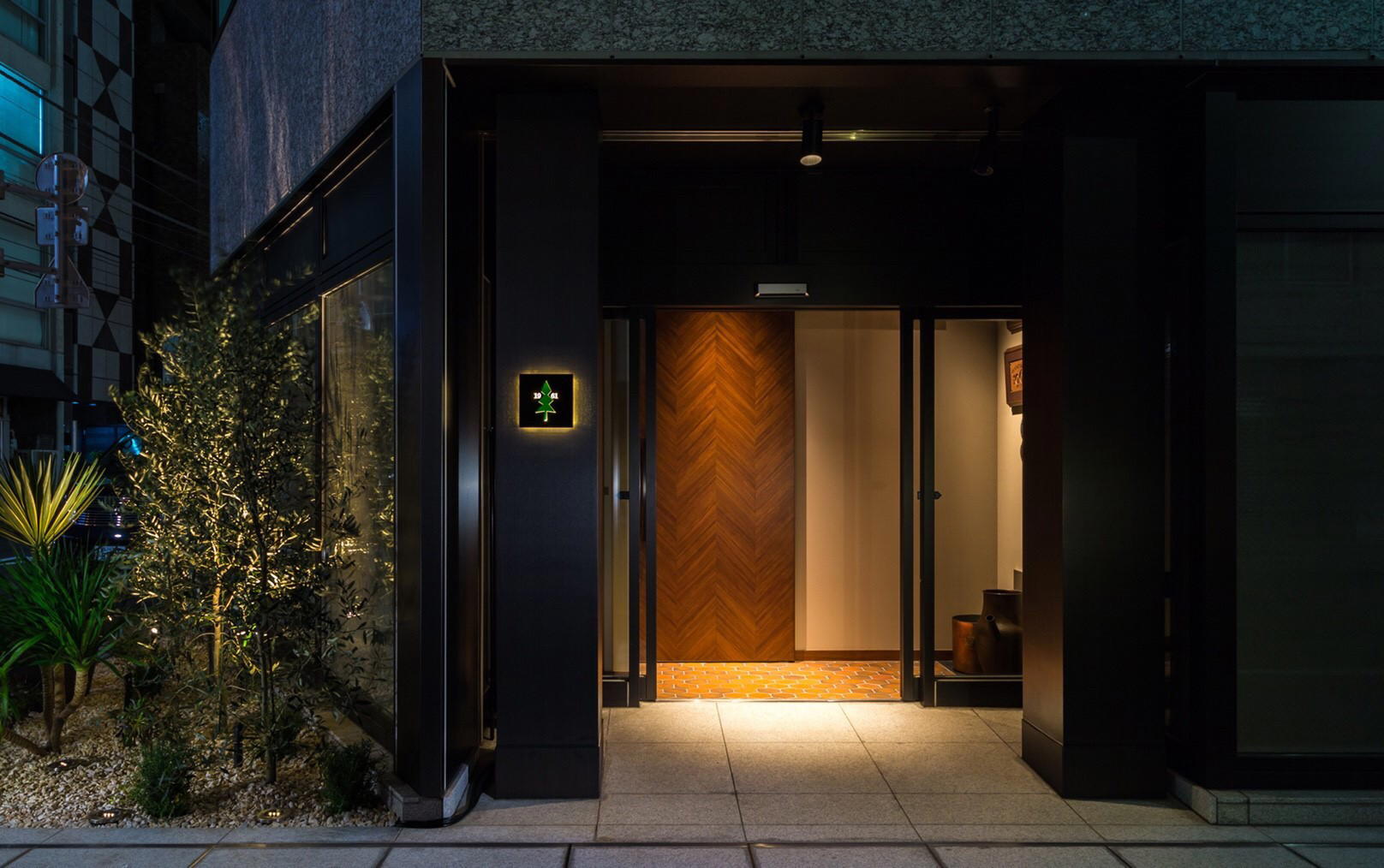
Bars in Tokyo
All bars in Tokyo →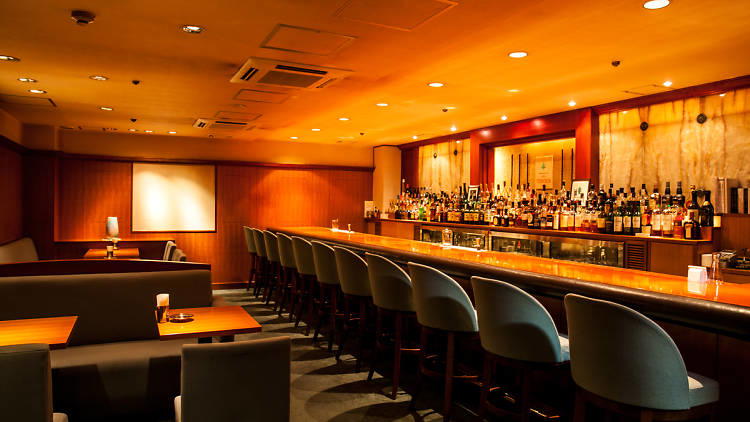
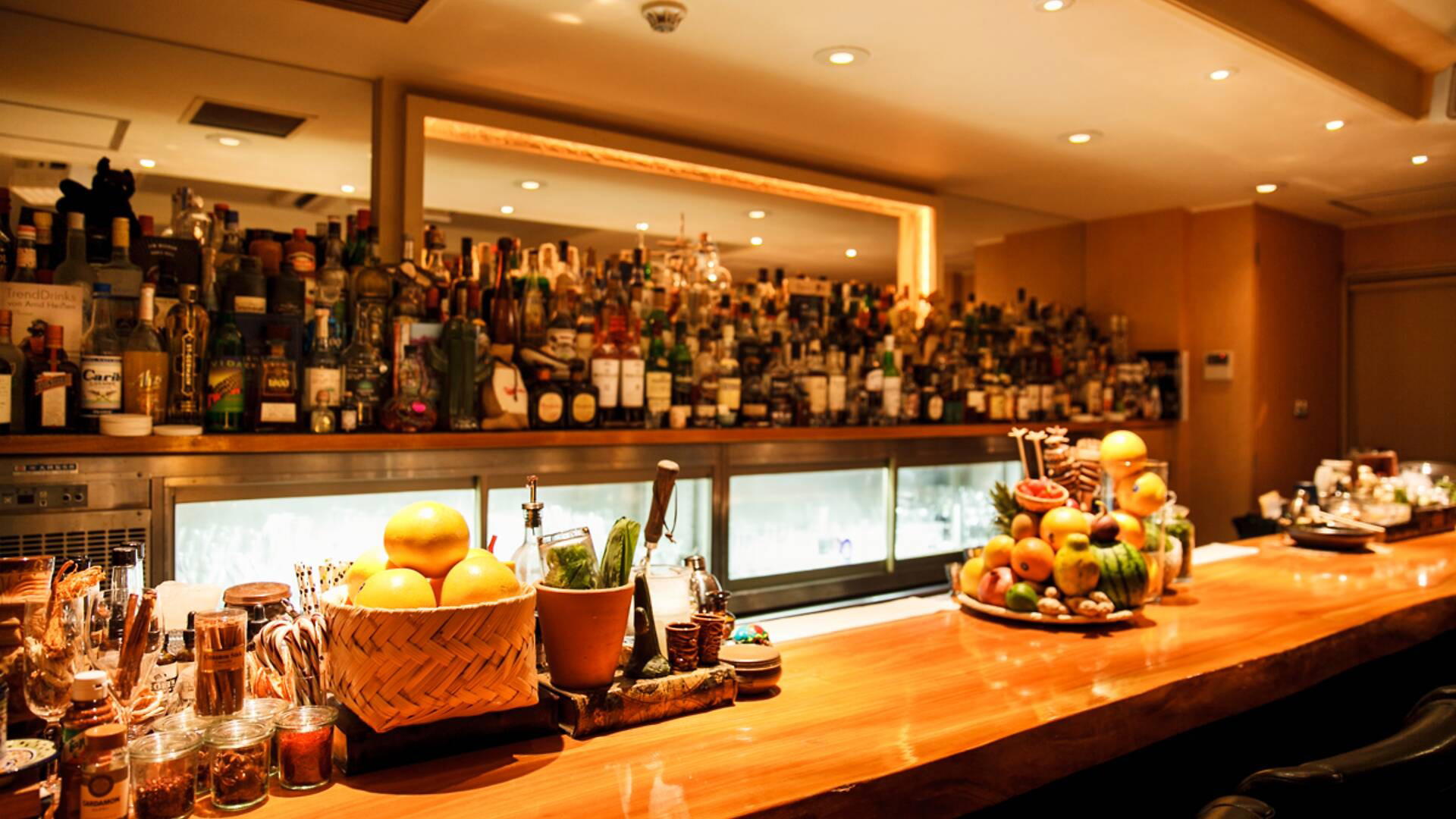
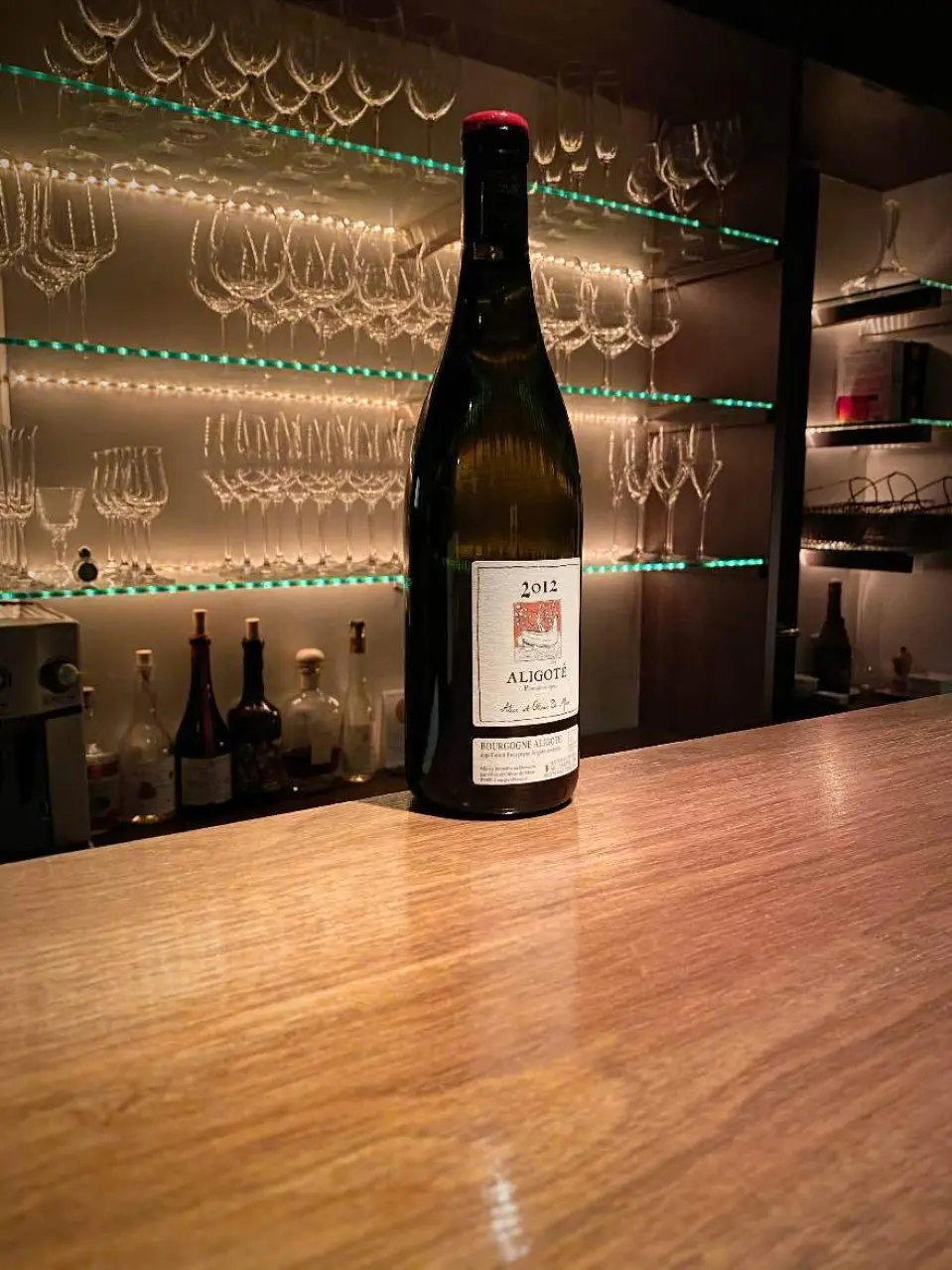
Details
- Elegant
- Sophisticated
- Intimate
- Modern
- Business Dinner
- Date Night
- Special Occasion
- Chefs Counter
- Sake Program
- Counter Dining
- Sake Program
Current opening hours
- Monday
- 11 AM–2 PM, 4–11 PM
- Tuesday
- 12–4 AM, 11 AM–2 PM, 4 PM–4 AM
- Wednesday
- 11 AM–2 PM, 4 PM–4 AM
- Thursday
- 11 AM–2 PM, 4 PM–4 AM
- Friday
- 11 AM–2 PM, 4 PM–4 AM
- Saturday
- 12 PM–12 AM
- Sunday
- 12–11 PM
Hours can change for holidays and private events. Hours as of .
Discreet and refined with warm woods, soft lighting, uncluttered tables, and calm acoustics focused on food and conversation.