World's Best Wine Lists Awards WBWL 3-Star
Our verdict
China Blue occupies a Higashishinbashi address in Tokyo's Minato ward, positioning itself within the city's tier of destination Chinese restaurants that draw as much from local sourcing philosophy as from classical technique. Where Tokyo's top tables increasingly treat environmental accountability as a kitchen discipline rather than a marketing footnote, China Blue sits inside that conversation.

Pearl is the En Primeur Club membership app, where members save venues, book tables and use the concierge.

The menu
What to order
- Barbecue spare ribs with sweet and sour sauce
- Braised abalone
- Lobster spring roll
Where Higashishinbashi Places Chinese Dining in Tokyo's Hierarchy
Tokyo's premium Chinese restaurant scene has quietly matured into one of the most competitive in Asia. The city now supports a tier of Chinese tables that operate with the same sourcing rigour and booking discipline as its three-Michelin-starred sushi counters and kaiseki institutions. China Blue, at its Higashishinbashi address in Minato City, sits within that tier, a neighbourhood defined by corporate towers, the legacy of the old Shiodome media district, and a dining scene that skews toward serious, occasion-driven meals rather than casual neighbourhood eating.
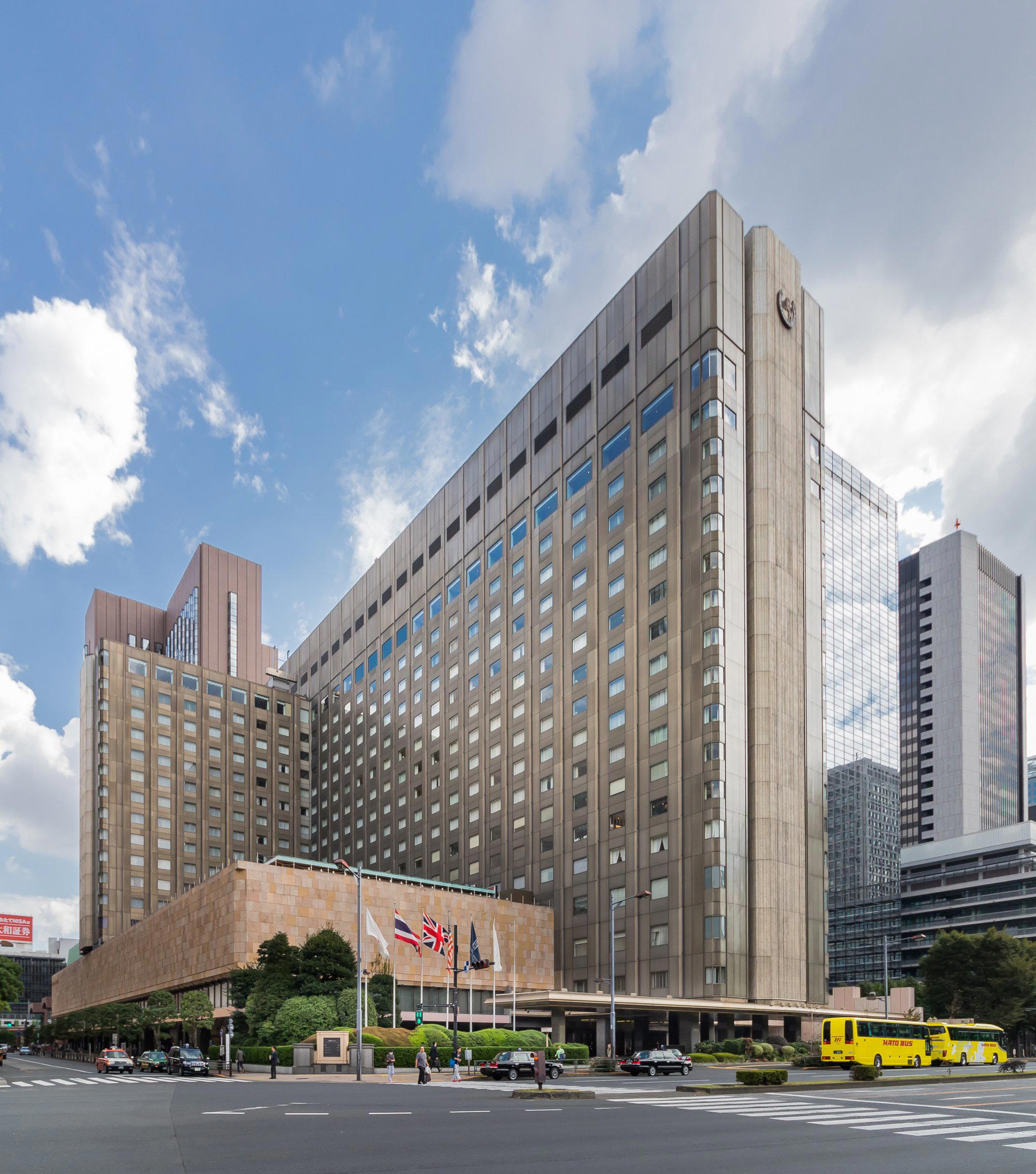
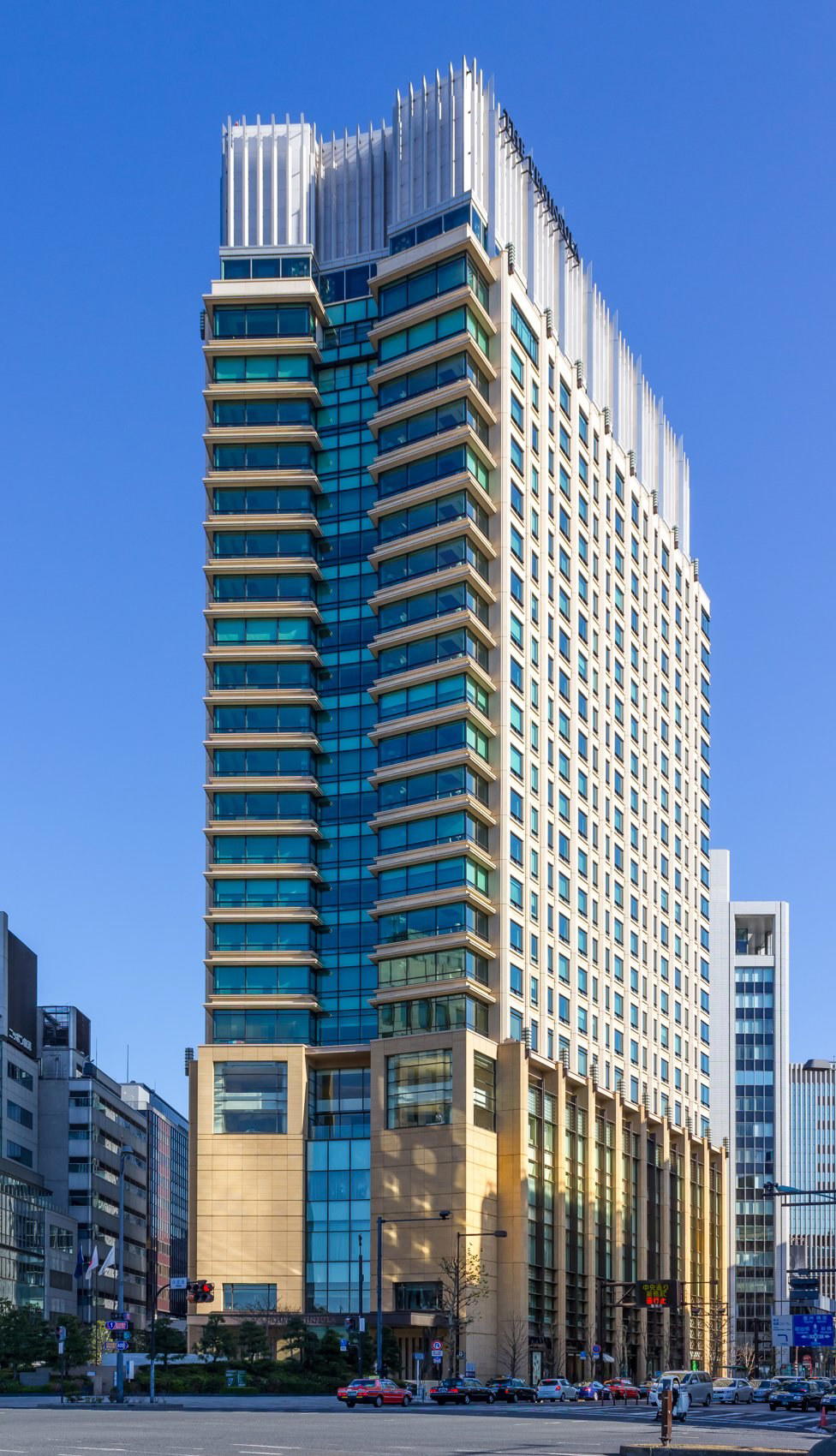
The building itself signals intent before you reach the dining room. Higashishinbashi high-rises house some of Tokyo's more architecturally ambitious restaurant spaces, where the physical envelope, views, and materials do as much work as the kitchen. Arriving at an upper-floor Chinese restaurant in this part of the city carries particular associations: distance from street-level noise, a sense of remove from the city's pace, and a visual relationship with Tokyo Bay and the expressway infrastructure that defines this corner of the harbour edge.
Chinese Cuisine in Tokyo Through an Ethical Sourcing Lens
Across Tokyo's high-end restaurant categories, environmental accountability has shifted from optional positioning to kitchen practice. The French tradition at L'Effervescence has long centred its identity on producer relationships and waste-minimal cooking. Crony's innovative French program operates inside the same framework. What makes the Chinese format interesting in this context is that classical Cantonese and contemporary Chinese cooking already contain deep structural logic around whole-animal utilisation, fermentation, and preservation, techniques that predate modern sustainability discourse by centuries.
Premium Chinese kitchens in Tokyo that take sourcing seriously are working in a tradition that already knows how to use every part of a duck, how to ferment black beans over months rather than days, and how to treat dried seafood ingredients, abalone, sea cucumber, shark fin alternatives, as long-cycle pantry items rather than seasonal produce. That inherited philosophy gives a serious Chinese kitchen a different relationship with waste reduction than a European-derived kitchen building those habits from scratch.
For diners who approach a restaurant asking where ingredients come from and what happens to what isn't served, this context matters. Tokyo's leading Chinese tables are not simply applying a sustainability overlay to a classical menu. They are drawing on a culinary tradition in which resourcefulness was always baked into the technique.
China Blue in the Context of Tokyo's Premium Dining Tier
Positioning any premium Chinese restaurant in Tokyo requires understanding what it is being positioned against. The city's highest-profile tables at the ¥¥¥¥ level include RyuGin and L'Effervescence at three Michelin stars, and Crony at two, all operating with deep sourcing programs and international recognition. China Blue occupies a different category within this ecosystem: Chinese cuisine, in a city where the format is less mapped by the Western critical establishment than Japanese or French cooking, which creates both obscurity and opportunity.
For comparison with peer tables in other Japanese cities, the sourcing-focused approach at venues like HAJIME in Osaka or the producer-led philosophy at Gion Sasaki in Kyoto illustrates how seriously the top tier across Japan treats ingredient provenance. China Blue's Minato City location places it in the same metropolitan seriousness, even if its cuisine category means it is evaluated on different criteria.
Beyond Tokyo, comparisons stretch to internationally oriented Chinese programs at high-end hotels and standalone restaurants in cities like New York, where the conversation about ethical sourcing in Chinese fine dining is also developing. Diners who cross-reference Tokyo with Le Bernardin or Atomix in New York will recognise the same pattern: premium dining in major cities converging on transparency about supply chains, regardless of cuisine category.
Planning Your Visit
China Blue's Higashishinbashi address (1 Chome-9-1 Higashishinbashi, Minato City) is accessible from Shiodome Station on the Yurikamome Line and Oedo Line, and from Shimbashi Station on the JR Yamanote Line, each within a short walk. This part of Minato is primarily a business and transit district, which means the area is quieter on weekends and better served by transport on weekday evenings. For broader Tokyo planning, the full Tokyo restaurants guide, hotels guide, bars guide, and experiences guide provide the wider context.
Peer Comparison: Premium Dining in Tokyo and Surrounds
| Venue | City | Cuisine | Price Tier | Recognition |
|---|---|---|---|---|
| China Blue | Tokyo | Chinese | Minato City, high-floor setting | See current listings |
| Harutaka | Tokyo | Sushi | ¥¥¥¥ | Michelin 3 Stars |
| RyuGin | Tokyo | Kaiseki | ¥¥¥¥ | Michelin 3 Stars |
| L'Effervescence | Tokyo | French | ¥¥¥¥ | Michelin 3 Stars |
| Crony | Tokyo | Innovative French | ¥¥¥¥ | Michelin 2 Stars |
| HAJIME | Osaka | French | ¥¥¥¥ | Michelin 3 Stars |
| akordu | Nara | Basque-influenced | Premium | Recognised |
| Goh | Fukuoka | Japanese | Premium | Michelin starred |
Frequently asked questions
Where is China Blue in Tokyo?
China Blue is located at 1 Chome-9-1 Higashishinbashi, Minato City, Tokyo 105-7337, Japan, Tokyo.
Is China Blue in Tokyo a practical choice for business dining?
Higashishinbashi sits within one of Minato City's primary corporate corridors, making it a logical address for business meals where proximity to Shiodome offices and easy access via the Yurikamome and Oedo Lines matter. High-floor Chinese restaurants in this part of Tokyo have established a clear function in the business entertainment tier, where the format allows for extended table time without the structural rigidity of a Japanese omakase counter. China Blue's positioning in this neighbourhood places it directly in that category.
What should I eat at China Blue?
Chinese fine dining at this tier in Tokyo is built around multi-course progression rather than a single signature dish. Ordering across the full menu structure typically reveals the kitchen's range across technique and ingredient. Arriving with dietary preferences communicated in advance gives the kitchen room to sequence courses effectively.
What's the best way to book China Blue?
For premium dining in Higashishinbashi at this address and price level, the standard Tokyo condition applies: contact the venue as far ahead as your schedule allows. High-floor Chinese restaurants in Minato City see sustained demand from both corporate and personal diners, particularly for weekend evenings. Reaching out directly through the venue's reservation channel rather than third-party platforms tends to give more flexibility for special requirements.
What's the standout thing about China Blue?
The pairing of a high-floor Higashishinbashi address with a Chinese fine dining format is a less common configuration in Tokyo than equivalent French or Japanese tables at this tier. Minato City's corporate geography also makes it one of the few premium Chinese venues in the city that functions as naturally for business entertaining as for personal occasions. That dual utility, at this address, is the clearest distinguishing factor.
What if I have allergies at China Blue?
Premium Chinese kitchens operating at the Higashishinbashi address tier generally carry sufficient kitchen staffing and advance booking windows to accommodate most dietary requirements. Communicating allergies at the time of reservation, rather than on arrival, gives the team the lead time to adjust course sequences appropriately. Specific confirmation of what the kitchen can accommodate should always come directly from the venue.
A Minimal comparable set
Comparable venues nearby, for context on price, style, and recognition.
| Venue | Cuisine | Price | Awards | Notes |
|---|---|---|---|---|
| China BlueThis venue (the venue you are viewing) | Modern Cantonese | $100–150 | World's Best Wine Lists Awards WBWL 3-Star | Not listed |
| Xie Wang Fu | Traditional Kaiseki | $300–500 | Tabelog 100 #80 · Black Pearl 1 Diamond | Chūō, Luxury Shanghai Crab Fine Dining |
| Ginza Kazen | New-style Cantonese fine dining | $200–300 | Tabelog 100 #84 | Chūō, New-style Cantonese fine dining |
| Ino Cantonese Nihonbashi Takase | Innovative Cantonese with Japanese ingredients | $100–150 | Michelin Plate · Tabelog 100 #20 | Chūō, Innovative Cantonese with Japanese ingredients |
| Szechwan Restaurant Chen Shibuya | Authentic Sichuan Cuisine | $50–100 | Tabelog 100 #54 | Shibuya, Authentic Sichuan Cuisine |
| Ryutenmon | Cantonese Fine Dining & Dim Sum | $100–150 | Tabelog 100 #57 | Meguro, Cantonese Fine Dining & Dim Sum |
Recognition history
Dated appearances from independent guides and award organizations, with the underlying list record or original source where available.
World's Best Wine Lists Awards WBWL 3-Star
World's Best Wine Lists Awards
Continue exploring
More in Tokyo
Restaurants in Tokyo
All restaurants in Tokyo →
Bars in Tokyo
All bars in Tokyo →
China Blue
The wine
- Wine program
- Deep wine list
- Extensive wine list
- Sommelier-led
Details
- Elegant
- Sophisticated
- Scenic
- Modern
- Date Night
- Business Dinner
- Celebration
- Special Occasion
- Wine Cellar
- Panoramic View
- Private Dining
- Hotel Restaurant
- Open Kitchen
- Extensive Wine List
- Sommelier Led
- Local Sourcing
- Skyline
- Waterfront
- Garden
- Tasting Menu
- Set Menu
- A La Carte
- Wine
- Tea
- Vegetarian Friendly
- Allergy Accommodating
Current opening hours
- Monday
- 12–2 PM, 5:30–9 PM
- Tuesday
- 12–2 PM, 5:30–9 PM
- Wednesday
- 12–2 PM, 5:30–9 PM
- Thursday
- 12–2 PM, 5:30–9 PM
- Friday
- 12–2 PM, 5:30–9 PM
- Saturday
- 12–2 PM, 5:30–9 PM
- Sunday
- 12–2 PM, 5:30–9 PM
Hours can change for holidays and private events. Hours as of .
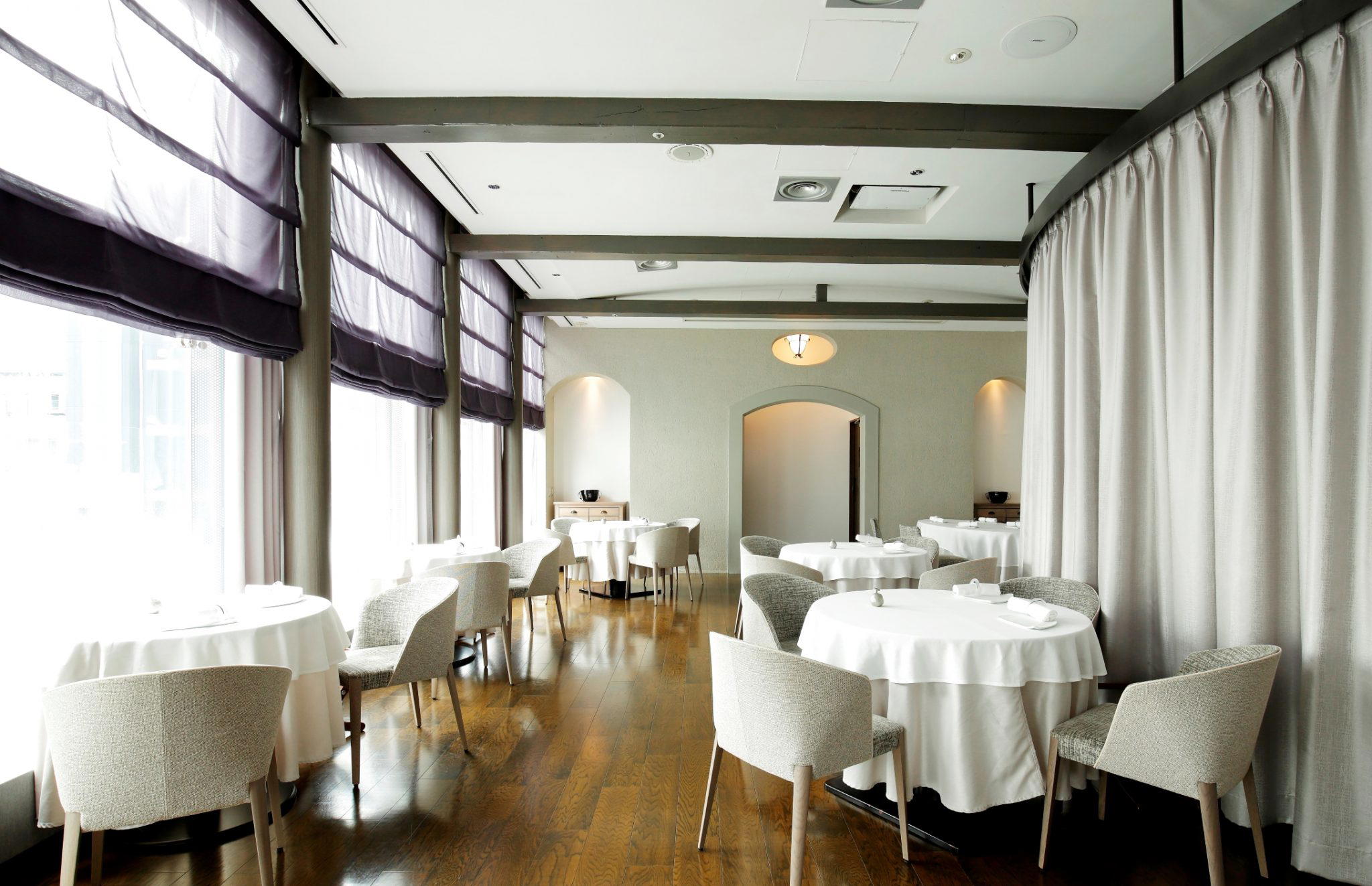
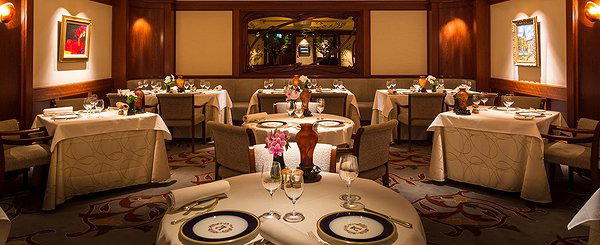
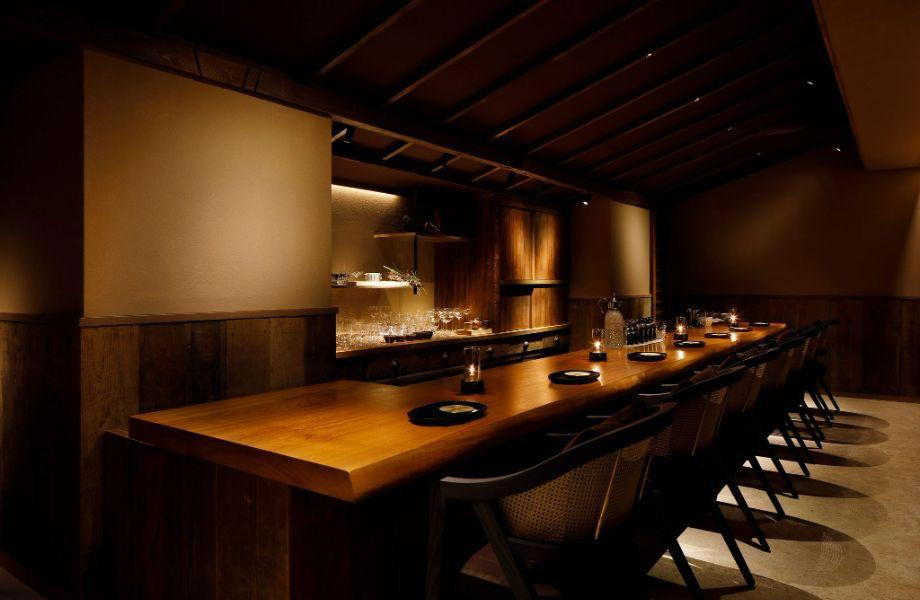
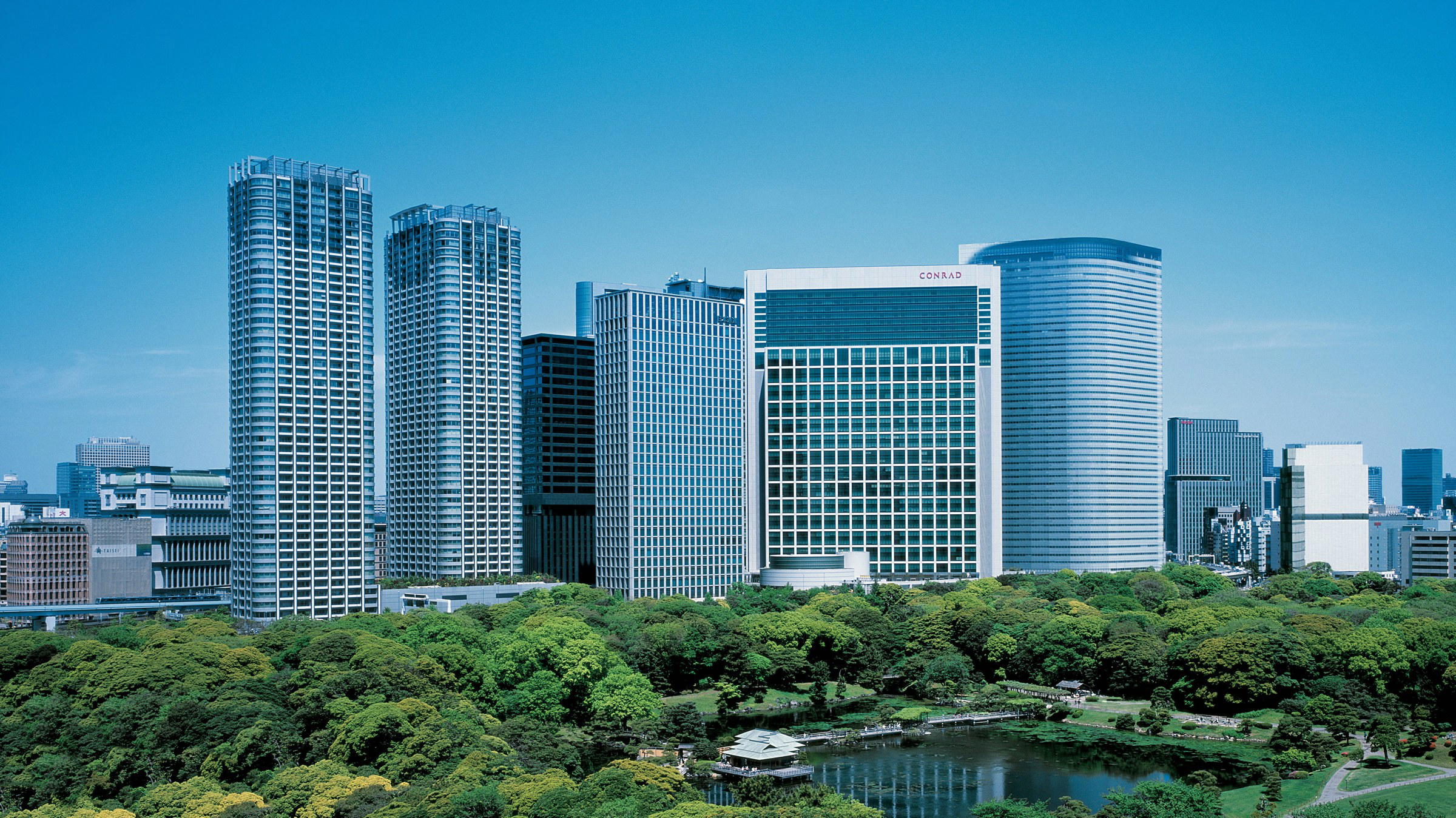
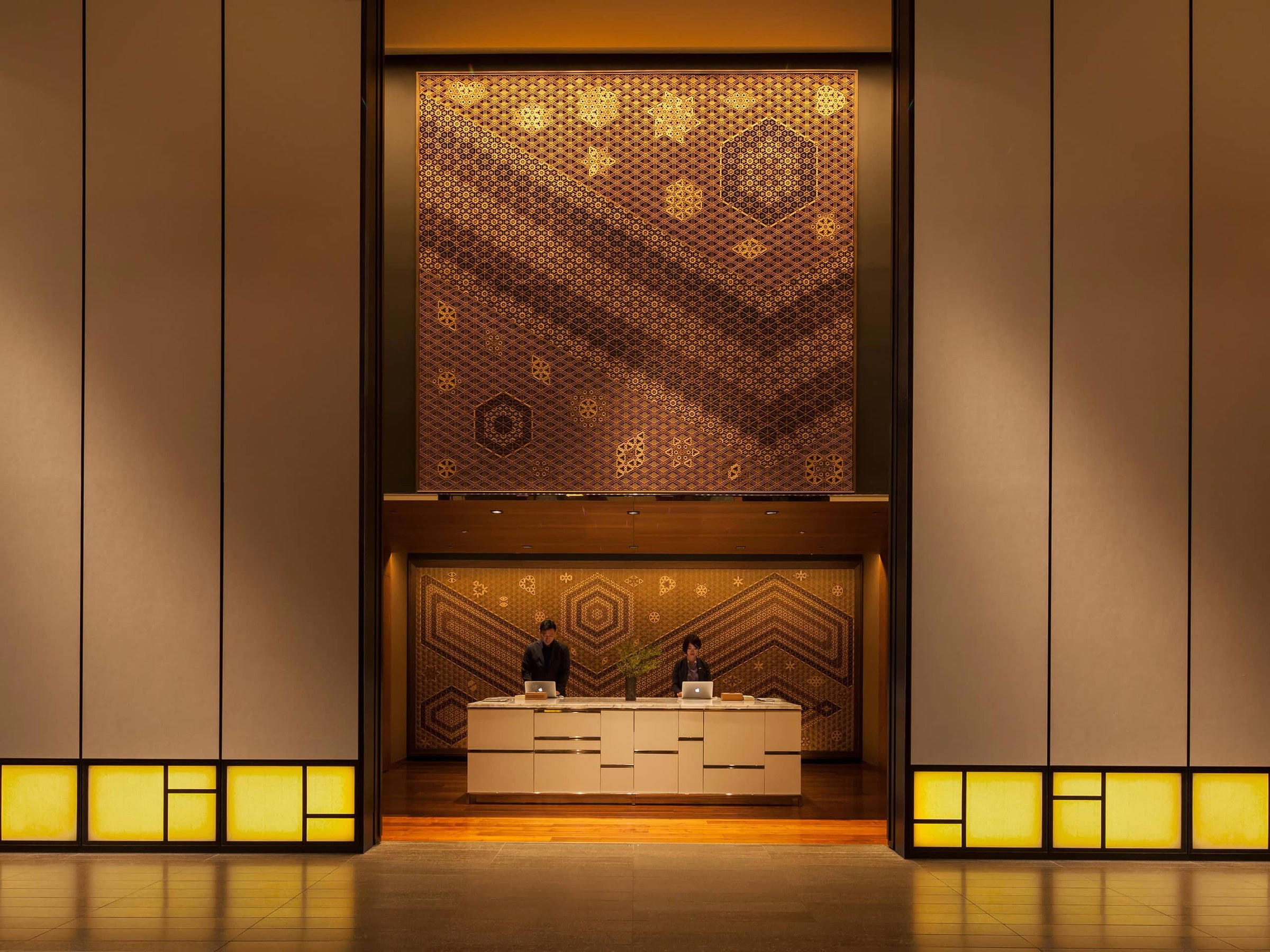
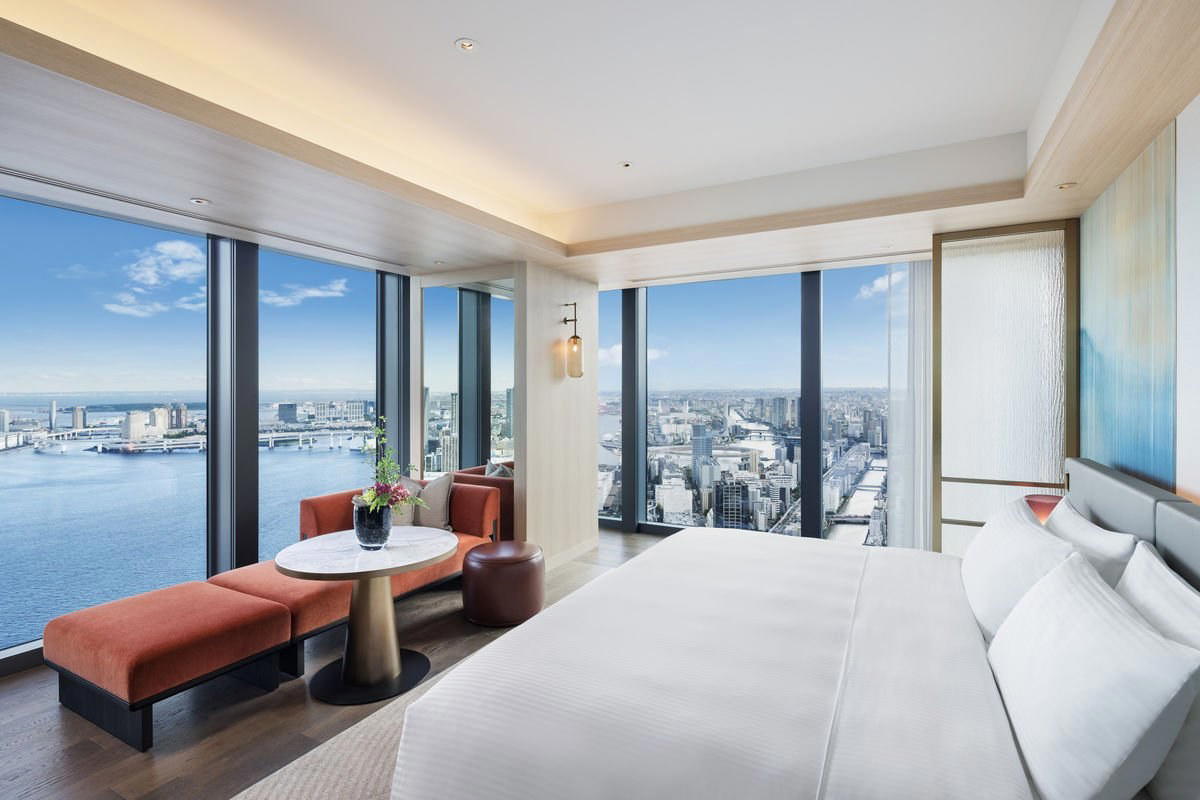
Refined and contemporary with dark oak interiors, blue design accents, and dramatic nighttime views of Hamarikyu Gardens and Tokyo Bay through expansive windows.