Our verdict
Sinđelić occupies a residential address on Vojislava Ilića in Belgrade's southern belt, placing it well outside the riverfront dining circuit that draws most international visitors. The venue sits in a part of the city where restaurants earn local loyalty through consistency rather than location, and where the dining room dynamic between kitchen, service, and guests tends to be more direct and less performative than in the centre.

Pearl is the En Primeur Club membership app — saves, bookings, and concierge access live there. Same editors, same standards.
- Address
- Vojislava Ilića 86, Beograd 11050, Serbia
- Phone
- +381113087067
- Hours
- Daily 9 AM–11 PM
- Website
- restoransindjelic.com
- Directions
- Get directions
- Booking
- Book on the venue's website
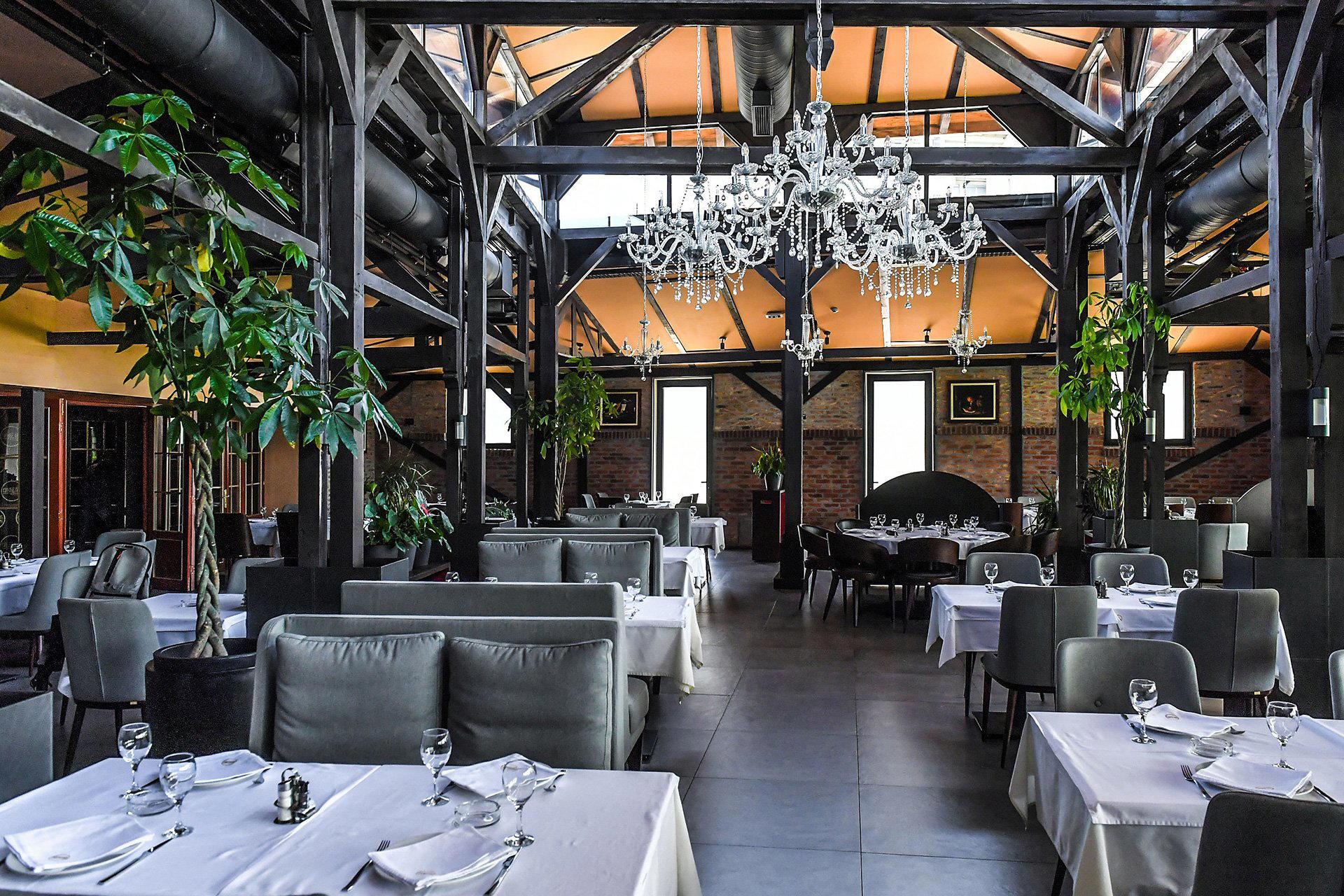
South of the Centre, Outside the Obvious Circuit
Belgrade's restaurant map has a gravitational pull toward Savamala, Stari Grad, and the floating kafanas along the Sava. For visitors arriving with a list of addresses, that corridor absorbs most of the attention. But the city's residential neighbourhoods, particularly those spreading south and east from the inner ring, have long supported a different category of restaurant: places that answer to regular guests rather than to passing trade, where the dining room dynamic is set by the rhythm of returning customers and the team that serves them week after week.
Sinđelić sits at Vojislava Ilića 86, in that outer residential band. The address alone signals something about the kind of dining it represents. You do not arrive here by accident, and the venue has no particular incentive to perform for a tourist audience. That orientation shapes everything from the pace of service to the relationship between floor and kitchen — two elements that, in neighbourhood restaurants across Serbian cities, often function with a coherence that high-traffic central venues find harder to sustain. For comparison, places like Ambar and Avala operate within Belgrade's more visible dining circuit; Sinđelić works at a different register entirely.
The Neighbourhood as Context
Vojislava Ilića runs through Voždovac, a municipality that functions as a settled urban residential district rather than a dining destination in its own right. Restaurants here are embedded in the social infrastructure of the neighbourhood: they feed families on weekday evenings, host small celebrations, and build reputations through word of mouth across streets rather than across social media feeds. The pressure to perform for strangers is lower; the pressure to remain consistent for people who will return next Tuesday is considerably higher.
That dynamic produces a specific kind of front-of-house culture. In Belgrade's residential dining rooms, service tends to be personal in a functional rather than theatrical sense. The sommelier, where one exists, is often the same person who has watched the wine list evolve alongside the menu. The host who greets you may have known the kitchen team for years. This is the kind of collaborative service structure that formal restaurant culture in wealthier markets attempts to engineer through staff training programmes; in neighbourhood venues of this type, it tends to exist because the team has simply worked together long enough. For a different expression of that same team-led discipline at the upper end of Belgrade's market, Langouste and The Square demonstrate what happens when that coherence is applied to more formal tasting-menu formats.
Belgrade's Residential Dining Tradition
Serbia's kafana tradition is the most discussed element of its food culture internationally, but the residential restaurant — distinct from the kafana in both format and intent, deserves equal consideration. These are venues that emerged from the social habits of urban apartment living: the practical need for a reliable place to eat well within walking distance, without the ceremony of a special-occasion restaurant or the noise of a central kafana. They are common across Serbian cities. Kafe Restoran Maša in Novi Sad represents a comparable neighbourhood-anchored approach in a different Serbian city context, while regional venues like Kod Brana in Čačak and Lovački dom in Valjevo show how the same local-loyalty model operates outside metropolitan centres.
What Belgrade's residential dining tier shares across venues is a particular relationship between kitchen and dining room that is harder to find in the city's more centralised, visitor-facing spots. The menu tends to reflect what the kitchen does well rather than what a trend cycle suggests it should offer. Service tends to be calibrated to regulars rather than to first-time visitors needing orientation. Neither of these qualities is inherently superior to the polished experience of central venues, they are simply different, and they produce a different kind of meal.
Placing Sinđelić in Its Competitive Set
Without detailed pricing or award data in the public record for Sinđelić, the most useful frame is geographic and social rather than financial. The venue competes not with Belgrade's tasting-menu tier, represented by places like Salon 1905 at the €€€ level or Langouste at the upper end, but with the peer group of neighbourhood restaurants that serve the Voždovac and southern Belgrade residential population. In that peer group, longevity and local reputation are the primary signals of quality. A restaurant on a residential street that has continued trading through Belgrade's turbulent economic decades has done so because the neighbourhood has chosen to keep it.
For international visitors accustomed to venues like Le Bernardin in New York City or Atomix, the comparison is instructive not because Sinđelić operates at those price points or with that level of formal recognition, but because it demonstrates the opposite end of the hospitality spectrum: the neighbourhood anchor rather than the destination restaurant, where the team dynamic is shaped by continuity rather than by formal service hierarchy. Elsewhere in Serbia, similar neighbourhood-anchored venues can be found at Aleksandar Gold in Užice, Windmill in Pančevo, and Etno Kuća Dinar in Vršac.
Planning Your Visit
Sinđelić draws from a local customer base, which means the practical considerations differ from those governing Belgrade's more visitor-oriented venues. No booking platform is publicly listed, and the venue does not maintain a public website in the available record. Direct contact, in person or by phone if a number becomes available locally, is the standard approach for neighbourhood restaurants at this level in Serbian cities. The address at Vojislava Ilića 86 is reachable by tram or bus from the city centre; the journey south from Trg Republike takes roughly twenty minutes depending on traffic and connection. For broader orientation across the city's dining options, the EP Club Belgrade restaurants guide covers the full range from central tasting-menu venues to neighbourhood anchors like this one. Other regional dining options worth exploring include Čarda Zlatna Kruna in Apatin, Kafana Dukat in Pirot, and Kod poštara in Aranđelovac, and Grand in Kopaonik for mountain dining. The Barrel House in Belgrade offers a contrasting urban atmosphere for those wanting variety across a visit.
Know Before You Go
- Address: Vojislava Ilića 86, Beograd 11050, Serbia
- Booking: No public online booking platform listed; direct contact recommended
- Getting There: Accessible by Belgrade public transport (tram/bus) from the city centre; approximately 20 minutes from Trg Republike
- Pricing: No price range publicly listed; consistent with neighbourhood restaurant tier in Belgrade
- Awards: None listed in public record
- Hours:; verify locally before visiting
Frequently asked questions
Where do I go for Sinđelić?
Sinđelić is located at Vojislava Ilića 86, Beograd 11050, Serbia, Belgrade.
Is Sinđelić worth visiting if I'm staying in central Belgrade?
Sinđelić sits on Vojislava Ilića in Voždovac, a residential district south of Belgrade's centre, which means it requires deliberate effort to reach rather than falling on any standard sightseeing route. The case for making the trip is access to a neighbourhood restaurant operating for local regulars rather than visitors, which gives a different read on how Belgrade actually eats day to day. If your itinerary is limited to a single day in the city, the central districts cover more ground efficiently.
What should I order at Sinđelić?
No menu is publicly listed for Sinđelić, which sits on Vojislava Ilića in Belgrade's Voždovac municipality. At neighbourhood restaurants in this tier of Serbian cities, the practical approach is to ask the staff what arrived fresh that day. Restaurants in residential Belgrade districts typically anchor their offer to grilled meats, seasonal vegetables, and house-made accompaniments rather than fixed tasting formats.
How hard is it to get a table at Sinđelić?
Sinđelić operates in Voždovac, a residential municipality drawing a local customer base rather than visitor traffic. Without award recognition driving external demand, the reservation pressure here differs sharply from venues in Savamala or Stari Grad. Calling ahead remains sensible for weekend evenings, but this is not a counter that books three months in advance.
What's the defining dish or idea at Sinđelić?
No single signature dish is documented for Sinđelić. The defining idea, given its address in Voždovac rather than Belgrade's visitor-facing centre, is consistency for a regular clientele. Restaurants in this residential tier of Serbian cities typically build loyalty through reliable daily cooking rather than a menu engineered for novelty or press attention.
Do they accommodate allergies at Sinđelić?
No allergy or dietary accommodation policy is publicly listed for Sinđelić at its Vojislava Ilića address. Serbian neighbourhood restaurants in this category rarely publish formal allergy frameworks online. Communicating requirements directly with staff on arrival or by phone is the standard approach at this type of venue in Belgrade.
Should I splurge on Sinđelić?
No published pricing exists for Sinđelić, but neighbourhood restaurants in Voždovac, outside Belgrade's central tourist corridors, tend to run at the lower end of the city's cost range. This is not a venue positioned around premium spend. The value proposition is proximity to local everyday dining rather than a special-occasion price point.
Where the Accolades Land
Comparable venues nearby, for context on price, style, and recognition.
| Venue | Cuisine | Price | Notes |
|---|---|---|---|
| SinđelićThis venue — the venue you are viewing | Traditional Serbian | $10–20 | Not listed |
| Crna Ovca | Artisanal Ice Cream Shop | $1–10 | Stari Grad |
| Vila Gospava | Serbian Traditional | $20–30 | Savski Venac |
| Potkovica | Traditional Serbian Horse Meat Barbecue | Not listed | Savski venac |
| Klub Košutnjak | Serbian Game Meat | $20–30 | Košutnjak |
| Restaurant Djerdan | Authentic Serbian Barbecue | $20–30 | Zvezdara |
Continue exploring
More in Belgrade
Restaurants in Belgrade
Browse all →
Bars in Belgrade
Browse all →
Hotels in Belgrade
Browse all →

Details
- Classic
- Rustic
- Cozy
- Group Dining
- Family
- Casual Hangout
- Private Dining
- A La Carte
- Vegetarian Friendly
Current opening hours
- Monday
- 9 AM–11 PM
- Tuesday
- 9 AM–11 PM
- Wednesday
- 9 AM–11 PM
- Thursday
- 9 AM–11 PM
- Friday
- 9 AM–11 PM
- Saturday
- 9 AM–11 PM
- Sunday
- 9 AM–11 PM
Hours can change for holidays and private events. Last verified .
Pleasant atmosphere with modern design in a traditional setting, featuring garden patio seating.