On a quiet residential street in Belgrade's Vračar district, Bistro Tri has built a following among locals who treat it as a neighbourhood anchor rather than a destination. The address, Mileševska 16, sits within easy reach of the city's broader dining corridor, placing it in a tier of small, unpretentious bistros that have become increasingly relevant as Belgrade's restaurant scene moves past novelty and toward consistency.
Pearl is the En Primeur Club membership app — saves, bookings, and concierge access live there. Same editors, same standards.
- Address
- Mileševska 16, Beograd 11000, Serbia
- Phone
- +381653332548
- Website
- bistrotri.com
- Directions
- Get directions
 Saves & bookings on Pearl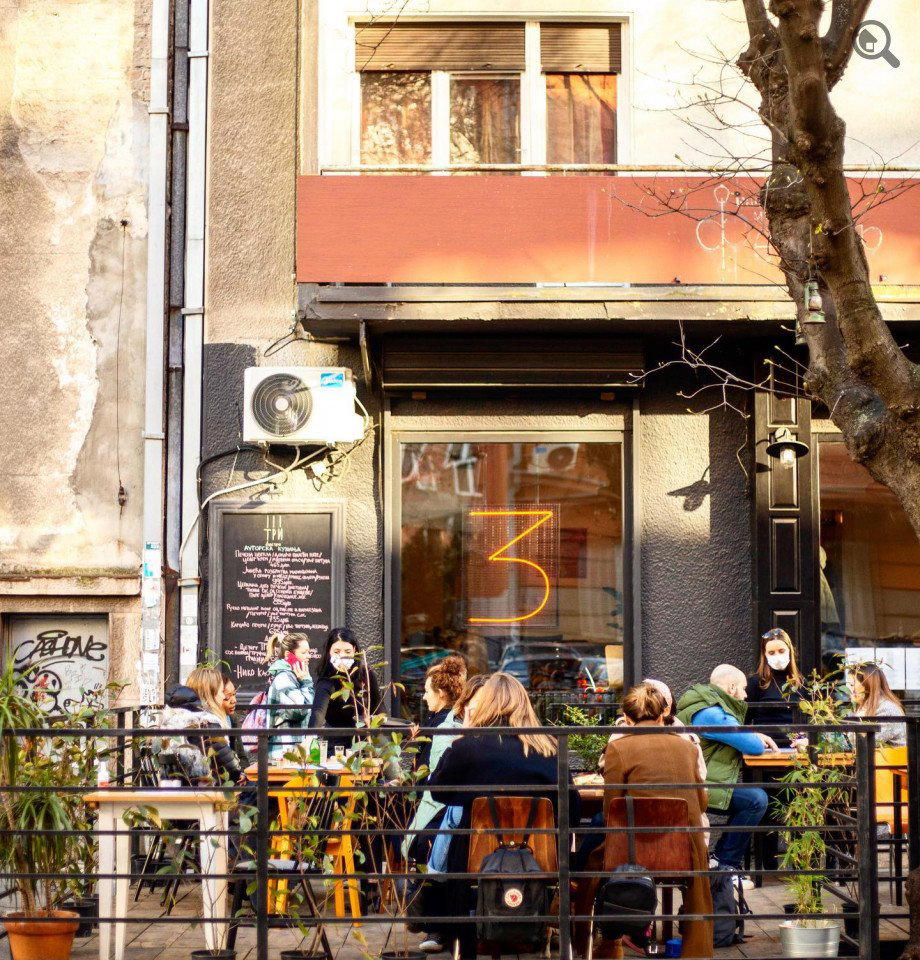
A Street, a Room, a Register
Vračar is the kind of Belgrade neighbourhood that rewards time spent on foot. Its streets run between 19th-century apartment blocks and low-slung corner buildings, the rhythm unhurried in a way that the Stari Grad tourist circuit rarely is. Bistro Tri sits on Mileševska 16, Belgrade, a residential address that signals something before you even step inside: this place is not angling for the passing crowd. It belongs to a type of Belgrade dining room, modest in presentation, deliberate in what it offers, that has become more common as the city's food culture has matured past the era of showy openings and toward something steadier.
The bistro format in Belgrade operates differently from its Western European counterpart. In Paris or Lyon, a bistro carries inherited codes: zinc bars, chalked menus, wine served by the carafe. In Belgrade, the same word tends to describe something more flexible, a room that is small enough to feel personal, priced accessibly, and structured around a menu that changes with season or supply. Bistro Tri fits this local interpretation rather than the imported one, which is worth understanding before you arrive with expectations shaped elsewhere.
Where Bistro Tri Sits in Belgrade's Dining Order
Belgrade's restaurant scene in 2024 spans a wider range than it did a decade ago. At the upper end, venues like Langouste and The Square operate at the €€€€ and €€ tiers respectively, offering tasting-led formats and European technique applied to Serbian produce. At the more affordable end, places like Ambar anchor themselves in Balkan sharing traditions. The restaurant occupies a different position: a neighbourhood bistro in a residential quarter, operating at a scale and price point that keeps it closer to the daily life of its immediate surroundings than to the city's destination dining tier.
That positioning is not a limitation, it is a specific kind of value. The bistros that have survived and accumulated regulars in Belgrade tend to do so through consistency of quality and an absence of theatre. The room does not need to perform; the food does the work. Across Serbian cities, this model reappears: in Novi Sad at venues like Ananda, in Niš at Etno Podrum Brka, and in smaller towns like Ruma at Borkovac. The pattern, local address, local clientele, no ceremony, is not distinctive to Belgrade, but Belgrade's version of it is increasingly worth paying attention to as the city draws more international visitors who want to eat where residents actually eat.
The Atmosphere at Table
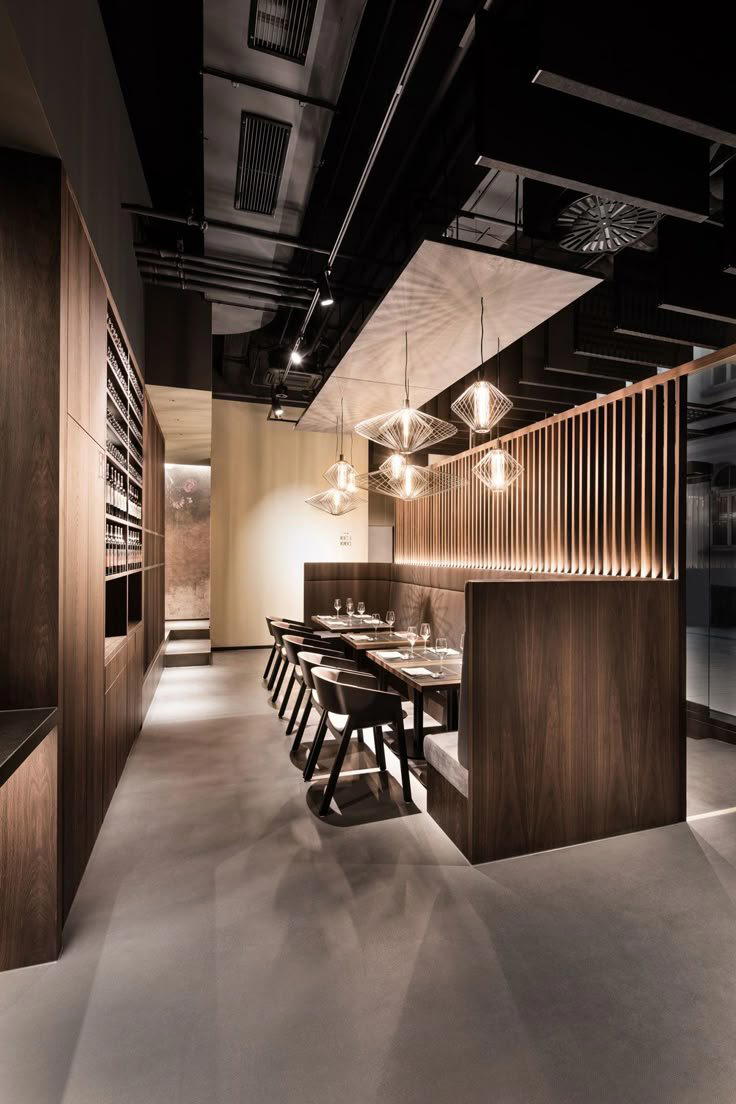
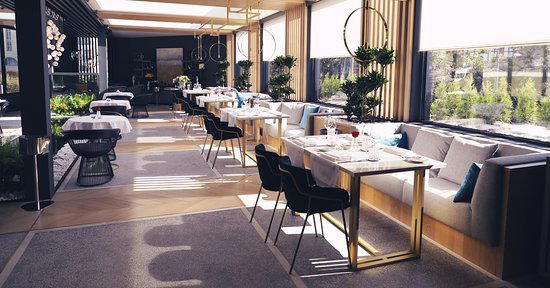
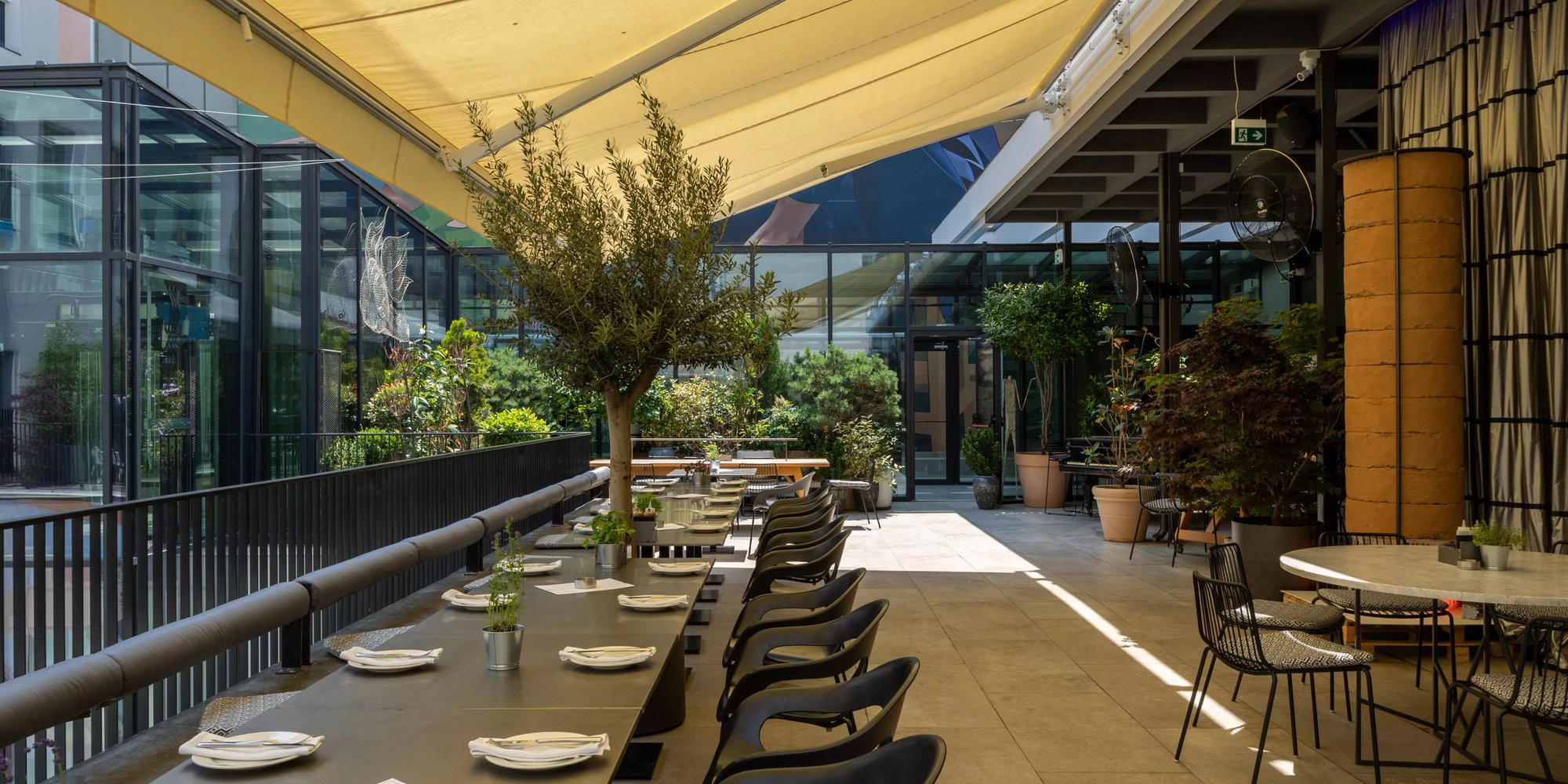
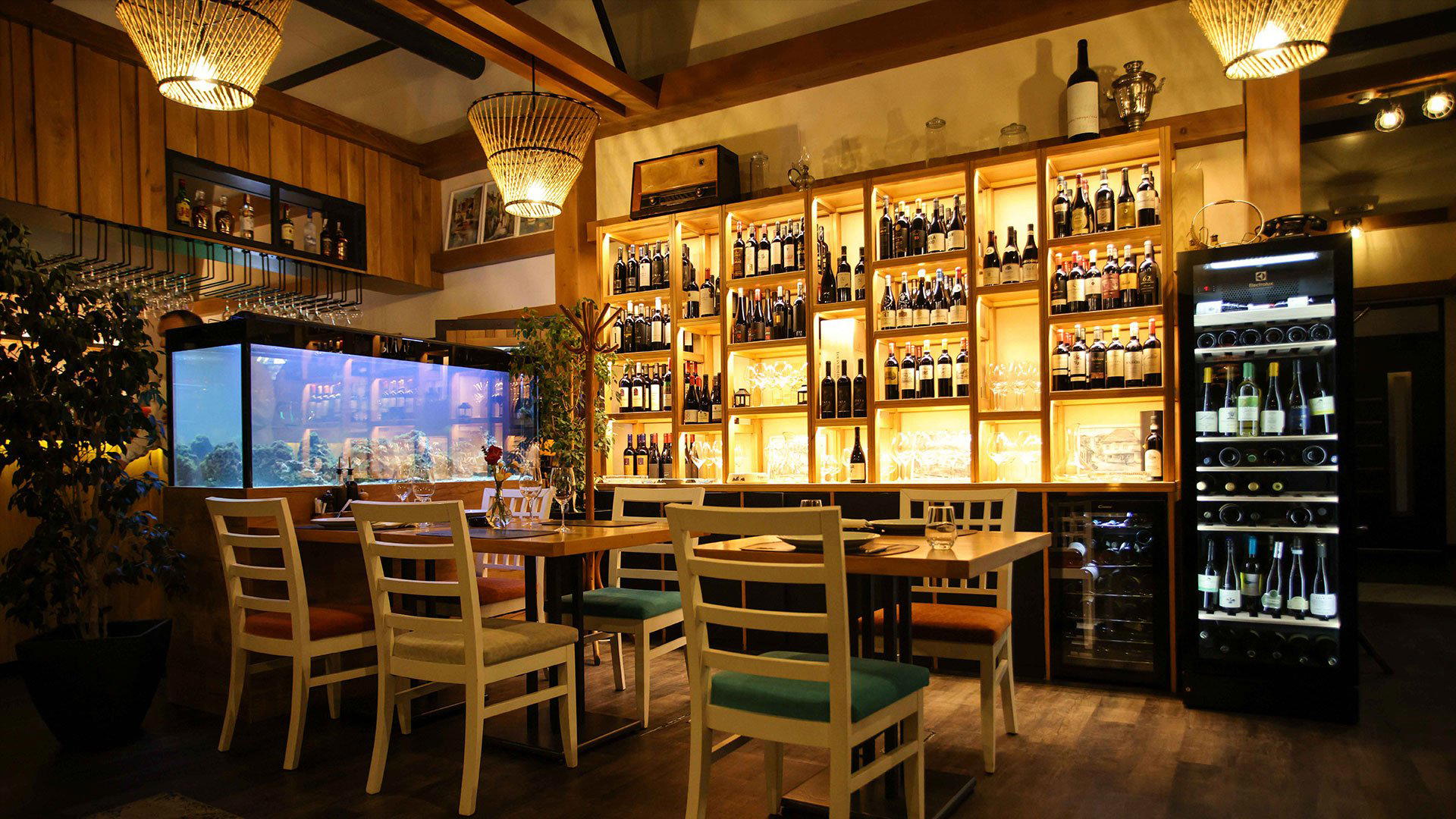
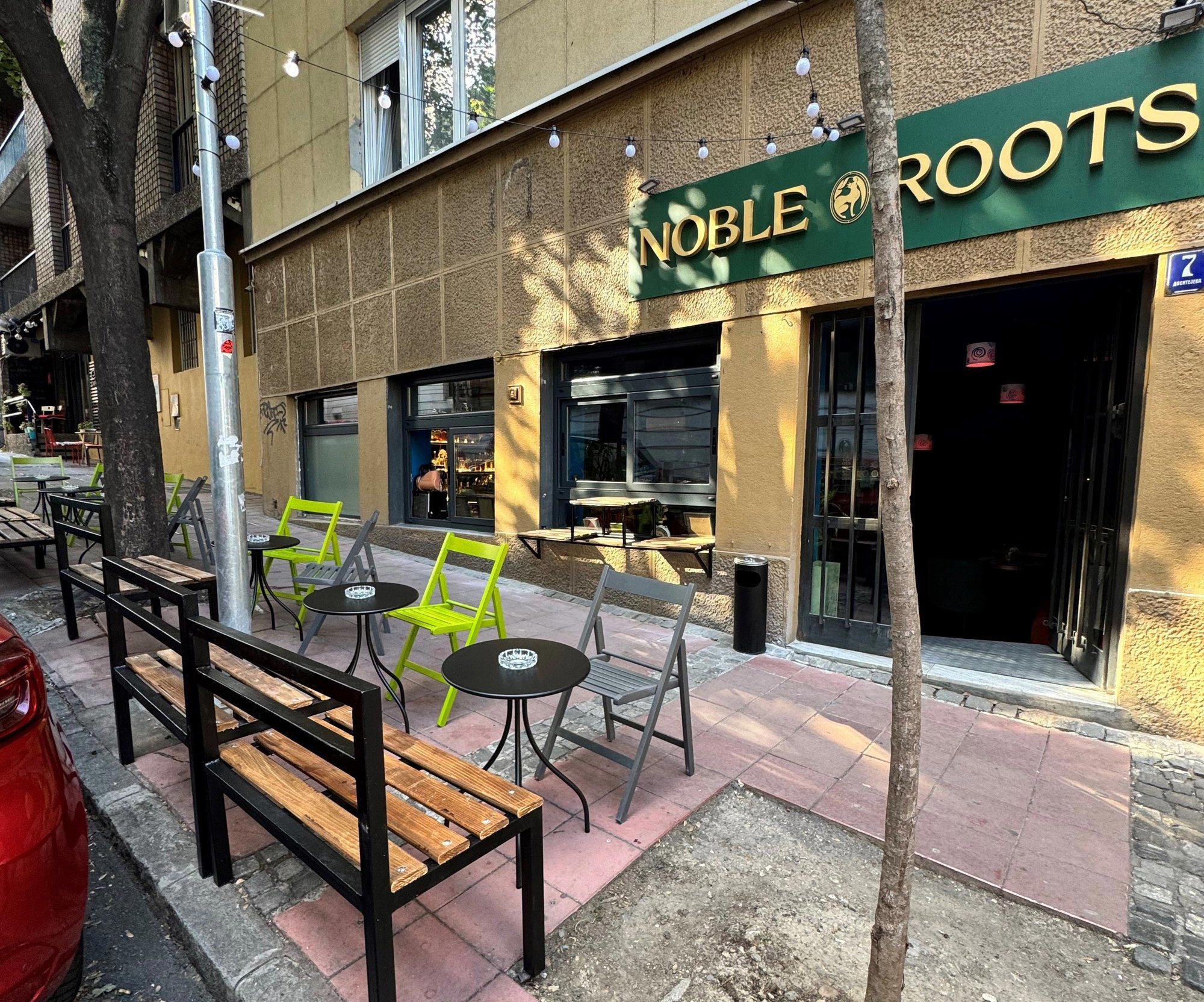
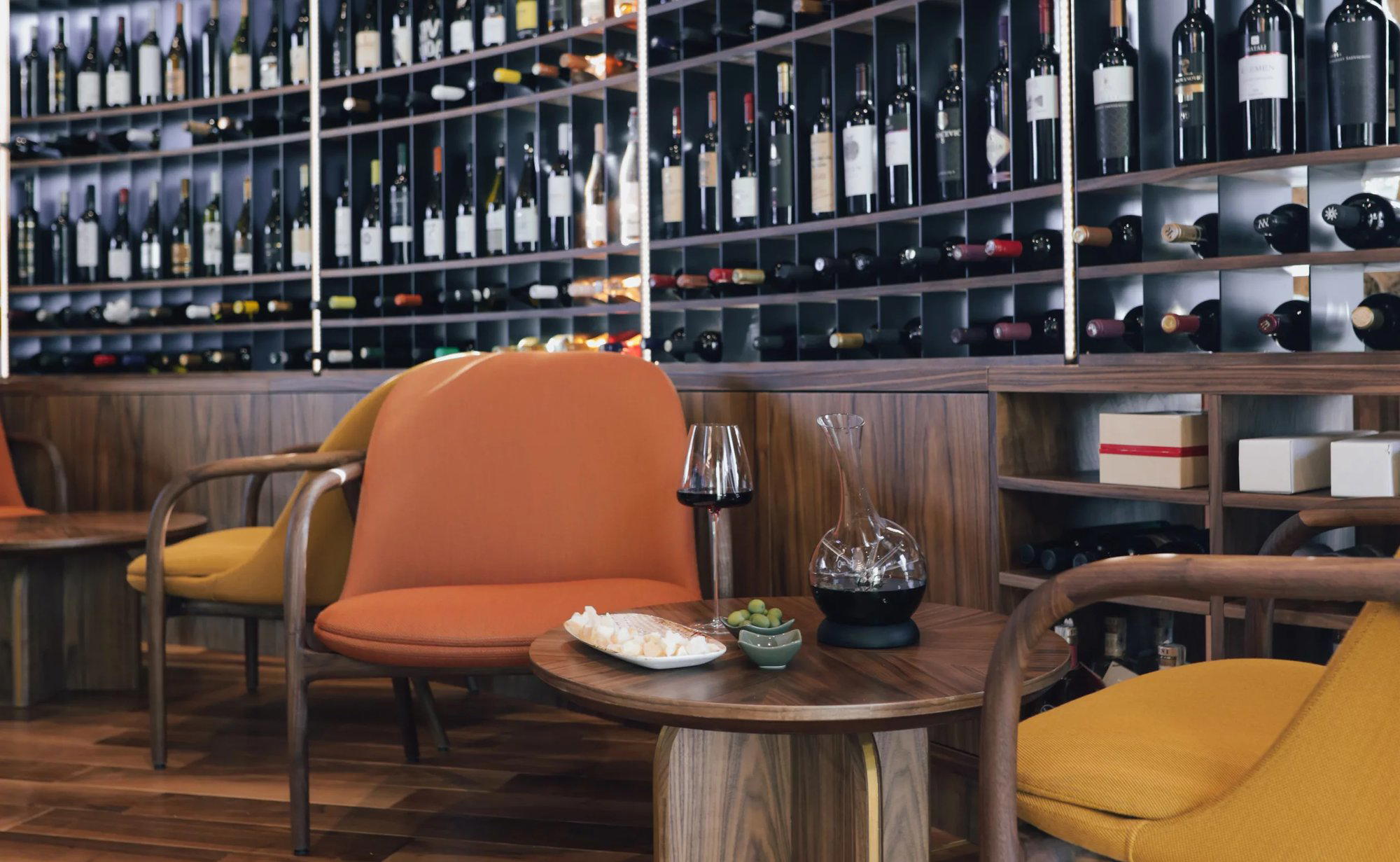
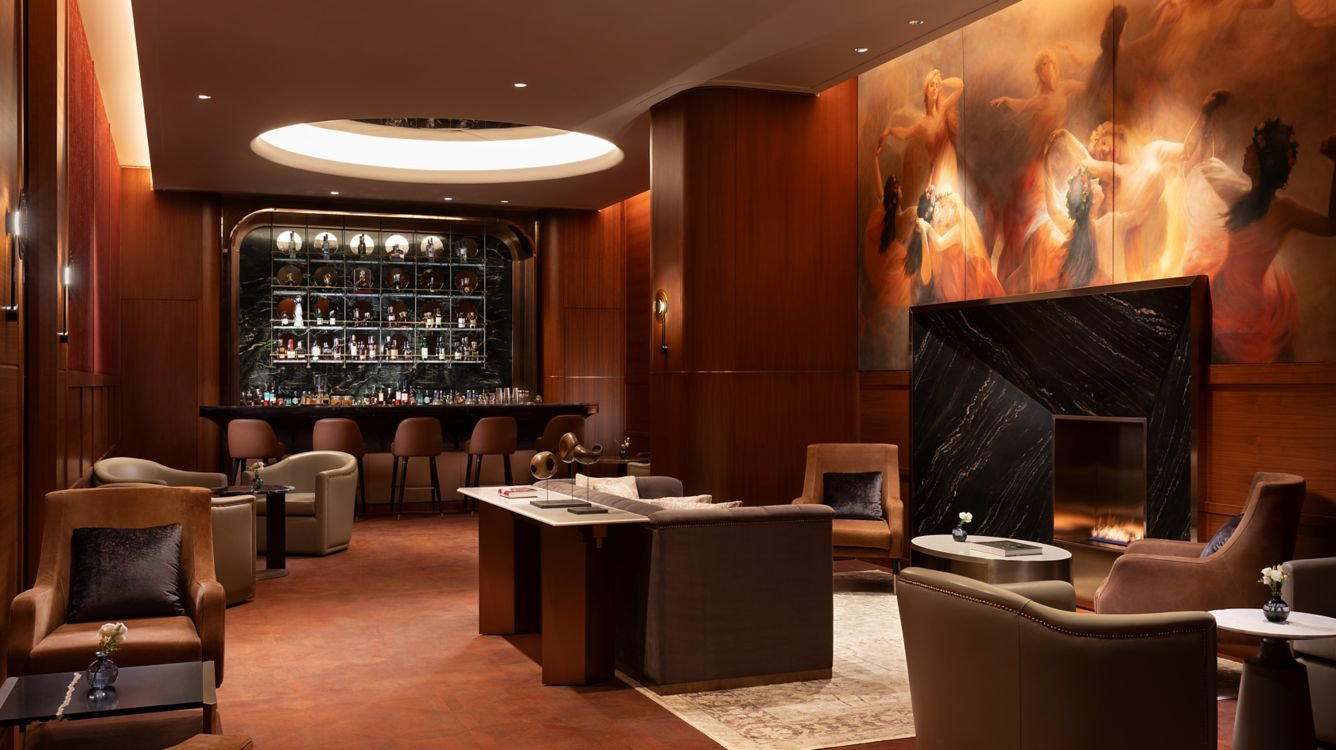
The sensory experience of a small bistro on a quiet Belgrade street operates in a register that larger venues cannot replicate. The sound level stays low enough for conversation. The light, in the absence of designed hospitality, tends to be practical rather than theatrical, which, in its own way, removes the self-consciousness that comes with eating in a room that knows it is being watched. At the restaurant, the address and scale suggest an environment shaped by its neighbourhood rather than by an interior design brief.
This matters because atmosphere in Belgrade's leading small restaurants is almost always incidental. The warmth of a room like this comes from its regulars, the couple at the corner who have been coming since the place opened, the table of colleagues who treat it as a Friday default. That kind of ambient familiarity is something that cannot be manufactured at a new opening; it accumulates. The bistro format in Vračar, at this scale, tends to carry it naturally.
For visitors accustomed to the sensory production of dining rooms at venues like Le Bernardin in New York or Lazy Bear in San Francisco, the deliberate quietness of a room like this is a different kind of experience, one where the cooking carries the full weight of the visit without the support of ambient theatre.
Serbian Cuisine in a Bistro Frame
The bistro format across Serbia tends to intersect with the country's culinary identity in a specific way. Serbian cooking is built around a set of techniques, grilling over live fire, slow-braising of fatty cuts, preservation through smoking and salting, that reward simplicity of presentation. The bistro scale suits this tradition well: a short menu, sourced locally, prepared without elaboration. What changes across venues is the degree to which that tradition is interpreted or merely reproduced.
Belgrade's broader dining scene has seen several openings in recent years attempt a reimagining of Serbian ingredients under European technique, a movement visible at venues like Avala and Barrel House. Whether the restaurant participates in that interpretive current or stays closer to tradition is not something the available record makes clear. What the address and format suggest is a kitchen operating at a scale where the quality of individual ingredients and the reliability of execution matter more than conceptual ambition.
Beyond Belgrade, Serbia's dining scene continues to develop in places that international visitors rarely reach. Fleur de Sel in Novi Slankamen, Aleksandar Gold in Uzice, Etno Restoran Fijaker in Sombor, Cafe Boem in Pirot, Etno Kuća Dinar in Vrsac, ČARDA ZLATNA KRUNA in Apatin, and Burrito Madre Big Pančevo in Pančevo are among the addresses worth tracking as the country's restaurant culture extends outward from its two largest cities.
Planning Your Visit
Mileševska 16 is in Vračar, a residential district that sits south of the historic centre and is reachable on foot from the main Slavija square in under fifteen minutes, or by tram from the city centre. The neighbourhood is dense with apartment buildings and local shops, and has none of the tourist infrastructure of Skadarlija or the Savamala waterfront, which is precisely why a bistro like this functions differently from venues in those areas. Walk-in dining at small Belgrade bistros is common during weekday lunches and early weekday evenings; weekend evenings in popular neighbourhood spots can fill quickly, and arriving early is advisable.
Peers in This Market
Comparable venues nearby, for context on price, style, and recognition.
| Venue | Cuisine | Price | Notes |
|---|---|---|---|
| Bistro TriThis venue — the venue you are viewing | Modern Serbian Bistro | $$ | Not listed |
| Potkovica | Traditional Serbian Horse Meat Barbecue | $$ | Savski venac |
| Dušanovački Cvet | Traditional Serbian | $$ | Dušanovac |
| Petar at Tikas | Modern Serbian Cuisine | $$ | Palilula |
| Restoran Vuk | Traditional Serbian Grill | $$ | City Center |
| KAFE POSLASTIČARNICA FINI | Serbian Pastry Cafe | $$ | city center |
At a Glance
- Cozy
- Intimate
- Casual Hangout
- Garden
- Garden
Current opening hours
- Monday
- 10 AM–12 AM
- Tuesday
- 10 AM–12 AM
- Wednesday
- 10 AM–12 AM
- Thursday
- 10 AM–12 AM
- Friday
- 10 AM–12 AM
- Saturday
- 10 AM–12 AM
- Sunday
- Closed
Hours can change for holidays and private events. Last verified .
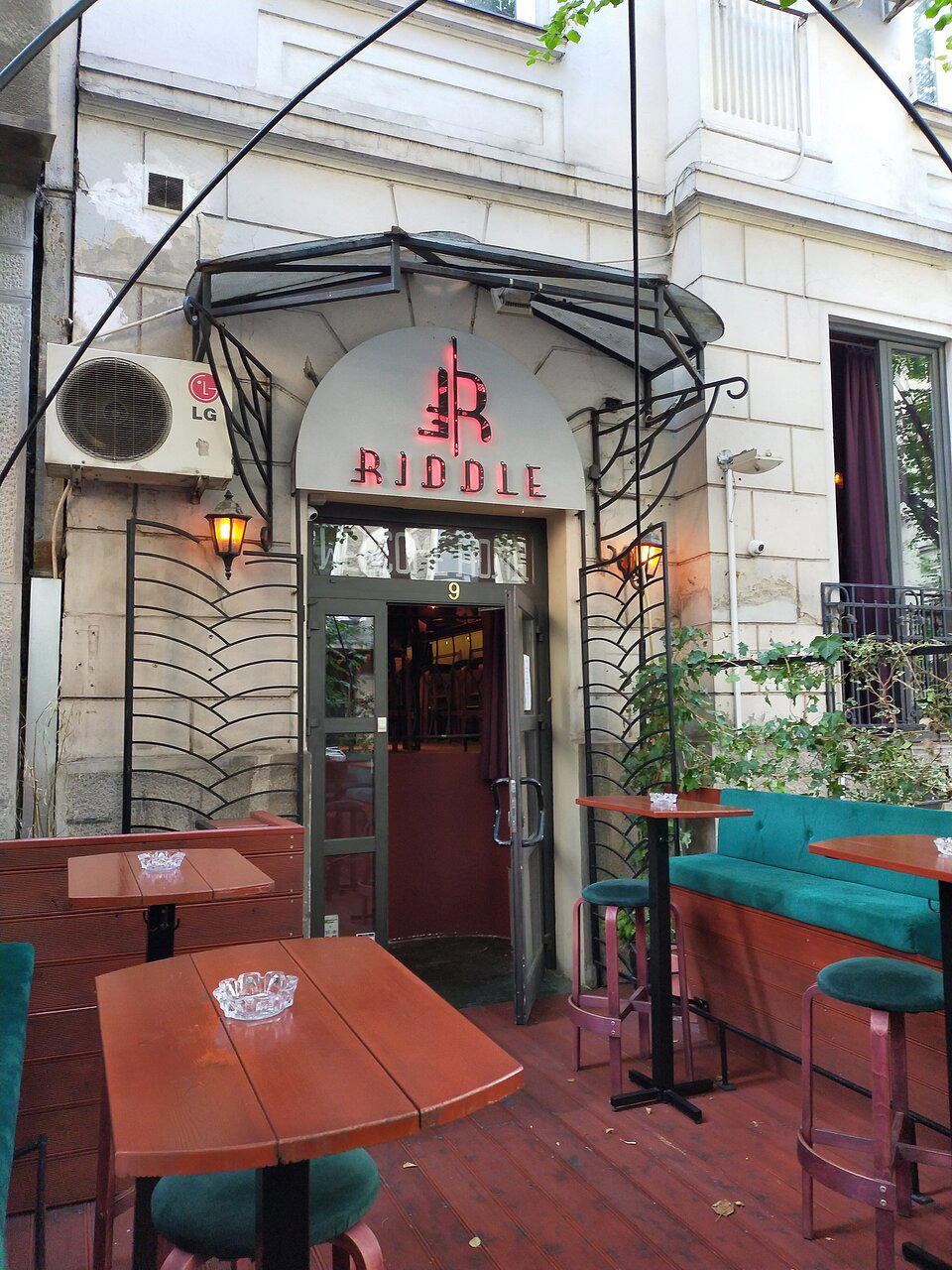
Down-to-earth atmosphere with intimate garden seating.