Kizuna sits on the second floor of a building in Namba's Chuo Ward, one of Osaka's most concentrated dining districts. The name itself, meaning 'bond' or 'connection' in Japanese, signals an orientation toward shared experience rather than solo performance, making it a natural choice for occasions that call for a meal with weight behind it. Exact pricing and format details are best confirmed directly before visiting.
 Discover on Pearl
Pearl is the En Primeur Club membership app — saves, bookings, and concierge access live there. Same editors, same standards.
- Address
- Japan, 〒542-0076 Osaka, Chuo Ward, Namba, 1 Chome−6−8 門三ビル 2F
- Phone
- +815054842580
- Website
- kcj6600.gorp.jp
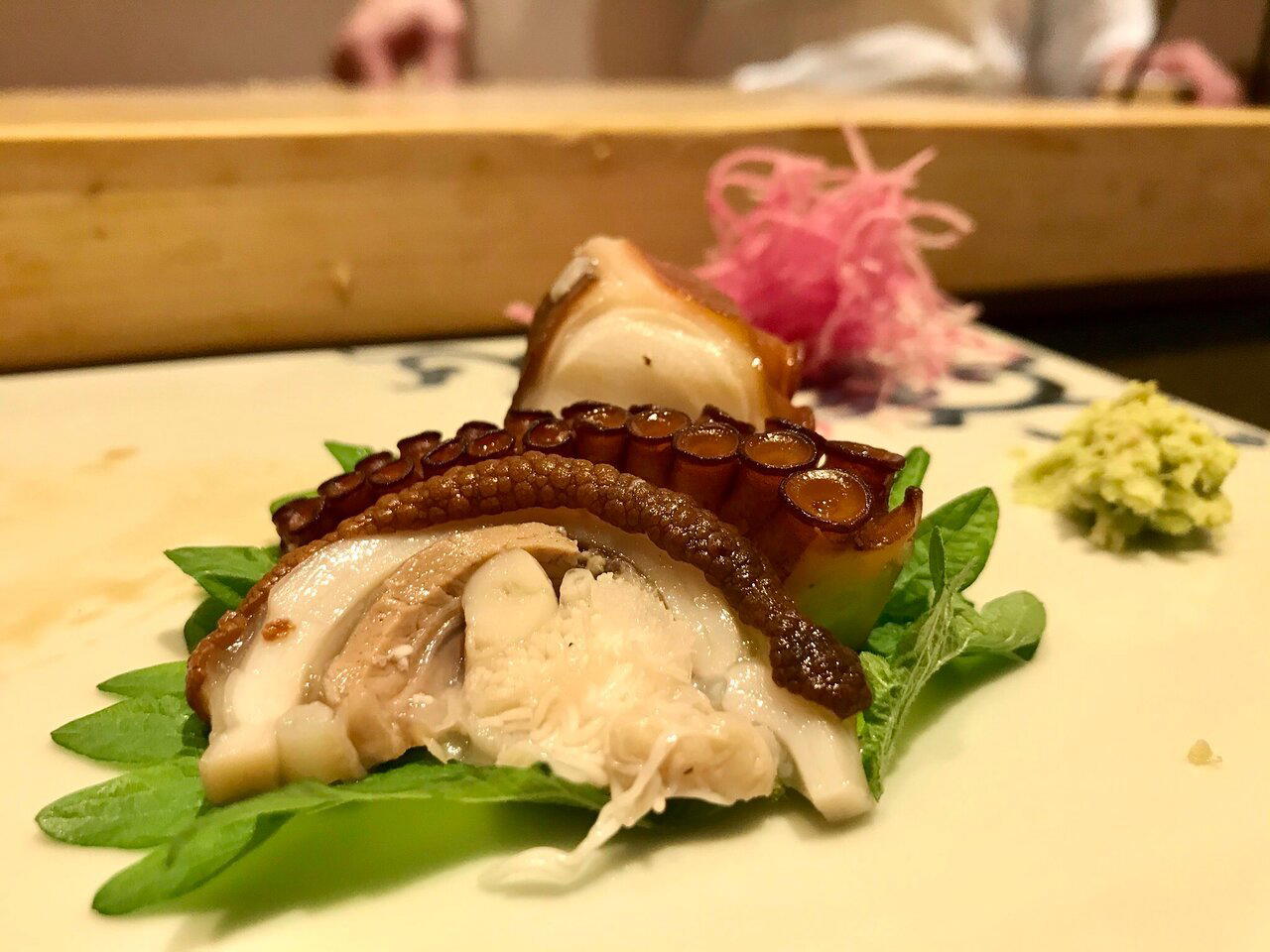
Namba After Dark: The Occasion Dining Context
Osaka's Chuo Ward compresses an extraordinary range of dining formats into a relatively small geography. Namba, at its core, runs the full spectrum from standing ramen counters to multi-course kaiseki rooms, and the second-floor addresses along its side streets tend to occupy a specific niche: intimate, often unmarked, built for the kind of meal that marks something. Kizuna sits in that tier, positioned above street level in a way that is common among Osaka restaurants that prioritize the room over the foot traffic.
The name deserves attention. Kizuna (絆) carries significant cultural weight in Japanese, it refers to bonds between people, the kind of connection that forms through shared experience over time. As a restaurant name, it is not accidental. It frames the table as a site of relationship rather than mere consumption, which is precisely the register that milestone dining occupies: anniversaries, homecomings, professional celebrations, the meals that people remember not only for what they ate but for who was across the table.
What the Setting Communicates
Second-floor restaurants in Namba operate by a different logic than ground-level venues. They do not rely on passing trade. A diner climbing those stairs has made a decision in advance, which self-selects for intentionality. The atmosphere that results tends to be quieter and more focused than street-level equivalents, and the service dynamic shifts accordingly, there is more sustained attention possible when the room is not managing a revolving door of walk-ins.
Osaka's dining culture has long placed a premium on hospitality calibrated to the occasion. The concept of omotenashi, attentiveness without intrusion, finds its fullest expression in rooms like this, where the host knows why you are there before you sit down. That context shapes everything from pacing to the moment a bottle is opened.
For comparison within the broader Kansai region, Gion Sasaki in Kyoto represents the formal kaiseki end of occasion dining, while akordu in Nara demonstrates how a European framework can carry the same ceremonial weight. Kizuna, in Namba, sits within a tradition that Osaka owns somewhat differently from both, less ceremony, more warmth, still deeply serious about the meal.
Osaka's Position in Japan's Dining Hierarchy
Osaka holds a specific place in Japanese food culture that bears on any occasion-dining decision. The city's self-designation as kuidaore, roughly, 'eat until you drop', describes a relationship with food that is less meditative than Tokyo's and less austere than Kyoto's. Osaka diners tend to be direct in their preferences, and restaurants that survive here do so by delivering on substance rather than reputation alone.
That competitive pressure is considerable. Within Chuo Ward alone, the density of serious restaurants is high enough that longevity itself functions as a credential. HAJIME in Osaka represents the city's internationally recognized pinnacle, holding three Michelin stars, while venues like Ajikitcho Bunbuan and Ajihei Sonezaki anchor different points across the kaiseki and Japanese cuisine spectrum. Aka to Shiro and Calendrier extend the Osaka narrative into French and fusion registers. Kizuna operates within this dense peer field, in a district where the competition for the occasion-dining guest is ongoing.
Further afield, the occasion-dining conversation extends across Japan. Harutaka in Tokyo anchors the capital's counter-sushi end of milestone meals, while Goh in Fukuoka demonstrates how the format translates to Japan's southwest. Internationally, the ambition that drives occasion dining finds expression in rooms like Le Bernardin in New York City and Atomix in New York City, both of which show how different cultural frameworks can achieve the same result: a meal that carries genuine significance.
Thinking About the Occasion
The practical question for anyone considering Kizuna for a milestone meal is not whether the room can handle the occasion, that is implied by the positioning, but whether the format fits the specific group and moment. Namba is highly accessible from central Osaka, with major rail connections making it one of the most direct destinations in the city to reach from any direction. The second-floor location means the entrance requires a moment of intention, which functions as a small but real transition from the street into something more considered.
Given the density of dining options in Chuo Ward, Kizuna sits within walking distance of the broader Namba dining circuit that includes Az and Birdland in Sakai for those building a longer evening or a multi-stop visit. For those travelling from further across the Kansai region or from other parts of Japan, venues in the same thematic territory worth cross-referencing include 一本杉 川島酒造 in Nanao, 夕朝夕山乃 in Sapporo, 湖隣庵 in Takashima, and 羽黒屋 in Nishikawa Machi, each representing the broader Japanese tradition of occasion dining across distinct regional registers.
Kizuna is an essential-reservation restaurant, and dinner planning should account for its listed hours and high-demand format. Osaka's better occasion restaurants at this address tier tend to book ahead, especially on weekends and around major national holidays.
Booking and Cost Snapshot
Comparable venues nearby, for context on price, style, and recognition.
| Venue | Cuisine | Price | Awards | Notes |
|---|---|---|---|---|
| KizunaThis venue — the venue you are viewing | Chūō, Edomae Sushi Tasting | $$$$ | , | |
| Kobe Beef Sakura Osaka Shochikuza Store | Chūō, Kobe Beef Steakhouse | $$$$ | , | |
| Harijyu Dotombori Grill Western Food | $$$ | , | Chūō, Traditional Yoshoku (Japanese Western) Grill | |
| 新町あだち | Nishi, Seasonal Japanese Omakase | $$$ | , | |
| 西天満 市がや | Kita, Modern Japanese Kaiseki | $$$ | , | |
| 老松 ひさ乃 | Kita, Seasonal Kaiseki | $$$$ | , |
Continue exploring
More in Osaka Shi
Restaurants in Osaka Shi
Browse all →
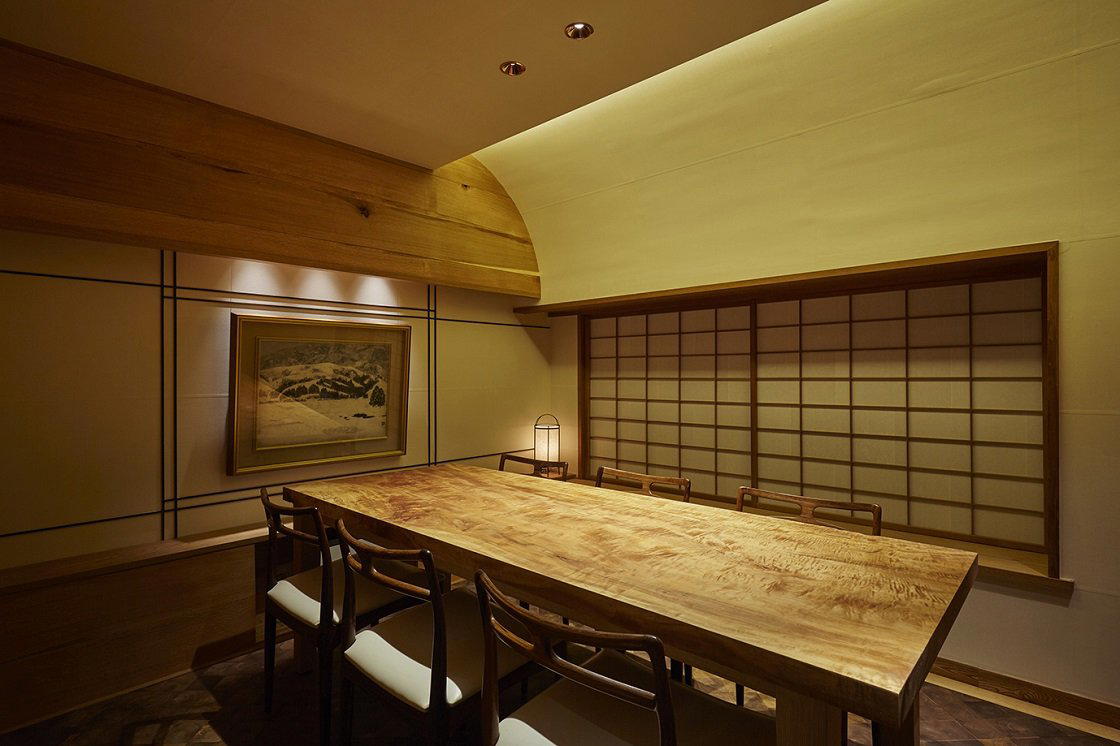



Bars in Osaka Shi
Browse all →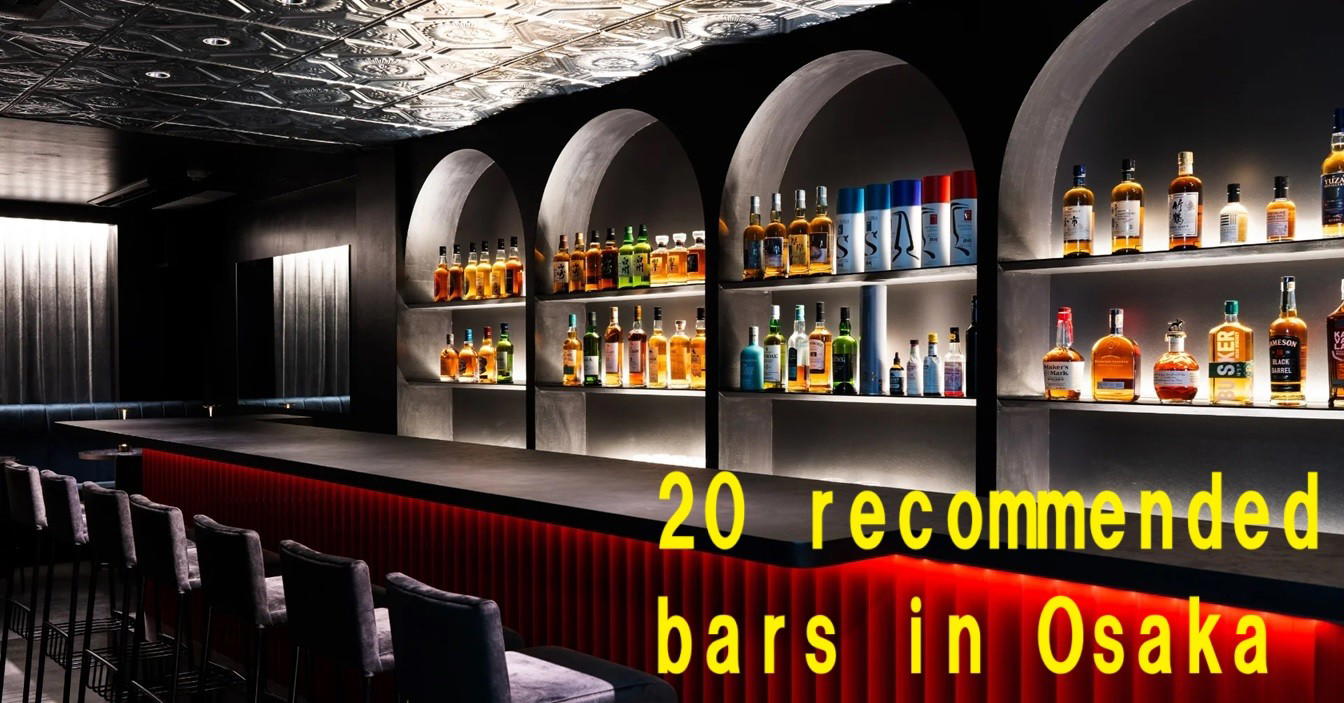

Hotels in Osaka Shi
Browse all →



Wineries in Osaka Shi
Browse all →
At a Glance
- Intimate
- Sophisticated
- Hidden Gem
- Date Night
- Special Occasion
- Solo
- Chefs Counter
- Sake Program
Intimate sushi counter with measured rhythm, precise knife work, and focused atmosphere ideal for sushi enthusiasts.