Palkin

Among St. Petersburg's formal dining rooms, Palkin on Nevsky Prospekt carries more institutional weight than almost any other address in the city. The pre-revolutionary grande dame has held its place on La Liste's ranked list through 2025 and 2026, signalling sustained recognition among international critics. The menu frames classic Russian cuisine with the pacing and ceremony that the room's nineteenth-century bones demand.
Pearl is the En Primeur Club membership app — saves, bookings, and concierge access live there. Same editors, same standards.
- Address
- Nevsky Ave, 47, St Petersburg, Russia, 191025
- Phone
- +7 812 703-53-71
- Website
- palkin.ru
- Directions
- Get directions
 Saves & bookings on Pearl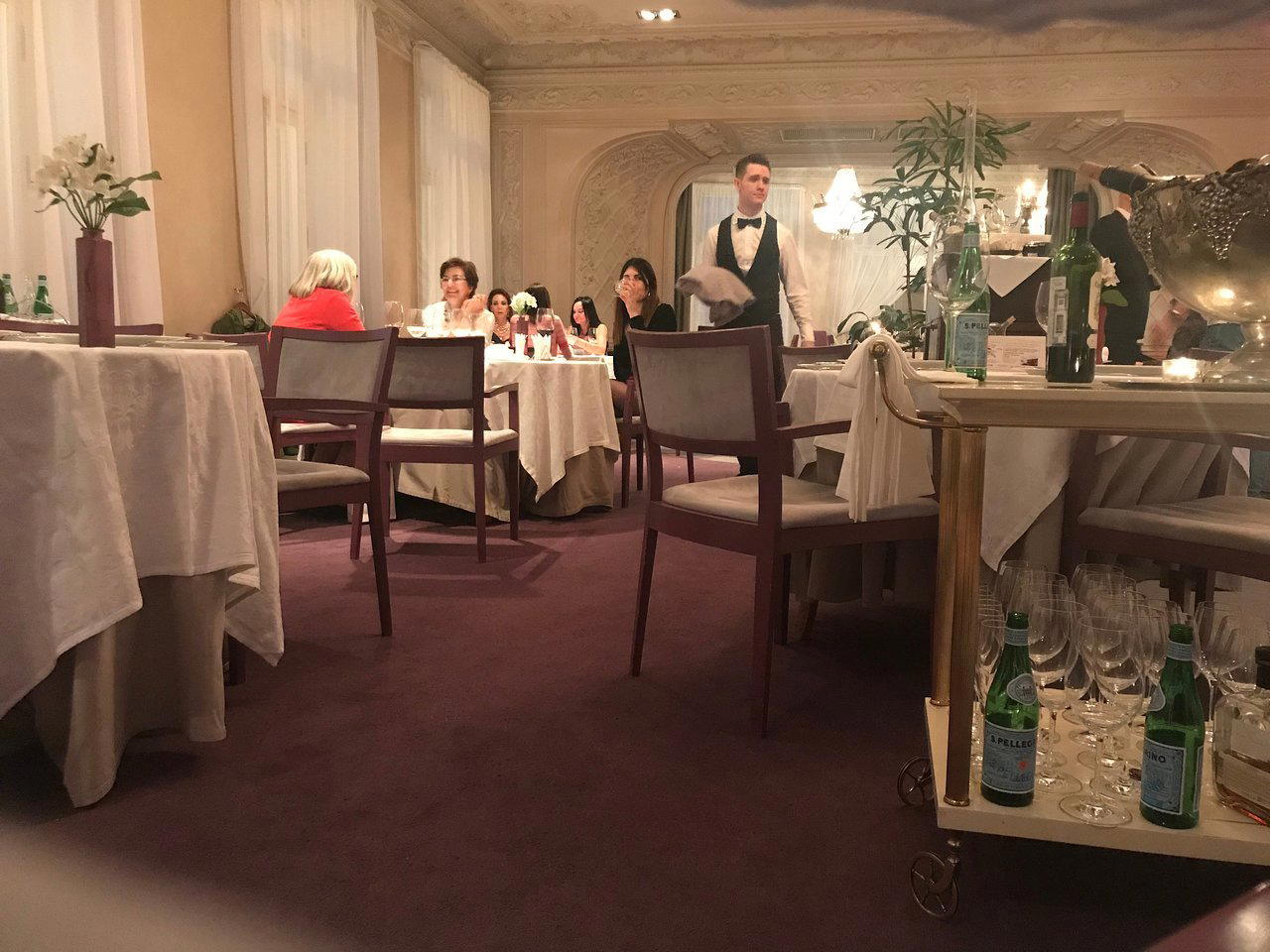
Nevsky Prospekt and the Weight of Dining History
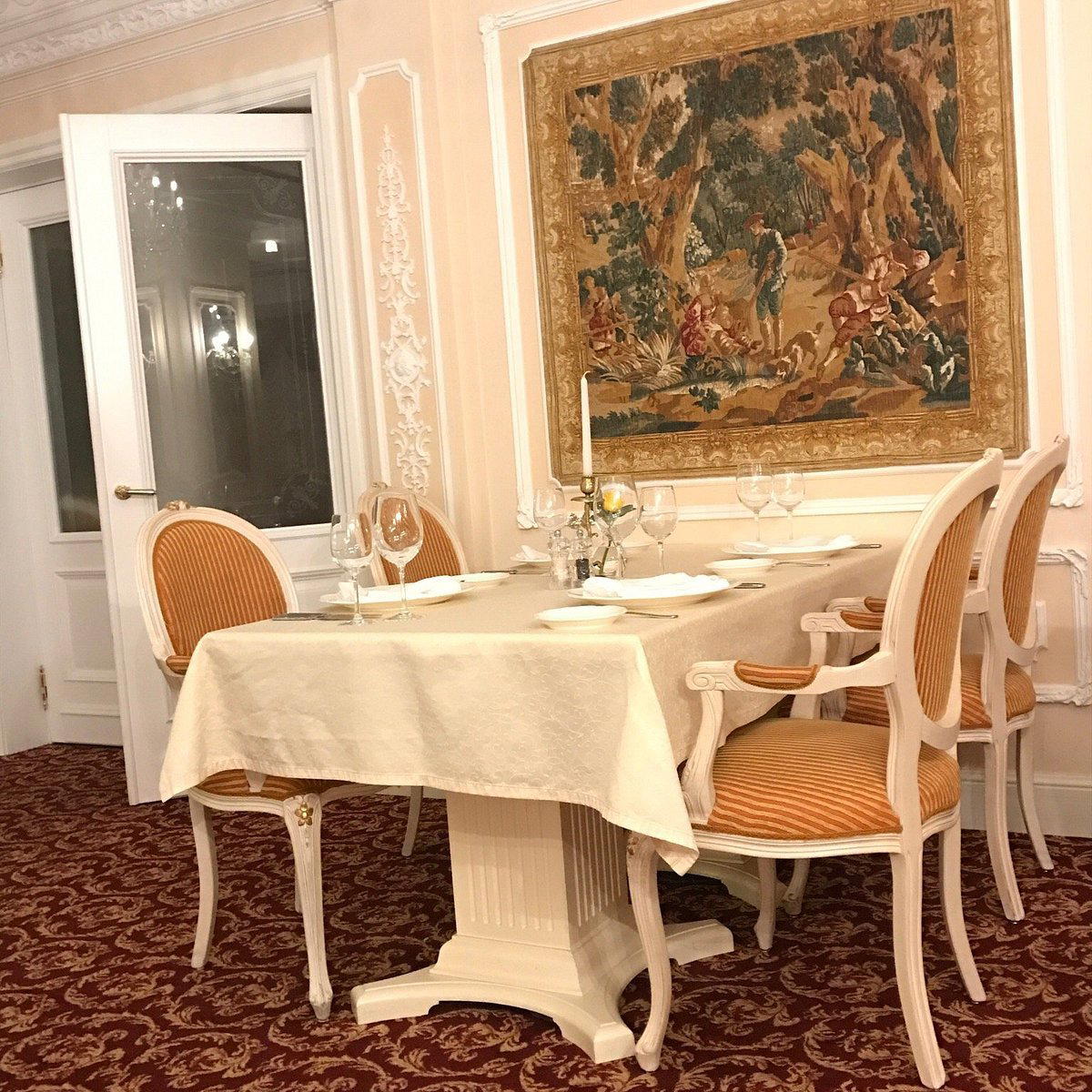
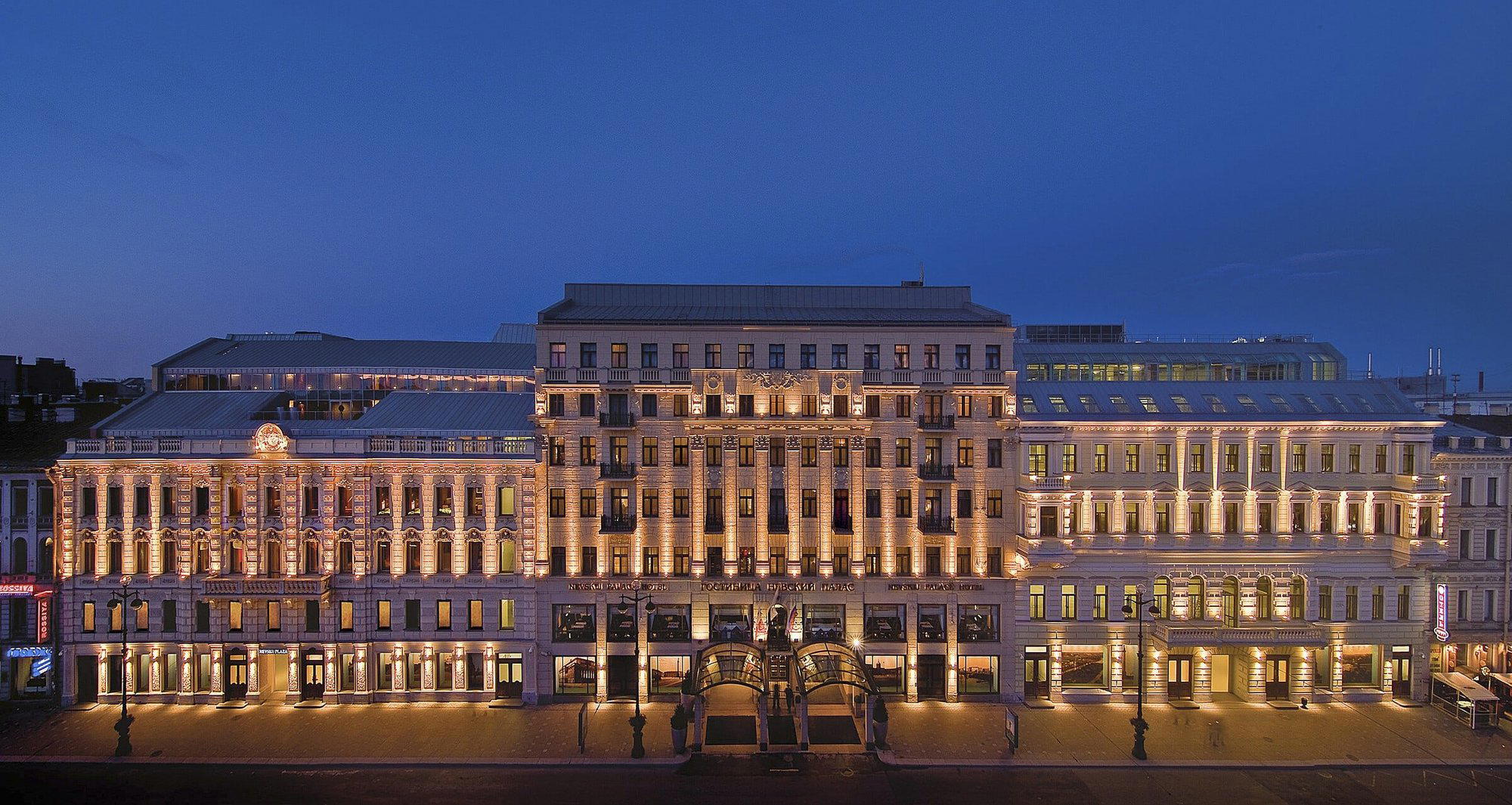
Nevsky Prospekt has always been St. Petersburg's principal artery for public life, and the restaurants that have survived on it longest are those that understood ceremony as a product in itself. Palkin, at number 47, occupies a position in that tradition that few addresses in Russia can match. The dining room that exists today carries that institutional gravity into the present: high ceilings, formally dressed tables, and a pace of service calibrated to the long meal rather than the efficient one. Before the food arrives, the room tells you something about what kind of evening this will be.
Where Palkin Sits in the St. Petersburg Dining Scene
St. Petersburg's formal dining market has developed along two distinct lines in recent years. On one side sit the newer wave of restaurants drawing on international techniques and global genre fluency, places like Fortu (Asian), Il Ritorno (Italian), and Sushi Sho Rexley (Sushi), each anchoring a specific international register at the higher end of the city's pricing tier. On the other side sit the institutions whose identity is built on Russian culinary tradition and architectural heritage. Palkin is the clearest example of the latter category in the city.
Internationally, the restaurant's standing has been measured with some precision. La Liste, which aggregates global critic scores and reviews into a ranked list, placed Palkin at 82.5 points in 2025 and 80 points in 2026. That marginal year-on-year shift is worth reading carefully: it reflects the competitiveness of the tier rather than any collapse in standing. Restaurants in this band are evaluated against a global comparable set that includes particularly scrutinised rooms in Europe and Asia. Holding a position within La Liste's ranked cohort across consecutive years signals consistent kitchen and service delivery, which in a category defined by institutional expectations is the relevant benchmark. For further context on how Palkin compares within Russia's broader fine dining geography, Twins Garden in Moscow represents the country's most internationally discussed contemporary address, offering a useful contrast in approach and ambition.
Within the city, Palkin sits at a different register from Birch and Bourgeois Bohemians in Sankt-Peterburg, which have built identities around more contemporary or narrative-driven formats. Palkin's claim is not novelty but continuity, and the room's clientele tends to be those who regard that as the more demanding achievement.
The Ritual of the Russian Formal Meal
The structure of a full Russian dinner at this level follows a logic that predates the tasting menu format that has come to dominate premium dining in Western capitals. It begins with cold appetisers: cured fish preparations, pickled vegetables, cold meats and creams, the zakuski spread that functions as both a social and gastronomic overture. This is not a course to rush. The ritual expectation is that conversation begins here, bread is eaten, and the meal's tempo is established before anything hot reaches the table.
What follows moves through soups, then hot mains, with the kitchen's handling of game, river fish, and the richer braised preparations that define the cold-climate Russian table. The meal at a room like Palkin is designed to be experienced over two to three hours at minimum. Service at this tier is formal, attentive, and structured around the assumption that guests are present for the duration rather than moving on to something else. That pacing is partly what La Liste's assessors are evaluating when they score a room in this tradition: not just the cooking, but the integrity of the ritual as a complete experience.
For those coming from markets where Russian cuisine is represented by diaspora versions of the canon, the reference point shifts considerably at this level. Restaurants like Kachka in Portland or 1924 İstanbul offer their own interpretations of Russian table traditions for audiences abroad, but the source register that Palkin works from is the imperial-era St. Petersburg model, where French culinary technique was absorbed into Russian material and service culture over the course of the nineteenth century. That synthesis is what gives the city's historic dining rooms their particular character, distinct from Moscow's more recently consolidated fine dining scene and from regional Russian cooking at addresses like Leo Wine & Kitchen in Rostov or SEASONS in Kaliningrad.
Etiquette, Occasion, and Who Books This Room
Understanding who uses Palkin clarifies what kind of visit this should be. The room draws a mix of St. Petersburg's established professional class, international visitors engaged with the city's cultural institutions, and guests for whom a formal Russian dinner is itself a considered act of cultural engagement rather than simply a meal.
Dress accordingly. The room's formality is not theatrical or performative; it is structural. Arriving in casual clothing is not prohibited, but the environment reads as a place where the occasion is taken seriously. Dinner at Palkin is a proposition: the room offers you the conditions for a particular kind of evening, and the guest's role is to show up prepared to receive it on those terms.
The restaurant operates seven days a week, noon to 11 pm, which means both the long lunch and the extended dinner are viable formats.
Planning Your Visit
Palkin is located at Nevsky Ave, 47, placing it on the central stretch of the prospekt within walking distance of the Hermitage, the Russian Museum, and several of the city's major theatre venues, making it a natural choice for a dinner anchored around St. Petersburg's cultural calendar. The address is well-served by the city's metro network and accessible by taxi or walking from most central accommodation.
Reservations are advisable, particularly for weekend evenings and for larger groups. The formal nature of the room means that same-day availability is more common at lunch than dinner, but the restaurant's profile among international travellers means the dining room fills with purpose rather than walk-in traffic. For those building a broader picture of St. Petersburg's dining, drinking, and stay options, the full St. Petersburg restaurants guide, hotels guide, bars guide, wineries guide, and experiences guide provide the fuller map. For Russian dining outside the city, Горыныч - Gorynych in Moscow and Царская Охота - Tsarskaya Okhota in Zhukovka represent two different points on the spectrum of how Russian culinary tradition is being interpreted at table elsewhere in the country. And for a considered alternative within St. Petersburg itself, La Colline in Bolshoye Sareyevo offers a different register for those whose evening calls for something outside the formal city-centre tradition.
At a Glance
Comparable venues nearby, for context on price, style, and recognition.
| Venue | Cuisine | Price | Notes |
|---|---|---|---|
| PalkinThis venue — the venue you are viewing | Russian | $$$$ | Not listed |
| Cococo | Not listed | $$$ | Admiralteysky, Modern Russian Fine Dining |
| Harvest | Petrogradsky, Vegetable-Focused European | $$$ | Not listed |
| Birch | city center, Modern European Fusion | $$$ | Not listed |
| Made in China | Admiralteisky, Modern Asian Café & Bar | $$ | Not listed |
| Korean BBQ гриль | Not listed | $$ | Northwestern District, Korean Table-Top BBQ Grill |
Recognition history
Dated appearances from independent guides and award organizations, with the underlying list record or original source where available.
La Liste Top Restaurants
La Liste
La Liste Top Restaurants
La Liste
Continue exploring
More in Saint Petersburg
Restaurants in Saint Petersburg
Browse all →
Bars in Saint Petersburg
Browse all →
Hotels in Saint Petersburg
Browse all →
At a Glance
- Elegant
- Classic
- Sophisticated
- Historic
- Ornate
- Special Occasion
- Business Dinner
- Date Night
- Celebration
- Live Music
- Historic Building
- Private Dining
- Extensive Wine List
- Street Scene
Current opening hours
- Monday
- 12–11 PM
- Tuesday
- 12–11 PM
- Wednesday
- 12–11 PM
- Thursday
- 12–11 PM
- Friday
- 12–11 PM
- Saturday
- 12–11 PM
- Sunday
- 12–11 PM
Hours can change for holidays and private events. Last verified .
Exceptionally elegant with impeccably decorated historic interiors featuring oil paintings, white tablecloths, and a club-like atmosphere enhanced by live jazz and Russian romances.